Loading concepts…


11 Concepts
13 Concepts
26 Concepts
13 Concepts
6 Concepts
31 Concepts
37 Concepts
10 Concepts
7 Concepts
22 Concepts
11 Concepts
11 Concepts
22 Concepts
16 Concepts
11 Concepts
15 Concepts
14 Concepts
12 Concepts
9 Concepts
 11 Concepts
 15.5K Views
 Popular topics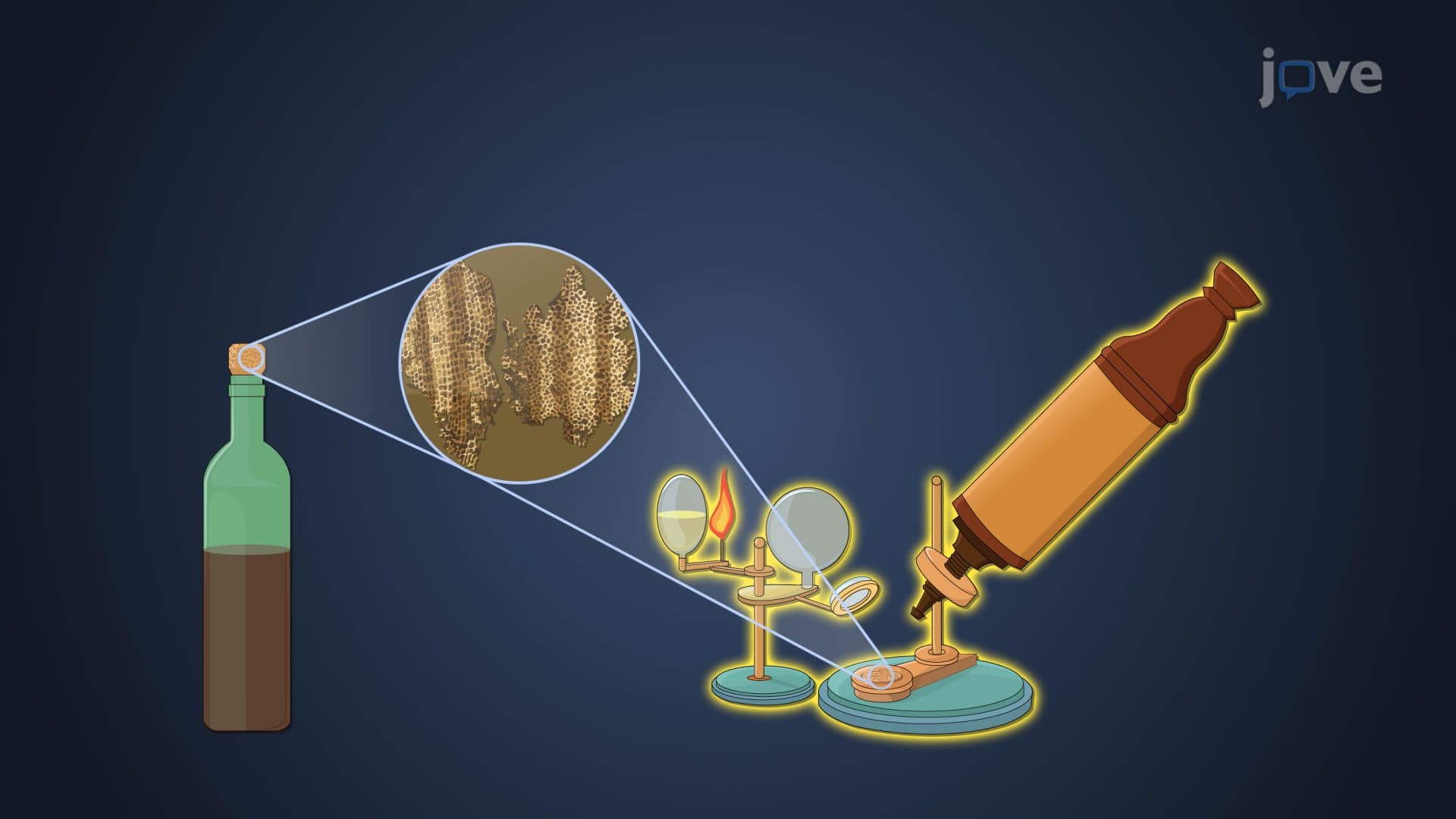
This introduction to microbiology course provides comprehensive coverage of the microbial world, from historical foundations to modern applications. Students explore essential microbiology basics through the study of bacteria, fungi, viruses, and other microorganisms that impact human health, agriculture, and environmental systems. Developed with JoVE Coach, the curriculum emphasizes practical techniques including microscopy, staining methods, and microbial classification systems used in US laboratories and clinical settings.
1. Historical Foundations and Golden Ages of Microbiology The field began with Robert Hooke's 1665 cell observations and Antonie van Leeuwenhoek's pioneering microscopy work in the 1670s. Louis Pasteur's swan-neck flask experiments definitively disproved spontaneous generation in 1861. The First Golden Age (1857-1914) established pasteurization, Koch's postulates, and early vaccines. Alexander Fleming's 1928 penicillin discovery launched the Second Golden Age, while the Third Golden Age (1990s-present) focuses on genomics and biotechnology. These developments shaped modern medical microbiology practiced in US hospitals and research institutions, forming the foundation for contemporary diagnostic and therapeutic approaches.
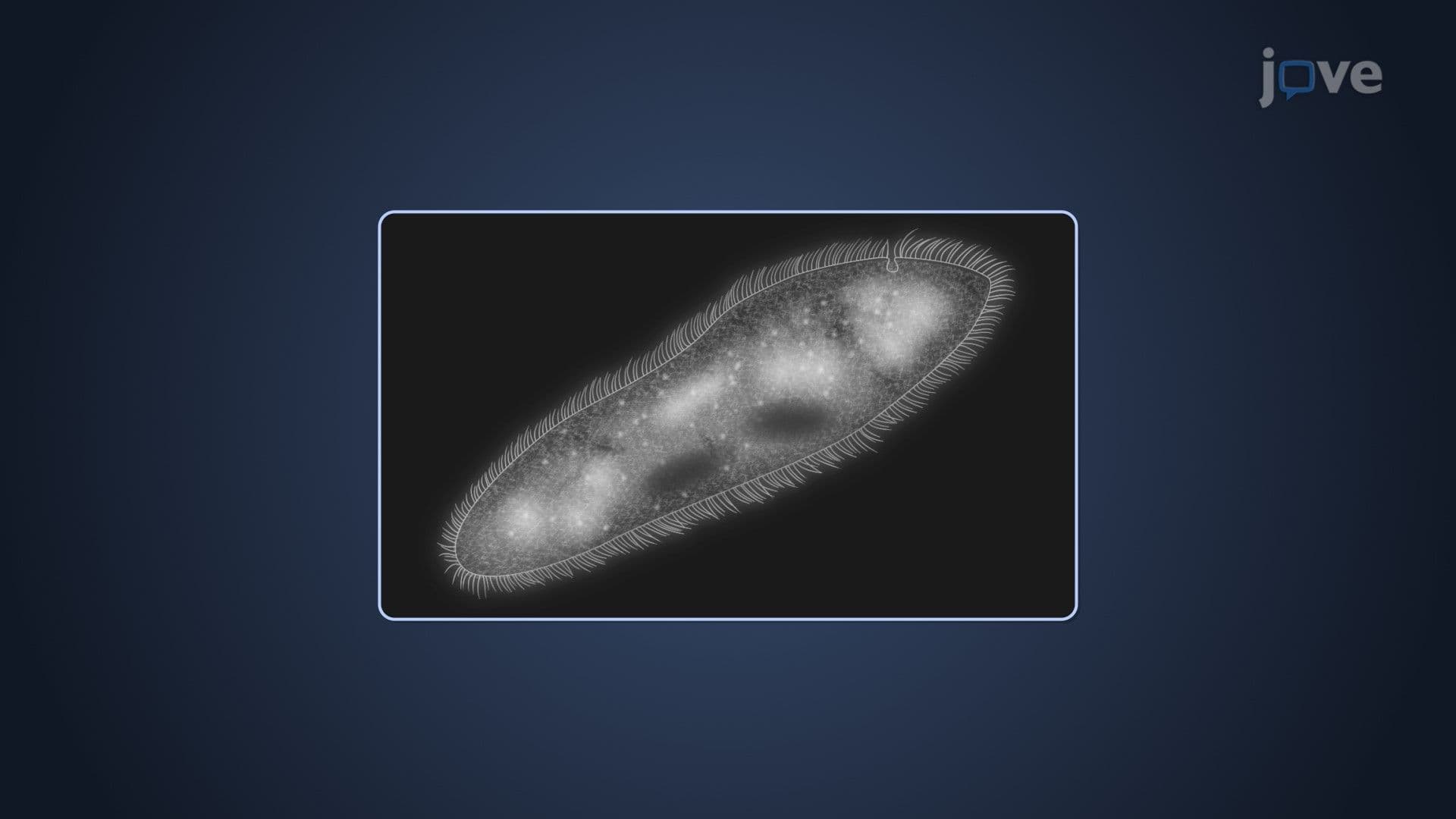
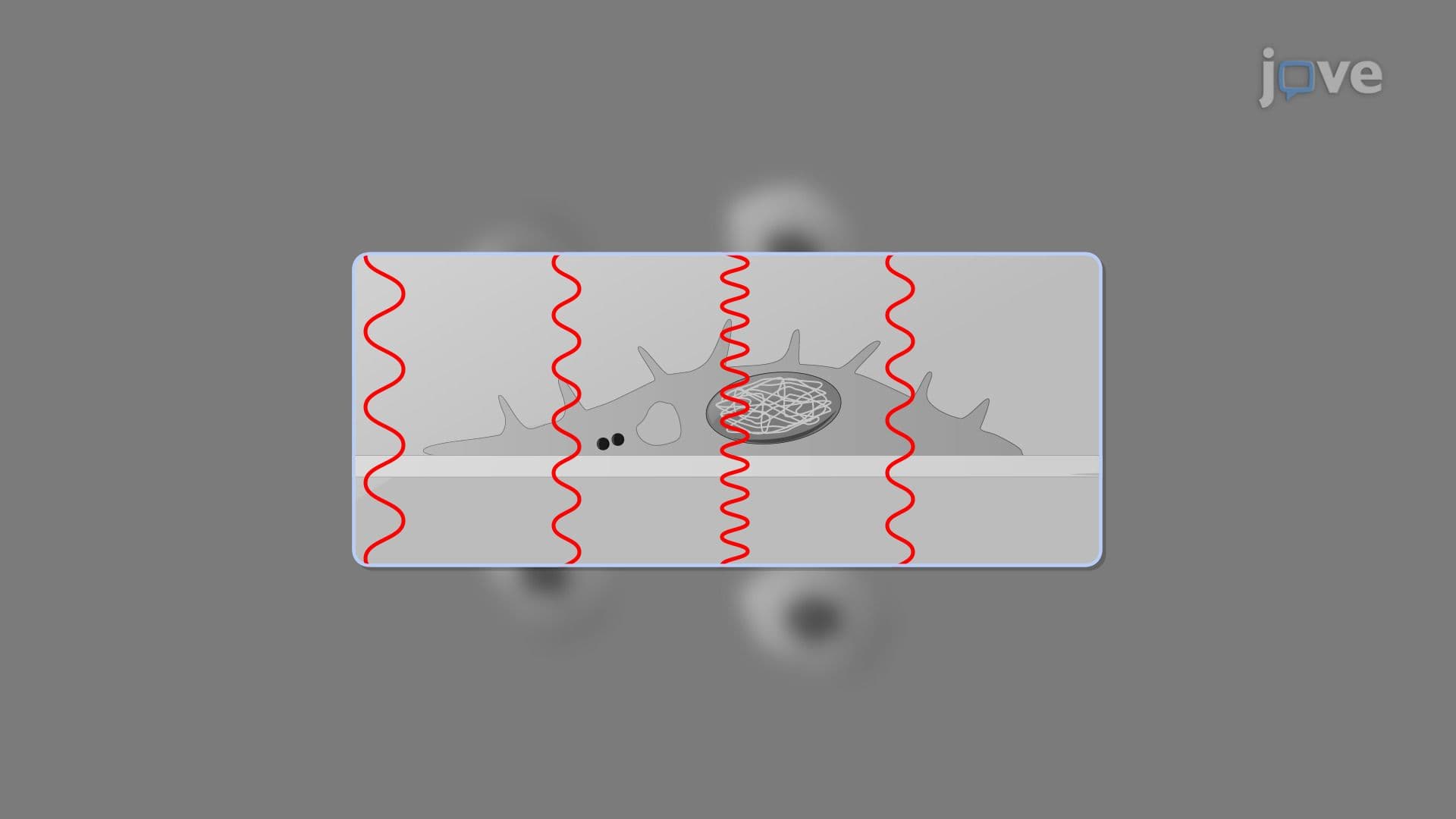
2. Microscopy Techniques: Two-Dimensional and Three-Dimensional Imaging Two-dimensional microscopy includes bright-field microscopy for routine bacterial identification in clinical labs, dark-field microscopy for visualizing spirochetes like *Treponema pallidum*, and phase-contrast microscopy for observing live cells without staining. Fluorescence microscopy enables protein localization studies essential in US research facilities. Three-dimensional techniques like Differential Interference Contrast (DIC) provide pseudo-3D images of unstained specimens, while Confocal Scanning Laser Microscopy (CSLM) creates detailed reconstructions of bacterial biofilms. These advanced imaging methods are standard in major US medical centers and pharmaceutical companies for drug development and pathogen analysis.
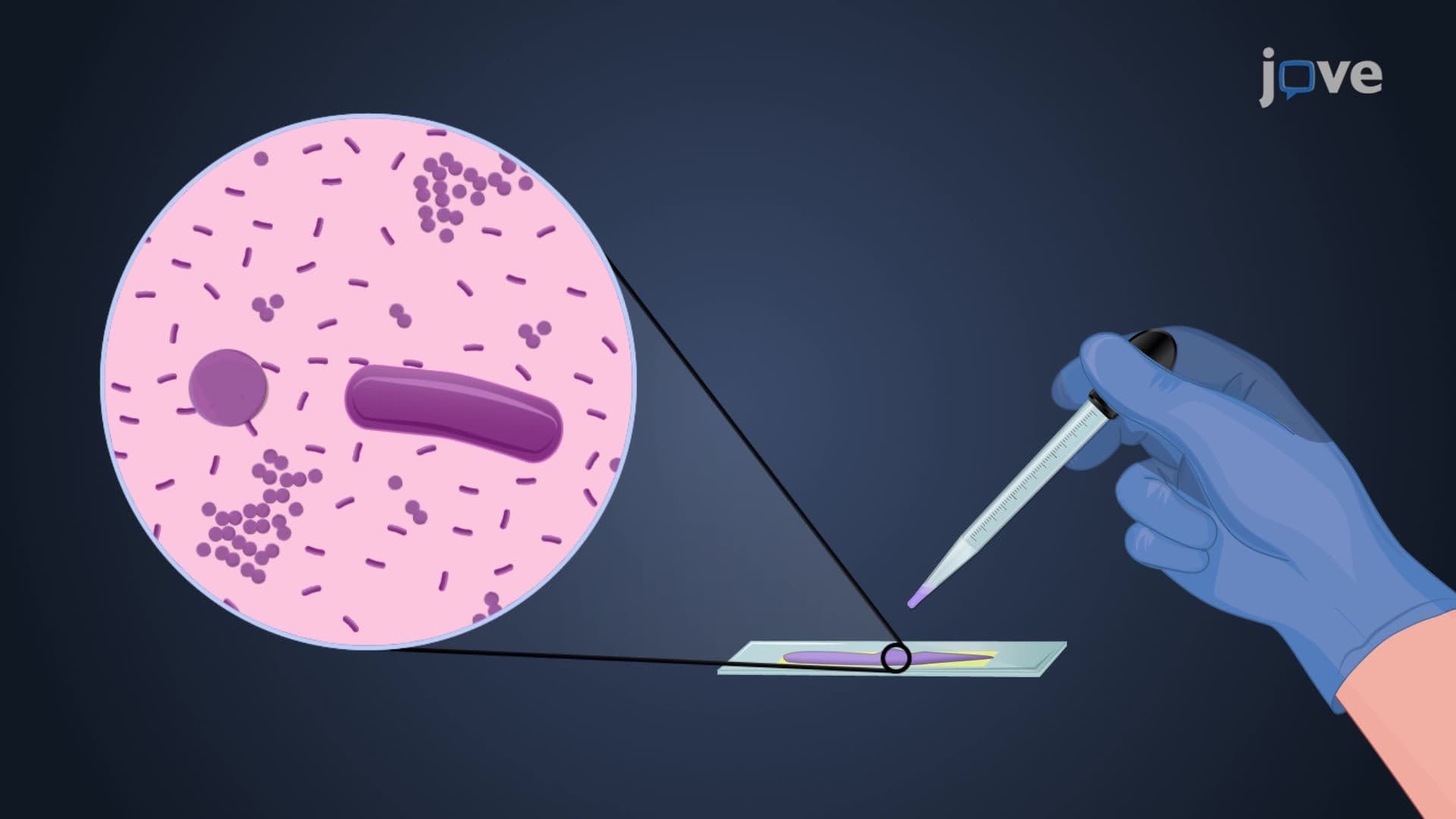
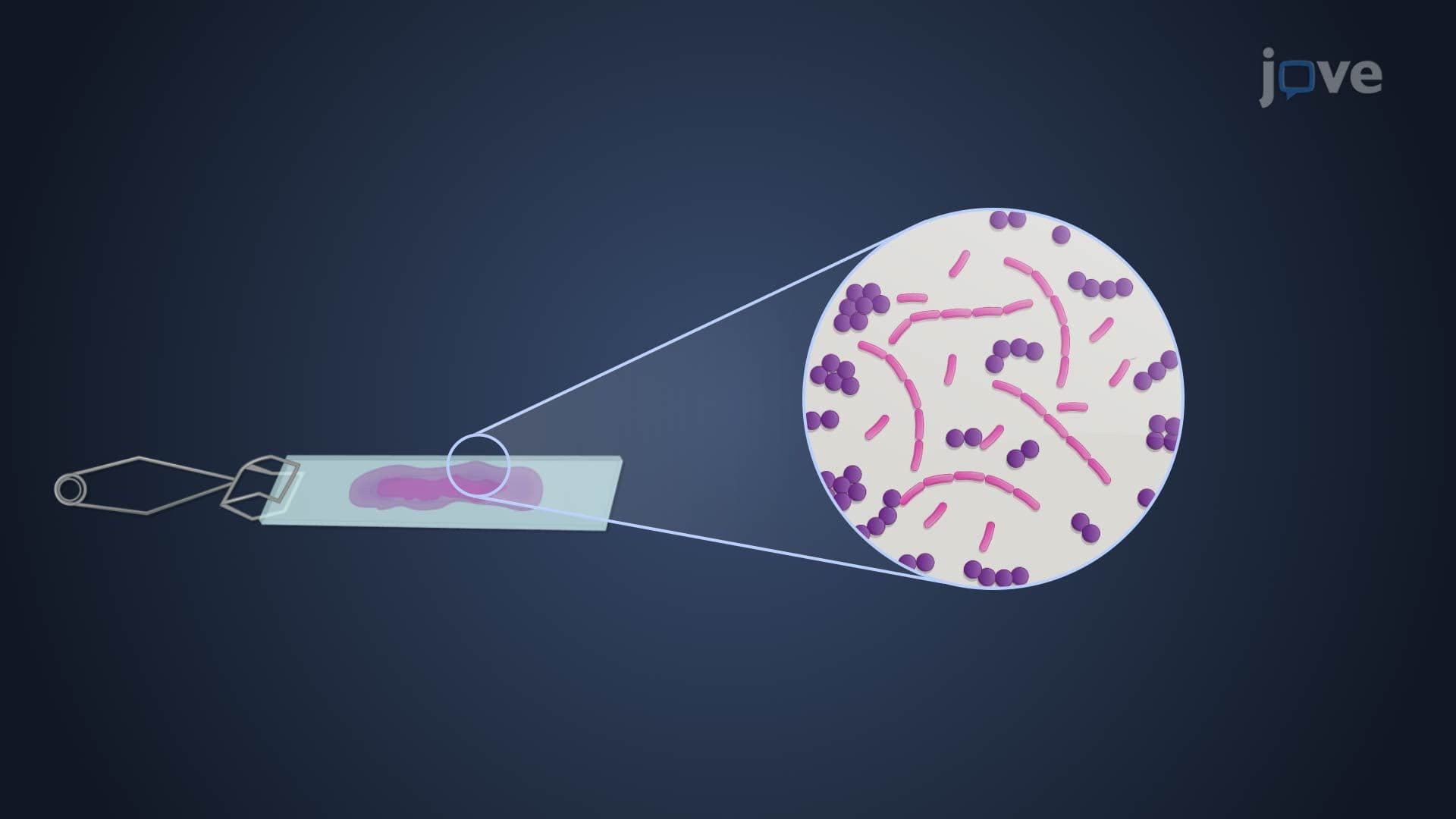
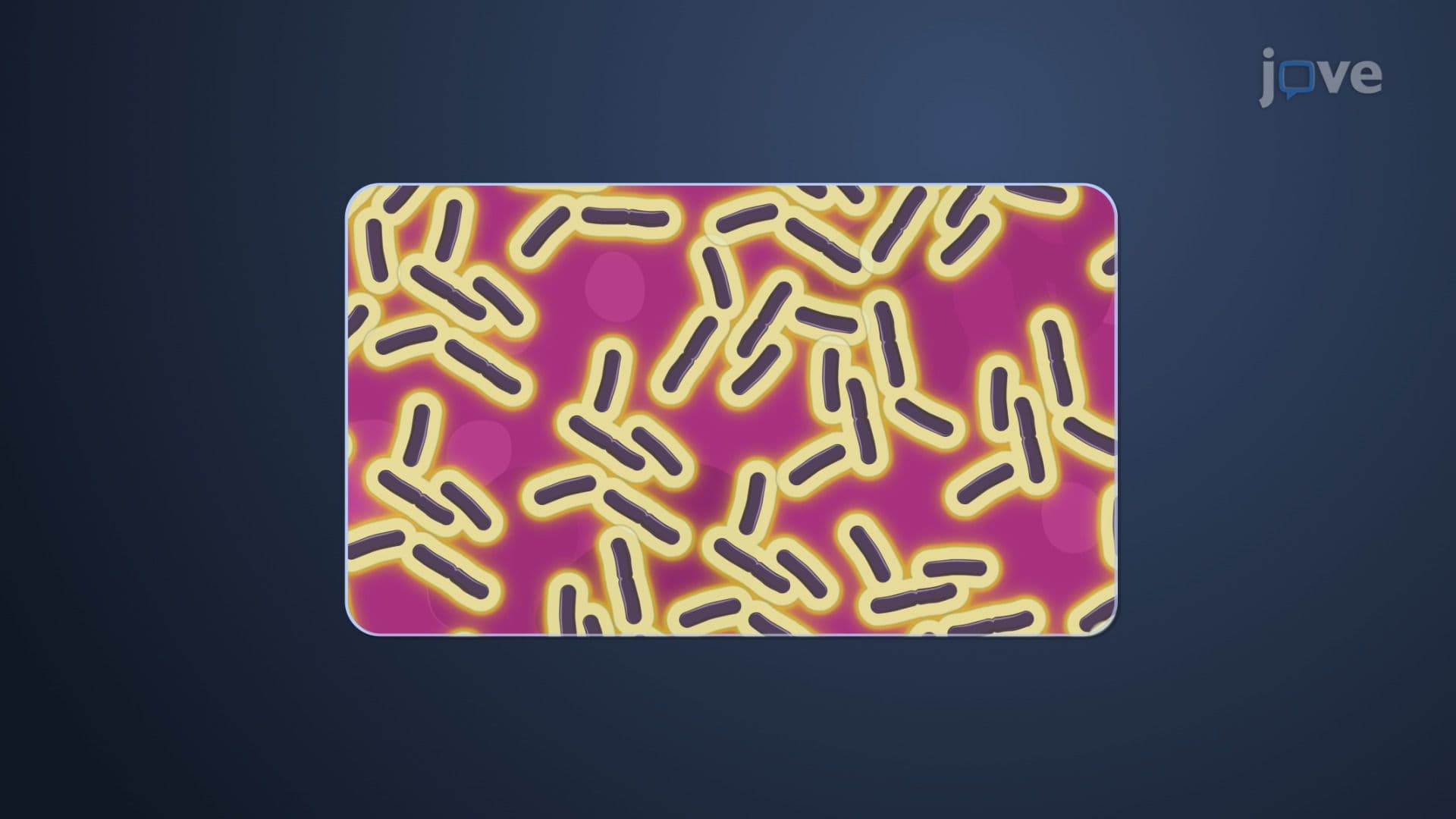
3. Staining Methods: Simple, Differential, and Special Techniques Simple staining using crystal violet, methylene blue, or safranin reveals basic cellular morphology essential for initial bacterial identification in US clinical laboratories. Differential staining includes the crucial Gram stain that distinguishes gram-positive bacteria (like *Staphylococcus aureus*) from gram-negative bacteria (like *Escherichia coli*), guiding antibiotic selection in American hospitals. Acid-fast staining identifies *Mycobacterium tuberculosis*, critical for TB diagnosis in US public health programs. Special staining techniques visualize capsules for virulence assessment, endospores in *Clostridium difficile* infections, and flagella for bacterial motility studies used in food safety laboratories across the United States.
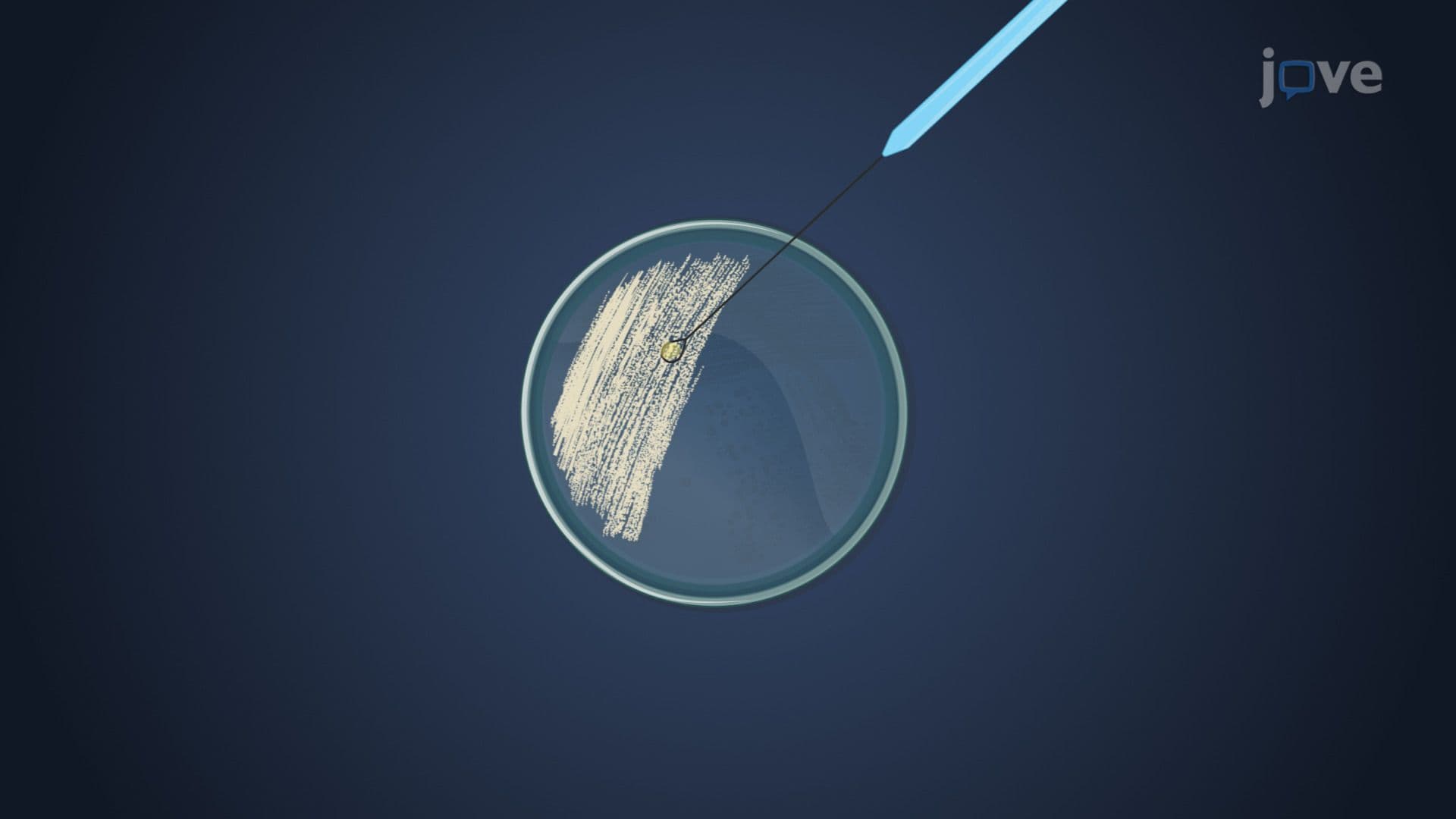
4. Laboratory Techniques and Aseptic Methods Proper aseptic technique prevents contamination in clinical and research settings, utilizing laminar flow hoods with HEPA filtration systems standard in US laboratories. Sterilization methods include autoclaving at 121°C and chemical disinfection protocols mandated by the CDC. Culture media selection involves selective media like MacConkey agar for gram-negative bacteria, differential media such as blood agar for hemolysis patterns, and enriched media like chocolate agar for fastidious organisms. Cryopreservation using 10-20% glycerol or DMSO enables long-term storage of clinical isolates. These techniques form the backbone of diagnostic microbiology in American hospitals, research institutions, and pharmaceutical companies.
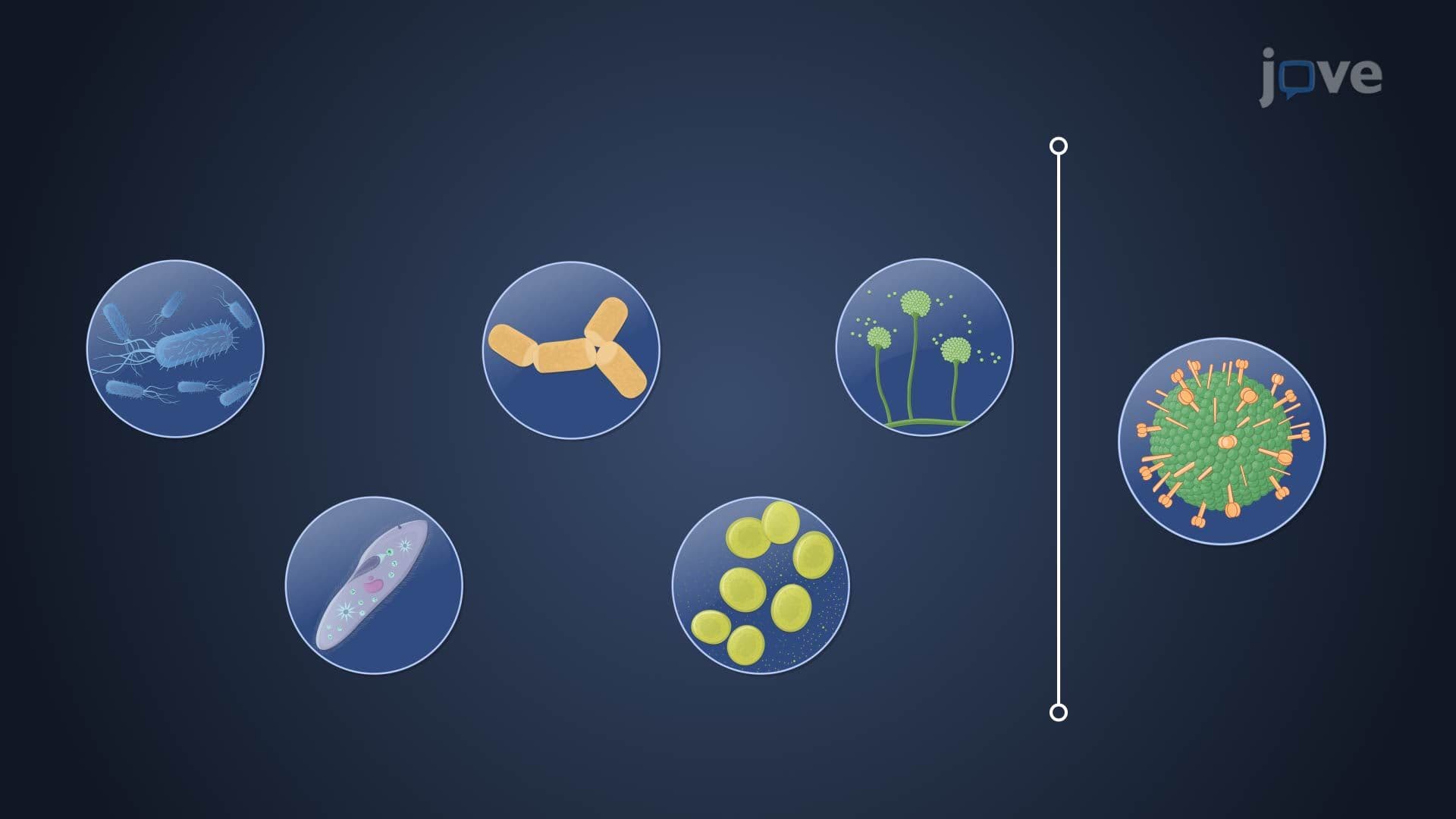
5. Microorganism Classification and Characteristics Cellular microorganisms include prokaryotic bacteria (like *E. coli* and *Streptococcus pyogenes*) and archaea found in Yellowstone's hot springs, plus eukaryotic fungi (*Candida albicans*), protozoa (*Plasmodium falciparum* causing malaria), and algae supporting marine ecosystems along US coastlines. Acellular viruses like influenza and SARS-CoV-2 require host cells for replication. Understanding these classifications enables proper identification in US clinical settings, guides treatment decisions, and supports epidemiological investigations conducted by the CDC. Each group exhibits unique structural features, metabolic capabilities, and pathogenic potential relevant to American public health and medical practice.
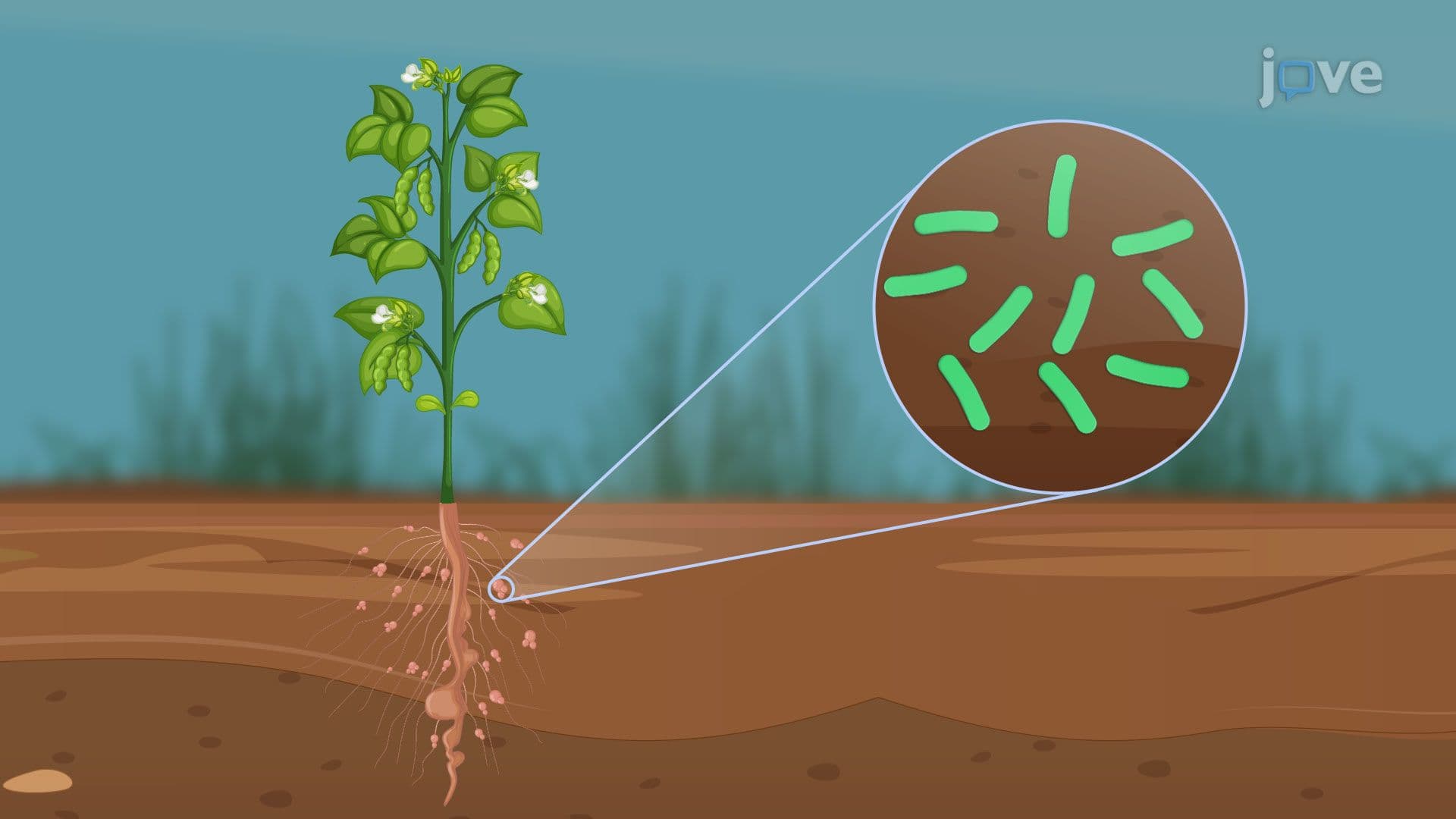
6. Environmental Applications and Biogeochemical Cycles Microorganisms drive essential biogeochemical cycles supporting US ecosystems. Carbon cycle processes include microbial decomposition in forest soils and photosynthetic carbon fixation by marine phytoplankton off American coastlines. Nitrogen-fixing bacteria like *Rhizobium* species enhance agricultural productivity in Midwest farming regions, while denitrifying *Pseudomonas* species complete the nitrogen cycle. Phosphate-solubilizing *Bacillus subtilis* improves soil fertility in American agricultural systems. Wastewater treatment facilities across the US employ microbial communities for secondary treatment, reducing biological oxygen demand. Bioremediation applications include *Pseudomonas putida* for hydrocarbon cleanup at contaminated sites and *Aspergillus niger* for heavy metal removal in mining areas.
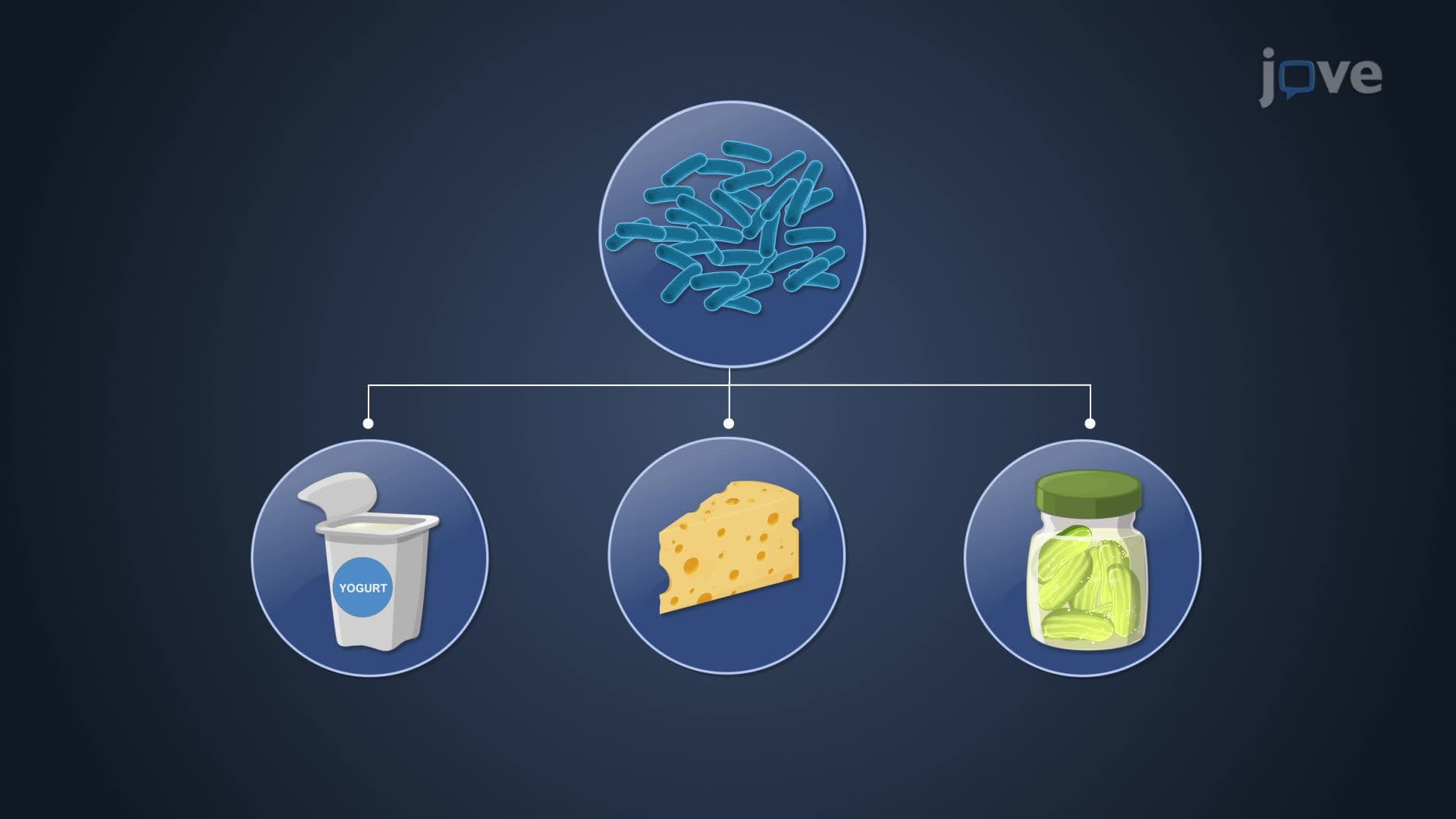
7. Agricultural and Food Industry Applications Agricultural applications feature nitrogen-fixing bacteria (*Rhizobium*, *Azotobacter*) reducing synthetic fertilizer dependence on American farms. Biofertilizers like *Azospirillum* enhance crop yields in sustainable farming operations throughout the US. *Bacillus thuringiensis* serves as an organic pesticide approved by the EPA for use on American crops. Food industry applications include *Saccharomyces cerevisiae* for bread production in US bakeries and alcoholic beverage fermentation in American wineries and breweries. *Lactobacillus* species create yogurt, cheese, and fermented vegetables in US food processing facilities. These beneficial microbes also produce natural preservatives that extend shelf life and ensure food safety in American grocery chains and restaurants.
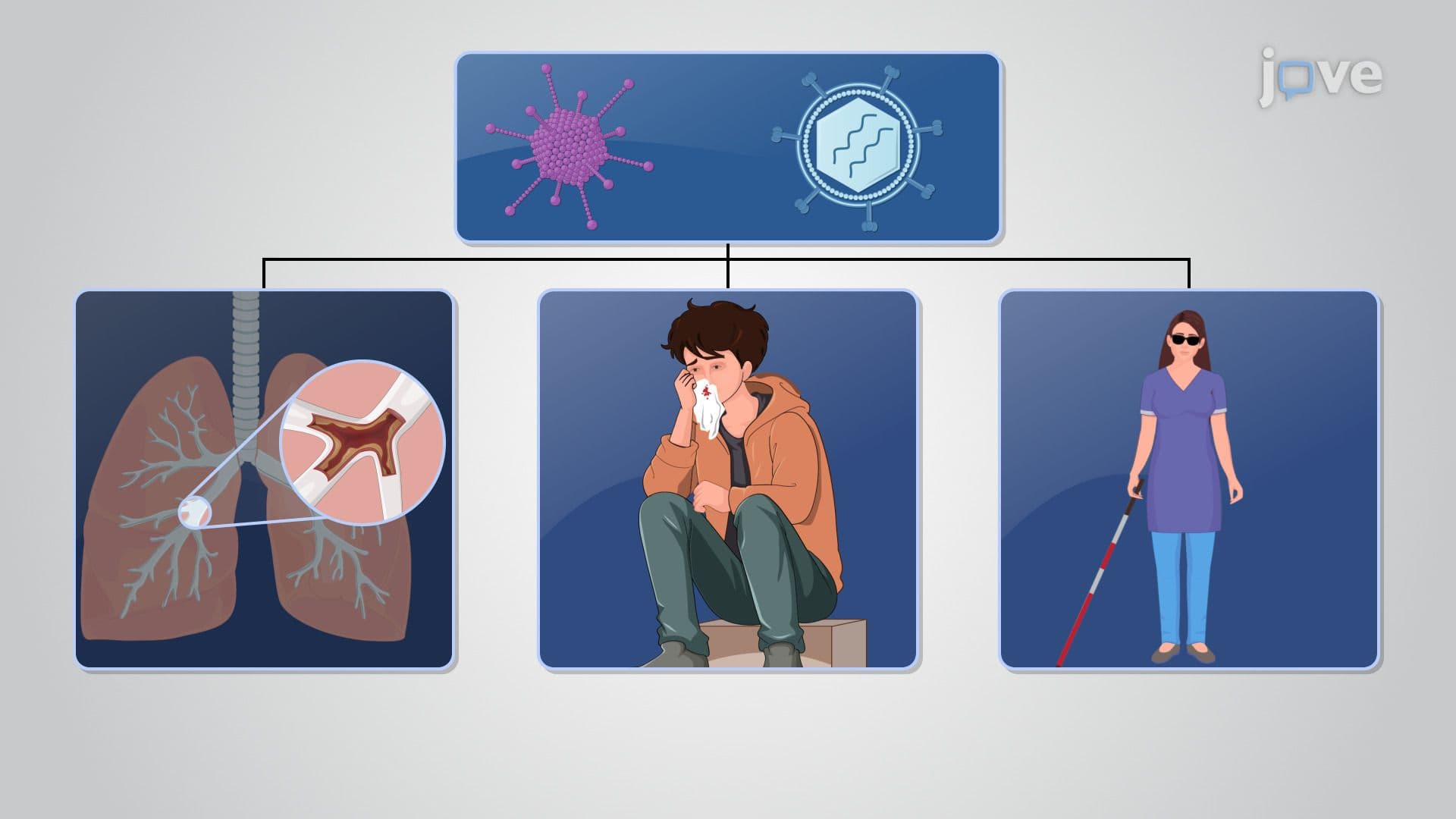
8. Medical and Therapeutic Applications Vaccine development utilizes live attenuated organisms in the MMR vaccine administered to American children and inactivated pathogens in the injectable polio vaccine used in US immunization programs. Recombinant DNA technology produces hepatitis B vaccines using engineered yeast, manufactured by US pharmaceutical companies. Probiotic *Lactobacillus* species support gut health and are available in American health food stores. Antibiotic production includes penicillin from *Penicillium* molds, revolutionizing bacterial infection treatment in US hospitals. Gene therapy employs modified adenoviruses and lentiviruses for treating genetic disorders in American medical centers. mRNA vaccines like those developed for COVID-19 by US companies represent cutting-edge applications of microbial systems in modern medicine.