Loading subject page…


11 Concepts
13 Concepts
26 Concepts
13 Concepts
6 Concepts
31 Concepts
37 Concepts
10 Concepts
7 Concepts
22 Concepts
11 Concepts
11 Concepts
22 Concepts
16 Concepts
11 Concepts
15 Concepts
14 Concepts
12 Concepts
9 Concepts
 15 Concepts
 1.7K Views
 Popular topics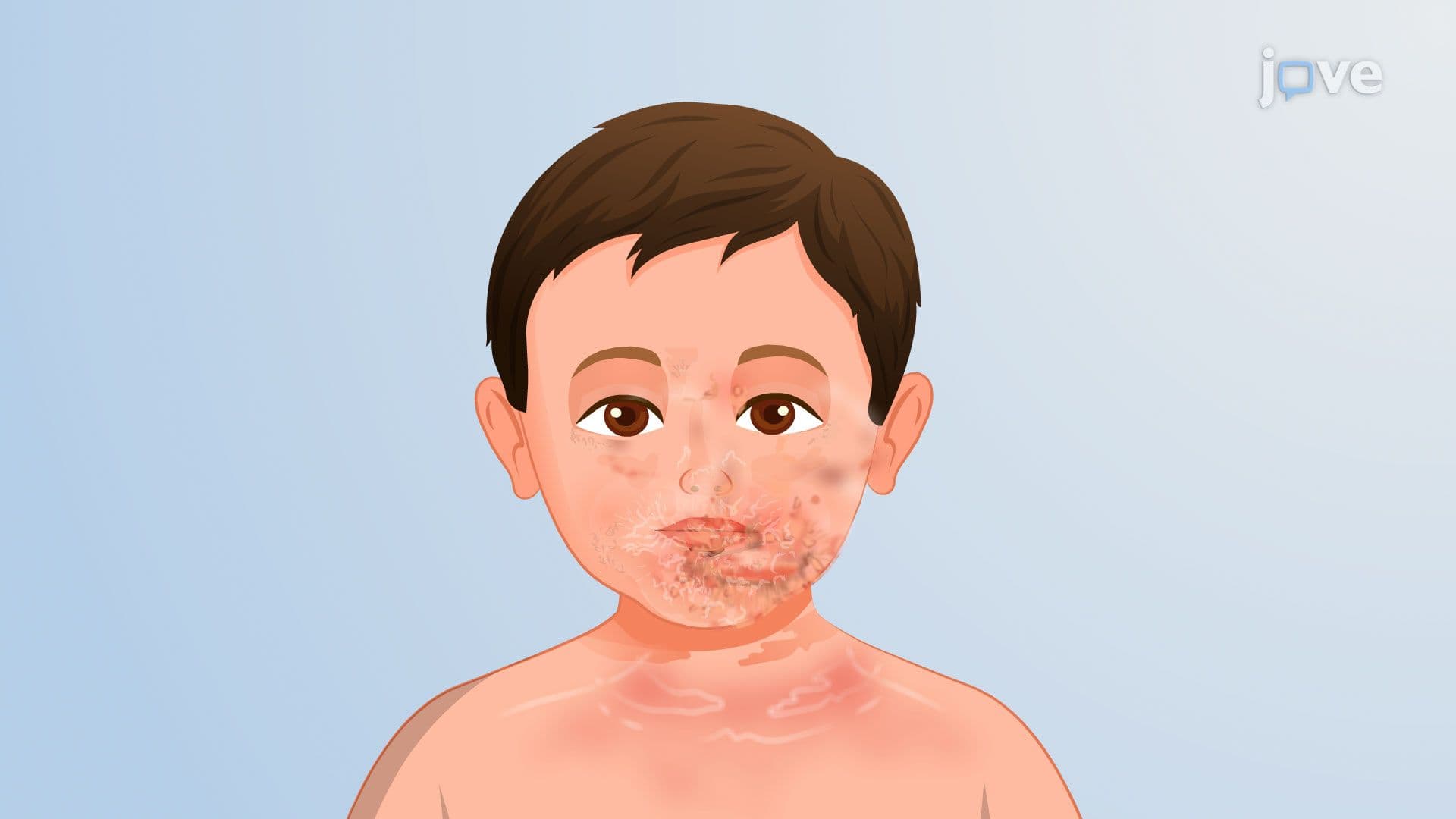
Bacterial diseases remain among the most clinically significant threats in human health, spanning skin, respiratory, gastrointestinal, and neurological systems. This micro-course examines the causes and symptoms of bacterial infections-from *Staphylococcus aureus* skin infections to cholera-covering virulence factors, transmission routes, and pathogenic mechanisms. Curated by JoVE Coach, this resource equips students with the foundational microbiology knowledge essential for US academic and professional exams.
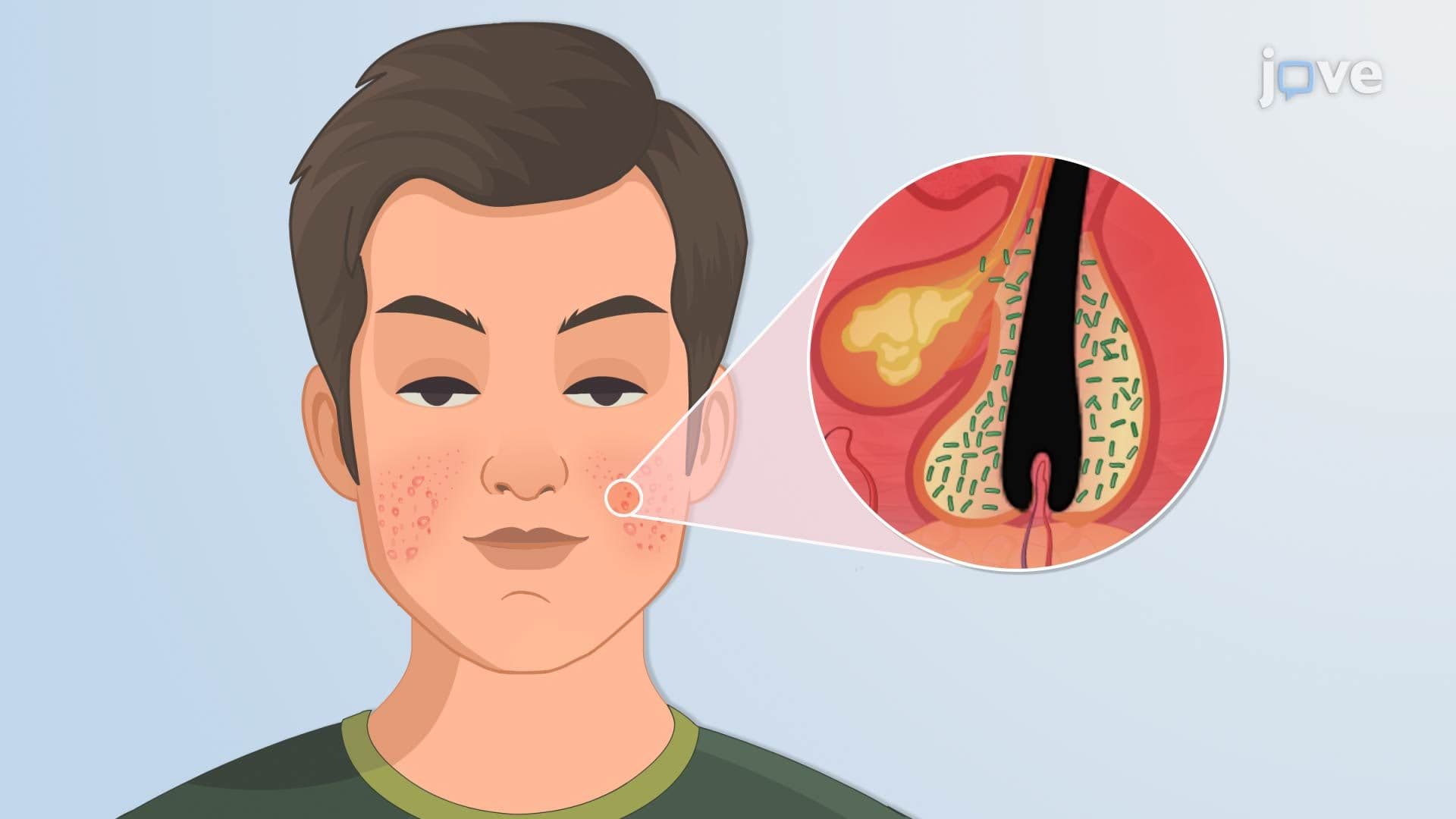
1. Staphylococcal and Acne Skin Infections *Staphylococcus aureus* is a Gram-positive bacterium naturally present on human skin that becomes harmful when the skin barrier is compromised. It uses surface adhesins to attach to skin cells and deploys coagulase to form protective fibrin clots, shielding it from immune cells. Infections range from pimples and folliculitis to deeper furuncles and carbuncles. Exfoliative toxins cause the severe blistering seen in scalded skin syndrome. Separately, acne vulgaris involves *Cutibacterium acnes* proliferating inside blocked hair follicles during periods of elevated androgen activity, triggering enzyme-driven inflammation that produces papules, pustules, and potentially deep nodules or cysts.
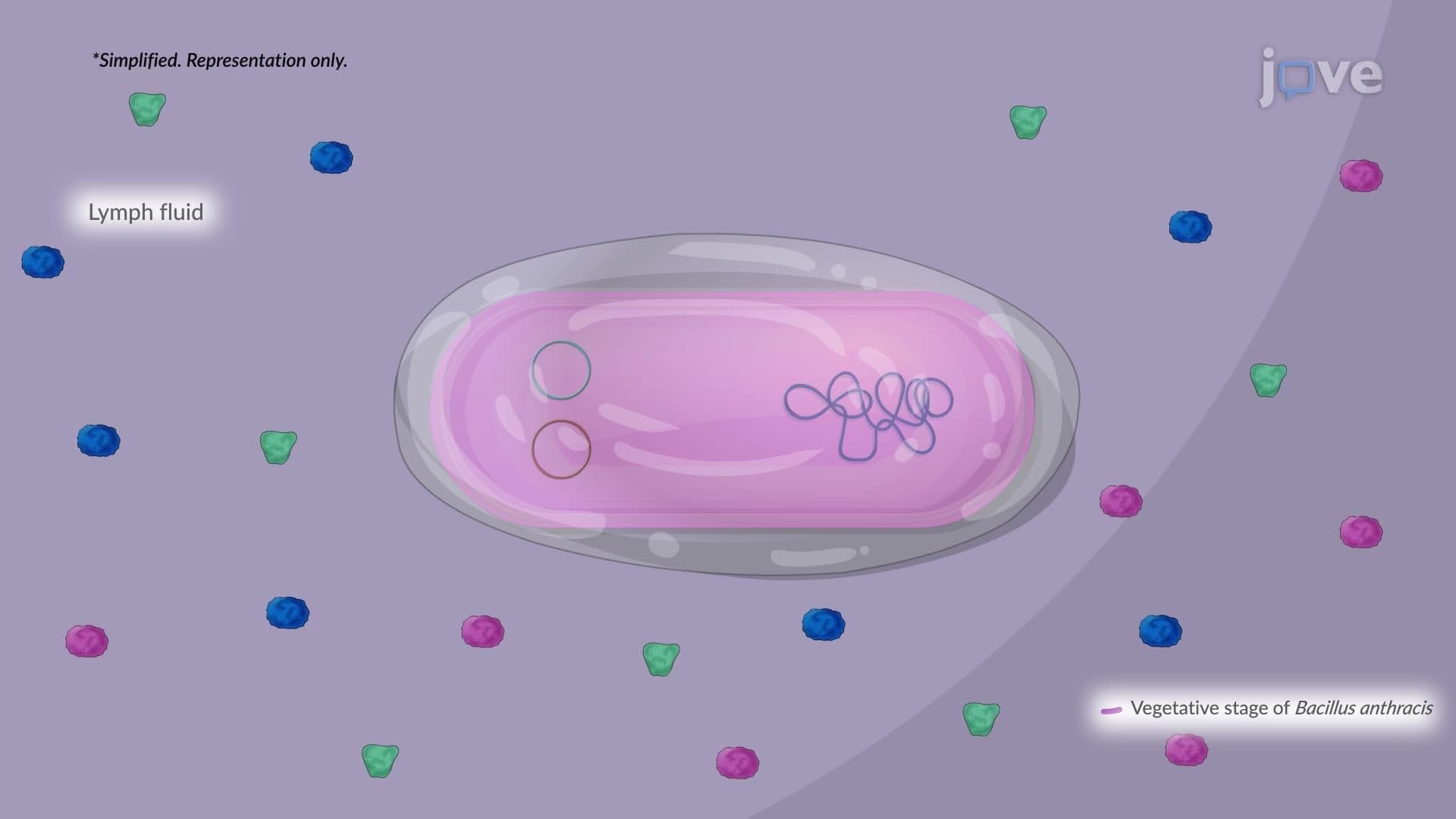
2. Inhalation Anthrax *Bacillus anthracis* spores inhaled into the lungs are engulfed by alveolar macrophages and transported to lymph nodes, where they germinate into bacteria that kill macrophages upon escape. Two plasmids govern its virulence: pXO2 encodes an antiphagocytic capsule, and pXO1 encodes the three-component anthrax exotoxin-Protective Antigen (PA), Edema Factor (EF), and Lethal Factor (LF). PA opens channels to deliver EF and LF into host cells. EF causes severe tissue swelling, while LF triggers cell death. Together, these toxins enter the bloodstream and cause vascular collapse and multi-organ failure. Inhalation anthrax is considered a bioterrorism agent of serious concern by US public health authorities.
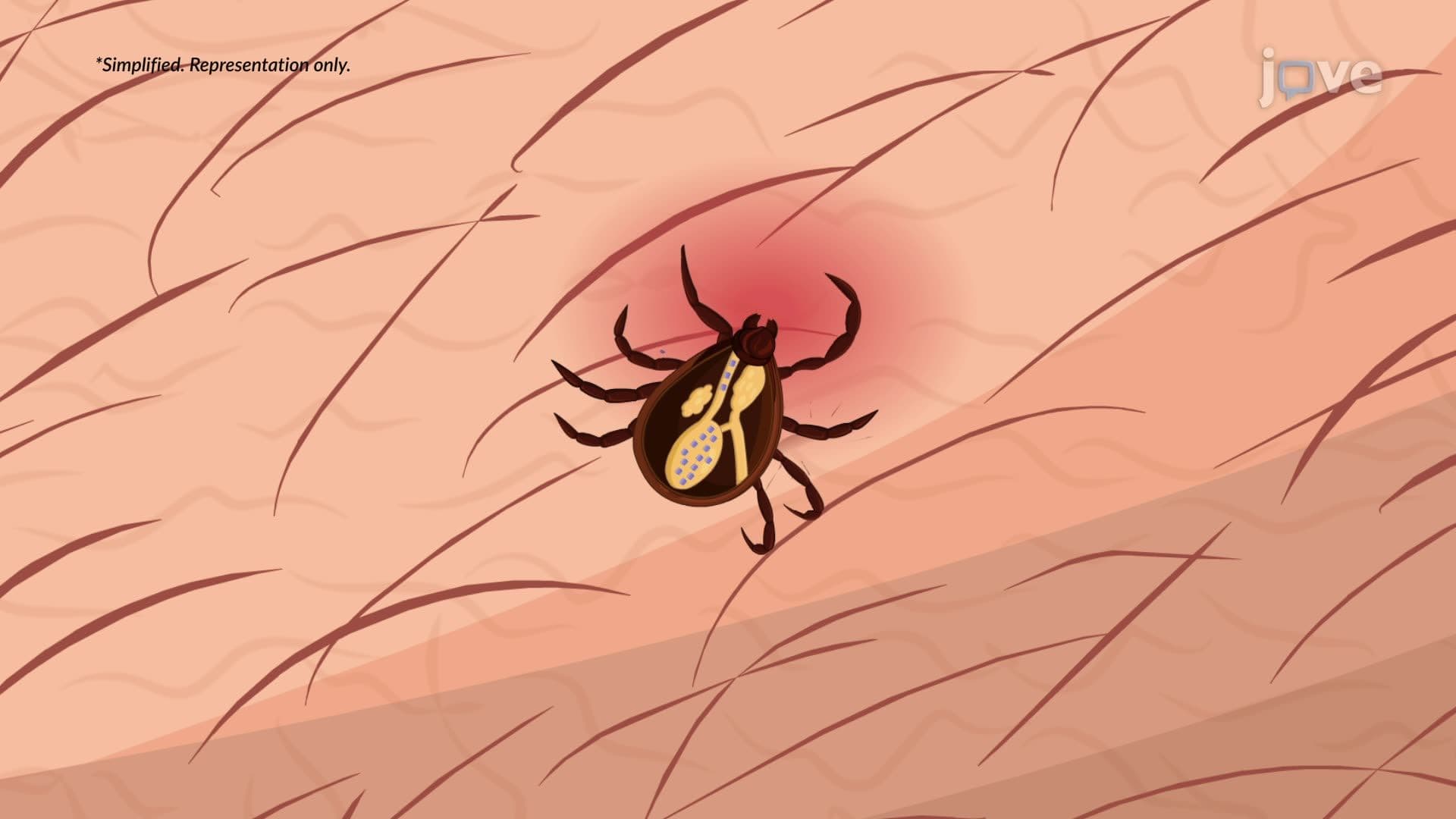
3. Rocky Mountain Spotted Fever Rocky Mountain spotted fever (RMSF) is a tick-borne illness caused by *Rickettsia rickettsii*, an obligate intracellular Gram-negative bacterium transmitted by *Dermacentor* ticks across the US. Once in the bloodstream, bacteria invade vascular endothelial cells, escape phagosomes, and use host actin filaments to spread between cells. This damages blood vessels, increases permeability, and causes plasma leakage. Symptoms begin within 2-14 days and include high fever, headache, and muscle aches, followed by a characteristic rash beginning at the wrists and ankles. The rash may become petechial-a sign of vascular injury. Untreated RMSF can progress rapidly to fatal multi-organ failure, making early recognition critical.
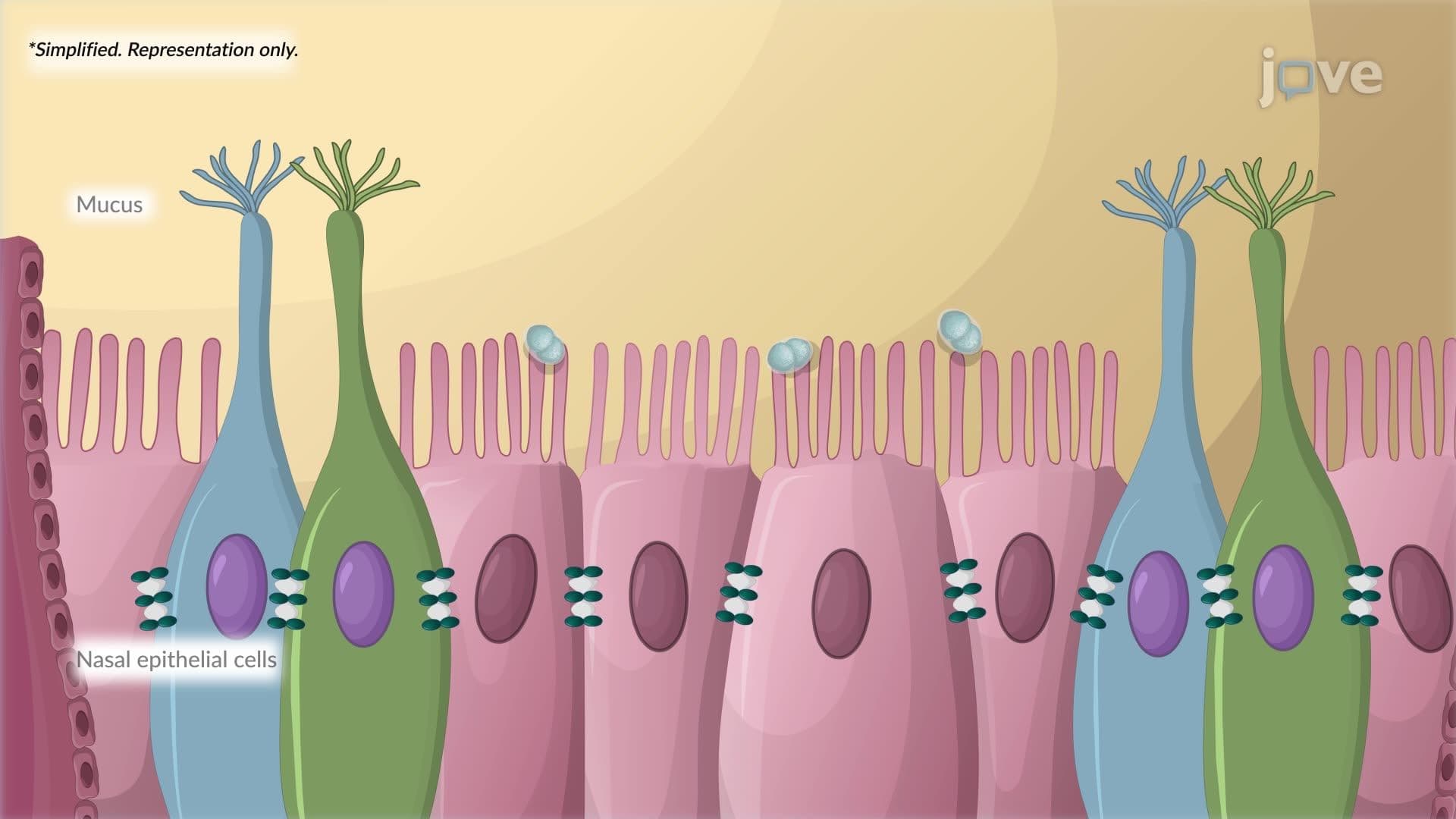
4. Bacterial Meningitis Bacterial meningitis involves inflammation of the meninges-the protective membranes surrounding the brain and spinal cord. *Neisseria meningitidis*, a Gram-negative diplococcus, is a primary causative agent in the US, particularly among college students. Infection begins in the nasopharynx, where bacteria attach to epithelial cells using Type IV pili, then breach tight junctions to enter the bloodstream. Outer membrane vesicles release Lipid A endotoxin, triggering systemic inflammation and vasodilation. Some bacteria evade immune clearance and cross the blood-brain barrier using specialized adhesins, releasing inflammatory signals into cerebrospinal fluid. Symptoms include severe headache, stiff neck, high fever, and sensitivity to light. Rapid treatment is essential to prevent death or permanent neurological damage.
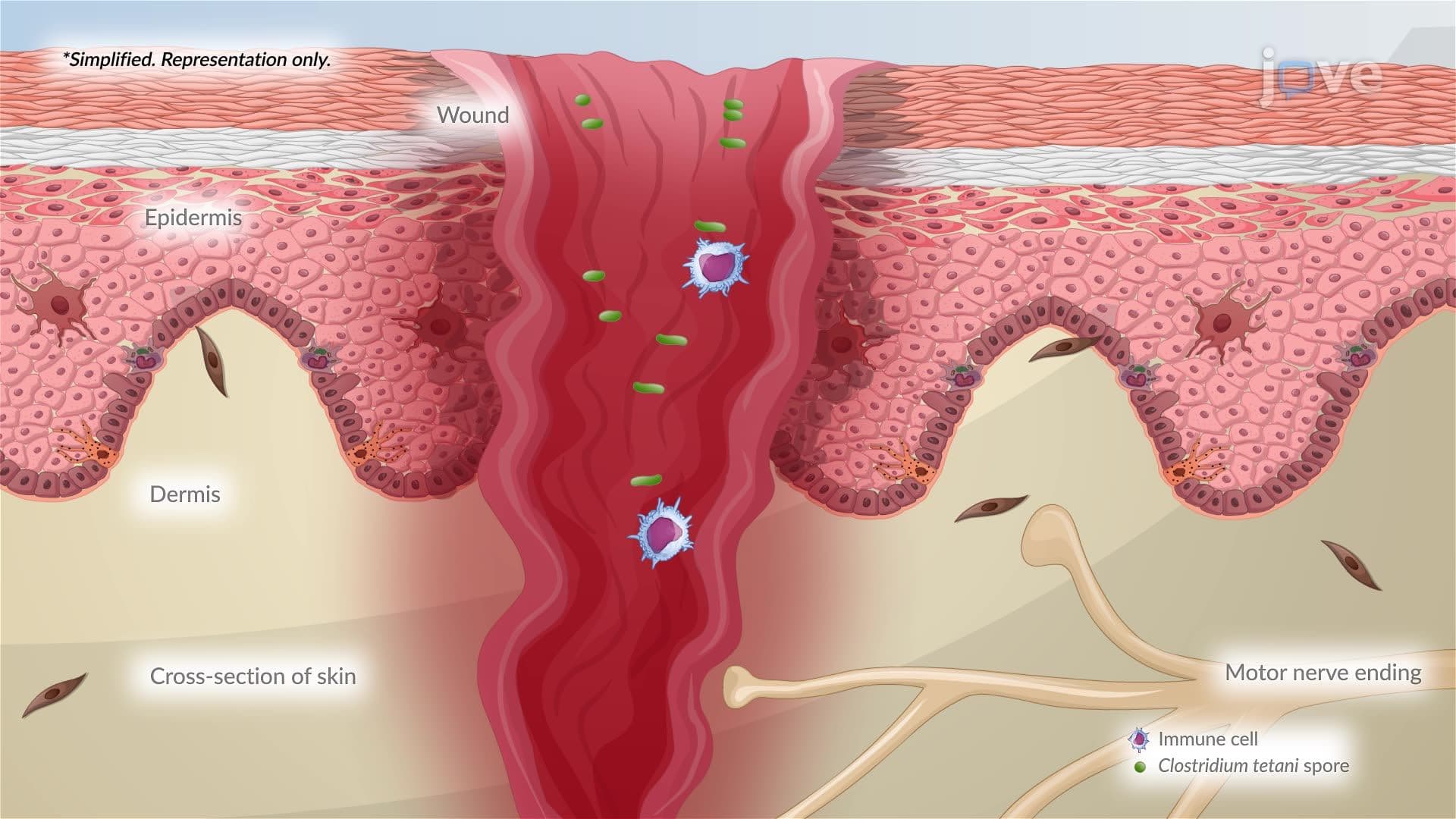
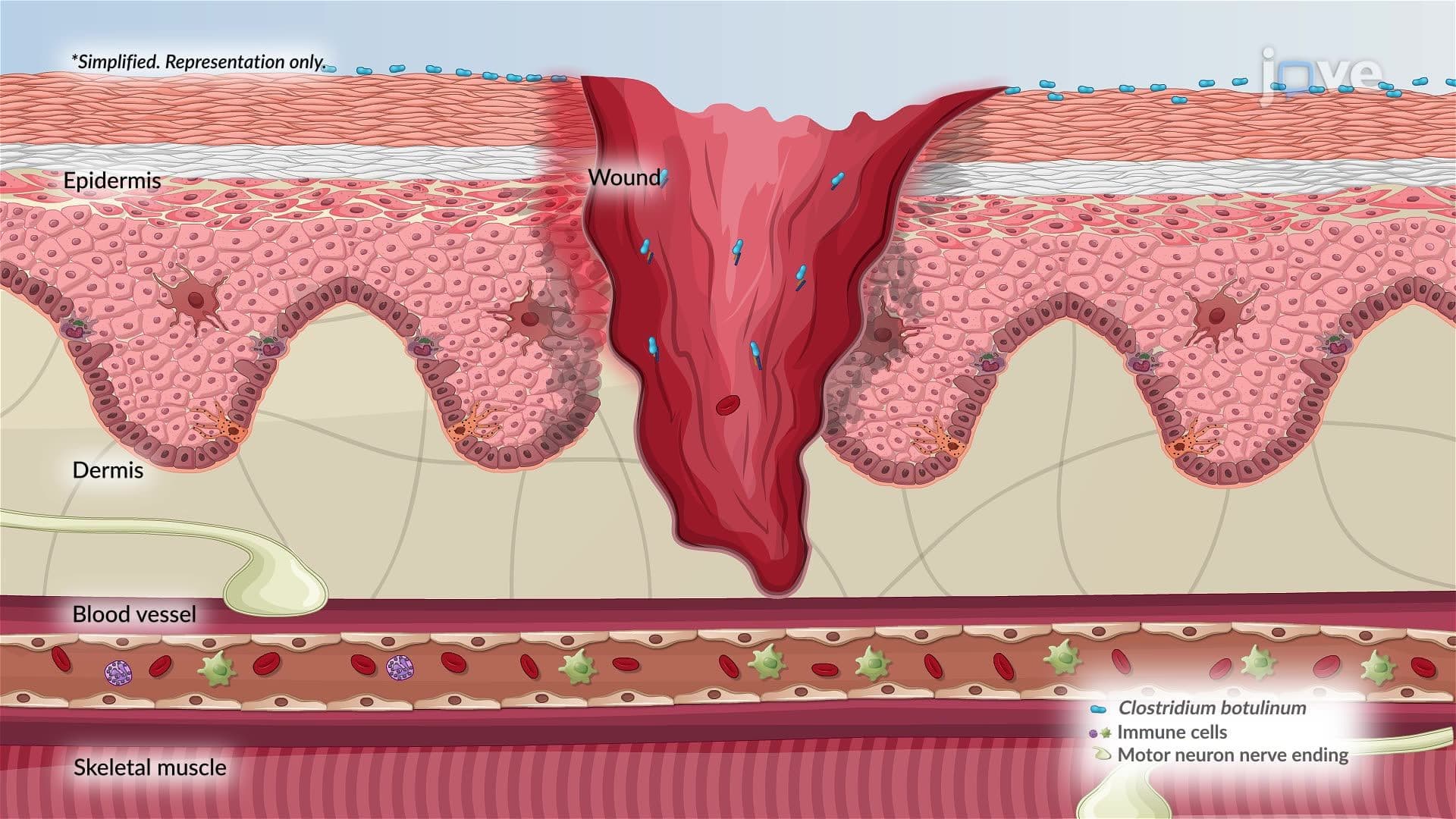
5. Tetanus and Botulism: Opposing Paralytic Mechanisms Both tetanus and botulism are caused by *Clostridium* species and involve neurotoxins, yet they produce opposite paralytic effects. *C. tetani* secretes tetanospasmin, which travels via retrograde axonal transport to inhibitory interneurons in the spinal cord, where it cleaves synaptobrevin to block release of inhibitory neurotransmitters GABA and glycine. The result is uncontrolled motor neuron firing, causing spastic paralysis-rigid muscles and lockjaw. In contrast, *C. botulinum* produces botulinum toxin, which targets neuromuscular junctions and cleaves SNARE proteins needed for acetylcholine release, blocking muscle contraction entirely. The outcome is flaccid paralysis-limp, weakened muscles. Understanding this contrast is a high-yield distinction for USMLE and NCLEX examinations.
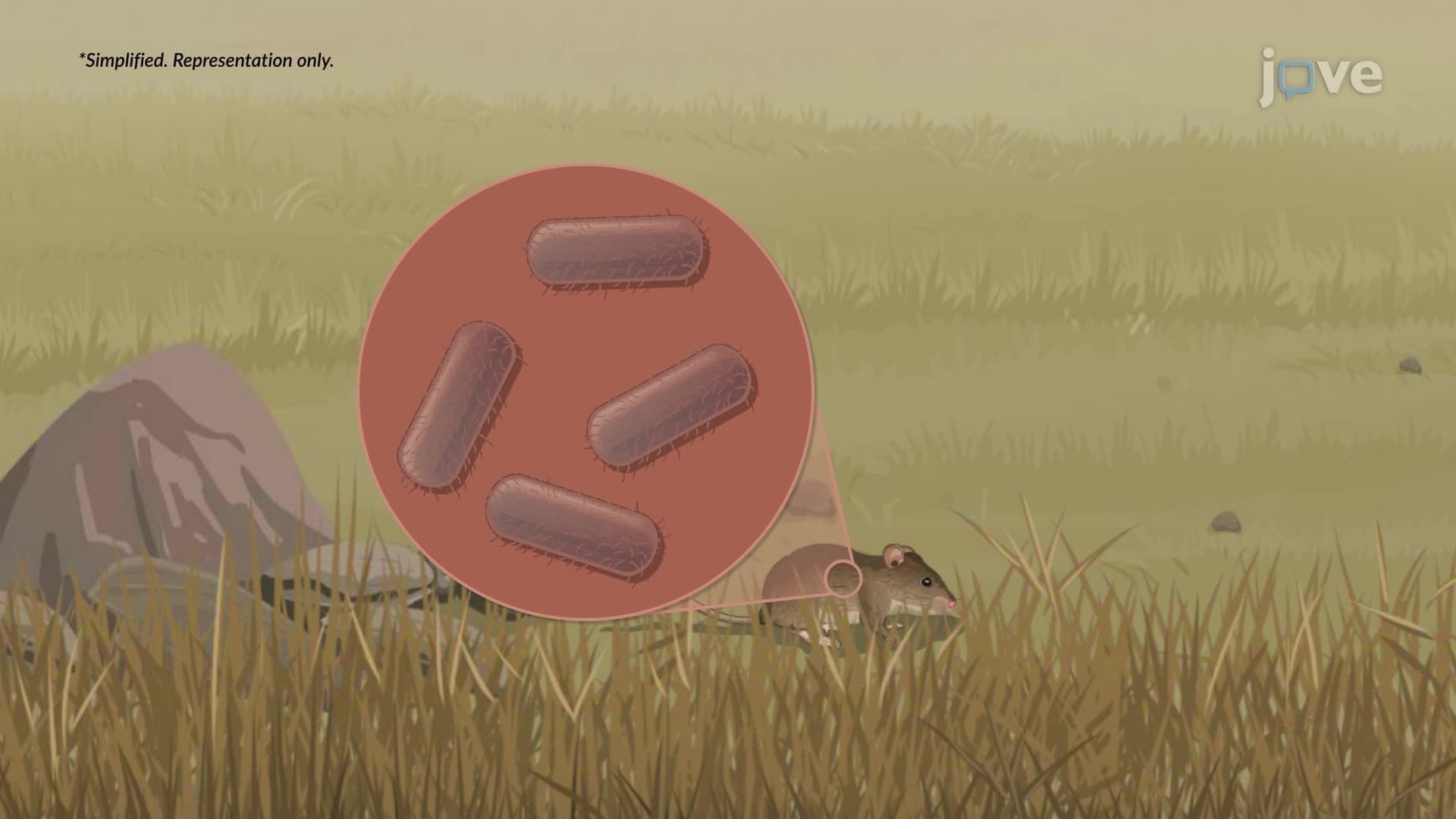
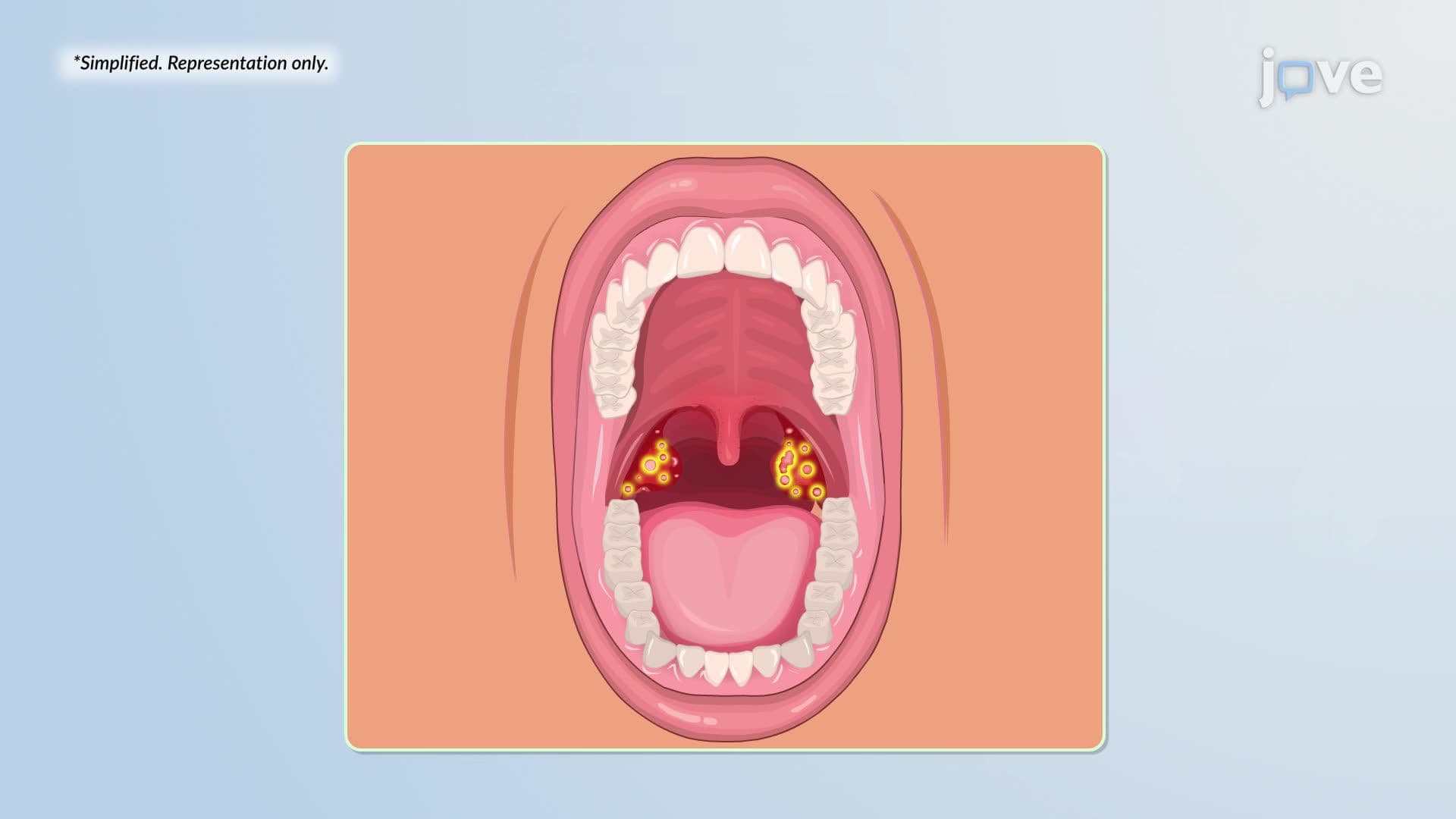
6. Plague and Streptococcal Pharyngitis Bubonic plague, caused by *Yersinia pestis*, is a zoonotic disease transmitted by flea bites from infected rodents. After macrophages engulf the bacteria, *Y. pestis* inhibits phagosome maturation to survive and replicate, then migrates within macrophages to lymph nodes, where it escapes and uses type III secretion systems to disable surrounding immune cells. Massive lymph node swelling-a bubo-results. Strep throat, caused by Gram-positive *Streptococcus pyogenes*, spreads via respiratory droplets. The bacterium uses M protein and lipoteichoic acid to adhere to throat epithelium, then deploys streptolysins, hyaluronidase, and streptokinase to destroy tissues and dissolve fibrin barriers. Both infections demonstrate sophisticated immune evasion strategies.
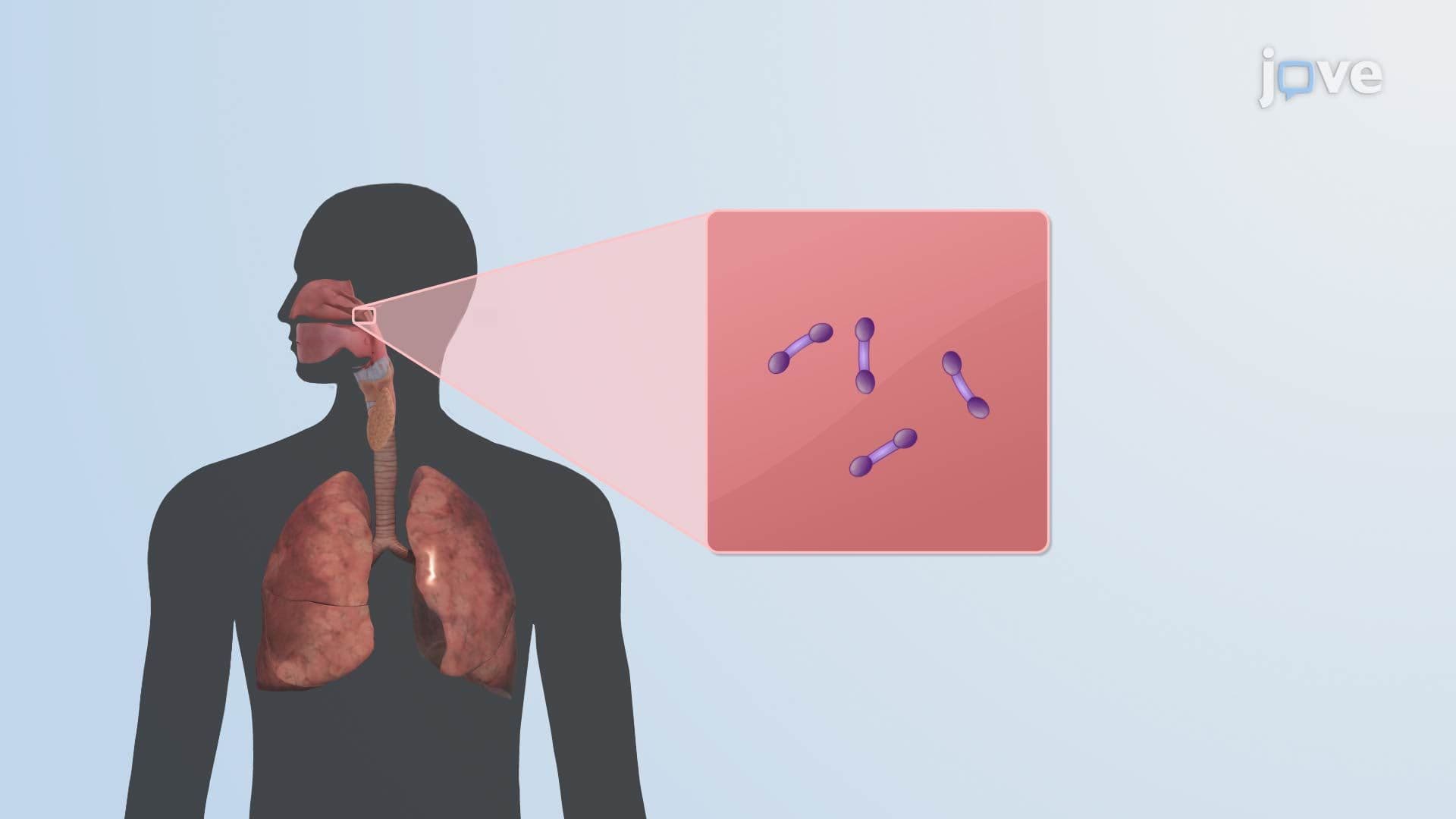
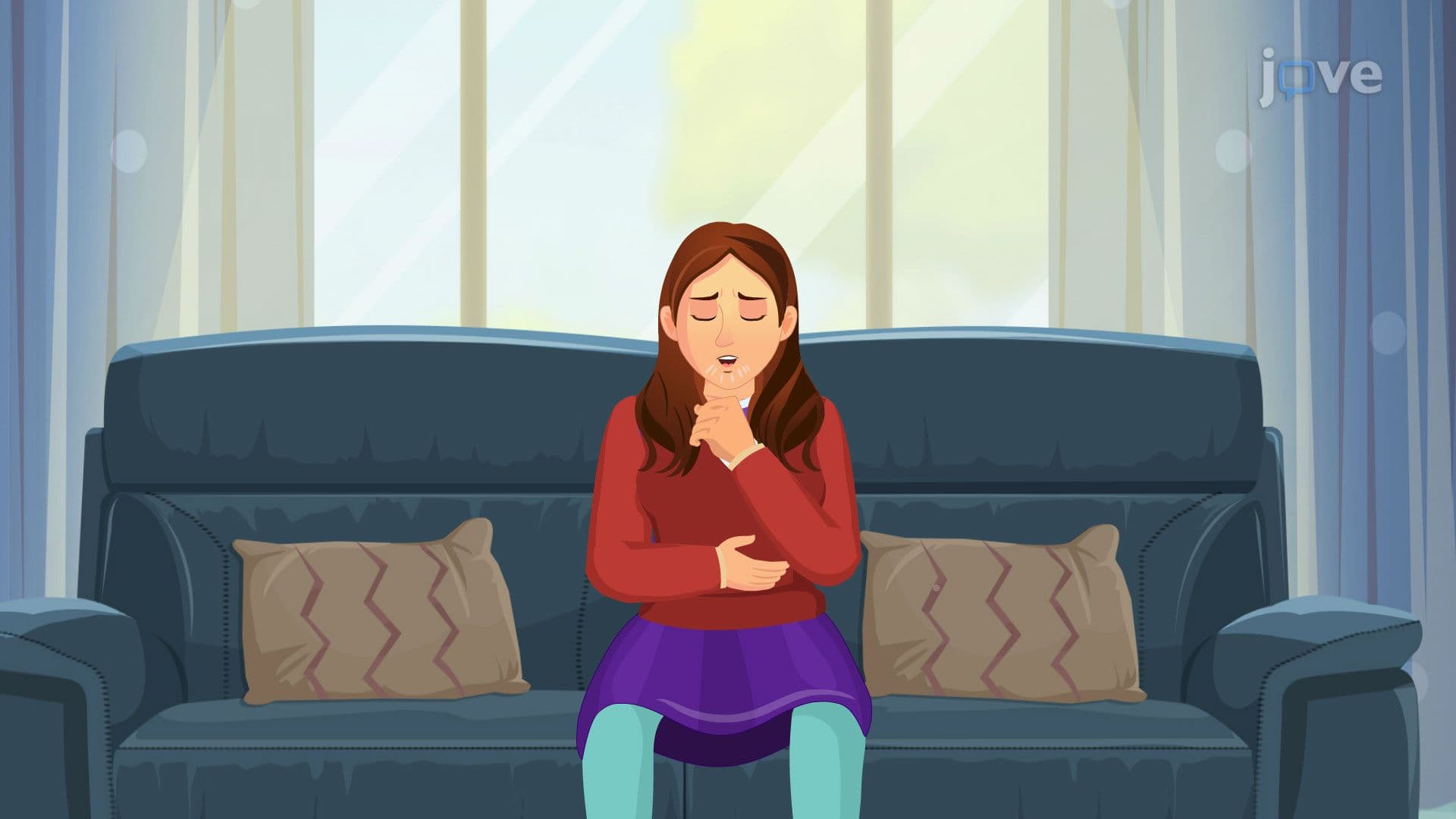
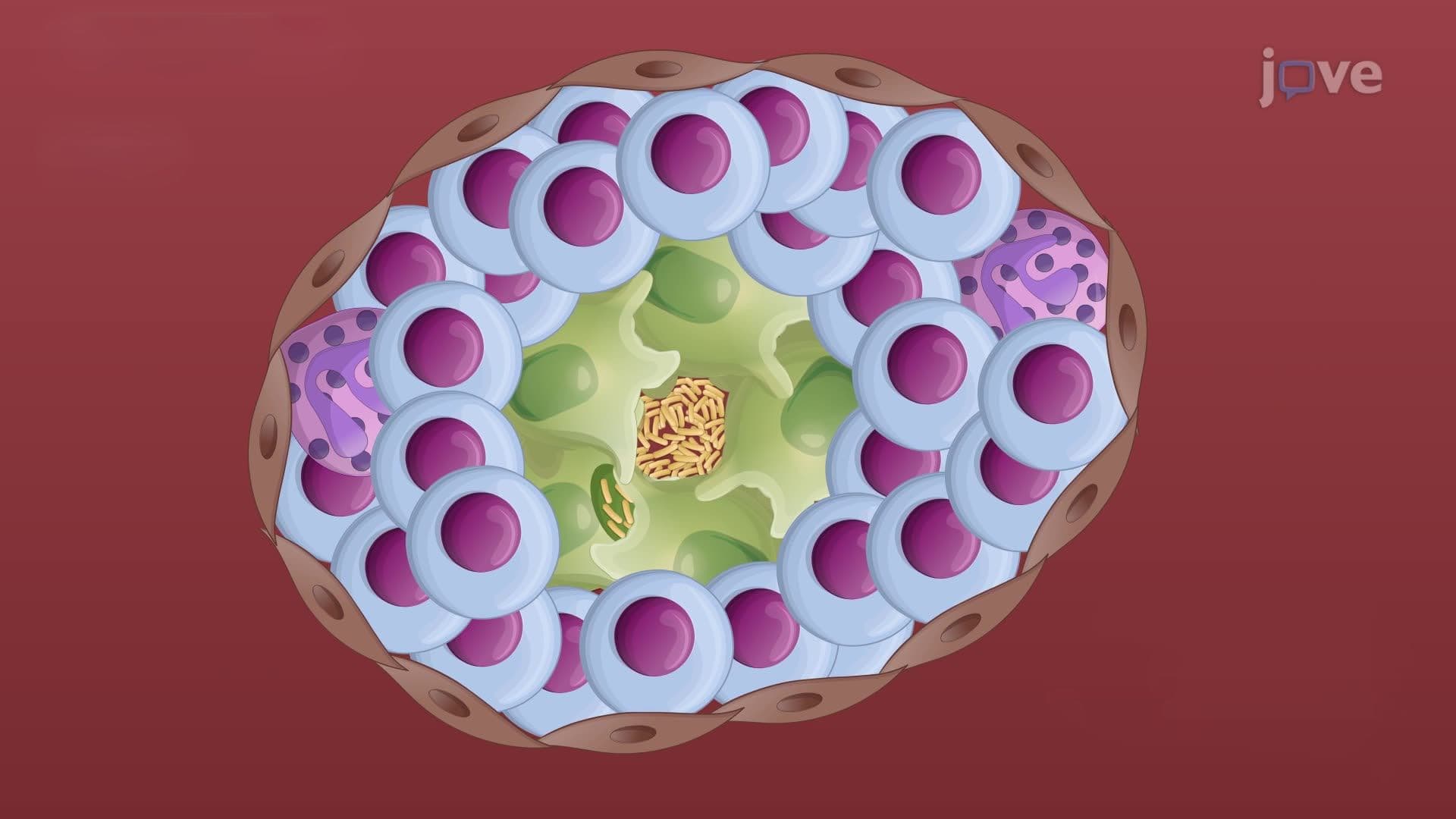
7. Respiratory Bacterial Diseases: Diphtheria, Atypical Pneumonia, and Tuberculosis These three bacterial diseases target the respiratory tract through distinct mechanisms. *Corynebacterium diphtheriae* produces a phage-encoded exotoxin that blocks ribosomal elongation factor, halting protein synthesis and causing rapid cell death, forming a characteristic throat pseudomembrane. *Mycoplasma pneumoniae* attaches to ciliated epithelial cells via P1 adhesin, halts mucociliary clearance, and releases the CARDS toxin, causing a mild, prolonged "walking pneumonia" with dry cough. *Mycobacterium tuberculosis* survives inside macrophages, triggering granuloma formation that walls off bacteria into a dormant, latent state. Reactivation occurs when immunity weakens, producing active symptomatic TB-still a major public health challenge in the US.
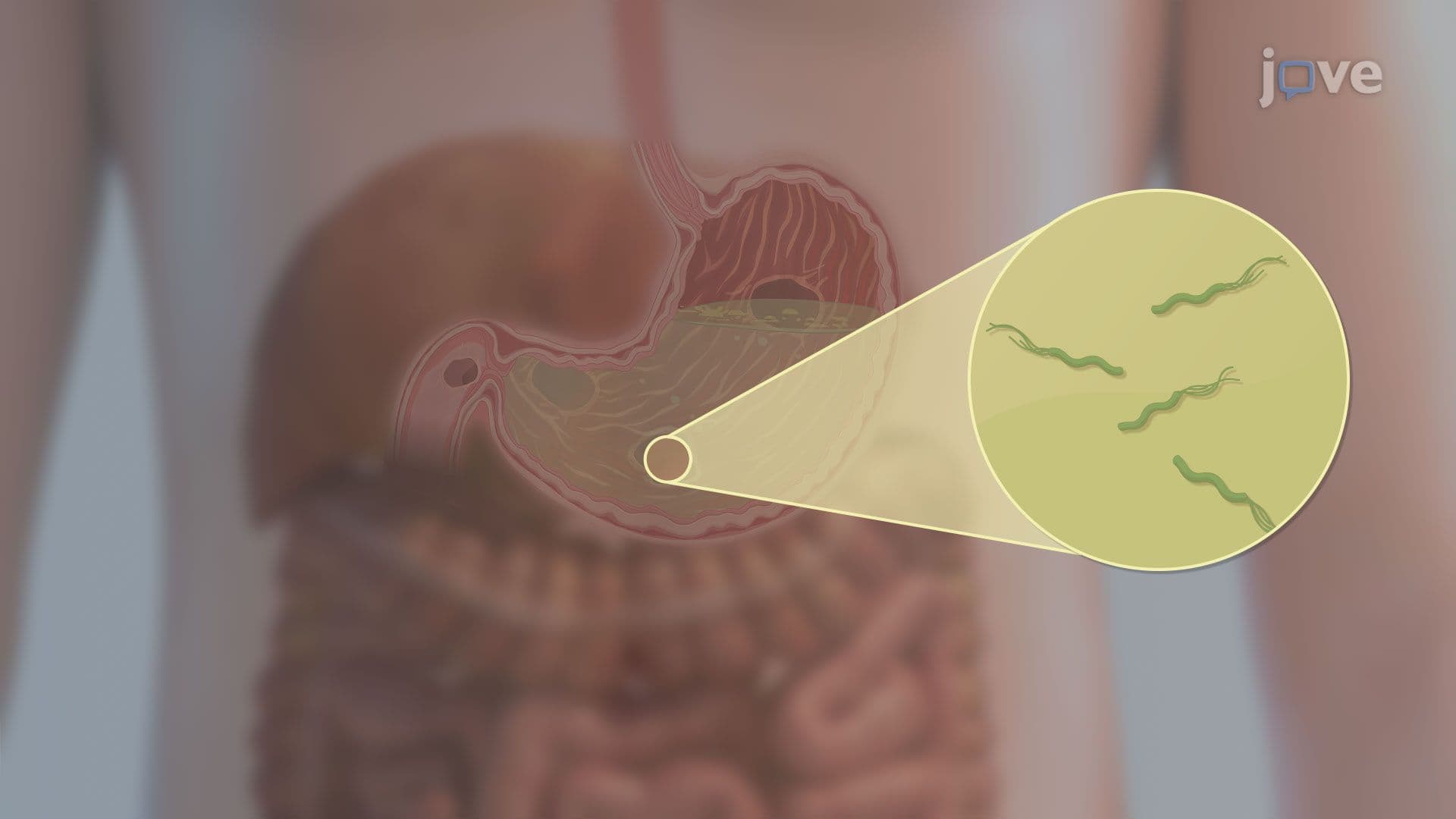
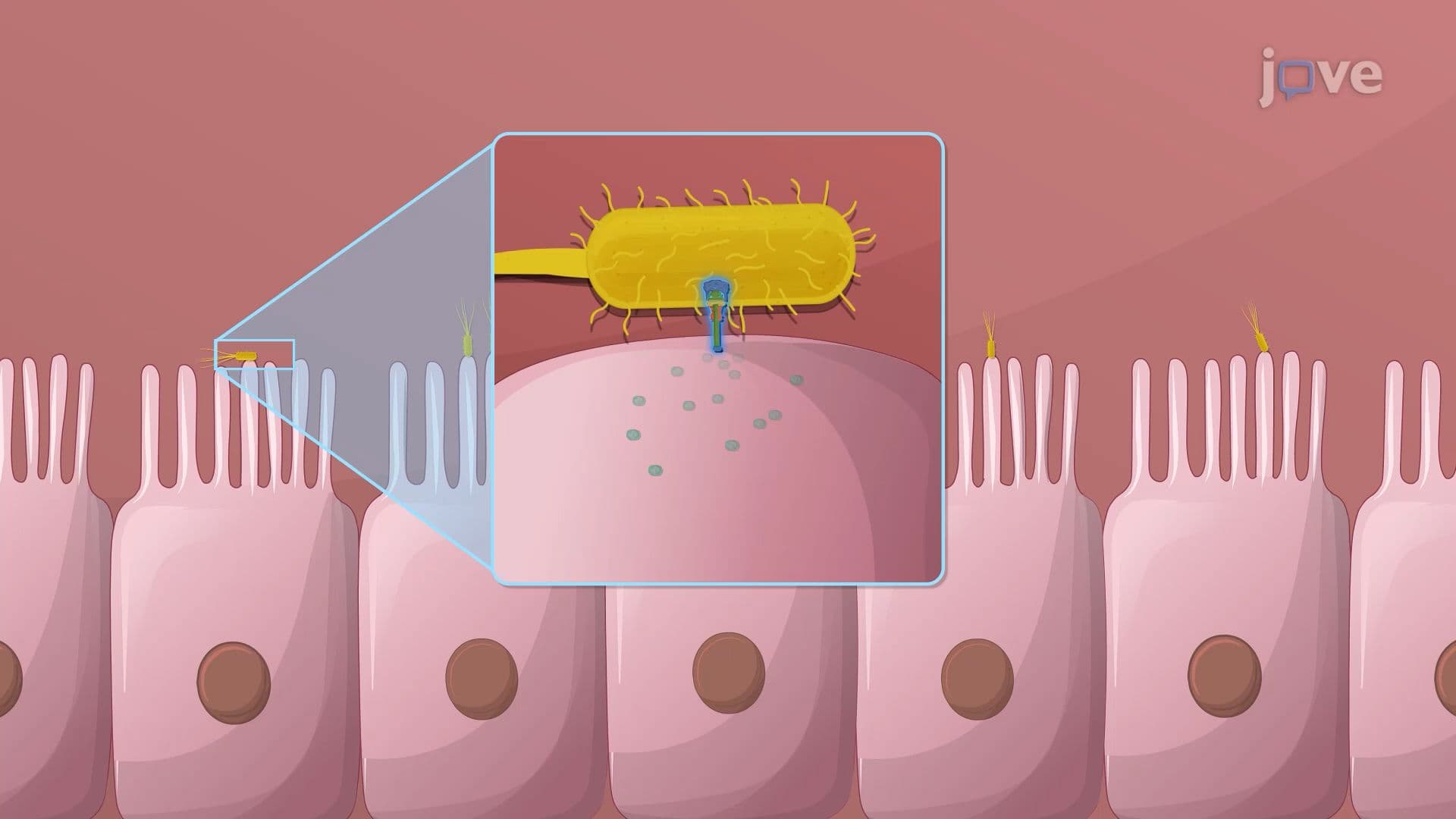
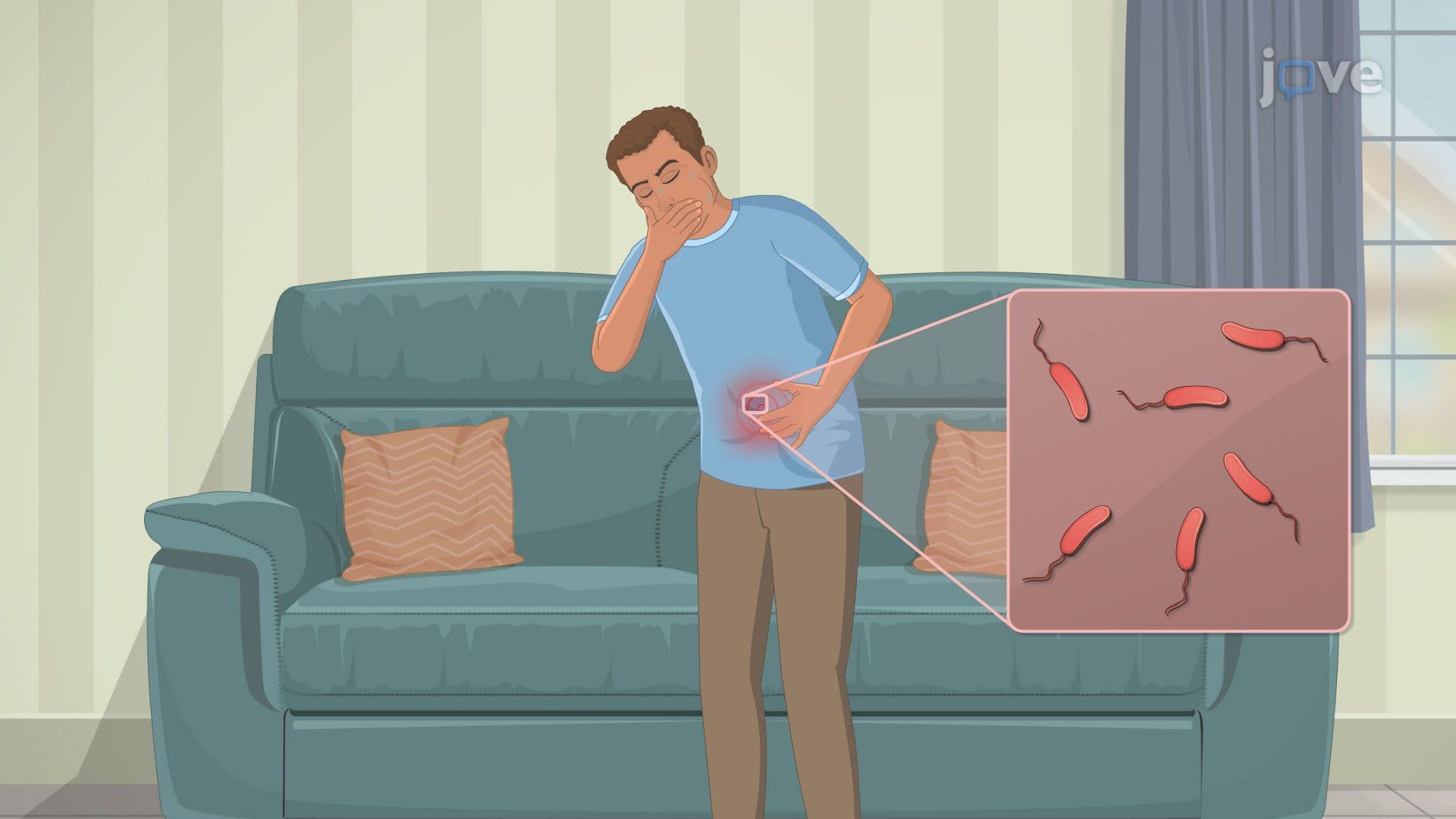
8. Gastrointestinal Bacterial Diseases: Peptic Ulcer, Gastroenteritis, and Cholera Three major bacterial pathogens disrupt the gastrointestinal tract through unique mechanisms. *Helicobacter pylori* survives stomach acid using urease, breaches the mucus lining, and triggers chronic inflammation via CagA and VacA virulence factors, ultimately eroding the stomach or duodenal lining to cause peptic ulcers. Pathogenic *E. coli* strains-such as enterohemorrhagic (EHEC) and enteropathogenic (EPEC)-cause gastroenteritis through Shiga toxin-mediated cell death and type III secretion-driven destruction of microvilli, respectively. *Vibrio cholerae* produces cholera toxin, which locks adenylate cyclase into permanent activation, flooding the intestinal lumen with ions and water, causing profuse watery diarrhea that can lead to rapid life-threatening dehydration.