Loading video…

 15 Concepts
 1.8K views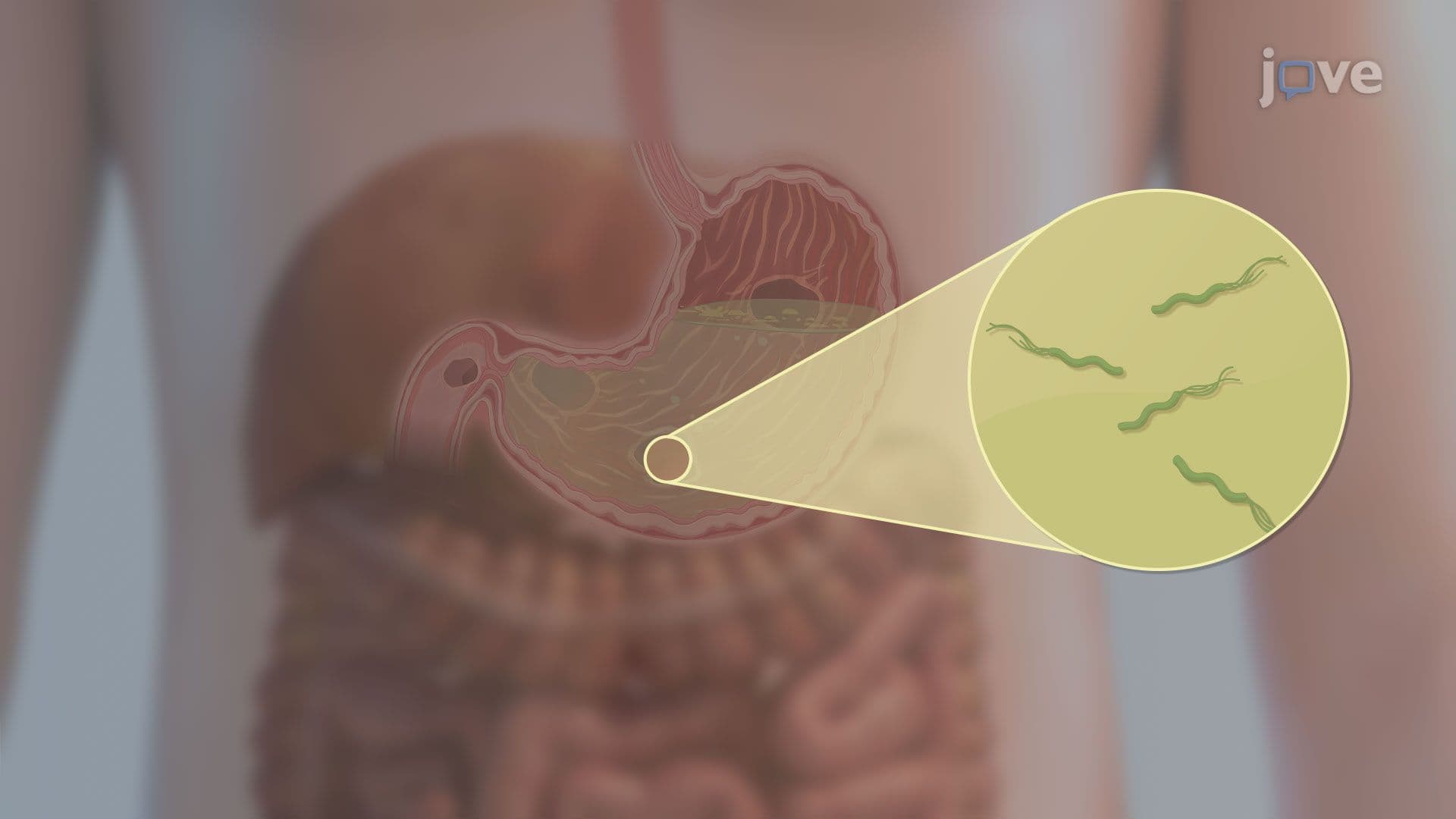

Video Summary: What Is Peptic Ulcer
Ever wonder why stomach pain after eating could signal something far more serious? Peptic ulcer disease affects roughly 4.5 million Americans each year, making it one of the most common gastrointestinal conditions in the US. A peptic ulcer forms when bacteria like *H. pylori* erode the stomach or duodenal lining, triggering chronic inflammation and tissue damage. Watch the full video on JoVE Coach to master this concept with expert-led visuals and step-by-step explanations.
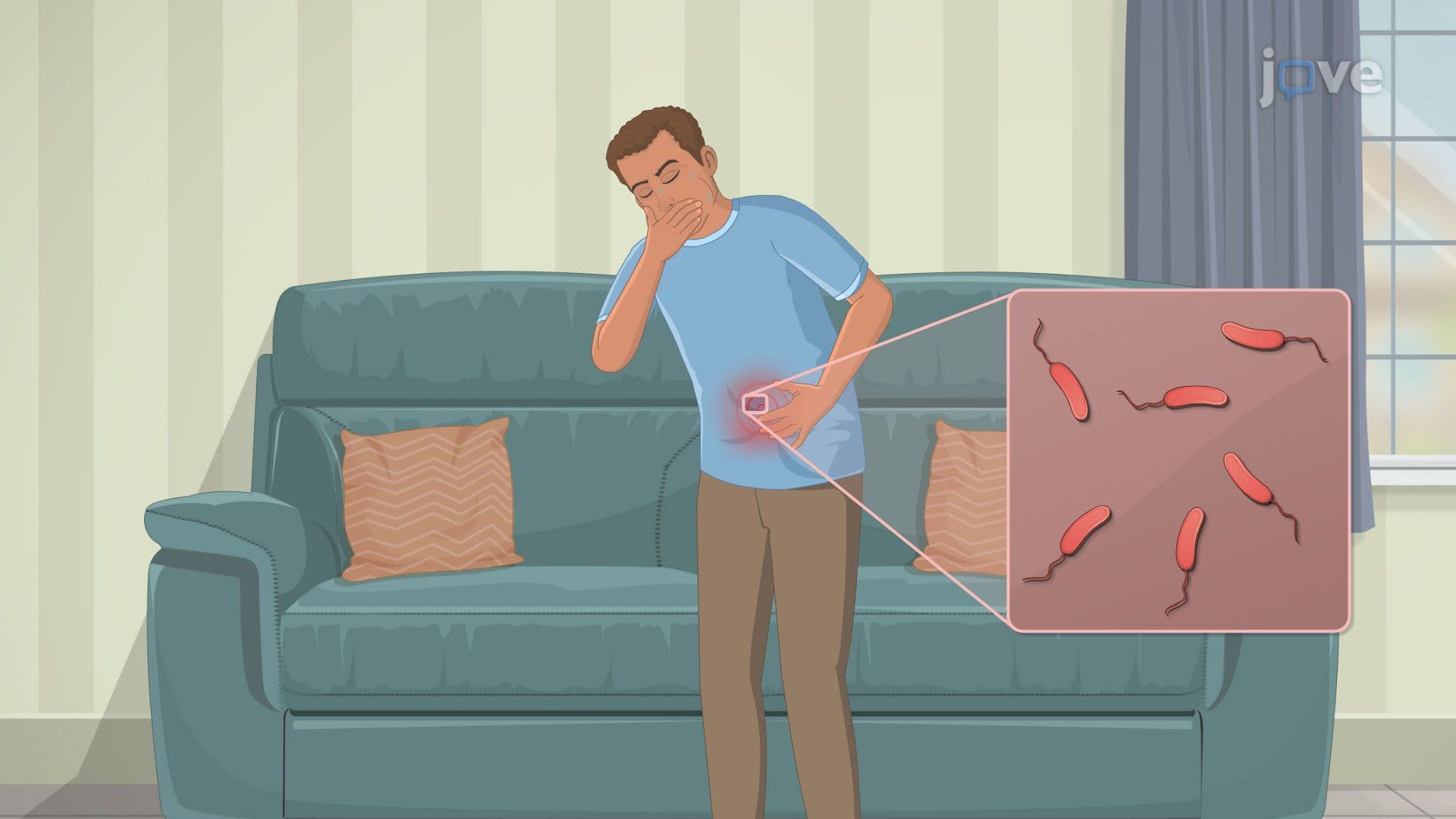
A peptic ulcer is an open sore, or erosion, that develops in the lining of the stomach or the duodenum, the first section of the small intestine. These ulcers form when the protective mechanisms of the gastrointestinal tract break down, allowing highly acidic gastric juice to damage the underlying tissue. While stress and spicy food are popular myths, the real culprit in most cases is a bacterial infection. Understanding peptic ulcer pathophysiology is a core topic in high school AP Biology, college microbiology, and pre-med coursework, and it appears in preparation for exams like the MCAT and USMLE Step 1.
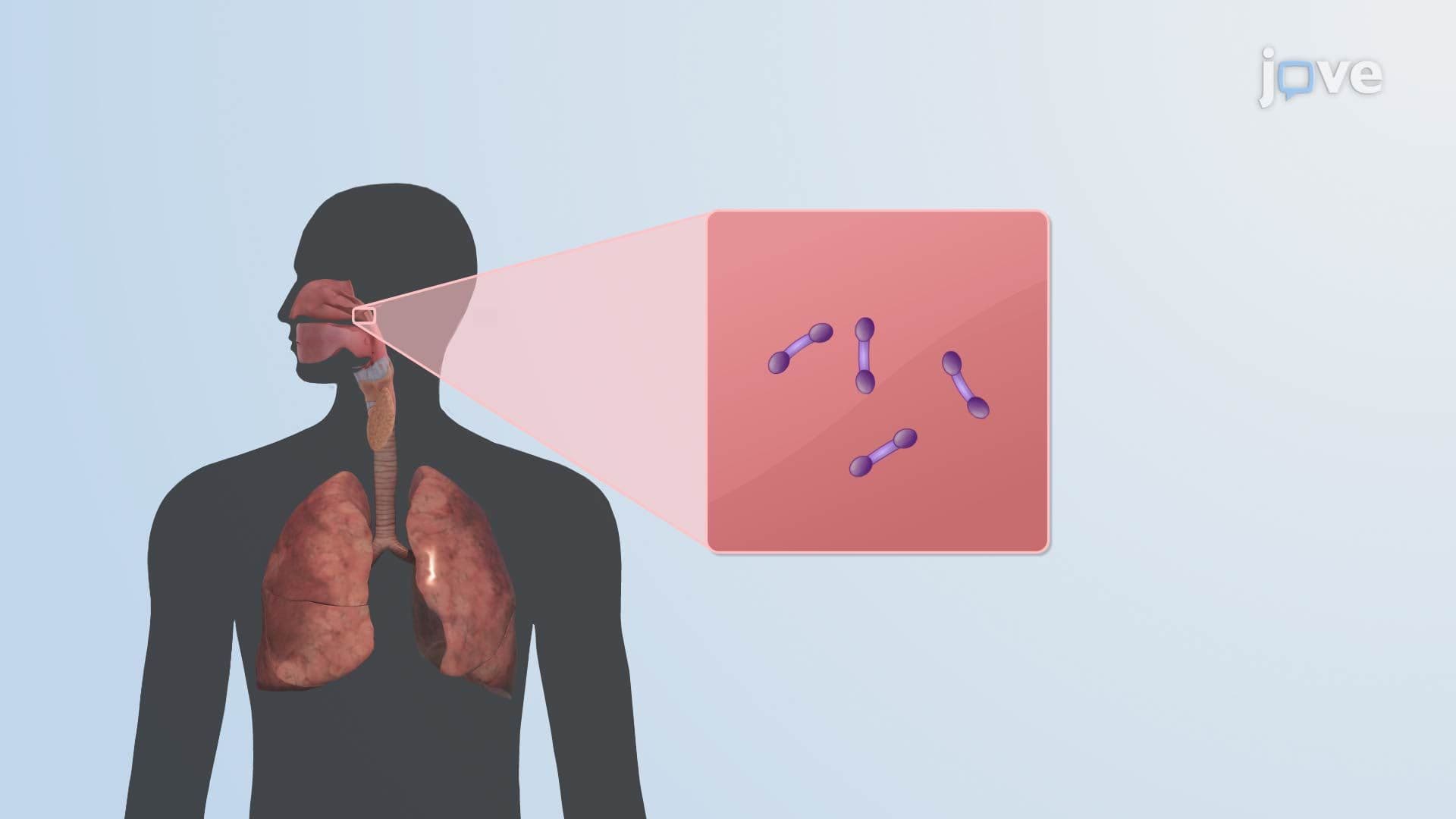
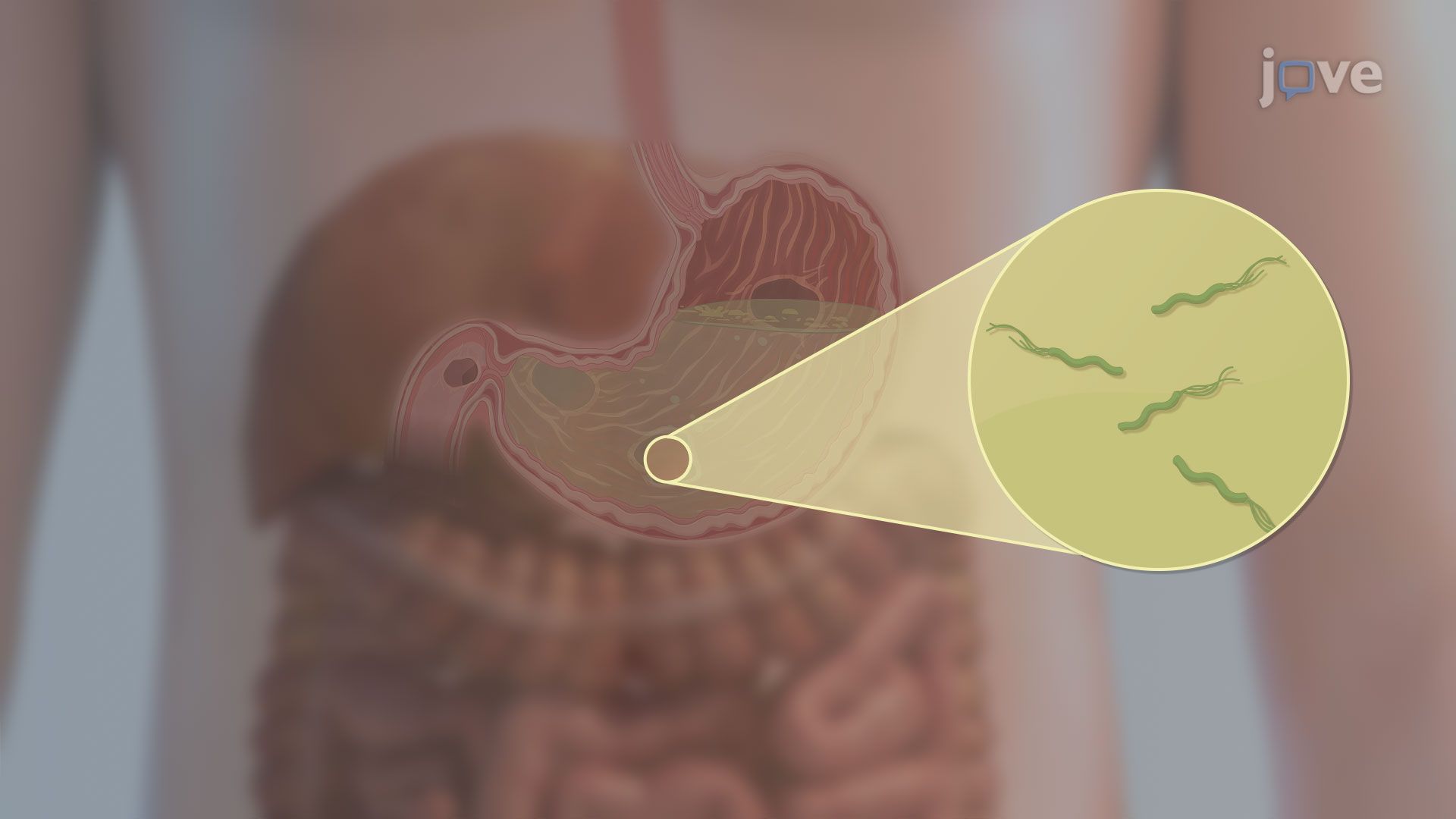
The bacterium *Helicobacter pylori* is responsible for approximately 70-80% of peptic ulcers diagnosed in the United States. What makes *H. pylori* remarkable, and dangerous, is its ability to survive in one of the most acidic environments in the human body. It does this by producing urease, an enzyme that converts urea into ammonia, chemically neutralizing the acid immediately surrounding the bacteria. This survival strategy allows *H. pylori* to penetrate the mucus layer, adhere to epithelial cells, and establish a persistent infection. As a Gram-negative bacterium, it possesses an outer membrane that contributes to its pathogenicity and helps it evade certain immune responses, a key distinction when comparing Gram-positive vs Gram-negative infections on standardized exams.
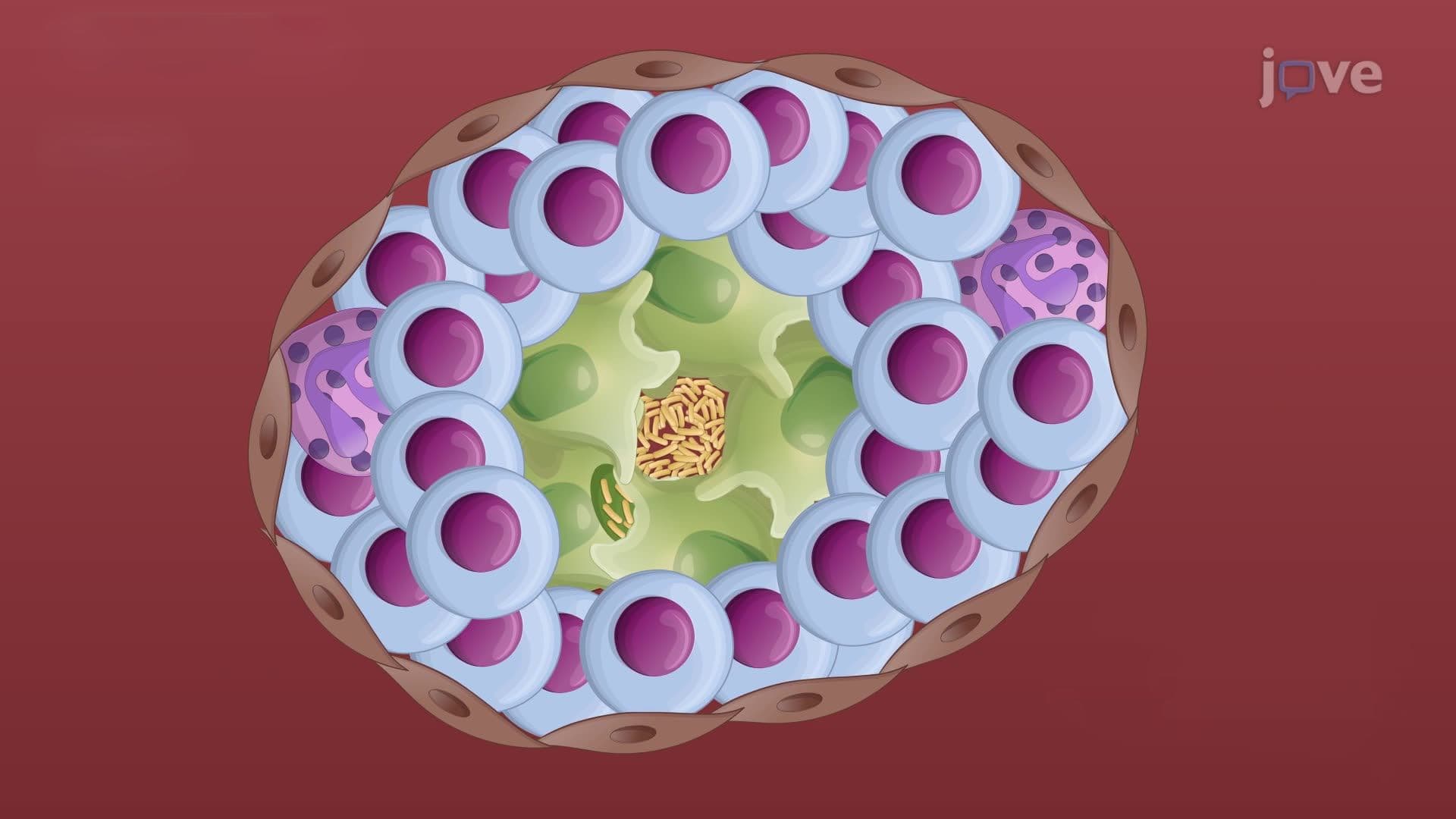
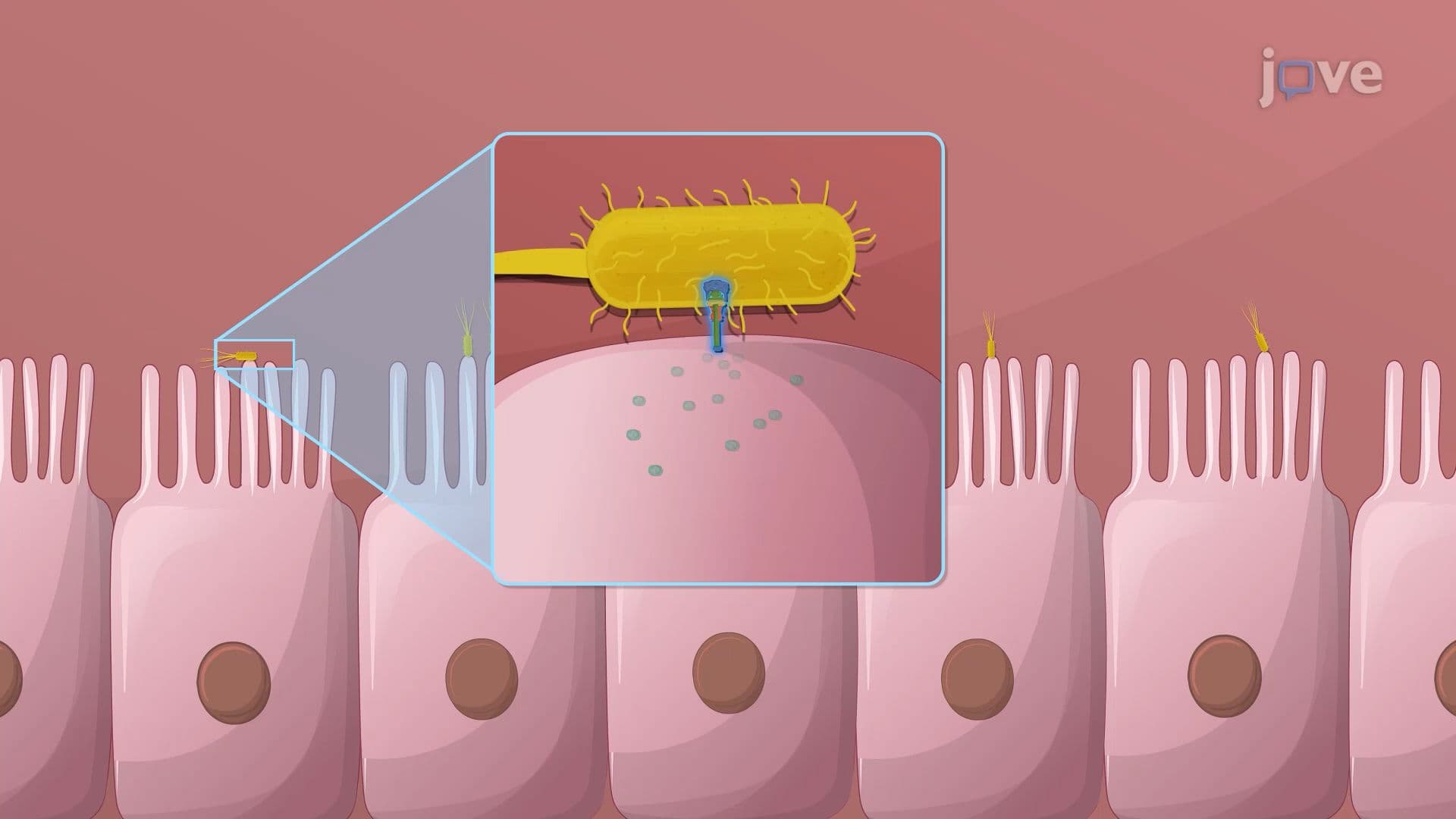
Once established, *H. pylori* deploys specialized virulence factors, molecular tools that cause direct harm to host tissues. VacA (vacuolating cytotoxin A) induces apoptosis, essentially forcing infected epithelial cells to self-destruct. CagA (cytotoxin-associated gene A) is injected directly into host cells, where it stimulates the release of pro-inflammatory cytokines. These cytokines recruit neutrophils to the infection site, the body's first-line immune defenders. However, because *H. pylori* hides beneath the mucus layer, neutrophils cannot effectively clear the infection. The result is chronic, unresolved inflammation that gradually erodes the mucus barrier protecting the stomach wall. This sequence is a textbook example of how bacterial toxins manipulate the immune response, a concept frequently tested in college microbiology and pathophysiology courses.
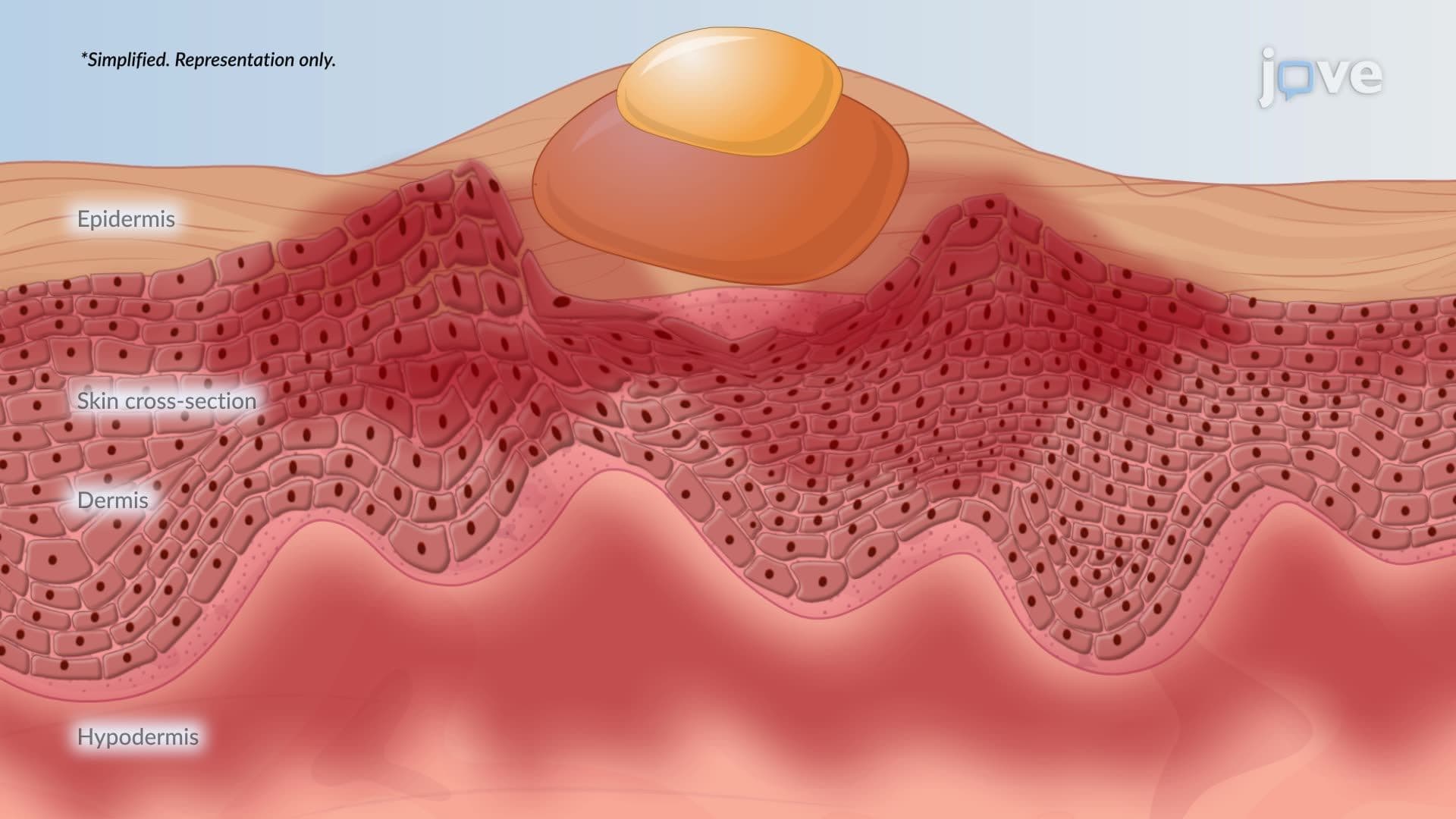
As the mucus barrier weakens, exposed epithelial cells come into direct contact with gastric acid (pH 1.5-3.5). This acid chemically damages cells and degrades the connective tissue beneath them, creating the characteristic crater-shaped lesion of a peptic ulcer. If the ulcer deepens far enough, it can erode into blood vessels, causing gastrointestinal bleeding, a medical emergency that sends approximately 500,000 Americans to hospitals each year. In severe cases, the ulcer may perforate the stomach wall entirely, requiring immediate surgical intervention. Clinically, US physicians diagnose peptic ulcers using endoscopy, urea breath tests, or stool antigen tests, methods tied directly to the biology of *H. pylori* itself. First-line treatment typically involves triple therapy: a proton pump inhibitor combined with two antibiotics (commonly clarithromycin and amoxicillin) to eradicate the infection and allow tissue healing.
Peptic ulcer disease is not just a clinical concern, it is a model system for understanding infection, immunity, and tissue homeostasis. AP Biology students encounter related concepts when studying cell signaling and immune responses. Pre-med undergraduates must understand virulence factors and host-pathogen interactions for the MCAT's Biological and Biochemical Foundations section. Nursing students preparing for NCLEX need to recognize ulcer symptoms and pharmacological interventions. Connecting peptic ulcer basics to broader themes, such as how bacterial infections are diagnosed, what the symptoms of a bacterial infection look like, and which common bacterial pathogens pose the greatest clinical risk, builds the integrative thinking required for both academic success and healthcare practice.
Related Micro-courses