Loading subject page…

1,744 views

Video Summary: What Is Acne Infection
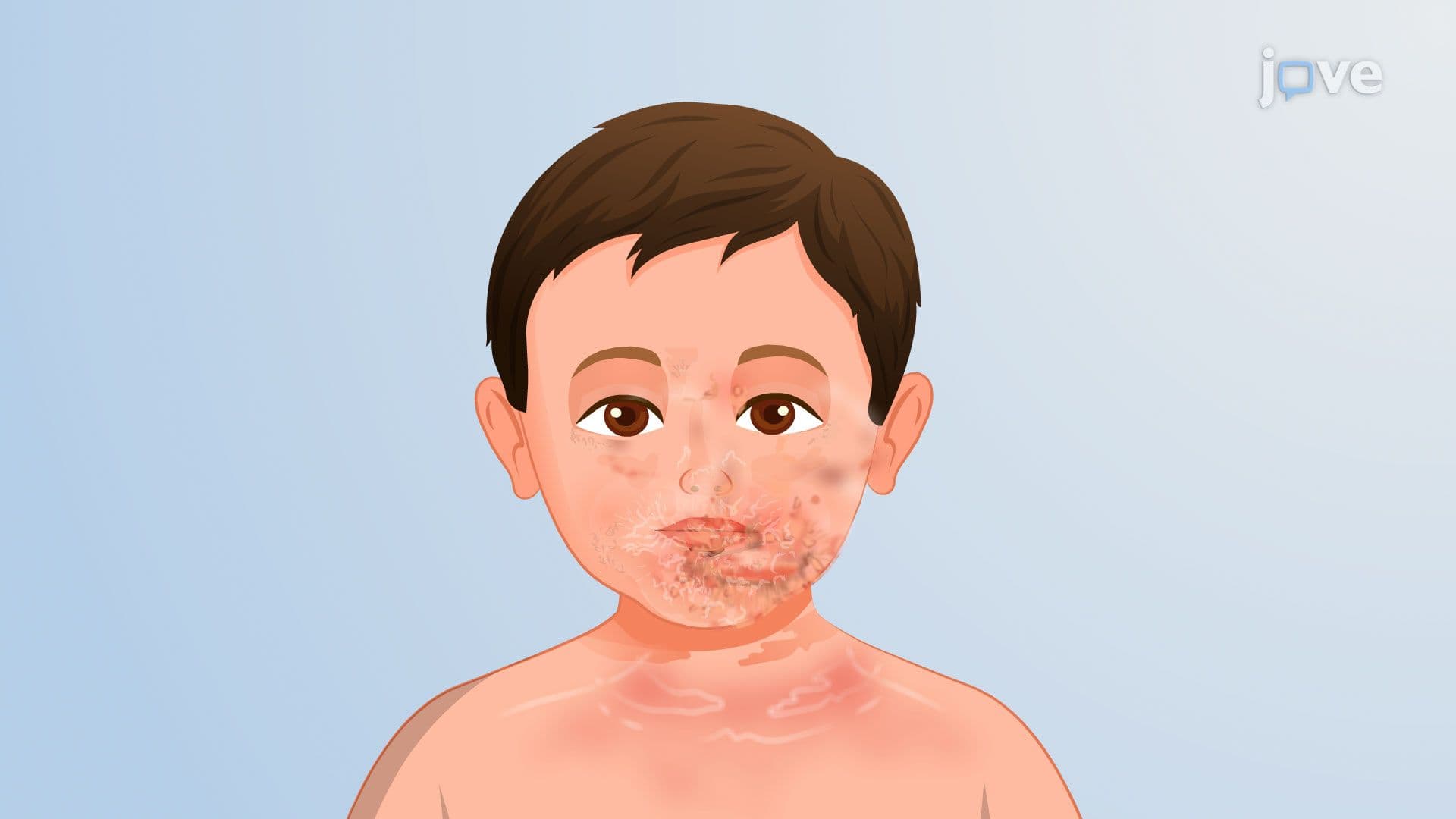
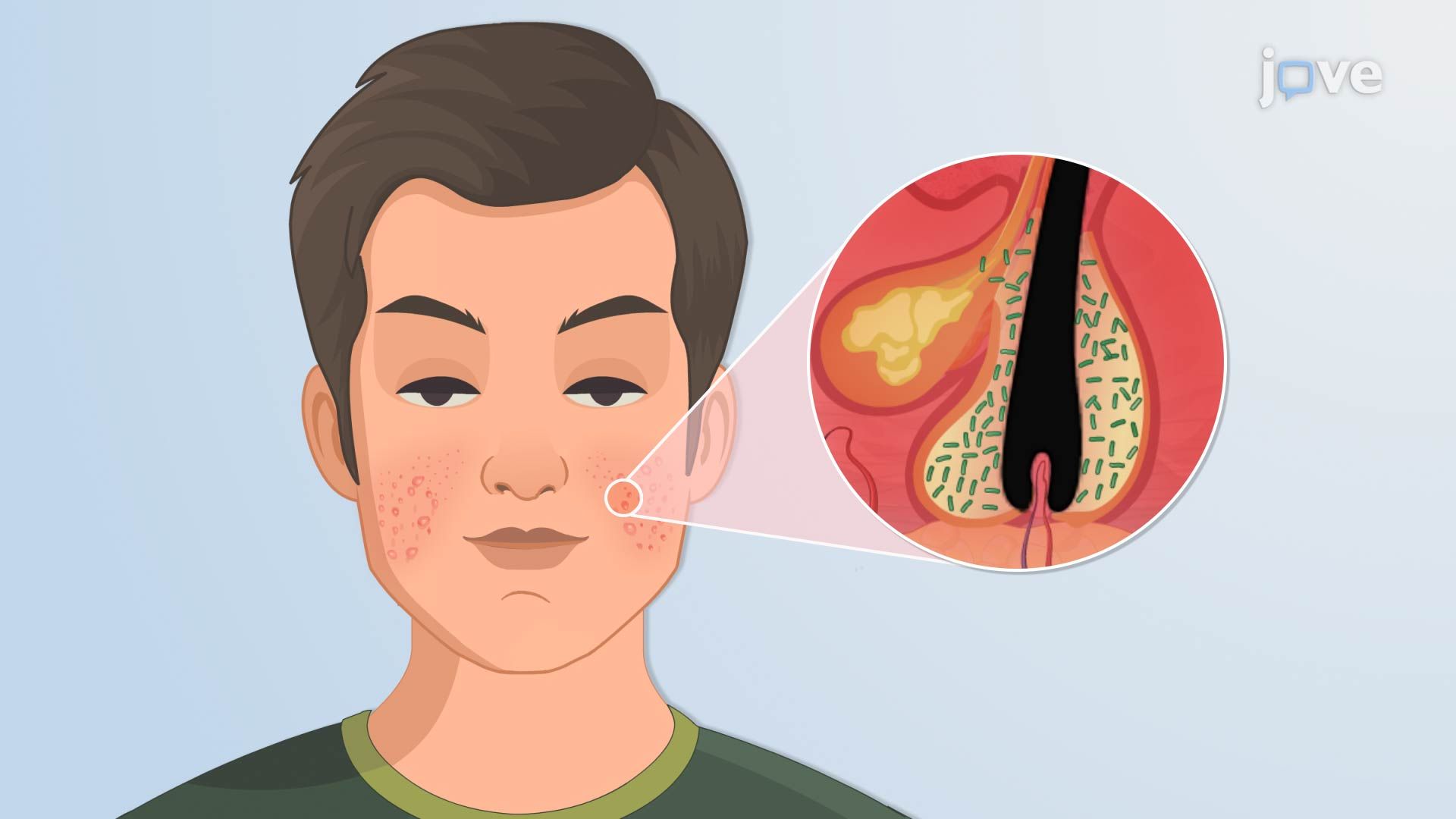
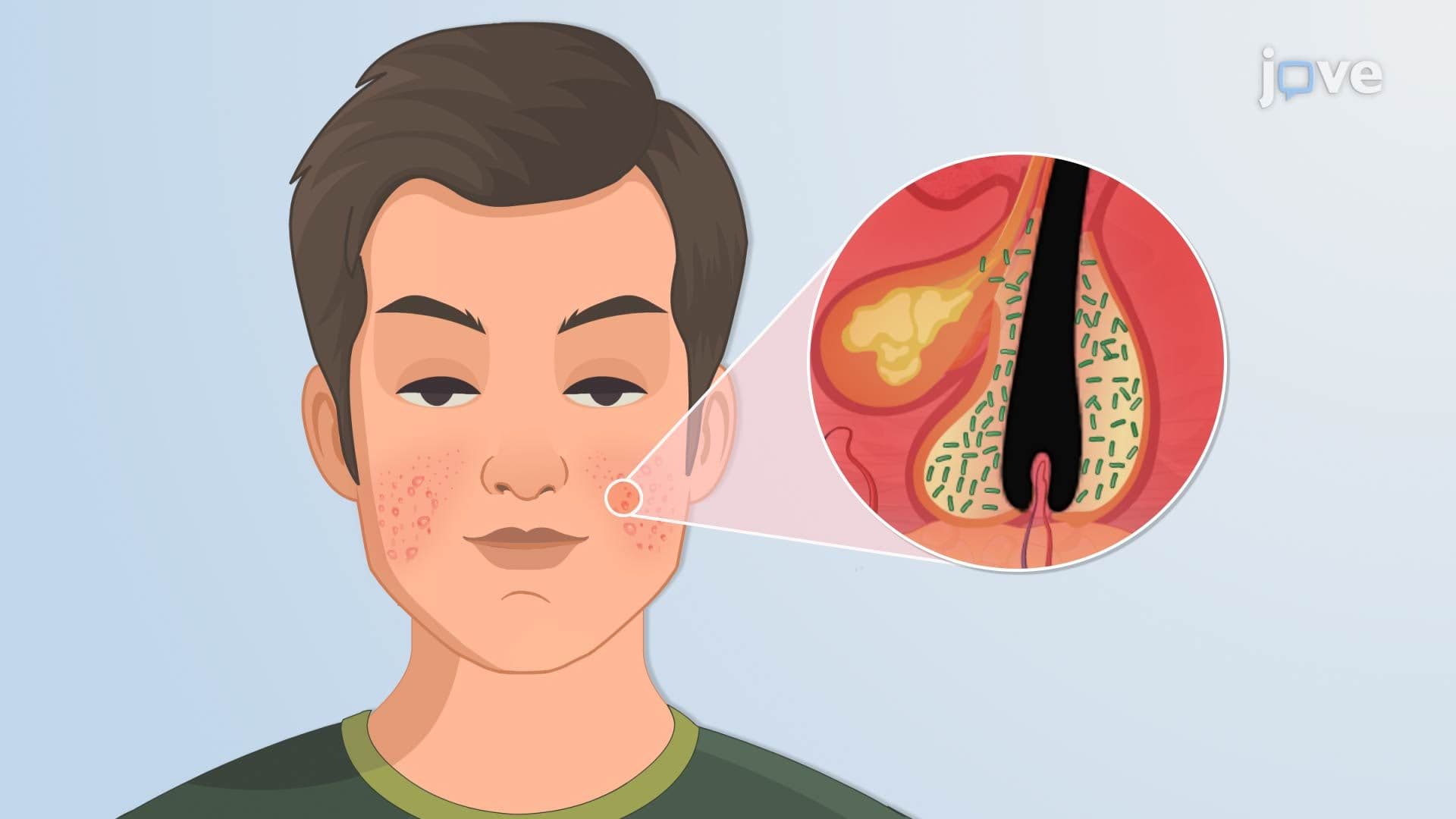
Ever wonder why a simple pimple can turn into a painful, swollen bump that seems to have a life of its own? Acne infection, formally known as acne vulgaris, begins when bacteria called *Cutibacterium acnes* colonize clogged hair follicles, triggering inflammation that affects millions of American teenagers every year. Understanding what is acne infection helps explain everything from mild breakouts to severe cystic acne seen in US dermatology clinics. Watch the full video on JoVE Coach to master this concept with expert-led visuals and step-by-step explanations.
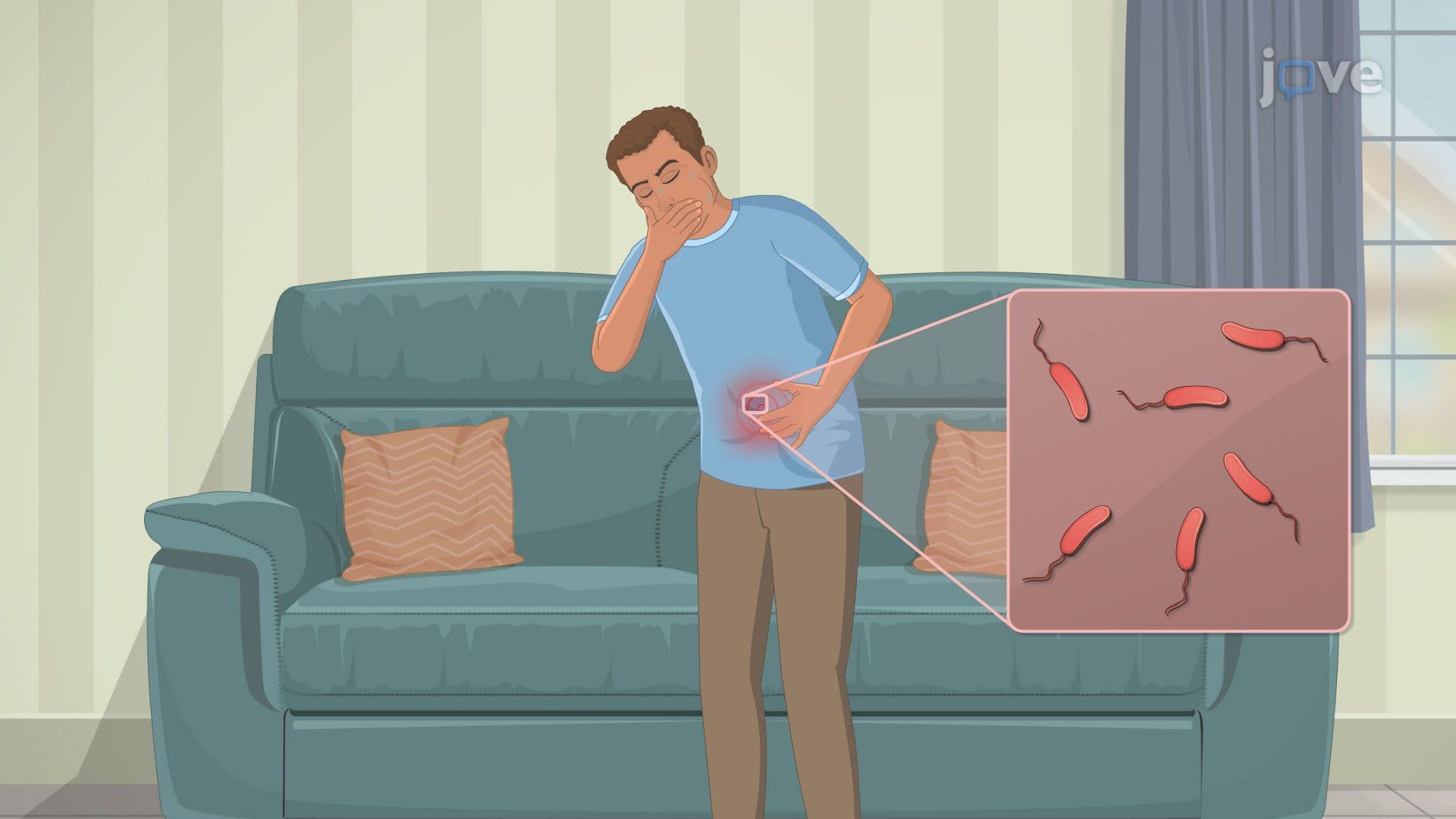
Acne infection, clinically called acne vulgaris, is one of the most common bacterial-inflammatory skin conditions in the United States, affecting roughly 85% of people between ages 12 and 24 according to the American Academy of Dermatology. While most students recognize acne as a surface-level cosmetic issue, the underlying biology is a sophisticated story involving hormones, microbiology, and the immune system, all topics that appear on AP Biology exams, college microbiology midterms, and even the MCAT.
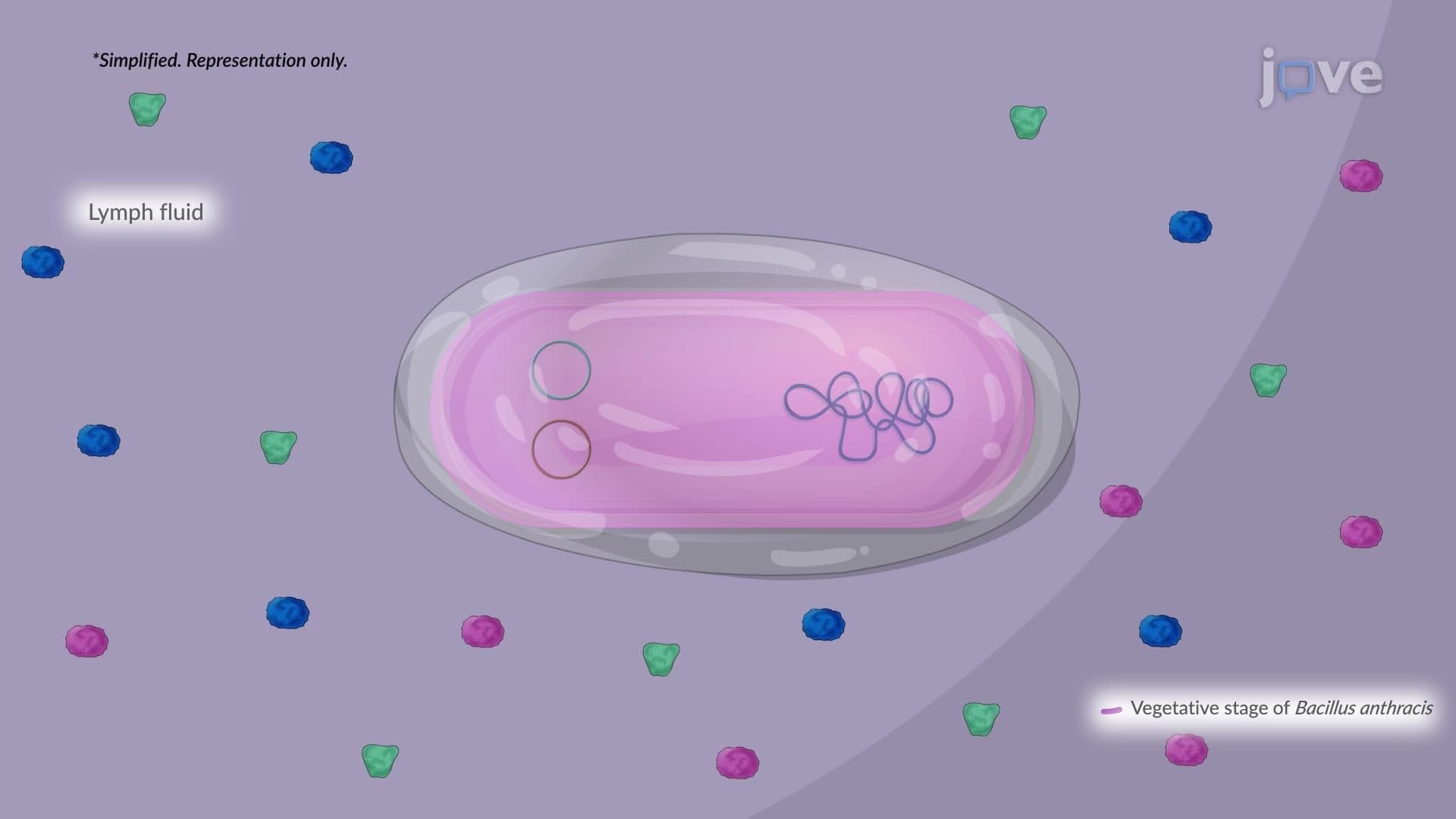
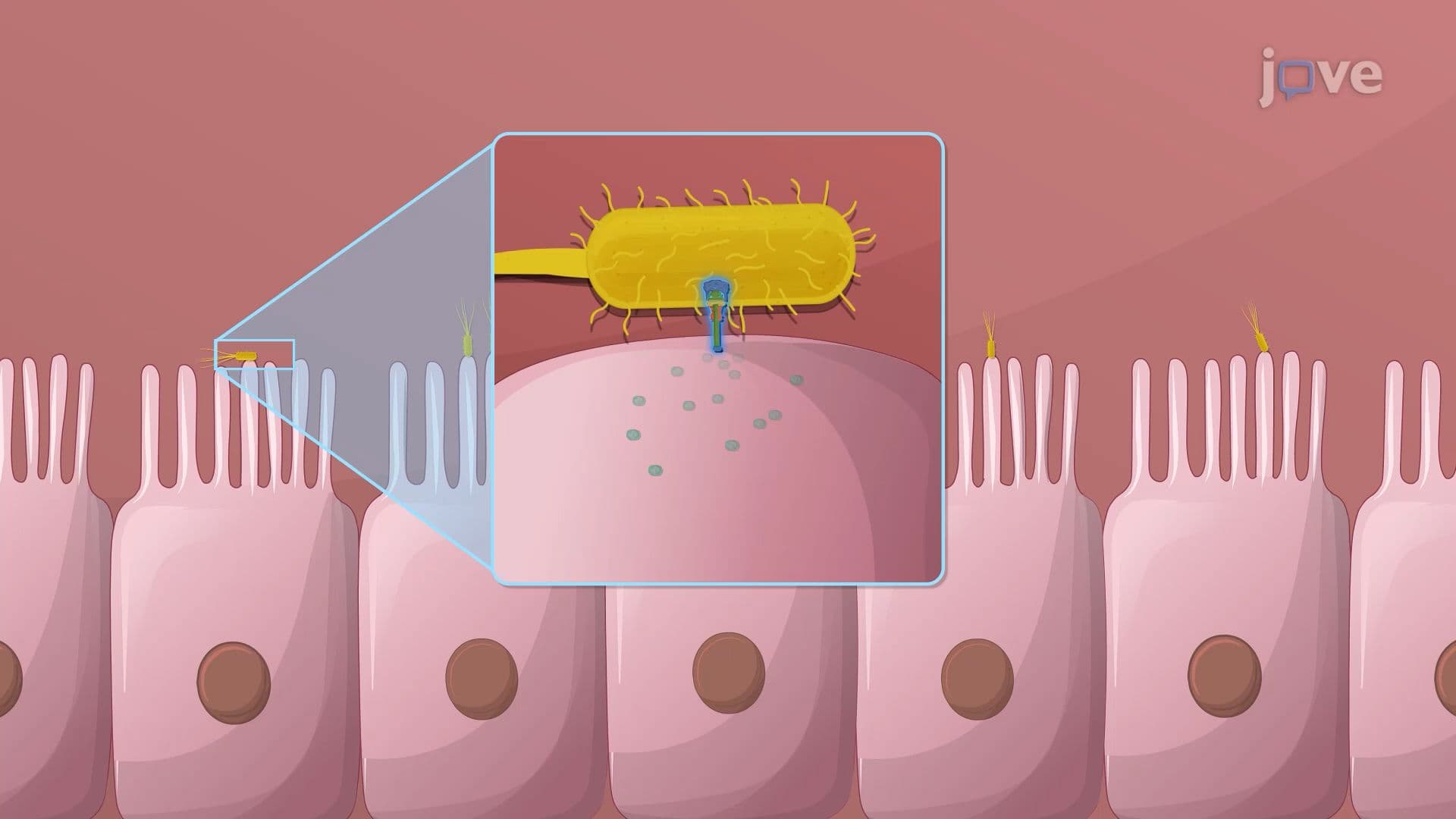
The central pathogen in acne infection is *Cutibacterium acnes* (formerly *Propionibacterium acnes*), a Gram-positive, anaerobic, rod-shaped bacterium that naturally lives on human skin. It thrives specifically in the lipid-rich environment of sebaceous glands, the oil-producing structures attached to hair follicles. What makes *C. acnes* dangerous in excess is its arsenal of virulence factors. It secretes lipases that break down sebum into free fatty acids, proteases that degrade structural proteins, and hyaluronidases that dissolve hyaluronic acid in the extracellular matrix. These bacterial toxins and enzymes directly irritate surrounding tissue, making *C. acnes* a textbook example of how common bacterial pathogens cause disease not just through sheer numbers, but through chemical assault on host tissue. Understanding virulence factors is a high-yield topic on the MCAT and USMLE Step 1.
The sequence begins during puberty, when rising androgen levels stimulate sebaceous glands to overproduce sebum. In some individuals, keratinocytes, the skin cells lining the follicle, proliferate abnormally and fail to shed properly. Trapped sebum and dead cells form a microcomedone, an invisible plug that blocks the follicle. This anaerobic, lipid-saturated space is ideal for *C. acnes* to multiply unchecked. As bacteria release their enzymes, surrounding immune cells detect molecular damage signals and release pro-inflammatory cytokines. The resulting inflammation produces the red papules and pus-filled pustules most people associate with acne. This cascade is a real-world illustration of innate immune activation, a concept central to AP Biology Unit 5 and introductory immunology courses.
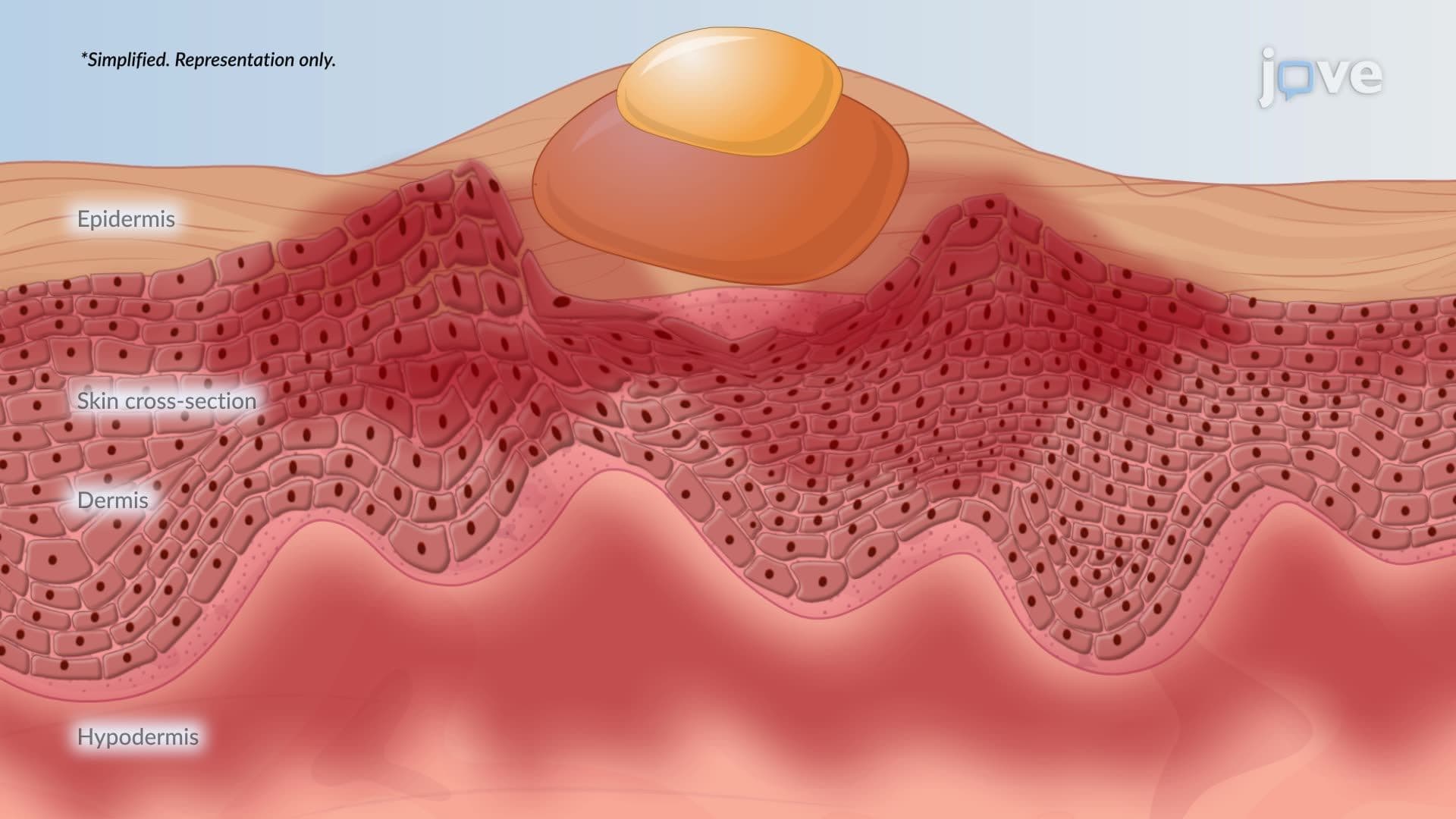
When internal pressure causes the follicular wall to rupture, bacterial contents spill into the deeper dermis. The immune system responds with a more intense inflammatory reaction, forming nodules (solid, painful lumps) or cysts (fluid-filled, deep lesions). This deeper inflammation is why severe acne can cause permanent scarring, fibrous tissue forms during healing, disrupting normal skin architecture. US dermatologists classify acne severity on a scale that guides treatment decisions, ranging from topical retinoids for mild cases to oral antibiotics treatment or isotretinoin (Accutane) for severe nodulo-cystic disease. The choice of antibiotics, such as tetracyclines like doxycycline, reflects the Gram-positive classification of *C. acnes*, connecting clinical microbiology directly to pharmacology concepts tested on the NCLEX and HESI A2.
Acne infection explained through a pathogenesis framework connects multiple biology disciplines: endocrinology (androgens), microbiology (Gram-positive vs. Gram-negative infections, bacterial growth), and immunology (inflammation, cytokines). For AP students, this topic bridges cellular biology and human physiology. For pre-med undergraduates, it previews dermatology, infectious disease, and pharmacology concepts. Understanding how bacterial infections are diagnosed, typically through clinical presentation and lesion morphology rather than culture, and what the symptoms of a bacterial infection look like in a skin context builds the foundational clinical reasoning skills tested on the MCAT and USMLE.
Related Micro-courses