Loading video…

 14 Concepts
 2.1K views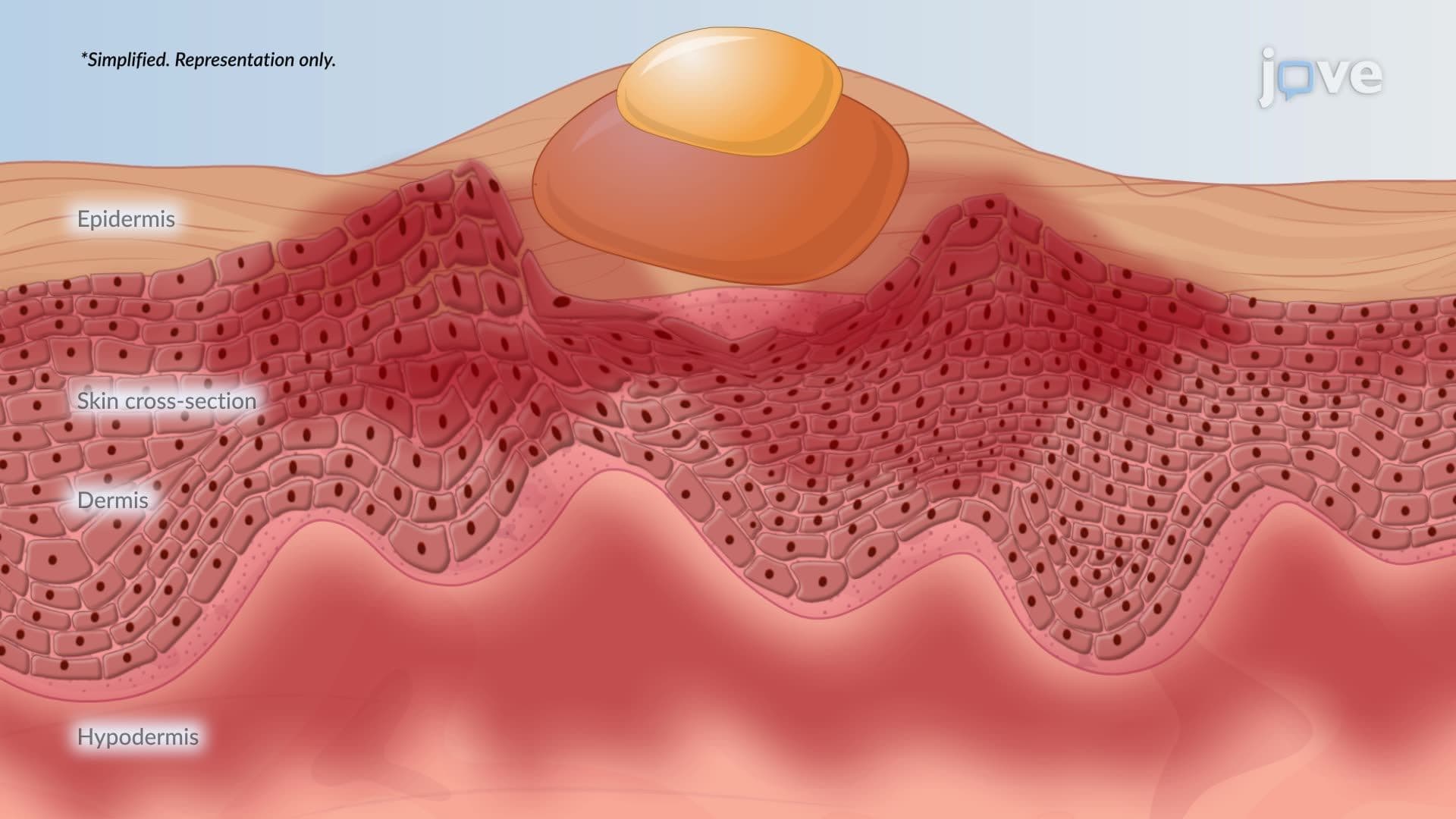

Video Summary: What Is Smallpox
Once responsible for killing nearly 300 million people in the 20th century, smallpox stands as one of history's deadliest diseases, and one of science's greatest victories. Smallpox basics explain how the Variola major virus spreads through respiratory droplets, hijacks host cells, and triggers the distinctive pustular rash seen in historical US outbreak records. Understanding what is smallpox helps students connect virology to real-world public health. Watch the full video on JoVE Coach to master this concept with expert-led visuals and step-by-step explanations.
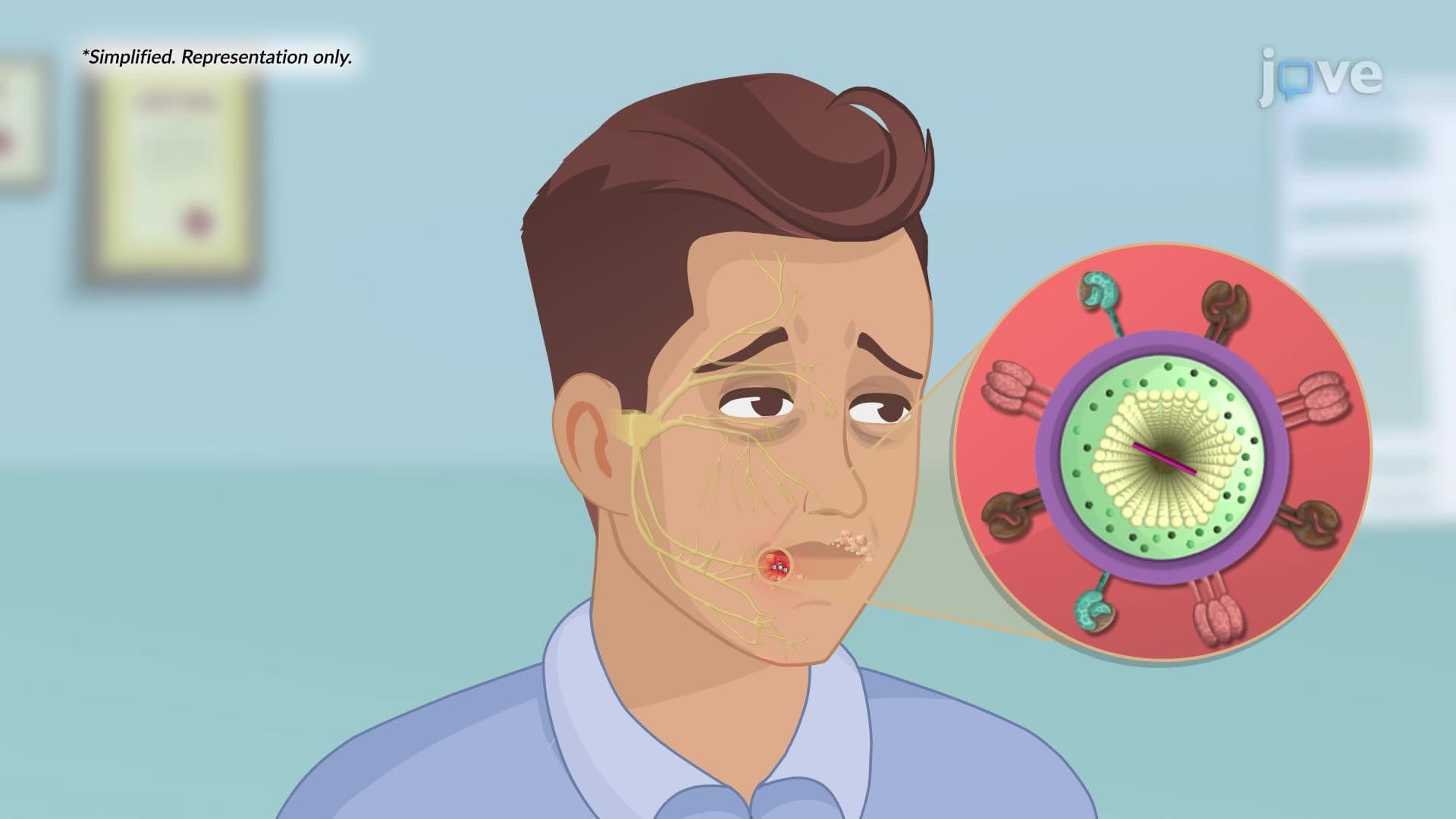
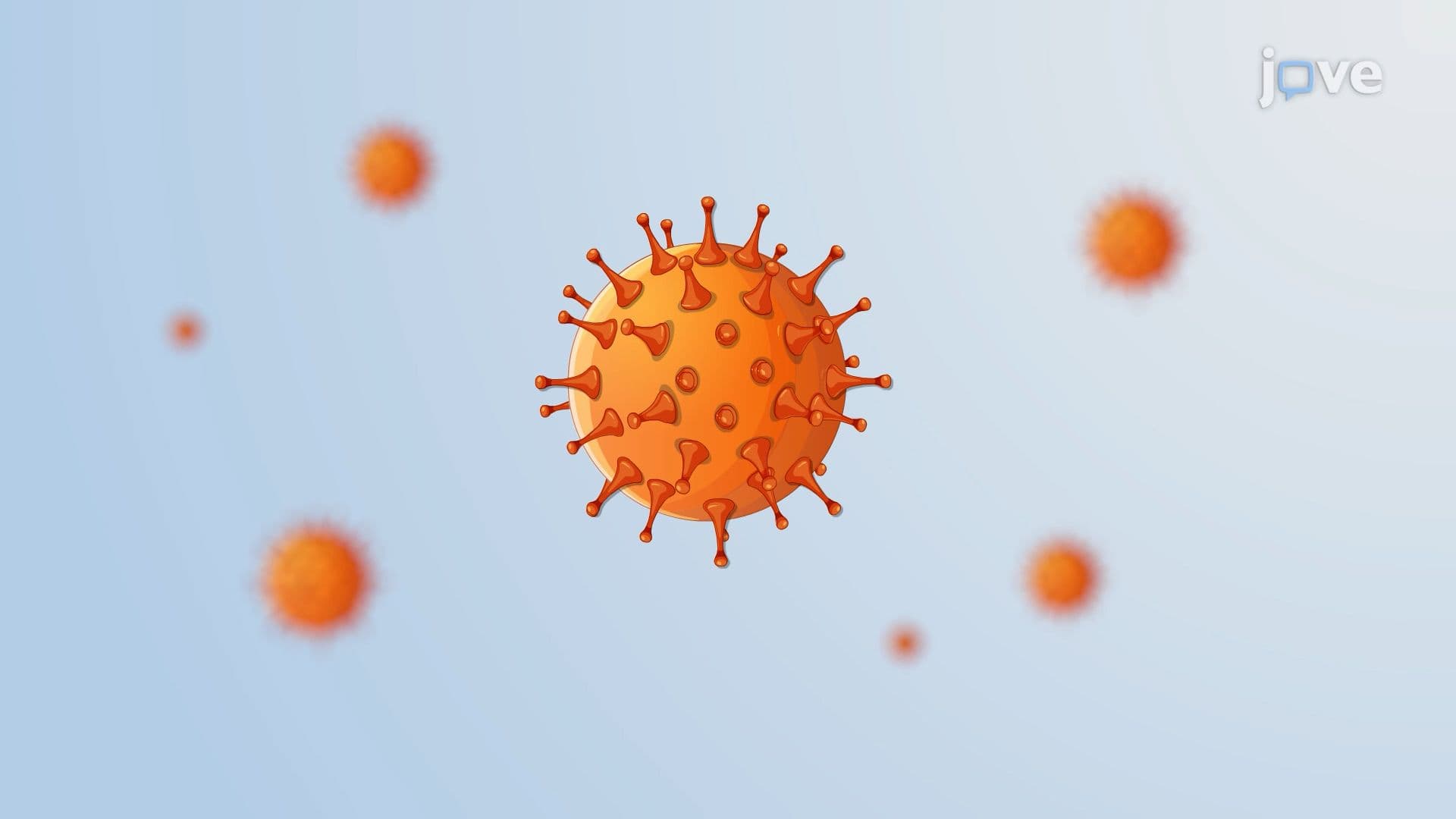
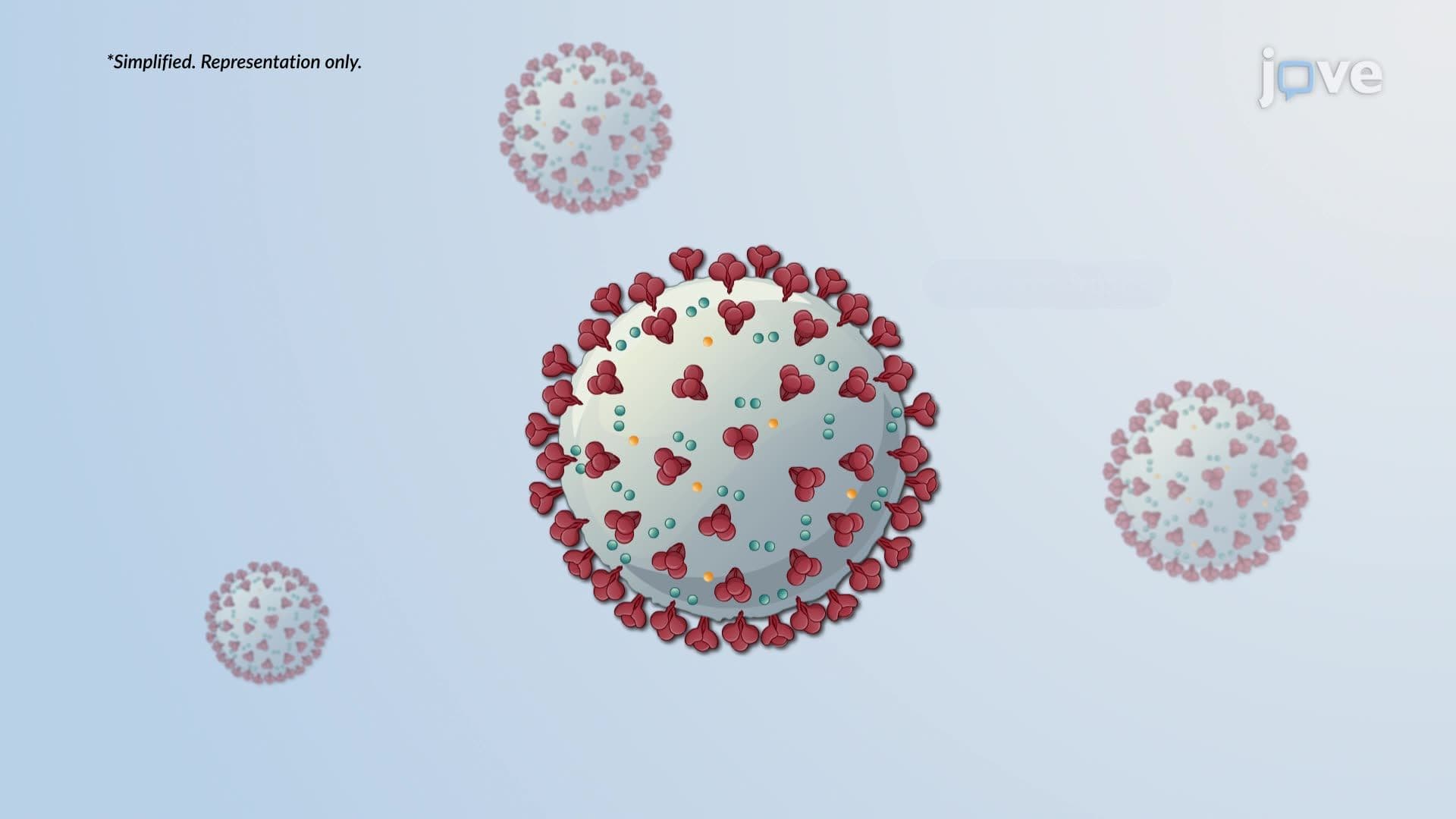
Smallpox is a severe, highly contagious infectious disease caused by the Variola major virus, a large, enveloped, double-stranded DNA virus belonging to the Orthopoxvirus genus of the poxvirus family. Unlike many viruses that replicate inside the host cell's nucleus, Variola major carries out its entire replication cycle within the cytoplasm. This unusual independence from the nucleus is a key feature that distinguishes poxviruses from most other DNA viruses and is a high-yield concept in college-level microbiology and virology courses.
Smallpox was officially declared eradicated in 1980 by the World Health Organization (WHO), largely due to a global vaccination campaign using the vaccinia virus-based vaccine. In the United States, mandatory smallpox vaccination ended in 1972, making this one of the most dramatic public health achievements in American history. Today, the virus exists only in two secured laboratory repositories, one at the CDC in Atlanta, Georgia, making biosecurity a continuing scientific and political concern.
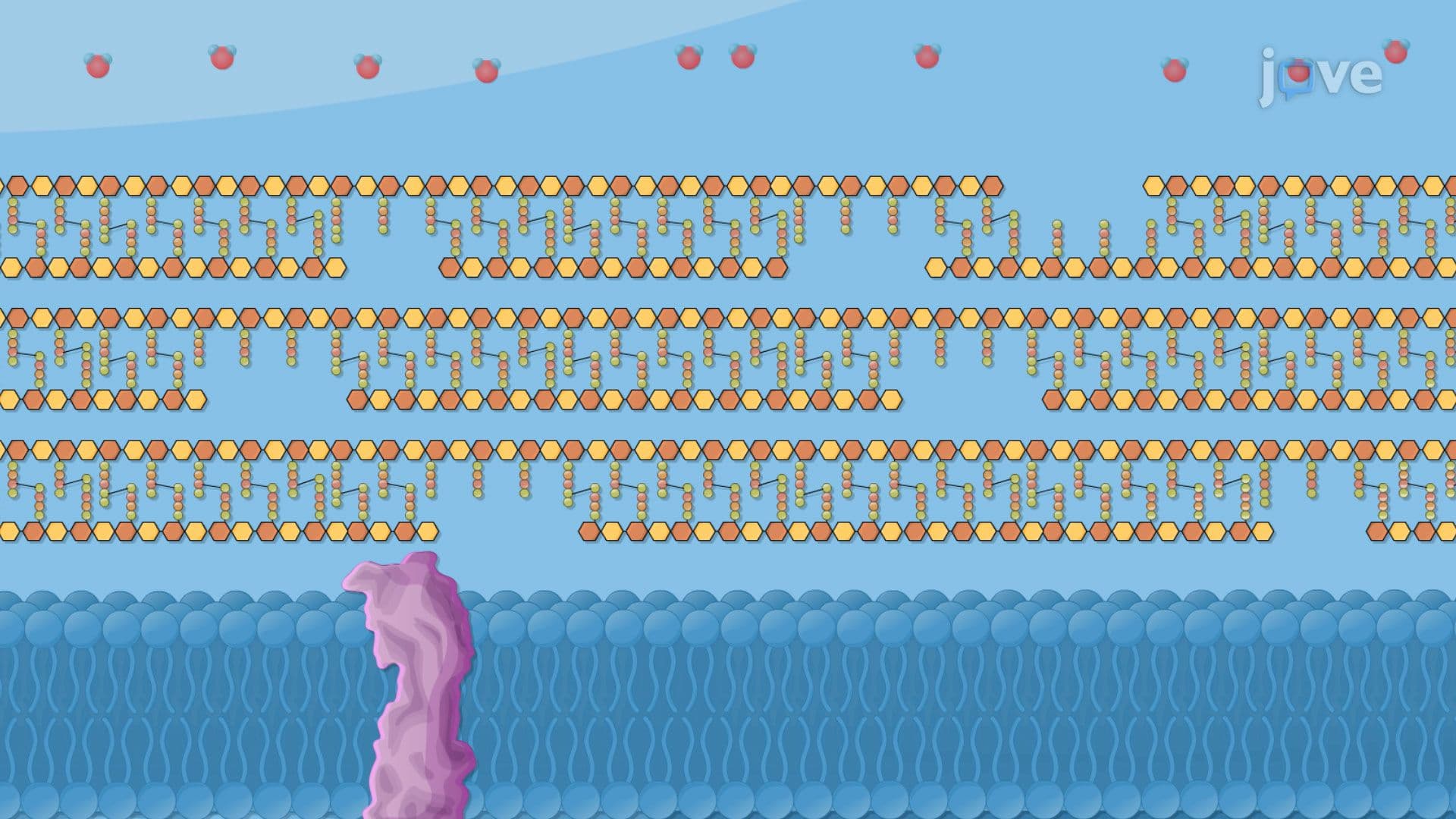
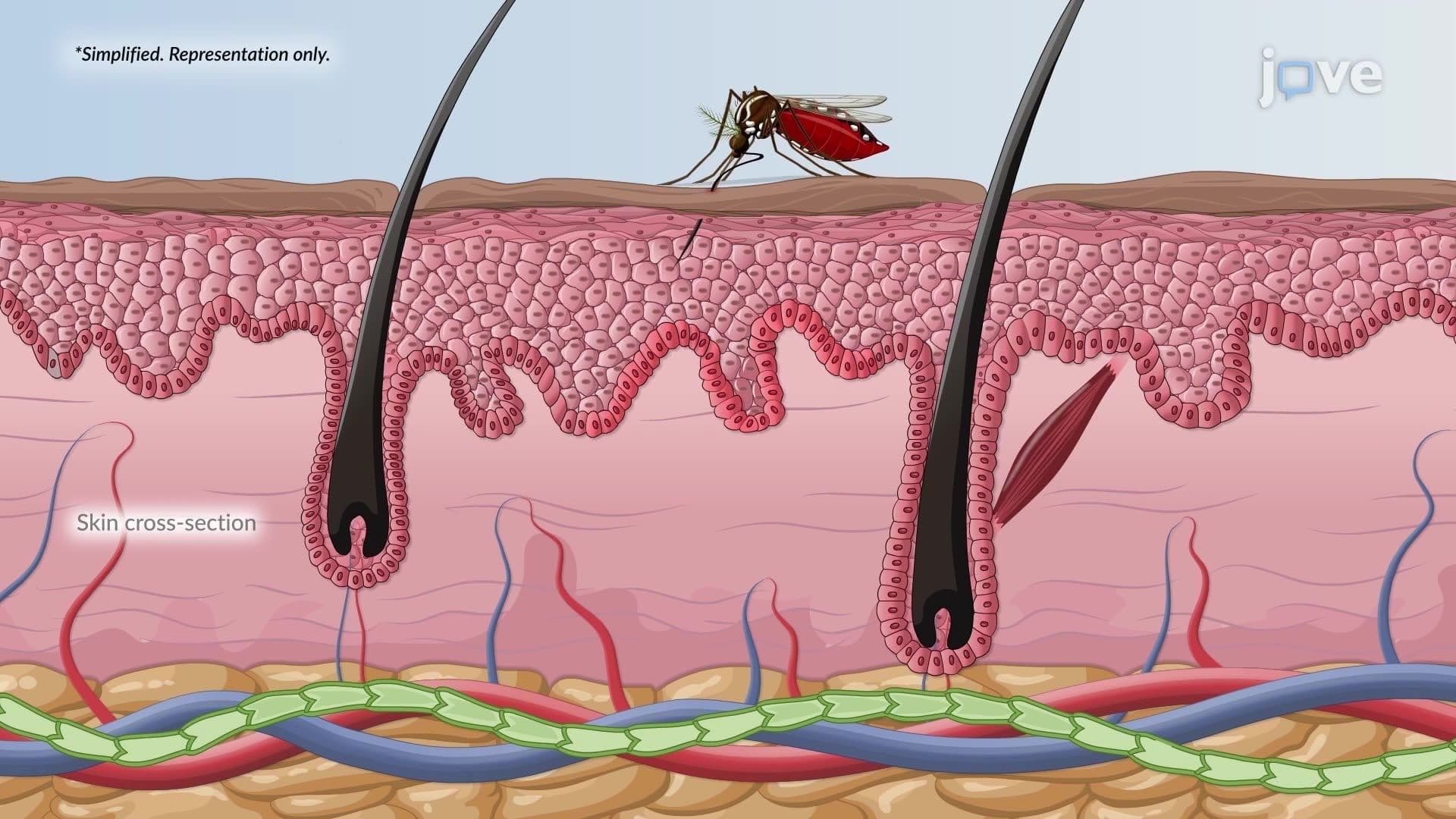
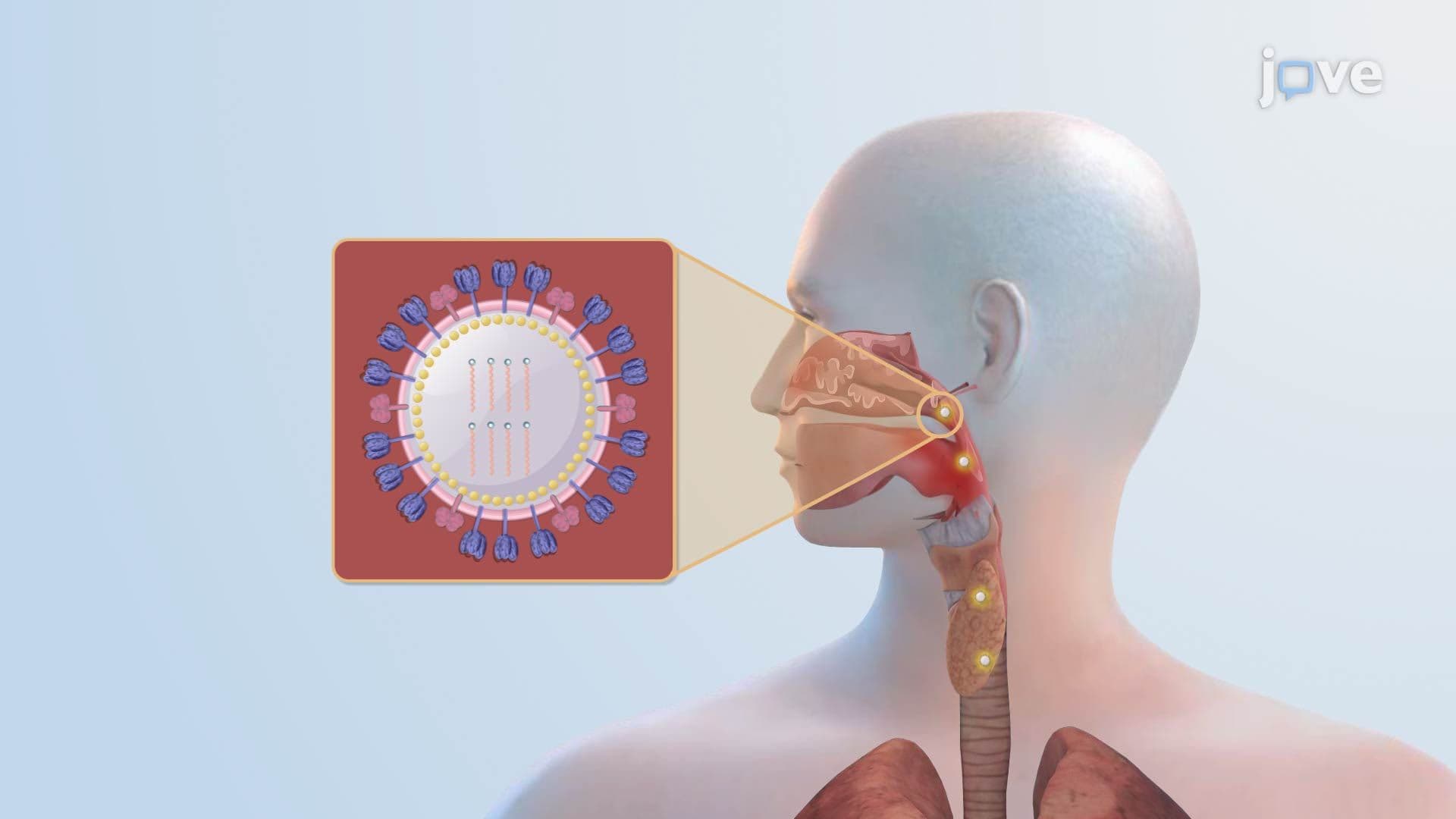
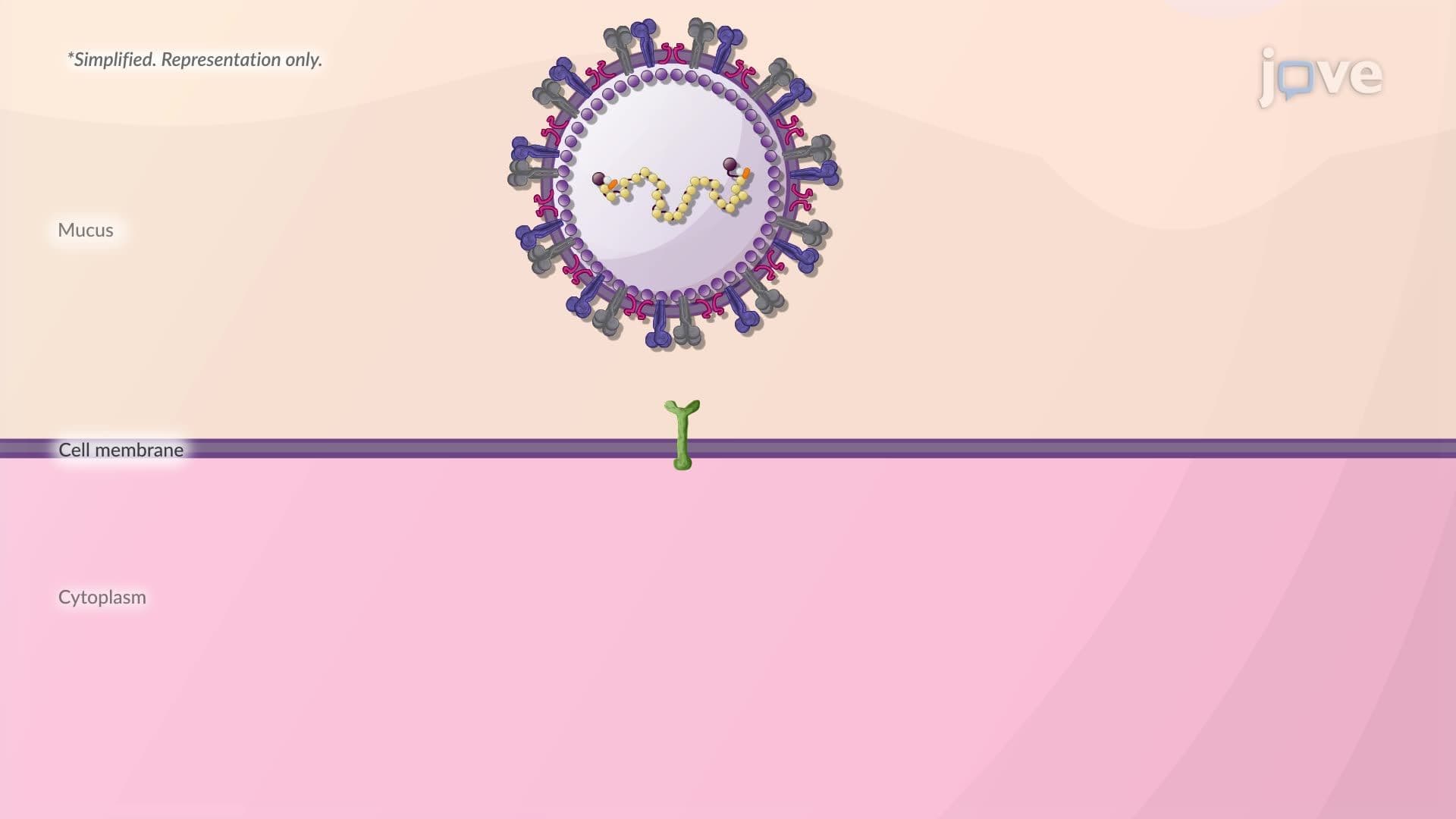
Transmission occurs primarily through inhalation of virus-laden respiratory droplets released by an infected person, though prolonged face-to-face contact or direct contact with infectious scabs can also spread the virus. Once inhaled, Variola major targets the mucosal lining of the upper respiratory tract, binding to specific cell-surface molecules on respiratory epithelial cells. This receptor-mediated binding triggers endocytosis, a process where the cell membrane engulfs the viral particle and draws it inside. Understanding how viruses enter host cells through endocytosis versus membrane fusion is a recurring concept on the MCAT and in AP Biology Unit 4 (Cell Communication and Cell Cycle).
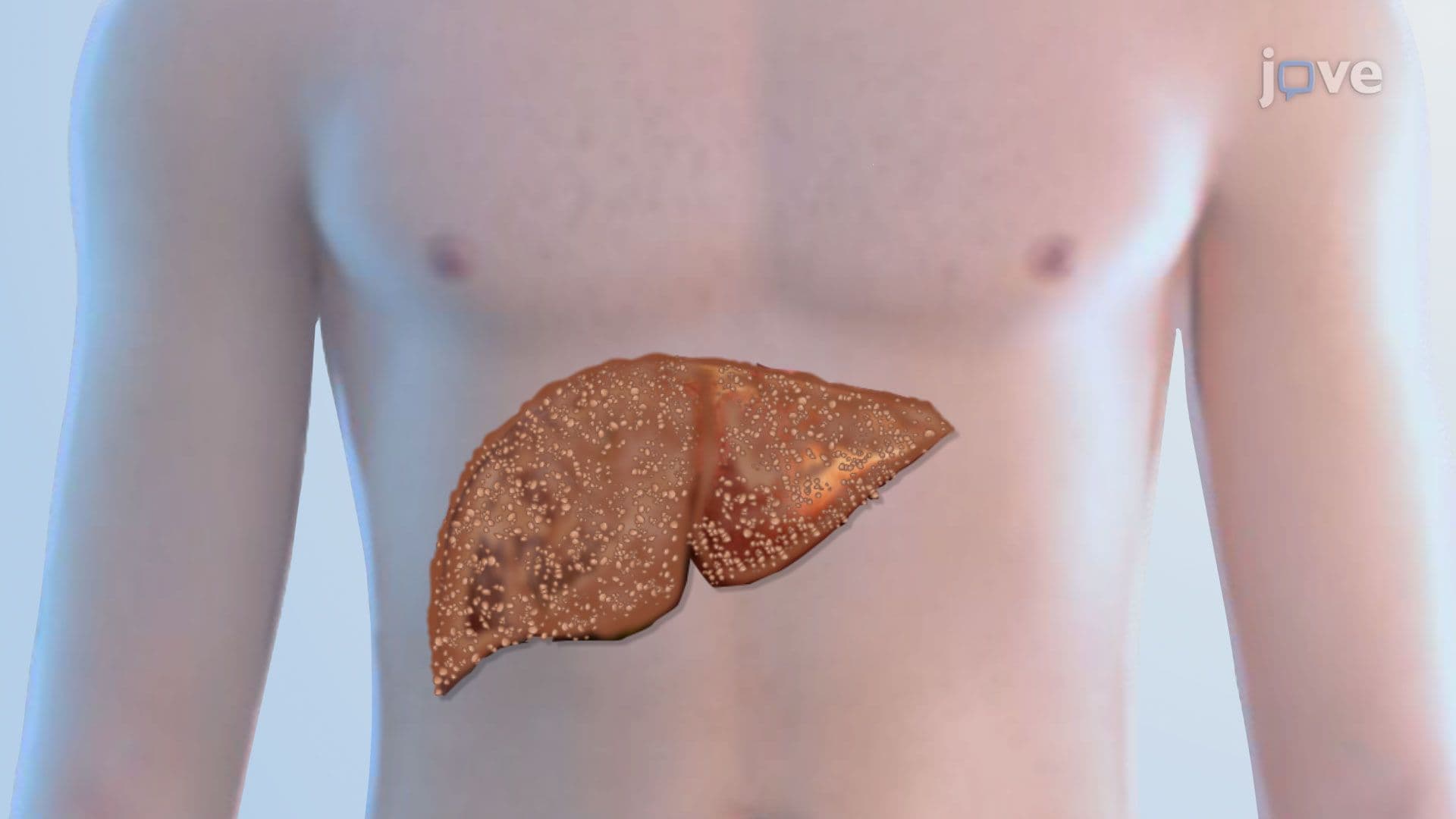
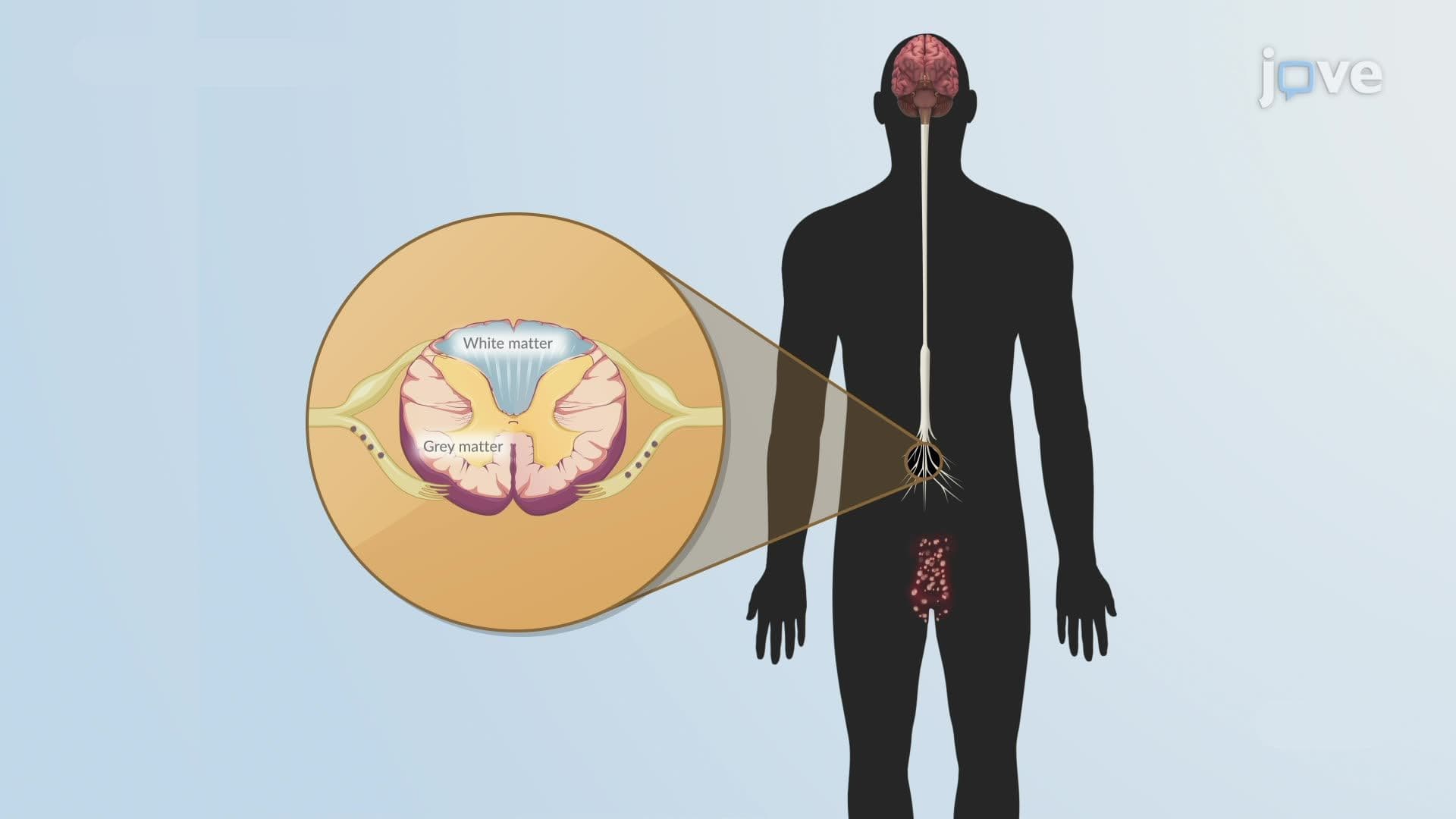
After entering the cell, the virus begins replicating in the cytoplasm, producing large numbers of new viral particles. These newly assembled virions are released from infected cells and taken up by macrophages, immune cells that, ironically, the virus exploits as transport vehicles. The macrophages carry viral particles to regional lymph nodes, where the virus replicates further before spilling into the bloodstream in a phase called viremia. From there, Variola major disseminates to organs and skin throughout the body. This progression from localized infection to systemic disease is a classic example of viral pathogenesis and is frequently tested in college microbiology midterms and USMLE Step 1 review materials.
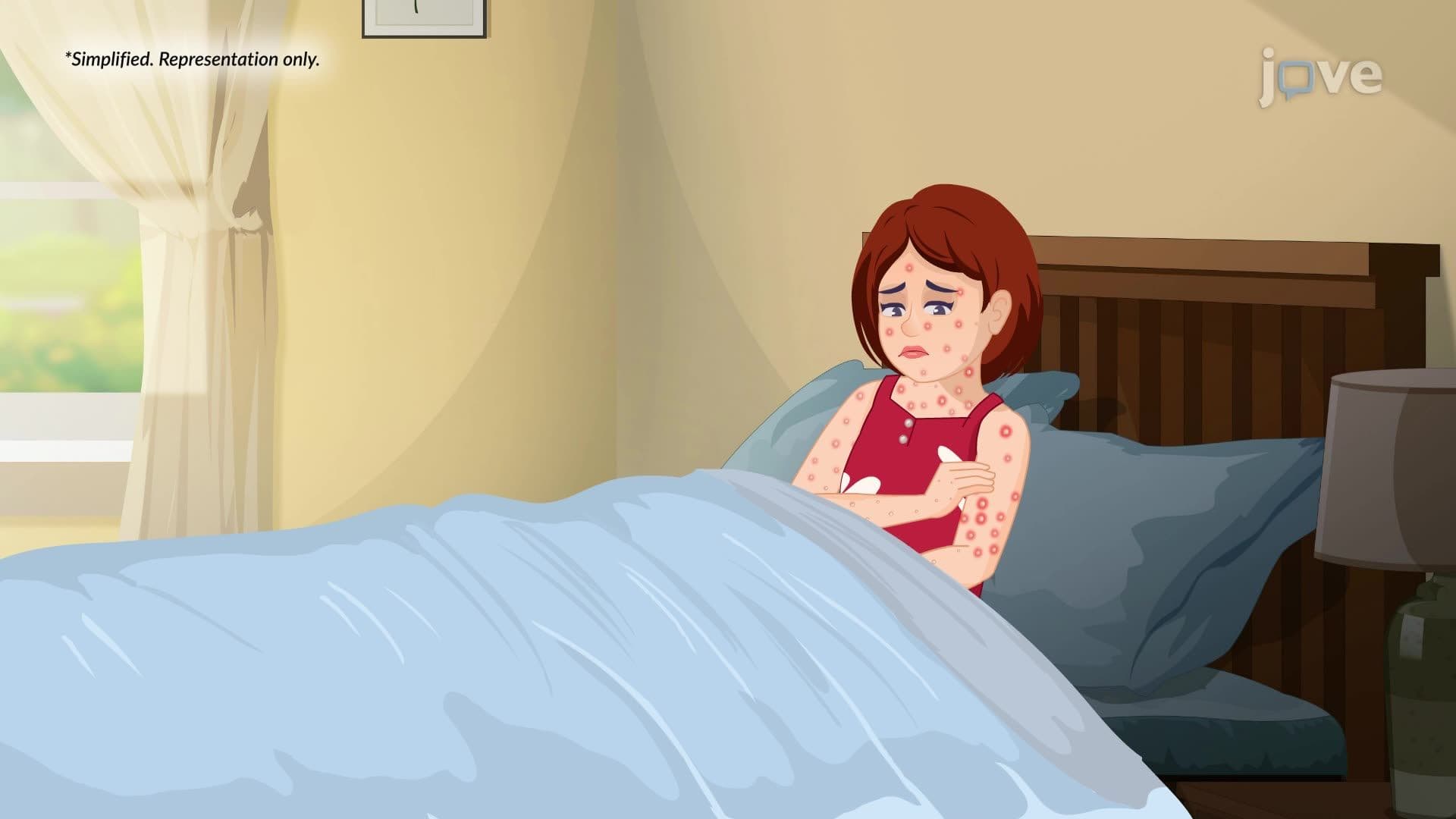
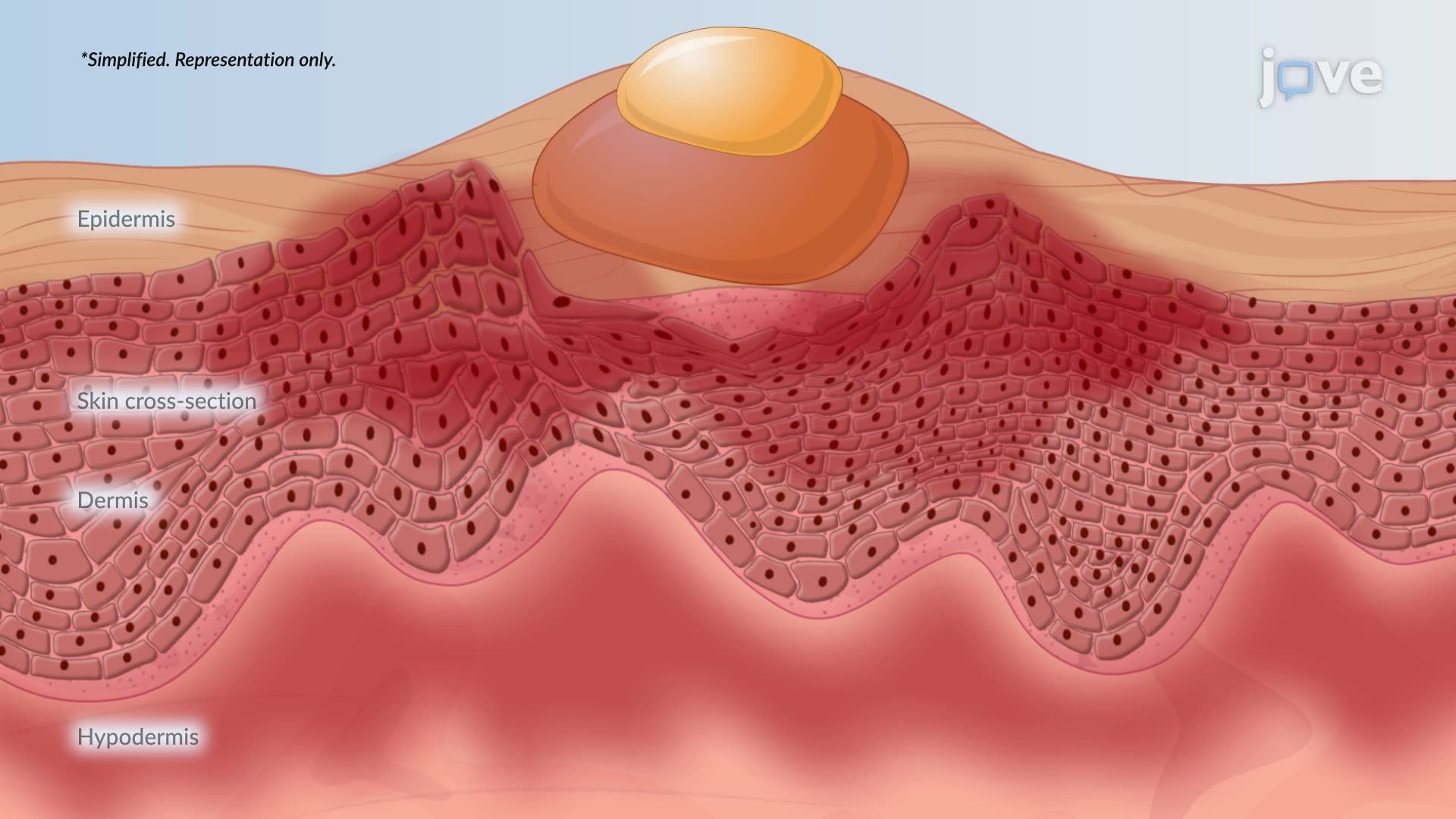
Following an incubation period of approximately 7 to 17 days, patients develop a sudden high fever, fatigue, and back pain. A characteristic skin rash then appears, following a predictable progression: flat red spots called macules develop first, then raise into papules, evolve into fluid-filled vesicles, and finally become pus-filled pustules, a feature that distinguishes smallpox from chickenpox, where lesions appear in various stages simultaneously. The pustules eventually crust into scabs that, upon healing, leave deep pitted scars. This orderly lesion progression is a high-yield comparison point in NCLEX, HESI A2, and AP Biology exam questions on infectious disease and immune response.
Related Micro-courses