Loading subject page…

2,059 views
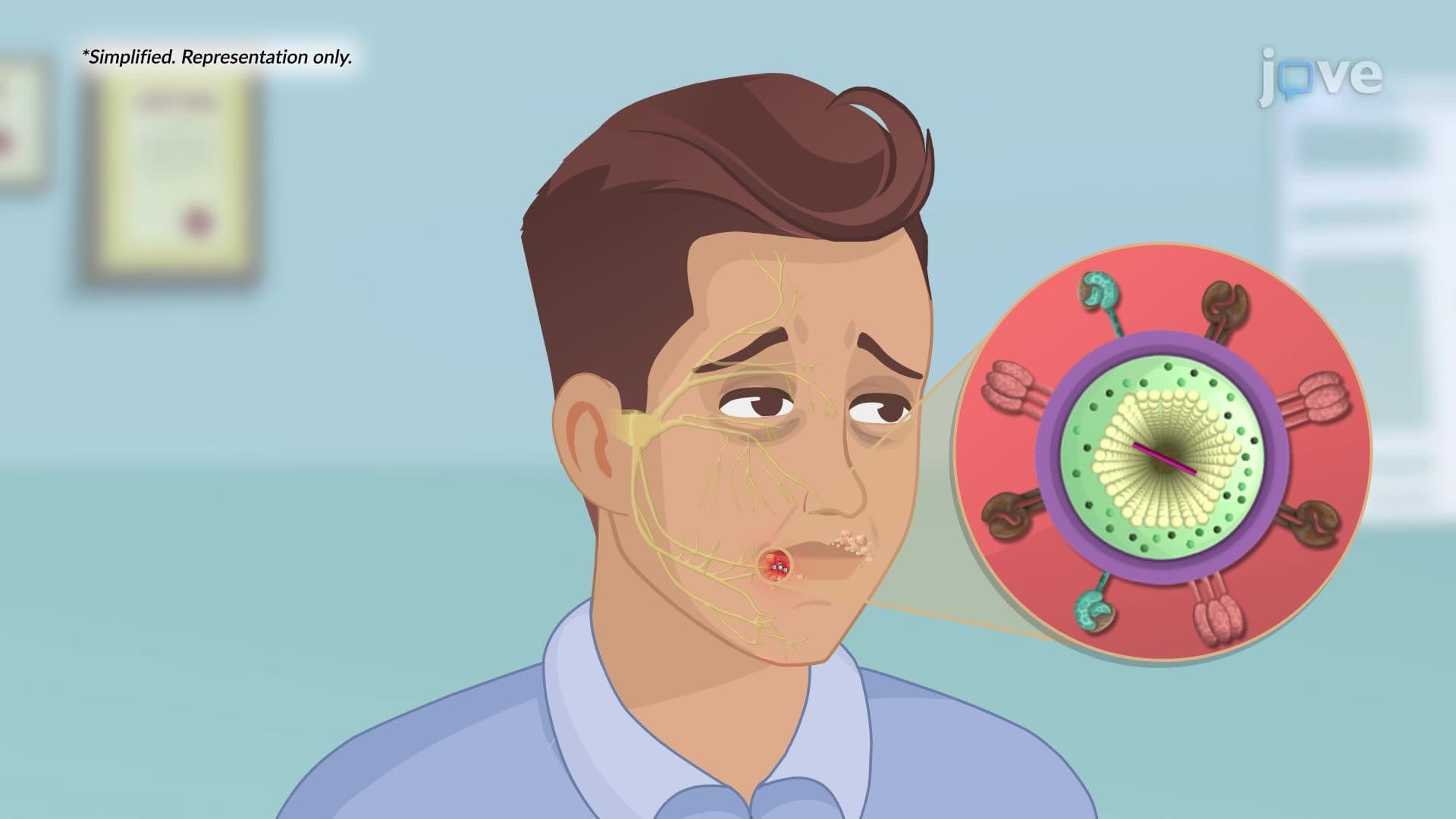

Video Summary: What are Herpes
Over 3.7 billion people worldwide carry HSV-1, yet most never realize it. Herpes basics start with understanding how this stealthy virus hides inside nerve cells for a lifetime. In the US, outbreaks affect millions of college students annually, triggered by exam stress alone. What are Herpes? They're far more complex than a cold sore. Watch the full video on JoVE Coach to master this concept with expert-led visuals and step-by-step explanations.
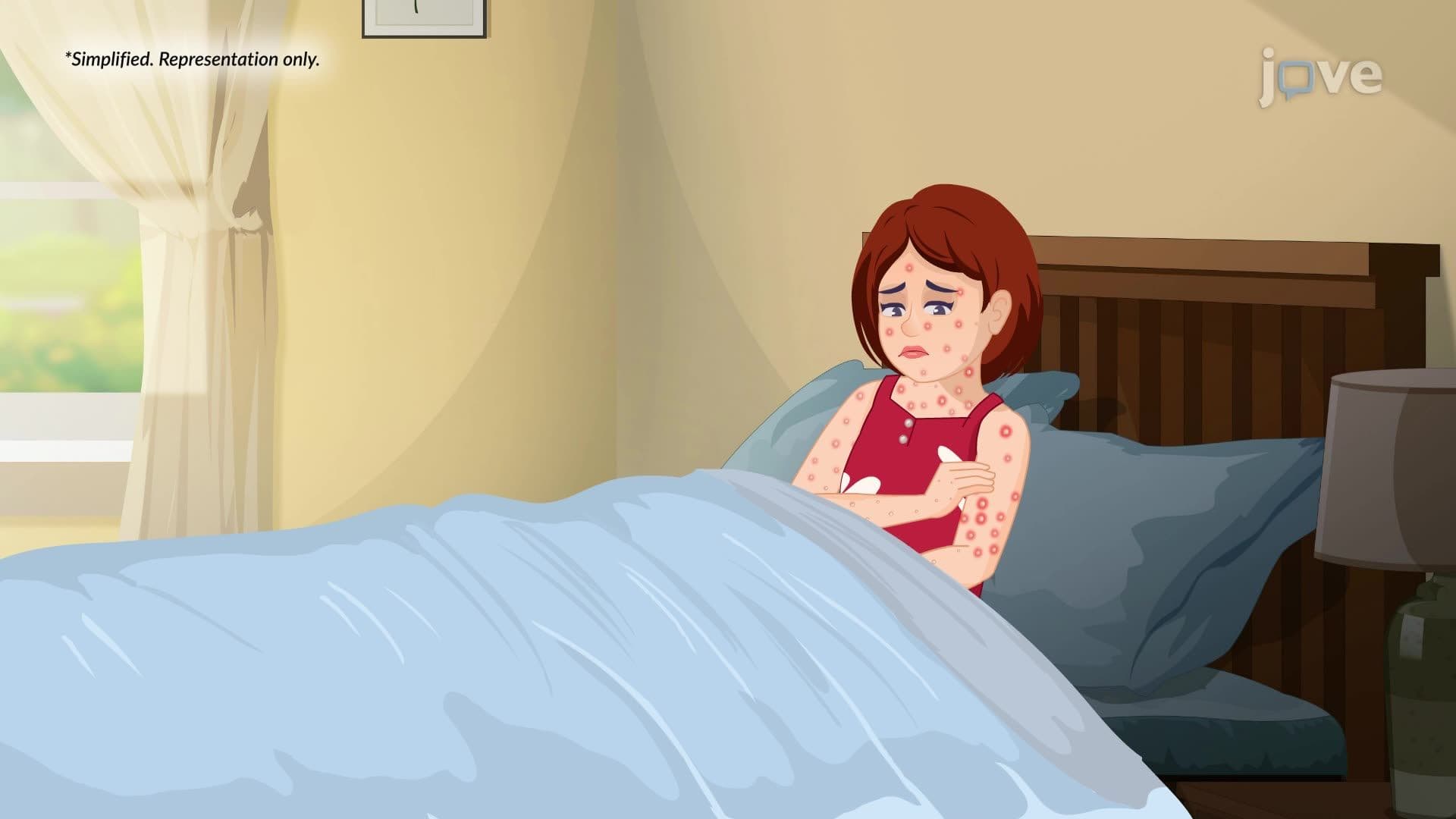
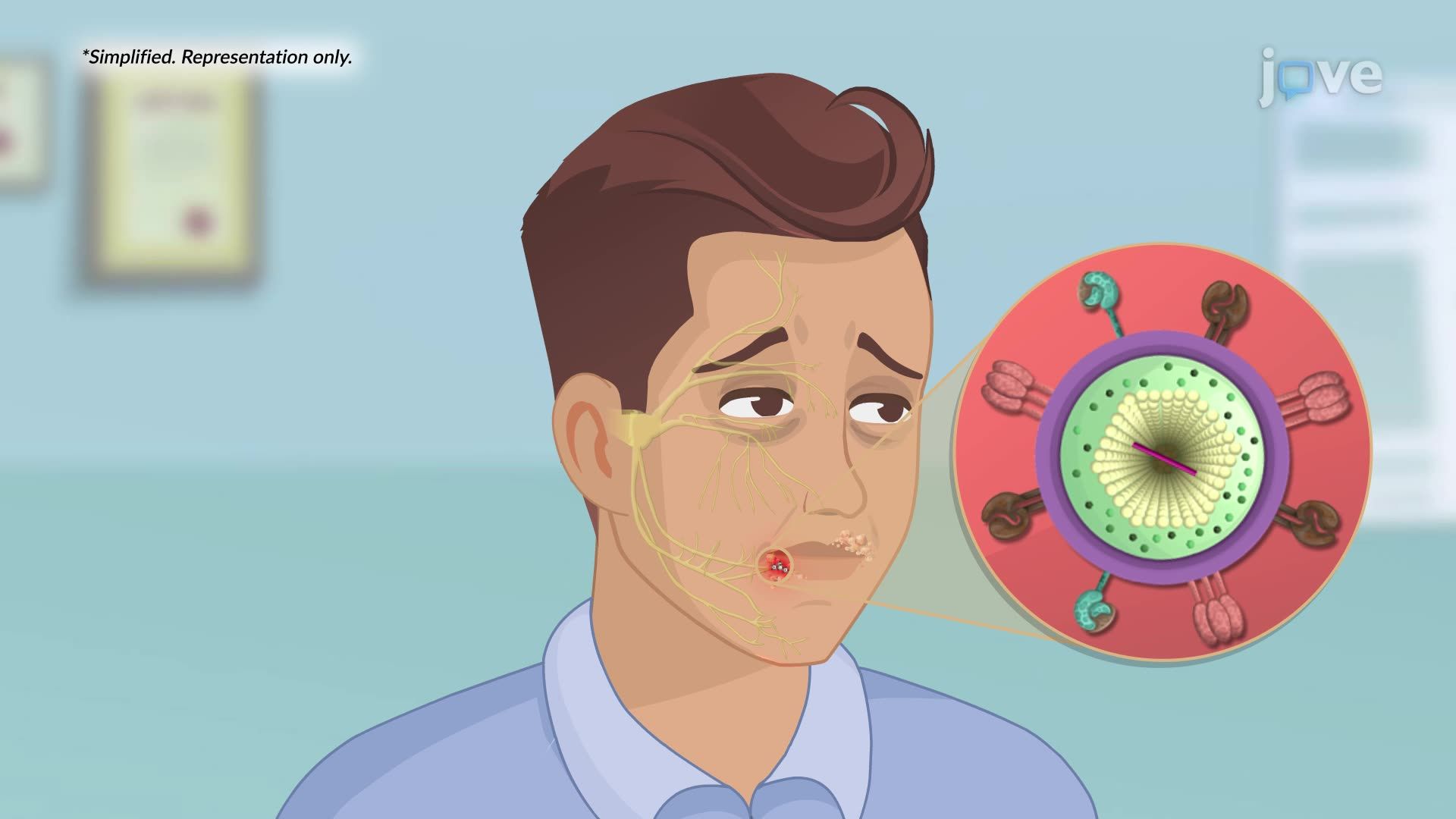
Herpes is not simply a skin condition, it is a masterclass in viral strategy. Caused by herpes simplex virus type 1 (HSV-1), this highly contagious pathogen exploits human cell biology at every stage of infection. Understanding herpes explained at the molecular level reveals why it remains one of the most widespread viral infections in the United States, estimated by the CDC to affect more than half of American adults by age 50.
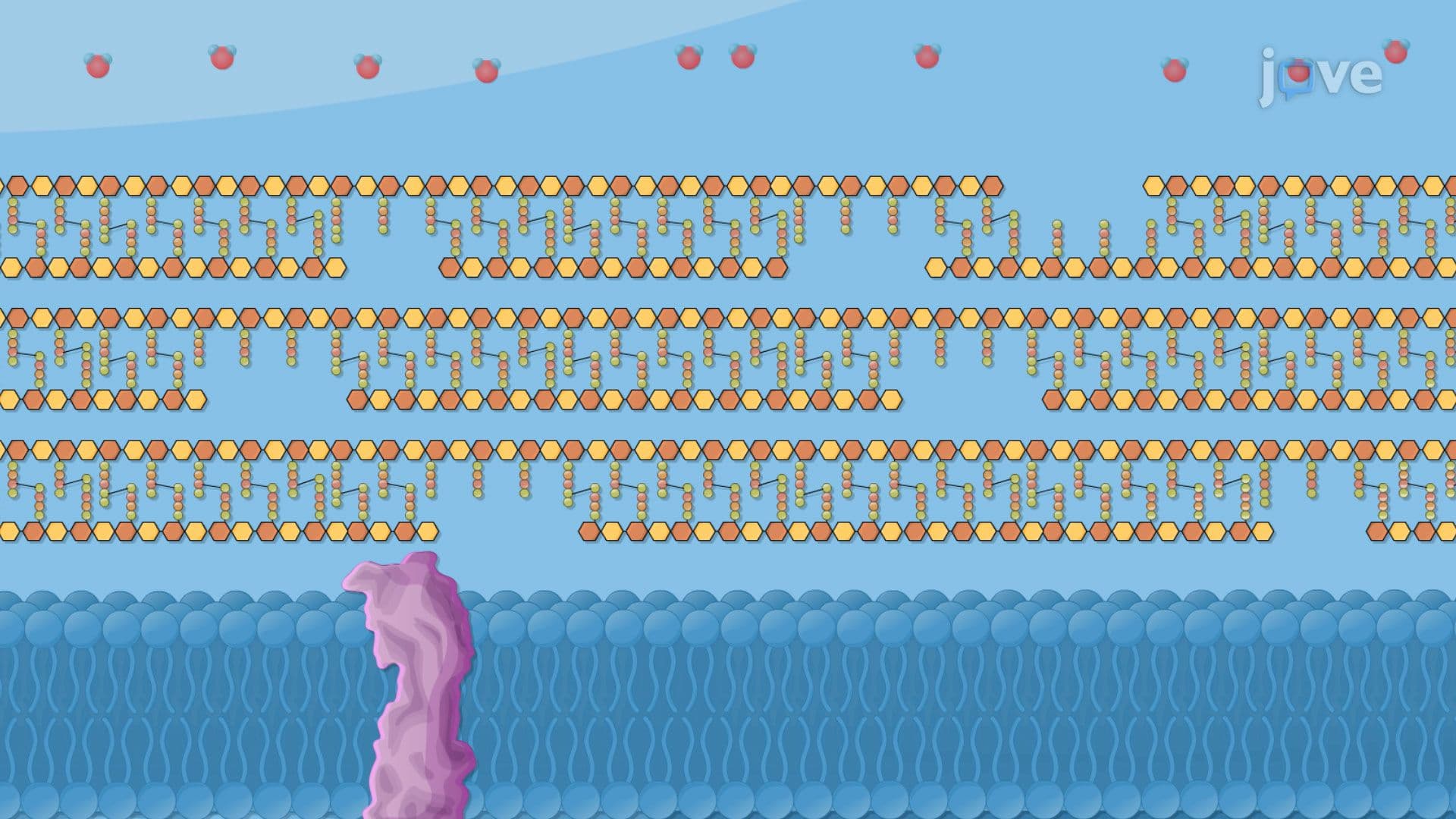
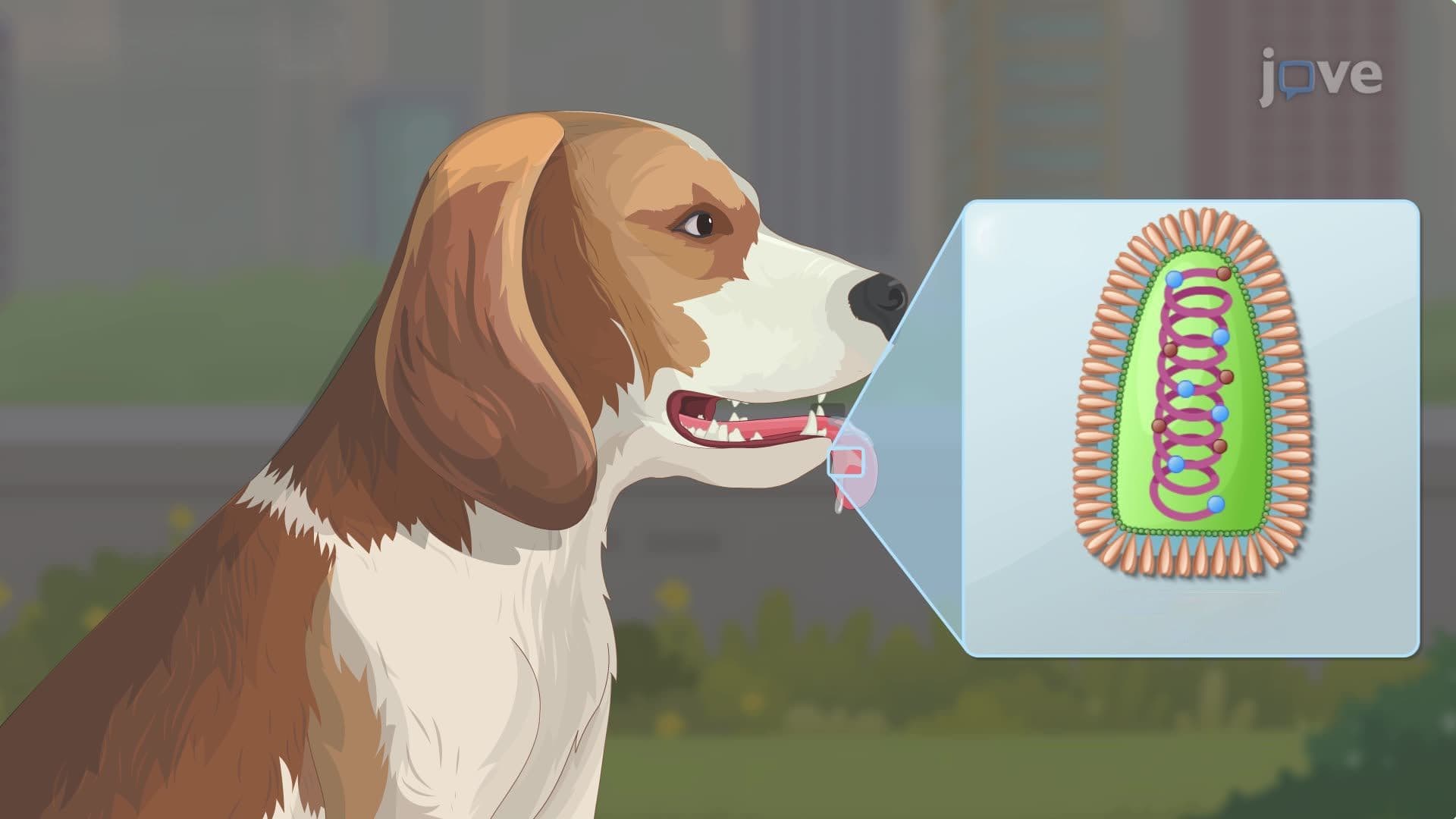
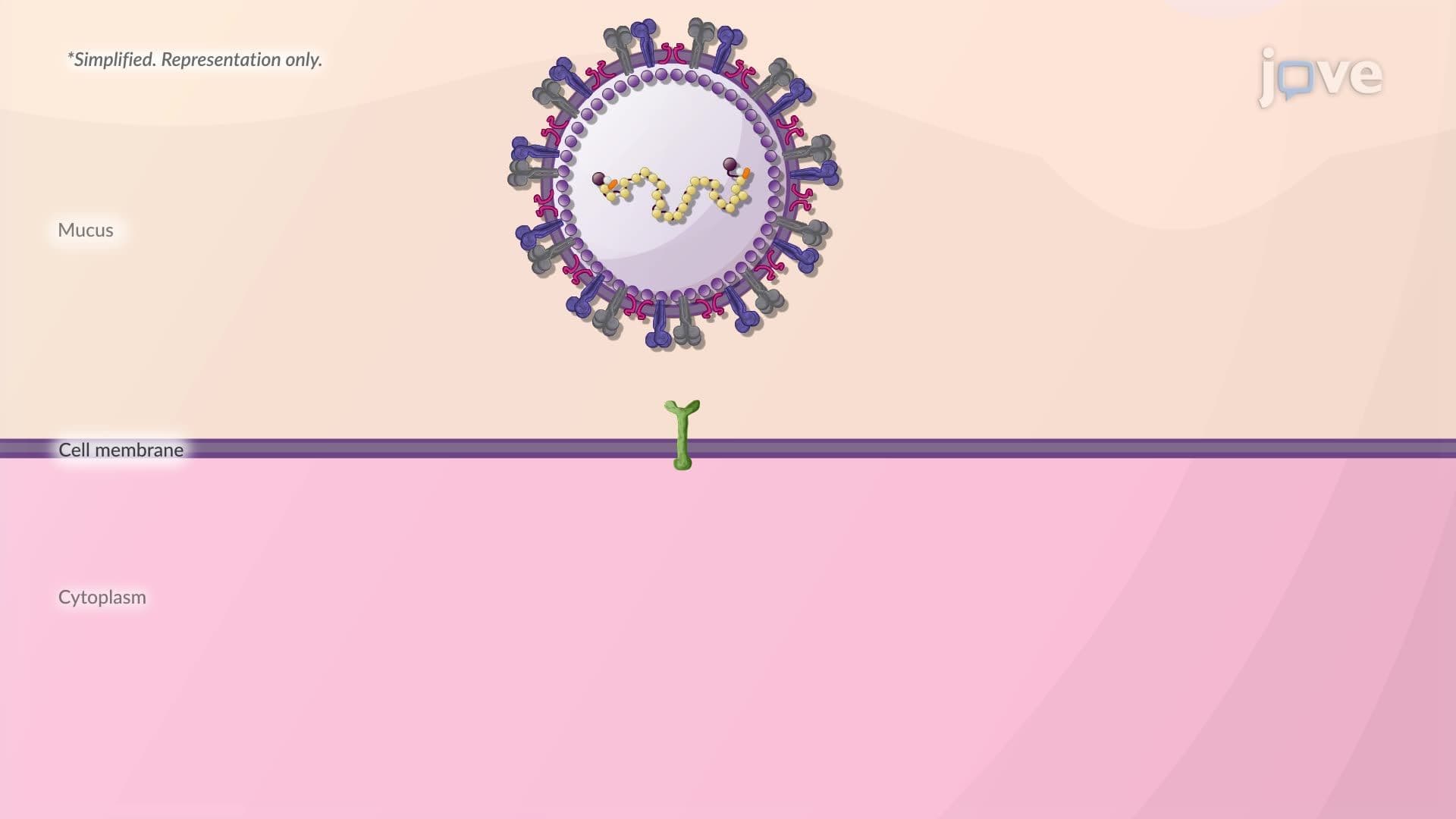
HSV-1 infects epithelial cells through a precise, multi-step entry process that showcases core virology principles. The virus first attaches to heparan sulfate proteoglycans on the cell surface, molecules found on nearly every human cell, before binding a secondary receptor called nectin. This two-step docking triggers envelope-membrane fusion, releasing the viral capsid and associated proteins directly into the cytoplasm. This mechanism is a textbook example of viral pathogenesis frequently tested on the AP Biology exam and MCAT, where students must distinguish viral entry from bacterial invasion. Bacteria reproduce independently outside cells; viruses like HSV-1 must hijack the host's own molecular machinery to survive.
Once inside, HSV-1 follows a replication cycle with elegant precision. The viral DNA travels to the host cell nucleus, circularizes, and commandeers the cell's transcription and translation systems. Viral mRNAs are produced, then translated into structural proteins in the cytoplasm. These proteins package new viral DNA into nucleocapsids, which bud out of the nucleus, acquire a lipid envelope derived from host cell membranes, and exit via exocytosis, leaving the cell intact while producing thousands of new viral copies. This replication cycle is a core topic in undergraduate cell biology courses at US universities, including introductory microbiology and virology electives.
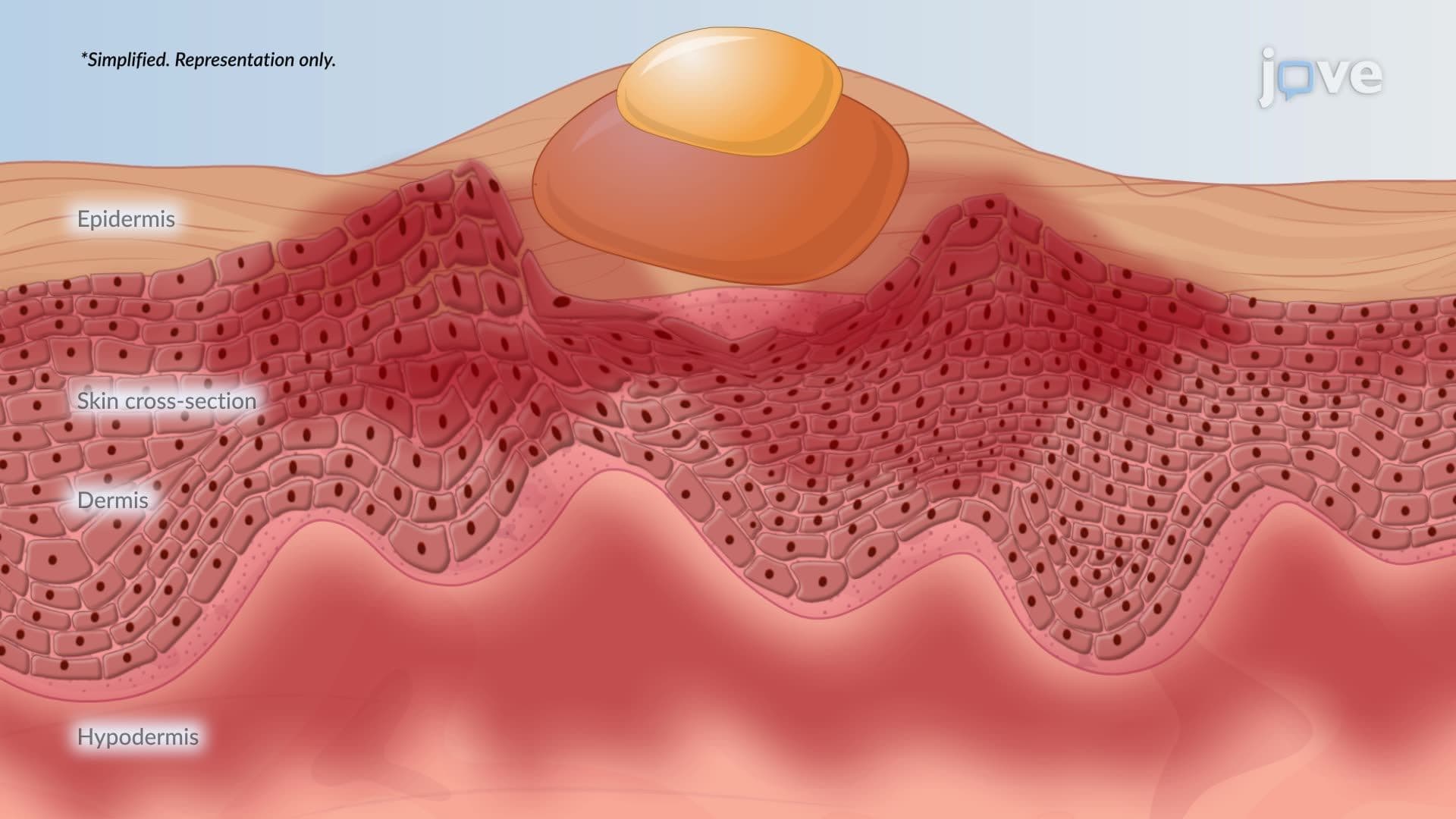
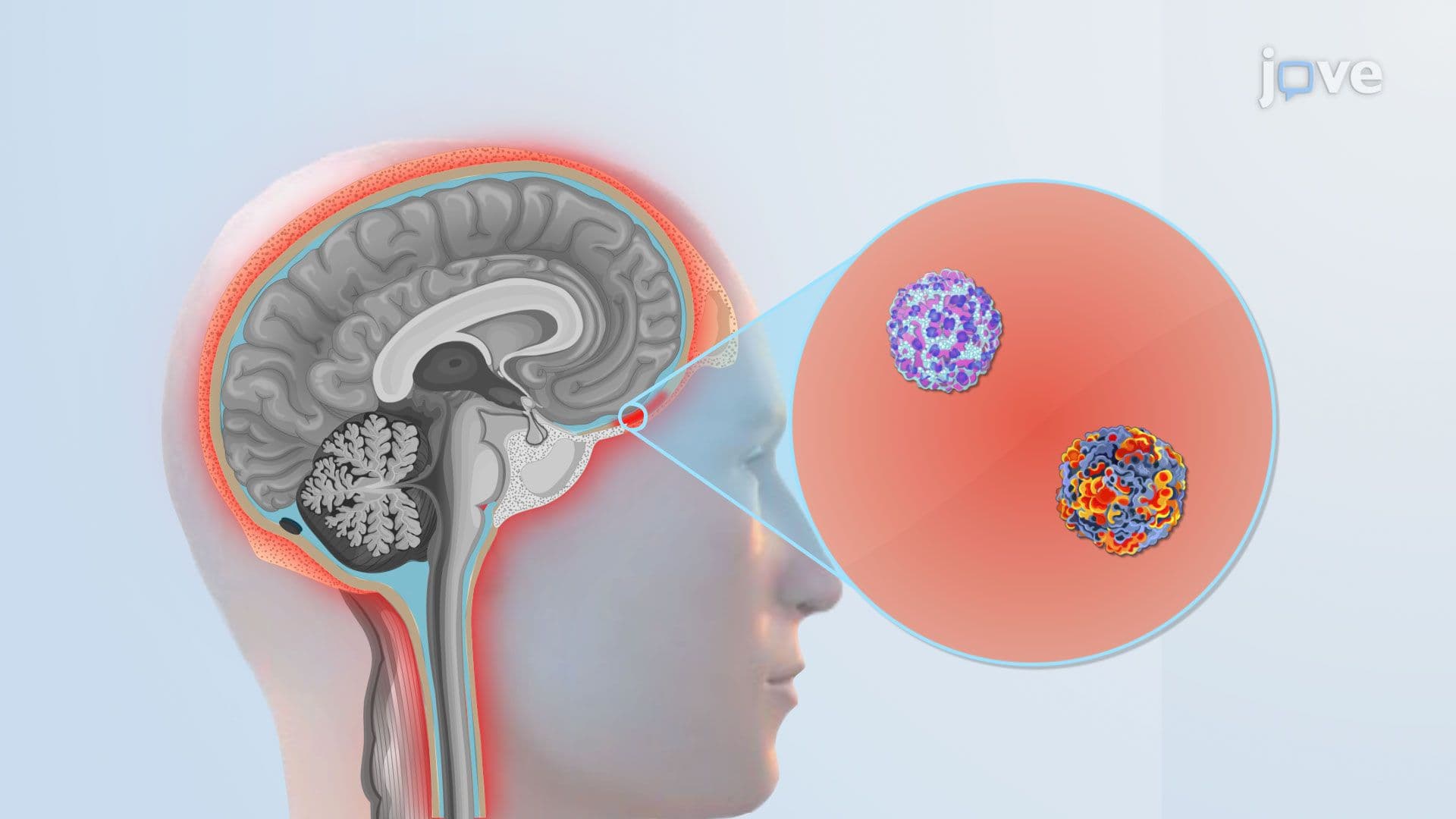
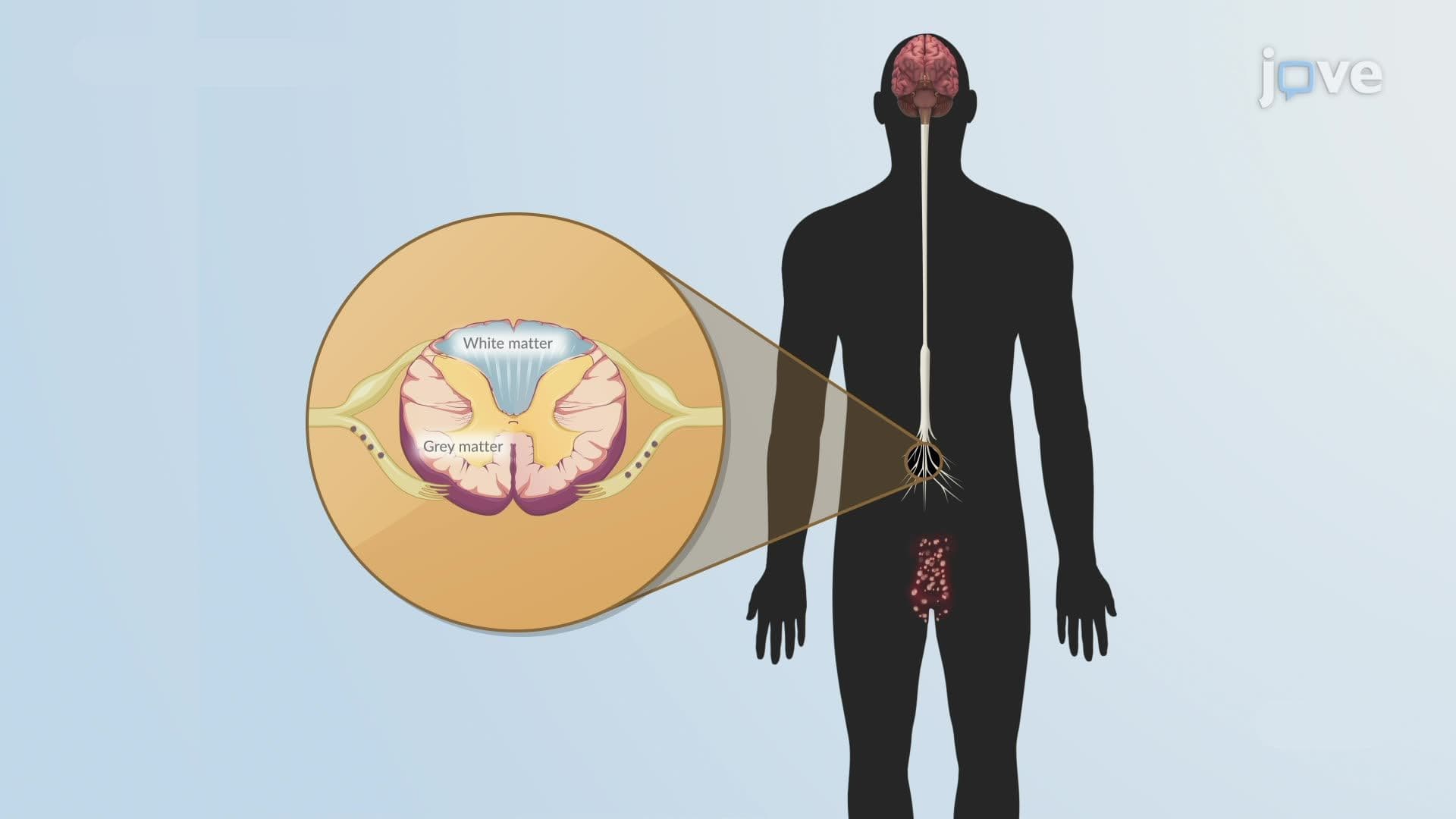
What makes herpes especially remarkable from a virology standpoint is its ability to go dormant. After the initial replication phase, HSV-1 travels along sensory nerve fibers to the trigeminal ganglia, a cluster of nerve cells near the base of the skull. There, the viral DNA persists silently, essentially invisible to the immune system. This is a primary mechanism of viral immune evasion: by residing in neurons rather than actively replicating, HSV-1 avoids detection by cytotoxic T cells and antibodies. Reactivation occurs when the immune balance shifts, during physical stress, high fever, or immunosuppression from illnesses like HIV. The virus retraces its path back to skin or mucosal tissue, replicates, and produces the characteristic recurrent lesions.
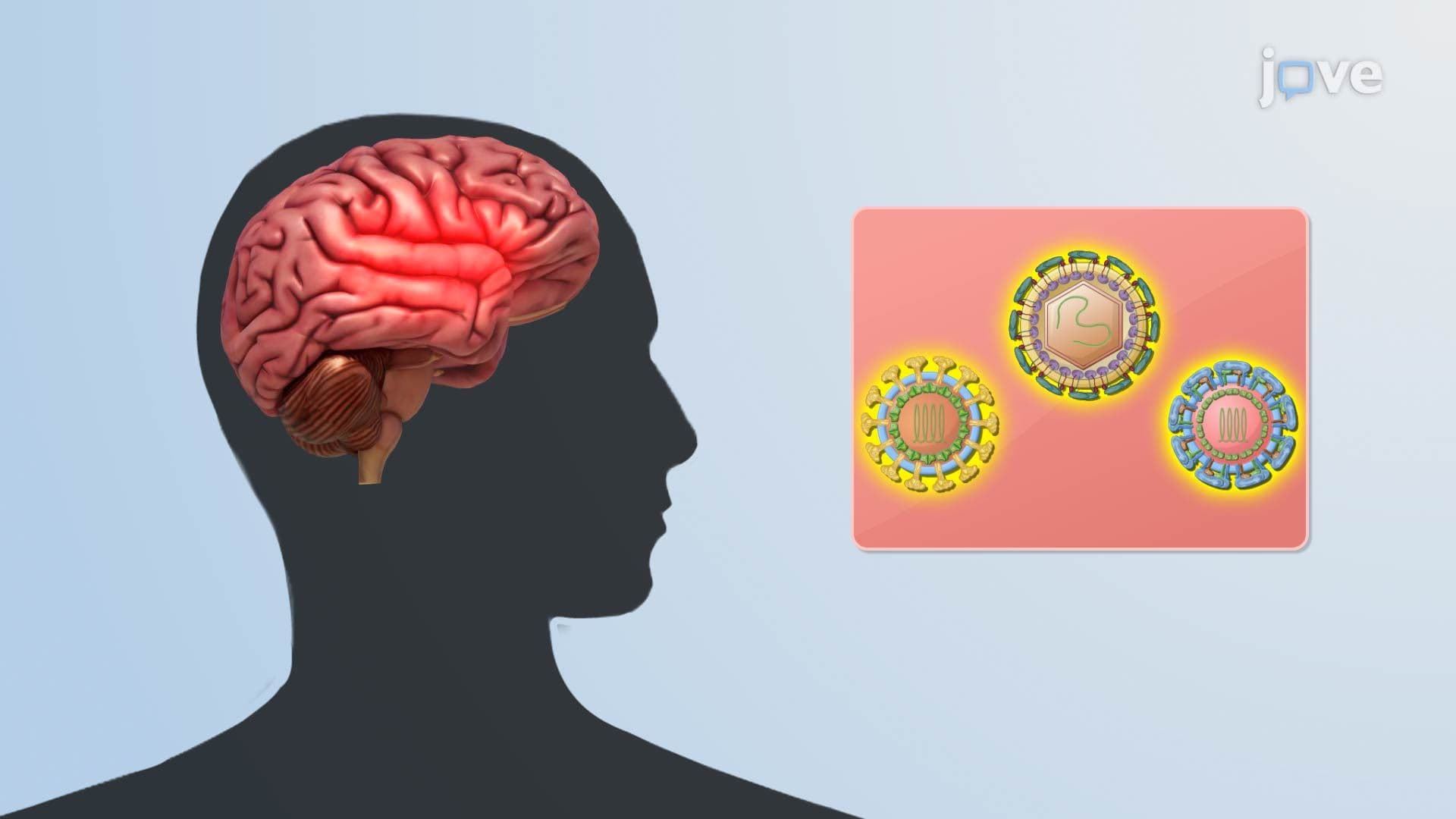
In clinical practice, antiviral drugs such as acyclovir, approved by the FDA and widely prescribed across US hospitals, work by selectively inhibiting HSV-1 DNA polymerase, disrupting the replication cycle without harming host cells. Despite decades of research, no licensed herpes vaccine exists in the US, partly because the latency mechanism makes it difficult to eliminate the virus entirely. This ongoing challenge connects herpes basics to the broader frontier of emerging viral diseases and vaccine development, topics central to MCAT preparation and upper-division biology coursework alike.
Related Micro-courses