Loading subject page…

2,059 views

Video Summary: What Is Coronavirus
Did you know a single coronavirus particle can hijack your entire cellular machinery within hours of infection? Coronavirus basics reveal how these enveloped RNA viruses cause everything from the common cold to COVID-19, which reshaped life across the United States starting in 2020. Understanding what is coronavirus means tracing its journey from a respiratory droplet to full-scale cellular takeover. Watch the full video on JoVE Coach to master this concept with expert-led visuals and step-by-step explanations.
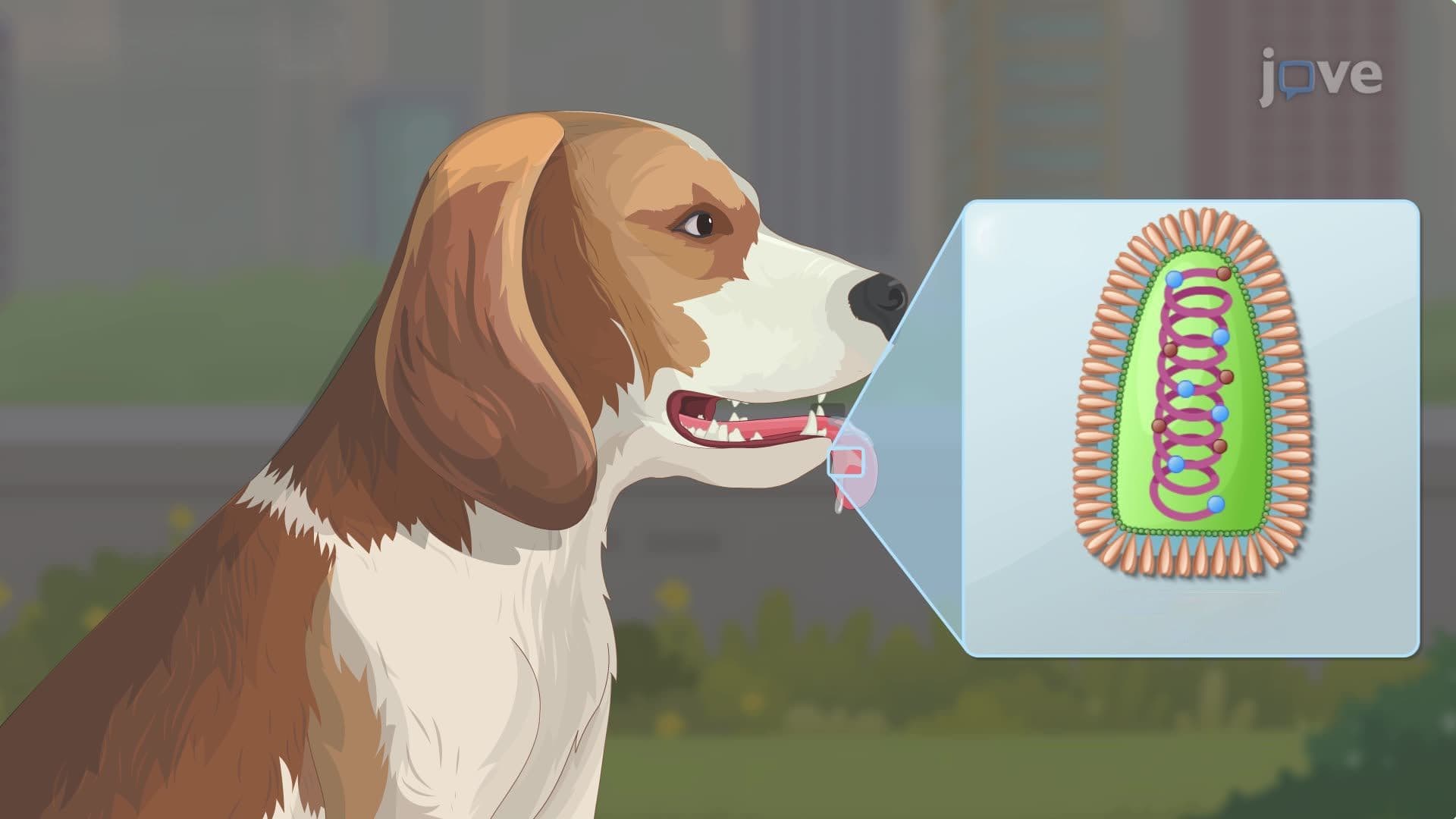
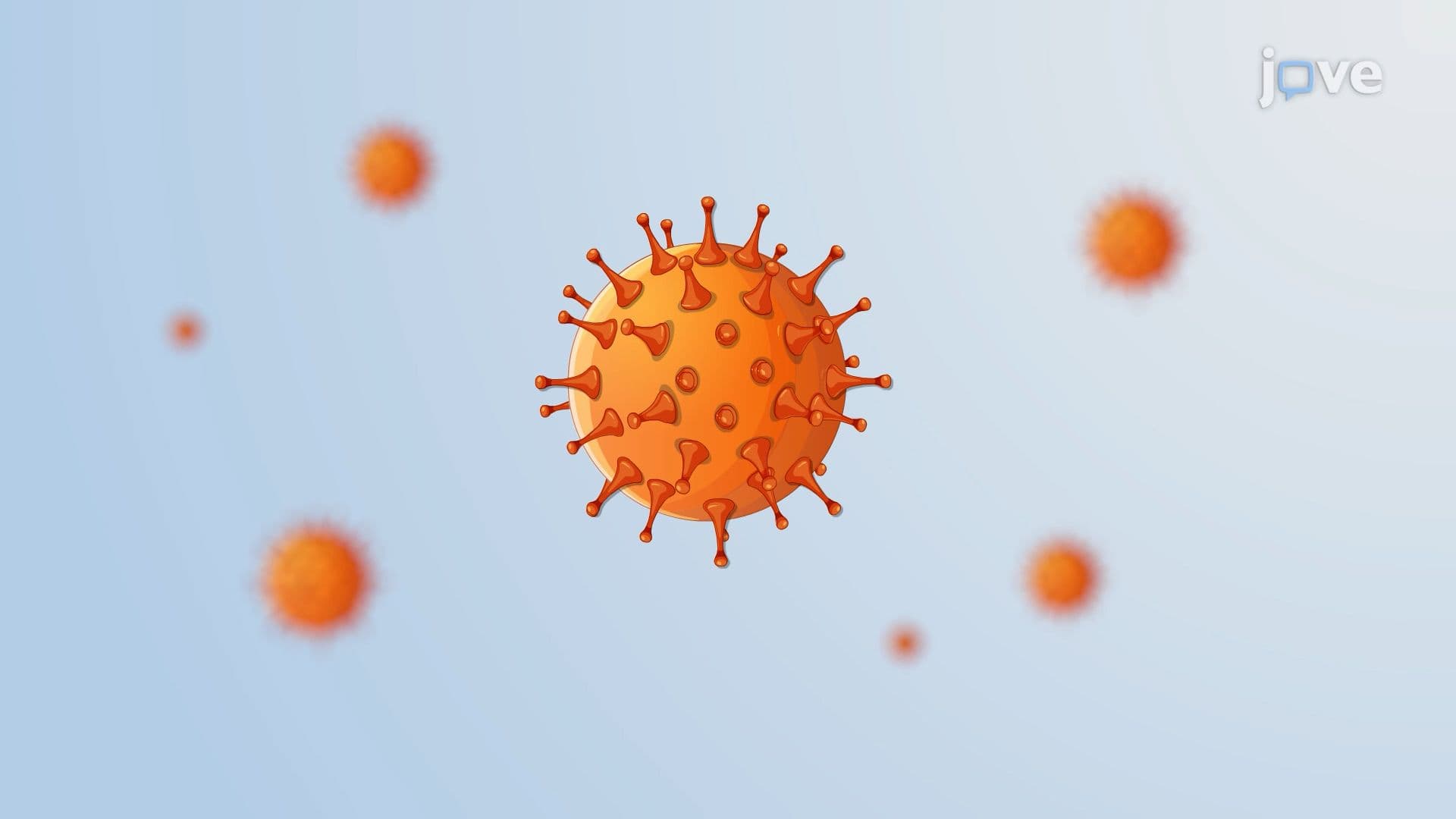
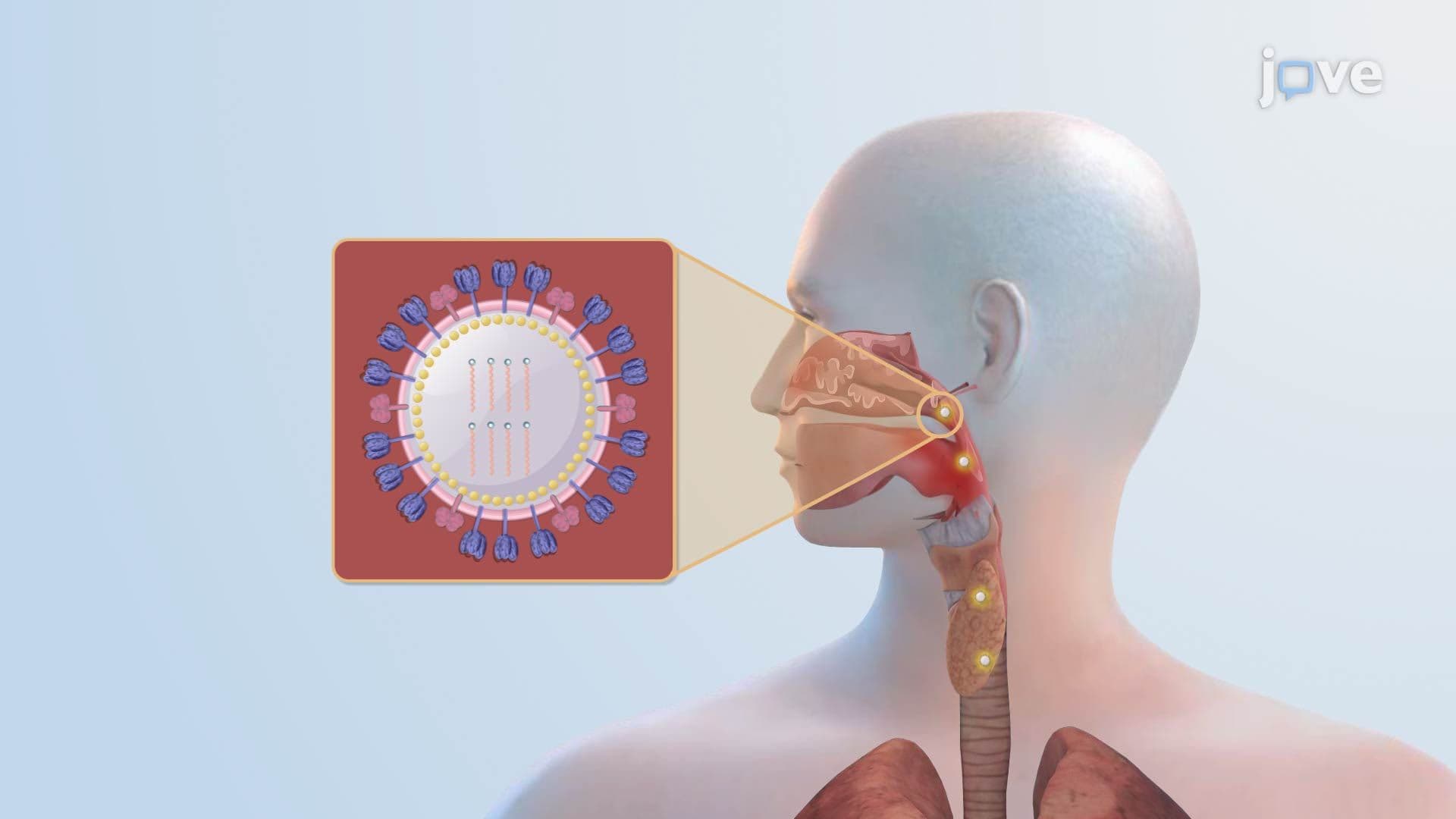
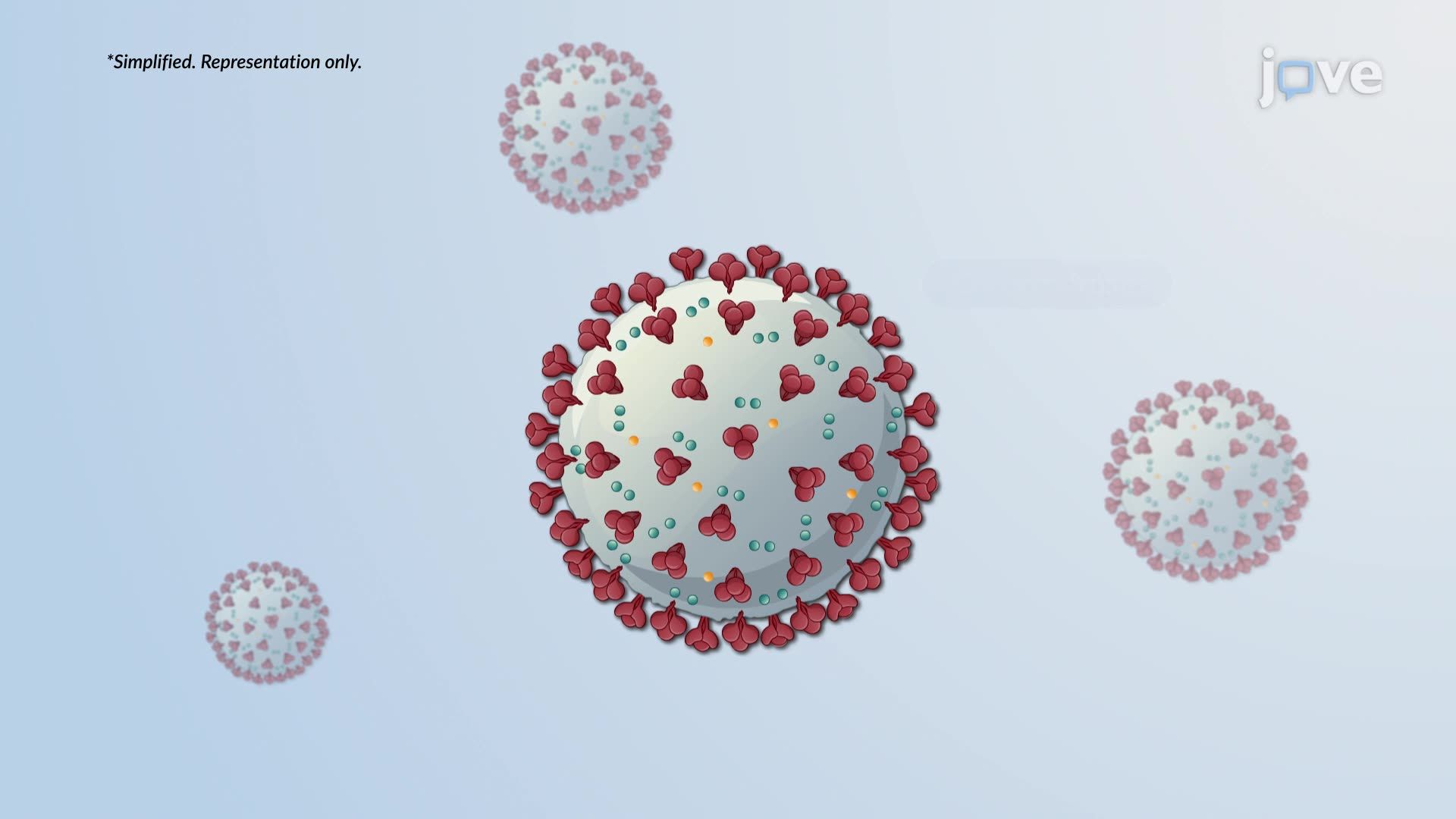
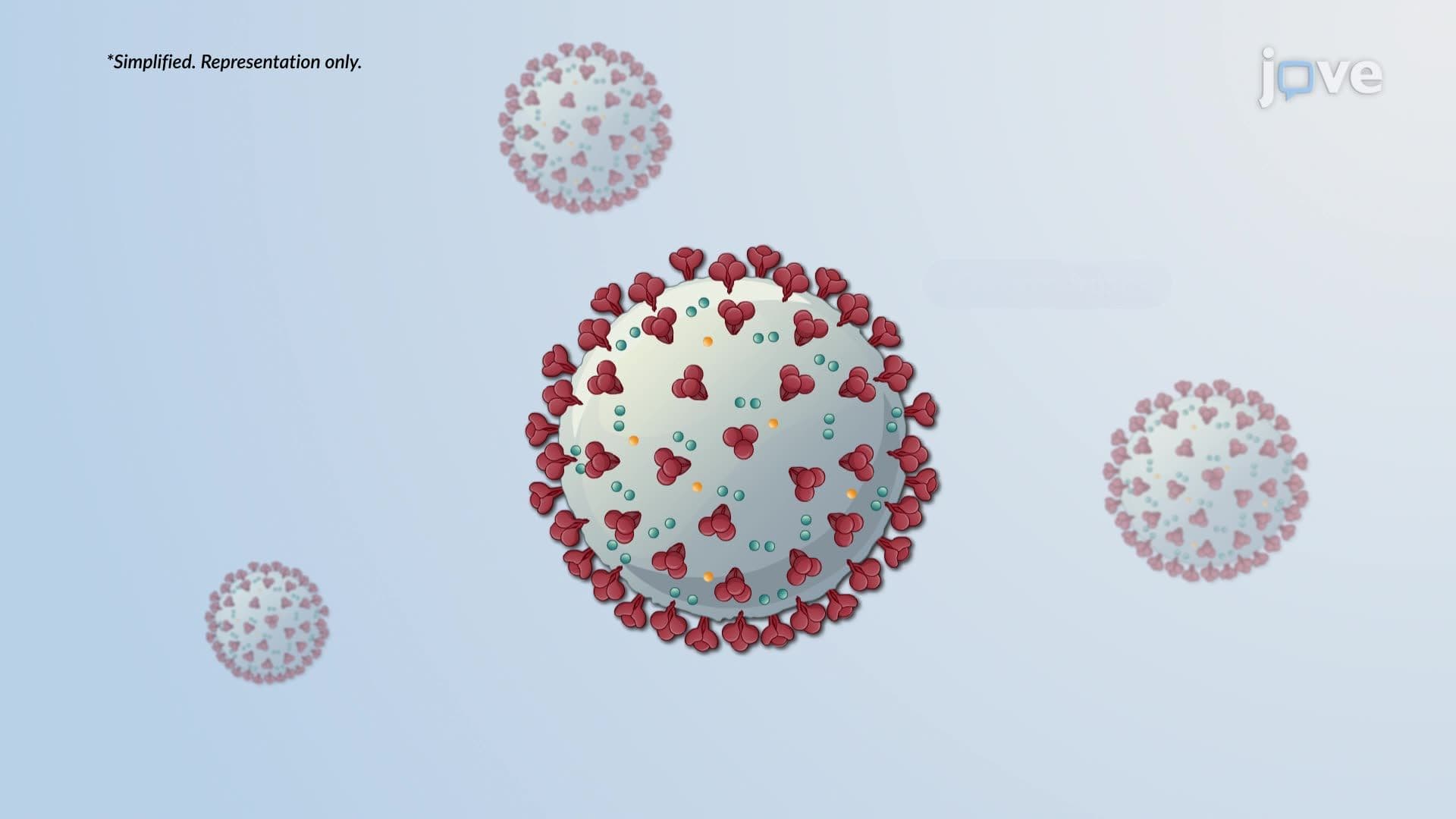
Coronavirus is a member of the *Coronaviridae* family, a group of enveloped, positive-sense, single-stranded RNA viruses named for the crown-like spike proteins visible on their surface under electron microscopy. These spikes are not just cosmetic; they are the virus's master key, binding to specific receptors on human airway cells and initiating infection. Coronaviruses circulate widely in nature, infecting mammals and birds, but several strains, including SARS-CoV, MERS-CoV, and most notably SARS-CoV-2, have crossed into humans with serious consequences. In the United States alone, the COVID-19 pandemic caused by SARS-CoV-2 resulted in over one million deaths and fundamentally transformed public health infrastructure, clinical medicine, and vaccine science.
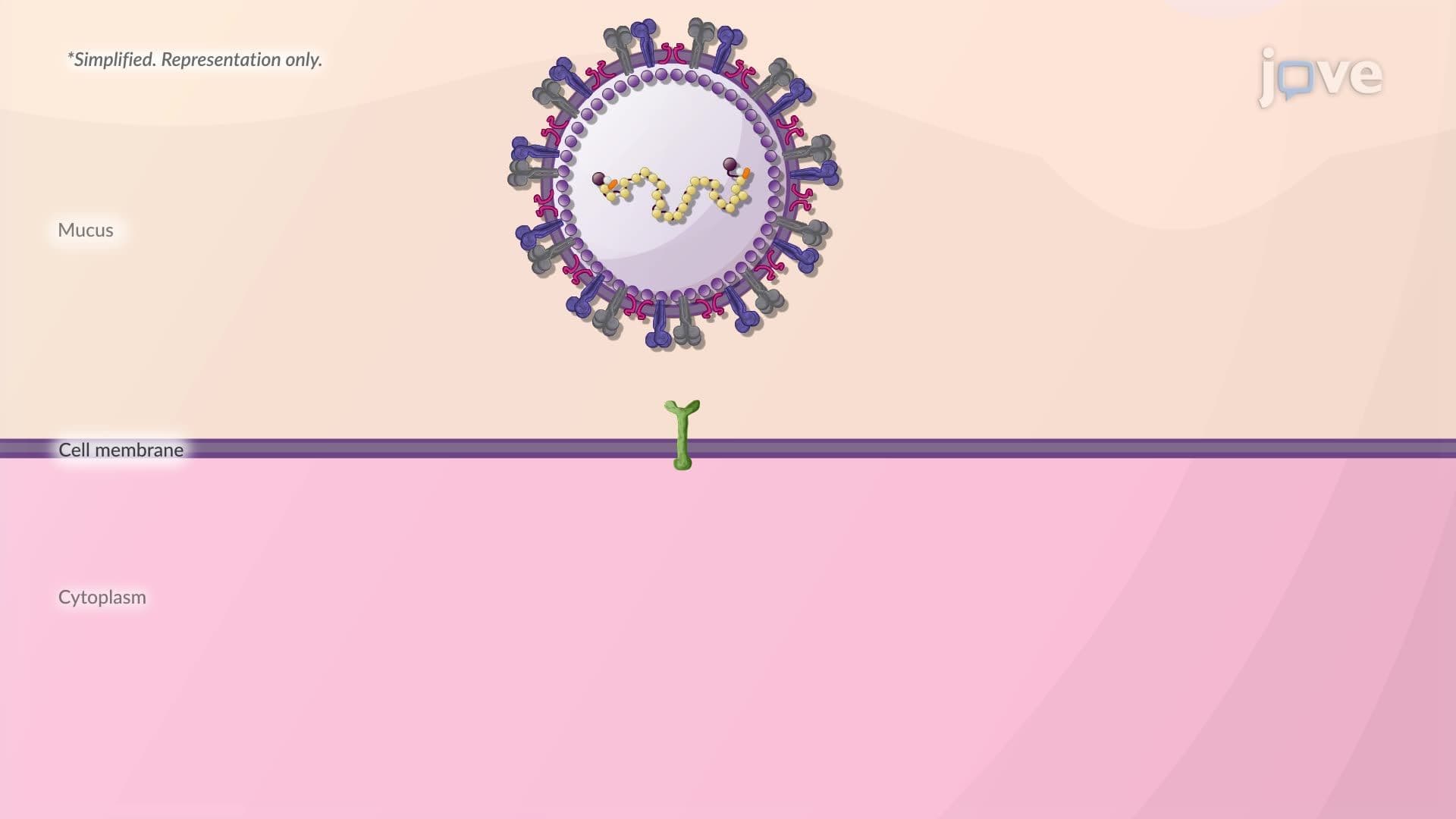
Viral entry is the first critical event in infection and a prime target for antiviral intervention. The coronavirus spike (S) protein binds to the ACE2 receptor, angiotensin-converting enzyme 2, found on cells lining the respiratory tract, gut, and heart. After receptor binding, the viral envelope fuses with the host cell membrane, allowing the RNA genome to be released directly into the cytoplasm. This cytoplasmic entry strategy bypasses many of the cell's early immune defenses, giving the virus a crucial head start. Understanding receptor binding is essential for AP Biology students studying viral pathogenesis and appears frequently on MCAT practice passages dealing with molecular biology and infectious disease.
Once inside the host cell, the coronavirus genome is translated by cytoplasmic ribosomes into large polyproteins. Viral proteases embedded within these polyproteins immediately begin cleaving them into functional nonstructural proteins (nsPs). Some nsPs physically remodel the endoplasmic reticulum, bending its membranes into double-membrane vesicles, essentially sealed compartments that protect viral RNA from host immune sensors. A replication-transcription complex (RTC) assembles on these vesicles and performs two key tasks: copying the full-length genome for packaging into new virions, and producing shorter subgenomic mRNAs that encode the structural proteins, spike, envelope, membrane, and nucleocapsid, needed to build new viral particles.
Assembly occurs at the ER-Golgi intermediate compartment (ERGIC), a specialized cellular sorting hub. Structural envelope proteins travel through the secretory pathway and accumulate at the ERGIC. Replicated RNA genomes bind to nucleocapsid proteins, forming the inner ribonucleoprotein core, which then buds into the ERGIC membrane. Newly formed virions are packaged into transport vesicles and released from the cell through exocytosis, no cell rupture required, allowing the virus to spread to neighboring respiratory epithelial cells stealthily. This non-lytic exit strategy distinguishes coronaviruses from viruses like influenza and has important implications for how the immune system detects and responds to infection. Students in college-level Microbiology or Immunology courses, as well as those preparing for the USMLE Step 1 or NCLEX, are expected to understand these organelle-level events in the context of viral pathogenesis and drug targeting.
Every stage of the coronavirus replication cycle represents a potential drug target. Protease inhibitors, like Paxlovid, authorized in the US for COVID-19 treatment, block the viral proteases that cleave polyproteins, shutting down the entire replication cascade. mRNA vaccines, including those developed by Pfizer-BioNTech and Moderna, train the immune system to recognize the spike protein before natural infection occurs. Understanding coronavirus biology at the molecular level is not just academic, it directly explains why these medical countermeasures work, making it a high-yield topic across AP Biology, college Cell Biology, and health professional licensing exams alike.
Related Micro-courses