Loading video…

 14 Concepts
 2.1K views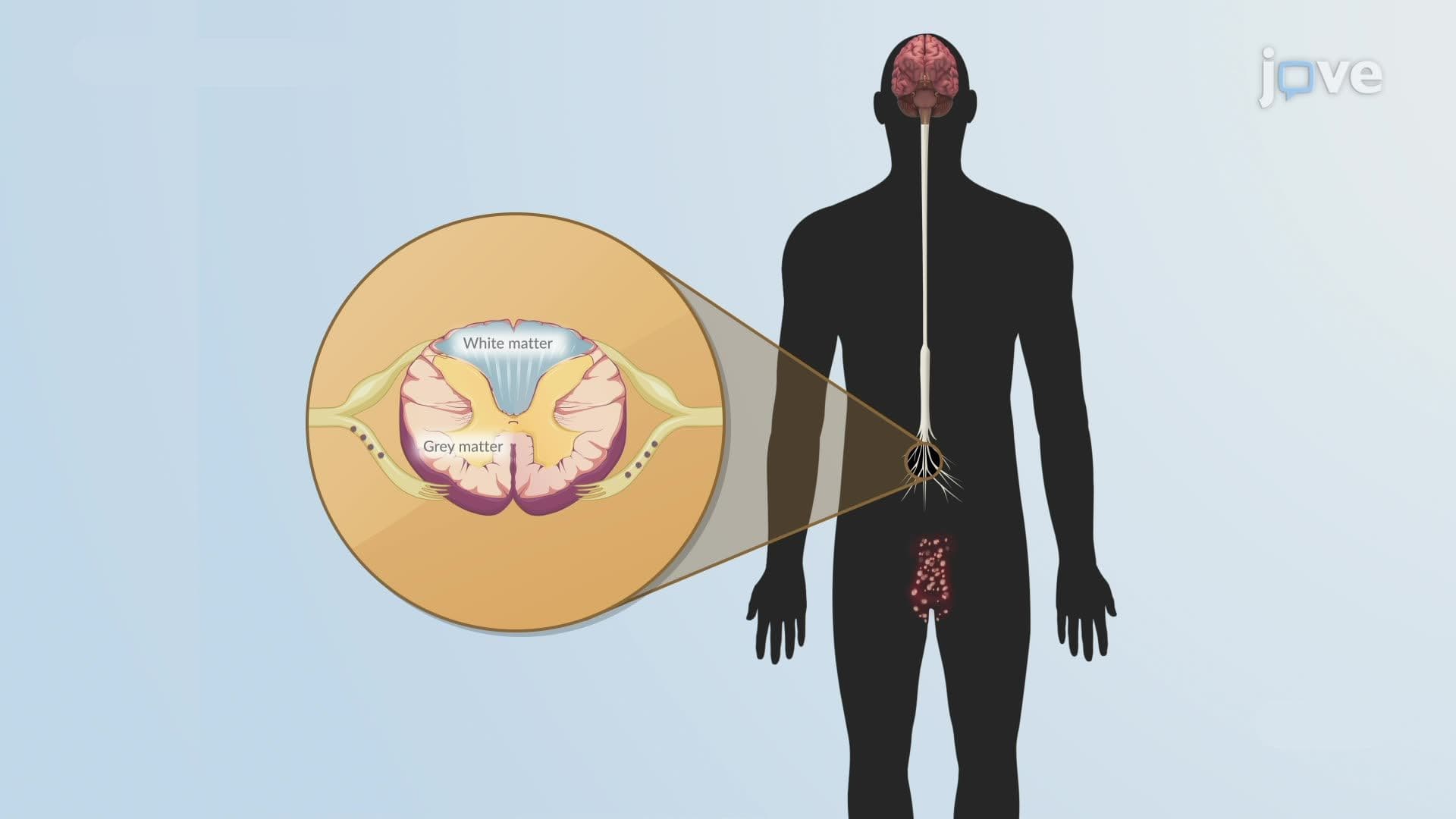

Video Summary: What are Genital Herpes
Over 572,000 new genital herpes infections occur in the US every year, yet most people who carry the virus never know it. Genital herpes basics start with understanding HSV-2, the virus behind painful genital lesions, silent transmission, and lifelong dormancy in nerve tissue. Think of it like a hidden passenger in your nervous system, quietly waiting to resurface. Watch the full video on JoVE Coach to master this concept with expert-led visuals and step-by-step explanations.
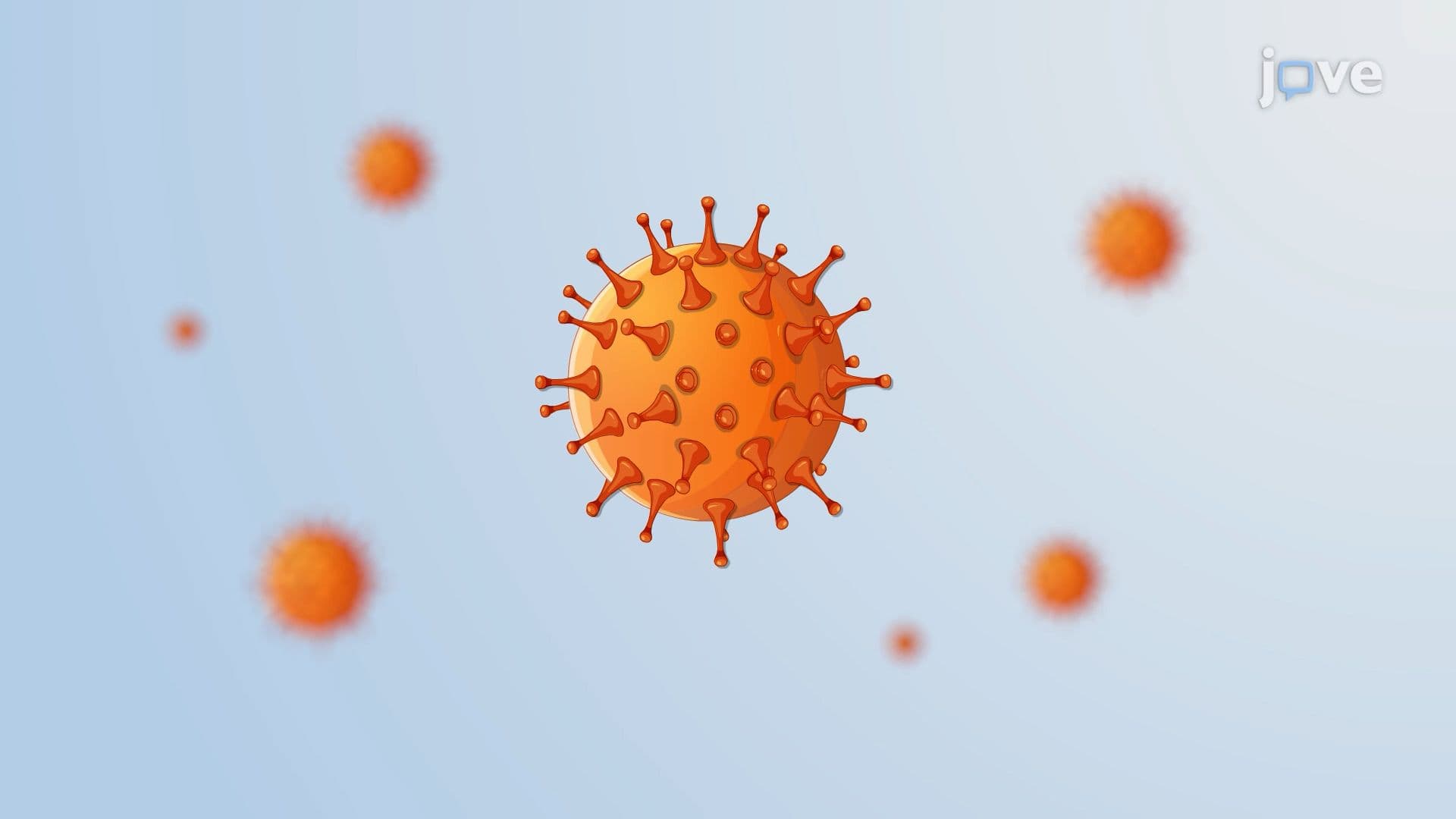
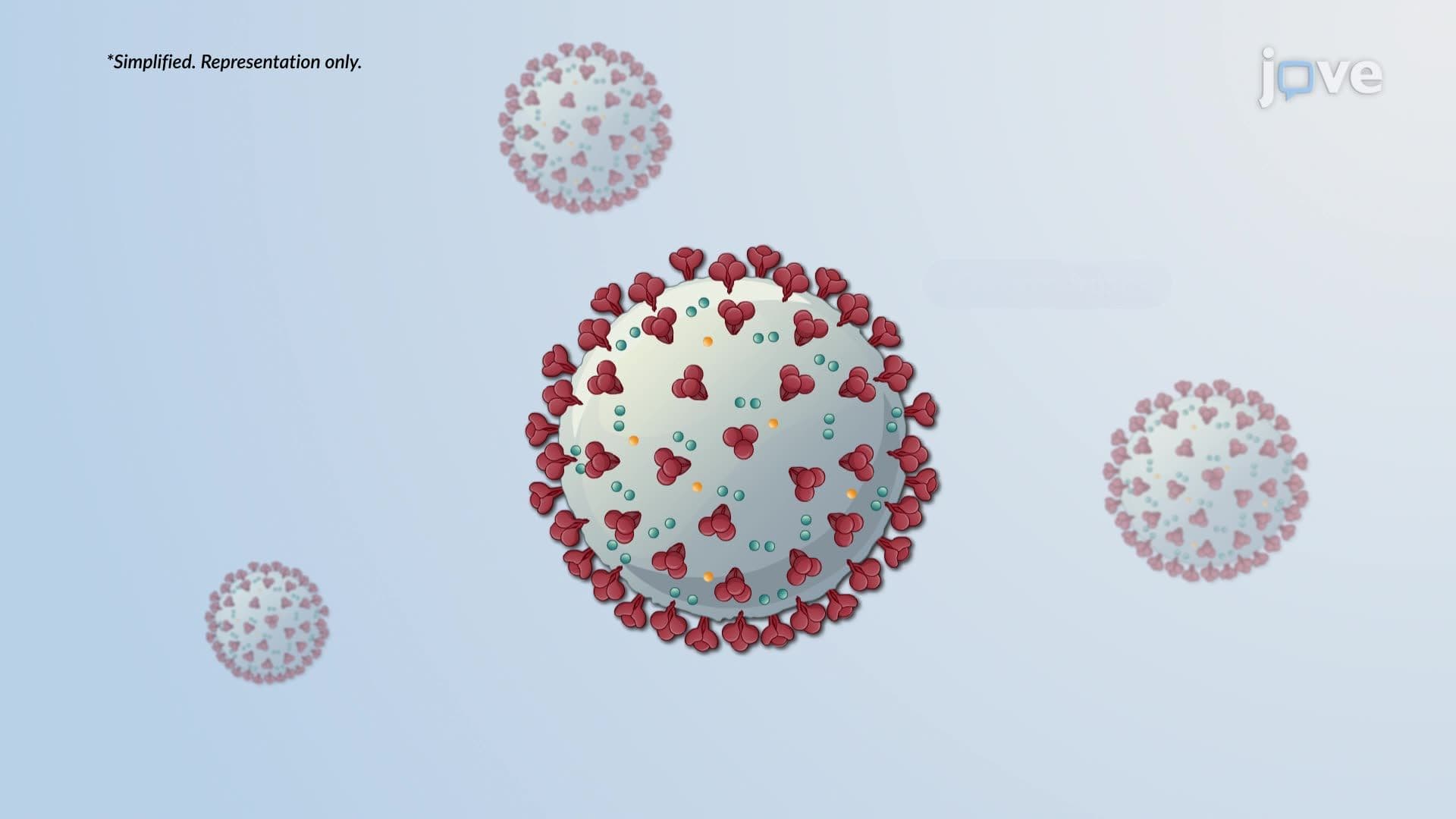
Genital herpes is a sexually transmitted infection (STI) caused predominantly by herpes simplex virus type 2 (HSV-2), a double-stranded DNA virus in the *Herpesviridae* family. Unlike bacterial STIs such as gonorrhea or chlamydia, which can be cured with antibiotics, genital herpes is a viral infection, meaning antiviral drugs like acyclovir can manage symptoms but cannot eliminate the virus from the body. This distinction is a foundational concept in understanding viral pathogenesis and is frequently tested in AP Biology, college microbiology courses, and pre-health exams like the MCAT.
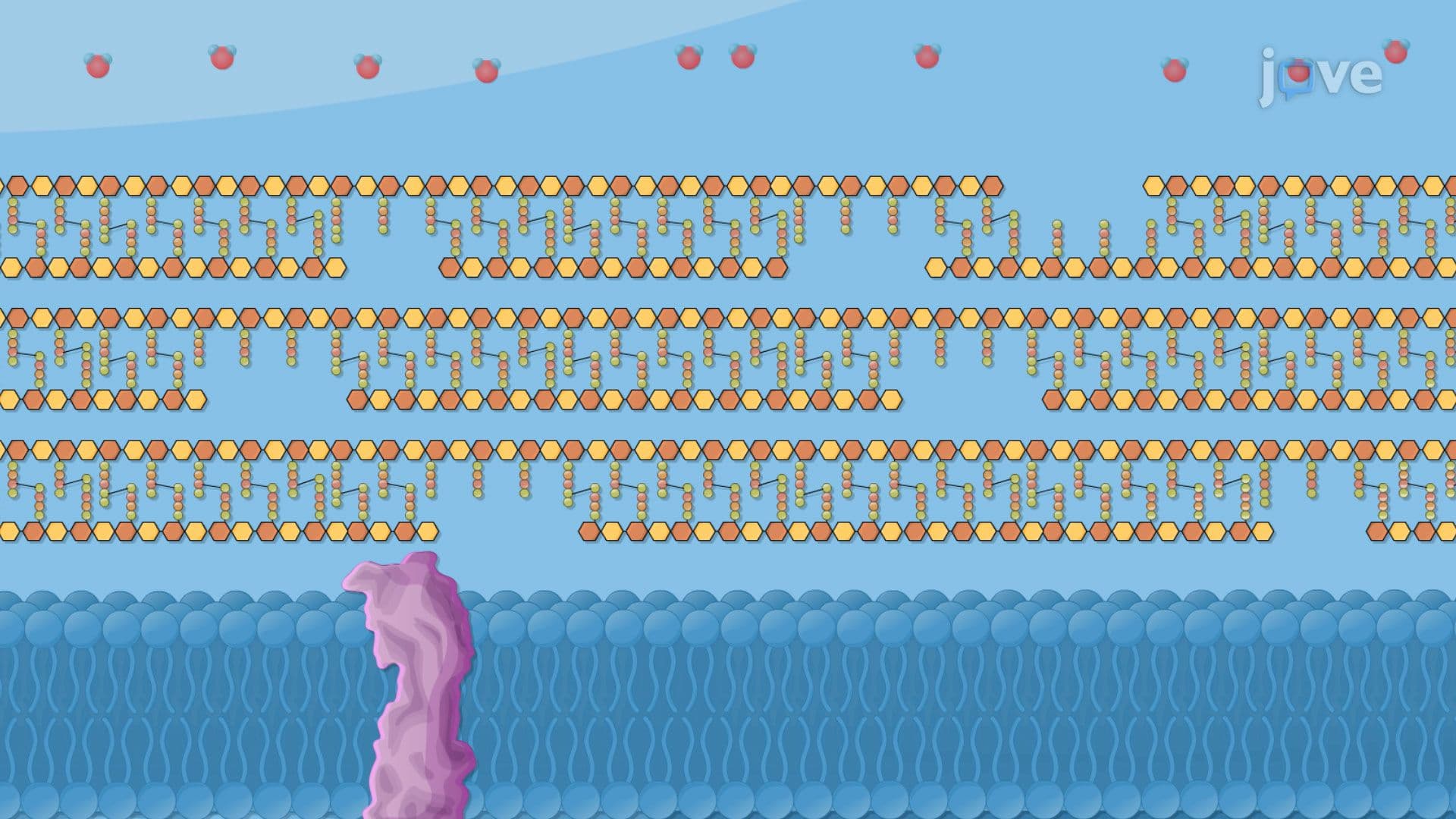
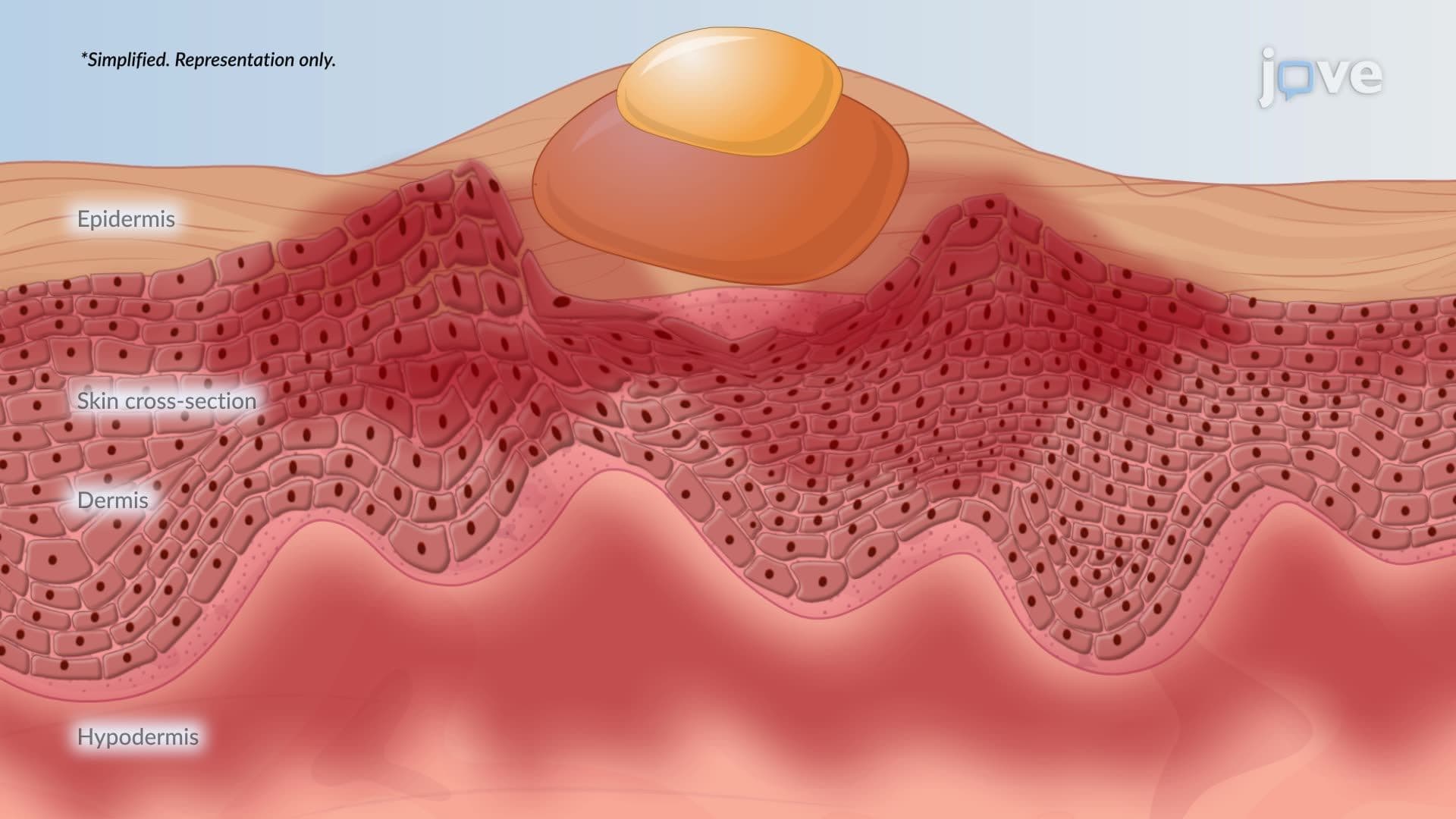
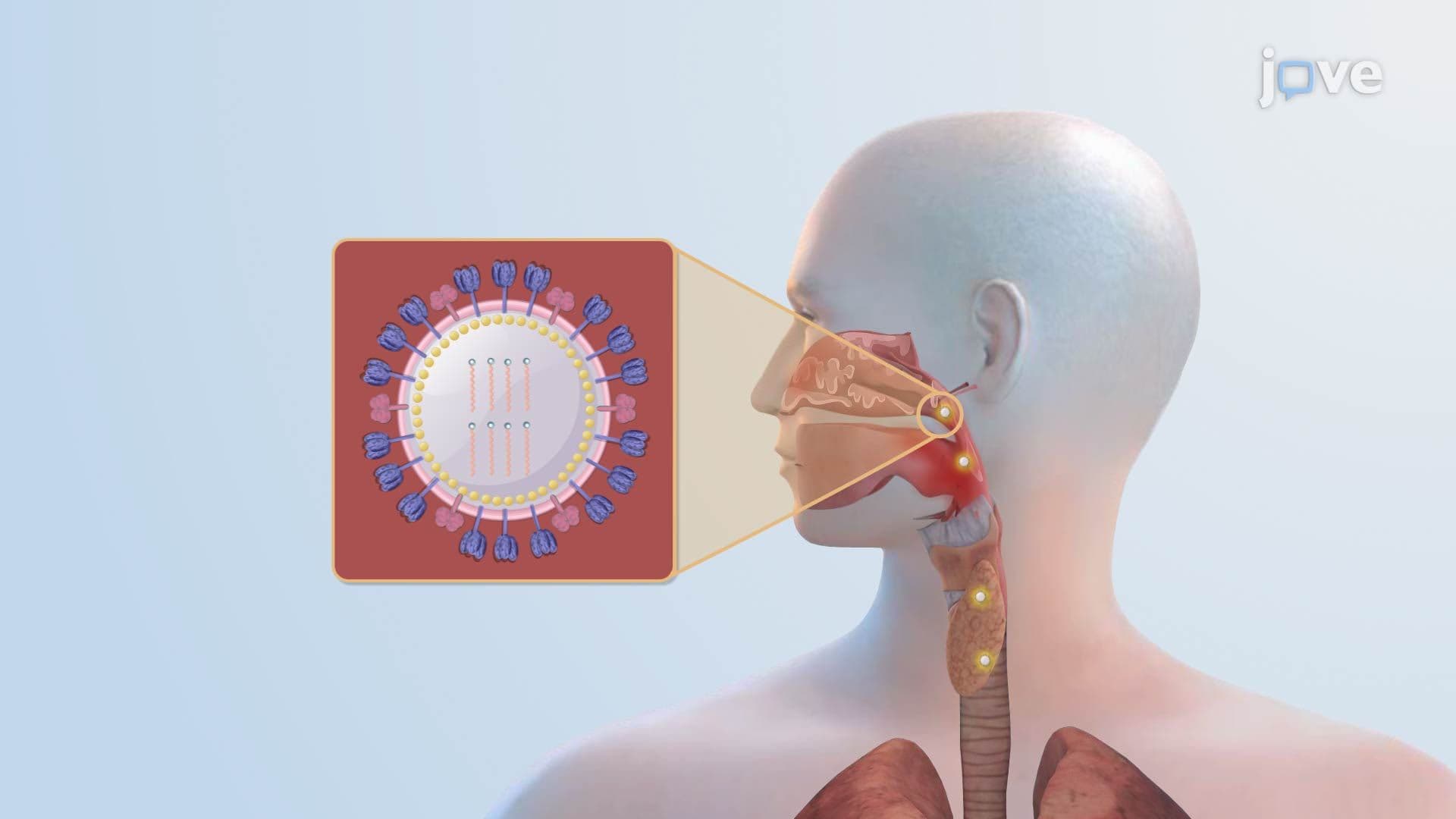
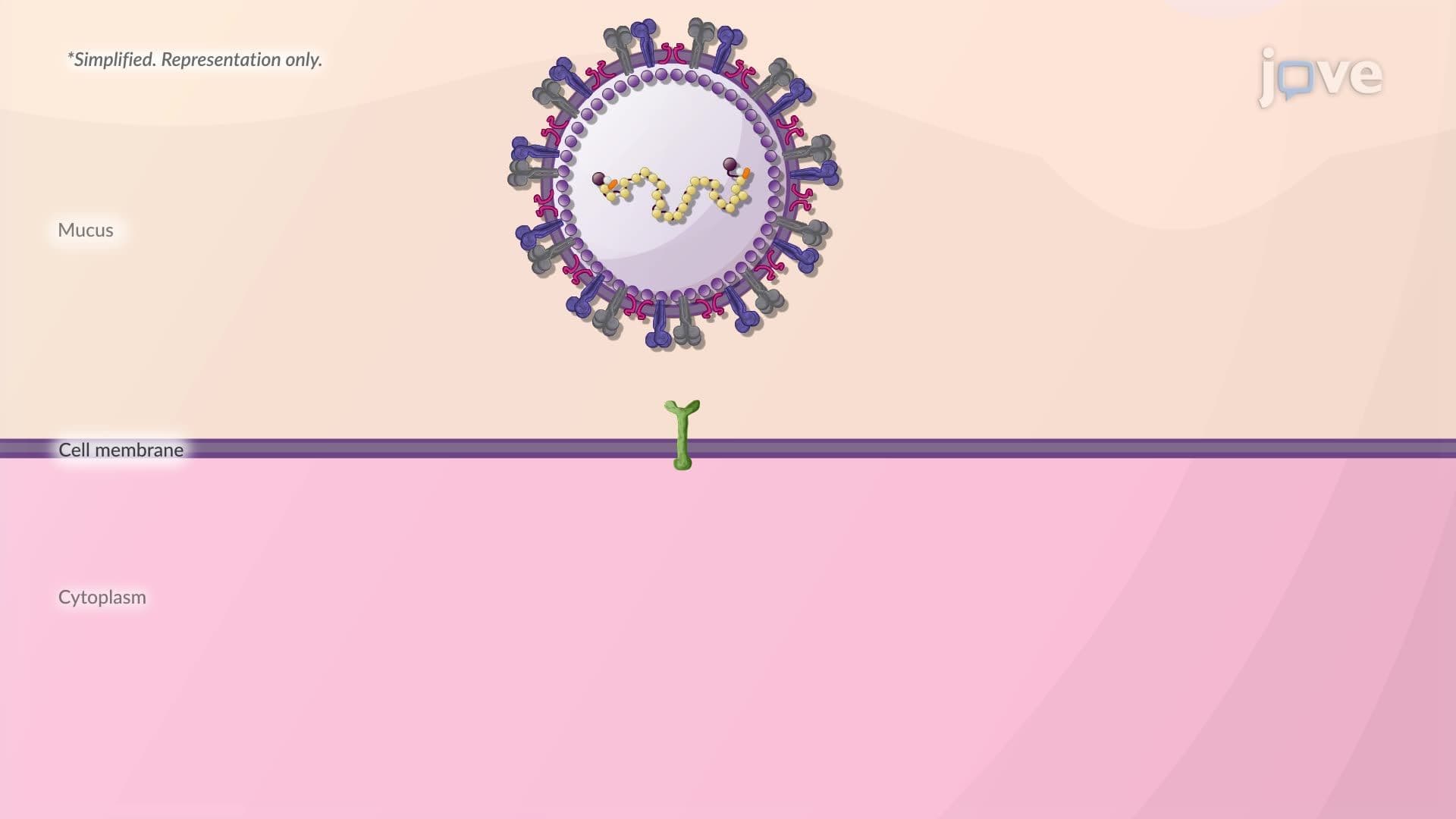
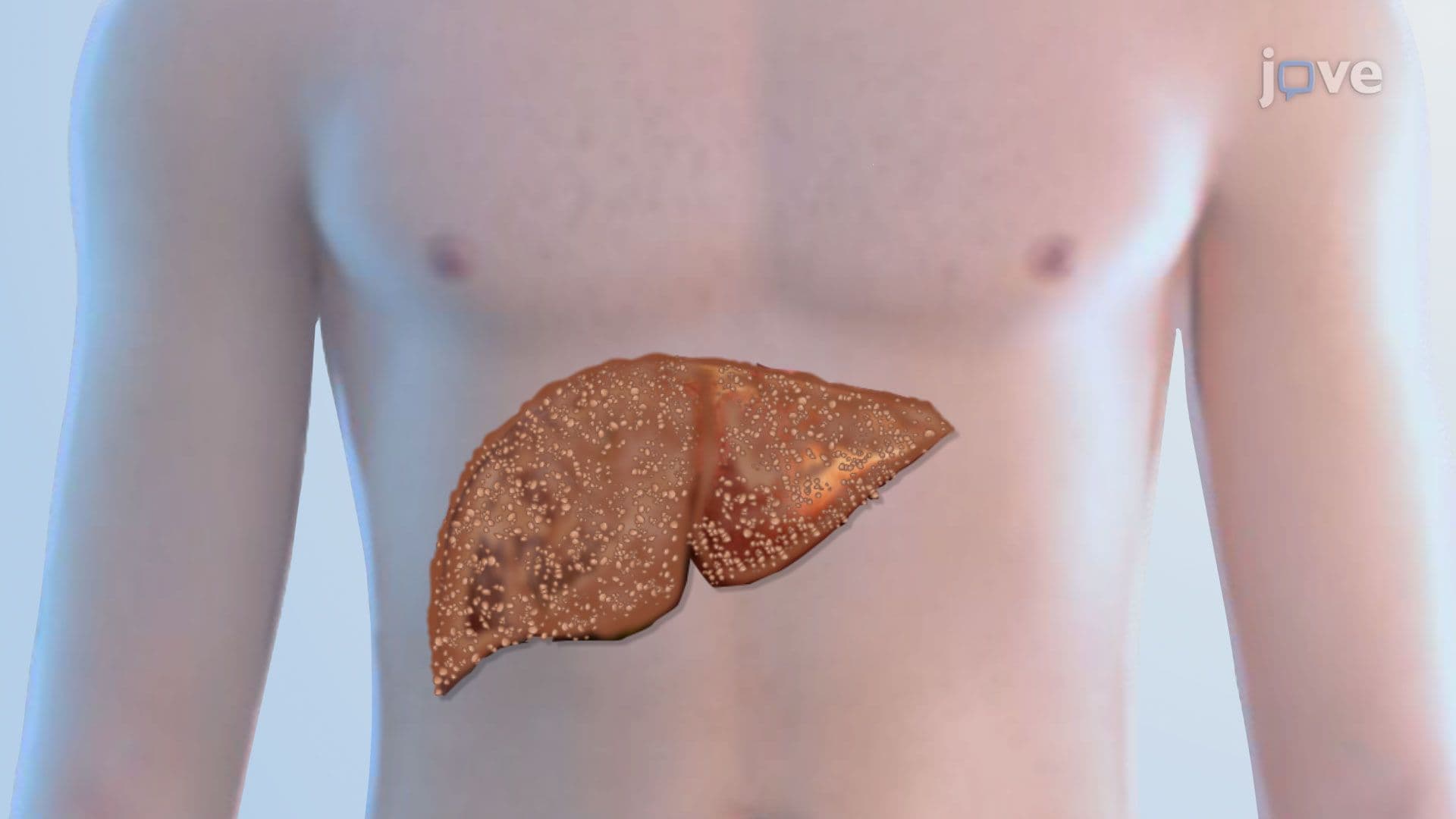
HSV-2 spreads through direct mucosal or skin-to-skin contact, most commonly during sexual activity. What makes transmission uniquely challenging to prevent is asymptomatic viral shedding, the virus can be present on the skin surface and transmitted to a partner even when no visible sores exist. Once the virus contacts mucosal epithelial cells, it fuses with the host cell membrane and injects its genetic material, hijacking the cell's replication machinery. This viral replication cycle results in the production of thousands of new viral particles, which then lyse the host cell and spread, a hallmark of lytic infection. The initial outbreak typically produces painful fluid-filled blisters called vesicular lesions in the genital and anal regions, appearing roughly 4 to 7 days after exposure. The fluid inside these blisters is dense with infectious viral particles, and rupture of the blisters forms open ulcers that significantly increase transmission risk.
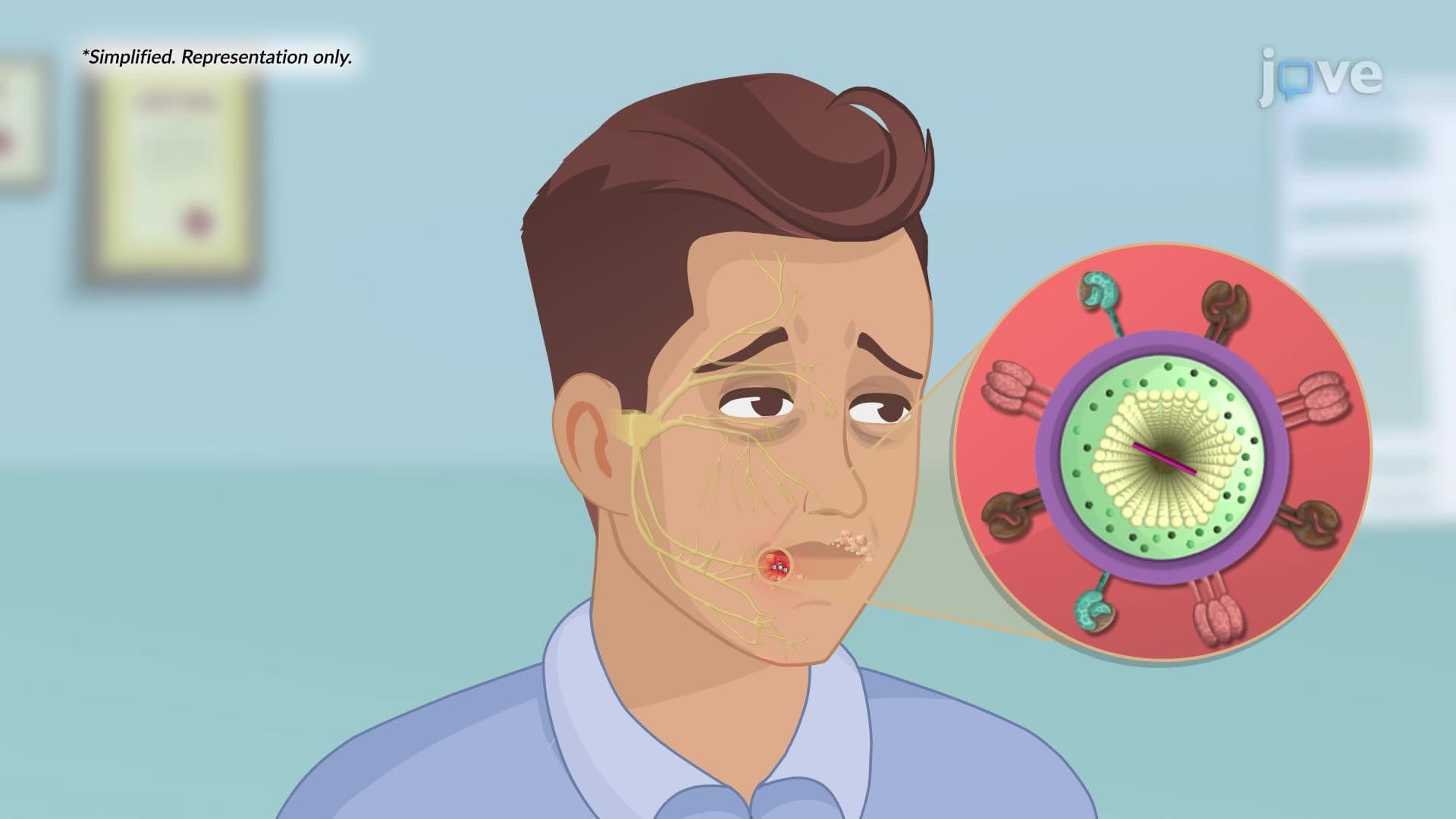
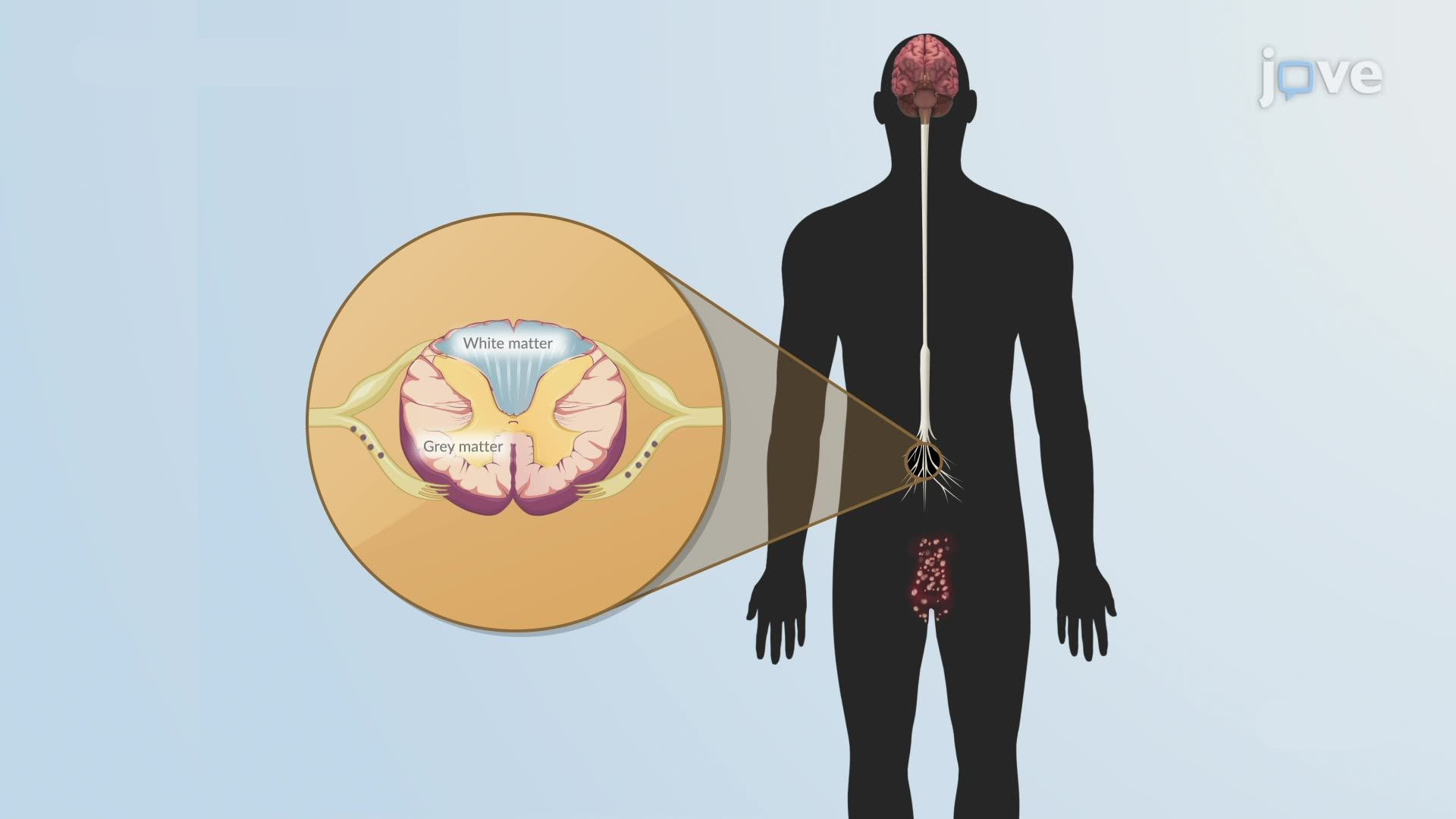
One of the most remarkable, and clinically significant, features of HSV-2 is its ability to establish latency in the nervous system. After the initial infection, the virus travels along sensory nerve fibers to reach the sacral dorsal root ganglia, clusters of sensory neurons located near the base of the spine. There, the virus enters a dormant state, essentially hiding from the immune system by ceasing most of its replication activity. This is a key example of viral immune evasion, a major topic in college immunology and a high-yield concept on the MCAT. The virus can remain latent for months or years, only to reactivate when triggered by stress, illness, hormonal changes, or immunosuppression (such as in HIV-positive patients). Reactivated infections are typically milder than the initial outbreak but still carry transmission risk.
In rare but serious cases, HSV-2 can be transmitted from a pregnant person to a newborn during vaginal delivery, a condition called neonatal herpes. The risk is highest when a primary (first-time) HSV-2 infection occurs during the third trimester of pregnancy, because the mother has not yet developed sufficient antibodies to pass along to the fetus. Neonatal herpes can cause severe neurological damage or be fatal if untreated. In the US, clinicians often recommend cesarean delivery and antiviral prophylaxis for pregnant patients with active genital herpes outbreaks. The CDC and American College of Obstetricians and Gynecologists (ACOG) provide guidelines on managing herpes in pregnancy, which is a topic commonly covered in nursing programs and tested on the NCLEX. Understanding genital herpes at this mechanistic level, from viral entry to immune evasion to clinical management, builds the critical thinking skills essential for any health science career.
Related Micro-courses