Loading concepts…


11 Concepts
13 Concepts
26 Concepts
13 Concepts
6 Concepts
31 Concepts
37 Concepts
10 Concepts
7 Concepts
22 Concepts
11 Concepts
11 Concepts
22 Concepts
16 Concepts
11 Concepts
15 Concepts
14 Concepts
12 Concepts
9 Concepts
 9 Concepts
 296 Views
 Popular topics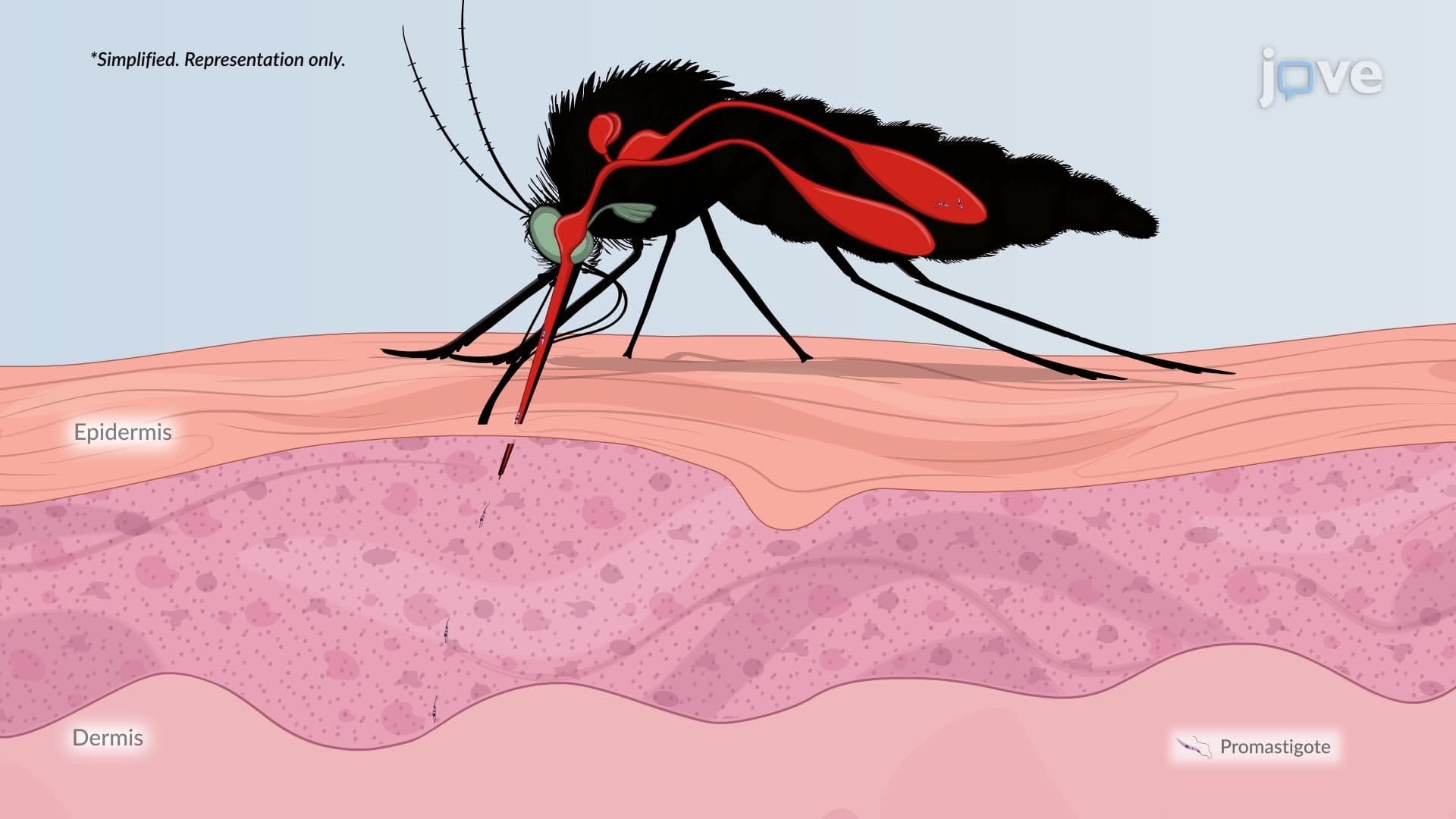
Fungal and parasitic infections represent a critical category of infectious disease covered across US medical, nursing, and pre-health curricula. This micro-course examines nine clinically significant pathogens, from *Plasmodium* (malaria) to *Candida*, exploring transmission pathways, host-pathogen interactions, immune evasion strategies, and disease manifestations. JoVE Coach synthesizes these principles to build exam-ready conceptual mastery for students preparing for the USMLE, NCLEX, and MCAT.
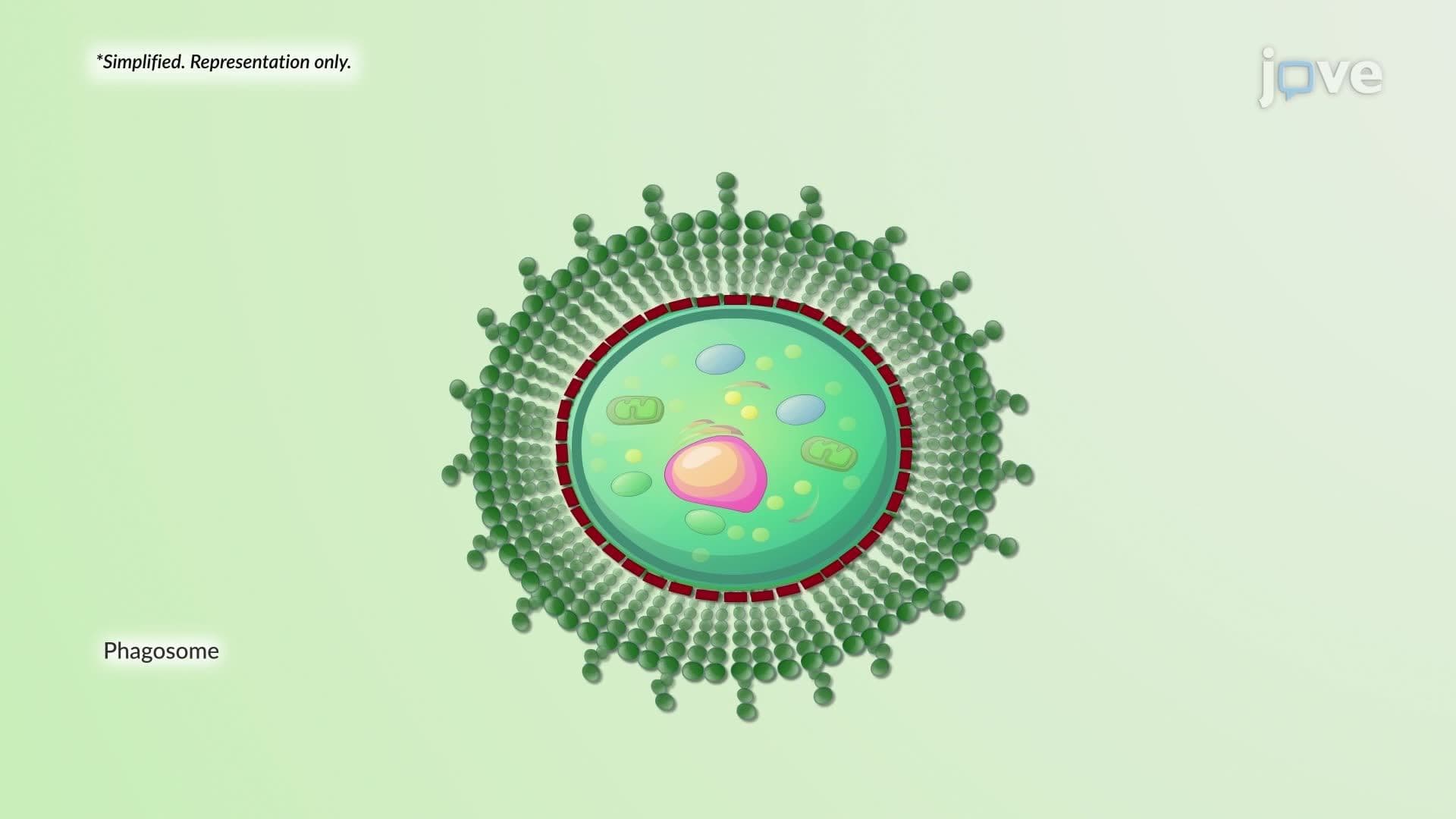
1. Leishmaniasis: Cutaneous vs. Visceral Disease *Leishmania* is transmitted by the female sandfly, which injects promastigotes into the skin. These flagellated forms are engulfed by macrophages and convert into amastigotes, acid-tolerant, non-motile forms that replicate inside phagolysosomes. In cutaneous leishmaniasis, infection stays localized, producing ulcers with raised, violaceous borders. In visceral leishmaniasis (also called kala-azar), amastigotes disseminate via mononuclear cells to the spleen, liver, and bone marrow, causing systemic disease. Understanding the amastigote-promastigote cycle is essential for distinguishing these two presentations on high-stakes exams.
2. Cryptococcal Meningitis: Fungal Invasion of the CNS *Cryptococcus neoformans* is inhaled from environmental sources, notably aged pigeon droppings, and establishes pulmonary infection. Its two primary virulence factors are a polysaccharide capsule (which inhibits phagocytosis and immune recognition) and melanin (which neutralizes reactive oxygen species and reduces antifungal drug efficacy). The fungus travels intracellularly within macrophages to the CNS, crossing the blood-brain barrier using metalloproteinases. CSF obstruction from fungal proliferation raises intracranial pressure, causing persistent headache, fever, and visual disturbances, classic findings in immunocompromised patients, including those with HIV/AIDS.
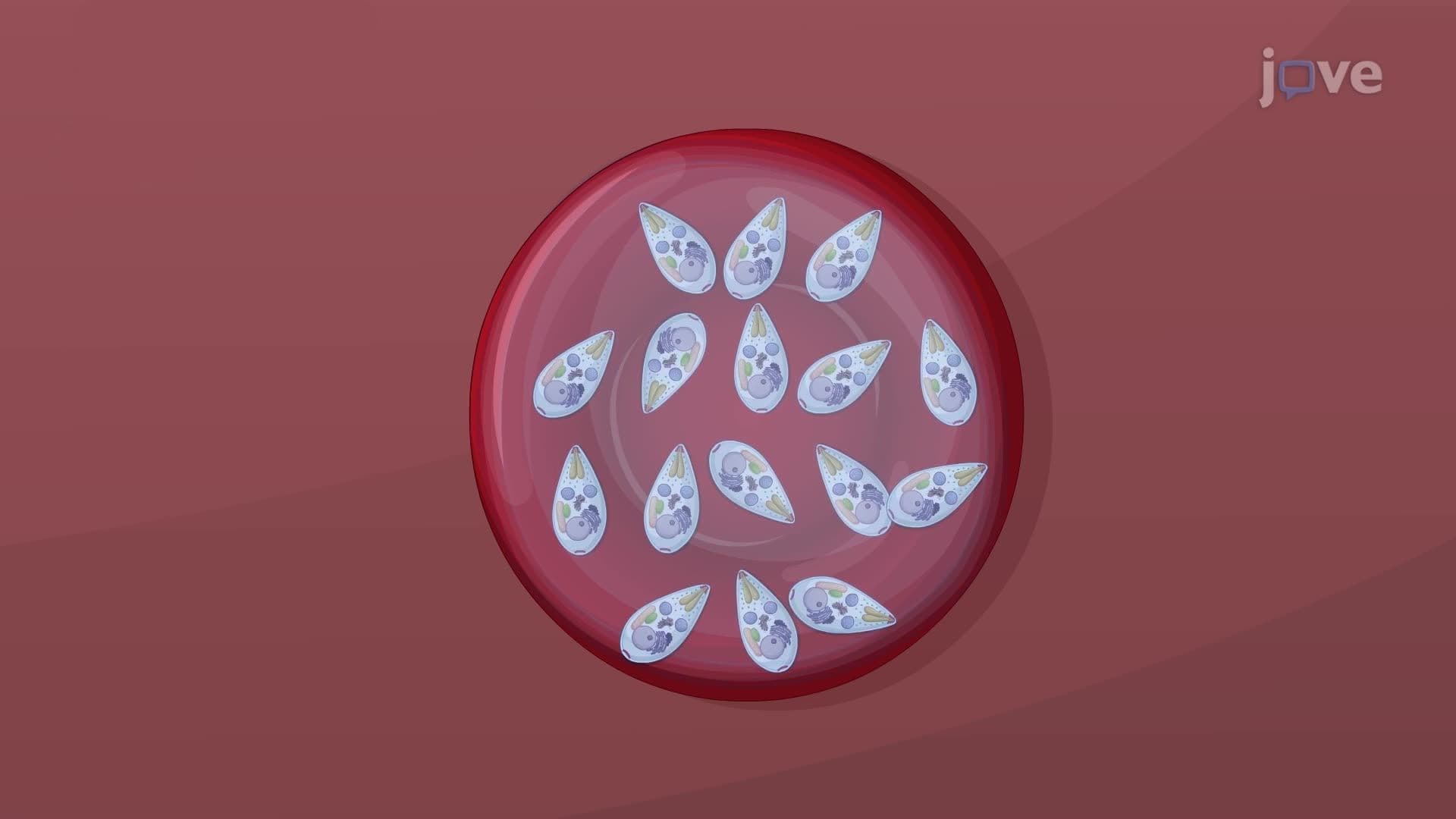
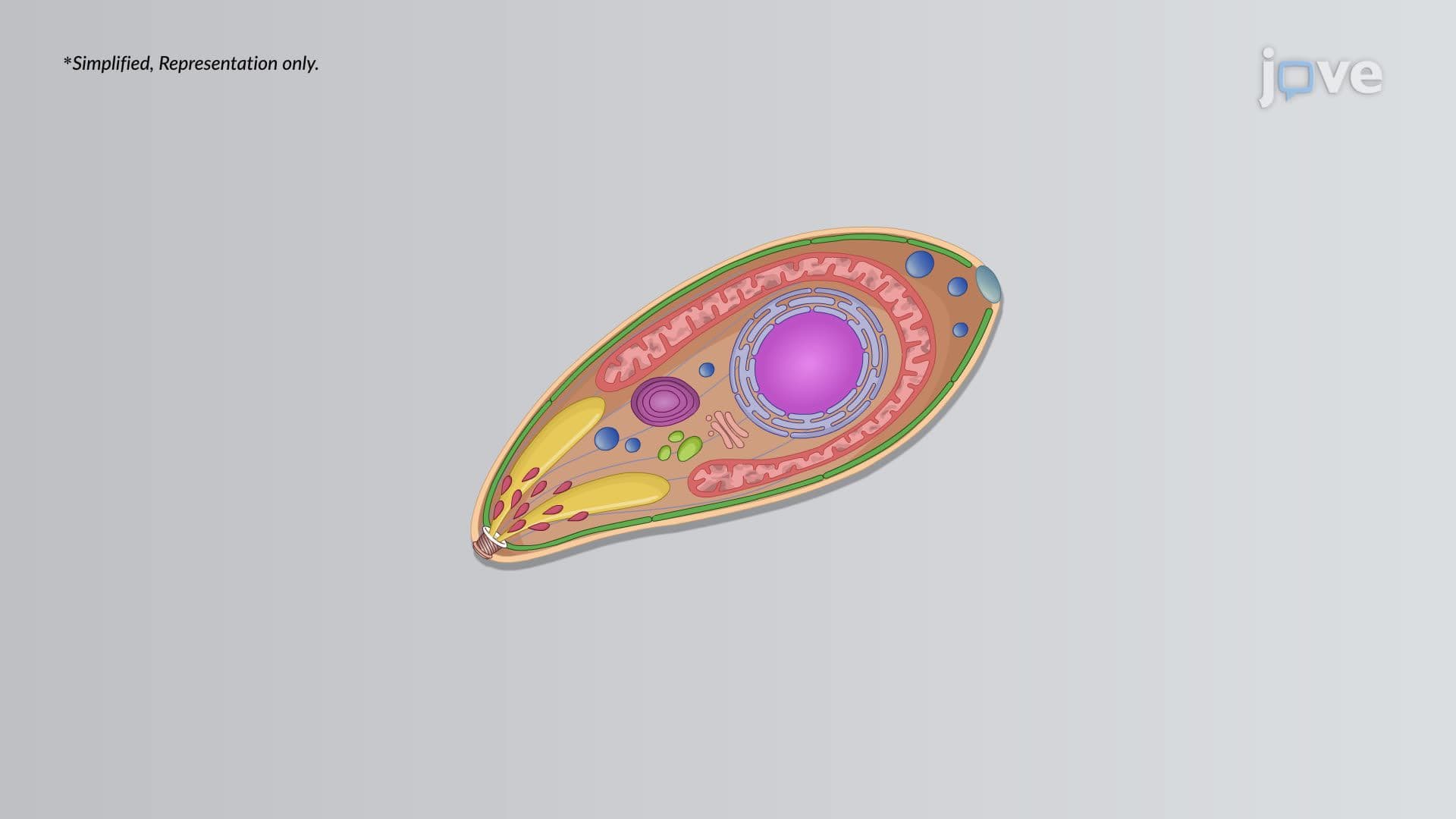
3. Malaria: The Erythrocytic Cycle and Cyclic Fever *Plasmodium* sporozoites enter the bloodstream via *Anopheles* mosquito bites, migrate to the liver, and undergo asexual replication inside hepatocytes, producing merozoites. These merozoites then invade red blood cells, maturing from ring-form trophozoites into schizonts. Schizont rupture lyses erythrocytes, releasing merozoites and hemozoin into circulation. Macrophage engulfment of these byproducts triggers TNF-alpha and other proinflammatory cytokines, generating the characteristic cyclic fever patterns. Repeated erythrocyte destruction leads to hemolytic anemia. This stepwise erythrocytic life cycle is a foundational concept for USMLE microbiology and pharmacology (antimalarial drugs).
4. Toxoplasmosis: Latency and Reactivation in Immunosuppression *Toxoplasma gondii* is acquired by ingesting tissue cysts in undercooked meat or oocysts shed by cats. After digestion of the cyst wall, sporozoites enter intestinal epithelium and convert to rapidly dividing tachyzoites, which spread systemically via immune cells, including crossing the blood-brain barrier. Interferon-gamma limits tachyzoite expansion, driving conversion to slow-dividing bradyzoites that form dormant tissue cysts. In healthy hosts, this latent infection is asymptomatic. However, in immunosuppressed individuals (e.g., AIDS patients, transplant recipients), reactivation causes toxoplasmic encephalitis, a high-yield USMLE scenario emphasizing the clinical danger of immunosuppression.
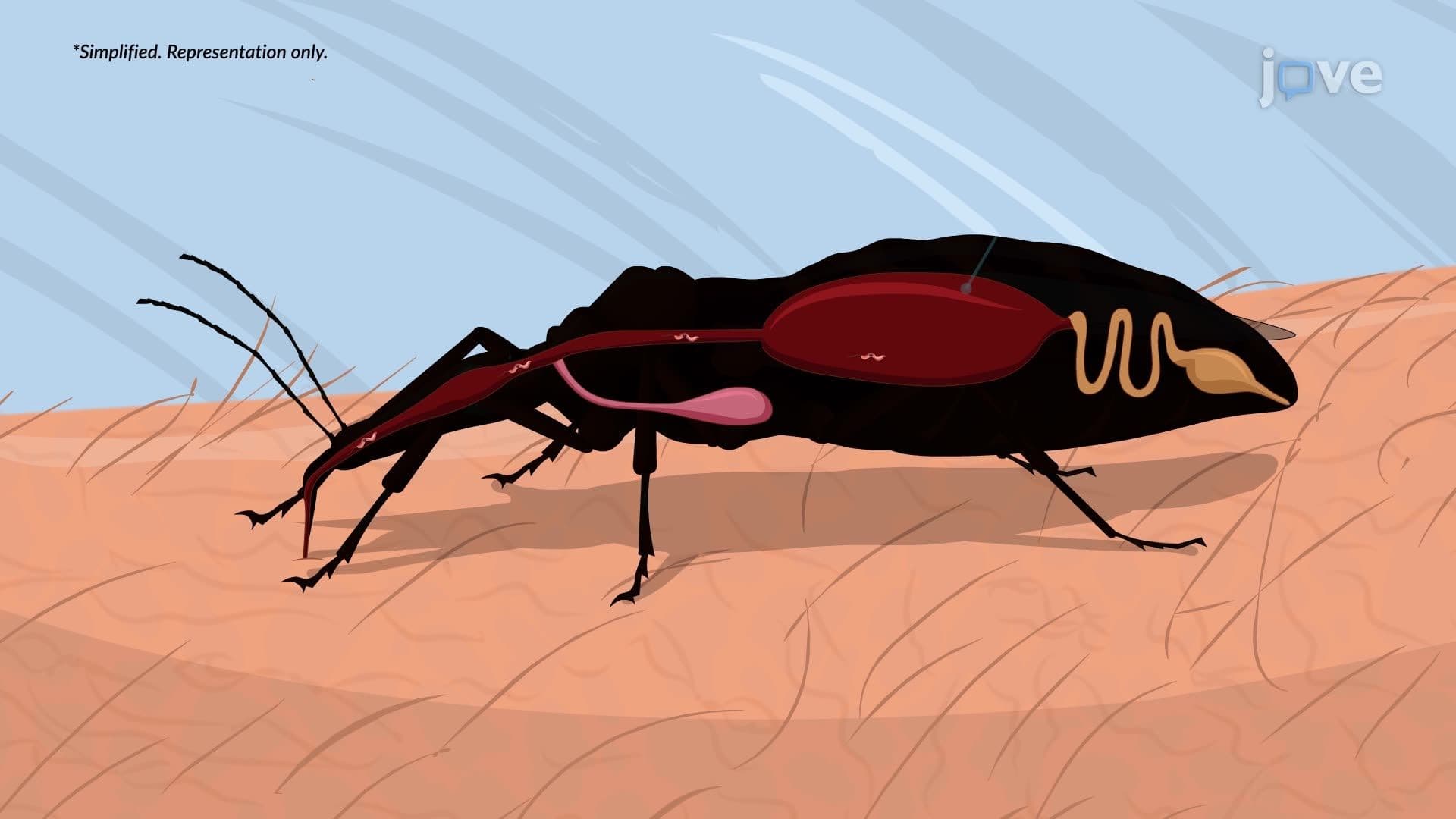
5. Chagas Disease: Trypanosoma cruzi and the Triatomine Bug American trypanosomiasis (Chagas disease) is caused by *Trypanosoma cruzi*, transmitted by triatomine ("kissing") bugs. After a blood meal, the bug defecates near the bite site; scratching inoculates metacyclic trypomastigotes into the wound. These transform into intracellular amastigotes that replicate by binary fission within host cell cytoplasm, forming pseudocysts. Amastigotes reconvert to trypomastigotes, rupture host cells, and re-enter circulation. Chagas disease is increasingly recognized in the US due to immigration from endemic regions in Latin America, making it a relevant real-world example in US public health and clinical contexts.
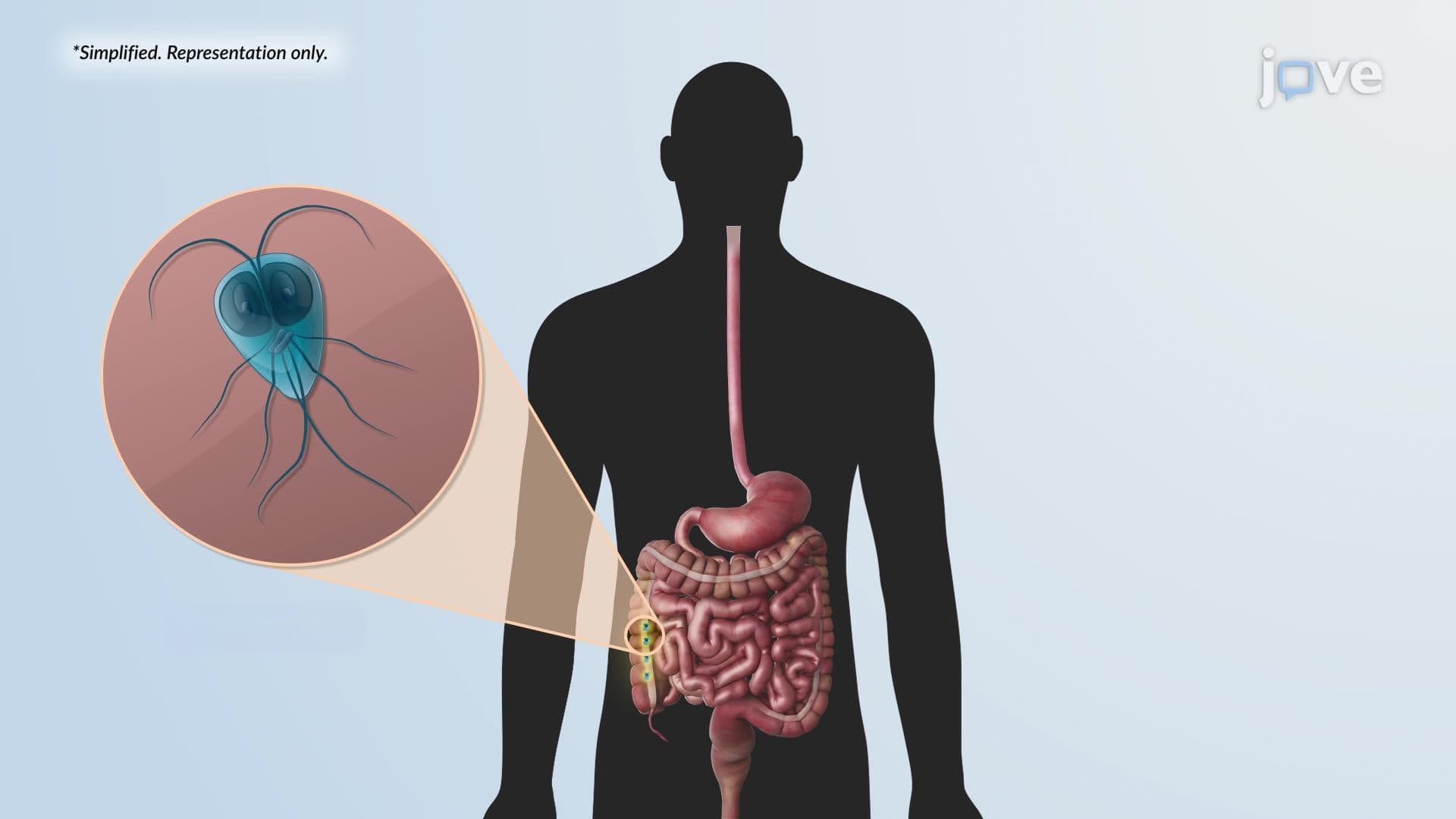
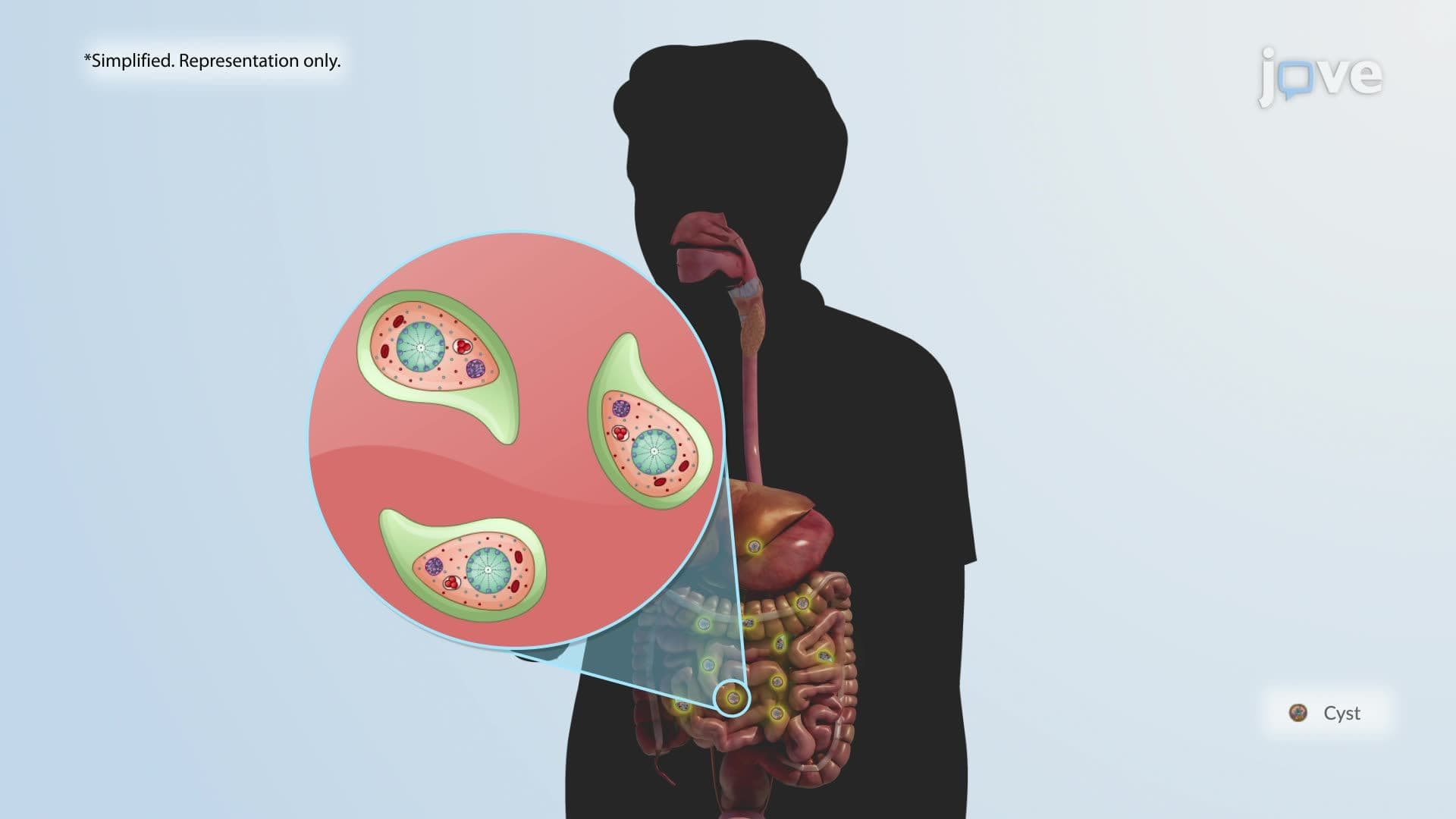
6. Giardiasis and Amebiasis: Gastrointestinal Parasites and Mucosal Damage *Giardia duodenalis* and *Entamoeba histolytica* are both transmitted via the fecal-oral route through contaminated food or water. *Giardia* trophozoites attach to the duodenal mucosa and secrete proteases that degrade brush-border enzymes, impairing nutrient absorption and causing malabsorption-type diarrhea. *E. histolytica* trophozoites bind colonic epithelium via galactose lectin, inducing cytolysis and apoptosis. This triggers an NF-κB-mediated inflammatory cascade, recruiting neutrophils and macrophages, ultimately causing ulceration and dysentery. Both organisms encyst for environmental survival. Distinguishing these two pathogens, and their mechanisms, is a common exam and clinical challenge.
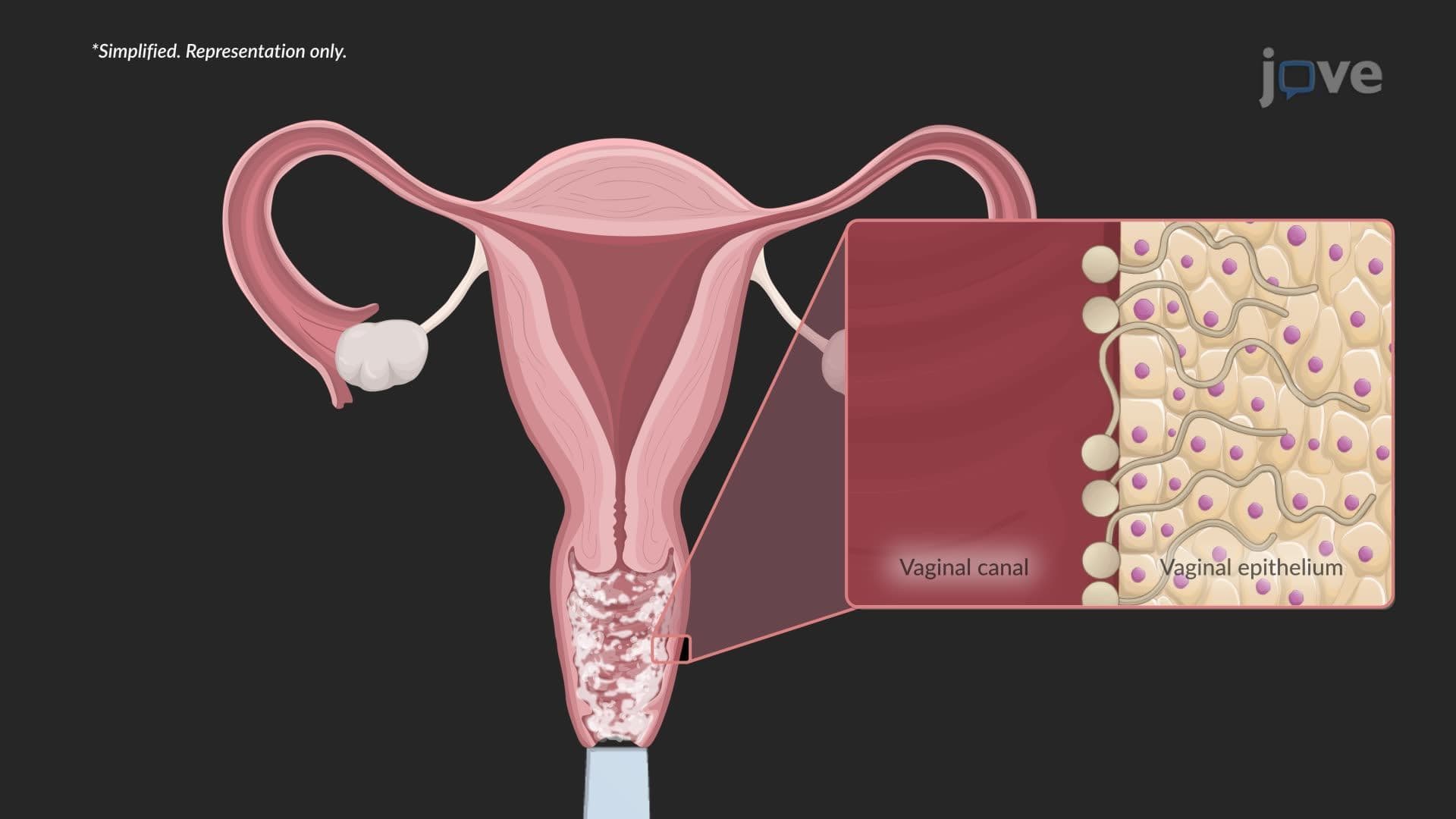
7. Candidiasis: Opportunistic Fungal Overgrowth *Candida albicans* normally exists as a commensal organism in the vaginal microbiota. Disruption of this balance, through antibiotics, hormonal changes, pregnancy, or immunosuppression, allows *Candida* to shift from its yeast form to an invasive hyphal form. These hyphae adhere to epithelial tissue, secrete proteinases for invasion, and form biofilms that resist both immune clearance and antifungal therapy. The resulting inflammatory response causes burning, swelling, and thick white discharge characteristic of vaginal candidiasis. Candidiasis is the most common opportunistic fungal infection in the US and a high-yield topic on NCLEX and USMLE examinations.
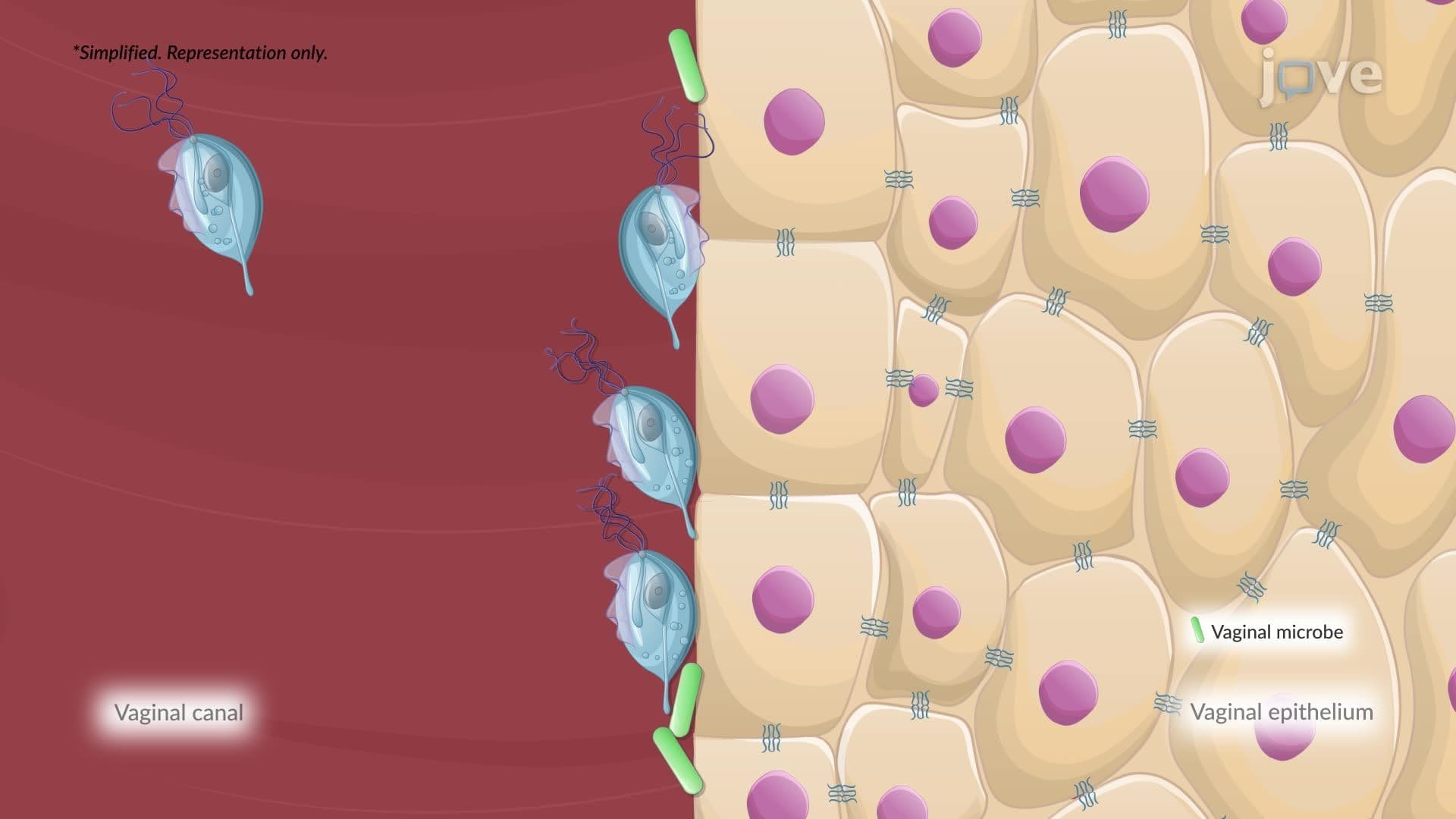
8. Trichomoniasis: STI Pathogenesis and HIV Susceptibility *Trichomonas vaginalis* is a sexually transmitted, anaerobic protozoan unique in that it exists only in the trophozoite form, there is no cyst stage. It lacks mitochondria and uses hydrogenosomes to generate energy anaerobically. Trophozoites adhere to vaginal epithelium via surface adhesins, then secrete cytotoxic proteins that degrade cellular junctions, triggering apoptosis and epithelial sloughing. The resulting mucosal inflammation and microbiota disruption increase susceptibility to other STIs, including HIV, a critical public health connection. Trichomoniasis is the most common non-viral STI in the US, reinforcing its relevance to both clinical and public health coursework.