Loading subject page…

287 views

Video Summary: What Is Malaria
Every year, malaria infects hundreds of millions of people worldwide, yet few understand exactly how this parasite hijacks your own blood cells. Malaria basics begin with a single mosquito bite that launches a complex biological attack inside the human body. In the US, travelers returning from sub-Saharan Africa frequently present with malaria at major hospitals like the CDC-affiliated clinics in Atlanta. Watch the full video on JoVE Coach to master this concept with expert-led visuals and step-by-step explanations.
Malaria is one of the most studied and clinically significant parasitic infections in the world. It is caused by protozoan parasites of the genus *Plasmodium*, most notably *P. falciparum*, *P. vivax*, *P. malariae*, and *P. ovale*, and is transmitted through the bite of a female *Anopheles* mosquito. While malaria is not endemic to the United States, it remains a major public health concern for US travelers, military personnel deployed abroad, and immigrants from high-transmission regions. The CDC reports approximately 2,000 malaria cases annually in the US, almost all travel-related.
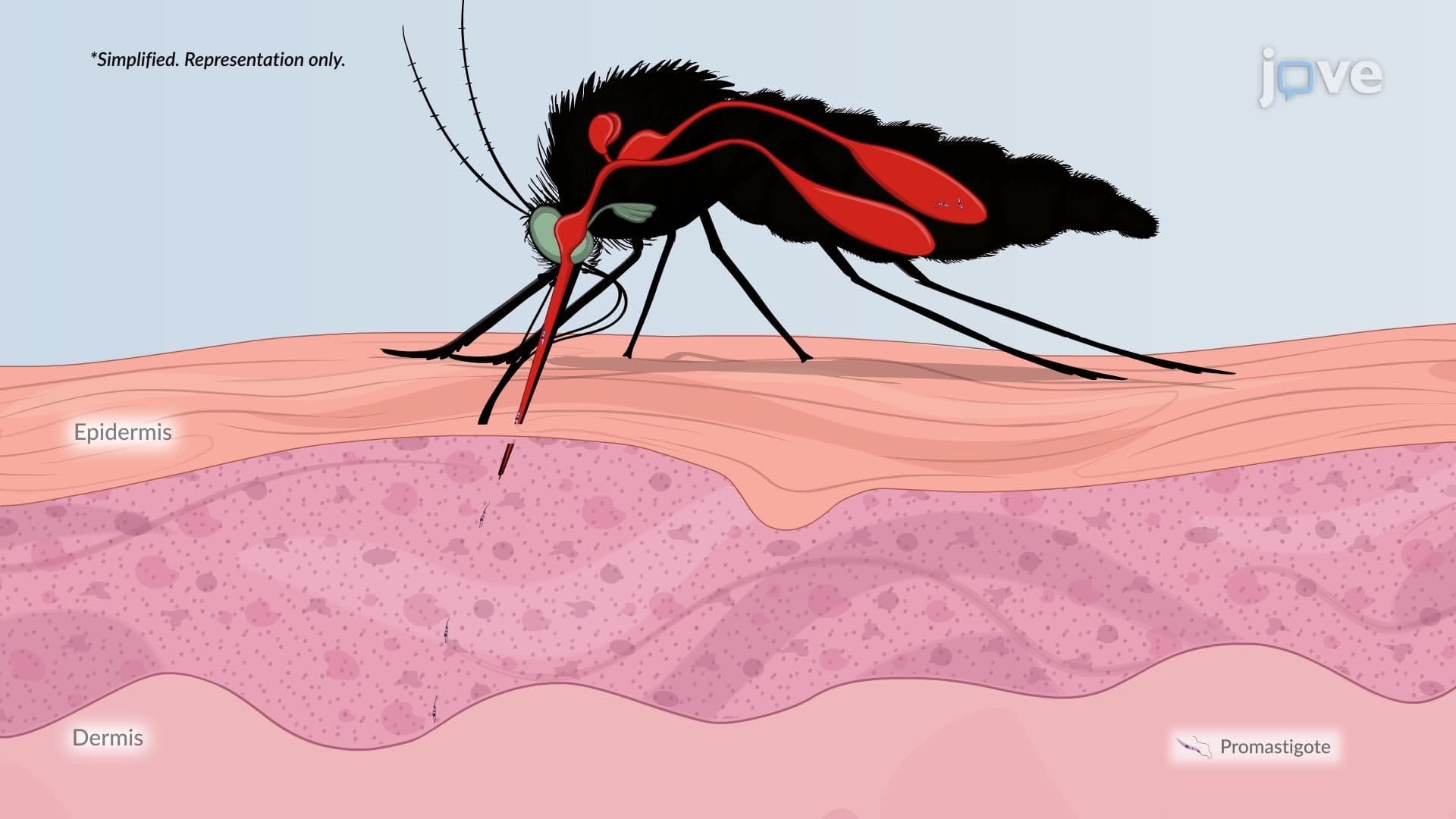
When an infected mosquito bites a human host, it injects microscopic infectious forms called sporozoites into the bloodstream. These sporozoites rapidly migrate to the liver, where they invade liver cells called hepatocytes. Inside hepatocytes, the parasites undergo asexual reproduction, forming structures known as liver schizonts. Each schizont eventually bursts open, releasing thousands of merozoites into the bloodstream. This liver phase is clinically silent, patients feel no symptoms, making early detection challenging. Understanding this stage is critical in parasitology coursework and for MCAT exam questions focused on the life cycle of parasites.
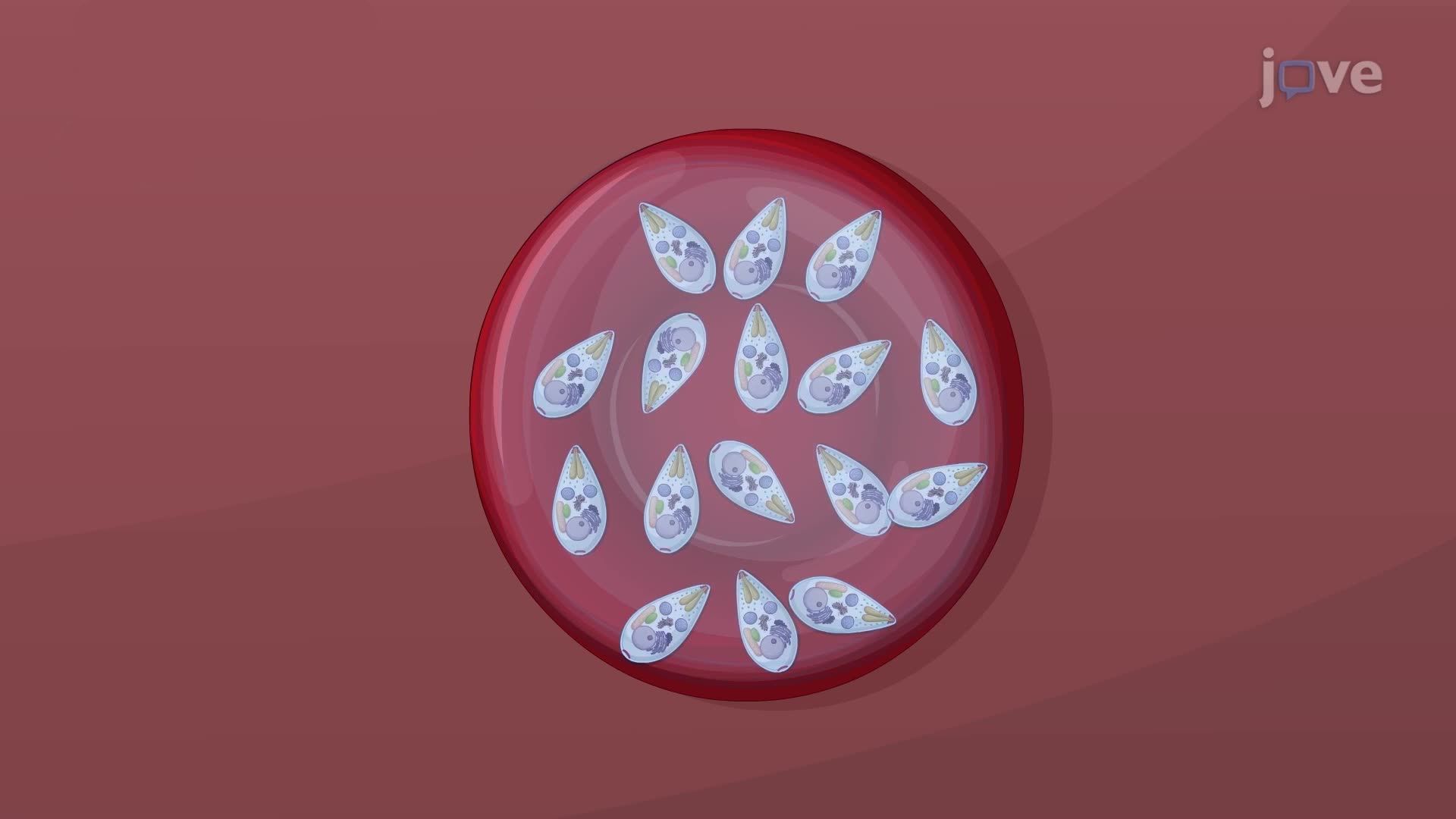
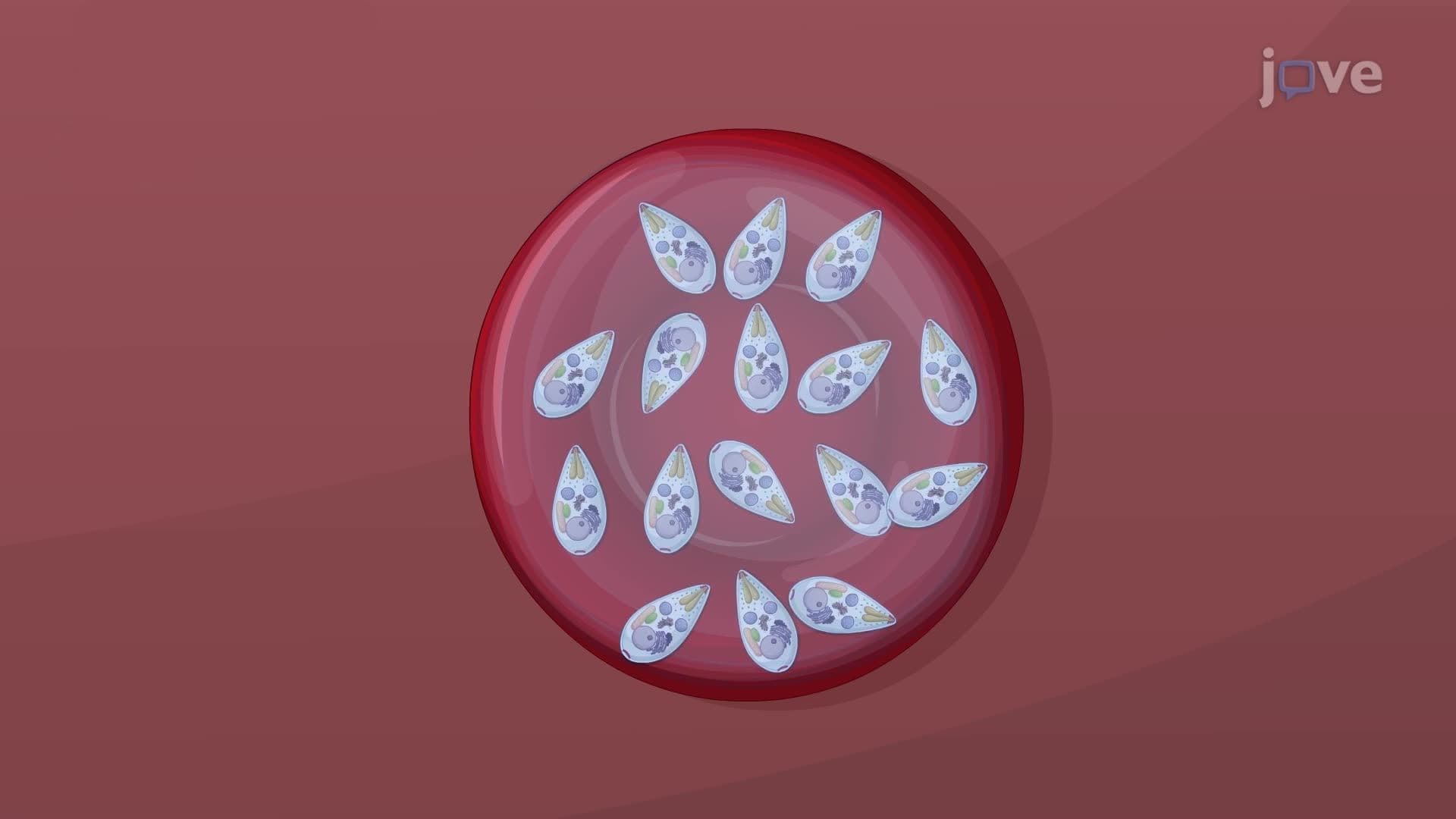
Once released, merozoites invade red blood cells, also called erythrocytes. Inside the erythrocyte, the merozoite matures first into an early ring-shaped trophozoite, then into a blood-stage schizont. When the schizont ruptures, it destroys the red blood cell and releases both new merozoites and hemozoin, a toxic byproduct formed when the parasite digests hemoglobin. The immune system's macrophages attempt to clear these materials, releasing proinflammatory cytokines including TNF-alpha. This immune response triggers the characteristic cyclic fever that repeats every 48 to 72 hours, depending on the *Plasmodium* species involved. Repeated red blood cell destruction leads to hemolytic anemia, fatigue, and impaired oxygen delivery, symptoms frequently tested on AP Biology exams and college-level microbiology midterms.
Because the malaria parasite has a multi-stage lifecycle, antimalarial drugs can target different phases. Chloroquine and artemisinin-based combination therapies (ACTs) primarily target the blood stage, while primaquine targets dormant liver-stage parasites seen in *P. vivax* infections. Drug resistance, particularly to chloroquine, is a major global health challenge and a topic explored in college pharmacology and public health courses. Students preparing for the USMLE or MCAT should understand not just the biology of infection, but also how treatment strategies map onto each lifecycle stage. In the US, the CDC and NIH actively fund research into new antimalarial drug targets, making this an active area in biomedical science education.
Related Micro-courses