Loading video…

 13 Concepts
 14.7K views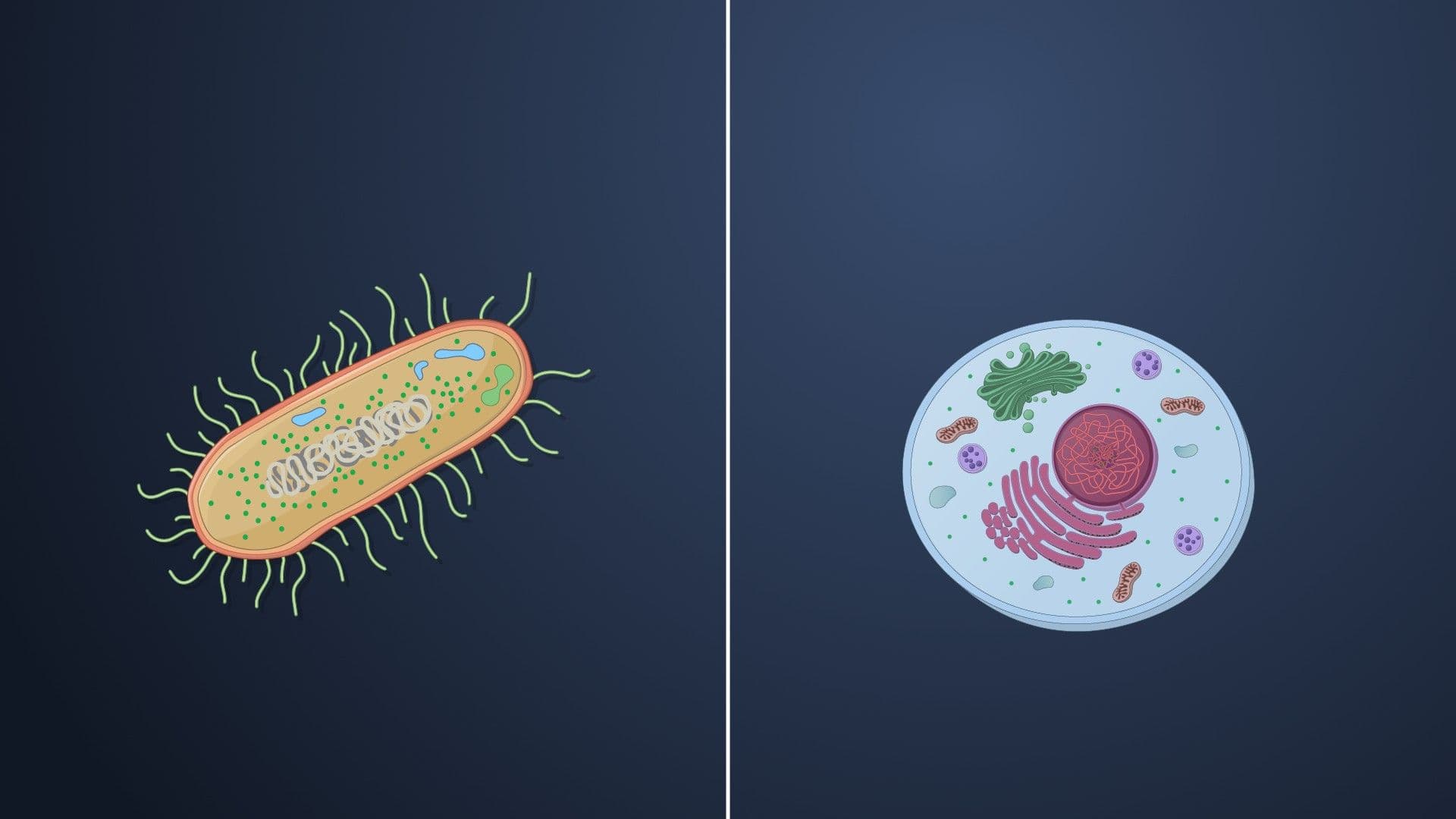

Video Summary: What are Prokaryotic Vs Eukaryotic Cells
Did you know that the E. coli bacteria causing food poisoning outbreaks across US hospitals operates fundamentally differently than your own human cells? Prokaryotic eukaryotic cells represent two distinct cellular architectures that define all life on Earth. While prokaryotic cells like bacteria lack a nucleus and membrane-bound organelles, eukaryotic cells contain complex internal structures that enable multicellular complexity. Understanding what are prokaryotic vs eukaryotic cells reveals why antibiotics can target bacterial infections without harming human tissue. Watch the full video on JoVE Coach to master this concept with expert-led visuals and step-by-step explanations.
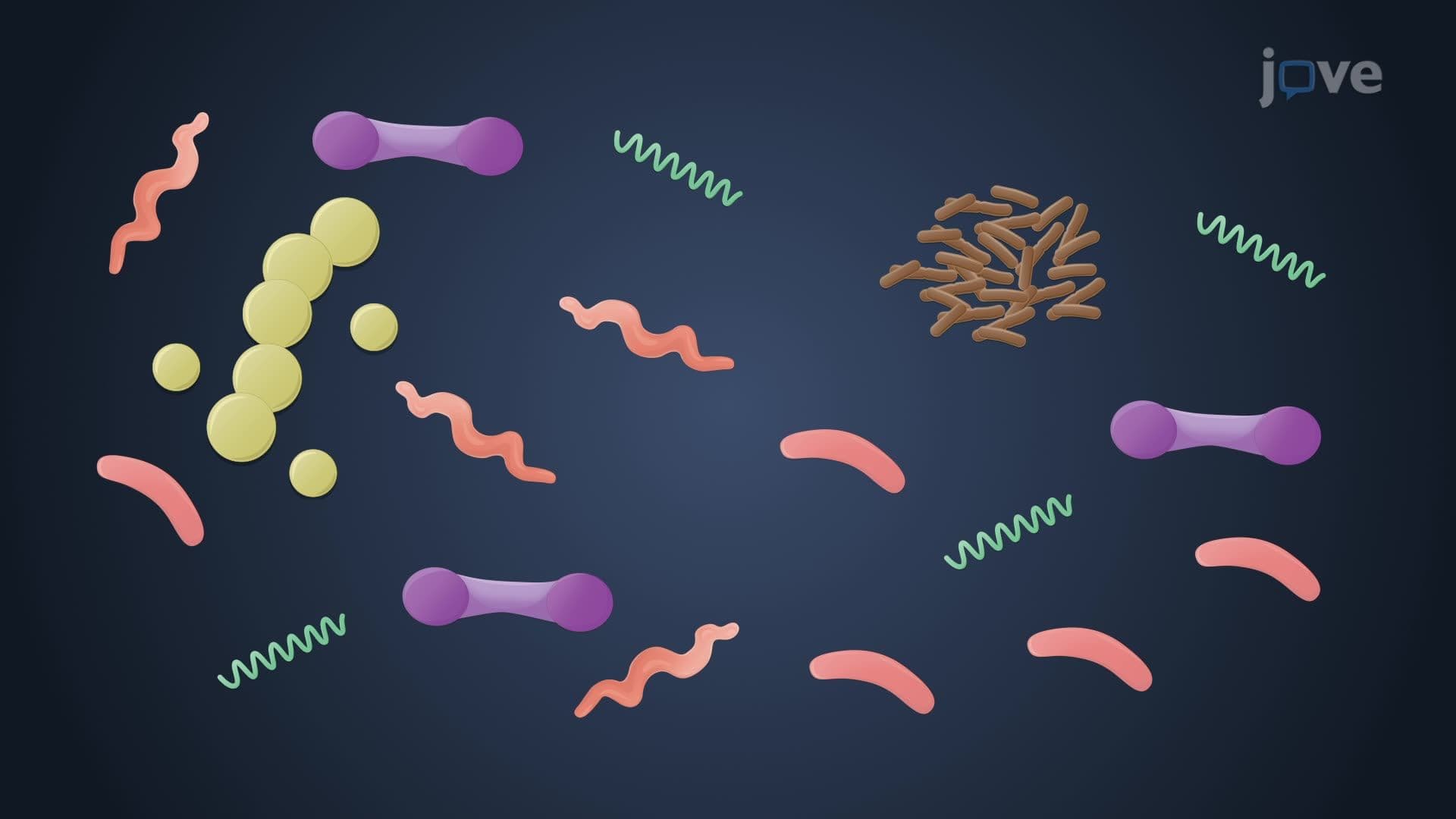
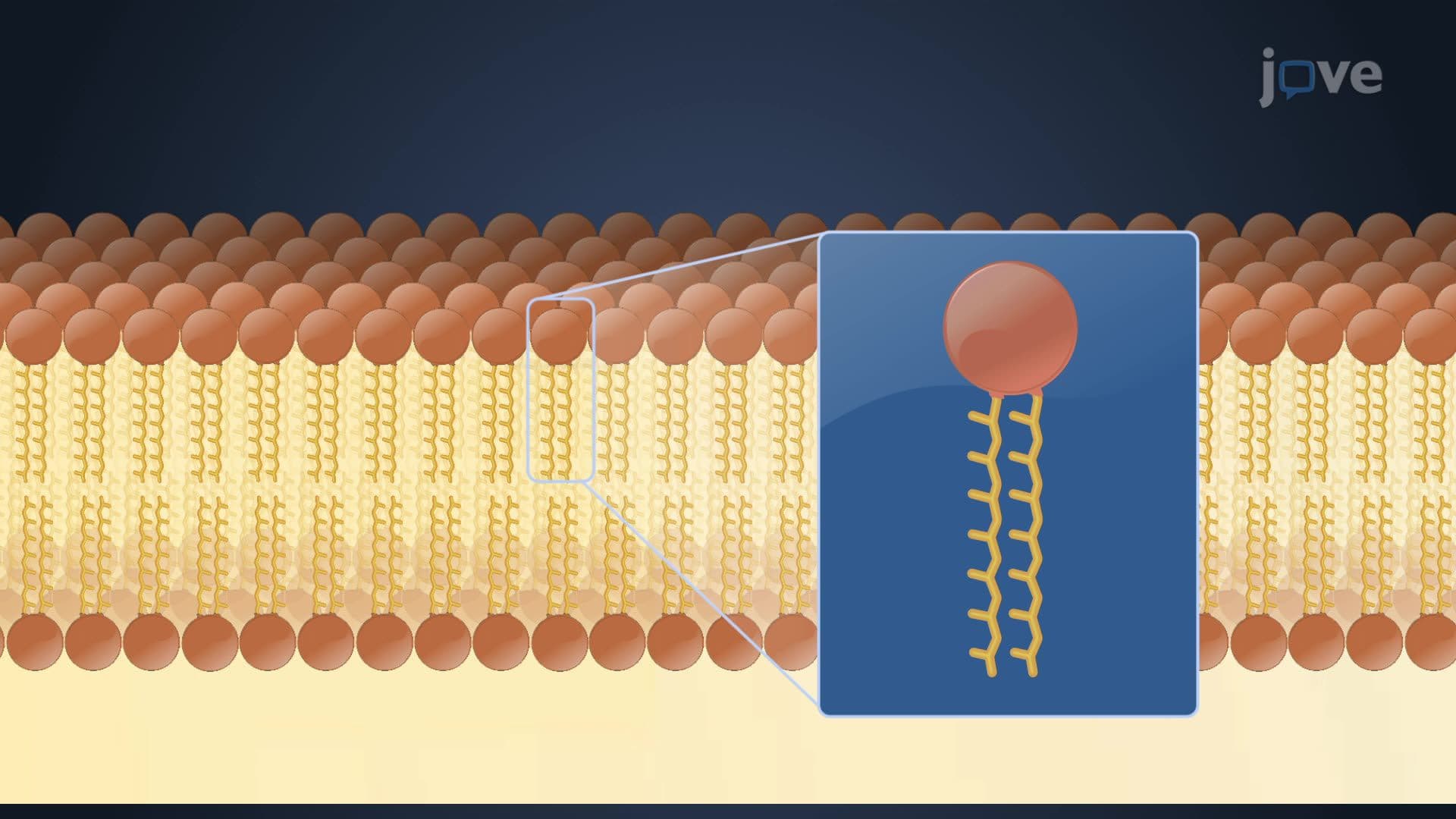
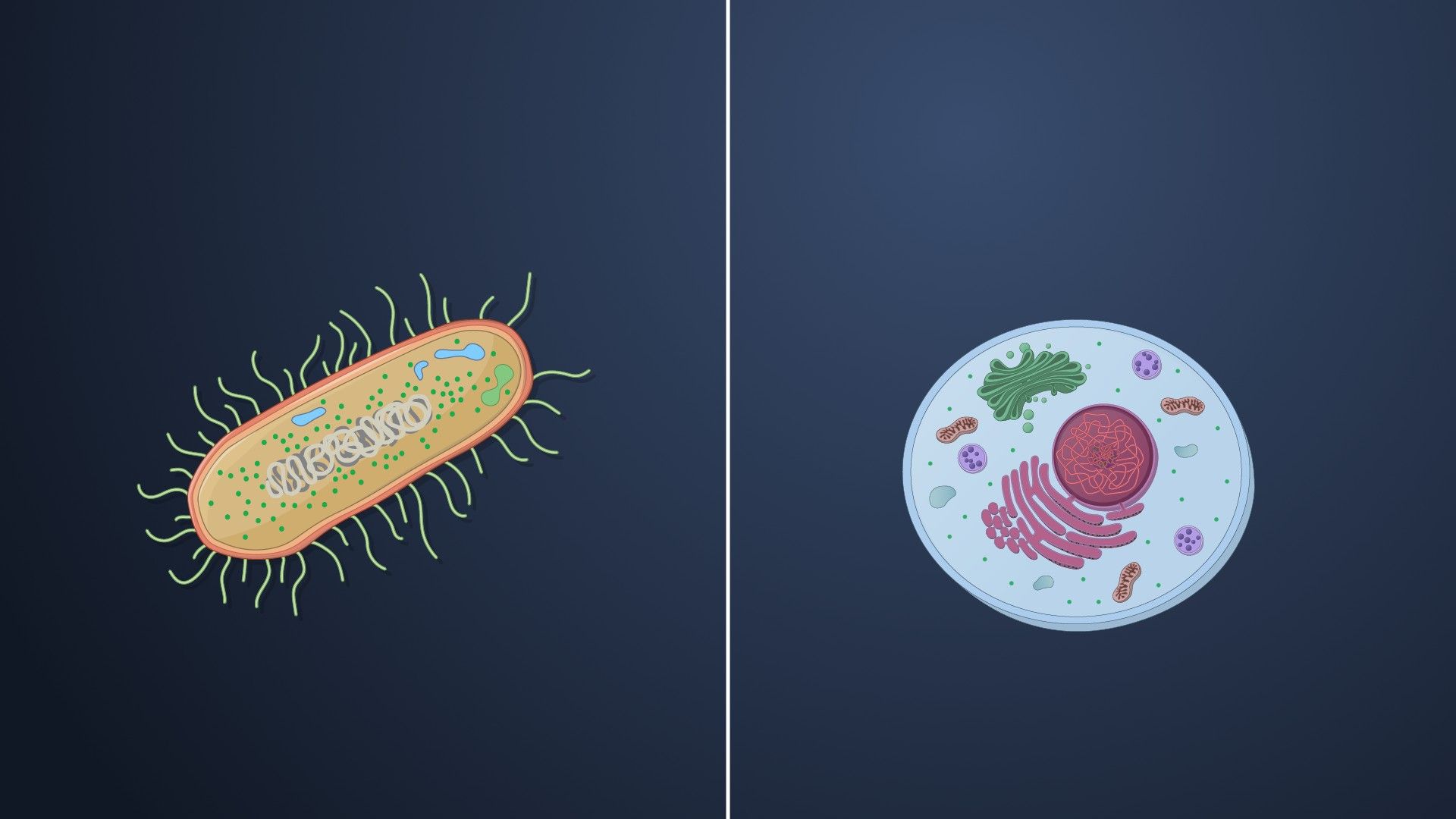
The distinction between prokaryotic and eukaryotic cells represents one of biology's most fundamental organizational principles. This cellular divide affects everything from antibiotic development to understanding evolutionary complexity. Prokaryotic cells, measuring 0.1-5.0 micrometers, pack essential life functions into compact, streamlined packages without internal membranes. Eukaryotic cells, ranging 10-100+ micrometers, utilize sophisticated compartmentalization to support complex multicellular life.
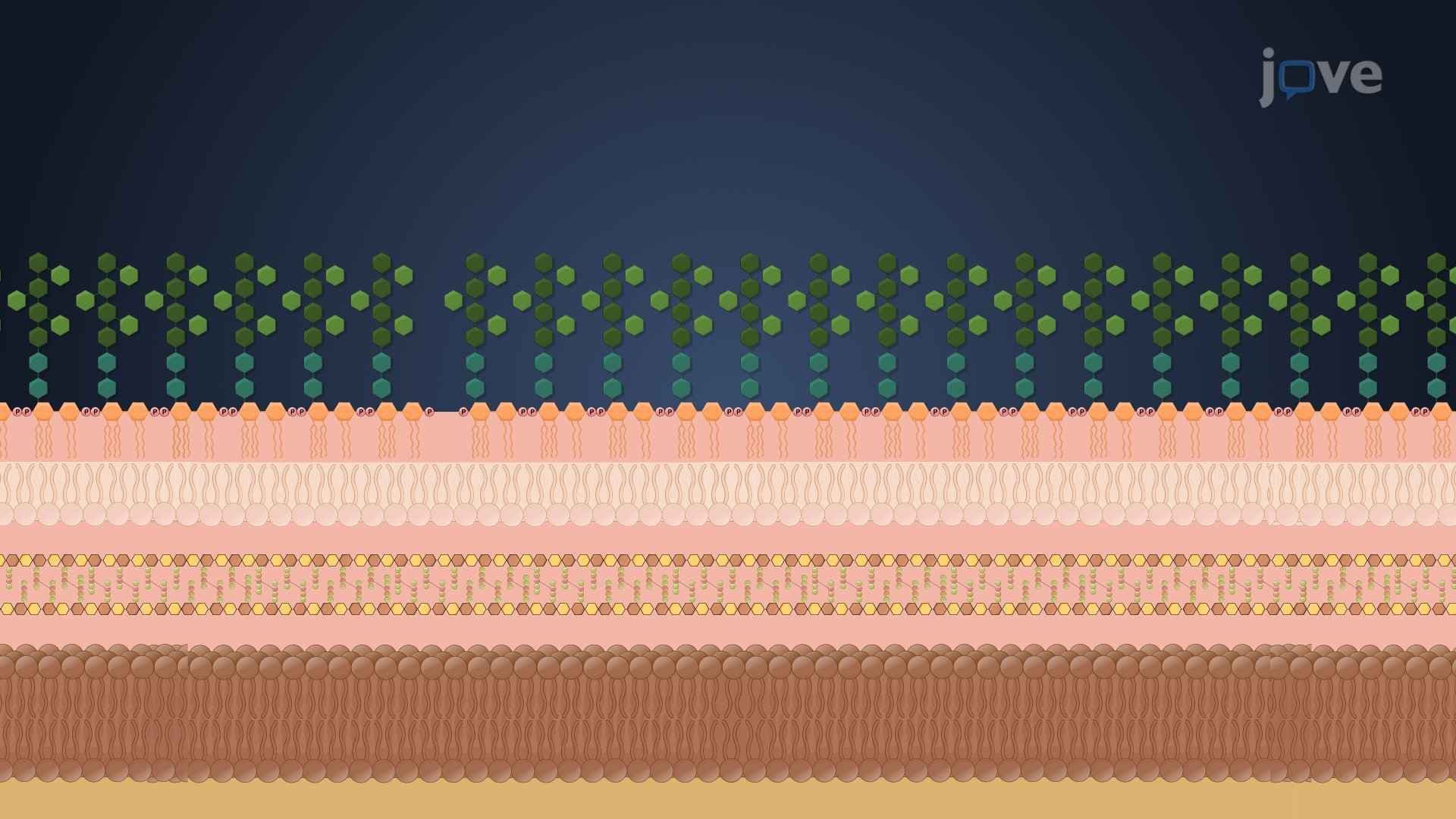
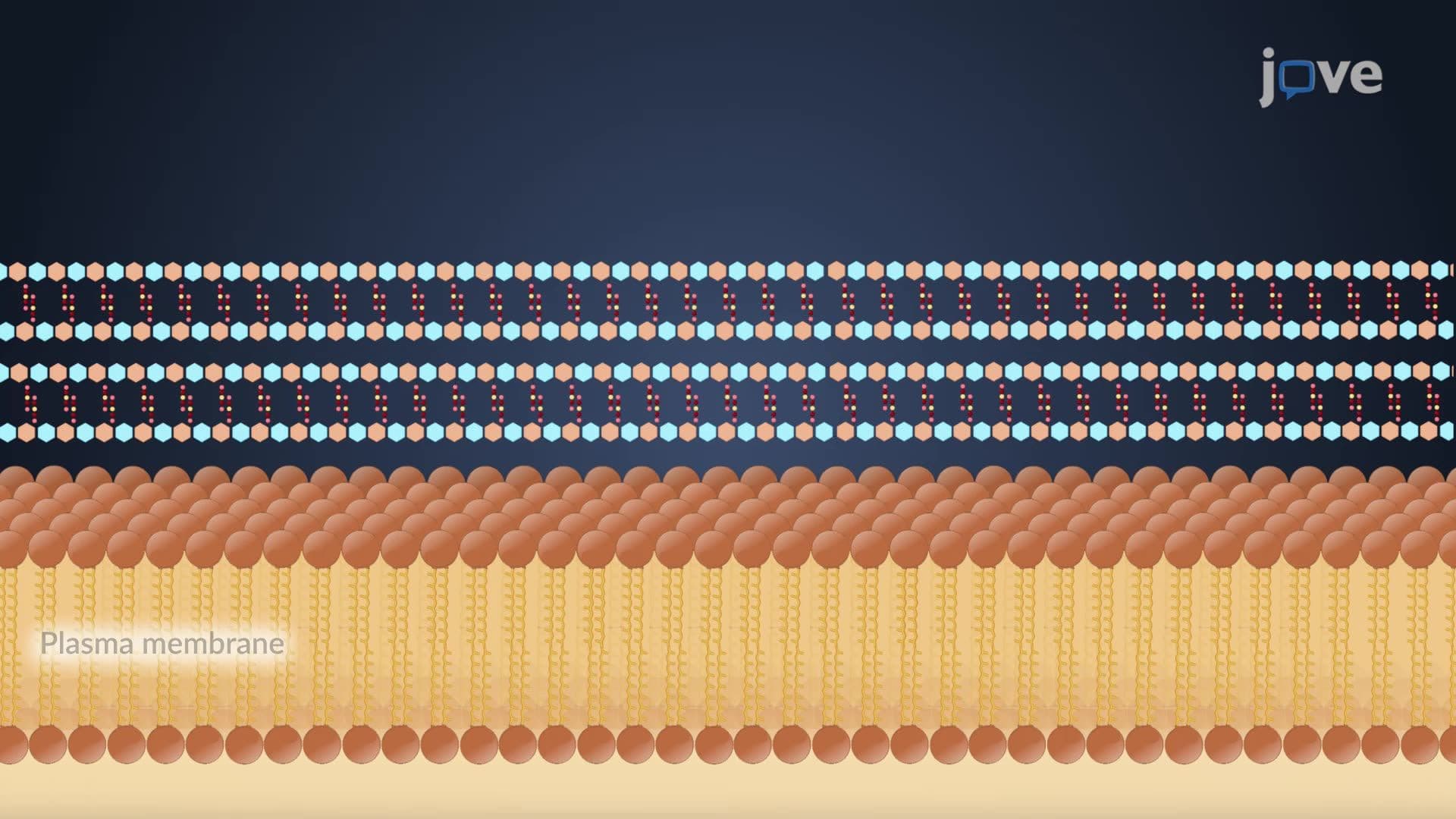
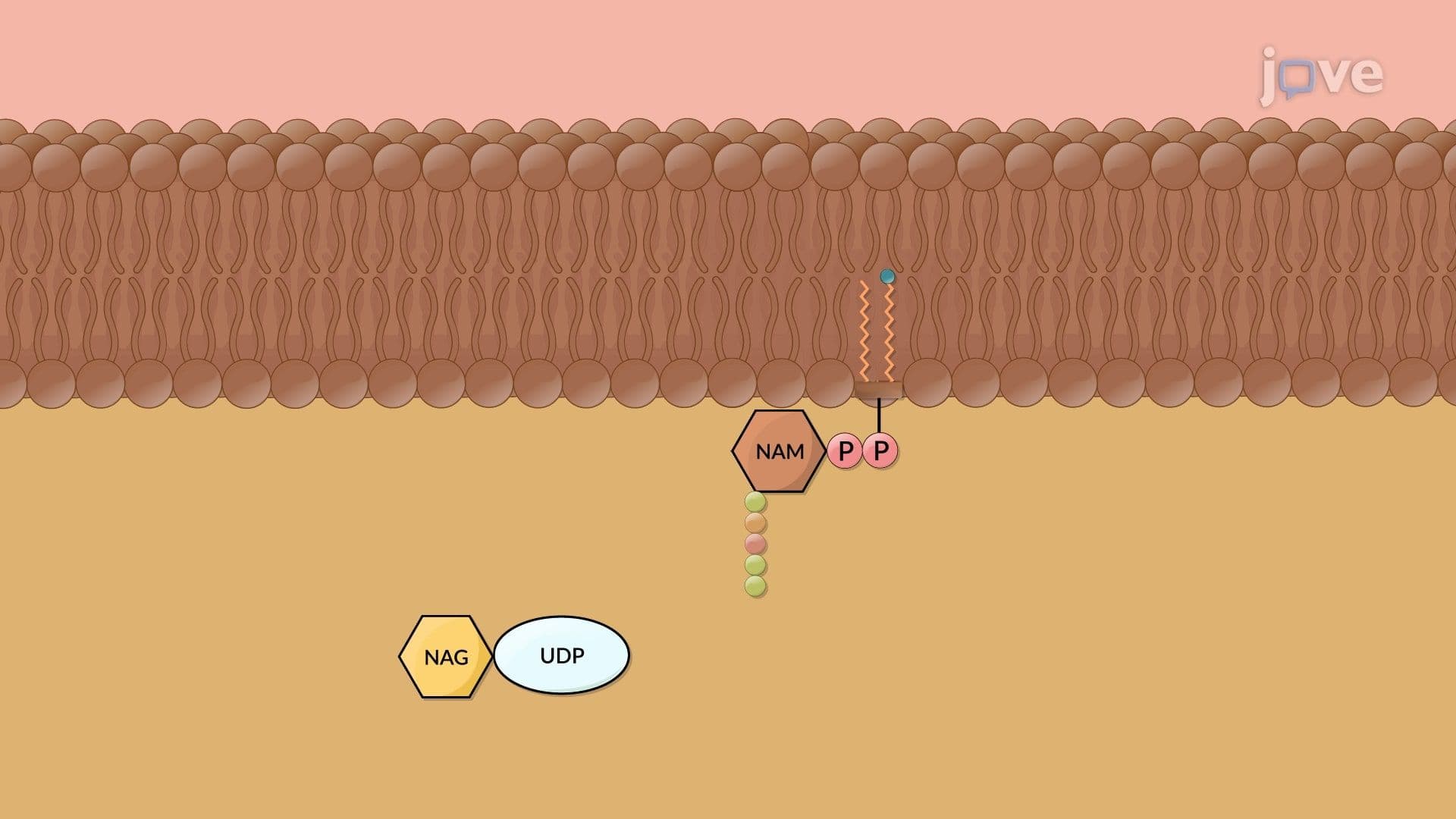
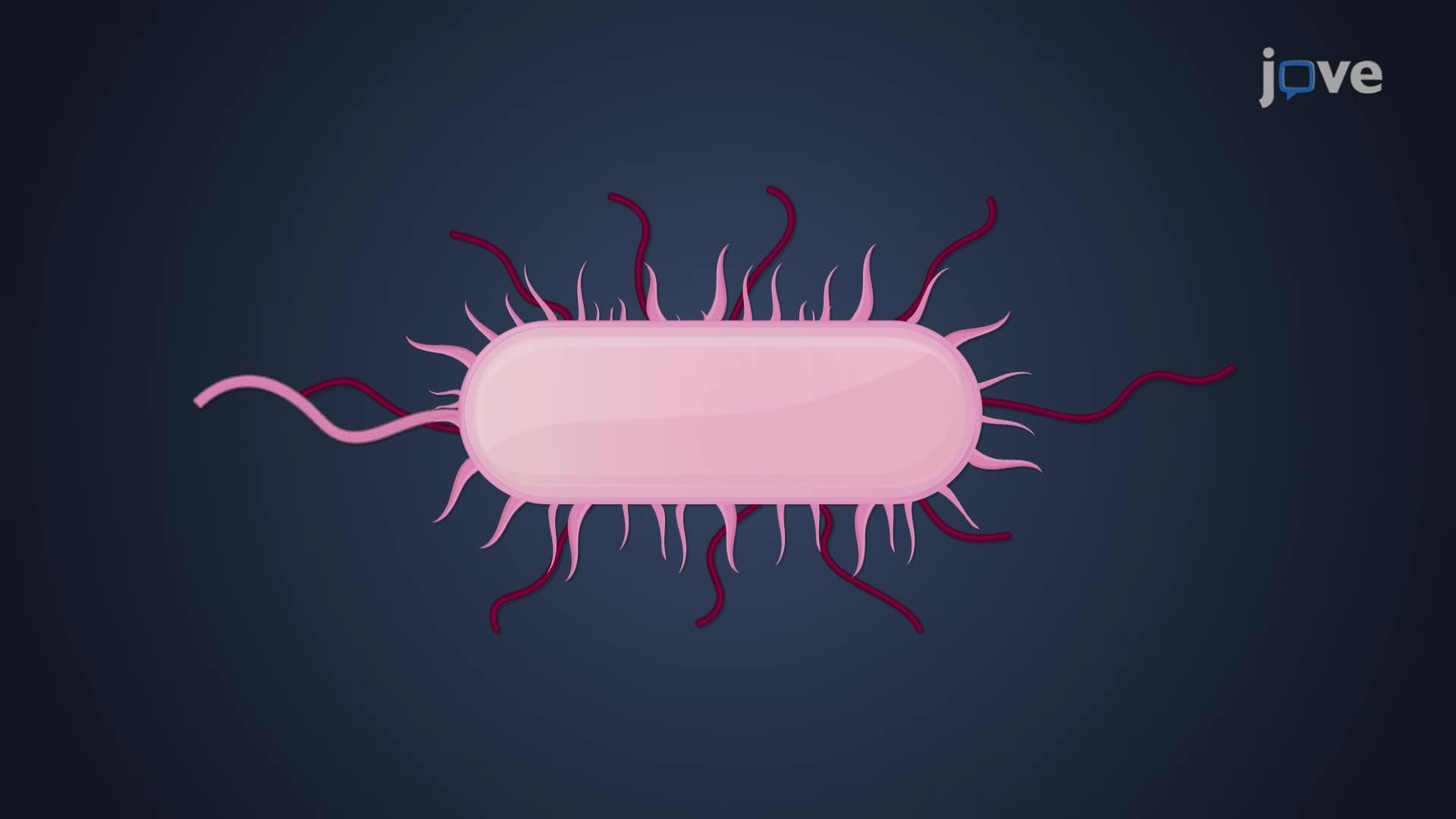
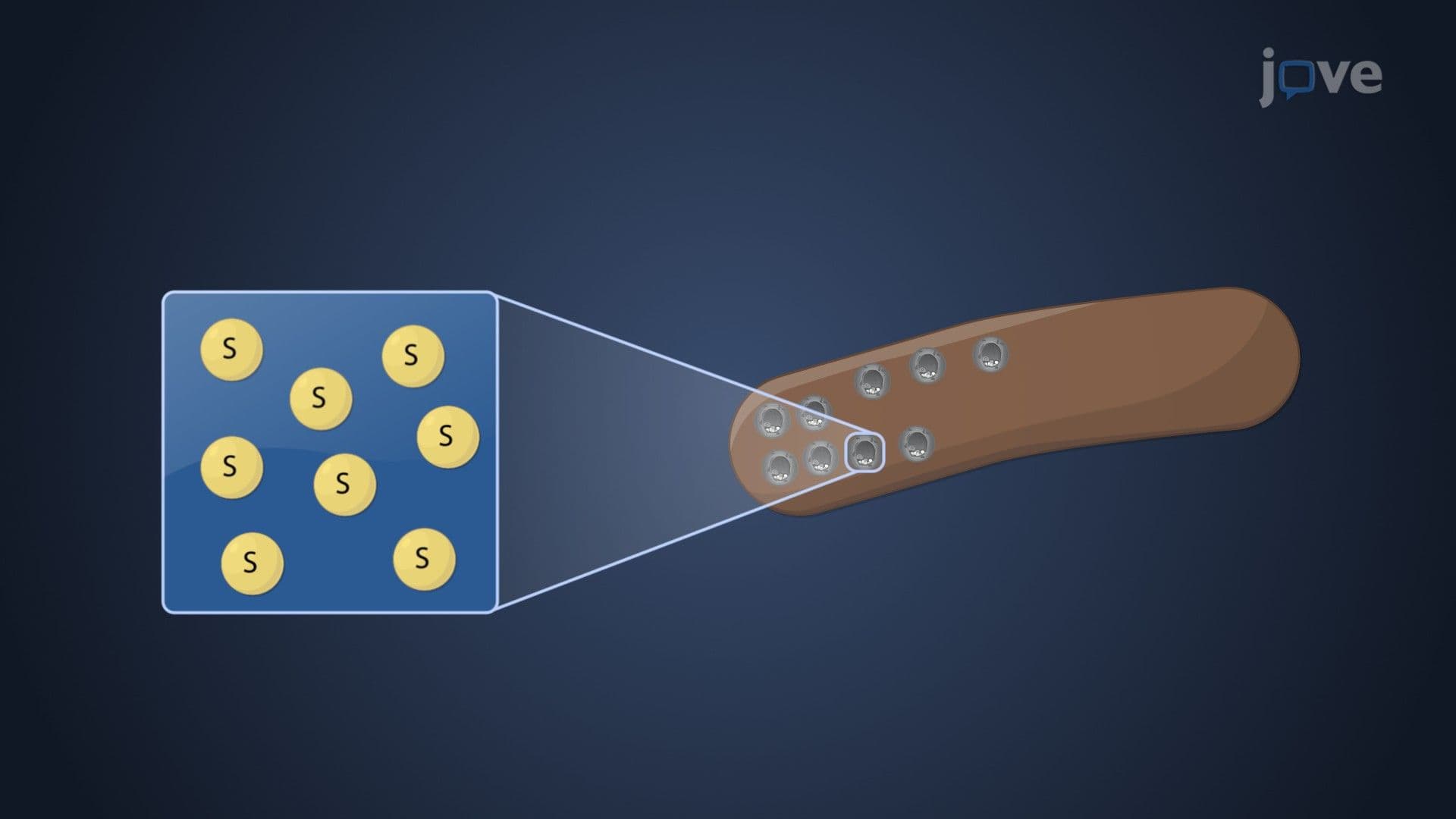
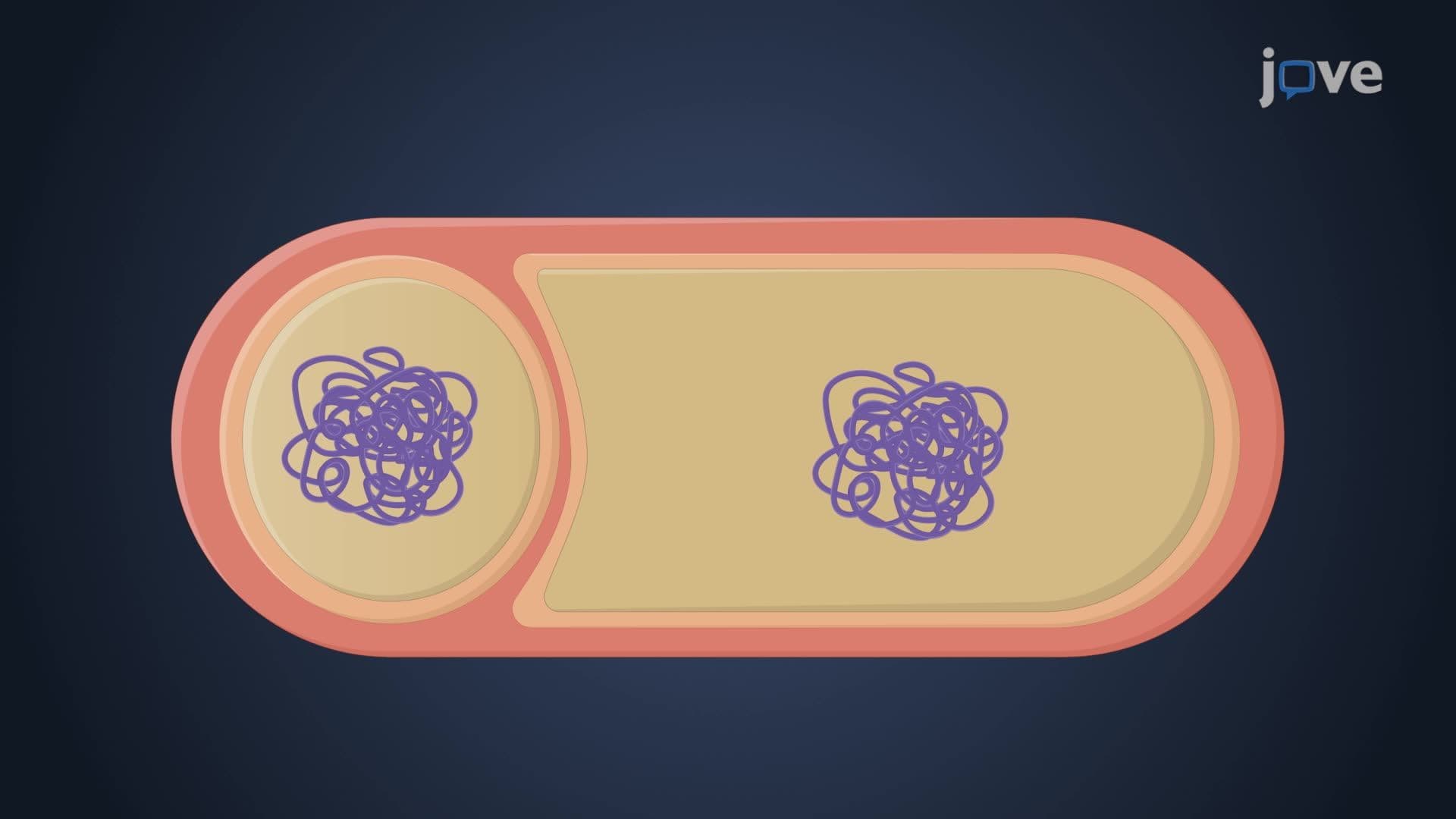
Prokaryotic cells exemplify biological efficiency through simplicity. Their circular DNA floats freely in the nucleoid region, unprotected by nuclear membranes. This arrangement allows rapid gene expression and quick adaptation-crucial for bacteria like *Streptococcus pneumoniae*, which can develop antibiotic resistance within hospital settings. The 70S ribosomes in prokaryotes are smaller than their eukaryotic counterparts, reflecting streamlined protein synthesis machinery. This structural difference enables antibiotics like streptomycin to specifically target bacterial ribosomes without disrupting human protein production.
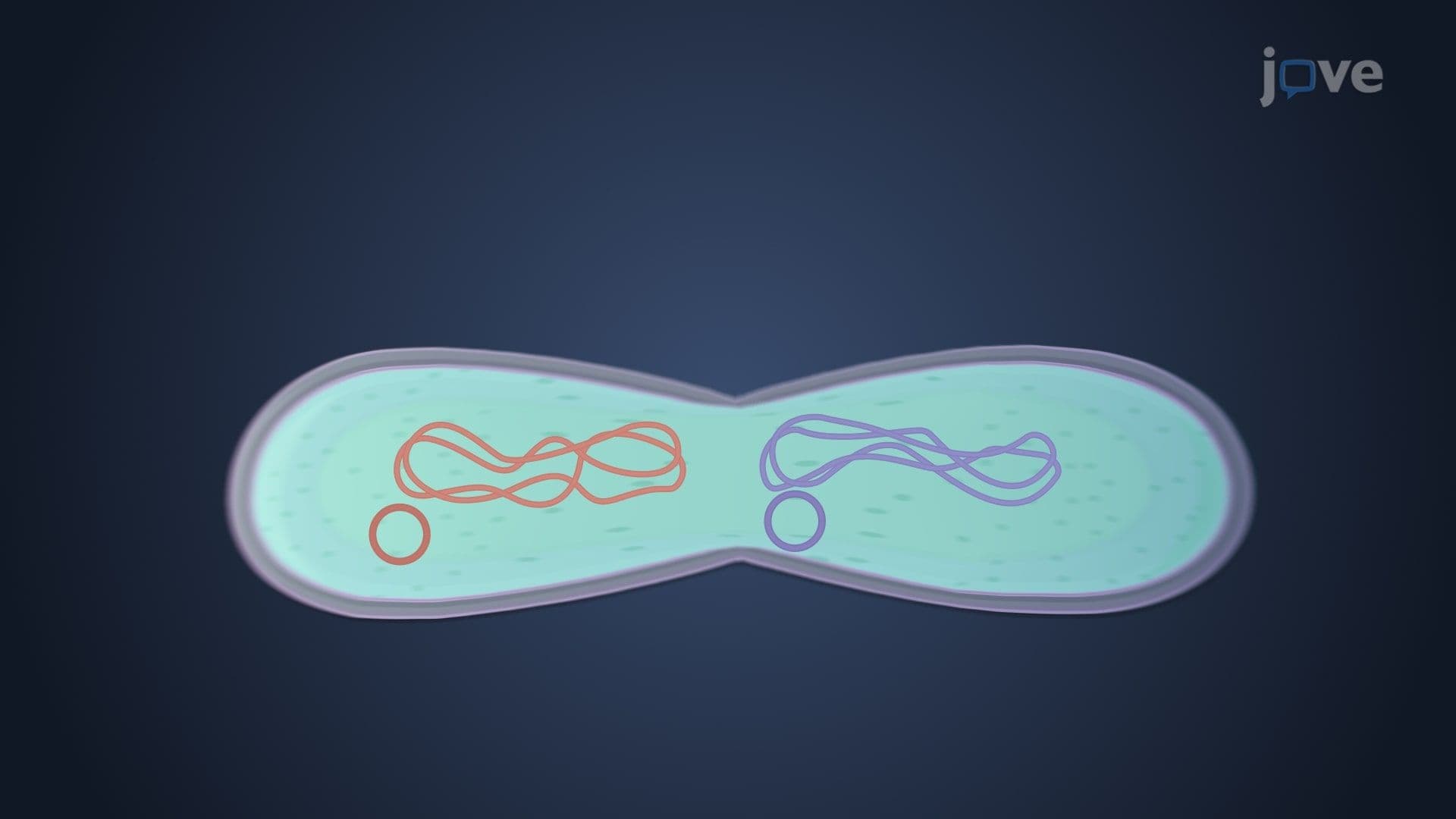
Binary fission allows prokaryotes to reproduce exponentially under favorable conditions. *E. coli* bacteria can divide every 20 minutes, explaining how foodborne illnesses can rapidly overwhelm immune systems. The absence of membrane-bound organelles means all cellular processes occur within the same compartment, limiting functional complexity but maximizing reproductive speed.
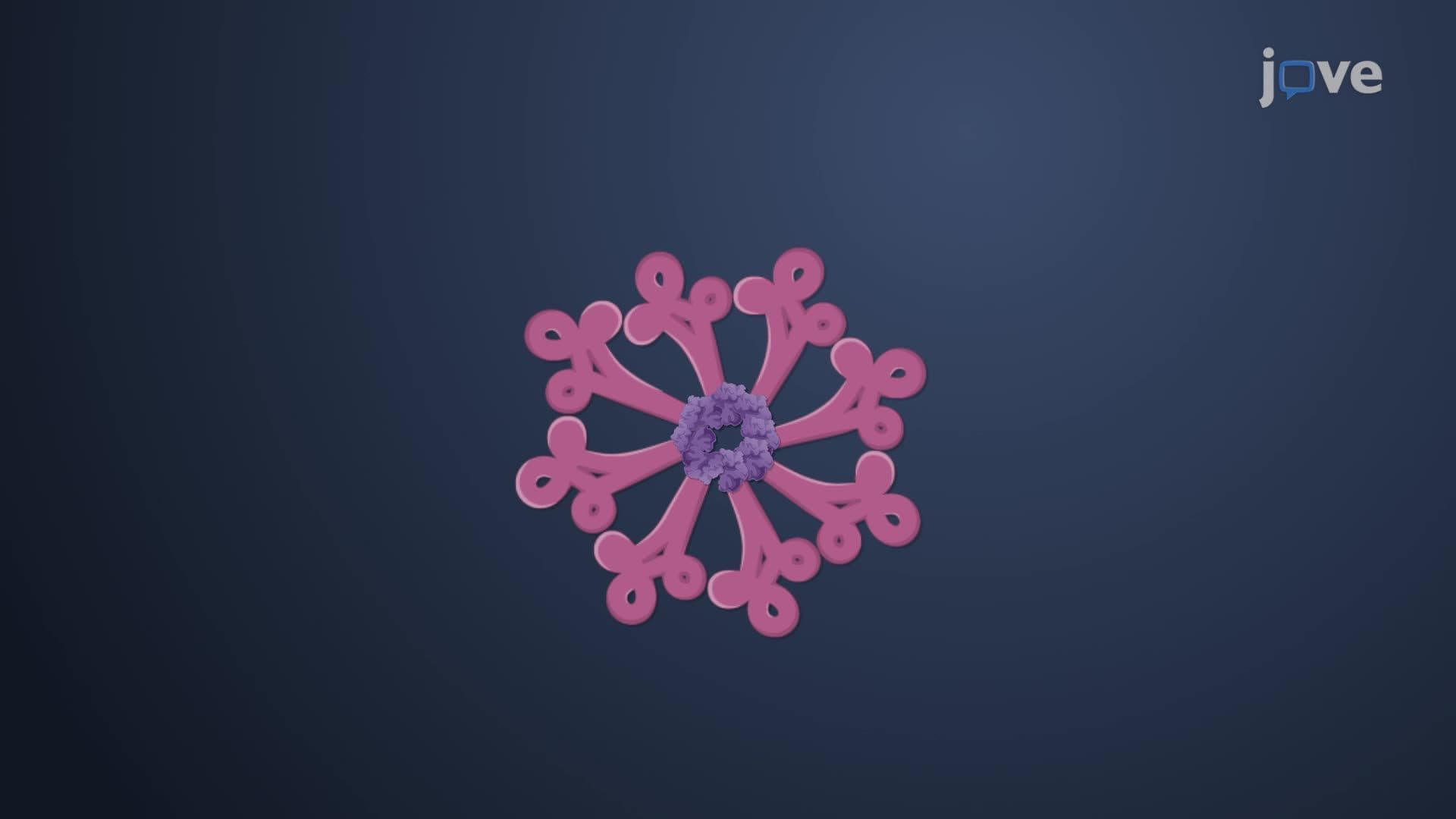
Eukaryotic cells revolutionized biological complexity through compartmentalization. The nucleus protects linear DNA chromosomes and controls gene expression through nuclear pores. Mitochondria function as cellular powerhouses, generating ATP through aerobic respiration-particularly evident in high-energy tissues like cardiac muscle cells. The endoplasmic reticulum enables protein folding and lipid synthesis, while the Golgi apparatus processes and ships cellular products.
This compartmentalization enables cell specialization crucial for multicellular organisms. Human neurons extend over three feet in length, while red blood cells sacrifice their nuclei to maximize oxygen-carrying capacity. Such specialization would be impossible within prokaryotic constraints.
Understanding prokaryotic vs eukaryotic differences is essential for AP Biology exams, MCAT preparation, and pre-health coursework. Medical students must grasp these concepts to understand antimicrobial therapies, cancer biology, and infectious disease mechanisms. The distinction explains why antifungal medications differ from antibiotics-fungi are eukaryotic and share cellular machinery with human cells, requiring more targeted therapeutic approaches.
Related Micro-courses