Loading subject page…

14,637 views
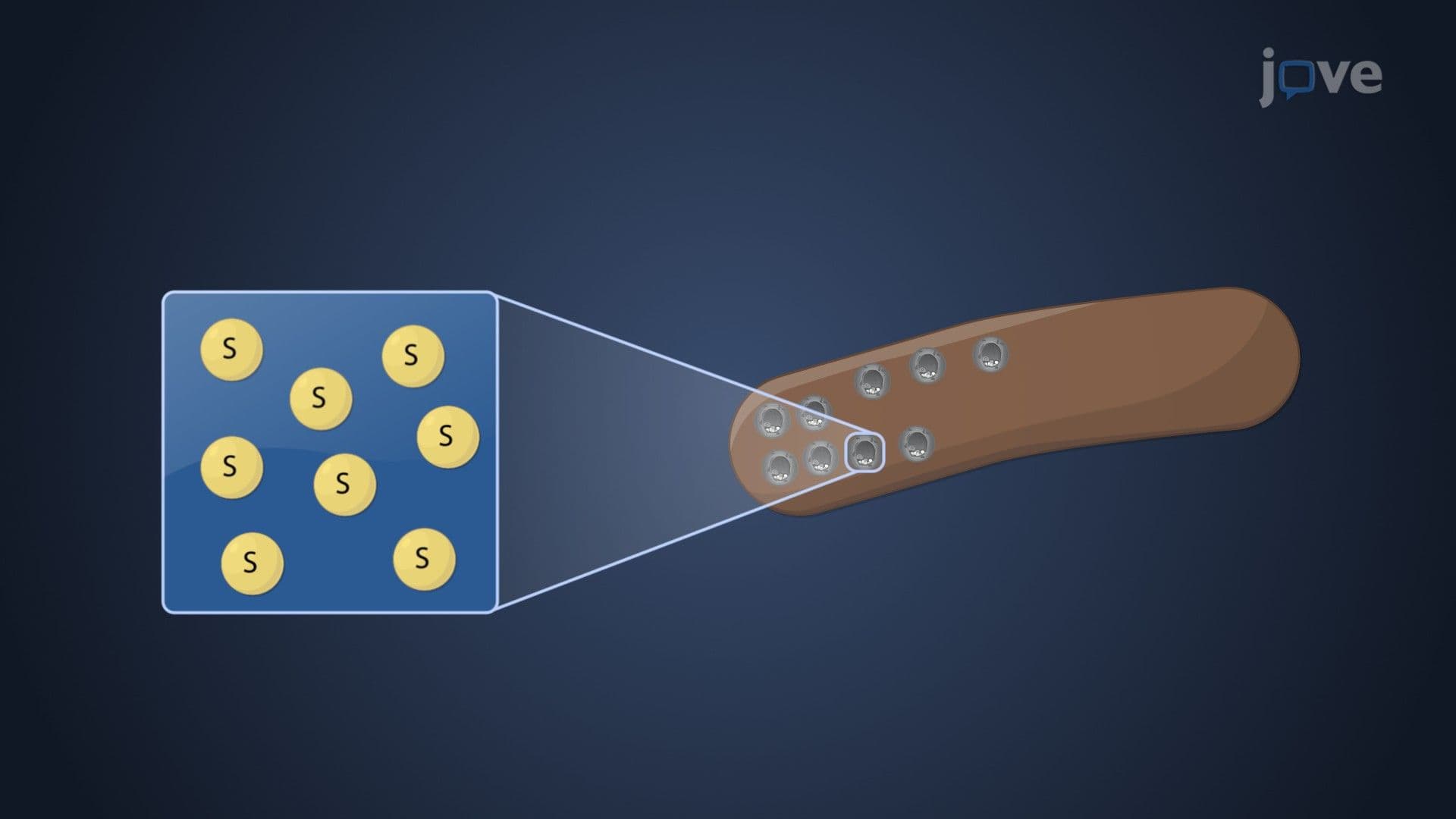

Video Summary: What Is Cell Inclusions
Did you know bacteria can literally navigate using Earth's magnetic field like a biological GPS? Cell inclusions are specialized storage compartments that help microorganisms survive and thrive in challenging environments. From energy-storing granules in soil bacteria found across American farmlands to magnetic navigation systems in aquatic microbes, what is cell inclusions reveals fascinating cellular survival strategies. These microscopic warehouses store everything from nutrients to metabolic byproducts, enabling cells to adapt to changing conditions. Watch the full video on JoVE Coach to master this concept with expert-led visuals and step-by-step explanations.
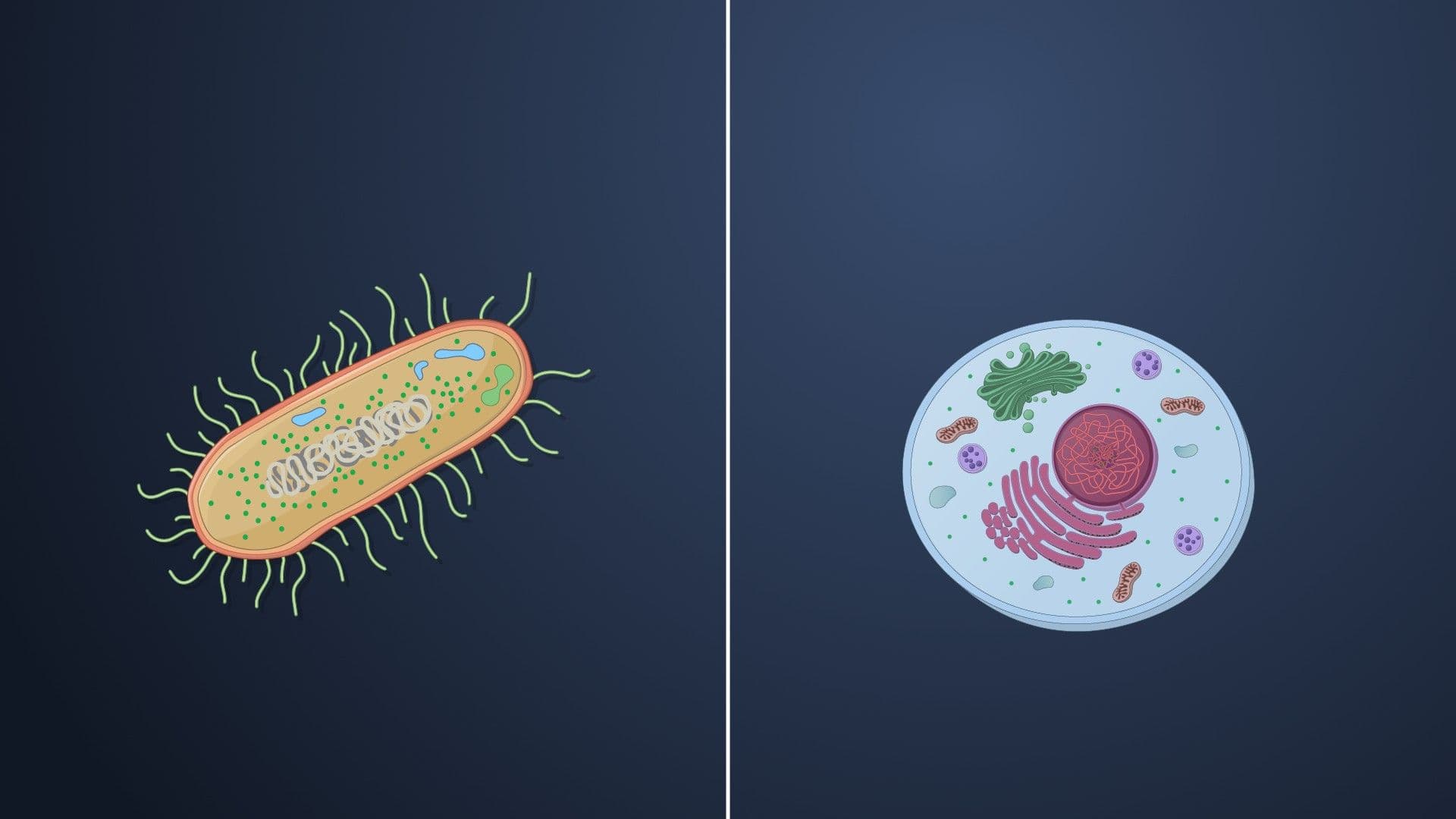
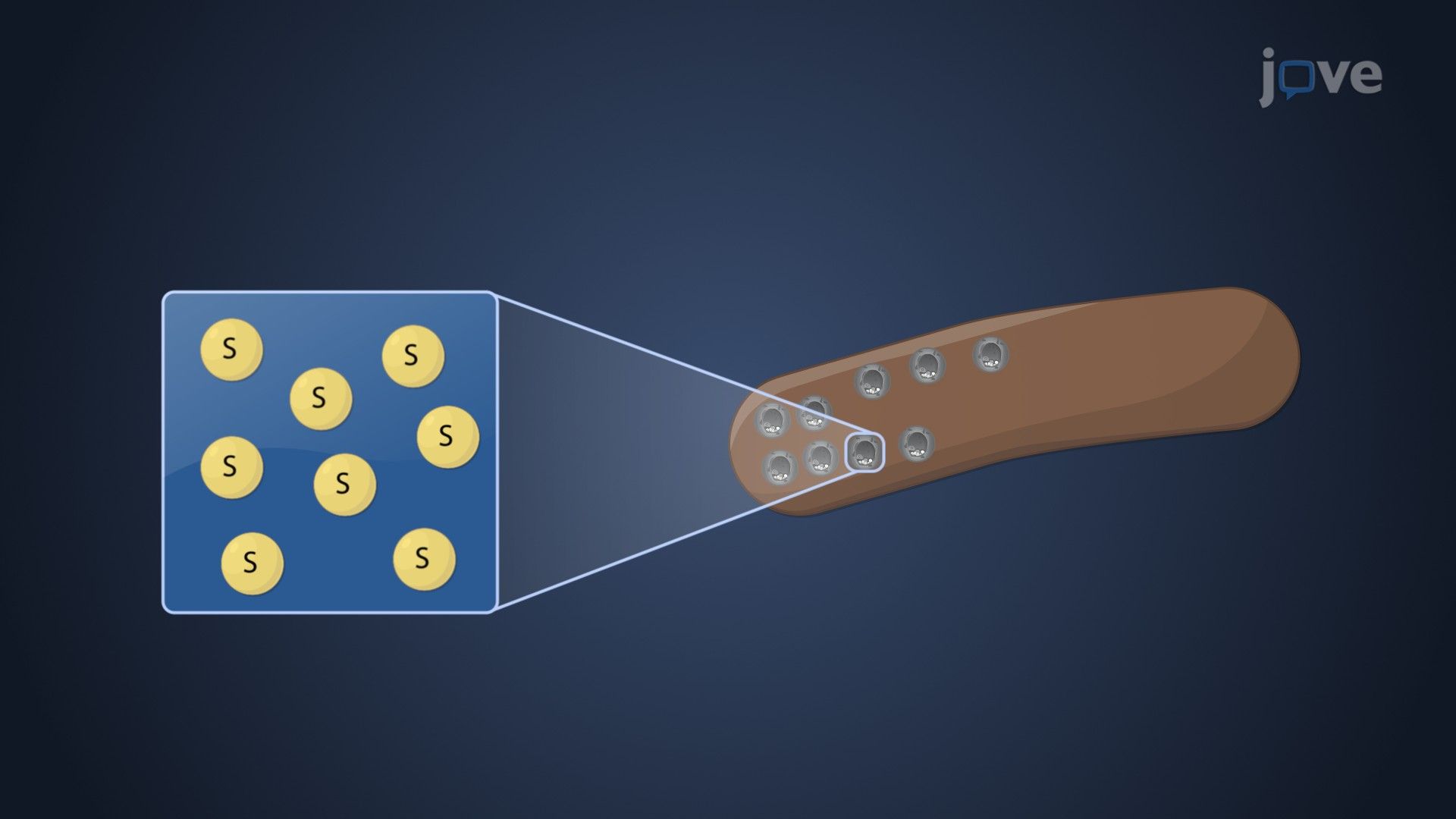
Cell inclusions represent one of nature's most elegant storage solutions, functioning as specialized compartments within prokaryotic cells that house essential nutrients, energy reserves, and metabolic compounds. Unlike membrane-bound organelles found in eukaryotic cells, these structures are typically non-membrane-bound accumulations that serve critical survival functions. Understanding the cell inclusions definition is fundamental for students preparing for AP Biology, college microbiology courses, and pre-med MCAT examinations.
The most common cell inclusions involve energy storage mechanisms. Poly-β-hydroxybutyric acid (PHB) granules represent sophisticated carbon storage systems, particularly abundant in soil bacteria across American agricultural regions like Iowa's corn belt. These lipid polymer structures serve as rapid-access energy sources during periods of carbon limitation. Similarly, glycogen granules provide readily available glucose units, functioning much like the glycogen stored in human liver cells but adapted for prokaryotic metabolism.
Metachromatic granules, also called volutin granules, store polyphosphate compounds essential for ATP synthesis and nucleic acid production. These inclusions are particularly well-studied in Corynebacterium species, bacteria commonly found in clinical settings across US hospitals and research institutions like those at Johns Hopkins and Mayo Clinic.
Beyond energy storage, some cell inclusions serve highly specialized functions. Carboxysomes contain the enzyme RuBisCO, facilitating carbon dioxide fixation in cyanobacteria found in American freshwater systems from the Great Lakes to Florida's Everglades. These protein-encased structures optimize photosynthetic efficiency by concentrating CO2 around the carbon-fixing enzyme.
Gas vacuoles represent remarkable buoyancy control systems, enabling aquatic bacteria to maintain optimal positioning in water columns. These air-filled structures allow organisms to access both light and nutrients efficiently, particularly important in stratified lake systems common throughout the Pacific Northwest and Great Lakes region.
Perhaps most fascinating are magnetosomes, containing magnetite or greigite crystals that function as biological compasses. Found in magnetotactic bacteria like Magnetospirillum, these inclusions align cells with Earth's magnetic field, guiding them toward oxygen-poor sediments in aquatic environments. Research conducted at institutions like UC Berkeley and MIT has revealed how these natural navigation systems inspire biomimetic technologies.
Understanding cell inclusions proves essential for students pursuing healthcare careers, as these structures often serve as diagnostic markers in clinical microbiology. The presence of specific inclusion types can help identify pathogenic bacteria in clinical samples, making this knowledge crucial for MCAT preparation and medical school coursework at institutions like Harvard Medical School and Stanford University School of Medicine.
Related Micro-courses