Loading subject page…

14,638 views

Video Summary: What Is Plasma Membrane
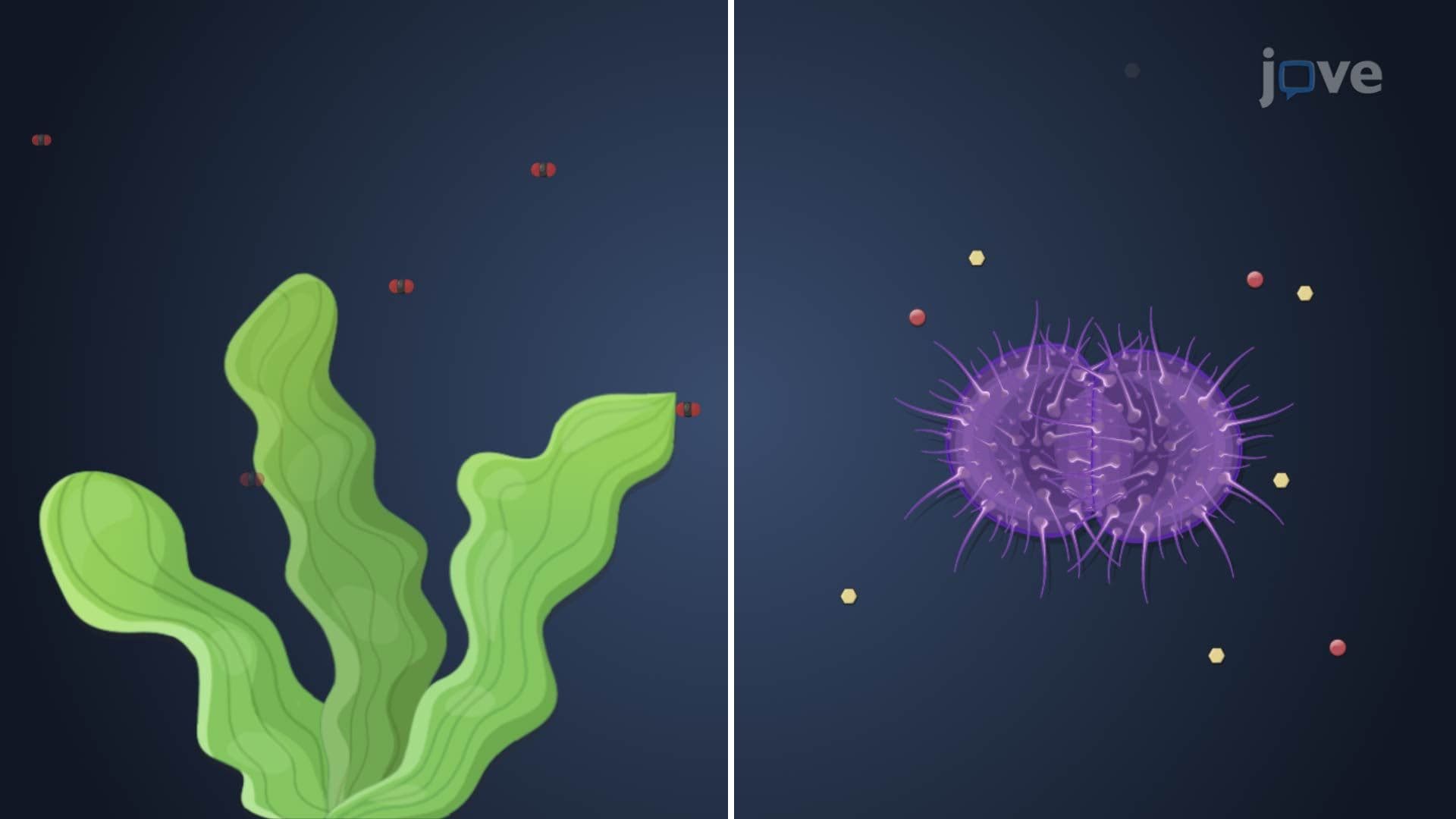
Did you know that every cell in your body-from skin cells to neurons-depends on a microscopic barrier thinner than a soap bubble? The plasma membrane acts as your cell's security guard, controlling what enters and exits with remarkable precision. This selective barrier is essential for life, from the bacteria in your gut microbiome to the cells lining your lungs. Understanding what is plasma membrane reveals how organisms from simple bacteria to complex humans maintain cellular integrity and function. Watch the full video on JoVE Coach to master this concept with expert-led visuals and step-by-step explanations.
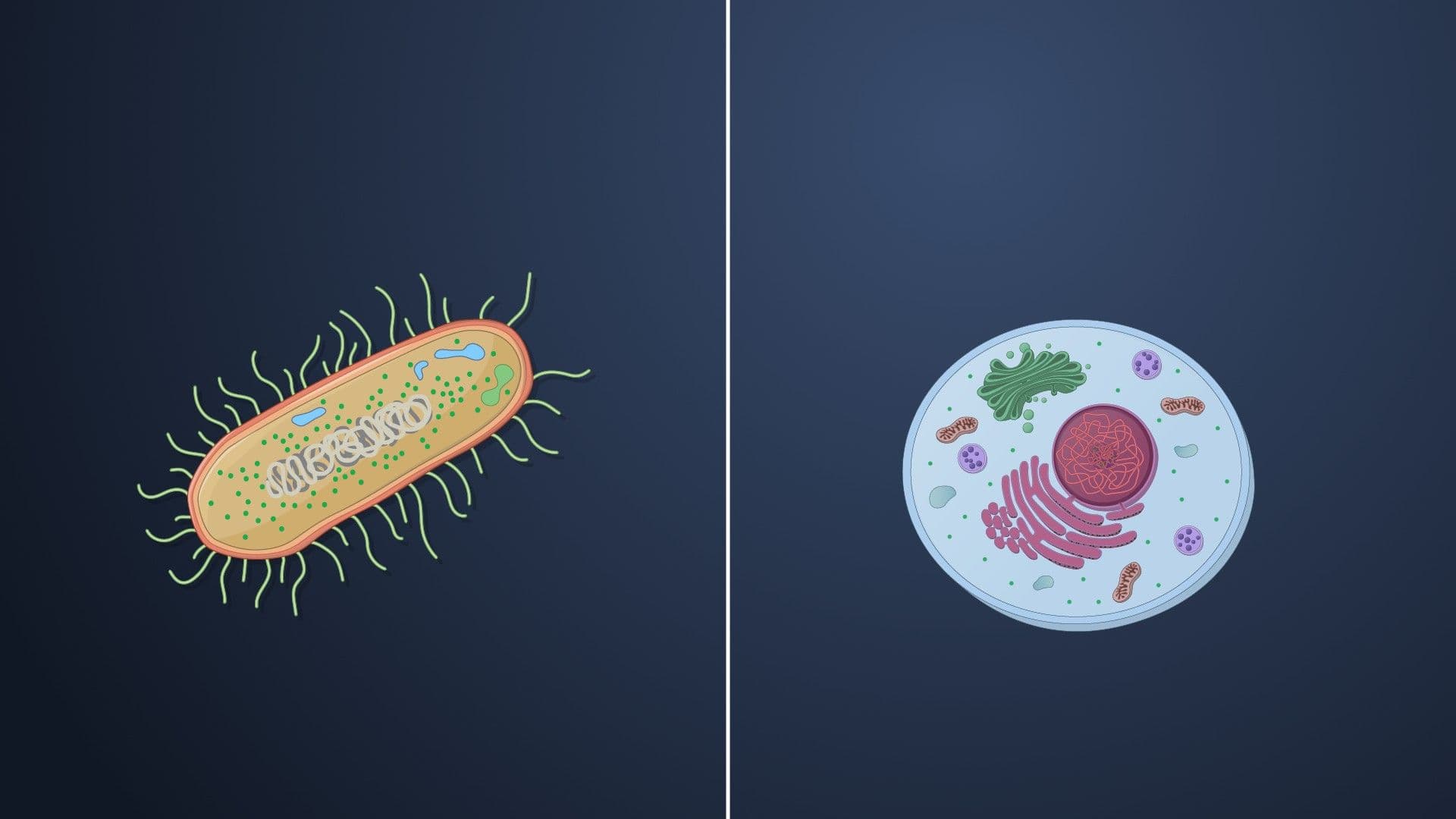
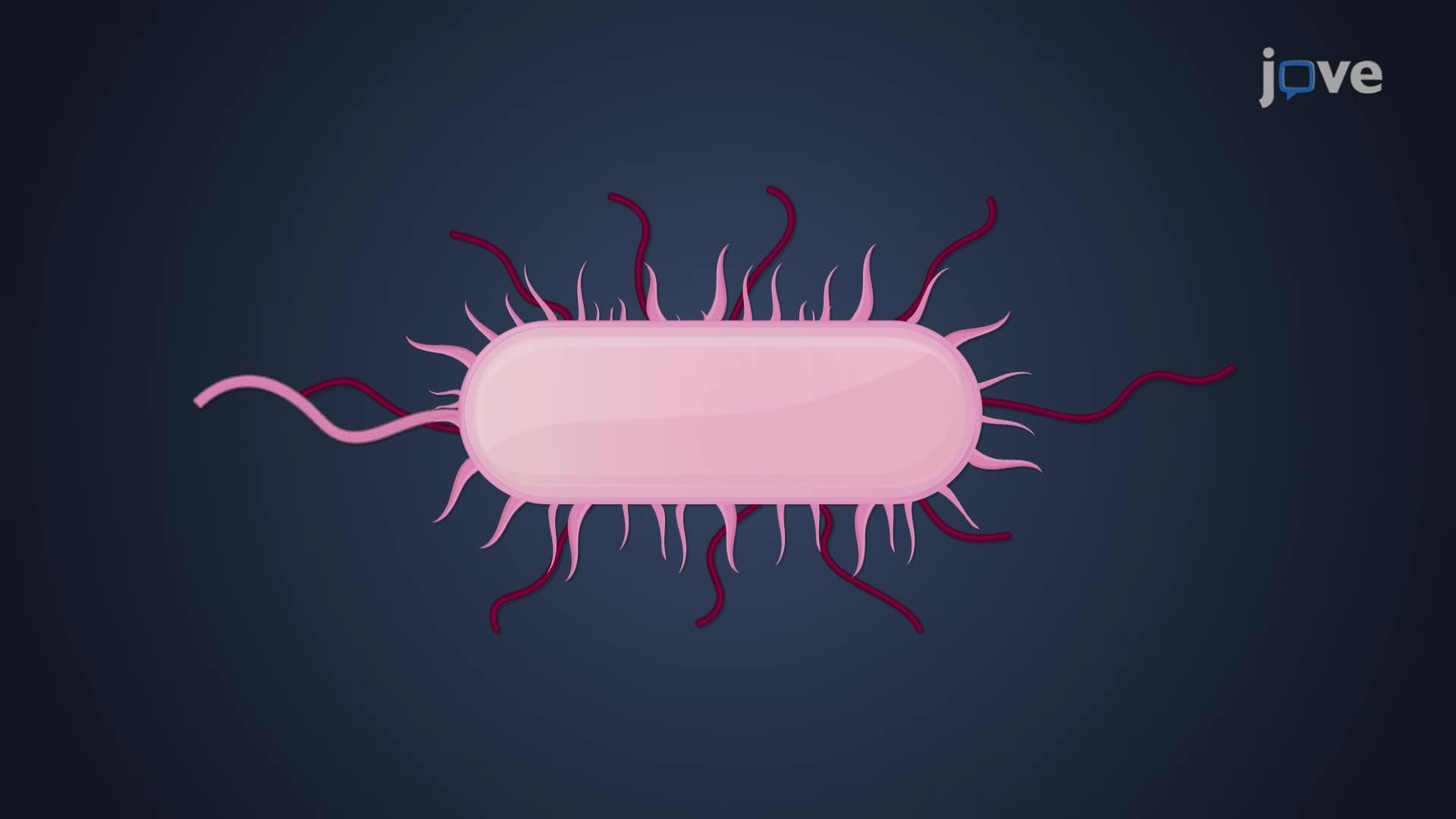
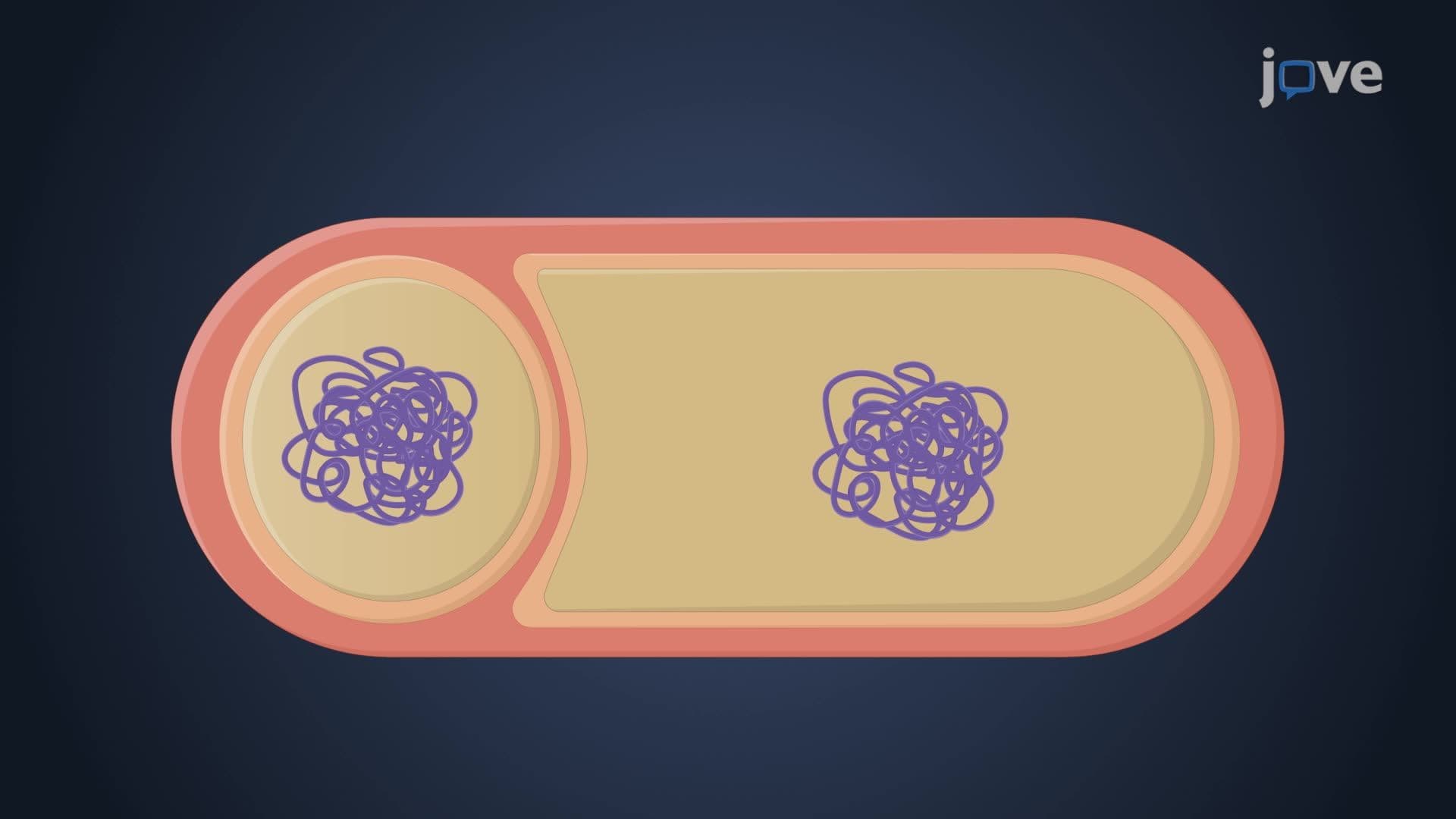
The plasma membrane definition encompasses far more than a simple cellular wrapper. This dynamic structure represents the fundamental boundary that separates living cells from their environment while enabling essential life processes. In prokaryotic organisms like bacteria and archaea, the plasma membrane serves as the innermost protective layer, orchestrating the delicate balance between cellular isolation and environmental interaction.
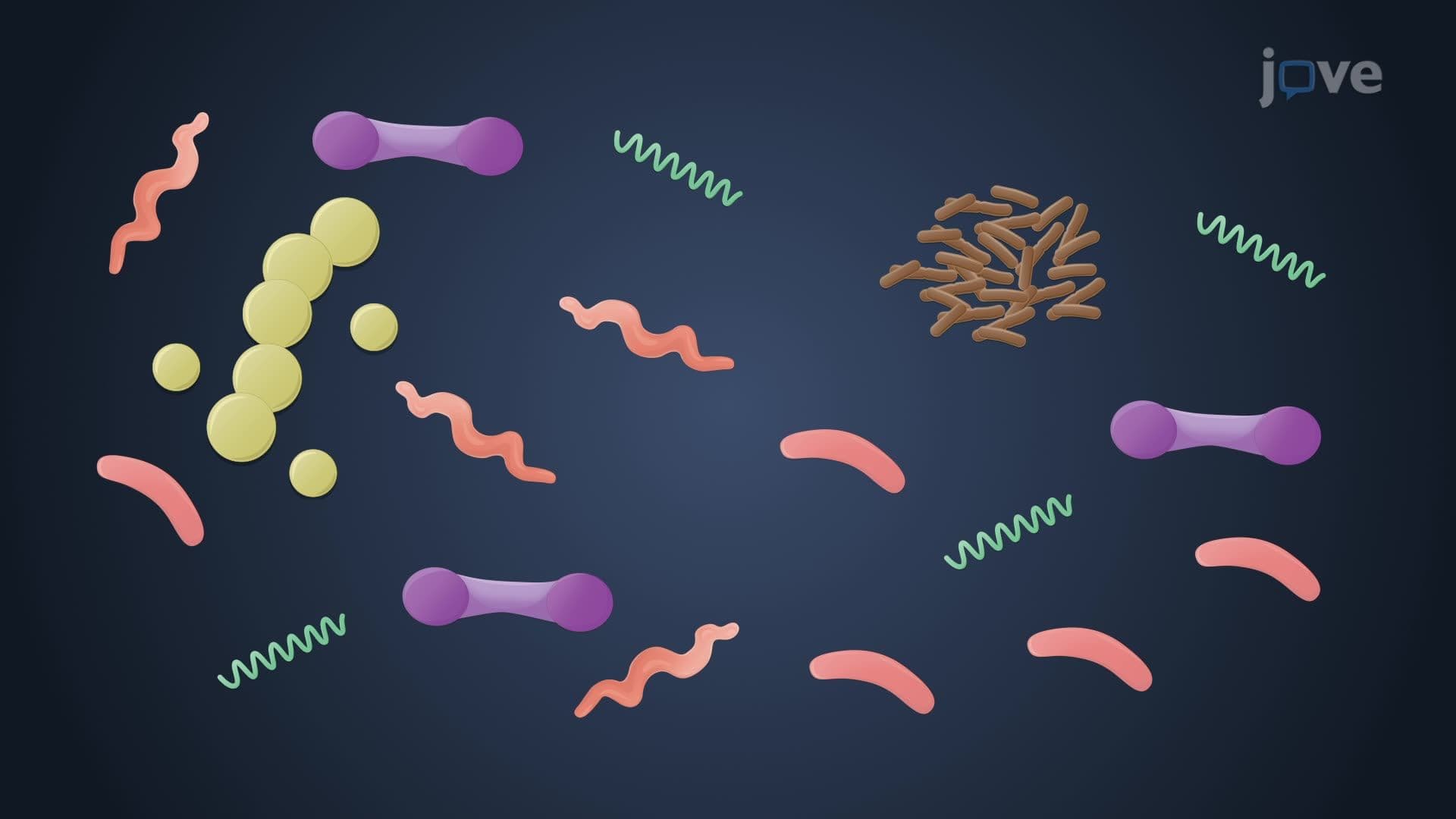
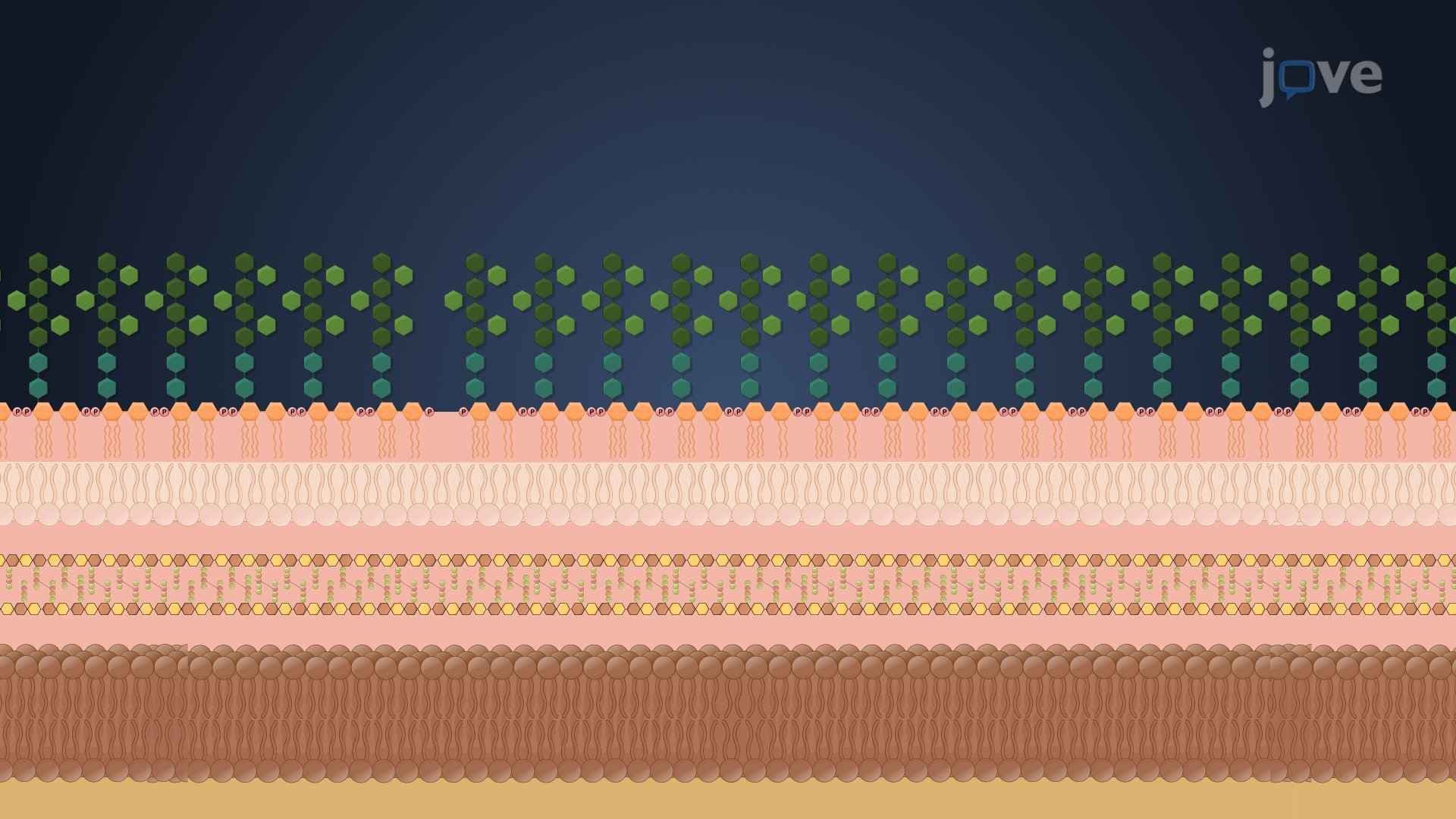
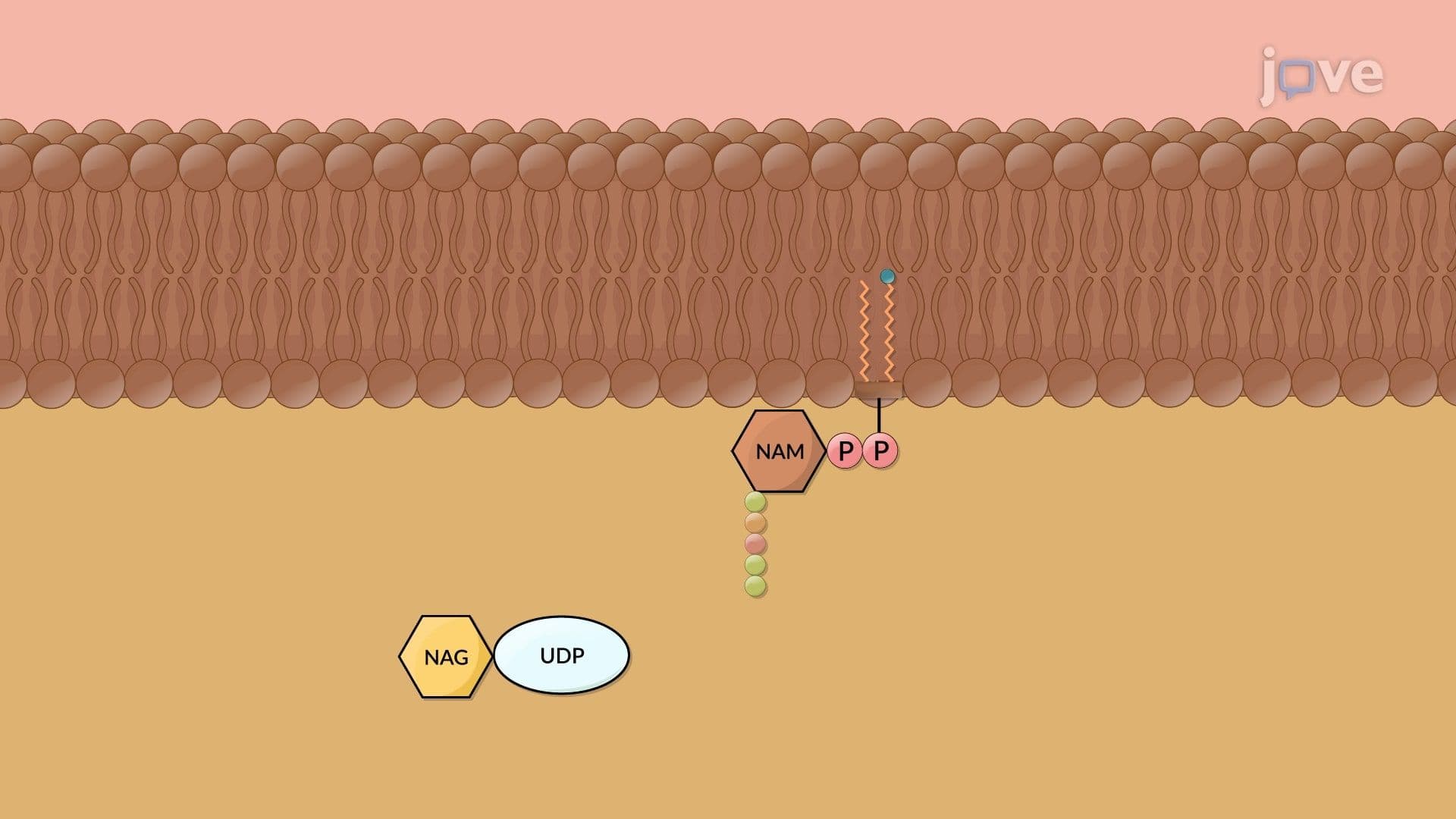
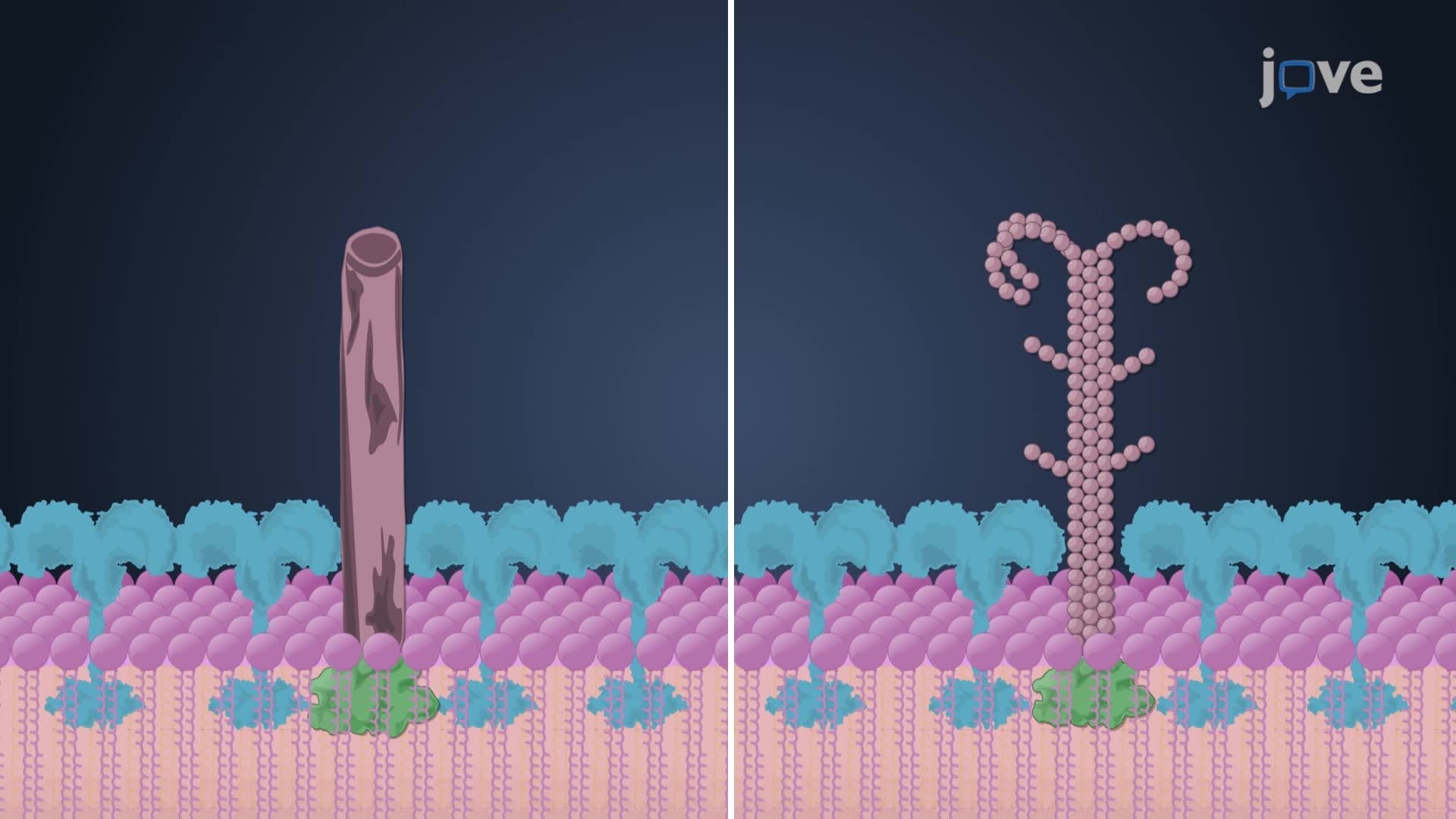
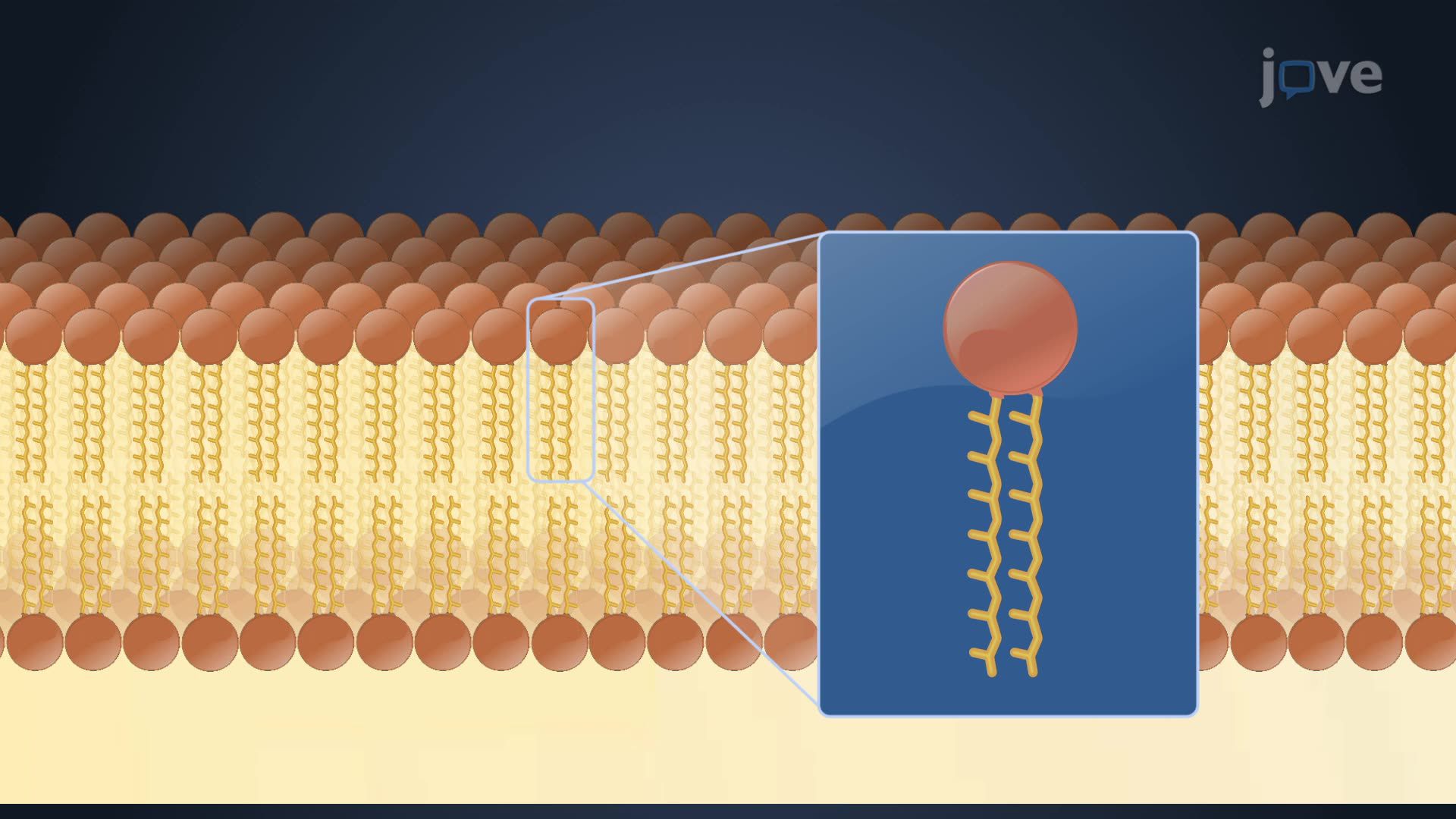
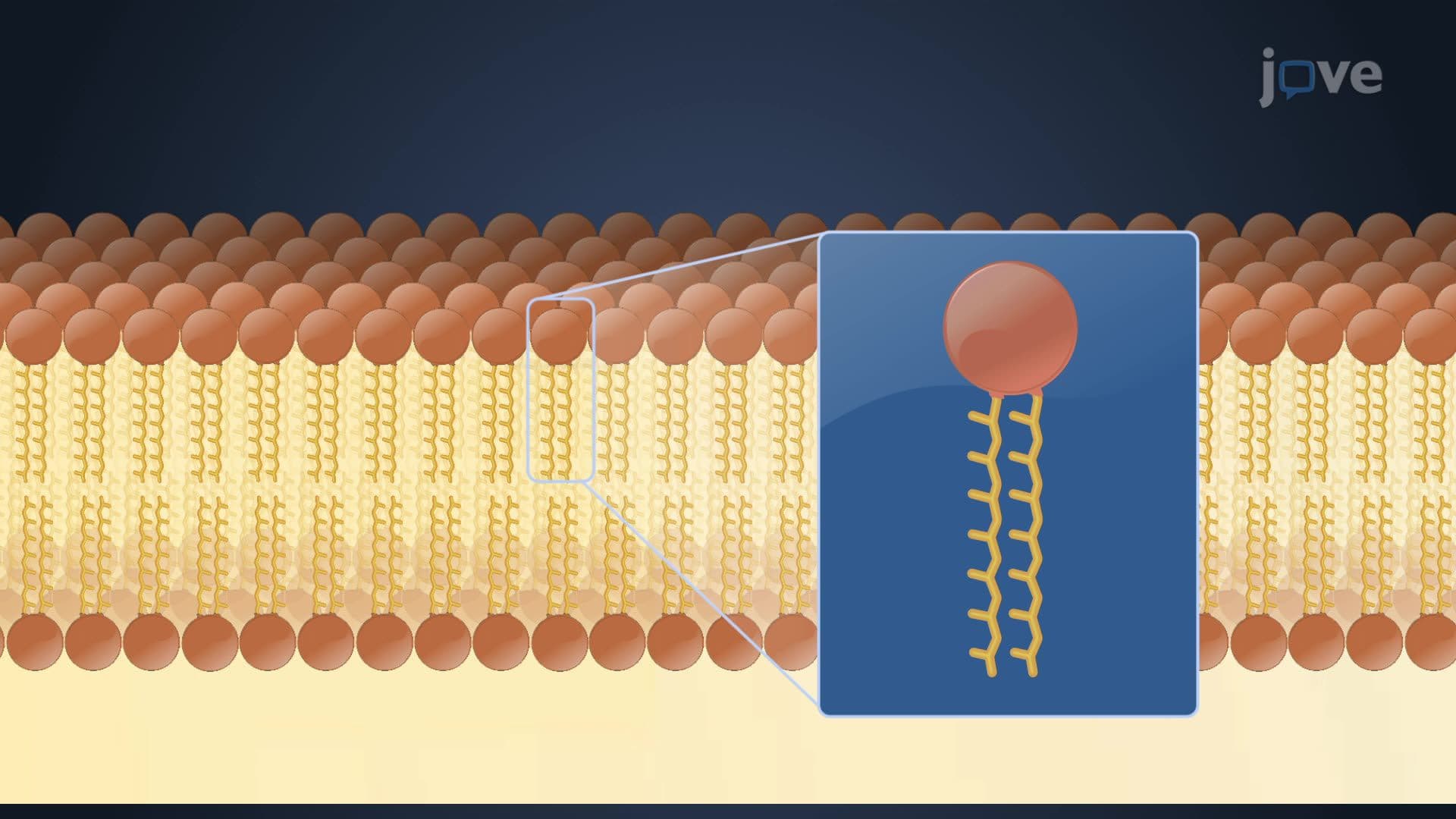
Bacterial cells construct their plasma membranes using phospholipid bilayers, where fatty acid chains attach to glycerol backbones through ester bonds. This arrangement creates the classic "fluid mosaic" structure that students encounter in AP Biology courses. The hydrophilic phosphate heads face outward toward aqueous environments, while hydrophobic fatty acid tails cluster inward, forming the membrane's impermeable core. This design appears in organisms ranging from *E. coli* bacteria studied in college microbiology labs to the beneficial *Lactobacillus* species used in yogurt production across American food industries.
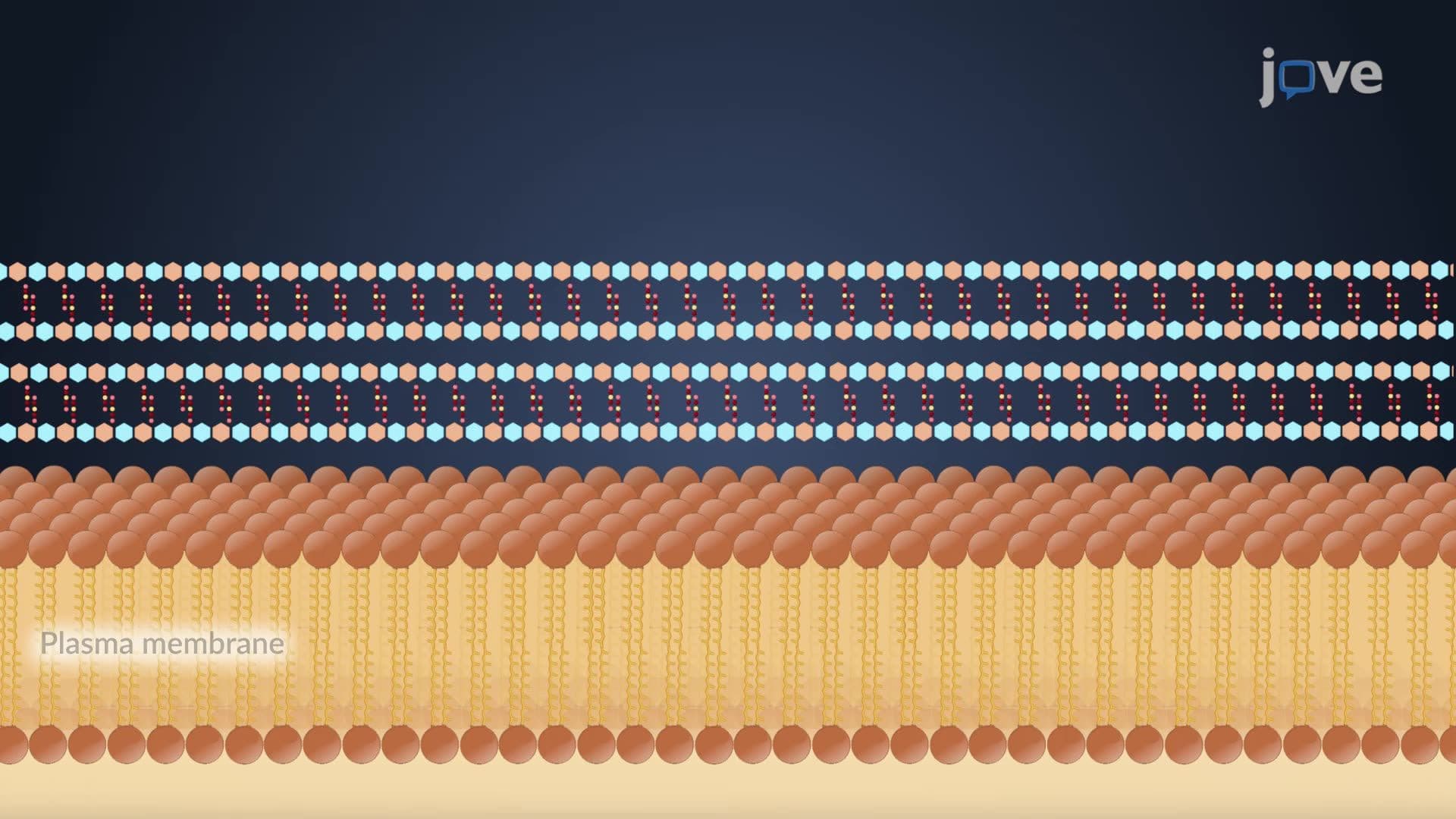
Archaeal plasma membranes demonstrate remarkable evolutionary adaptations that distinguish them from bacterial counterparts. These organisms employ ether bonds rather than ester bonds, creating glycerol diethers and diglycerol tetraethers. The tetraether structures form unique monolayers instead of bilayers, providing exceptional stability. This adaptation proves crucial for archaea thriving in extreme environments, such as the hot springs of Yellowstone National Park, where temperatures exceed 80°C. The cyclic ring structures, including crenarchaeol found in marine archaea, reduce membrane fluidity and enhance chemical resistance-concepts frequently tested on MCAT biochemistry sections.
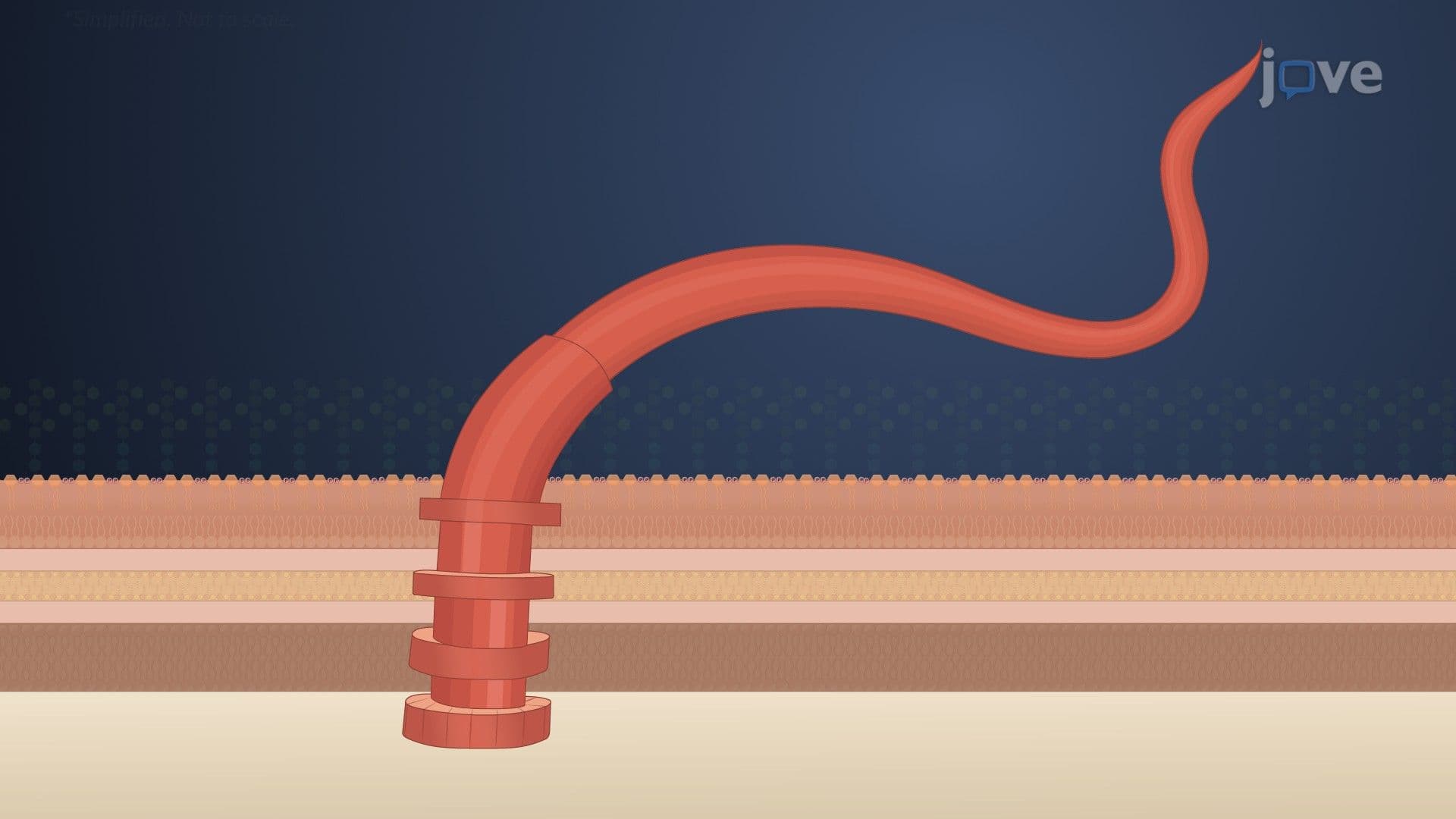
Both bacterial and archaeal membranes incorporate integral and peripheral proteins that facilitate transport mechanisms essential for cellular survival. Integral proteins span the entire membrane thickness, creating channels and carriers for specific molecules. Peripheral proteins associate with membrane surfaces, often serving regulatory functions. These protein systems enable passive transport (diffusion, osmosis) and active transport (requiring ATP energy), processes that medical students encounter in USMLE Step 1 examinations when studying cellular physiology and pathology.
Related Micro-courses