Loading concepts…


11 Concepts
13 Concepts
26 Concepts
13 Concepts
6 Concepts
31 Concepts
37 Concepts
10 Concepts
7 Concepts
22 Concepts
11 Concepts
11 Concepts
22 Concepts
16 Concepts
11 Concepts
15 Concepts
14 Concepts
12 Concepts
9 Concepts
 13 Concepts
 11K Views
 Popular topics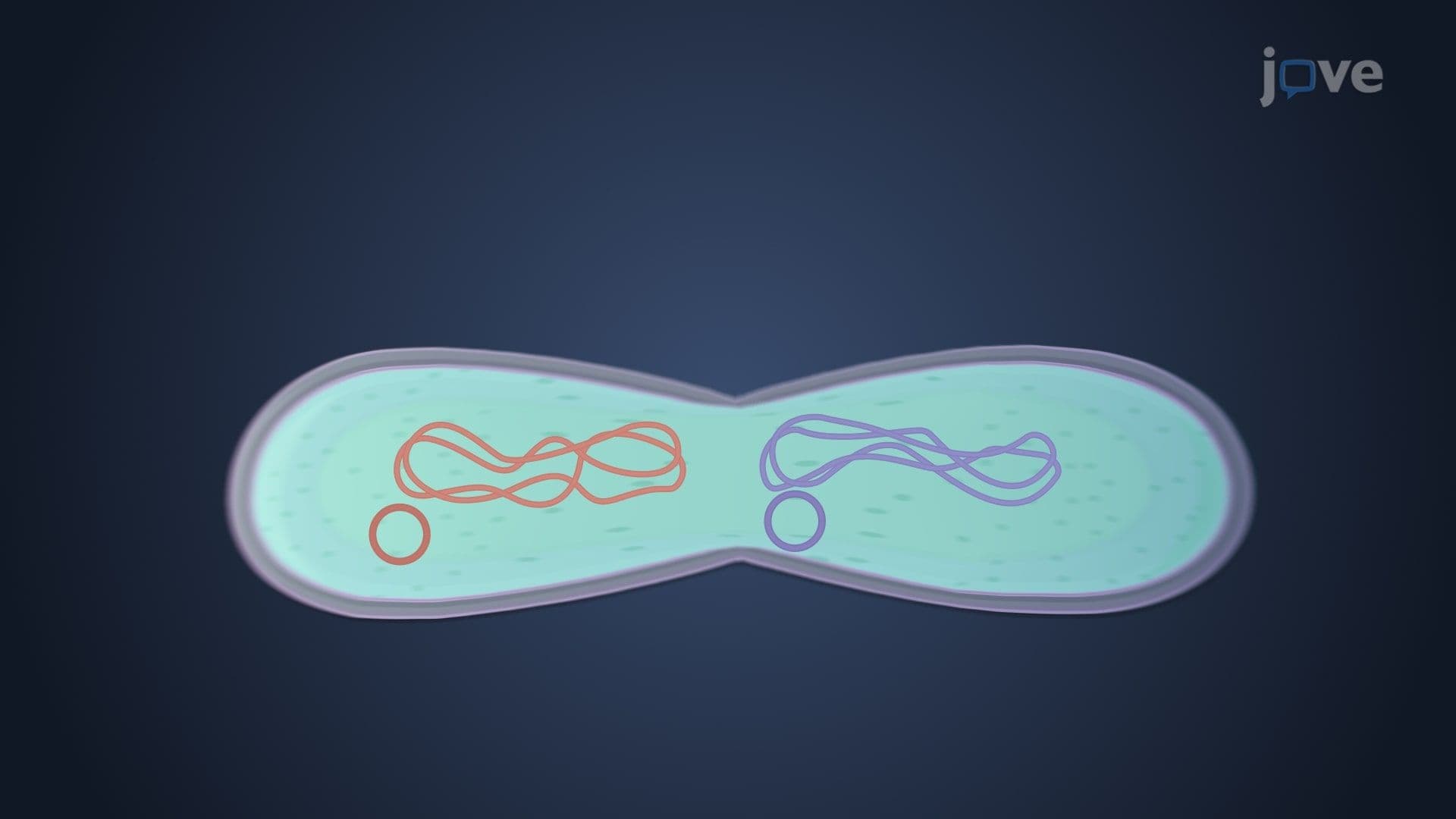
Microbial growth encompasses the complex processes by which bacteria and other microorganisms reproduce and multiply in various environments. This comprehensive course, available through JoVE Coach, examines bacterial growth phases from the initial lag phase through exponential growth, stationary phase, and decline phase. Students explore generation time calculations, growth measurement techniques, culture media selection, and environmental factors affecting microbial growth including pH, temperature, and osmolarity-all essential concepts for understanding microbial behavior in clinical, laboratory, and environmental settings across the United States.
1. Binary Fission and Generation Time: Binary fission represents the fundamental mechanism by which prokaryotic cells like E. coli reproduce asexually, creating two genetically identical daughter cells through DNA replication, cell elongation, and septum formation. Generation time varies dramatically among species-E. coli divides every 20 minutes under optimal conditions, while Mycobacterium tuberculosis requires 12-24 hours. Students learn to calculate generation time using the formula g = t/n, where t represents total growth time and n equals the number of generations. Understanding these concepts proves essential for predicting bacterial spread in infections and optimizing laboratory culture conditions in American healthcare and research facilities.
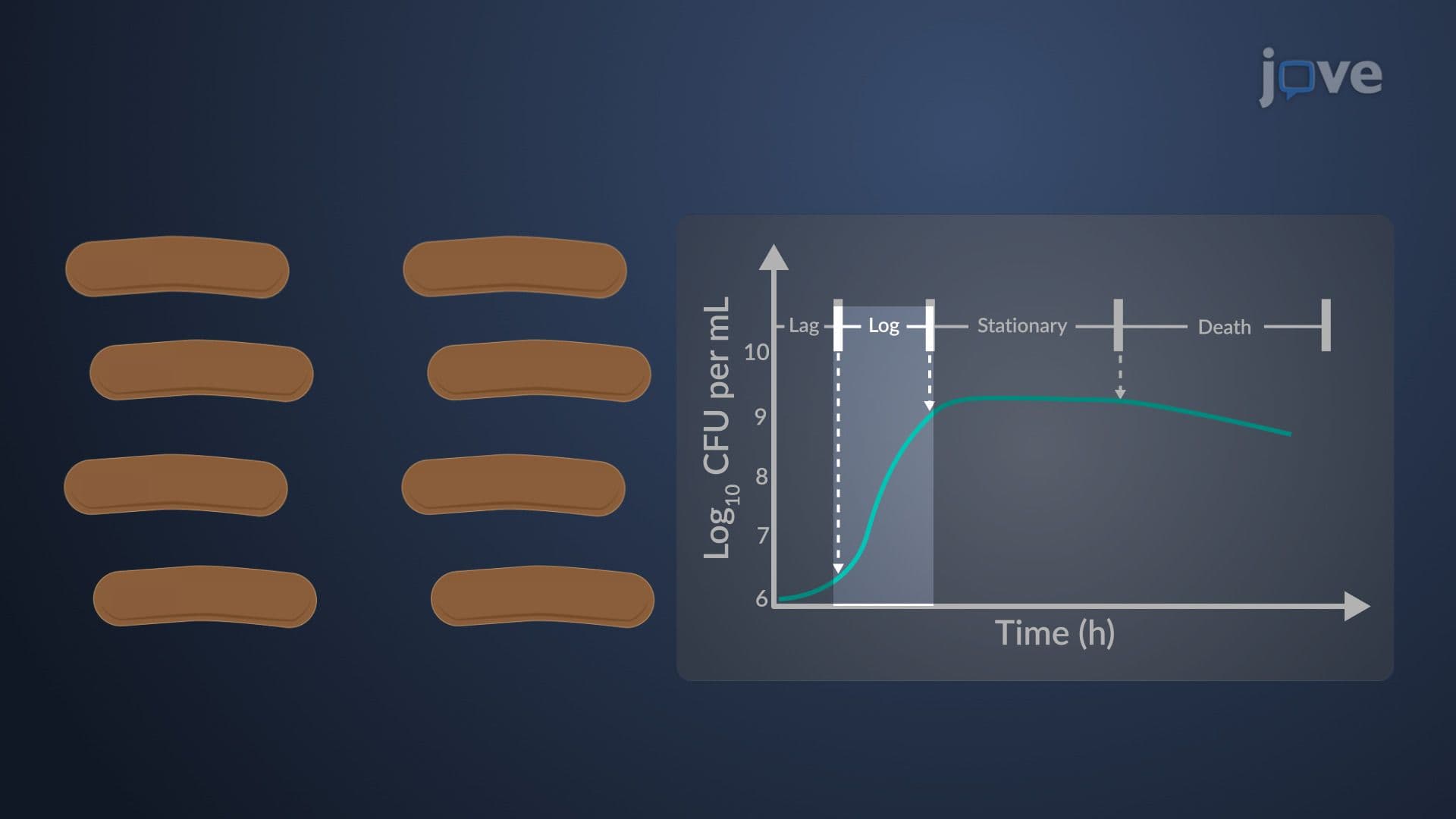
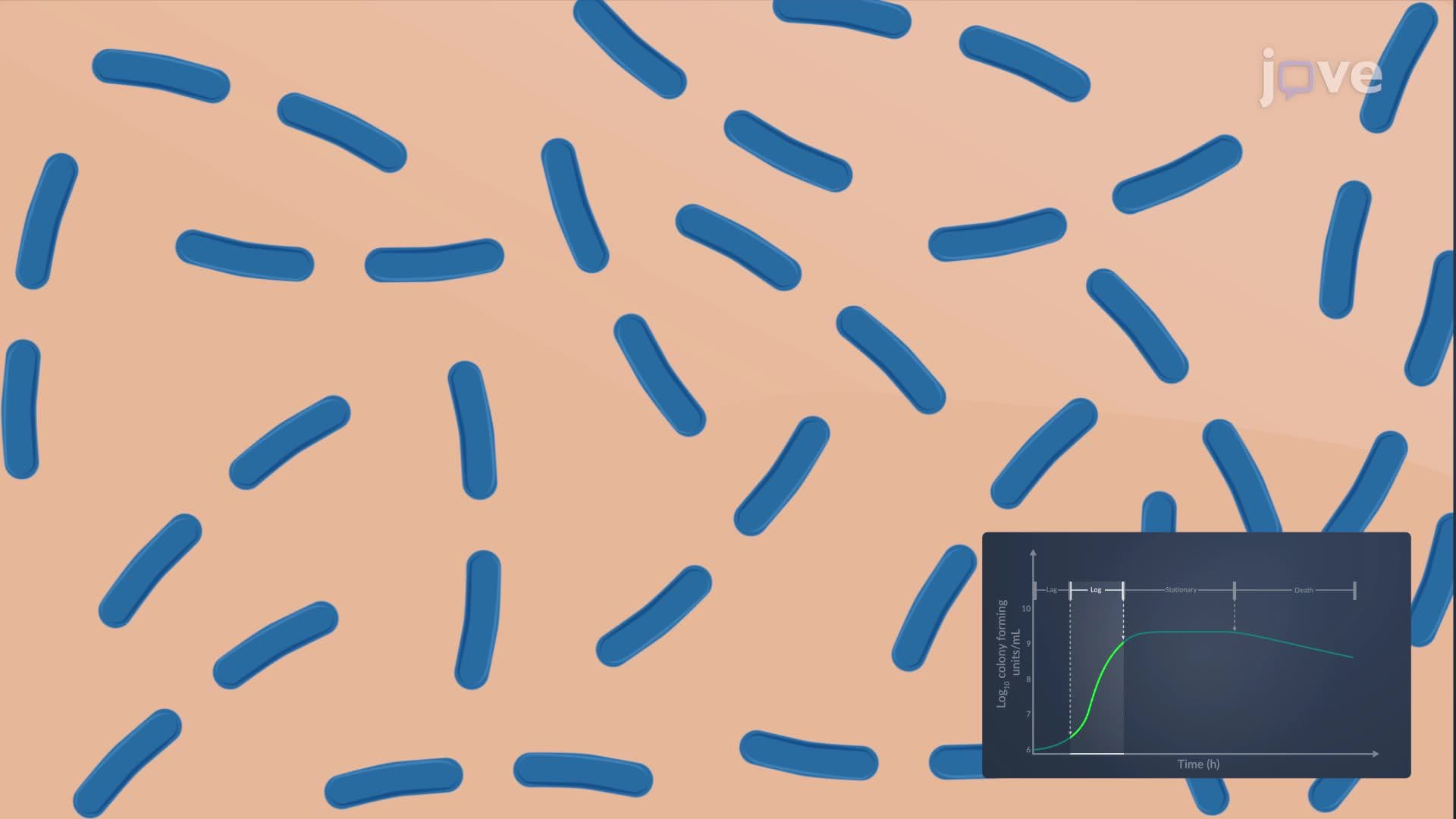
2. Bacterial Growth Phases and Growth Curves: The bacterial growth curve illustrates four distinct phases that occur in closed laboratory systems. During the lag phase, bacteria adapt to new environments by synthesizing essential enzymes without significant cell division increases. The exponential growth phase represents optimal conditions where bacteria divide at maximum rates, doubling populations at regular intervals. The stationary phase occurs when nutrient depletion balances cell division with cell death, maintaining stable population numbers. Finally, the decline phase shows population decreases as resources become exhausted and toxic byproducts accumulate. These phases help American laboratories predict bacterial behavior, optimize fermentation processes, and develop effective antimicrobial strategies.
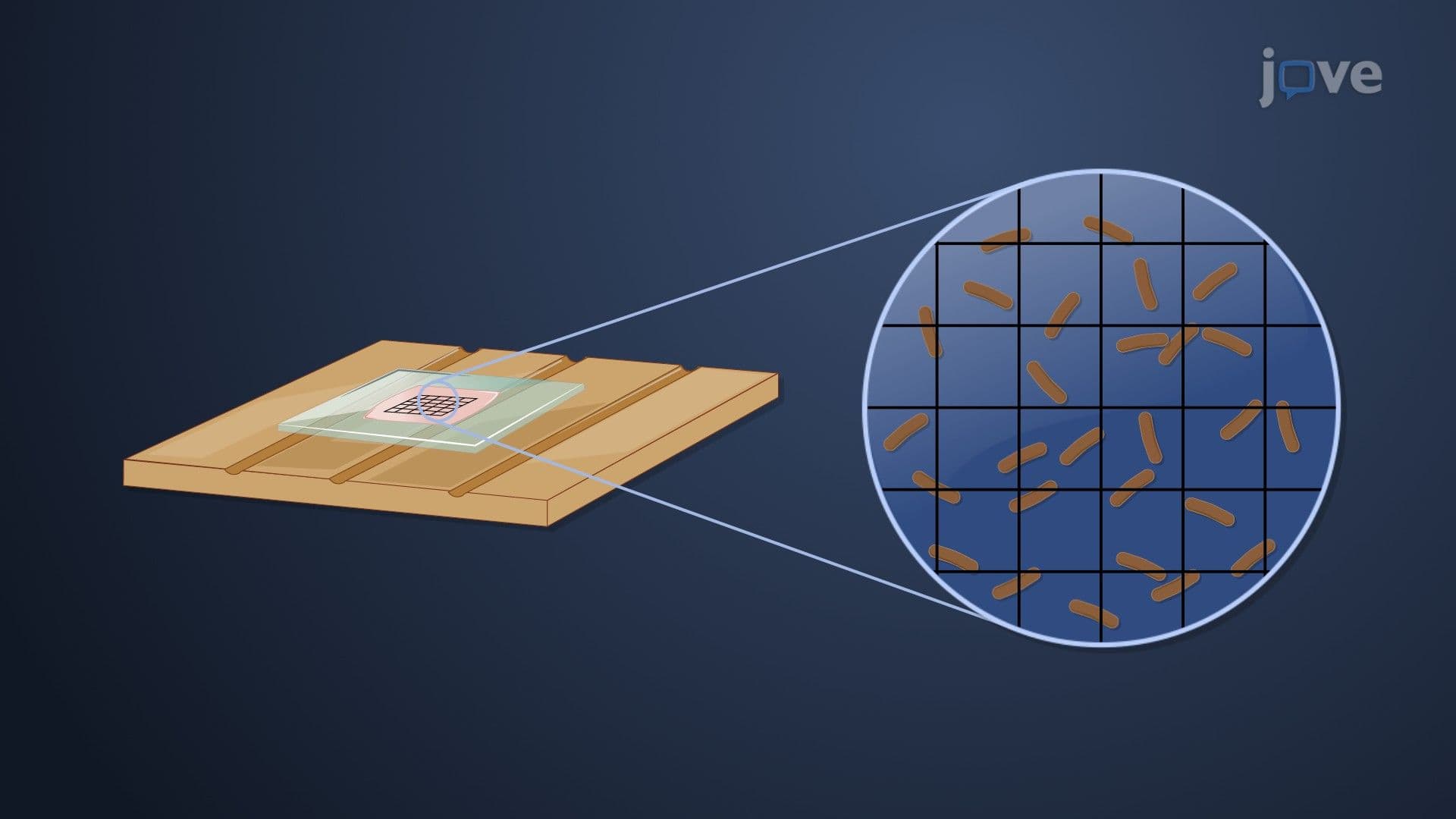
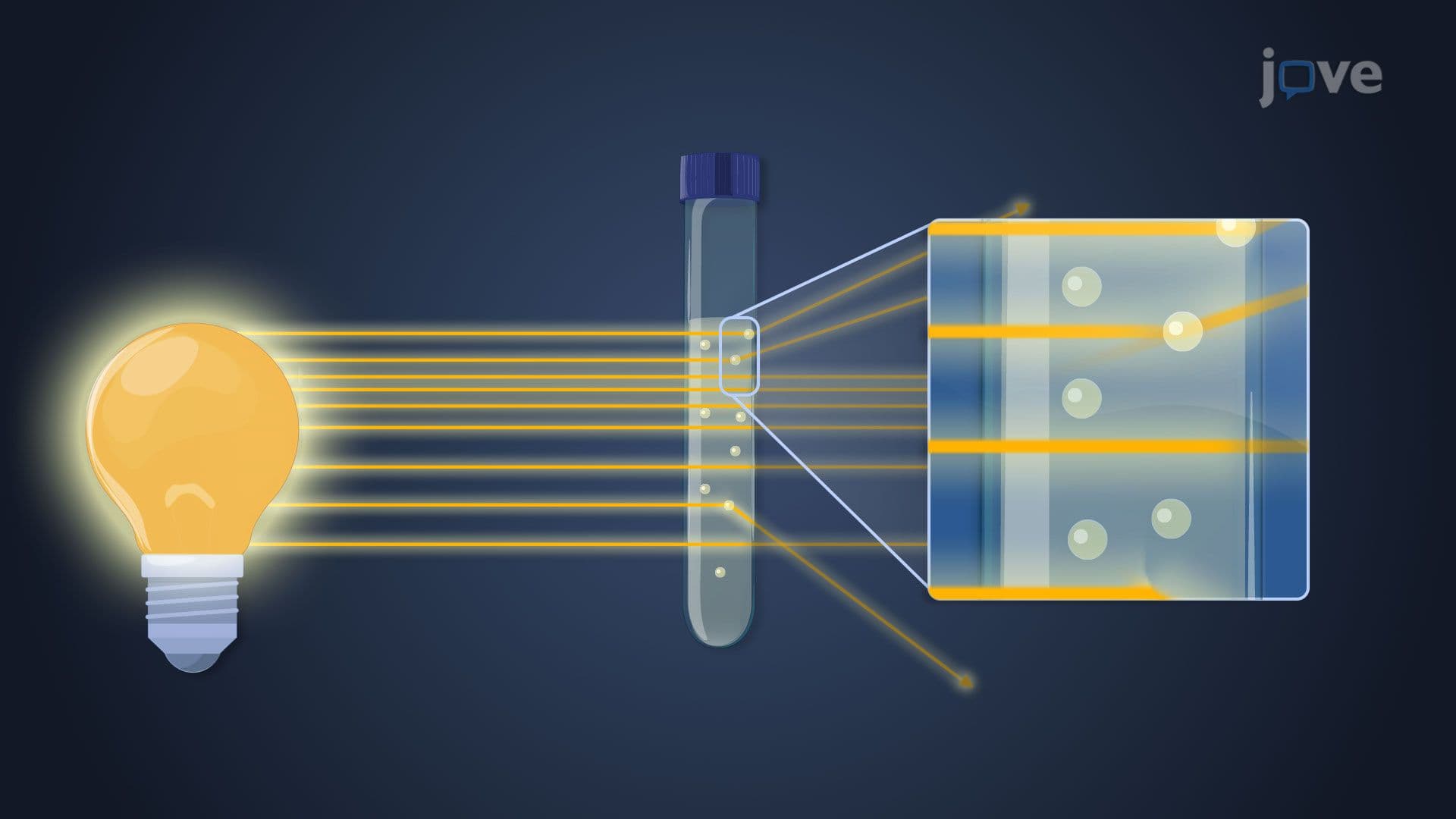
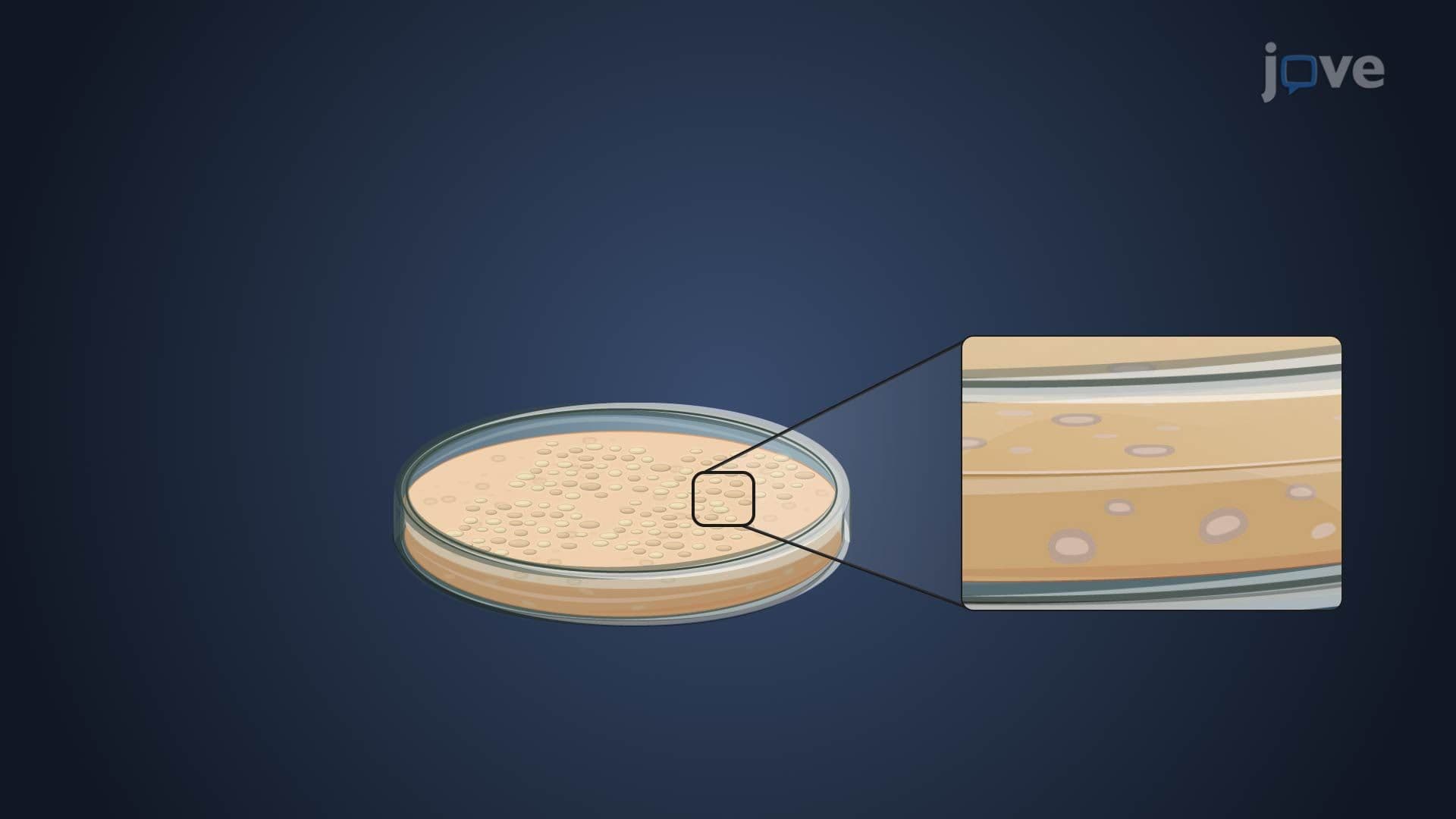
3. Growth Measurement Techniques: Direct methods involve physically counting cells using specialized equipment like Petroff-Hausser chambers or performing plate counts with serial dilutions to determine colony-forming units. Plate counting assumes each viable cell produces one colony, requiring careful dilution calculations to achieve countable ranges between 30-300 colonies per plate. Indirect methods measure turbidity using spectrophotometers, metabolic byproducts like acid or carbon dioxide, or dry weight for filamentous organisms. American clinical laboratories routinely use these techniques for diagnosing infections, monitoring treatment effectiveness, and ensuring food safety standards throughout the healthcare and food industries.
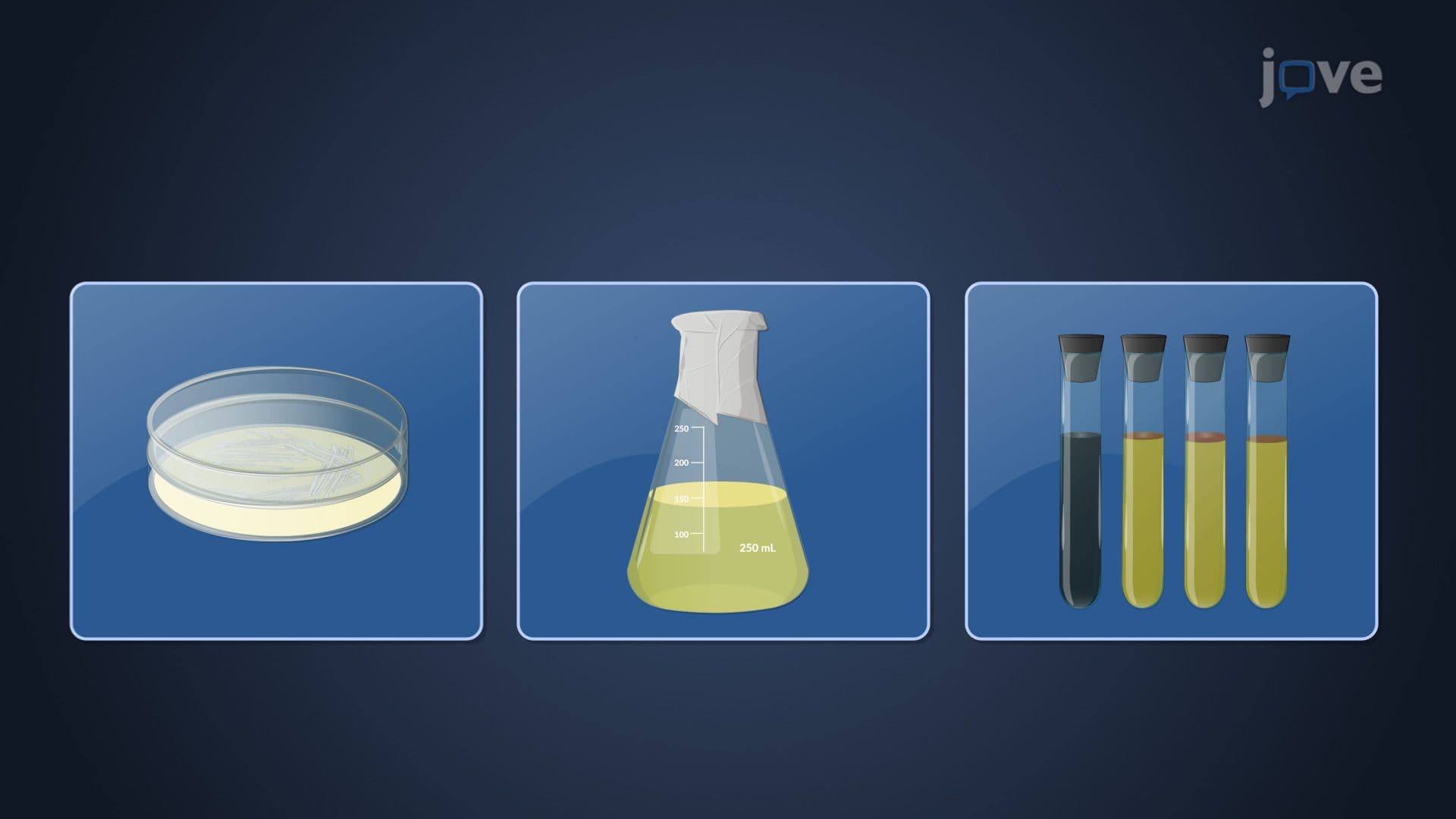
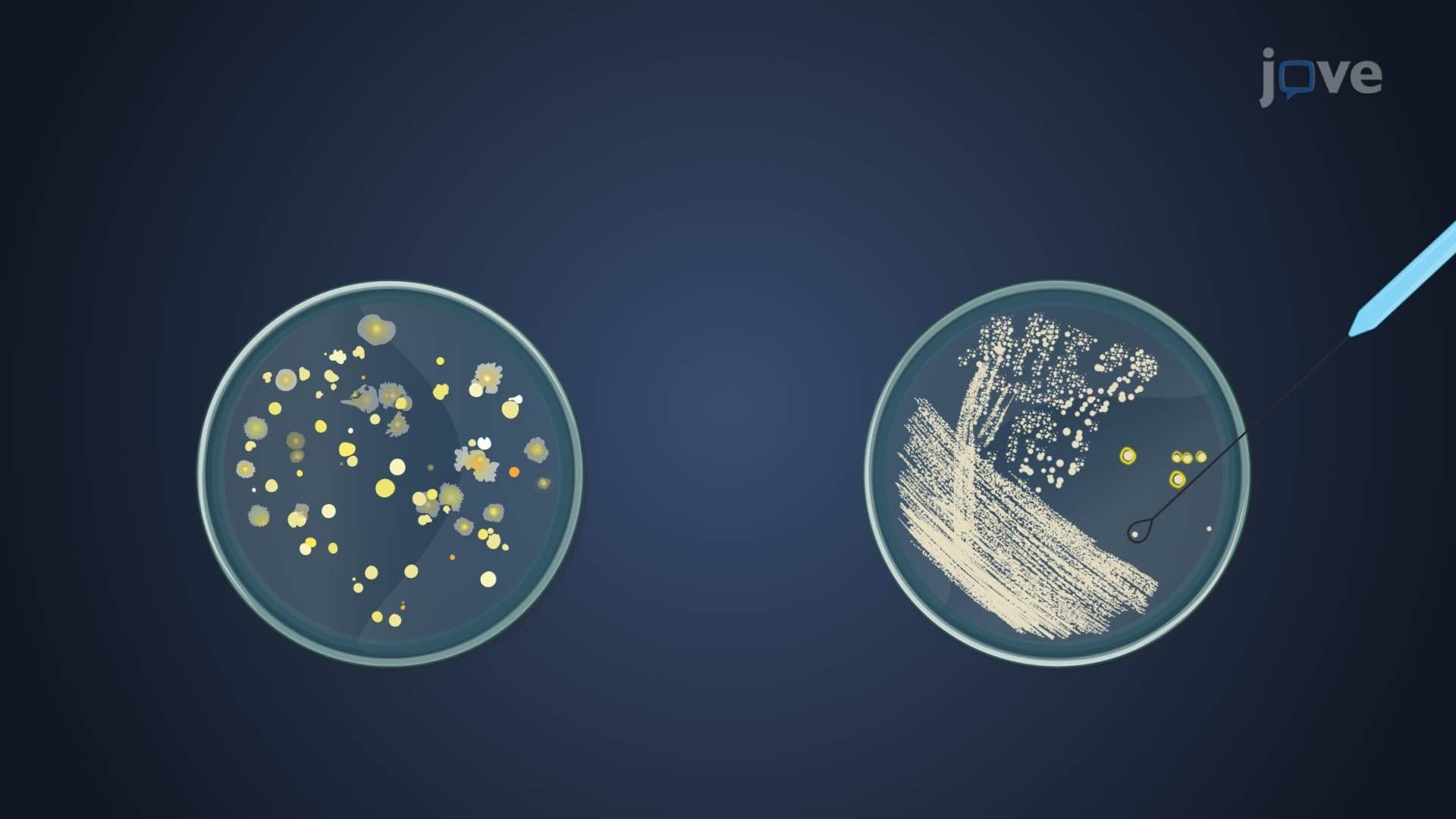
4. Growth Media and Pure Culture Isolation: Microbial growth requires appropriate media containing necessary nutrients, which can be chemically defined like minimal salts agar or complex like nutrient broth containing undefined components. Selective media like MacConkey agar inhibit unwanted organisms while promoting target bacteria, while differential media reveal metabolic characteristics through visible changes. Pure culture isolation uses streak-plate, spread-plate, or pour-plate methods to separate individual organisms from mixed populations. American microbiology laboratories depend on these techniques for accurate disease diagnosis, pharmaceutical development, and biotechnology applications including enzyme production and biofuel development in industrial settings.
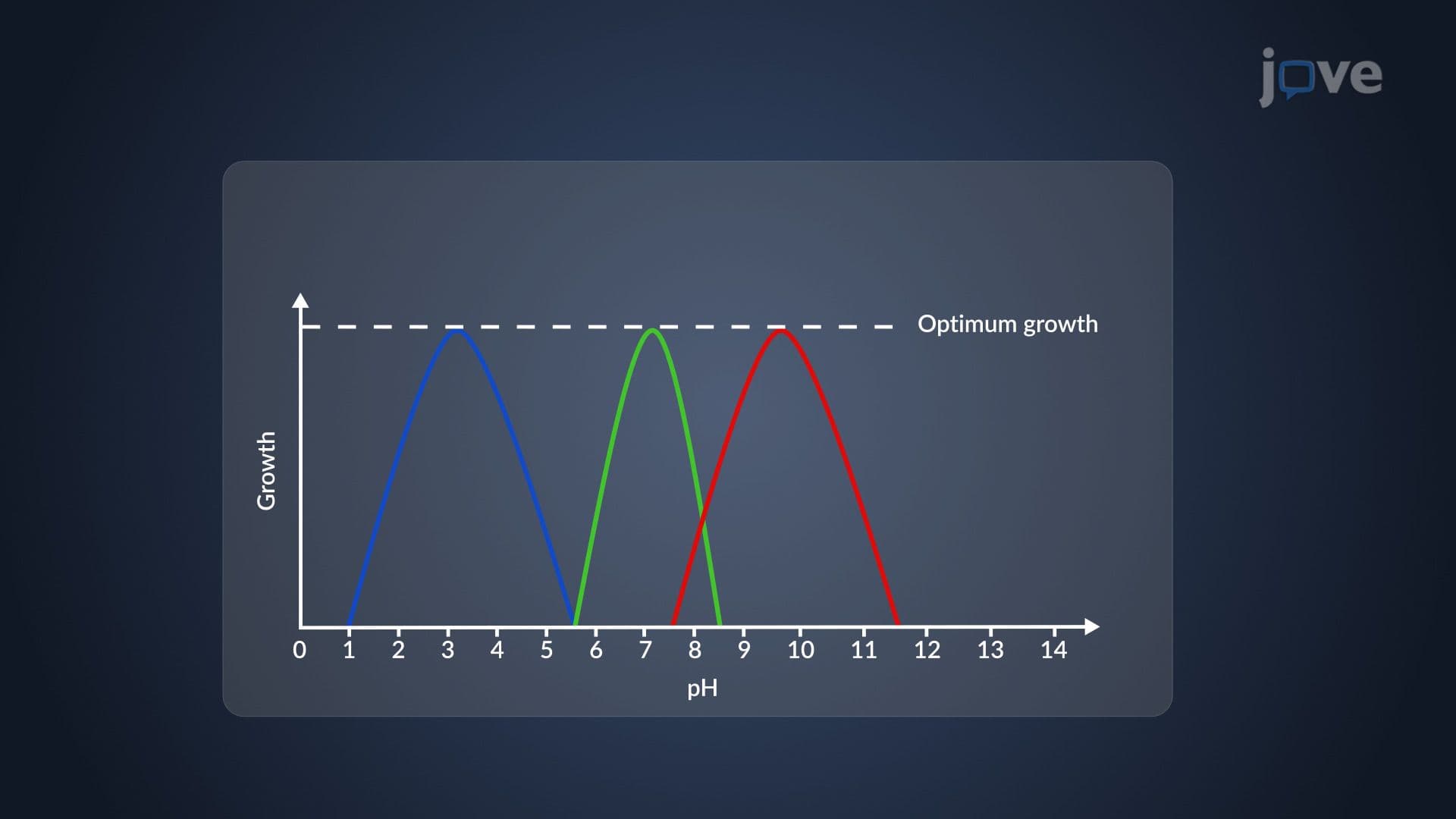
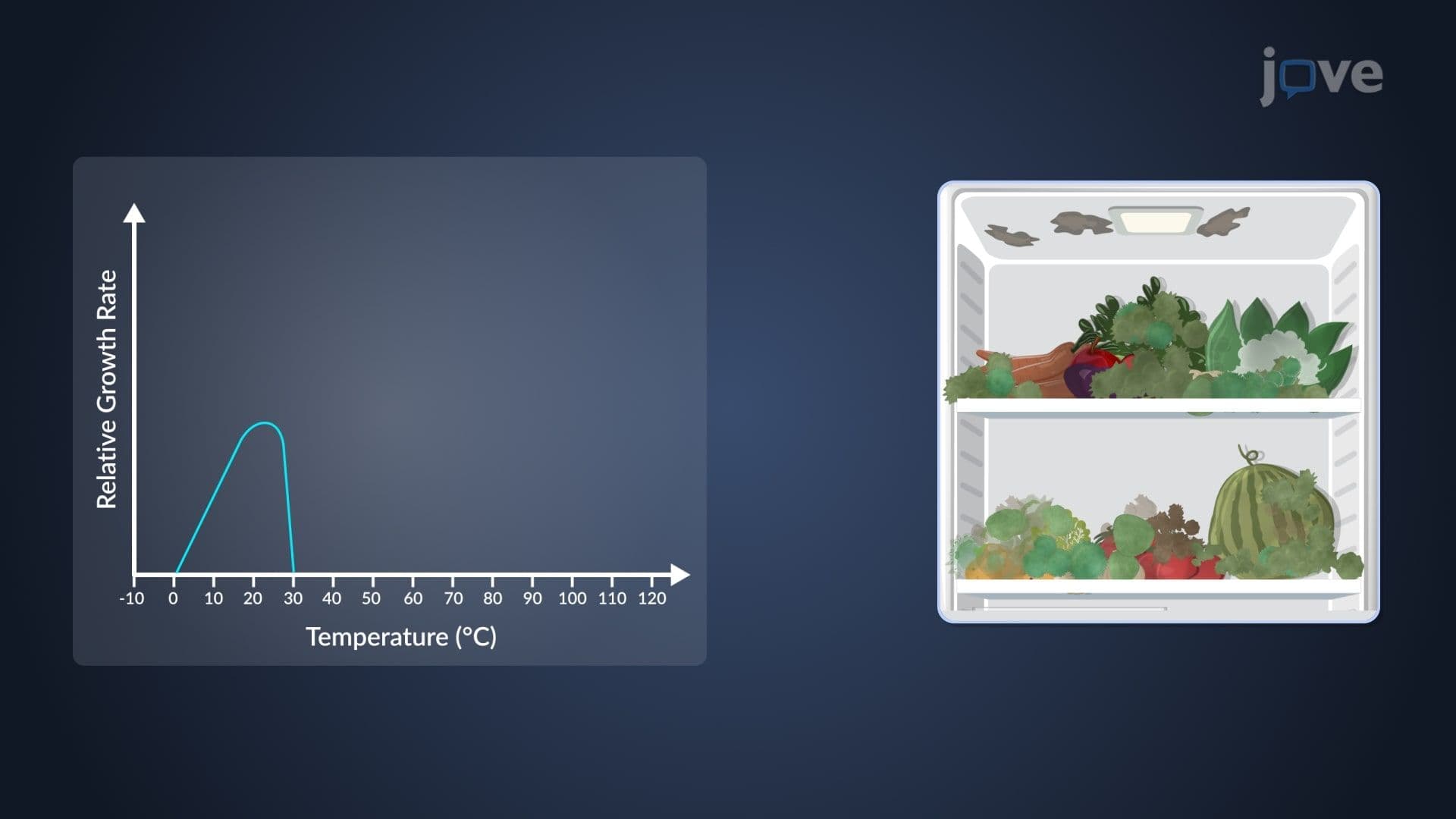
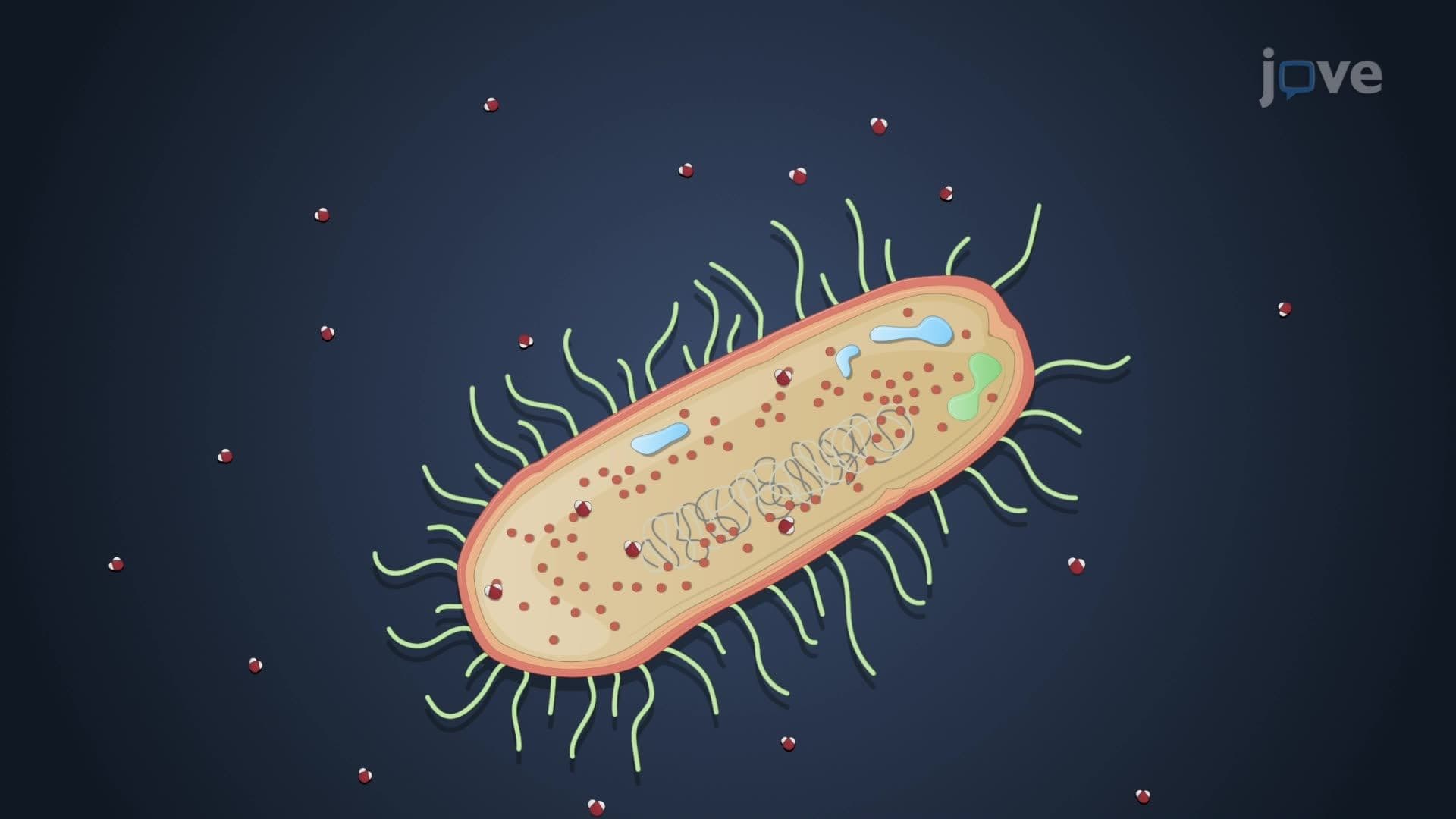
5. Environmental Factors Affecting Growth: pH requirements classify microorganisms as acidophiles (pH 0-5.5), neutrophiles (pH 5.5-8.0), or alkaliphiles (pH >8.0), with most human pathogens preferring neutral conditions. Temperature classifications include psychrophiles thriving in cold environments, mesophiles like E. coli growing optimally around human body temperature, and thermophiles surviving extreme heat. Osmolarity affects water availability, with halophiles requiring high salt concentrations and osmophiles tolerating high sugar levels. Understanding these factors enables American healthcare professionals to control microbial growth in clinical settings, optimize laboratory conditions, and predict pathogen survival in various environmental conditions.
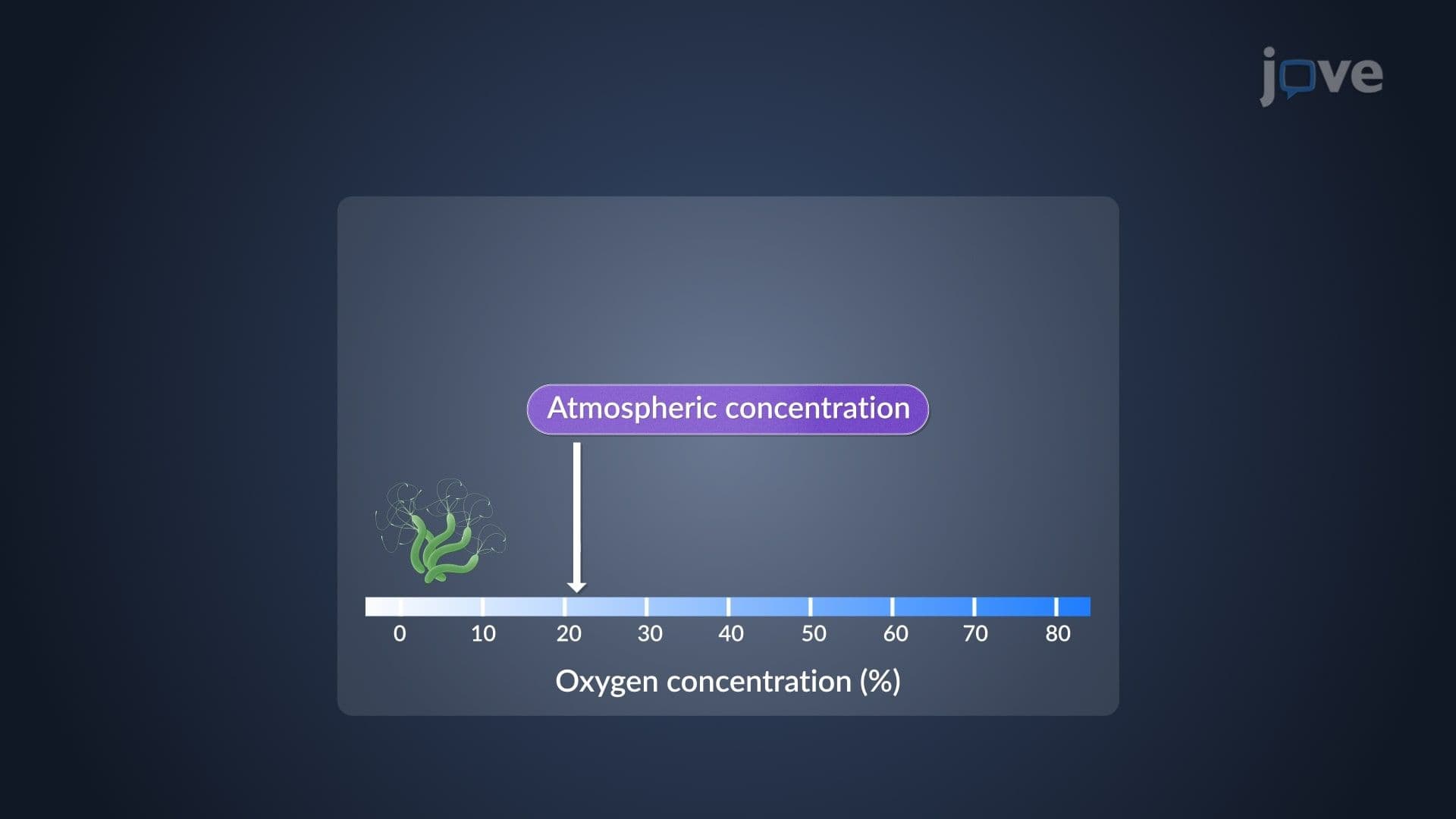
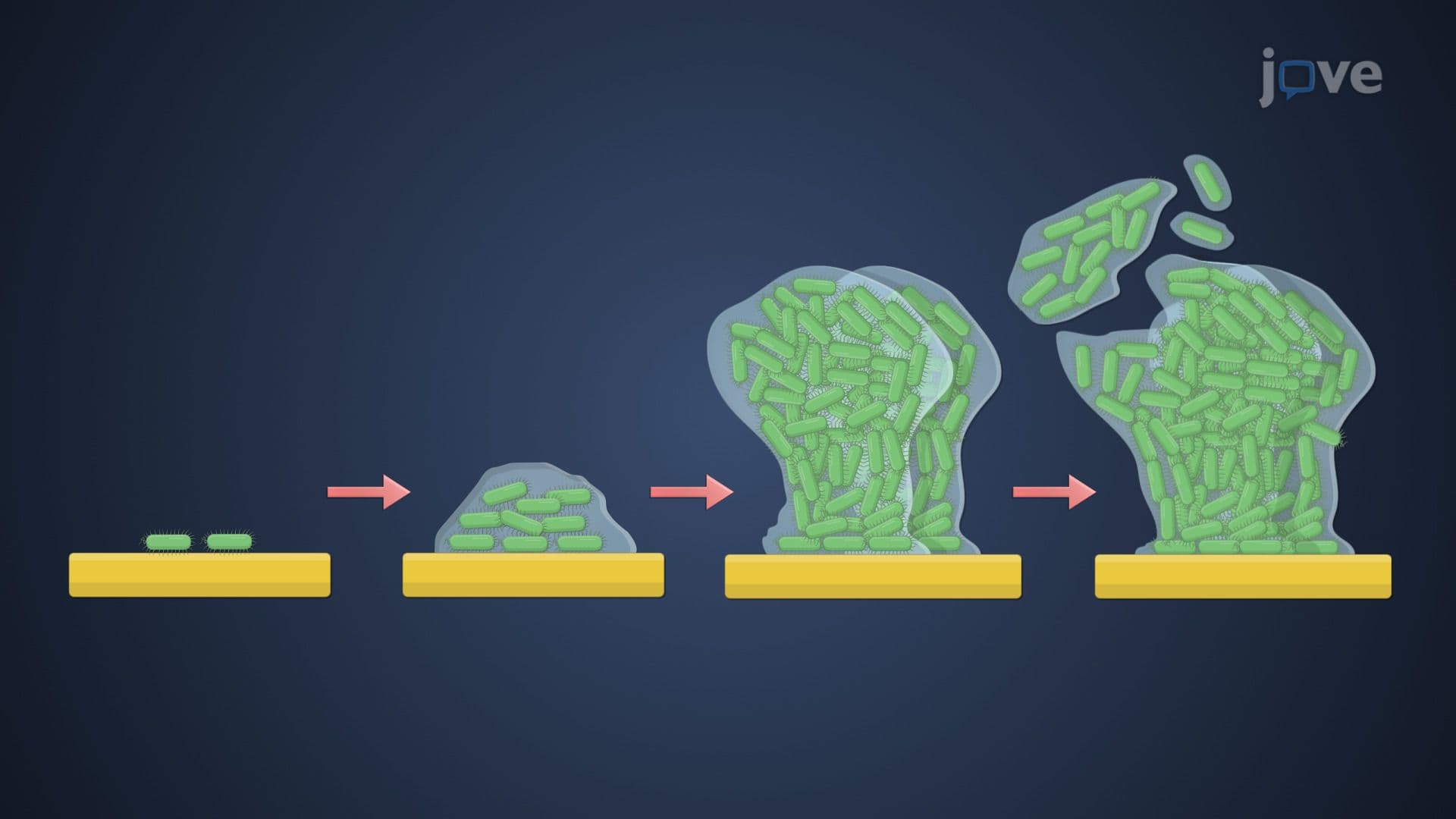
6. Oxygen Requirements and Biofilm Formation: Microorganisms exhibit diverse oxygen relationships from obligate aerobes requiring oxygen to obligate anaerobes harmed by oxygen exposure. Facultative anaerobes like E. coli adapt to both conditions, while microaerophiles require reduced oxygen concentrations. Biofilms represent complex microbial communities embedded in protective polysaccharide matrices, forming through attachment, colonization, maturation, and dispersal phases. These structures resist antibiotics and immune responses, causing persistent infections on medical devices like catheters and contributing to conditions affecting American patients including dental plaque formation and chronic lung infections in cystic fibrosis, making biofilm understanding crucial for developing effective treatment strategies.