Loading concepts…


11 Concepts
13 Concepts
26 Concepts
13 Concepts
6 Concepts
31 Concepts
37 Concepts
10 Concepts
7 Concepts
22 Concepts
11 Concepts
11 Concepts
22 Concepts
16 Concepts
11 Concepts
15 Concepts
14 Concepts
12 Concepts
9 Concepts
 14 Concepts
 2.1K Views
 Popular topics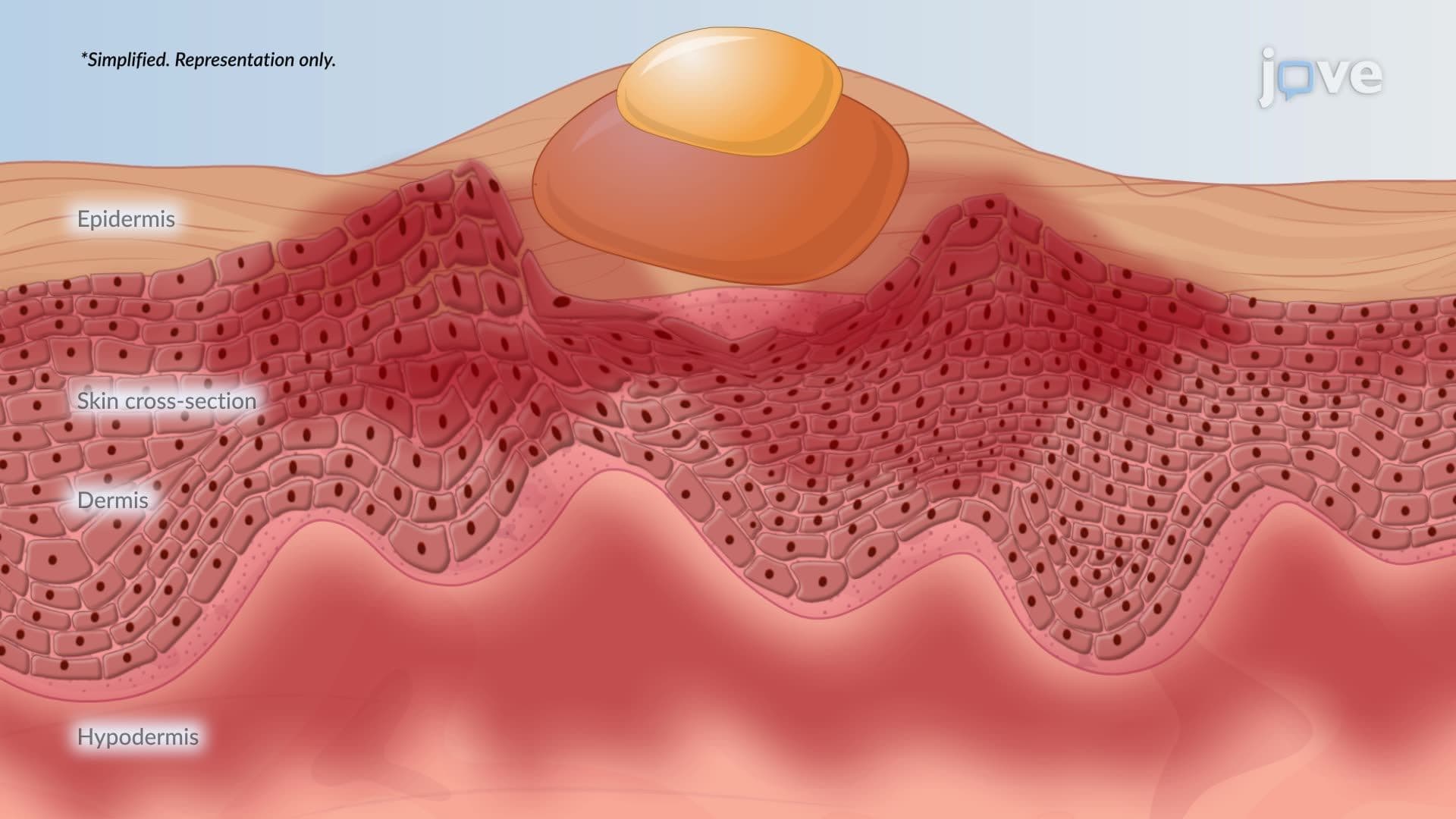




Viral infections remain one of the most significant public health challenges in the United States, from seasonal influenza outbreaks to emerging coronavirus variants. This micro-course, supported by JoVE Coach, breaks down the biology of 14 common viral infections, including rabies, hepatitis B, and genital herpes, exploring how viruses enter host cells, replicate, evade immunity, and cause disease across organ systems.
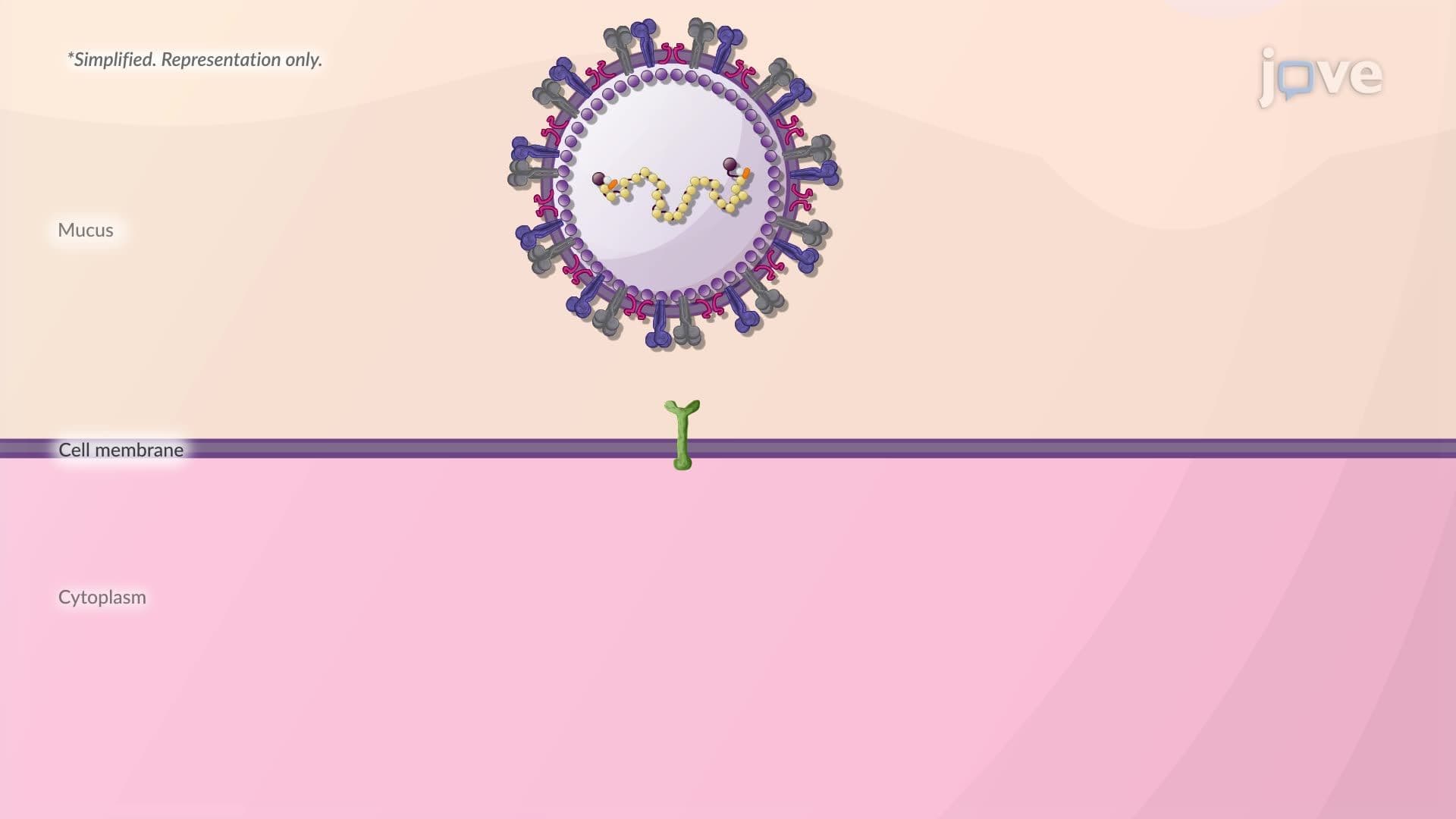
1. How Viruses Enter and Infect Host Cells Understanding how viruses infect cells begins with receptor binding. Each virus targets specific molecules on the host cell surface, for example, influenza hemagglutinin binds sialic acid receptors on respiratory epithelial cells, while hepatitis B surface antigen binds receptors on hepatocytes. After attachment, viruses enter through mechanisms like receptor-mediated endocytosis or direct membrane fusion. Once inside, viral genetic material hijacks the host's own molecular machinery to replicate. This process, from attachment to replication to release, is called the viral replication cycle and is the foundation for understanding how antiviral drugs work.
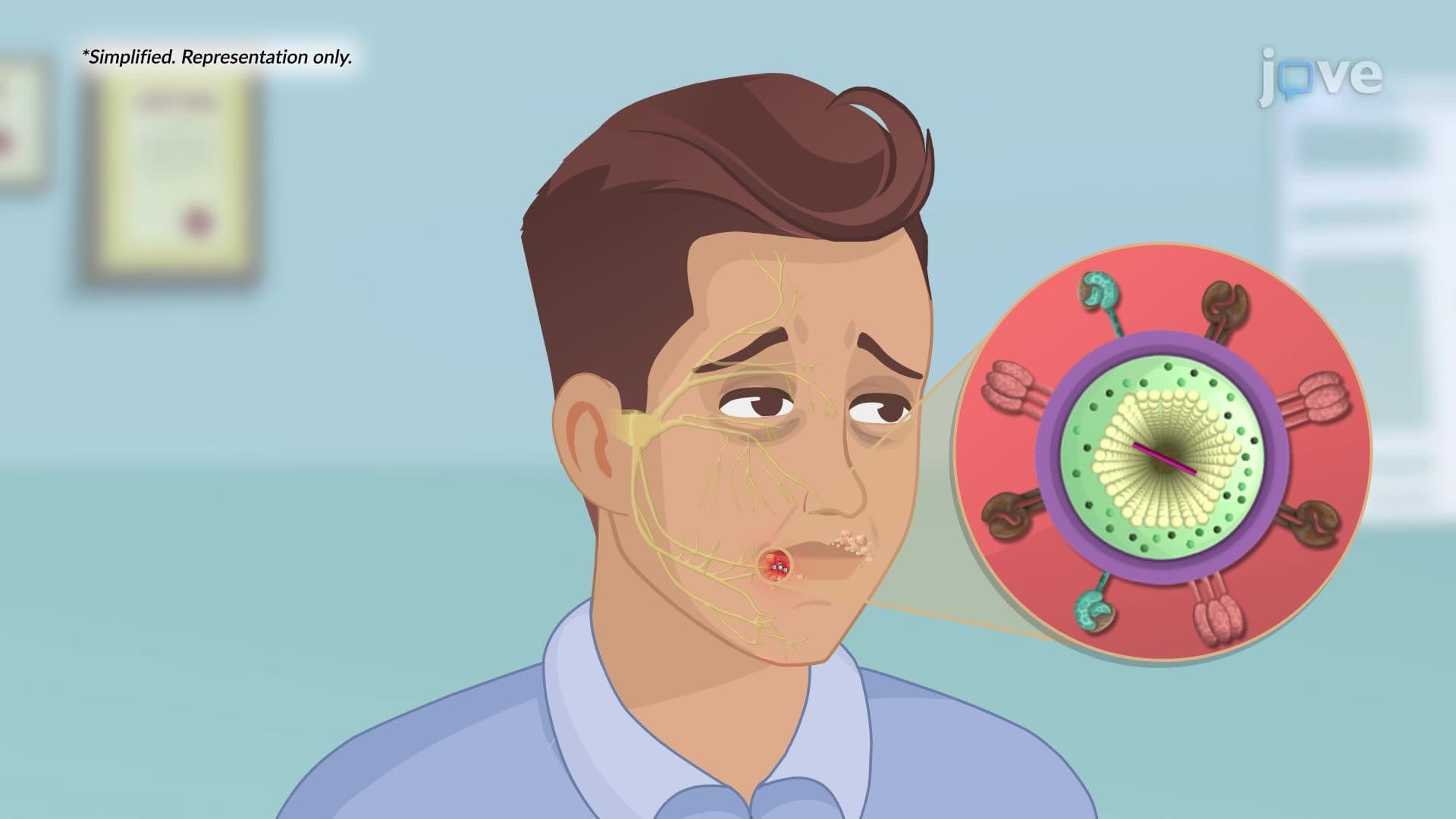
2. DNA Viruses: Smallpox, Herpes, Chickenpox, and Cytomegalovirus DNA viruses typically replicate inside the host cell's nucleus, using the host's transcription and replication enzymes. Smallpox (Variola major) spreads through respiratory droplets and produces the hallmark progression from macules to pustules. Herpes simplex viruses (HSV-1 and HSV-2) and varicella-zoster virus (chickenpox/shingles) are herpesviruses known for establishing latency in nerve ganglia after initial infection. Cytomegalovirus (CMV) similarly establishes latency, particularly in monocytes, and causes serious disease in immunocompromised individuals, a scenario commonly tested on USMLE Step 1 in the context of transplant medicine.
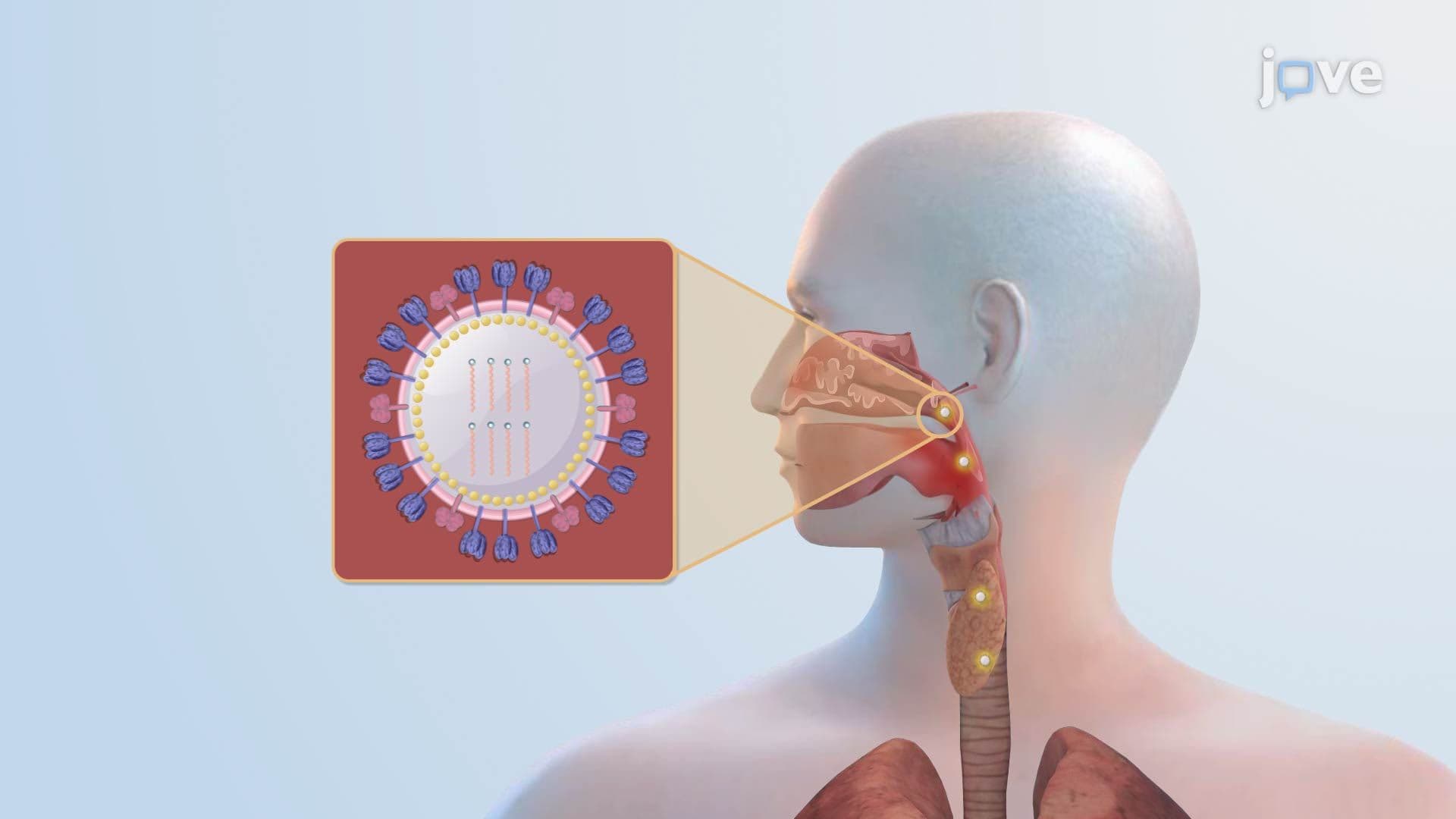
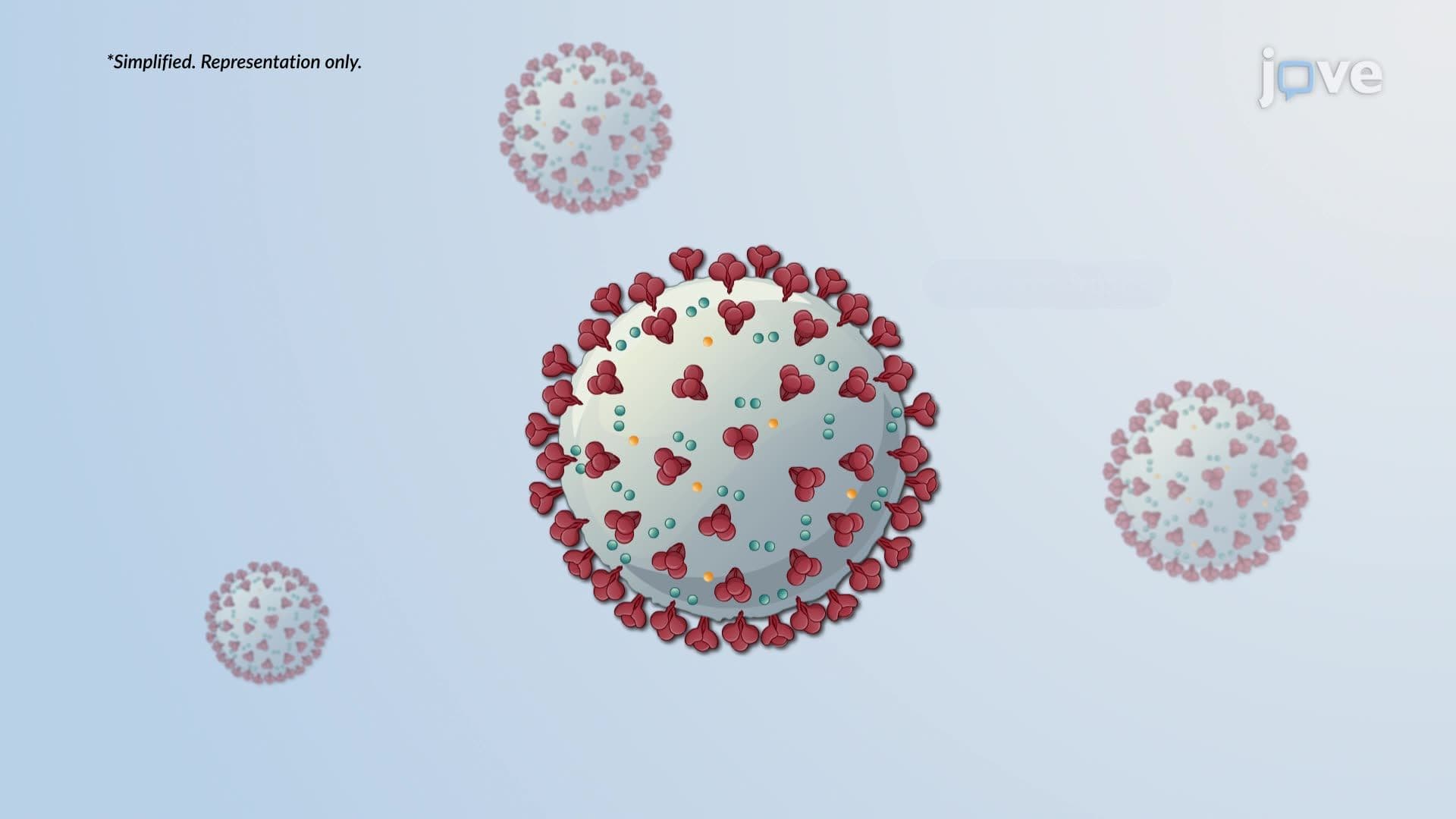
3. RNA Viruses of the Respiratory Tract: Influenza, Coronavirus, and RSV Several major respiratory pathogens are RNA viruses, each with distinct replication strategies. Influenza A viruses use hemagglutinin and neuraminidase surface proteins to attach to and release from host cells, making these proteins key targets for vaccines and antiviral drugs like oseltamivir (Tamiflu). Coronaviruses use spike proteins to bind host receptors and form double-membrane vesicles for replication. RSV, the leading cause of bronchiolitis in US infants, uses G and F envelope proteins to fuse with respiratory epithelial cells and trigger damaging inflammatory responses. Understanding these differences explains why a single antiviral drug cannot treat all respiratory viruses.
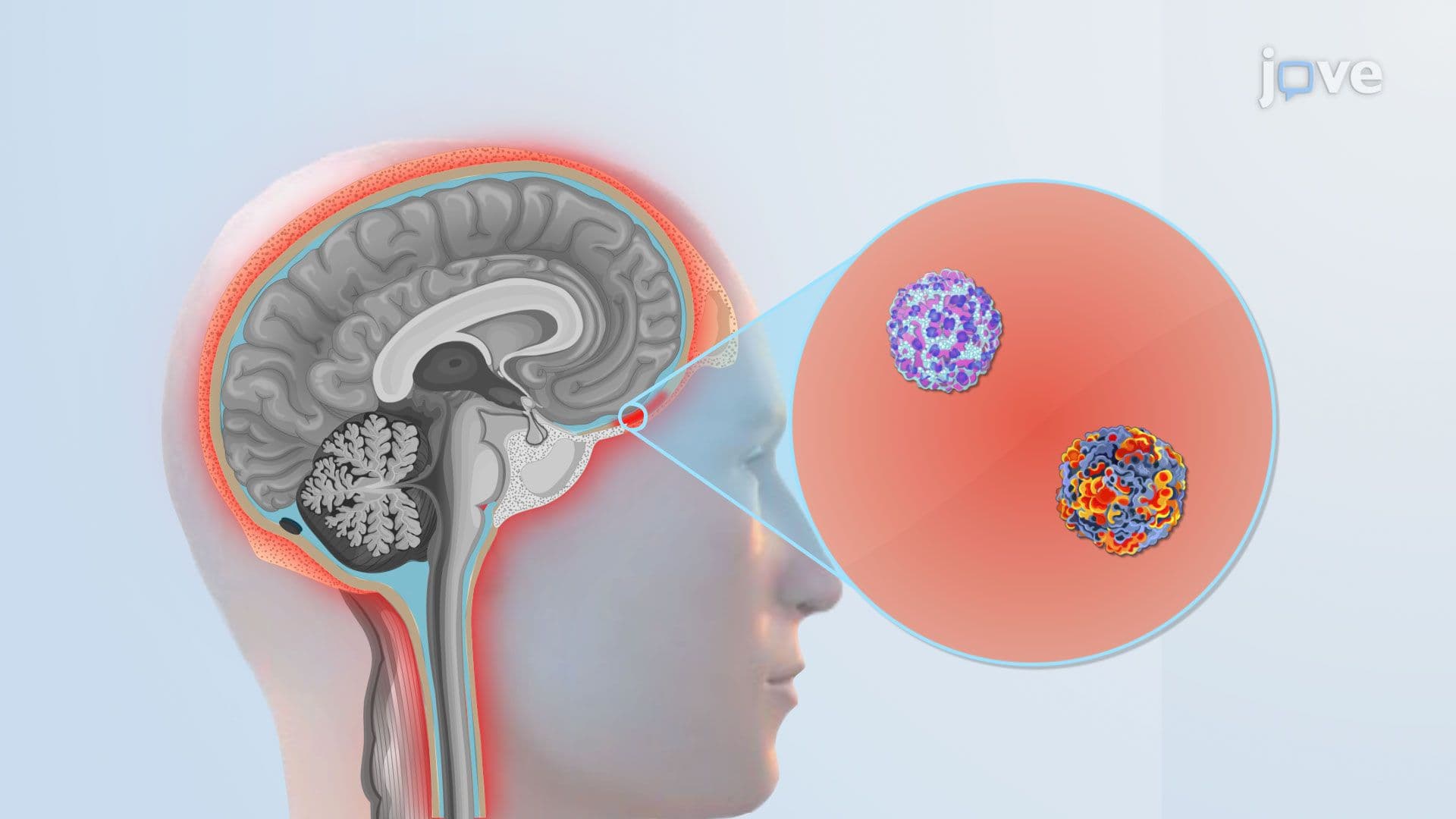
4. Neurotropic Viruses: Rabies, Poliomyelitis, and Arboviral Encephalitis Some viruses specifically target the nervous system, causing some of the most severe and feared diseases. Rabies virus travels from a bite wound up peripheral motor neurons via retrograde axonal transport to reach the brain, a mechanism that explains why wound cleaning and prompt post-exposure prophylaxis (PEP) in the US can still prevent disease after exposure. Poliovirus destroys anterior horn motor neurons, causing the asymmetric flaccid paralysis characteristic of paralytic polio. Arboviruses such as West Nile virus, transmitted by mosquitoes, cross the blood-brain barrier to cause encephalitis. All three illustrate how viral neuroinvasion leads to irreversible neurological damage.
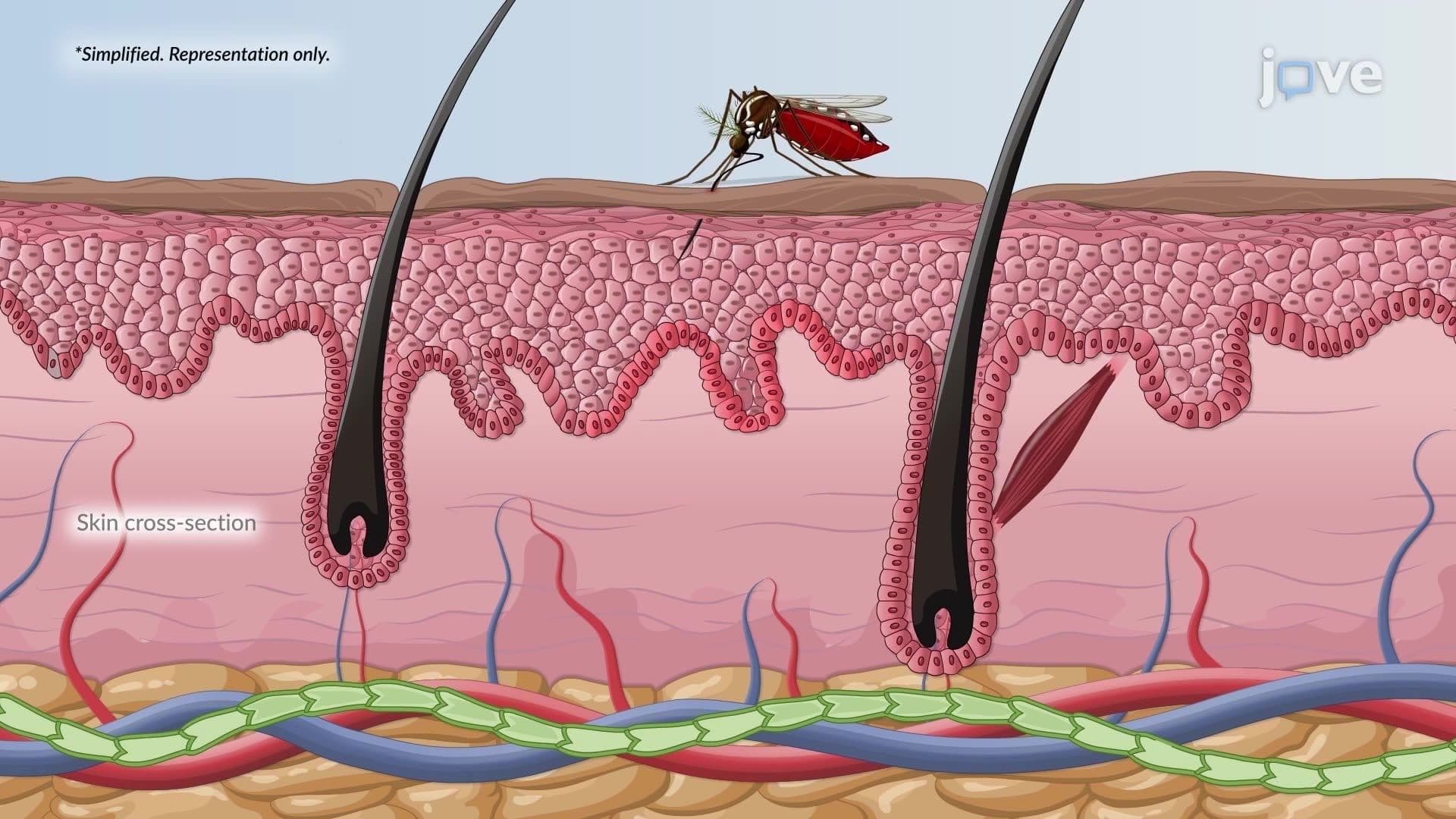
5. Vector-Borne Viral Diseases: Yellow Fever and Arboviral Encephalitis Arthropod-borne viruses, or arboviruses, depend on insect vectors, primarily mosquitoes, to transmit infection between hosts. Yellow fever, caused by a flavivirus spread by Aedes mosquitoes, is a classic example: the virus infects hepatocytes, triggers apoptosis, and causes the jaundice that gives the disease its name. West Nile virus, another flavivirus present across the continental United States, can cause neuroinvasive disease in older adults and immunocompromised individuals. Both diseases highlight the role of environmental and public health interventions, including mosquito control and vaccination, in limiting the spread of emerging viral diseases in the US.
6. Viral Immune Evasion Strategies Viruses have evolved sophisticated mechanisms to outsmart the human immune system. Rabies virus encodes a phosphoprotein that blocks type I interferon signaling, weakening early antiviral defenses. Cytomegalovirus interferes with MHC class I antigen presentation, preventing CD8+ cytotoxic T cells from identifying and destroying infected cells. HSV-1 and HSV-2 evade immunity by retreating into sensory neurons, where they remain latent and largely invisible to immune surveillance. Understanding these evasion strategies is critical for both USMLE and MCAT test-takers and provides insight into why certain infections are so difficult to eliminate with conventional immune responses.
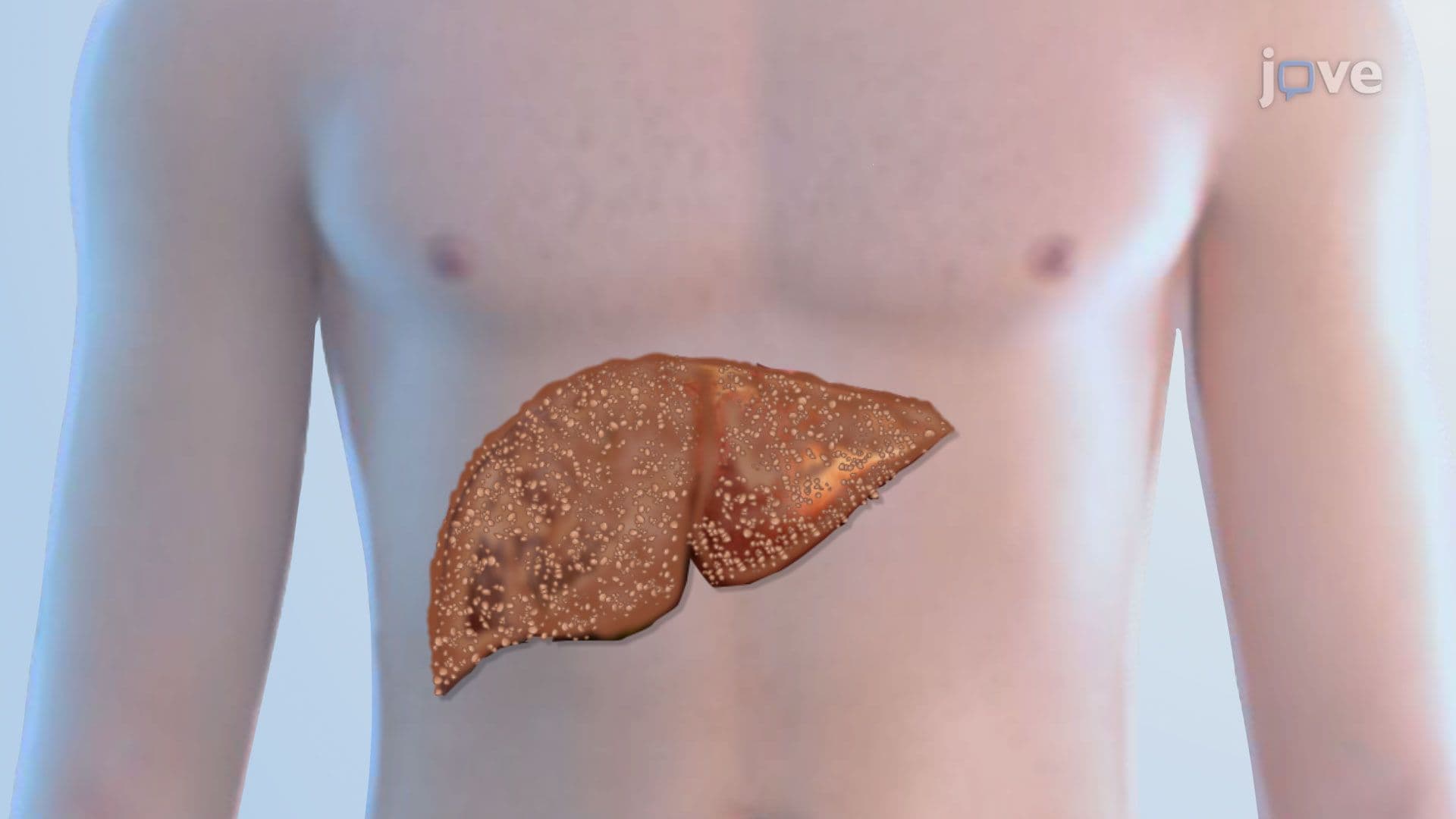
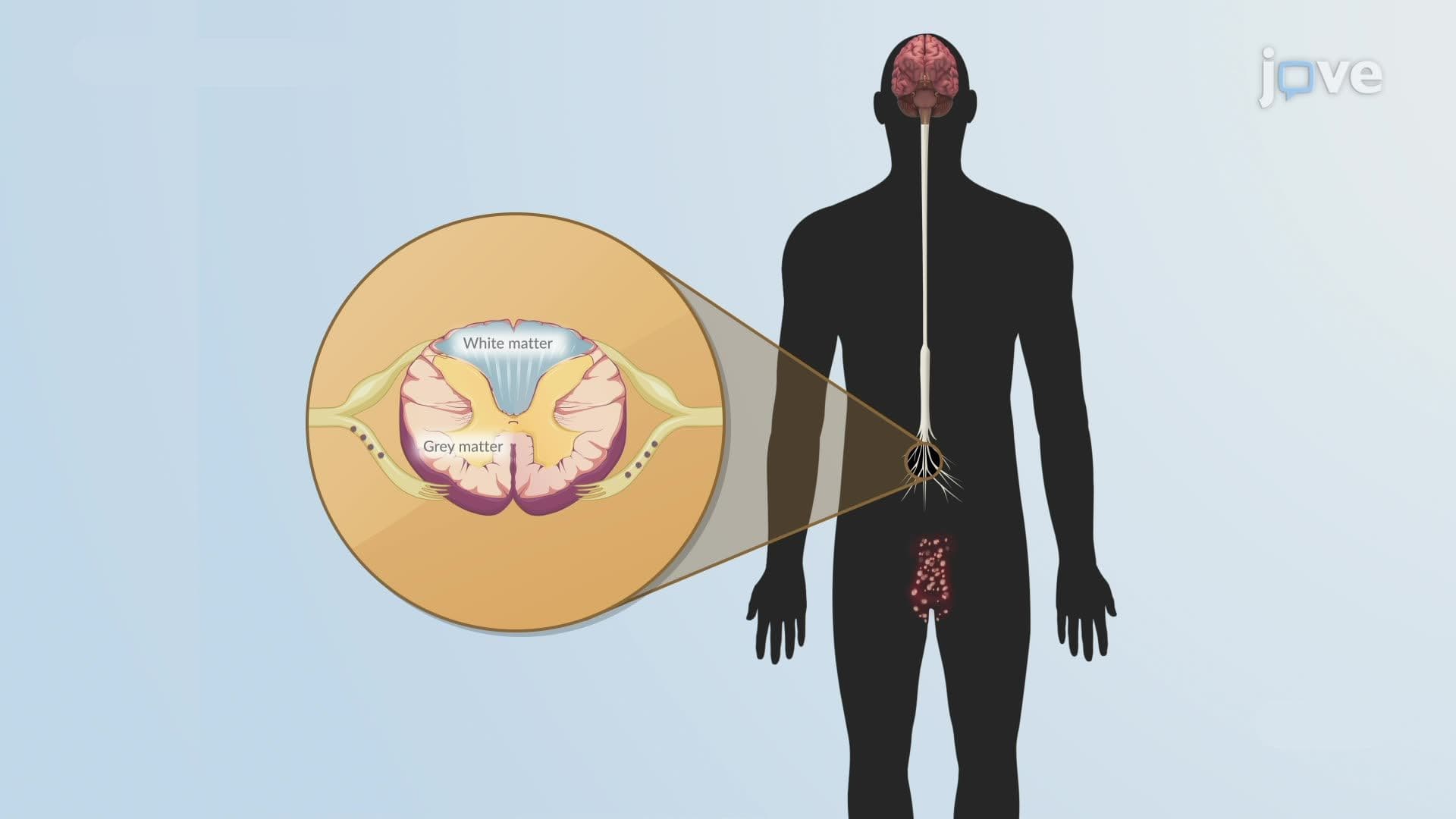
7. Sexually Transmitted and Blood-Borne Viral Infections: Genital Herpes and Hepatitis B Genital herpes, caused by HSV-2, is one of the most common sexually transmitted infections in the United States, with transmission possible even without visible lesions due to asymptomatic viral shedding. After initial infection, HSV-2 establishes latency in the sacral dorsal root ganglia, periodically reactivating to cause recurrent outbreaks. Hepatitis B virus (HBV) spreads through blood, sexual contact, and mother-to-child transmission, primarily infecting hepatocytes. Chronic HBV infection can lead to fibrosis, cirrhosis, and hepatocellular carcinoma, a major public health concern in the US. Both infections underscore the importance of vaccination, screening, and antiviral therapy in clinical practice.