Loading concepts…


11 Concepts
13 Concepts
26 Concepts
13 Concepts
6 Concepts
31 Concepts
37 Concepts
10 Concepts
7 Concepts
22 Concepts
11 Concepts
11 Concepts
22 Concepts
16 Concepts
11 Concepts
15 Concepts
14 Concepts
12 Concepts
9 Concepts
 22 Concepts
 4.1K Views
 Popular topics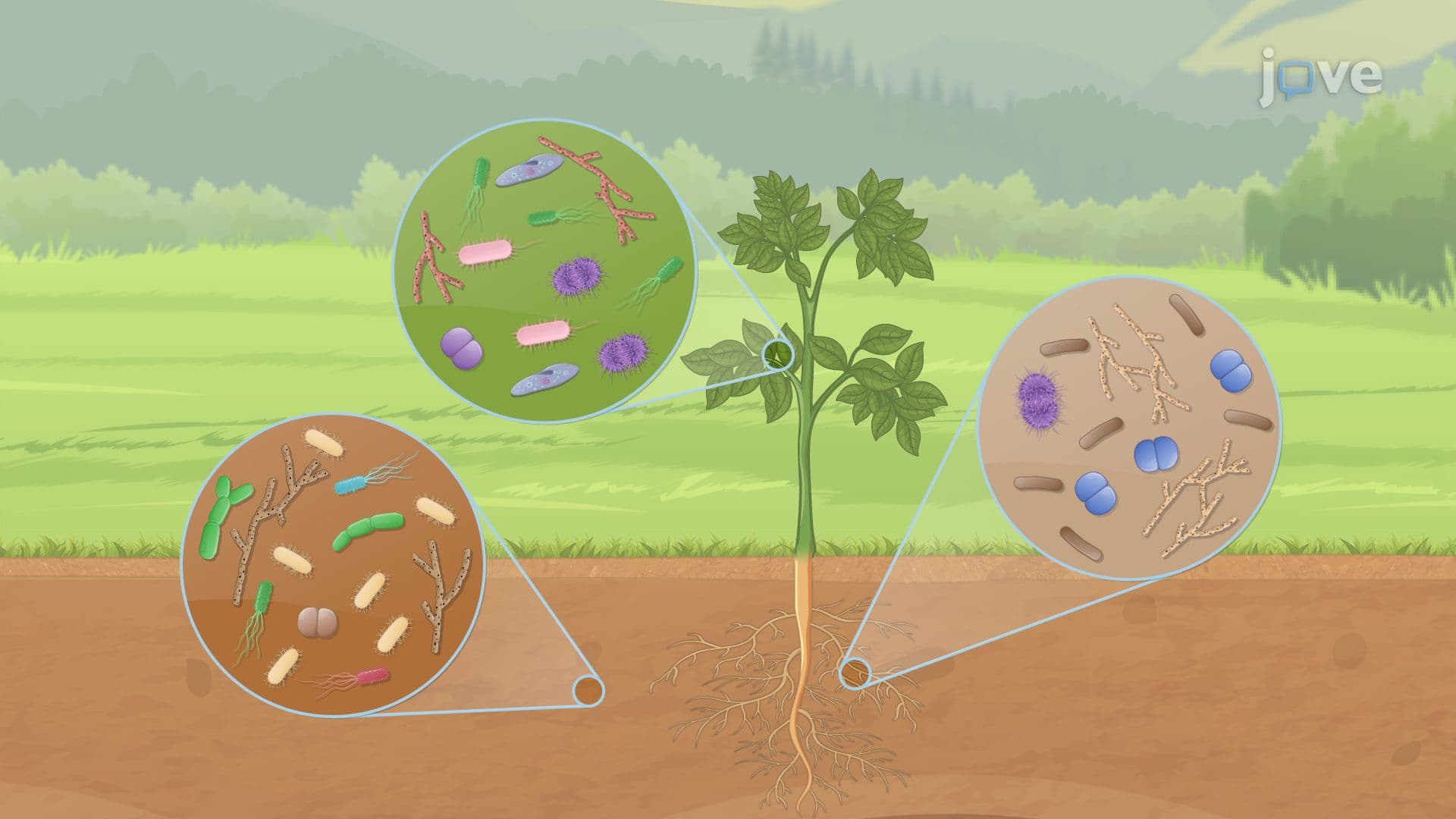






Microbial ecology explores how microorganisms interact with each other and their environments across Earth's diverse ecosystems. This micro-course, supported by JoVE Coach, covers microbial ecology basics from population and community structure to biogeochemical cycles, symbiotic relationships, and specialized habitats. US students will connect these principles to environmental science, public health, agriculture, and climate research.
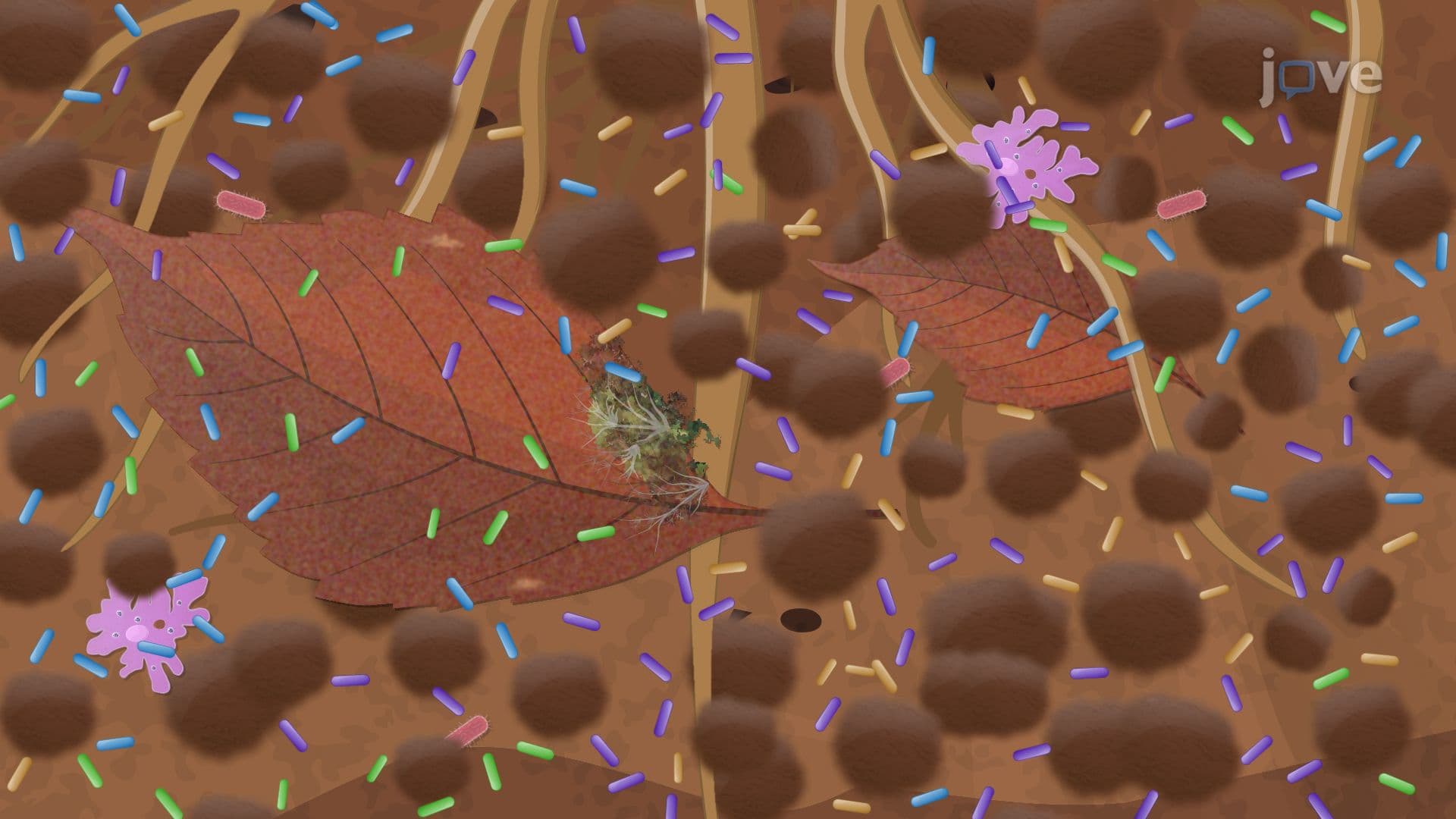
1. Microbial Ecology Basics: Populations, Communities, and Microbiomes Microbial ecology examines how microorganisms interact with biotic and abiotic factors across ecosystems. Microbes of the same species in one location form a population; multiple interacting populations form a community. The full collection of microorganisms in an ecosystem is the microbiota, and their combined genetic material is the microbiome. Microbial diversity is measured by species richness and relative abundance, both shaped by temperature, pH, nutrient availability, and oxygen levels. For example, nutrient-rich agricultural soils in the Midwest support high species richness, while acidic mine drainage environments support fewer but highly specialized species.
2. Ecological Niche and Competitive Dynamics Every microorganism occupies an ecological niche, the full range of conditions and resources it uses to survive and reproduce. The fundamental niche describes where a microbe could theoretically live, while the realized niche reflects where it actually thrives given competition and environmental pressures. In stratified lakes across the Great Lakes region, for instance, photosynthetic bacteria partition light availability across depth layers, with surface-adapted species outcompeting others for direct sunlight while displaced species occupy lower, dimmer zones. Niche partitioning and competitive exclusion together determine which species coexist in a given habitat.
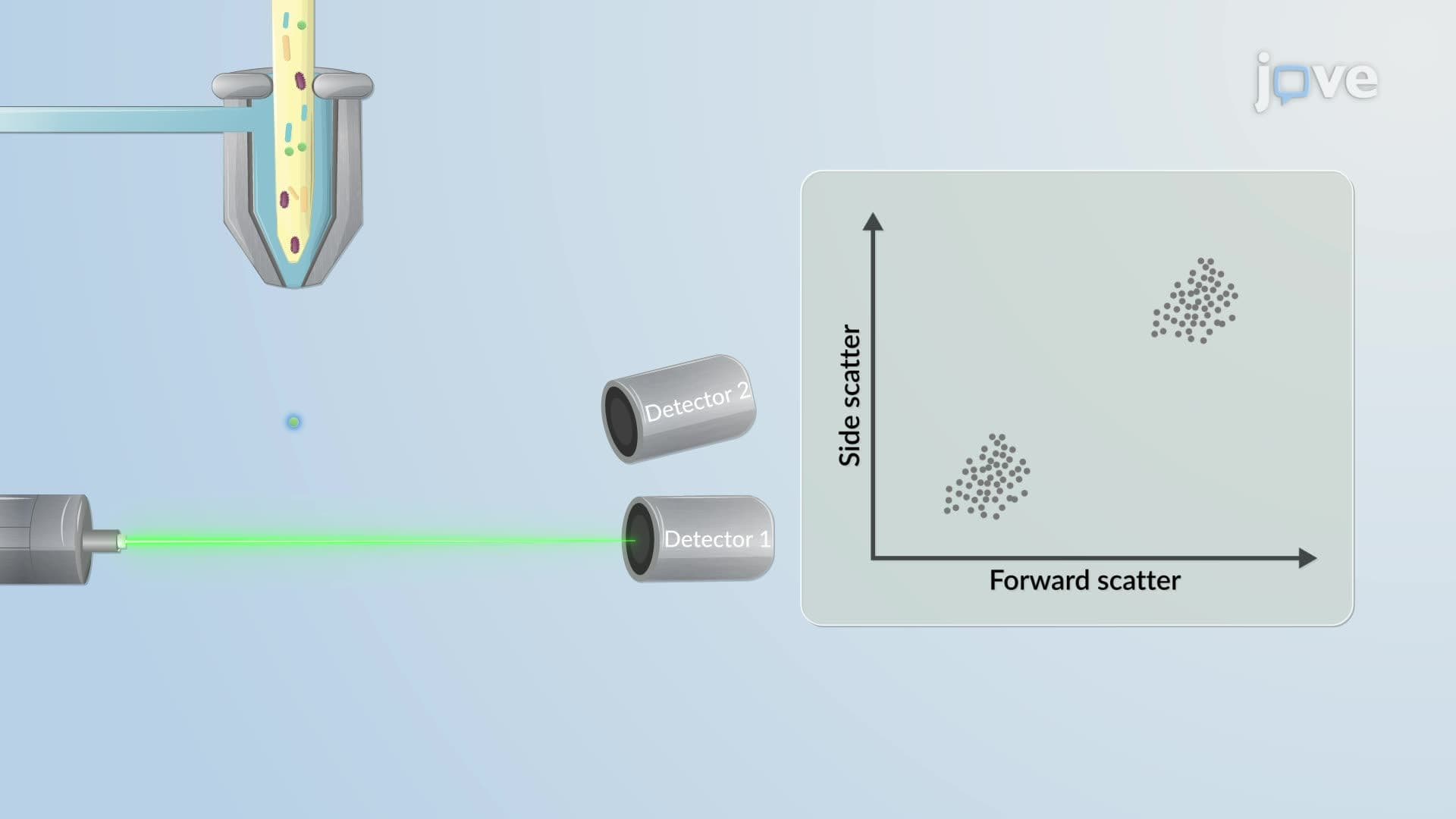
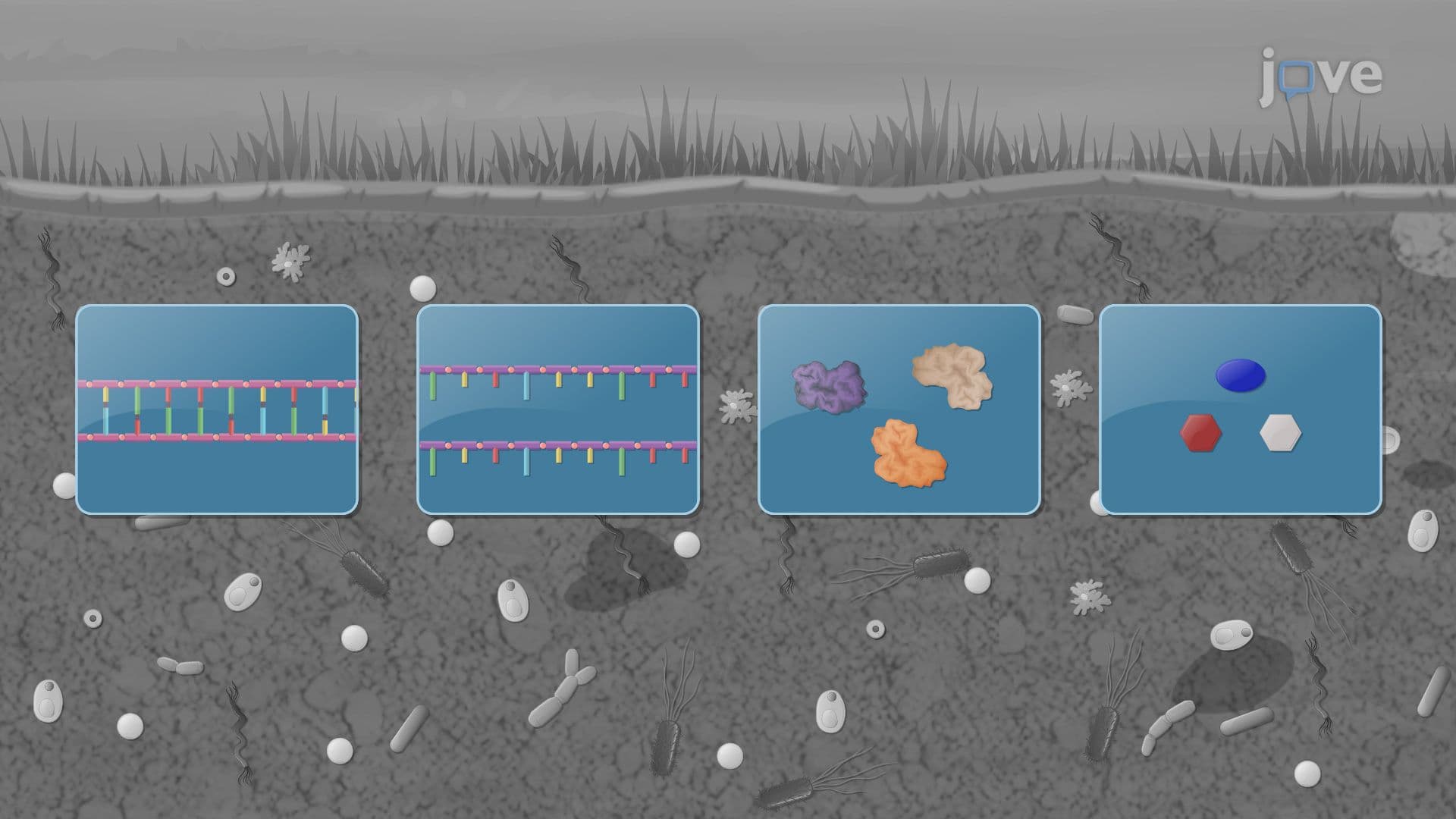
3. Methods to Assess Microbial Populations and Communities Scientists use both culture-based and molecular methods to study microbes. Viable plate counts and most probable number (MPN) methods estimate living cell densities in soil or water samples. Fluorescence in situ hybridization (FISH) and flow cytometry allow precise identification and counting of specific microbial taxa. At the community level, metagenomics sequences all DNA from an environmental sample to map biodiversity, metatranscriptomics captures active gene expression, and metaproteomics and metabolomics reveal the proteins and metabolites microbes produce. These tools are widely used in US environmental monitoring programs and microbiome research initiatives.
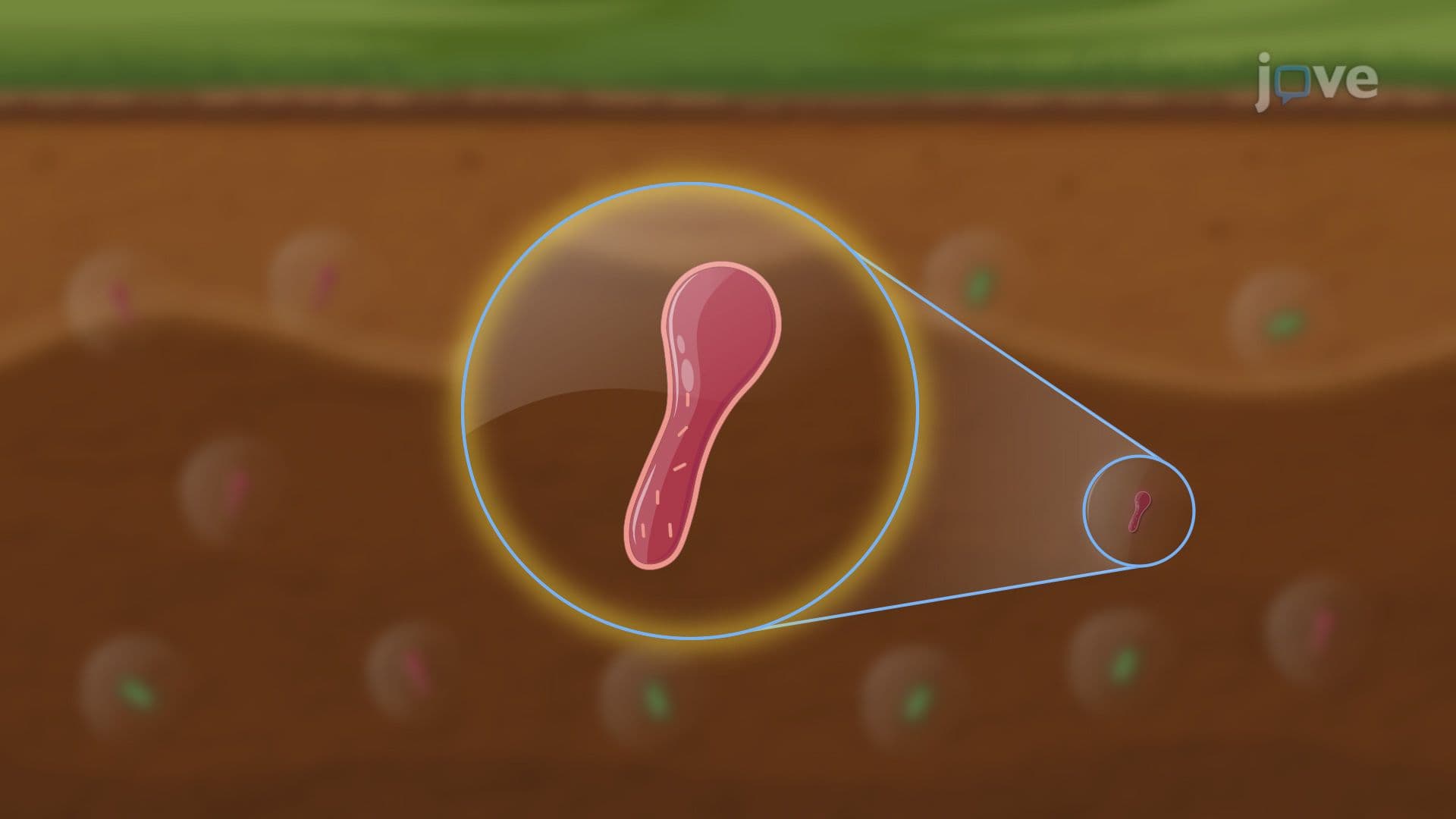
4. The Winogradsky Column and Microenvironments A Winogradsky column is a self-contained microbial ecosystem built in a glass cylinder using organic sediment, sulfate, and a carbon source exposed to light. Over weeks, distinct microbial zones develop, driven by oxygen and sulfur gradients, cyanobacteria at the aerobic top, anoxygenic photosynthetic bacteria in mid-zones, and sulfate-reducing anaerobes at the base. This model illustrates how microenvironments, the small physicochemical zones surrounding individual microbes, vary dramatically over millimeters. Oxygen may be plentiful on a soil particle's surface but absent just inside it, explaining why aerobic and anaerobic microbes can coexist in the same handful of soil.
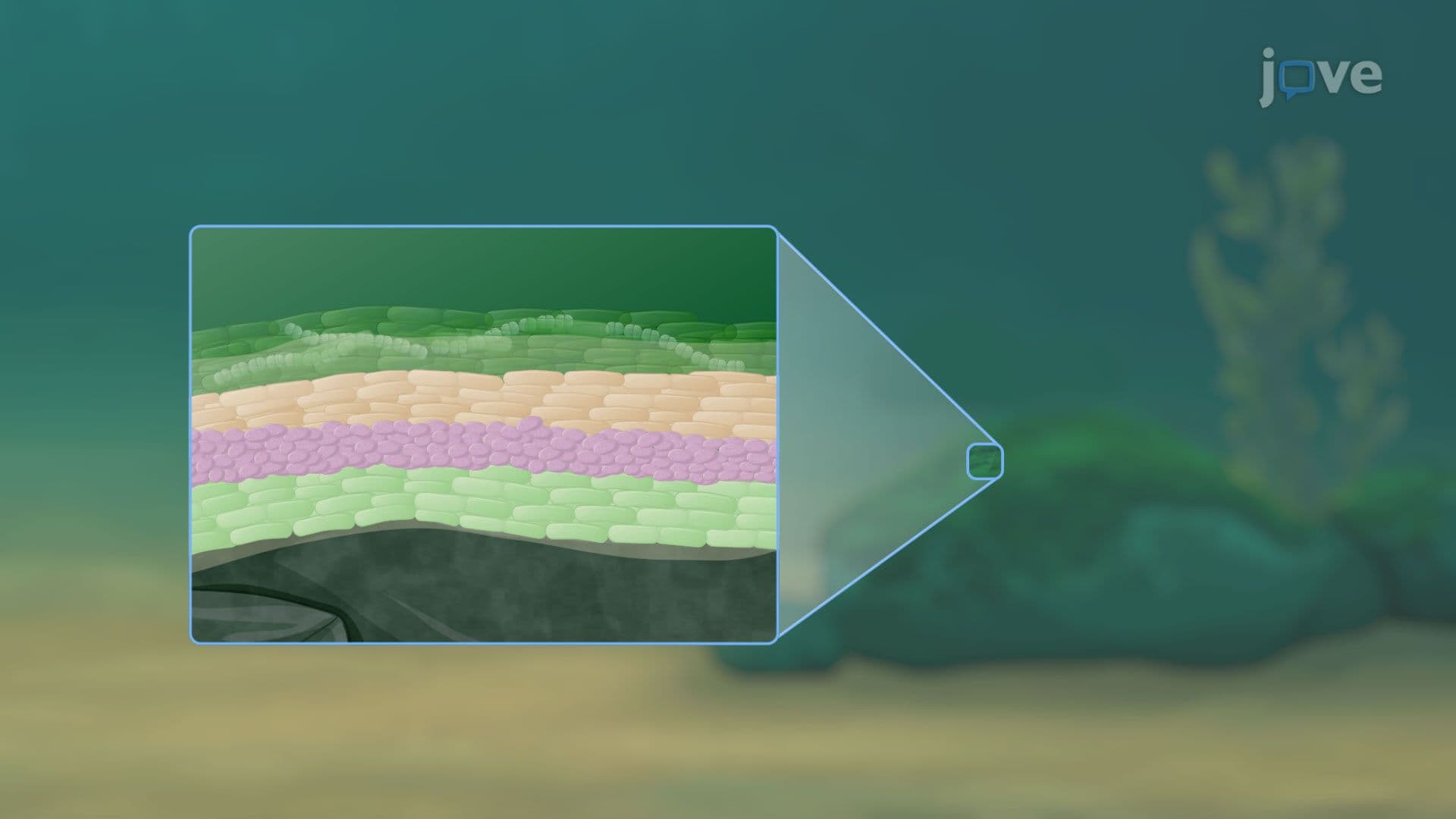
5. Microbial Mats and Biofilms Microbial mats are layered assemblies of microorganisms that form on surfaces in environments such as hot springs, saline flats, and deep-sea sediments. They typically begin as thin biofilms and develop into stratified structures with distinct metabolic zones. In Yellowstone National Park's hot springs, cyanobacterial mats produce oxygen in upper layers while sulfate-reducing bacteria generate hydrogen sulfide in the deeper anoxic layers, creating steep chemical gradients within millimeters. Chemolithotrophic mats formed by sulfur-oxidizing bacteria like *Thioploca* species thrive in deep, oxygen-deprived sediments, storing nitrate in internal vacuoles to fuel their metabolism in sulfide-rich zones.
6. Microbial Interactions: Mutualism, Cooperation, and Syntrophy Microbial interactions range from mutually beneficial to harmful. Mutualism benefits all partners, mycorrhizal fungi exchange plant nutrients for sugars, and rumen microbes in cattle digest cellulose in exchange for shelter and food. Syntrophy is a specialized mutualism where one microbe depends on another's metabolic byproducts; for example, hydrogen-producing bacteria and methane-producing archaea together drive anaerobic decomposition in wetlands. Cooperation involves mutual benefit without strict dependence, as seen when soil fungi provide physical highways for bacterial movement in exchange for enhanced nutrient availability, supporting ecosystem-level productivity in forest soils.
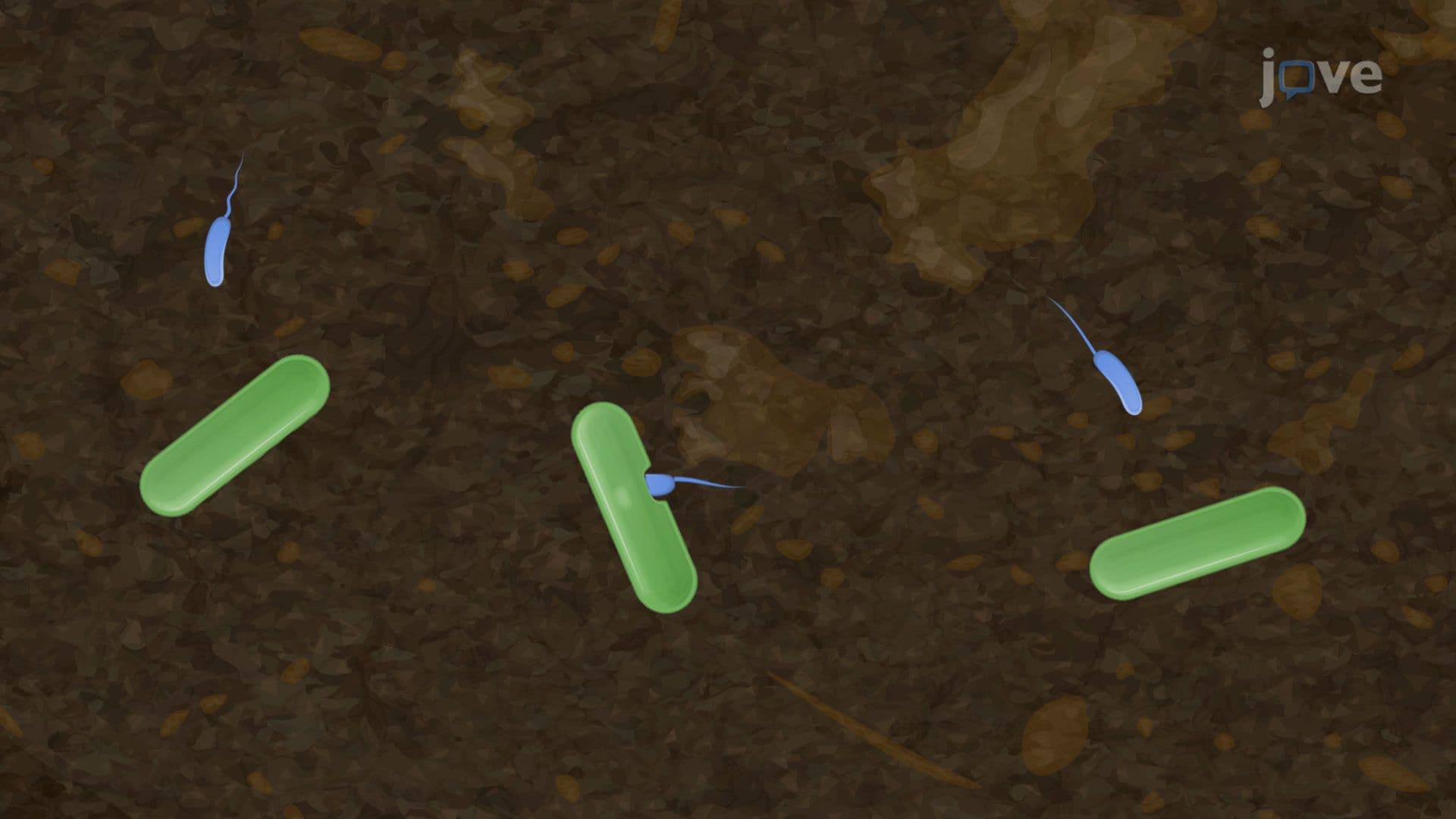
7. Microbial Interactions: Competition, Predation, and Parasitism Competition for nutrients, space, and energy sources is fierce among microbes. Exploitative competition depletes shared resources, while interference competition uses toxins or contact-dependent mechanisms to harm rivals. When competition becomes one-sided, competitive exclusion can eliminate weaker strains. Predation, practiced by bacteria like *Bdellovibrio* and predatory protists, transfers carbon up the food web and regulates bacterial populations. Parasitism exploits a host for nutrients or reproduction, often causing disease. Long-term parasitic relationships, as seen in *Mycobacterium leprae* causing leprosy in humans, can lead to genomic reduction as parasites lose genes no longer needed outside their host.
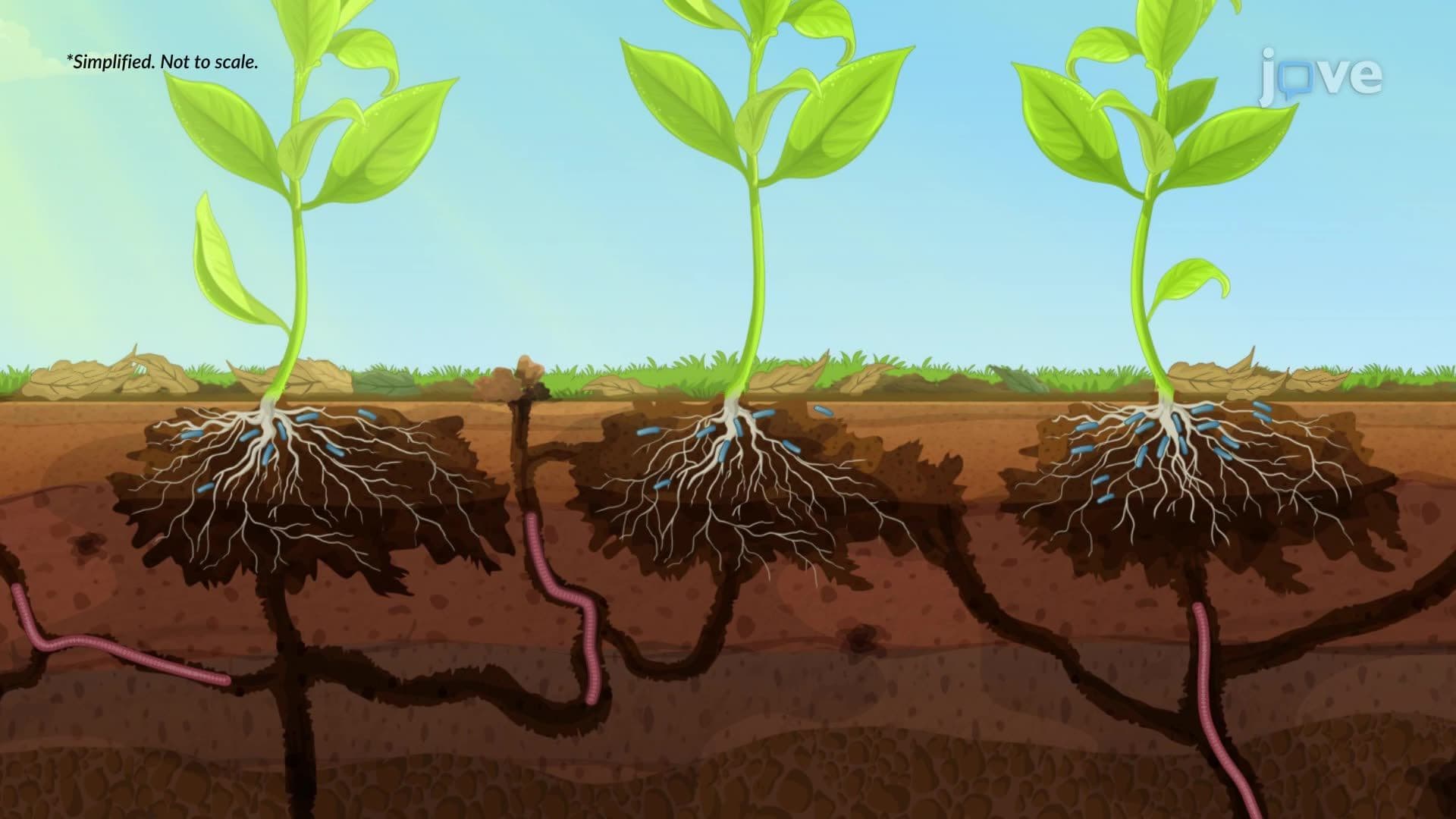
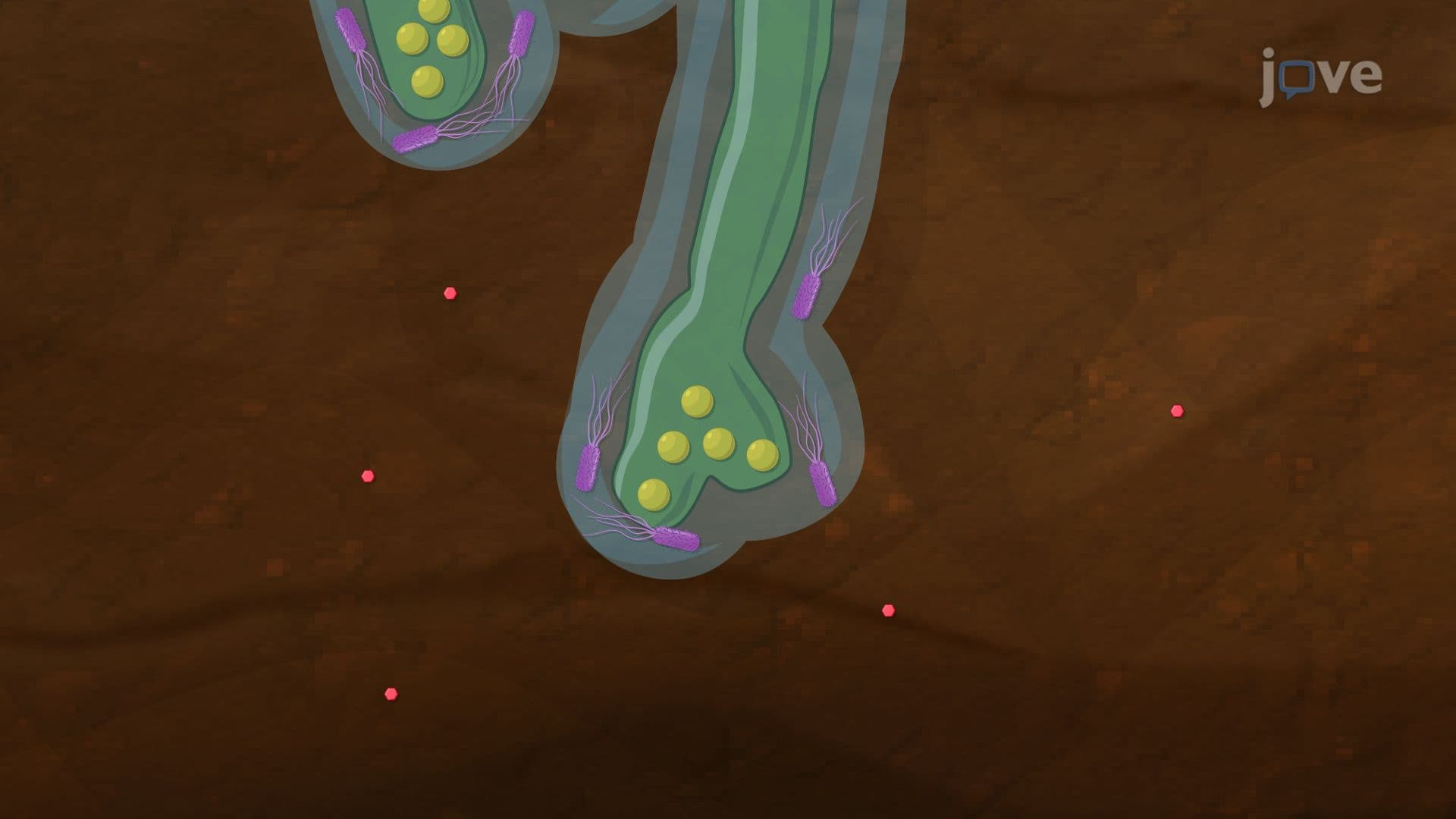
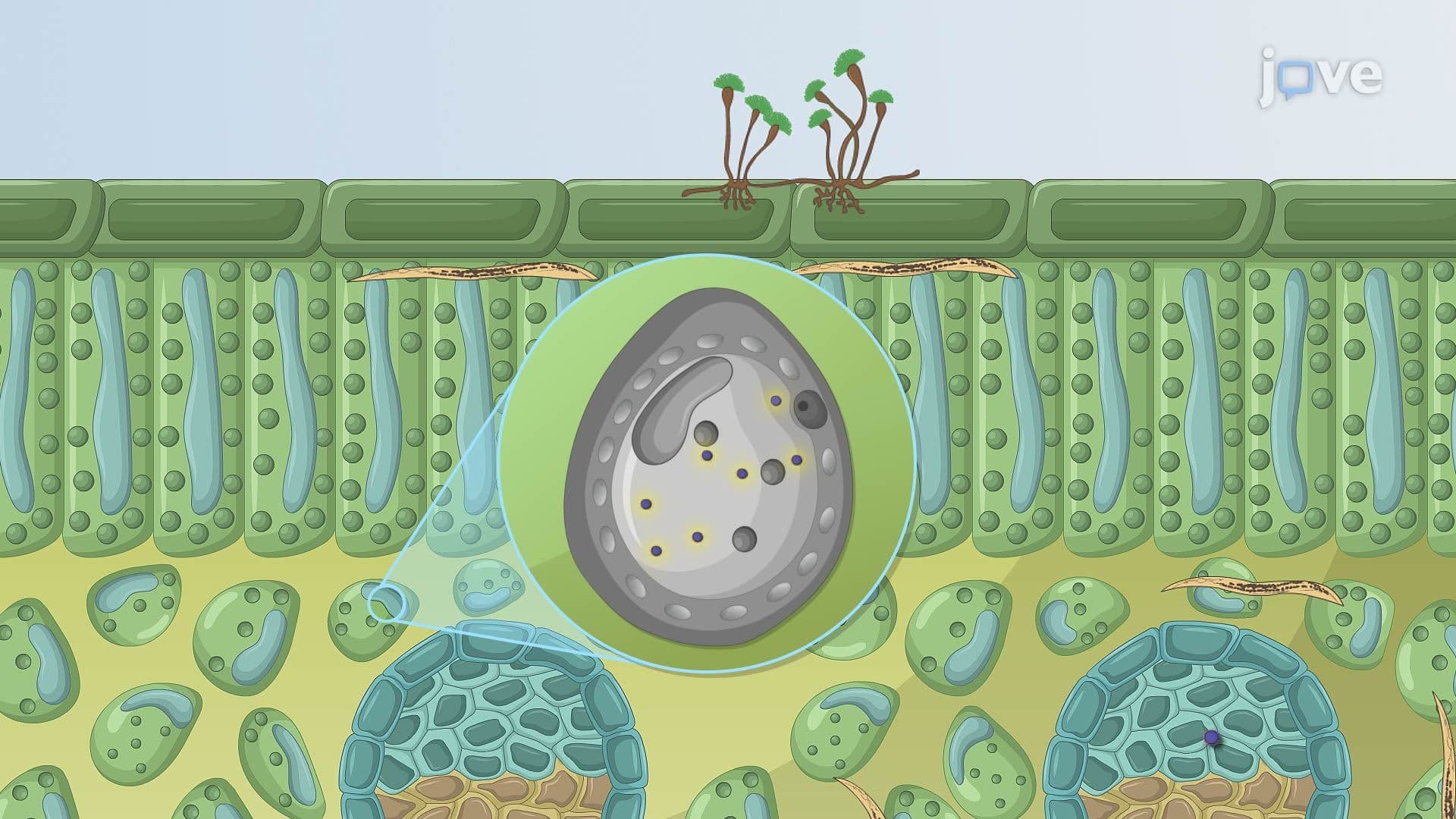
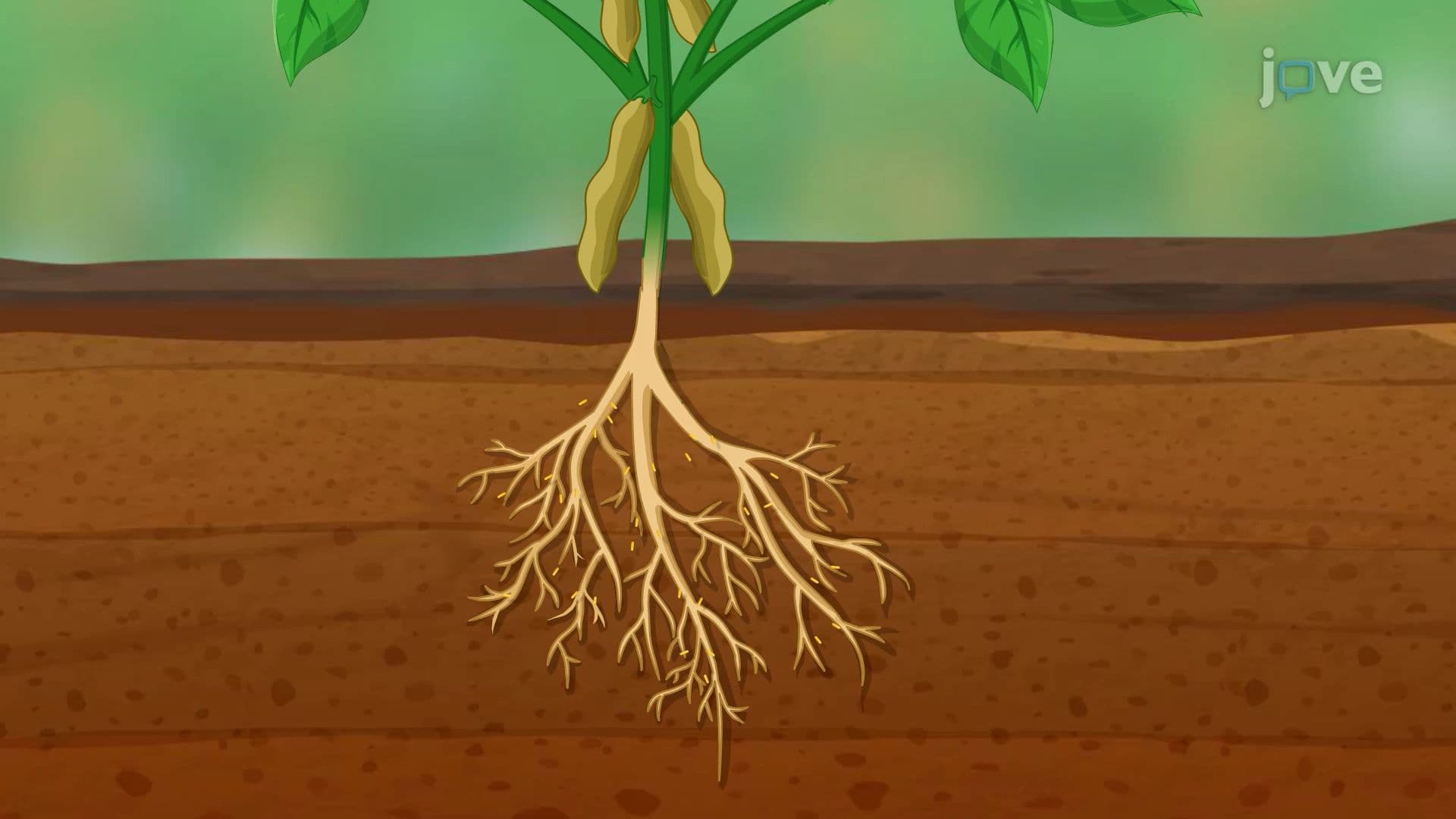
8. Microbe-Plant Interactions Microbes and plants engage in chemical signaling-driven interactions that can be beneficial, neutral, or harmful. Endophytic bacteria and fungi live inside plant tissues, often boosting plant health. A classic mutualism involves *Rhizobium* bacteria, which form nitrogen-fixing root nodules on legumes like soybeans, a relationship central to US agriculture and soil fertility. Neutral interactions occur with non-host plants. Harmful microbes include *Agrobacterium tumefaciens*, which causes crown gall tumors in crops, and necrotrophic fungi like white mold, which destroy plant tissue using enzymes and toxins, causing significant losses in US corn and soybean fields.
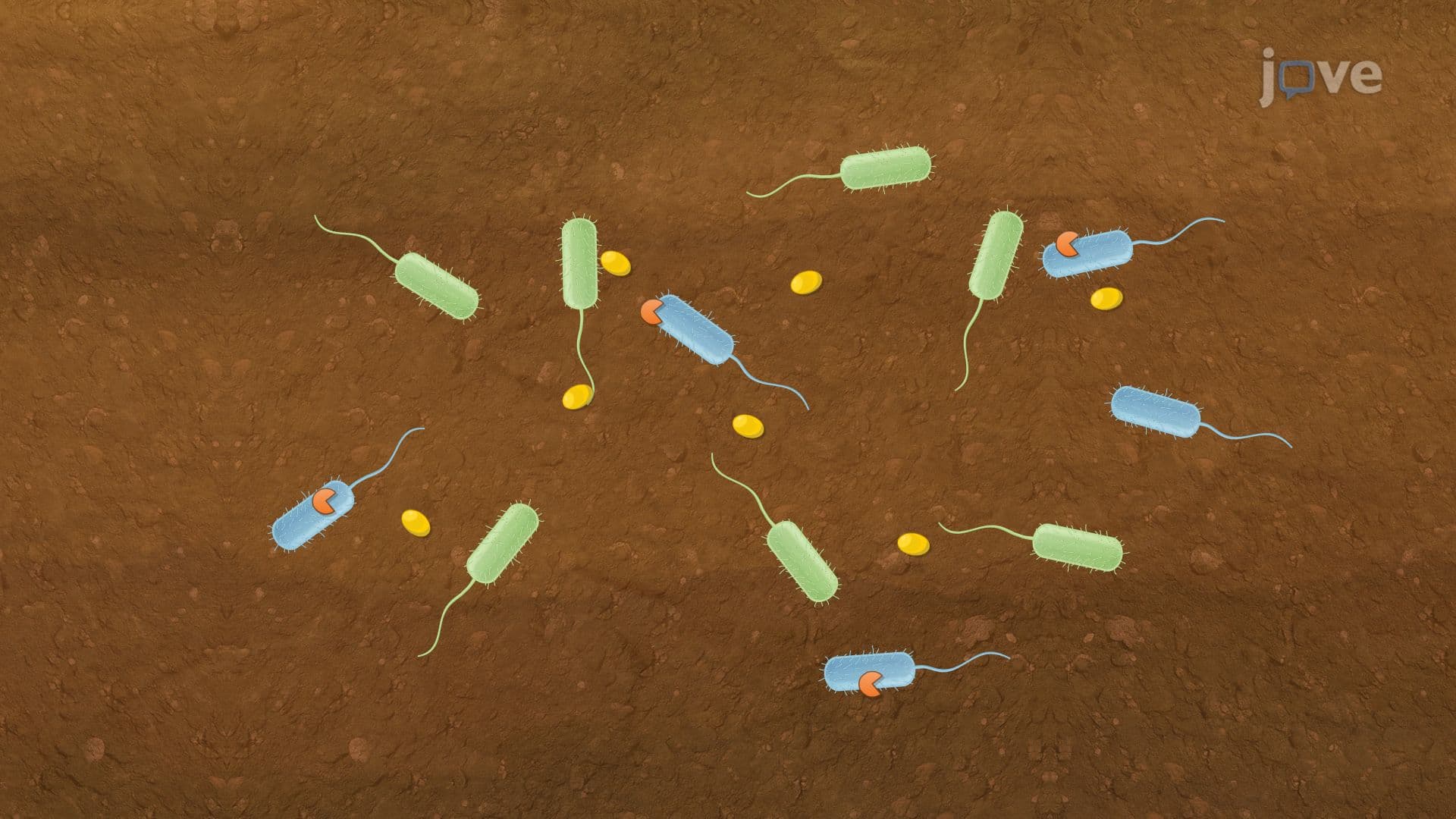
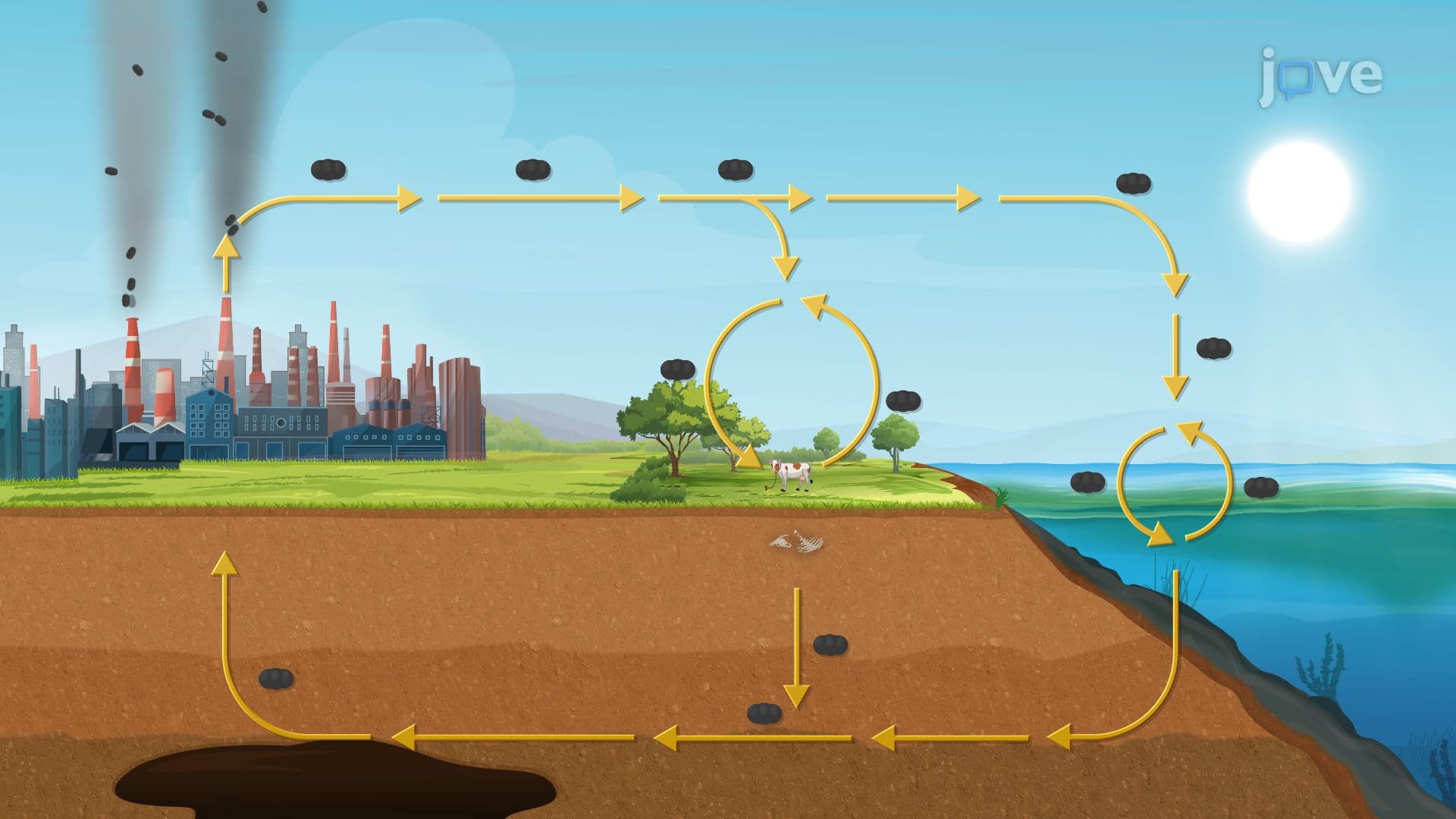
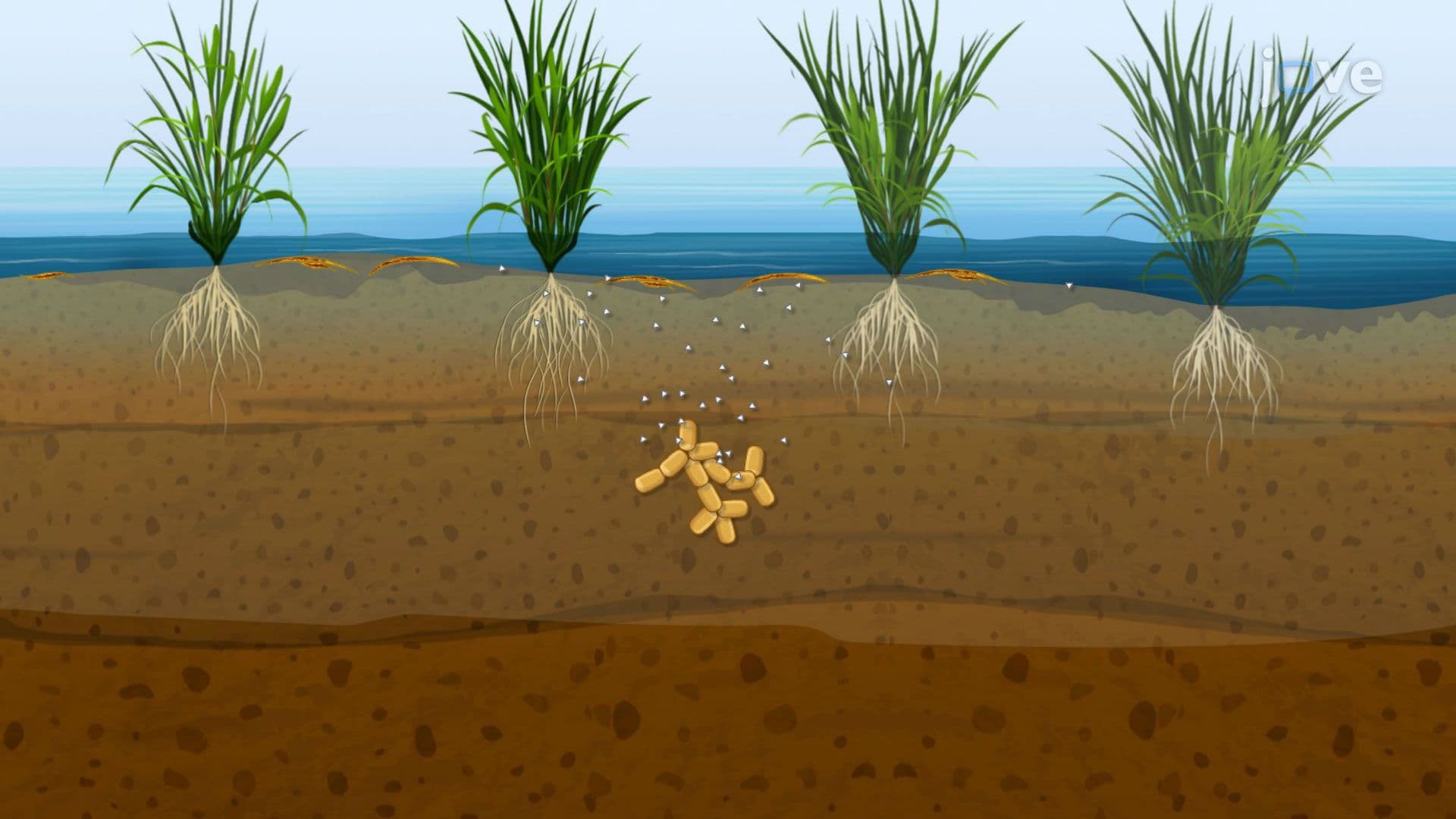
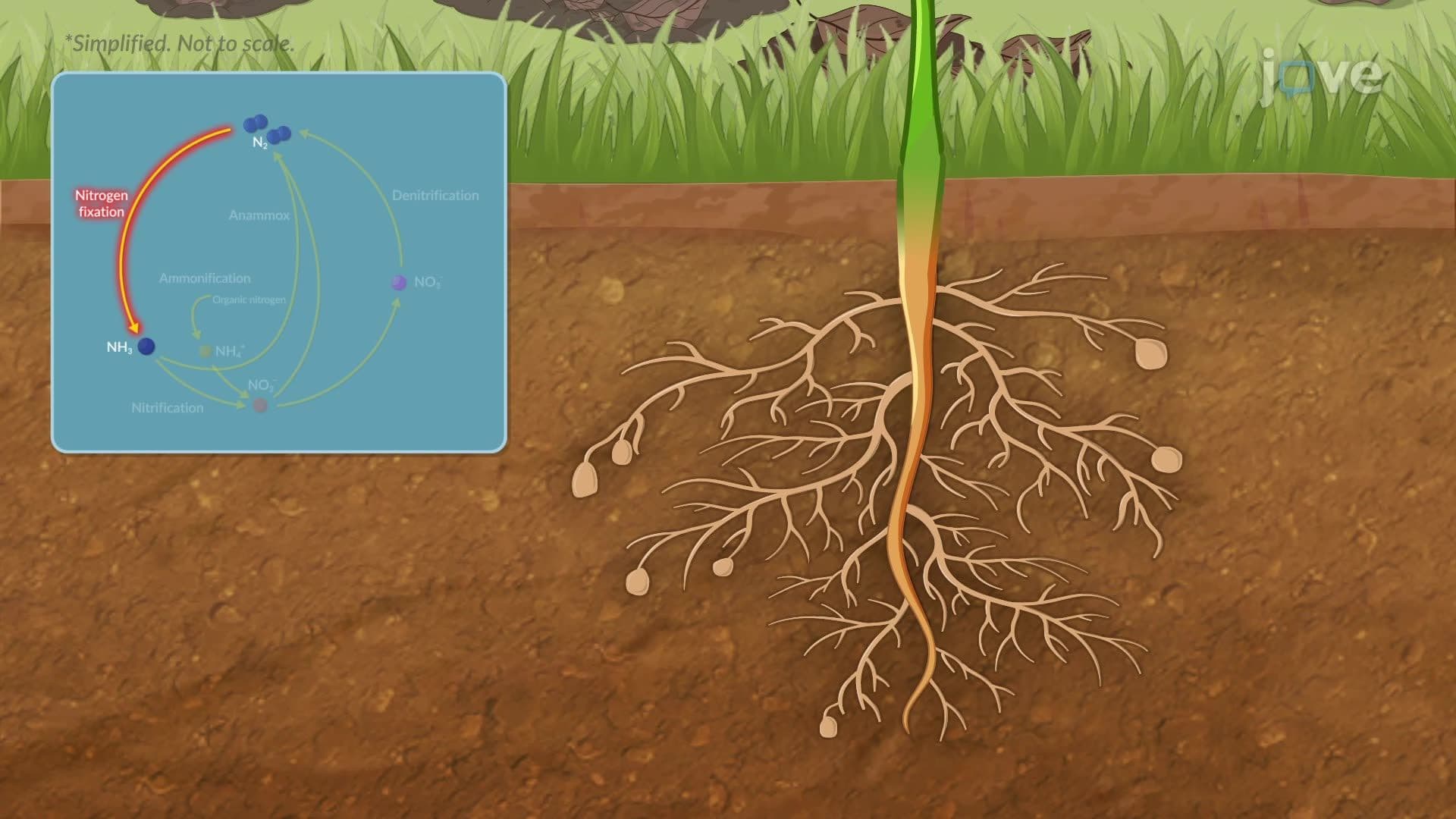
9. Microbes and Biogeochemical Cycles: Carbon, Nitrogen, Sulfur, and Beyond Microbes are the primary drivers of Earth's biogeochemical cycles. In the carbon cycle, photosynthetic microbes fix CO₂, while methanogens in anaerobic environments like rice paddies and wetlands produce methane, a potent greenhouse gas. Methanotrophs then oxidize methane back to CO₂. In the nitrogen cycle, bacteria like *Azotobacter* fix atmospheric nitrogen, while *Nitrosomonas* and *Nitrobacter* drive nitrification in aerobic soils, and *Pseudomonas* returns nitrogen gas to the atmosphere via denitrification. In the sulfur cycle, *Thiobacillus* oxidizes hydrogen sulfide in oxygen-rich zones, while sulfate-reducing bacteria regenerate it in anoxic environments. Iron and manganese cycling also depend entirely on microbial redox transformations.
10. Microbial Ecology Across Habitats: Marine, Deep Sea, Freshwater, and Soil Different ecosystems present unique challenges and microbial adaptations. Marine environments favor oligotrophic microbes, with the microbial loop recycling nutrients in photic zones. Deep-sea microbes, piezophiles, survive extreme pressure and cold by modifying their membrane fatty acids. US coastal zones face expanding oxygen-minimum zones due to climate warming. Freshwater systems like the Great Lakes are shaped by phytoplankton productivity and benthic decomposers. Soil microbial communities, the most diverse on Earth, drive decomposition and nutrient release, but are vulnerable to agricultural nitrogen and phosphorus pollution and hydrocarbon contamination, all of which are active environmental concerns across the US.