Loading video…

 22 Concepts
 4.1K views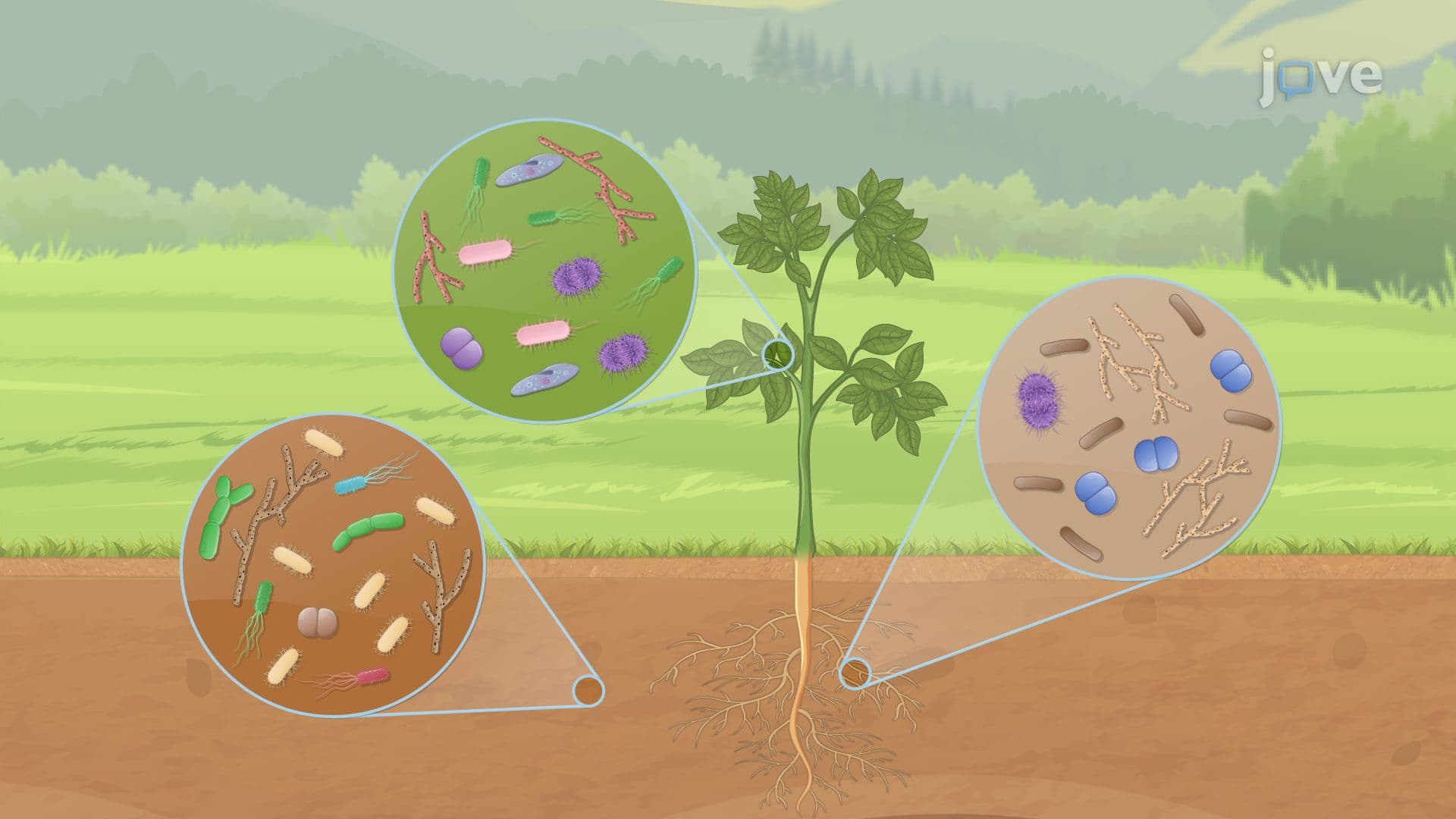

Video Summary: What Is Microbial Ecology
Did you know that a single teaspoon of healthy American farmland soil can harbor over a billion microorganisms? Microbial ecology, the study of how microbes interact with each other and their environments, reveals why those invisible communities matter enormously. From nutrient-rich Midwestern cornfields teeming with diverse species to acidic Appalachian mine drainage dominated by iron-oxidizing specialists, microbial ecology explains life at its smallest scale. Watch the full video on JoVE Coach to master this concept with expert-led visuals and step-by-step explanations.
Microbial ecology is the scientific discipline that investigates the diversity of microorganisms and the complex ways they interact with one another and with their surrounding environments. Far from being isolated curiosities, microbes are the metabolic engines of every ecosystem on Earth. Understanding microbial ecology means understanding how life sustains itself, from the bottom of the food web to the cycling of essential nutrients that plants, animals, and humans depend on every day.
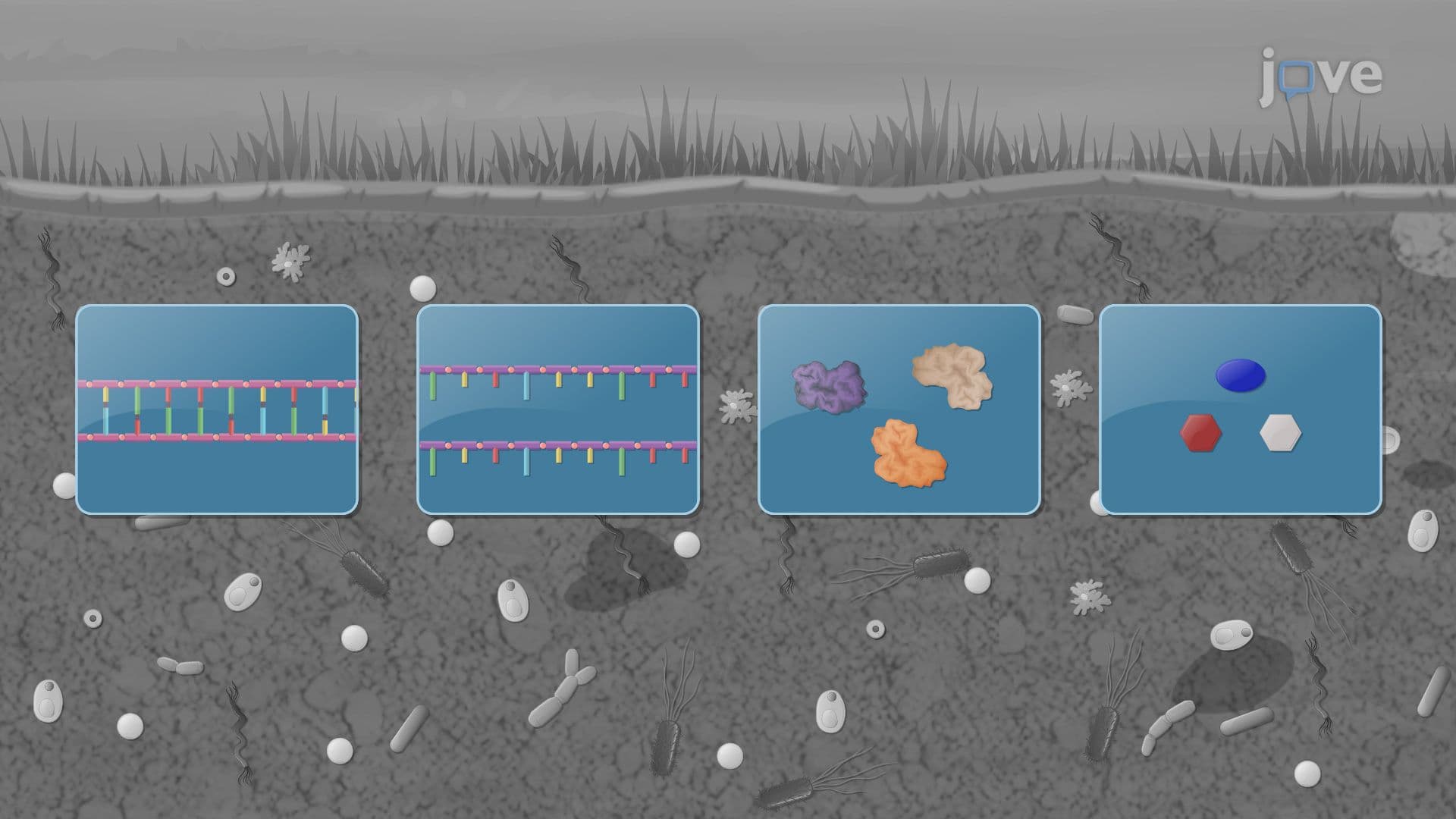
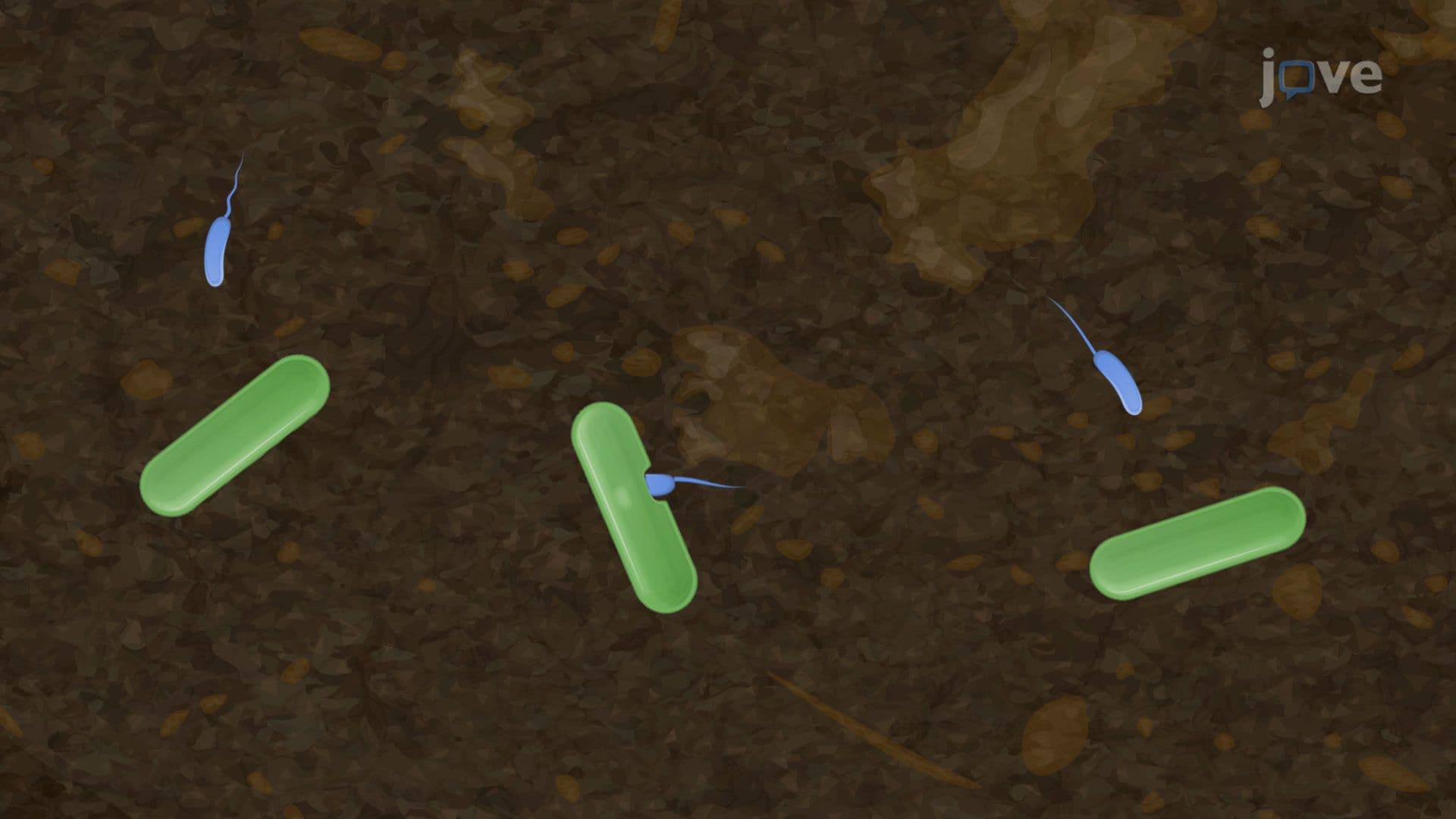
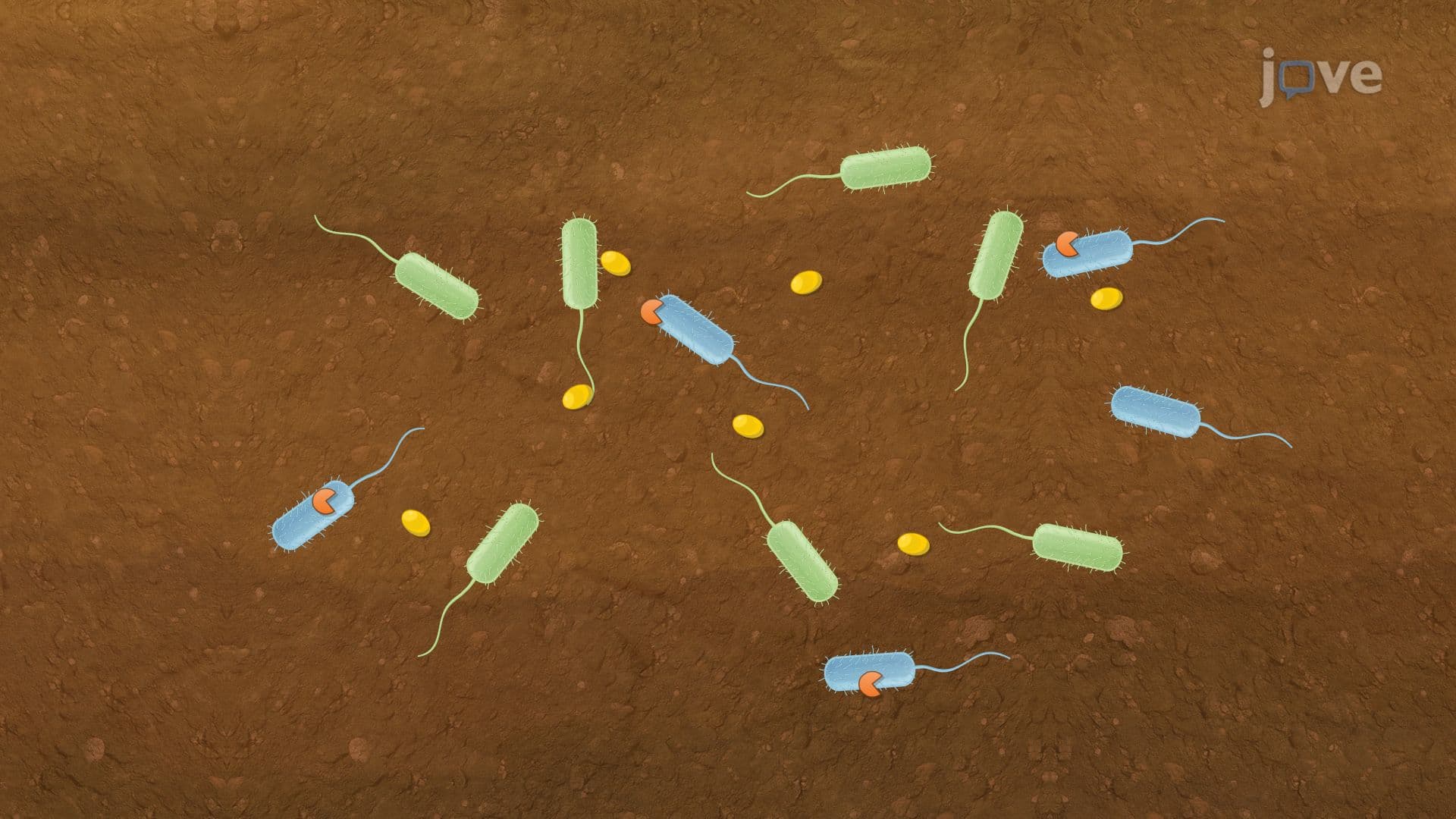
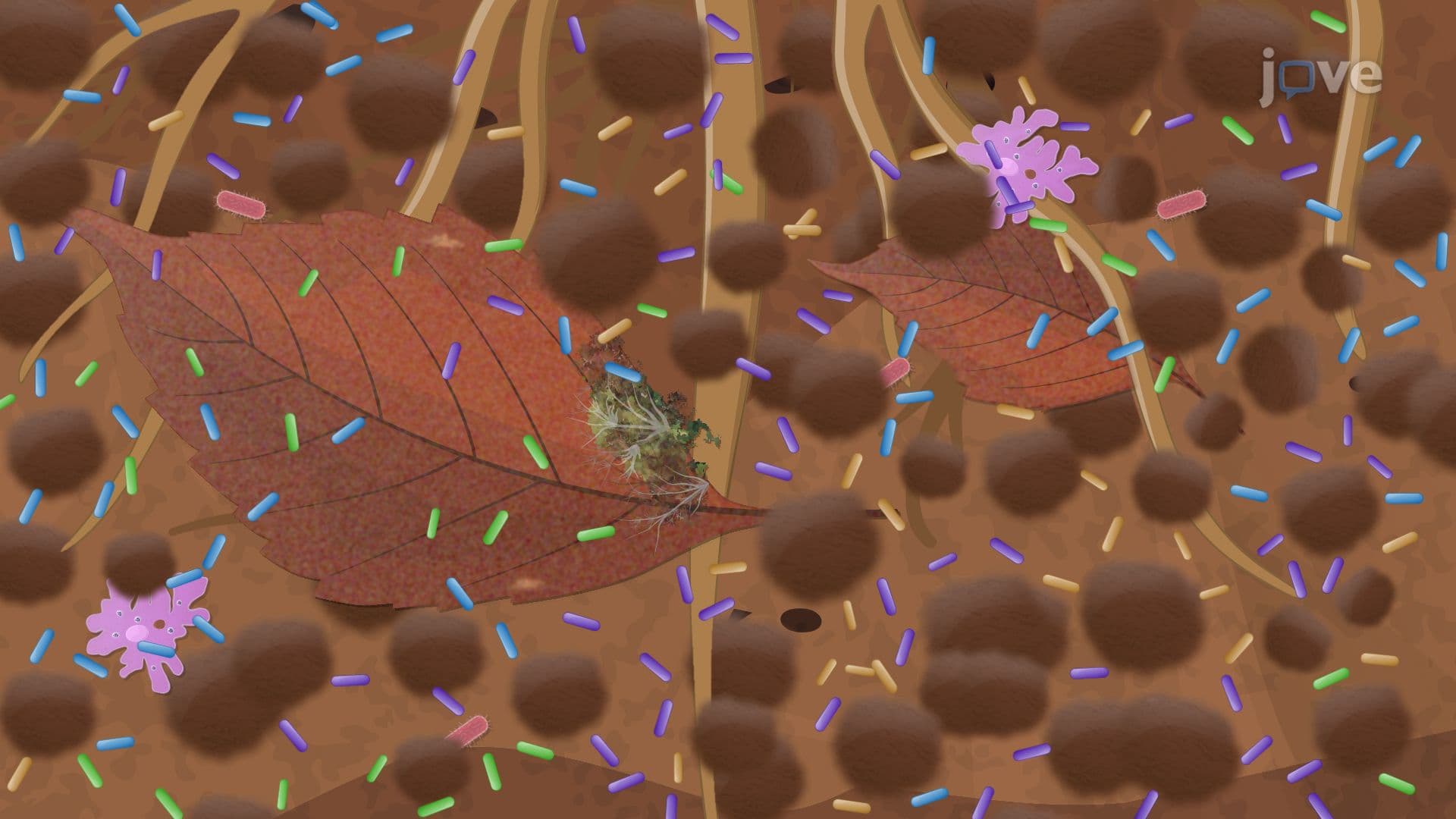
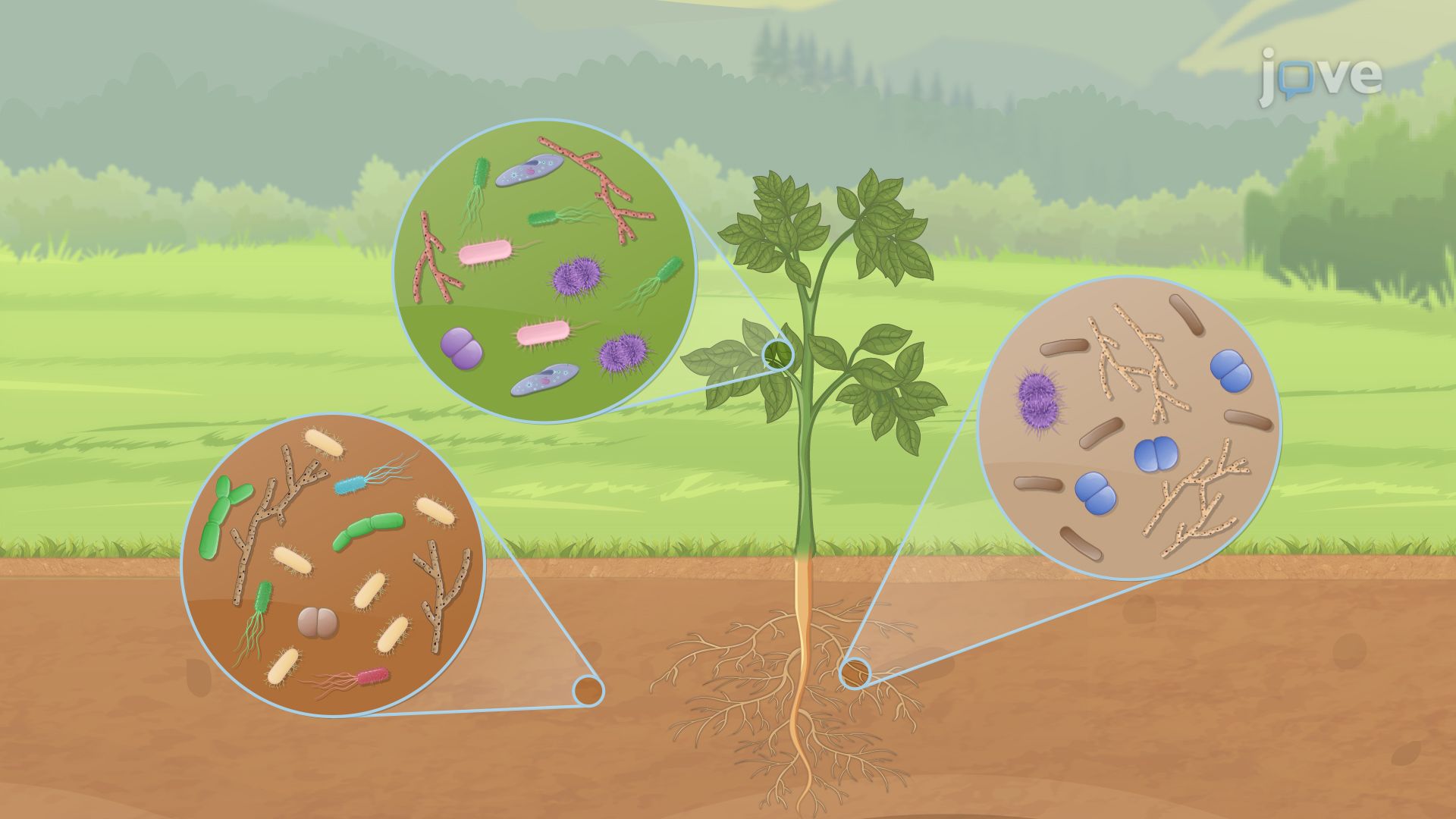
One of the first challenges in microbial ecology is understanding how scientists organize and describe microbial life. Individual microbes of the same species living in one location form a population. When multiple populations of different species share a habitat, a forest floor in Oregon, a human gut, or a coral reef off Florida's coast, they form a microbial community. All microorganisms within a defined ecosystem together make up the microbiota, while the complete collection of their genetic material is called the microbiome. This distinction matters enormously in college biology and on the MCAT, where questions frequently test whether students can differentiate between microbiota (the organisms) and microbiome (their collective genes).
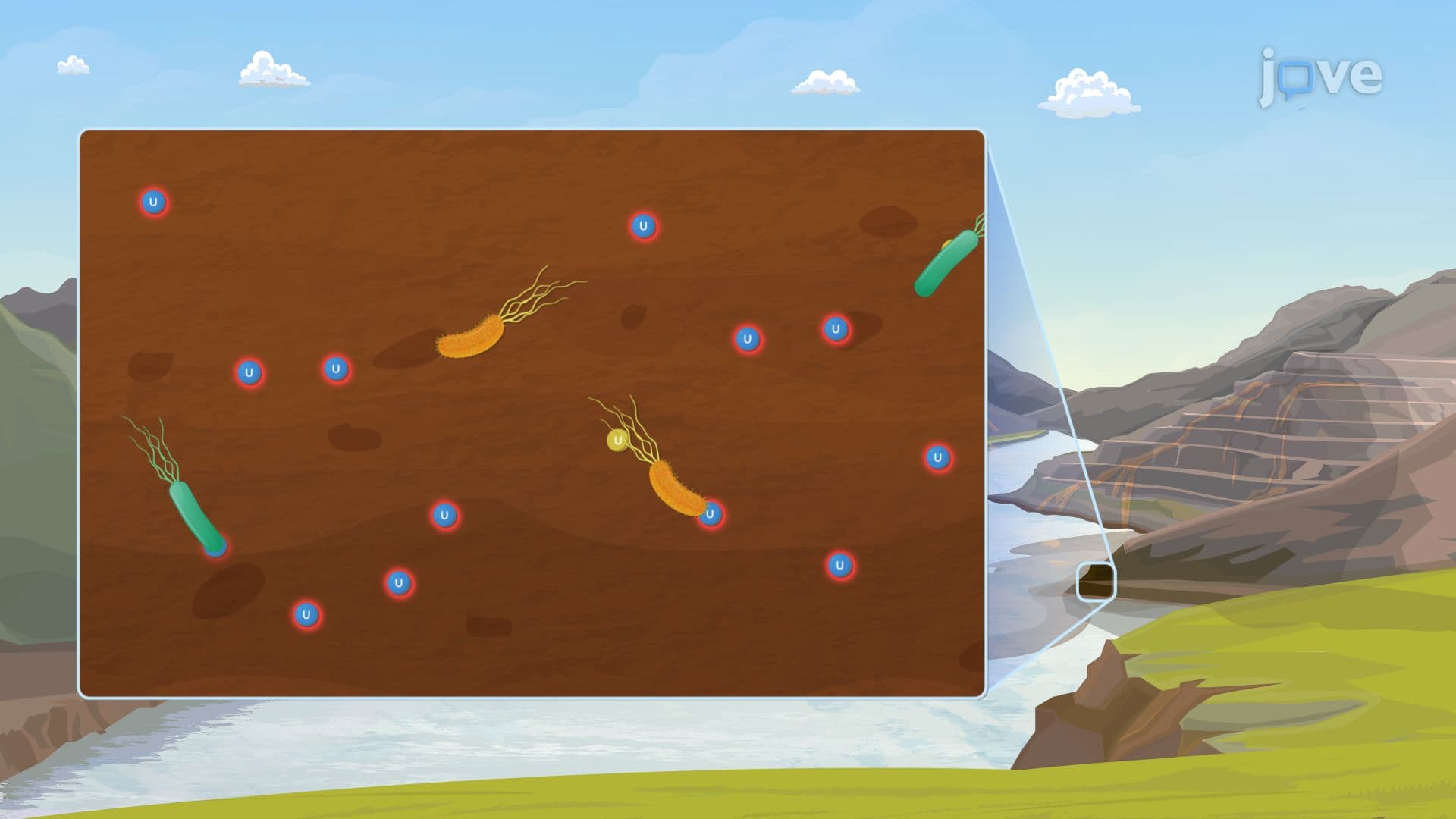
Scientists use two primary metrics to describe microbial diversity within communities. Species richness refers to the total number of different microbial species present in a given sample. Relative abundance describes how evenly or unevenly those species are represented, in other words, which organisms dominate and which are rare. Both measures are directly influenced by environmental conditions. Nutrient-rich soils, like those found in Iowa's agricultural heartland, typically show high species richness, with dozens of bacterial and fungal species coexisting at moderate, balanced abundances. In contrast, extreme environments, such as the acid mine drainage sites in Pennsylvania's coal country, support very low species richness but allow highly specialized microbes like *Acidithiobacillus ferrooxidans* to reach remarkable abundances. Recognizing this trade-off is a concept commonly tested in AP Biology and college ecology midterms.
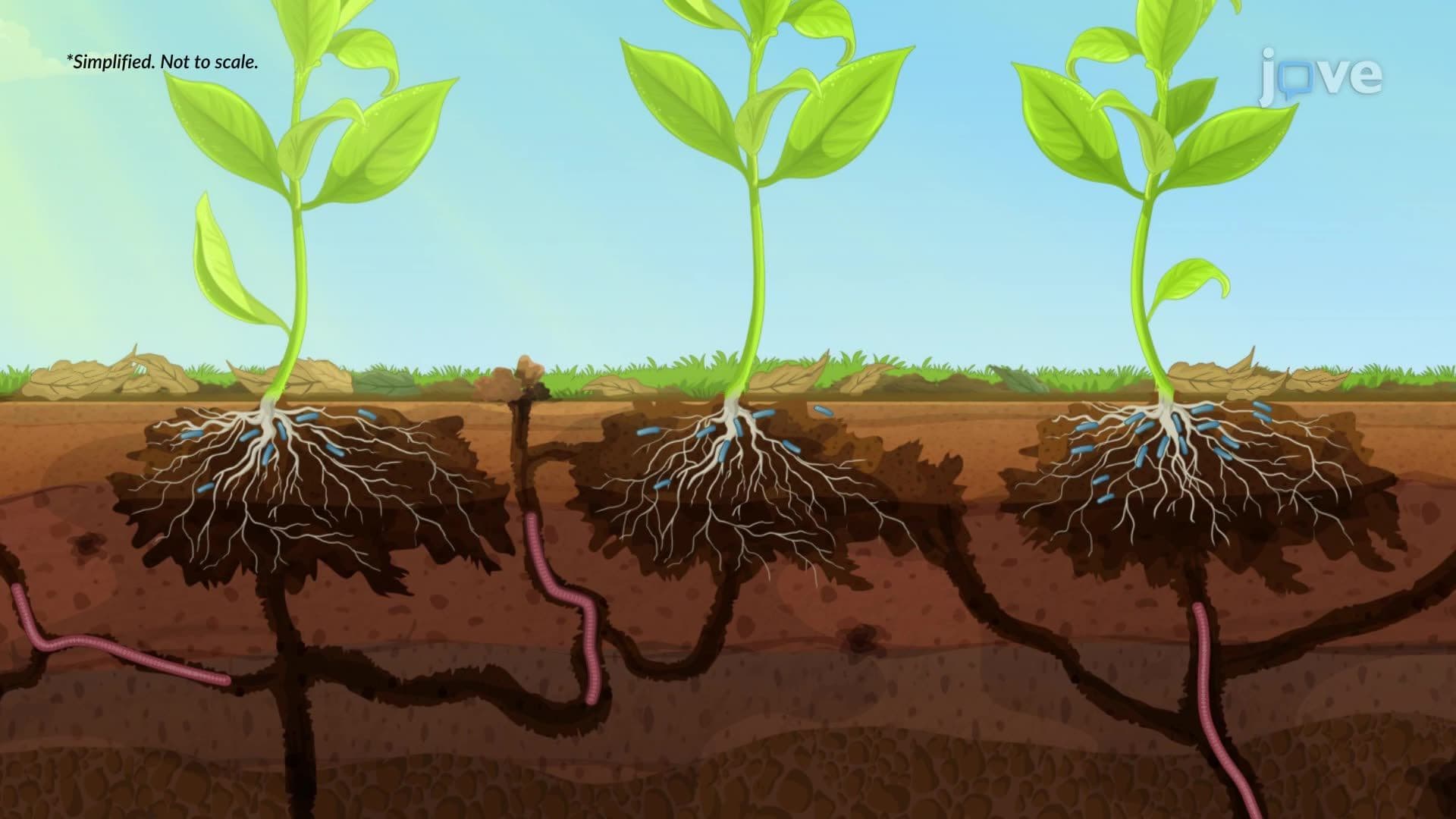
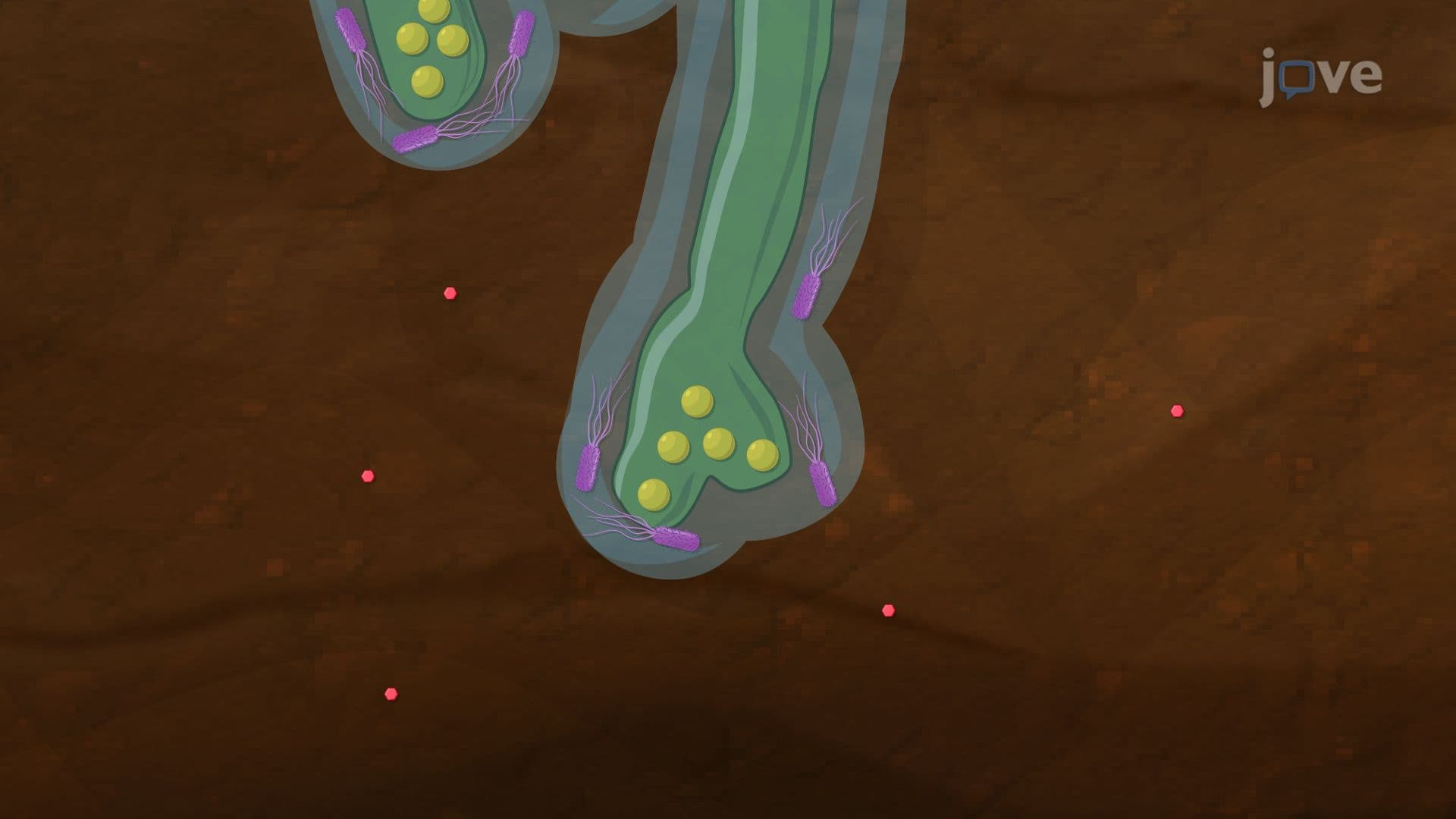
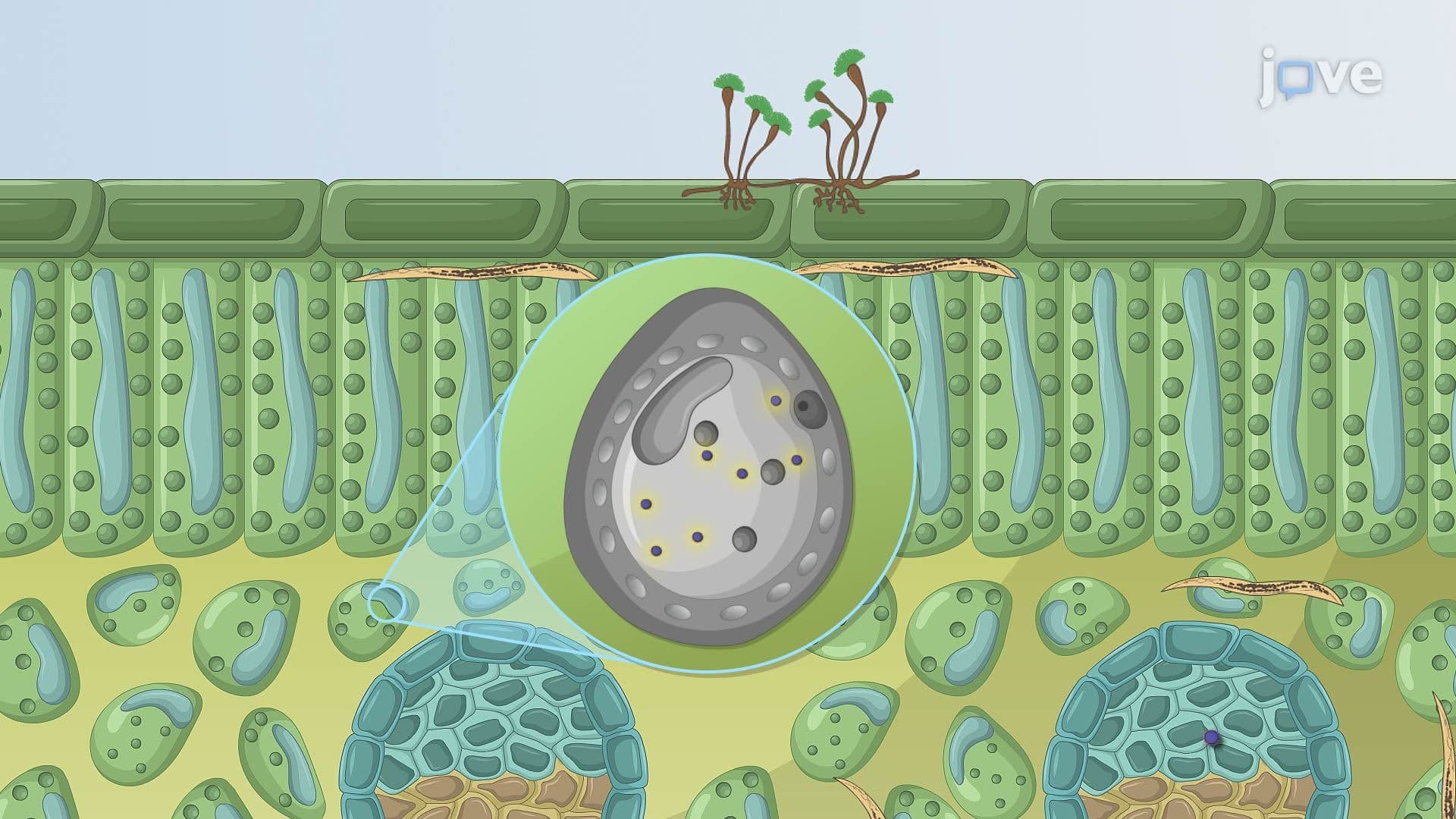
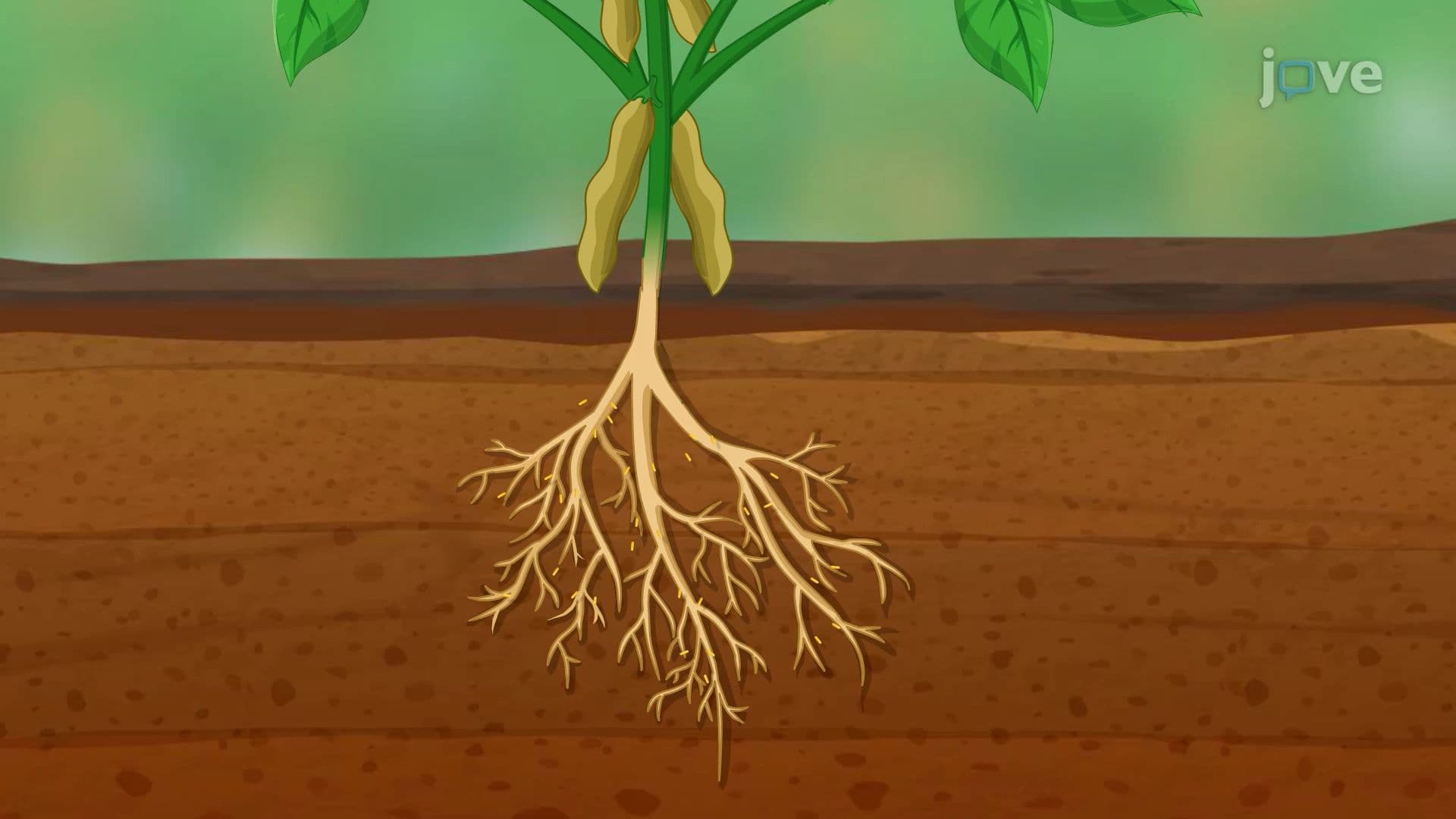
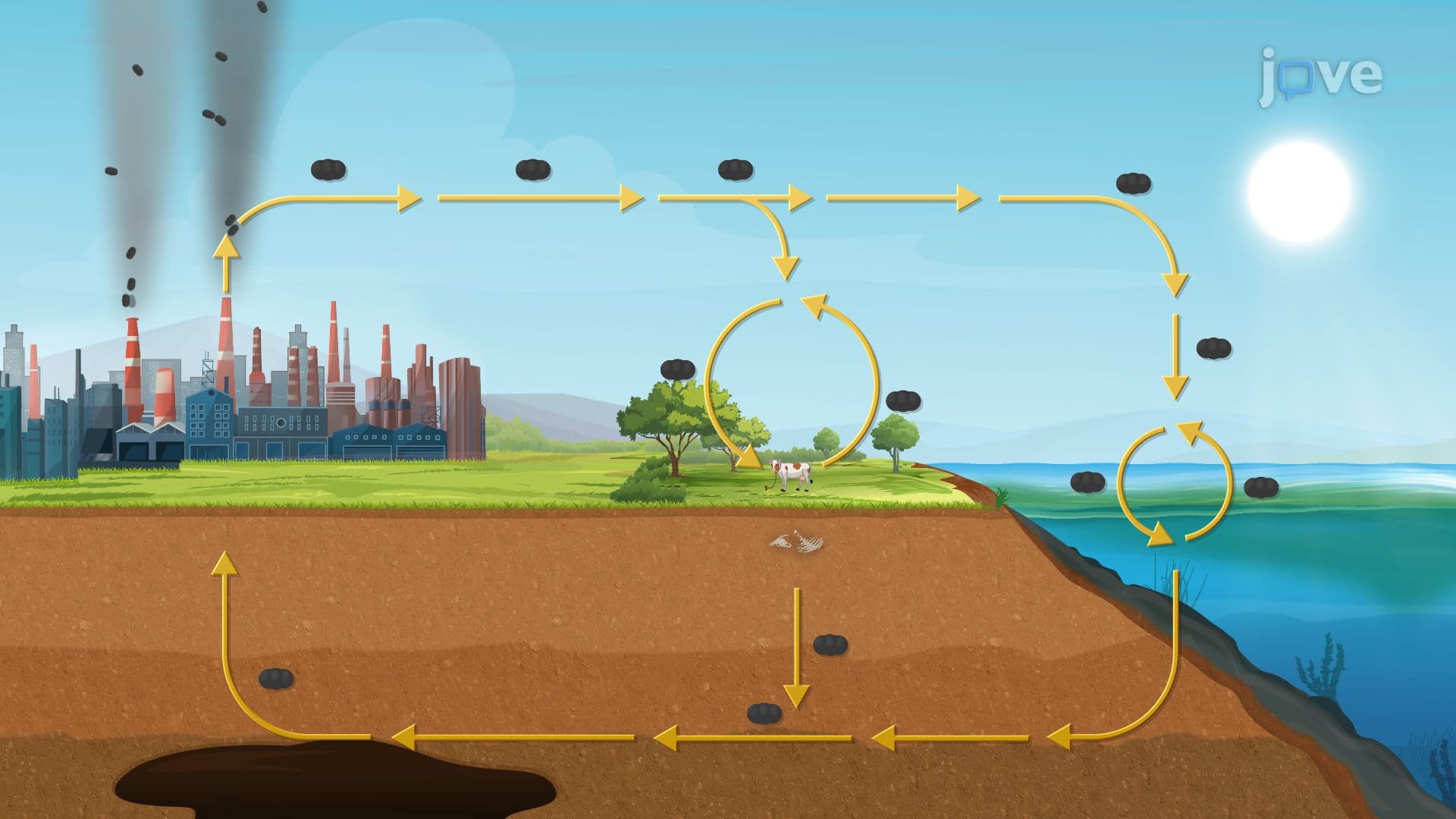
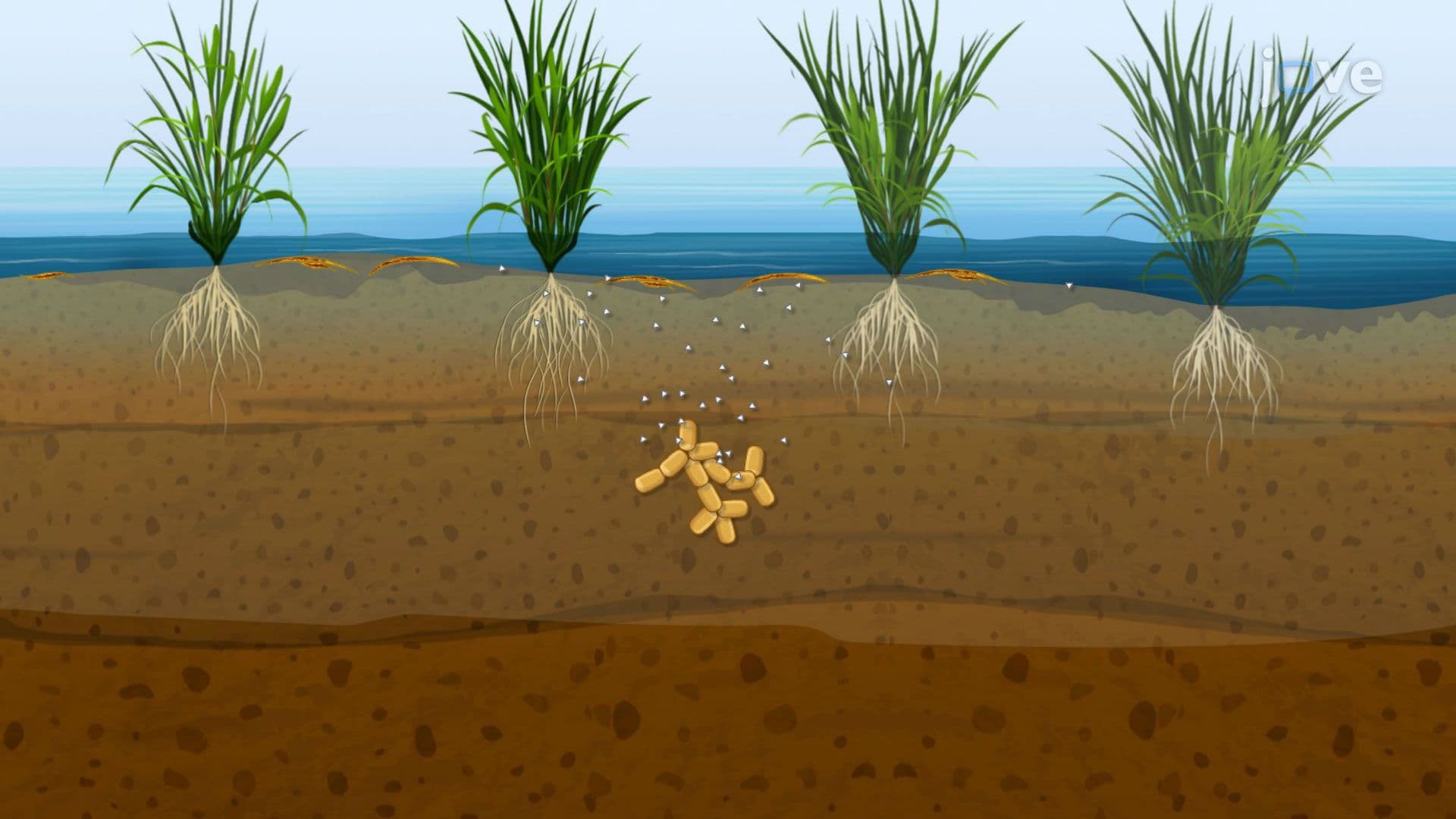
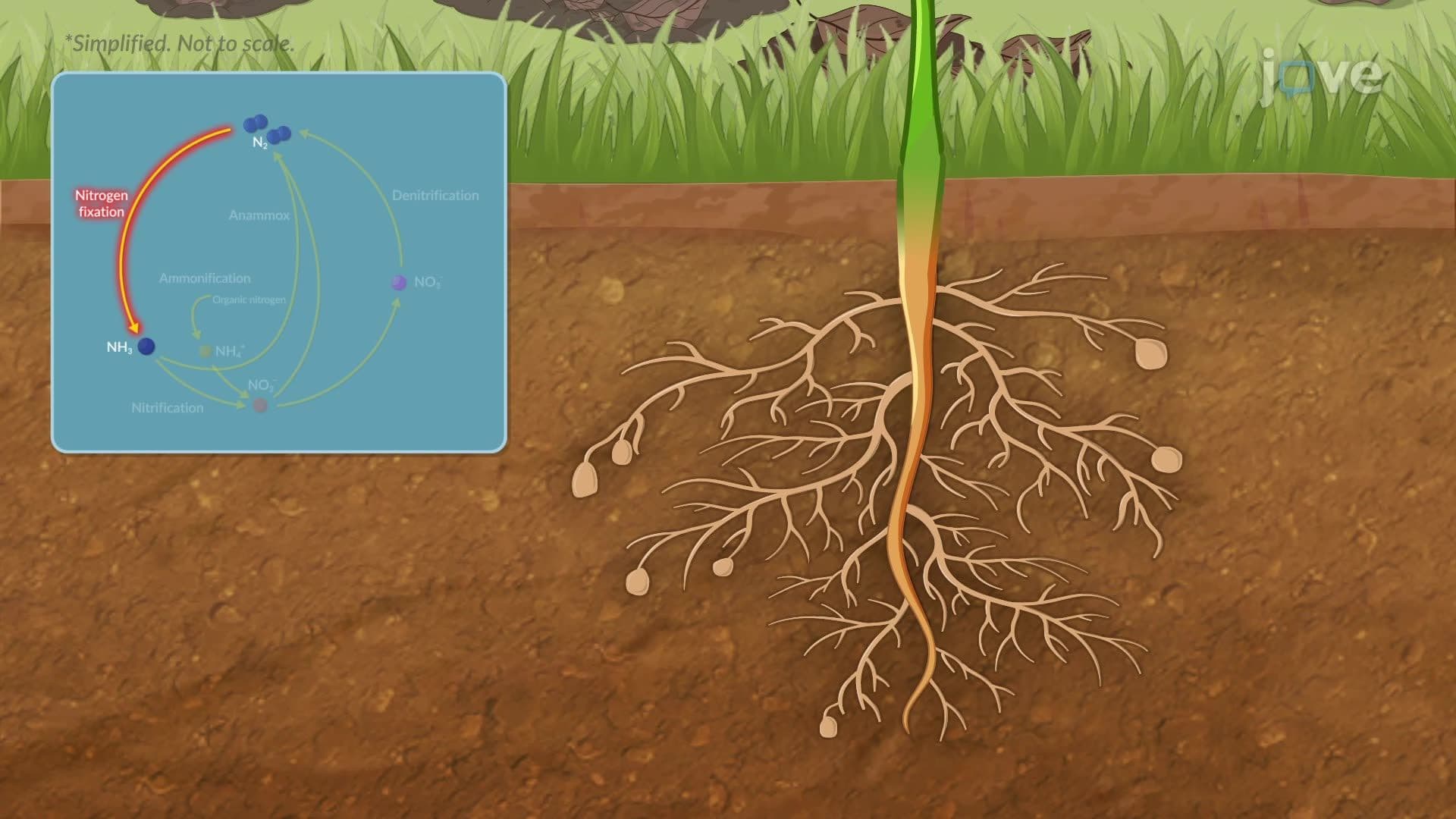
Microbial communities are not passive bystanders, they are active participants in sustaining life on Earth. Microbes drive biogeochemical cycles, transforming nitrogen, carbon, sulfur, and phosphorus into forms that plants and animals can use. Nitrogen-fixing bacteria in the root nodules of soybeans grown across the American Midwest, for example, convert atmospheric nitrogen into ammonia, directly reducing the need for synthetic fertilizers. Microbes also form biofilms, structured communities of microorganisms attached to surfaces, which are found everywhere from hospital medical devices to river rocks in Yellowstone's hot springs. Symbiotic relationships, both mutualistic and competitive, shape which species thrive in a community. Extremophiles, organisms adapted to survive in conditions once considered uninhabitable, challenge our assumptions about where life can exist, with implications for astrobiology and pharmaceutical discovery. These applications make microbial ecology highly relevant not just in academic settings but in fields from public health to environmental engineering.
Related Micro-courses