Loading video…

 22 Concepts
 4.1K views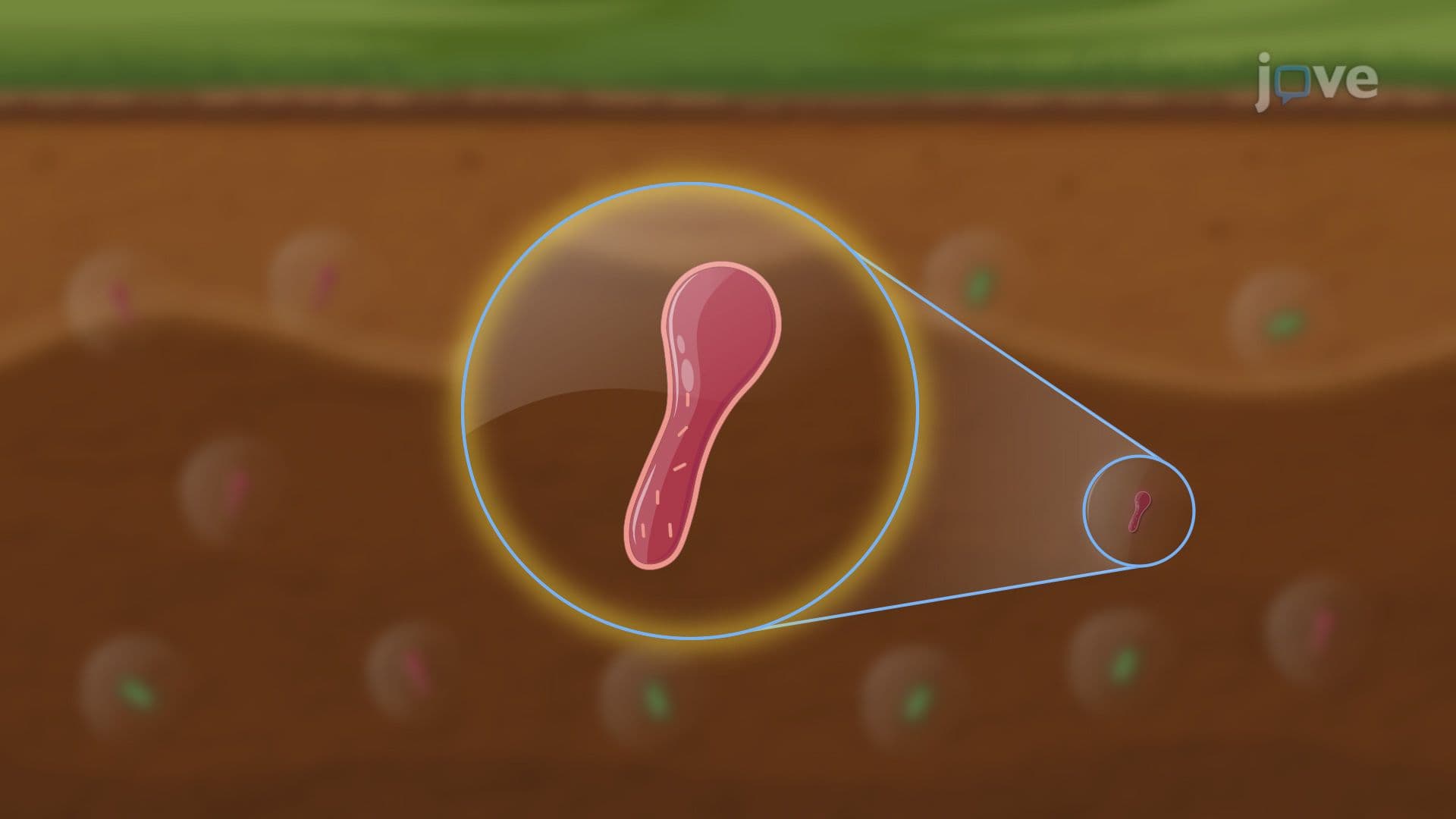

Video Summary: What are Microenvironments
Did you know that microbes living just millimeters apart can exist in completely different worlds? Microenvironments, the tiny physical zones surrounding microbes, control everything from oxygen availability to pH and temperature. In Yellowstone's hot springs, for example, distinct microbial communities thrive in layers based on these microscopic differences. Understanding what microenvironments are reveals how life organizes itself at the smallest scales. Watch the full video on JoVE Coach to master this concept with expert-led visuals and step-by-step explanations.
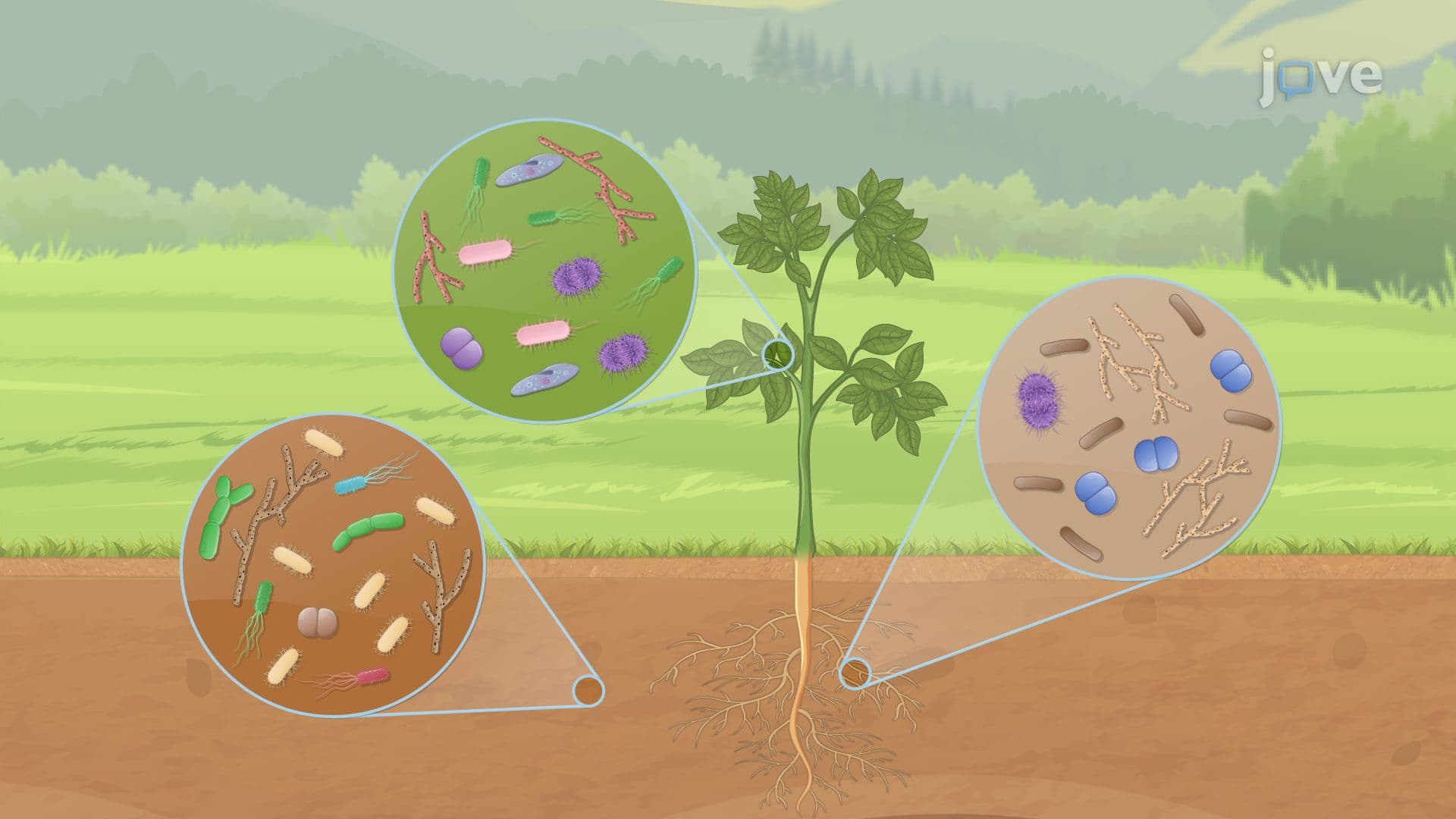
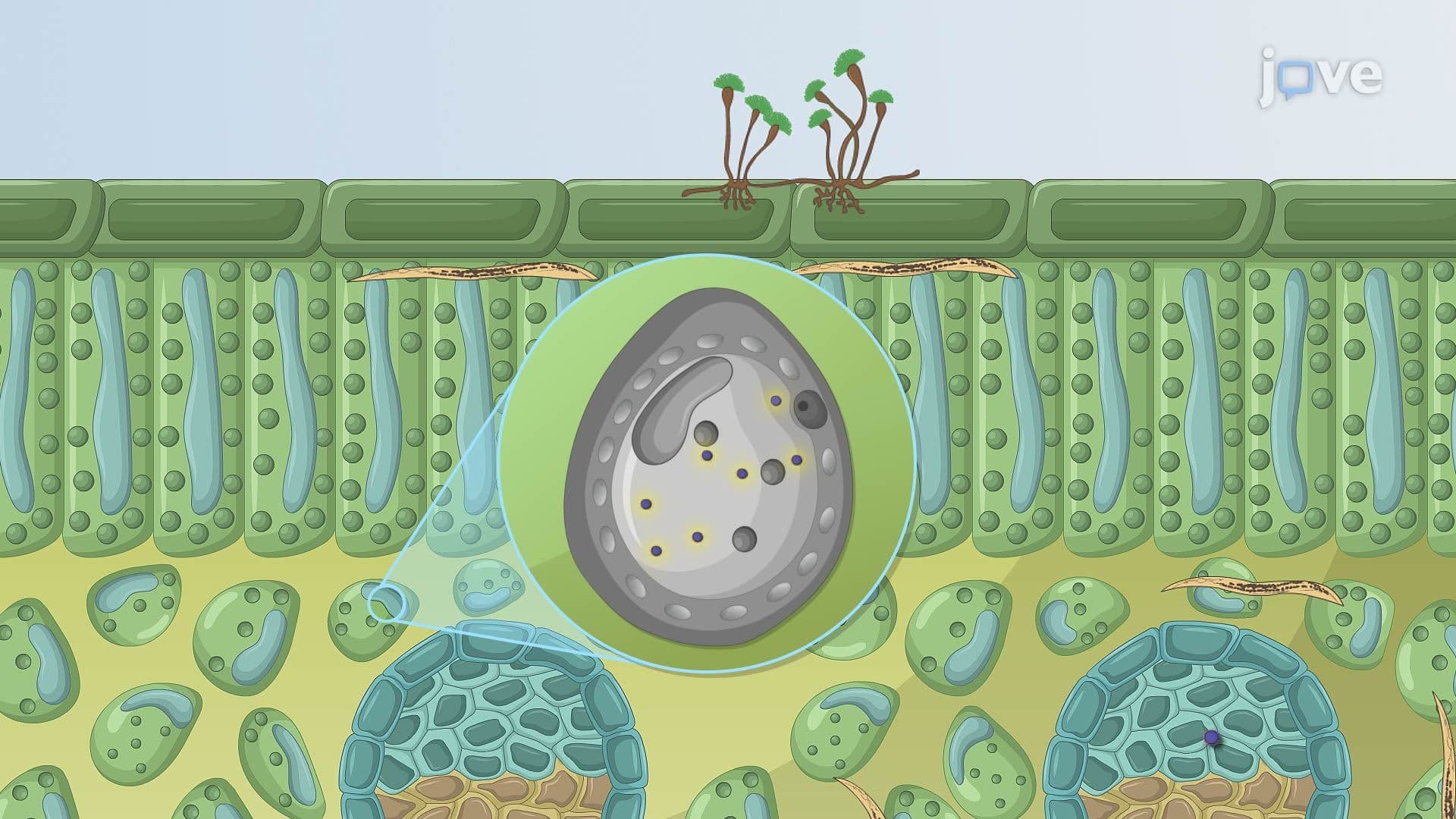
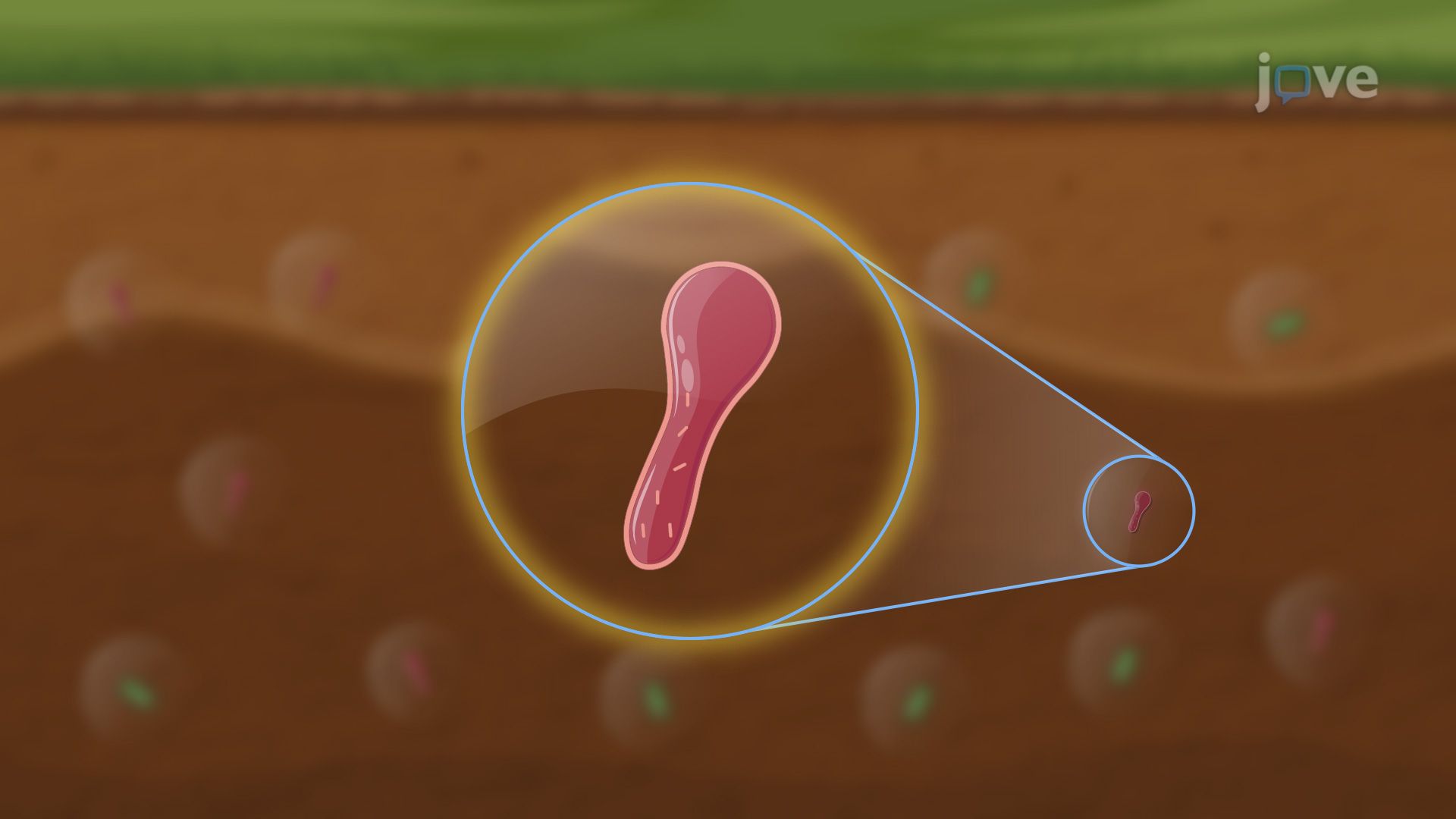
A microenvironment is the small, localized physical zone that immediately surrounds a microbe or a microbial community. Unlike the broader environment, say, a lake or a forest floor, a microenvironment is measured in micrometers to millimeters. Within that tiny space, conditions such as oxygen concentration, pH, temperature, light intensity, and nutrient availability can differ dramatically from what exists just a short distance away. These differences are not trivial. For microbes, a shift of even a fraction of a millimeter can mean the difference between survival and death.
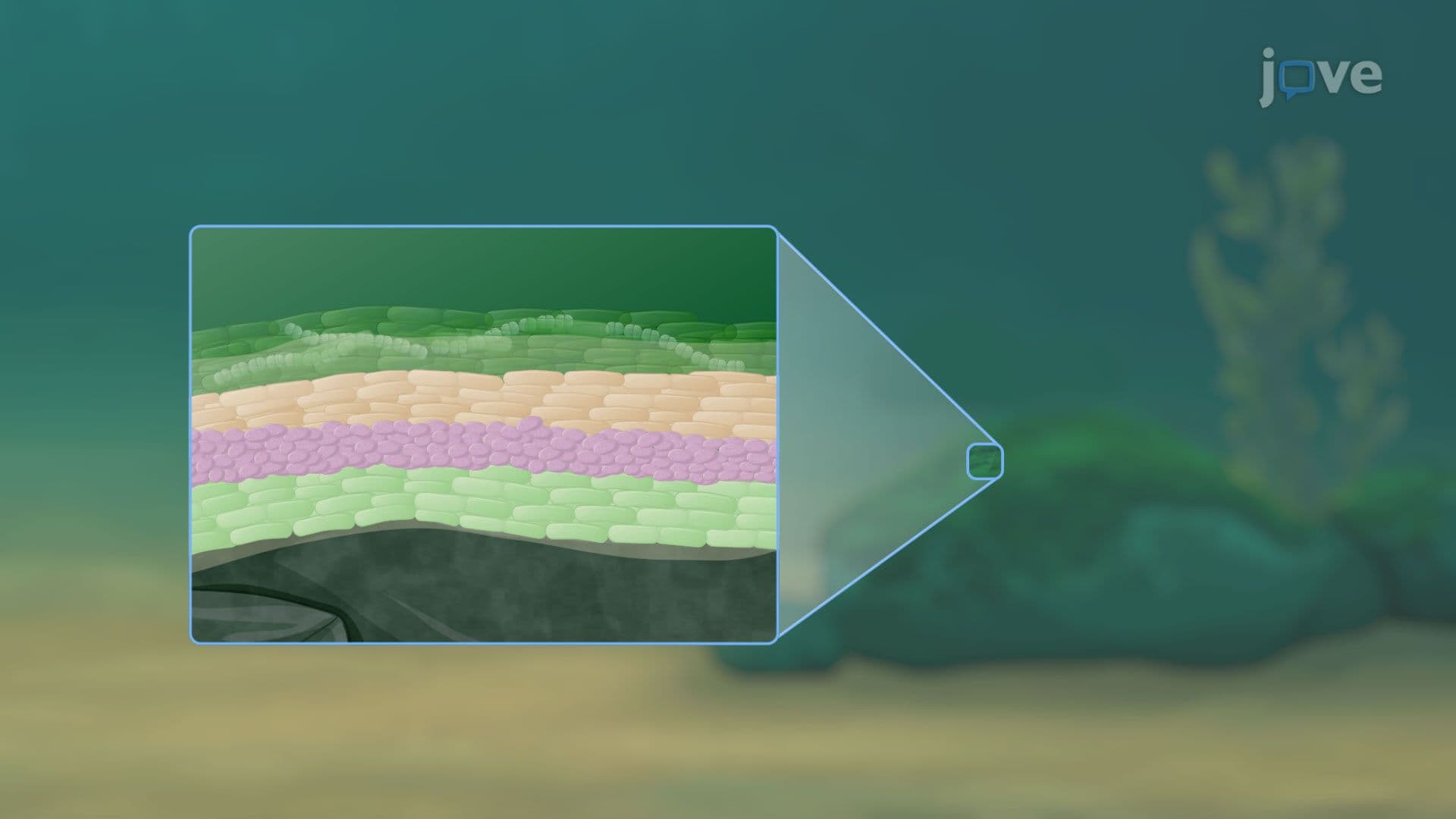
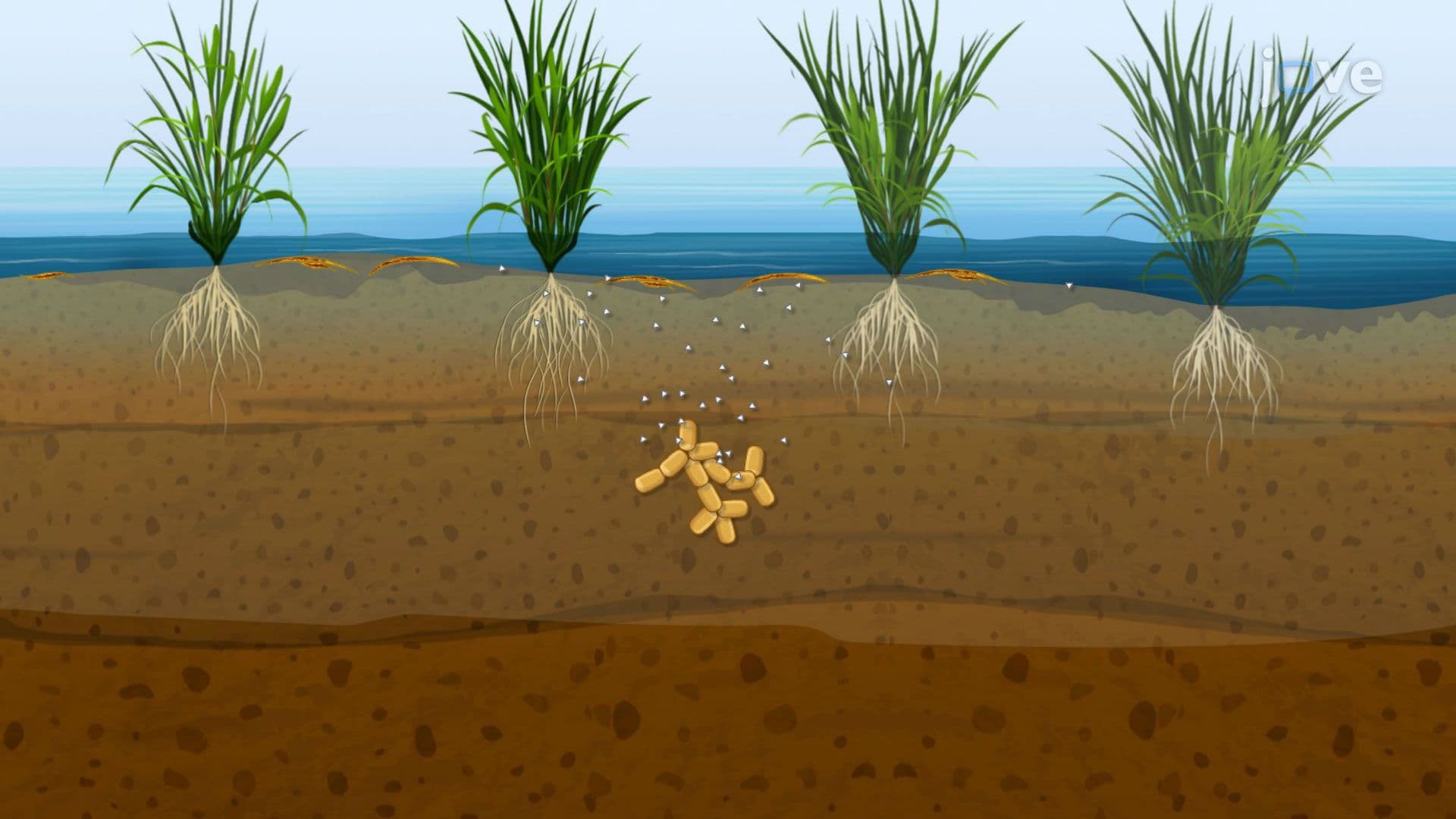
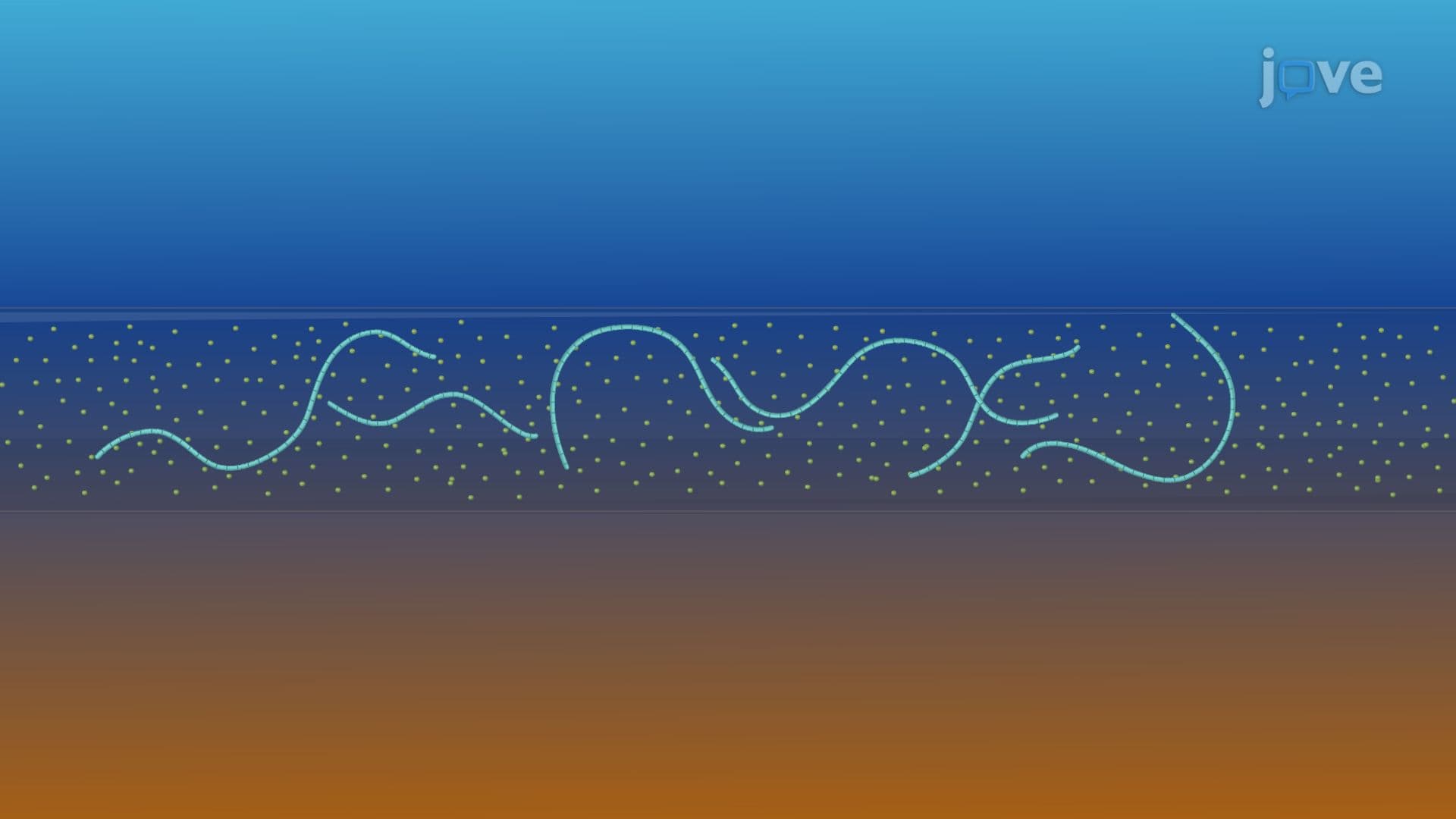
The defining feature of any microenvironment is its physicochemical gradient, a measurable change in a physical or chemical property across a small distance. Consider a single grain of soil. Oxygen diffuses inward from the surface, but microbial respiration consumes it rapidly. Within just a few millimeters, oxygen concentration drops from saturated to essentially zero. This creates a gradient that sorts microbial life into distinct zones: aerobic bacteria colonize the oxygen-rich outer layer, while strict anaerobes like *Clostridium* species inhabit the anoxic interior. This same principle plays out in biofilms, structured communities of microbes embedded in a self-produced matrix, where oxygen gradients determine which species occupy the surface versus the deeper layers. Biofilms are clinically significant in the US; they form on medical devices, dental surfaces, and chronic wound tissue, making microenvironmental understanding directly relevant to healthcare.
Microenvironments also change over time, and these temporal shifts reshape microbial community structure. In freshwater lakes across the US, such as Lake Erie or the Chesapeake Bay watershed, aquatic microbial communities experience predictable daily oxygen cycles. During daylight hours, photosynthetic cyanobacteria and algae produce oxygen, raising dissolved oxygen levels and creating conditions favorable for aerobic microbes. At night, photosynthesis stops but cellular respiration continues, depleting oxygen and allowing anaerobic microbes to become more active. Over longer timescales, these repeated cycles drive vertical stratification: photosynthetic and aerobic microbes dominate upper, sunlit layers, while fermenters and sulfate-reducing bacteria settle in oxygen-depleted depths.
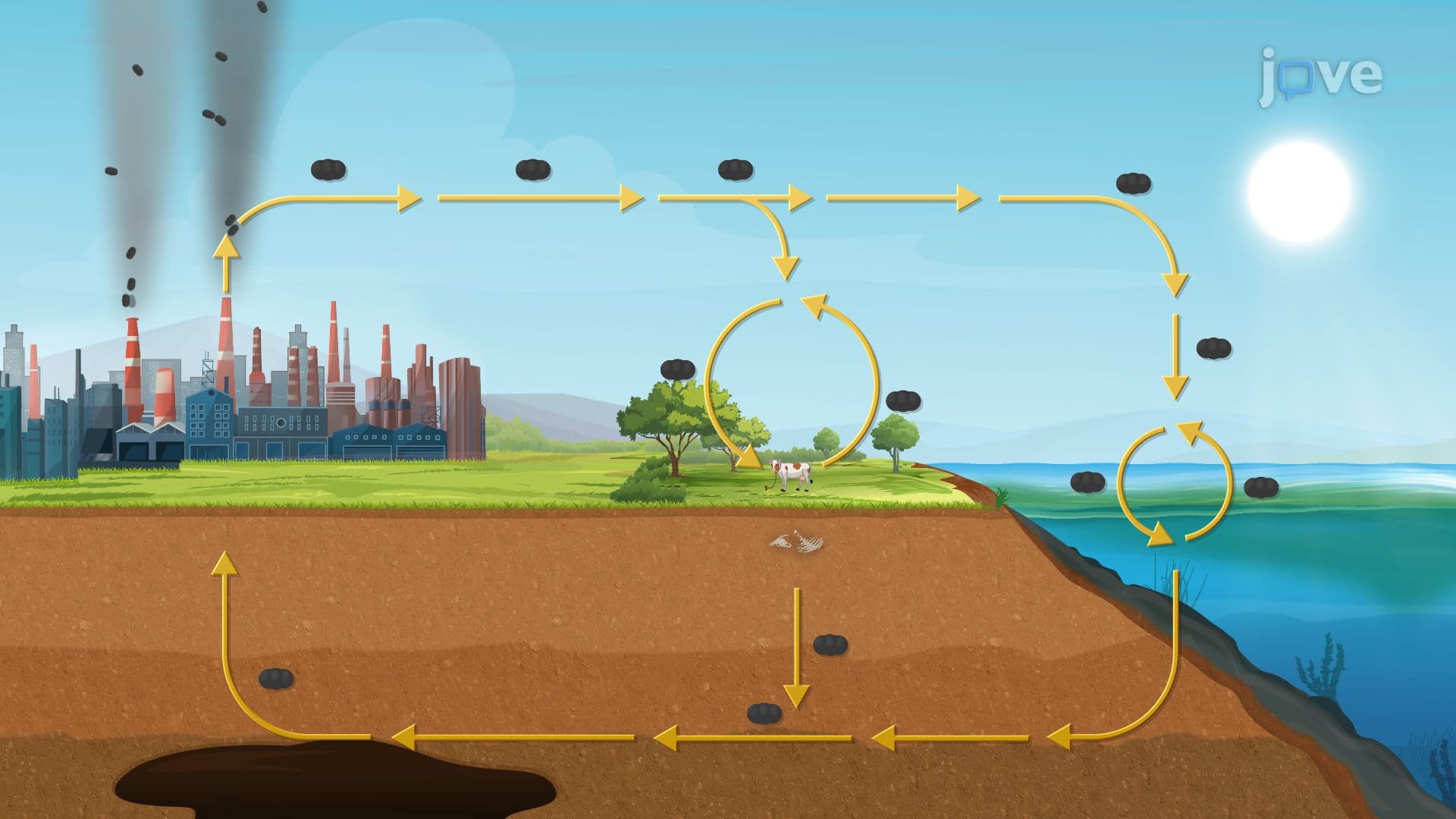
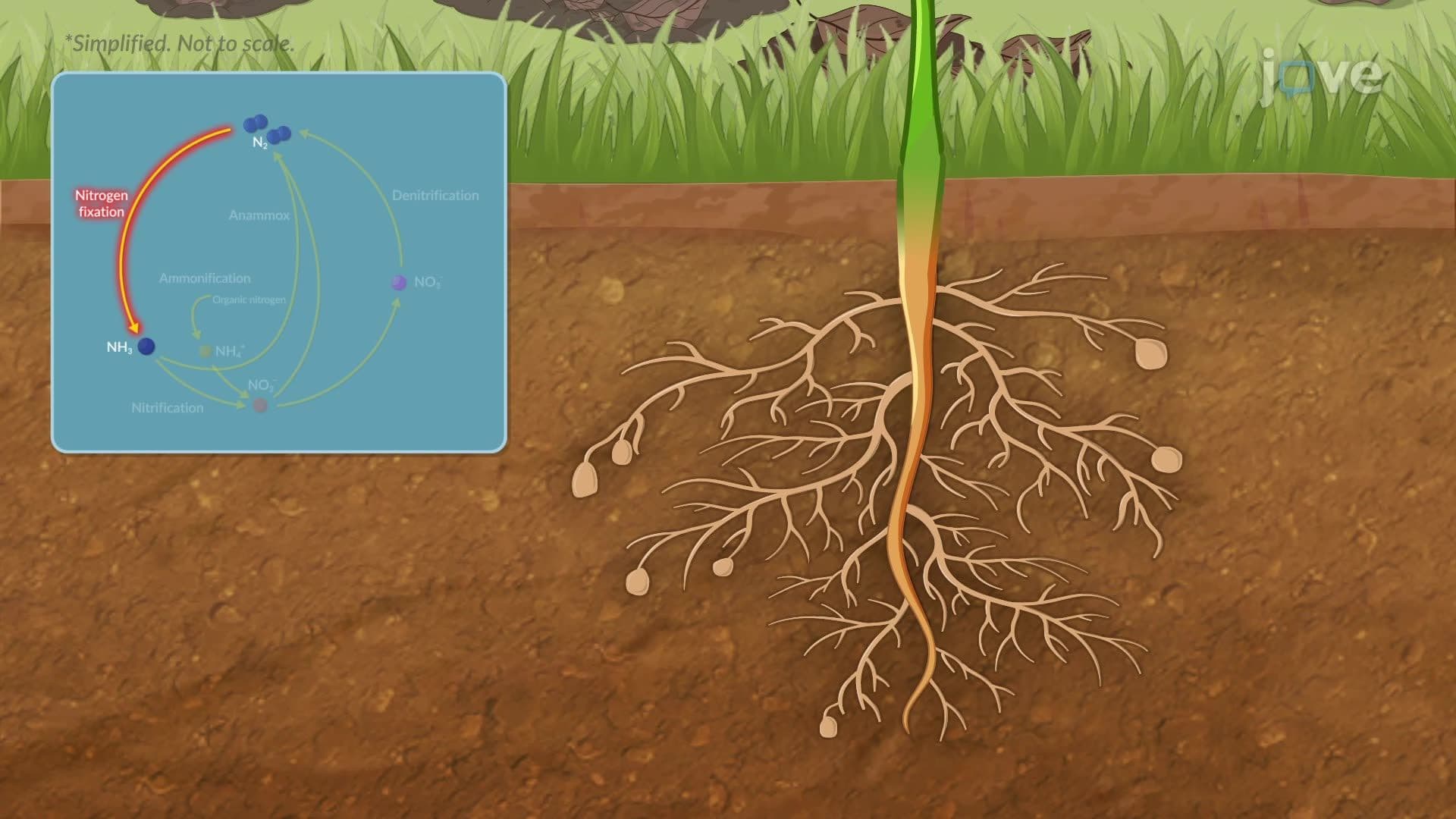
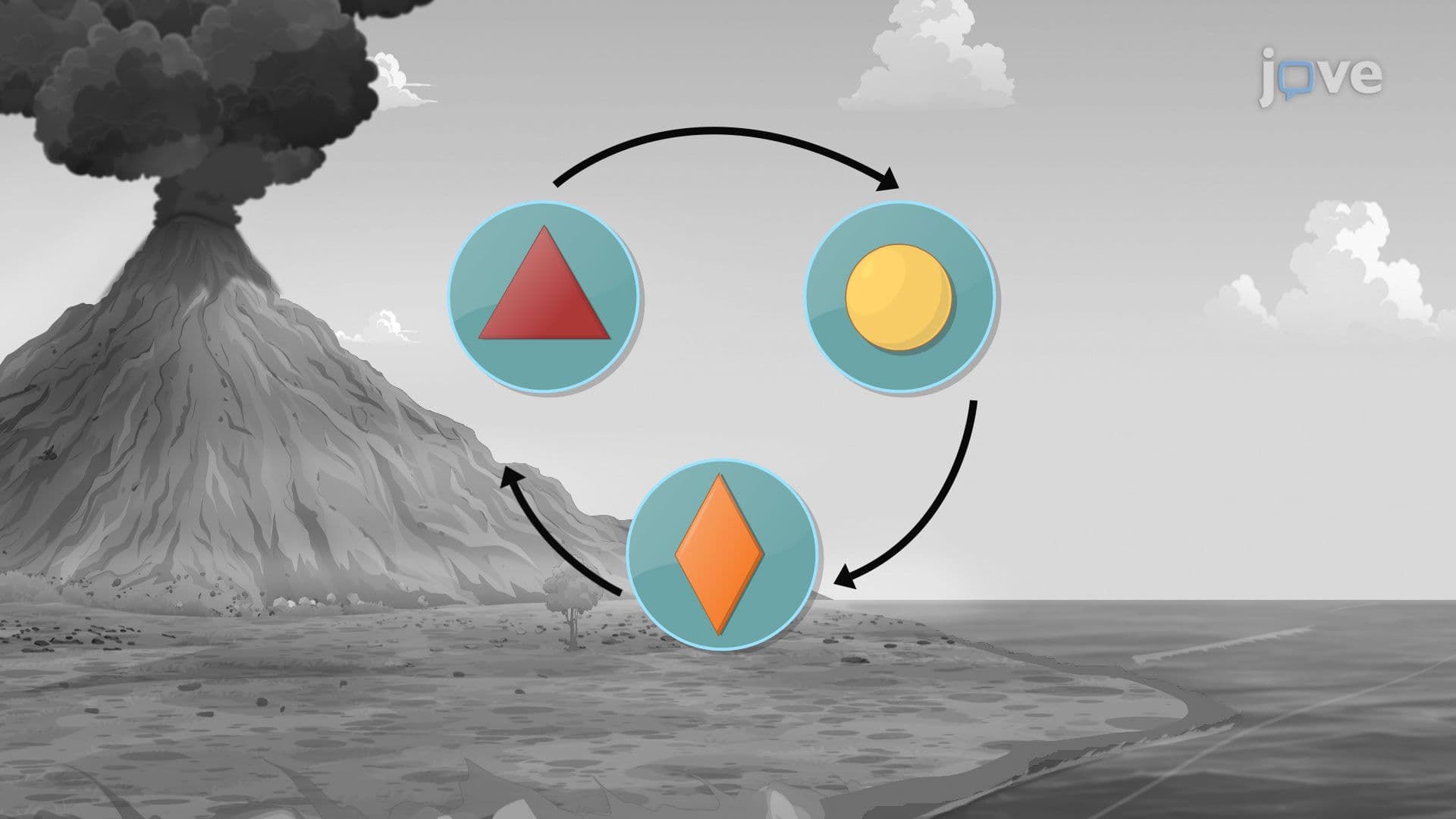
Some of the most dramatic microenvironments on Earth support extremophiles, microbes adapted to conditions hostile to most life. Hydrothermal vents off the US Pacific Coast and the acidic hot springs of Yellowstone National Park in Wyoming host communities where temperature, pH, and chemical composition shift sharply across centimeters. Studying these microenvironments has expanded our understanding of biogeochemical cycles: microbial communities in these zones drive nitrogen fixation, sulfur cycling, and carbon transformation, processes that sustain ecosystem function globally.
For AP Biology and college-level microbiology students, microenvironments appear in discussions of ecological niches, population dynamics, and energy flow. On the MCAT, questions about microbial metabolism, aerobic versus anaerobic respiration, fermentation pathways, often hinge on understanding what environmental conditions (like oxygen availability in a microenvironment) favor each pathway. Recognizing that microbial behavior is a direct response to local physicochemical conditions is a high-yield conceptual framework for both coursework and standardized exams.
Related Micro-courses