Loading video…

 22 Concepts
 4.1K views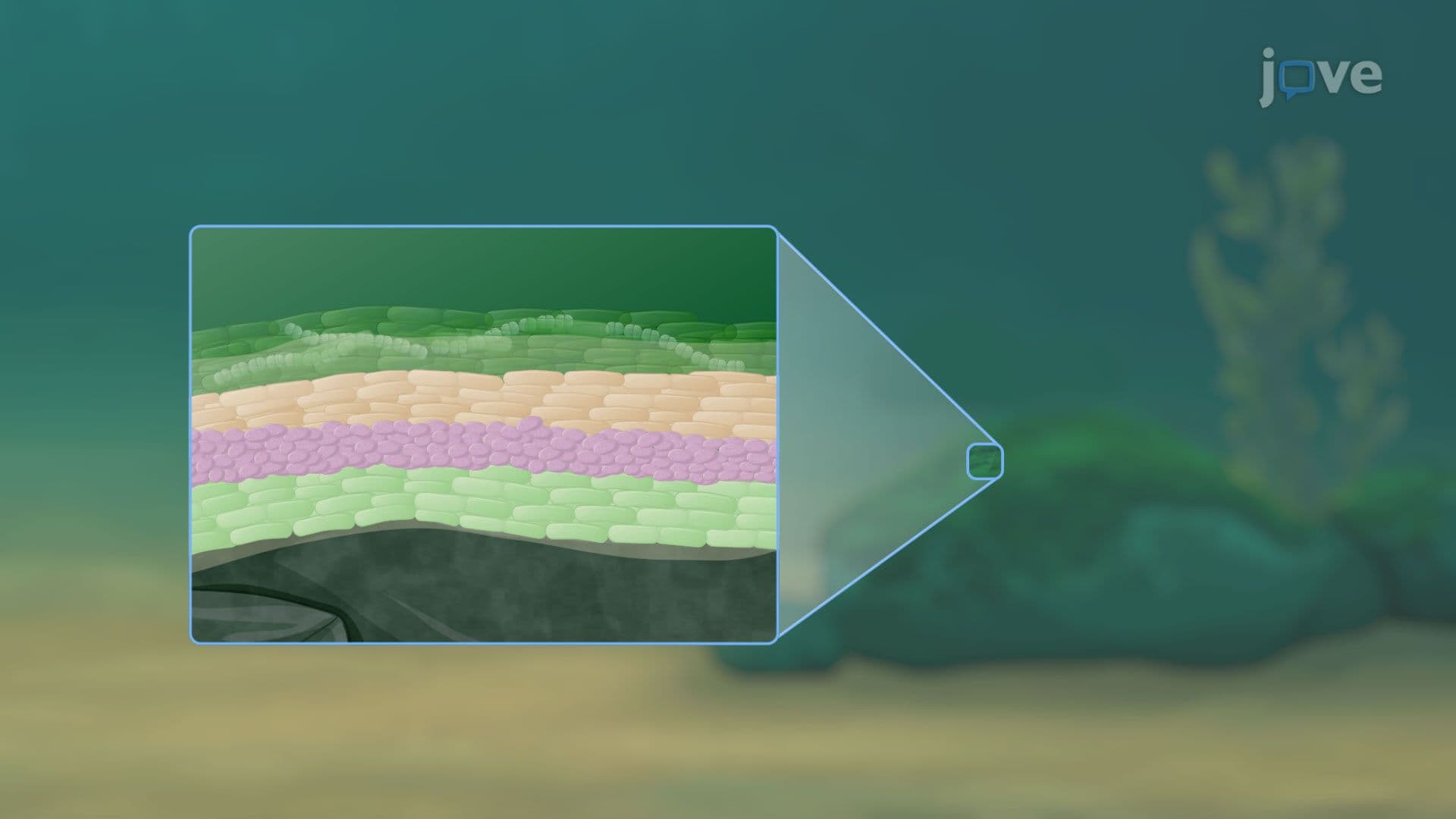

Video Summary: What are Microbial Mats
Did you know living communities of microorganisms can form layered structures visible to the naked eye, even thriving in Yellowstone's scalding hot springs? Microbial mats are ancient, self-sustaining assemblies of microorganisms that grow in some of Earth's most extreme environments. From oxygen-producing cyanobacteria on the surface to sulfur-cycling bacteria deep within, these living systems reveal how microbes shape entire ecosystems. Watch the full video on JoVE Coach to master this concept with expert-led visuals and step-by-step explanations.
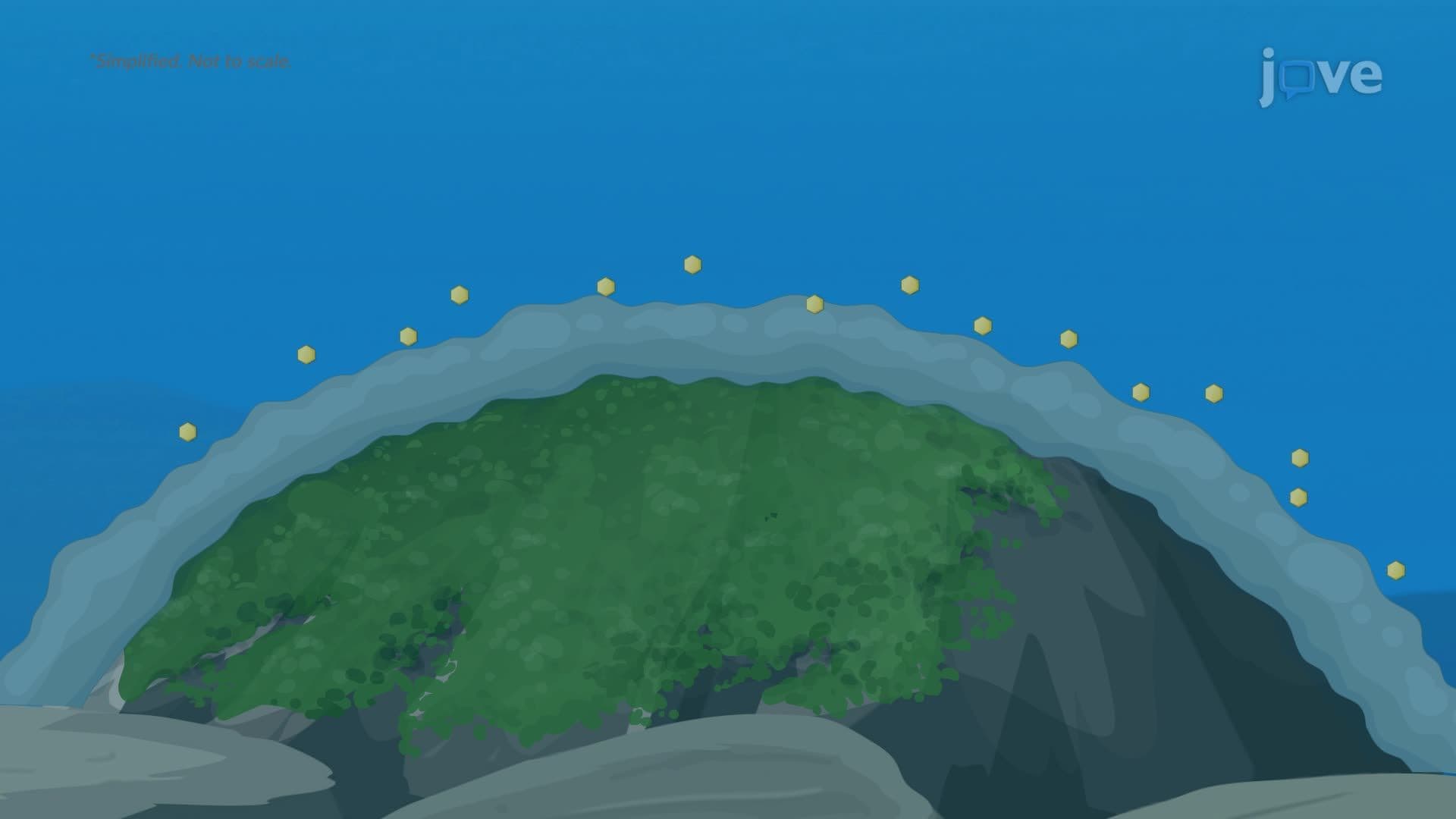
Microbial mats are among the oldest and most ecologically sophisticated biological structures on Earth. These are dense, stratified assemblies of microorganisms, including bacteria, archaea, and sometimes algae, that grow on surfaces ranging from hot spring sediments to the ocean floor. Unlike simple biofilms, which are only a few micrometers thick, fully developed microbial mats can reach several millimeters to centimeters in thickness, with each layer harboring a distinct microbial community adapted to the local chemical environment. Fossil evidence suggests that structures resembling modern microbial mats, called stromatolites, were among the earliest forms of complex life on Earth, dating back over 3.5 billion years.
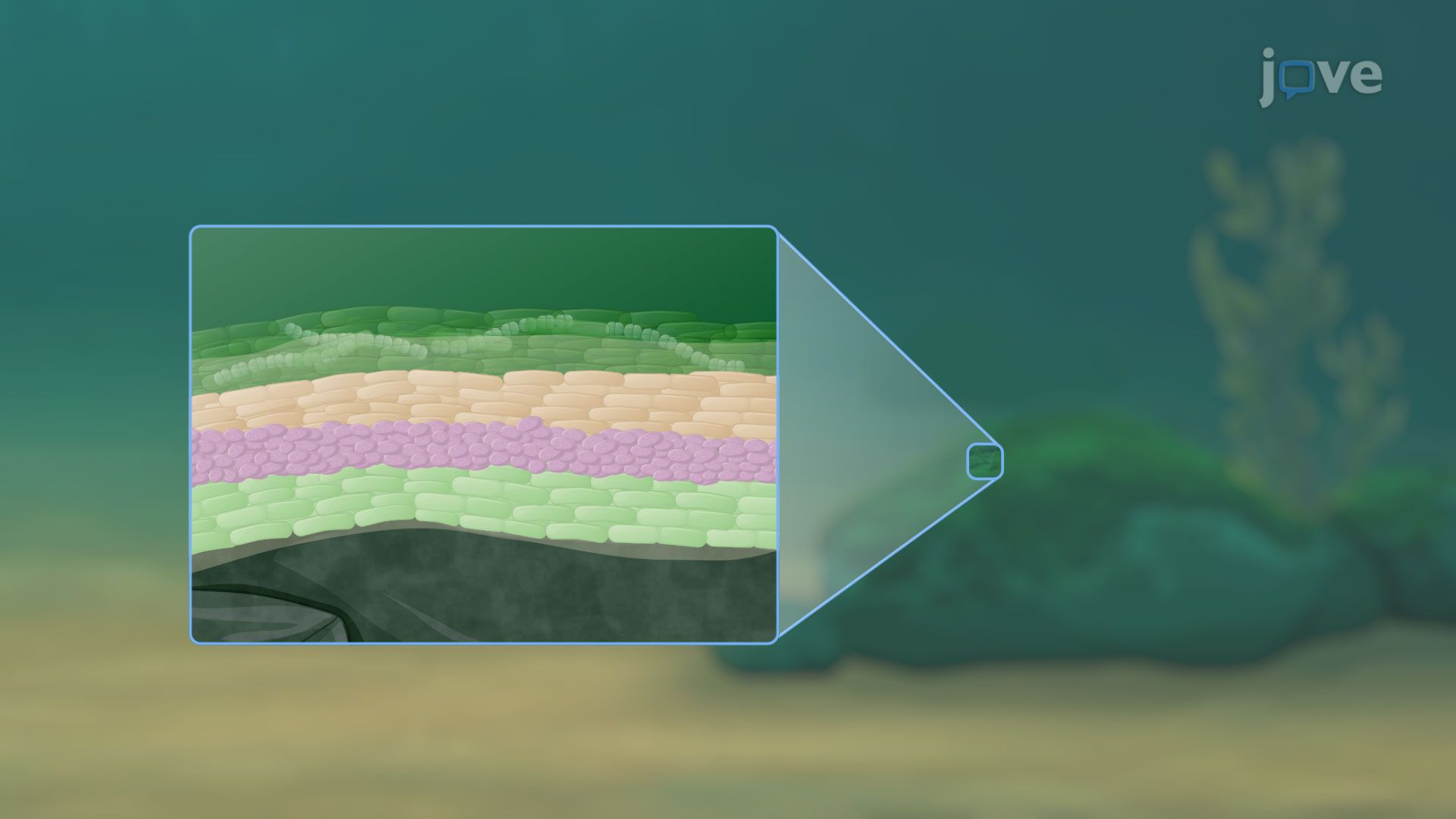
The defining feature of microbial mats is their layered architecture, which is directly controlled by the availability of light, oxygen, and chemical compounds. In cyanobacterial mats, commonly studied in environments like Yellowstone National Park's hot springs or the hypersaline ponds of the Florida Keys, the uppermost layer is dominated by cyanobacteria and other photosynthetic microorganisms. These organisms harness sunlight to perform oxygenic photosynthesis, releasing oxygen into their immediate surroundings.
Beneath this oxygen-rich zone, conditions rapidly become anoxic. Here, sulfate-reducing bacteria thrive by breaking down organic compounds and producing hydrogen sulfide as a metabolic byproduct. This creates a steep chemical gradient from the surface to the base of the mat, a gradient that determines exactly which microorganism can survive where. This division of labor based on environmental gradients is a textbook example of a structured microbial community and a key concept in AP Biology and college-level ecology courses.
One of the most fascinating aspects of microbial mats is how they change behavior over a 24-hour period. During daylight hours, photosynthesis in the upper layers continuously produces oxygen, keeping the top of the mat aerobic. However, once night falls, photosynthesis stops. Oxygen is no longer produced, and hydrogen sulfide, generated by sulfate-reducing bacteria in the deeper layers, gradually accumulates throughout the mat. This dramatic shift in chemistry essentially transforms the mat's internal environment twice daily, selecting for organisms that can tolerate or exploit rapidly changing conditions. This dynamic is frequently cited in college microbiology and environmental science courses as a model for understanding biogeochemical cycles.
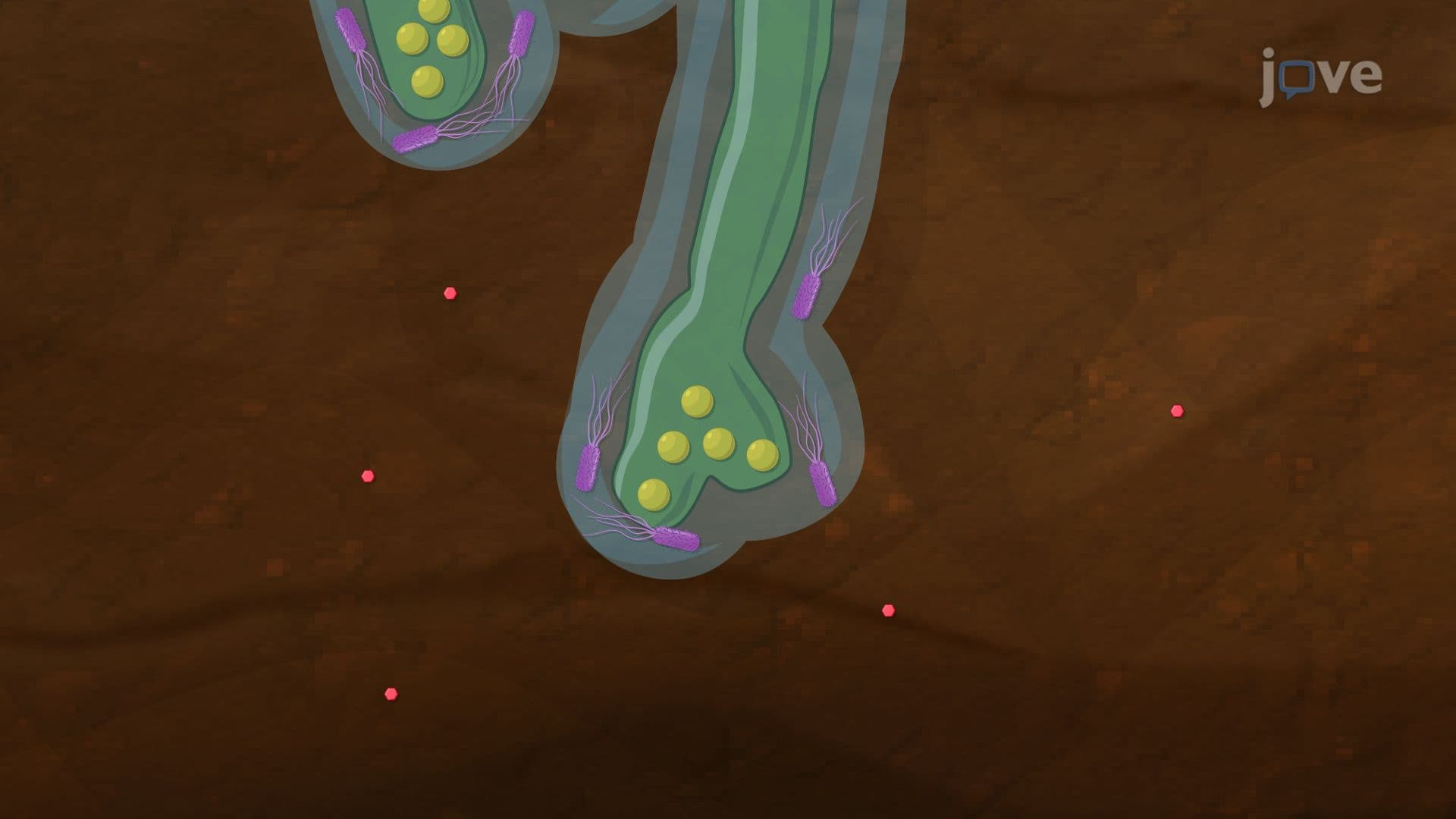
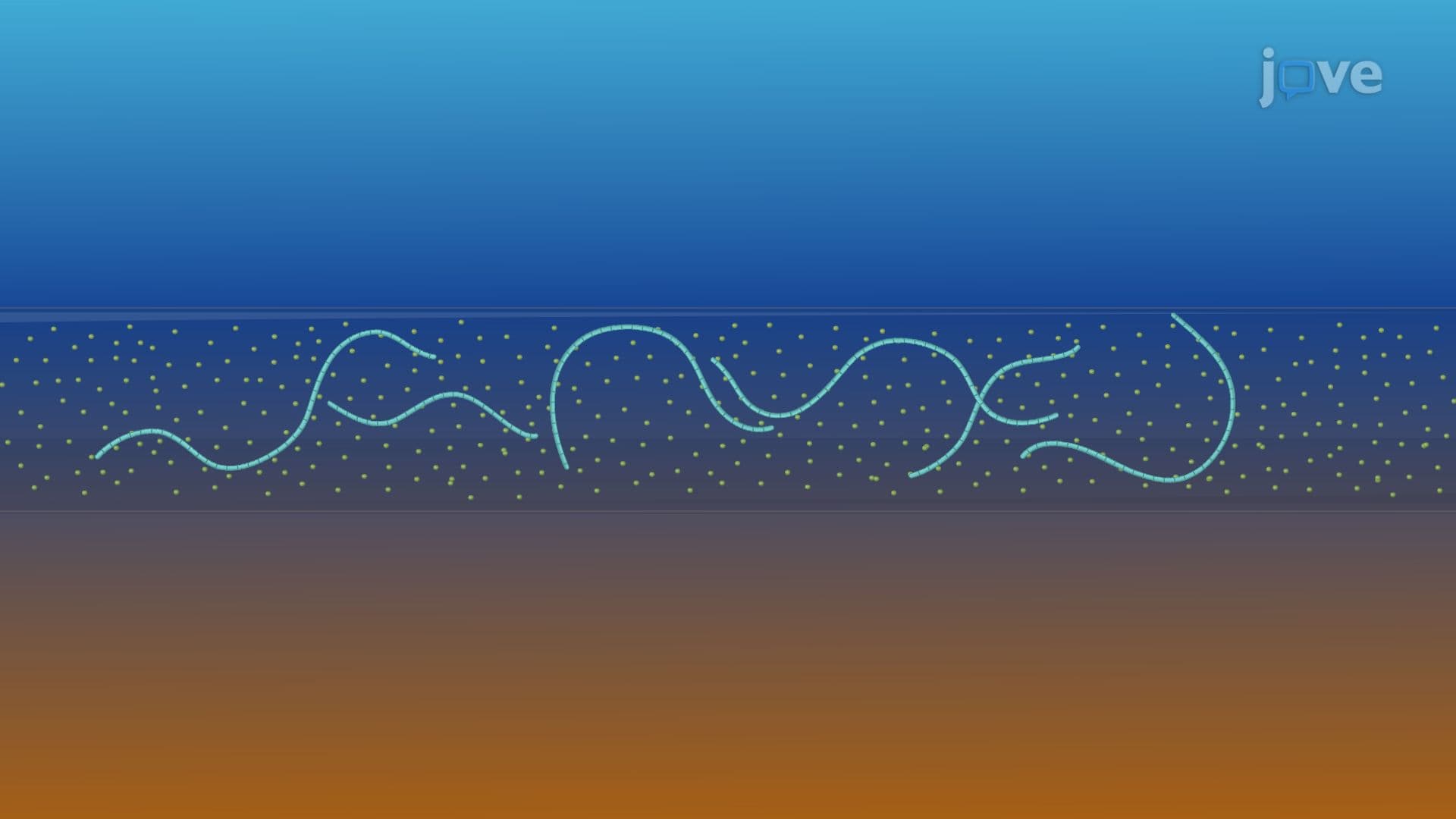
Not all microbial mats rely on photosynthesis. Chemolithotrophic mats, found in deep-sea sediments and oxygen-deprived ocean floors, including areas studied off the Pacific coast of the Americas, are built around bacteria like *Thioploca* species. These remarkable extremophiles do not use sunlight at all. Instead, they store nitrate in large internal compartments and physically migrate between nitrate-rich surface seawater and sulfide-rich deep sediments. Once in the anoxic zone, they use stored nitrate as an electron acceptor to oxidize hydrogen sulfide, generating energy in a completely dark, chemically hostile environment.
This chemolithotrophy is highly relevant for students studying for the MCAT, where questions on electron transport, metabolic diversity, and microbial ecology are common. It also reinforces AP Biology concepts around energy flow and the diversity of metabolic strategies among living organisms. Understanding both phototrophic and chemolithotrophic mats provides a complete picture of how microbial communities drive nutrient cycling across the planet's most extreme environments.
Related Micro-courses