Loading video…

 22 Concepts
 4.1K views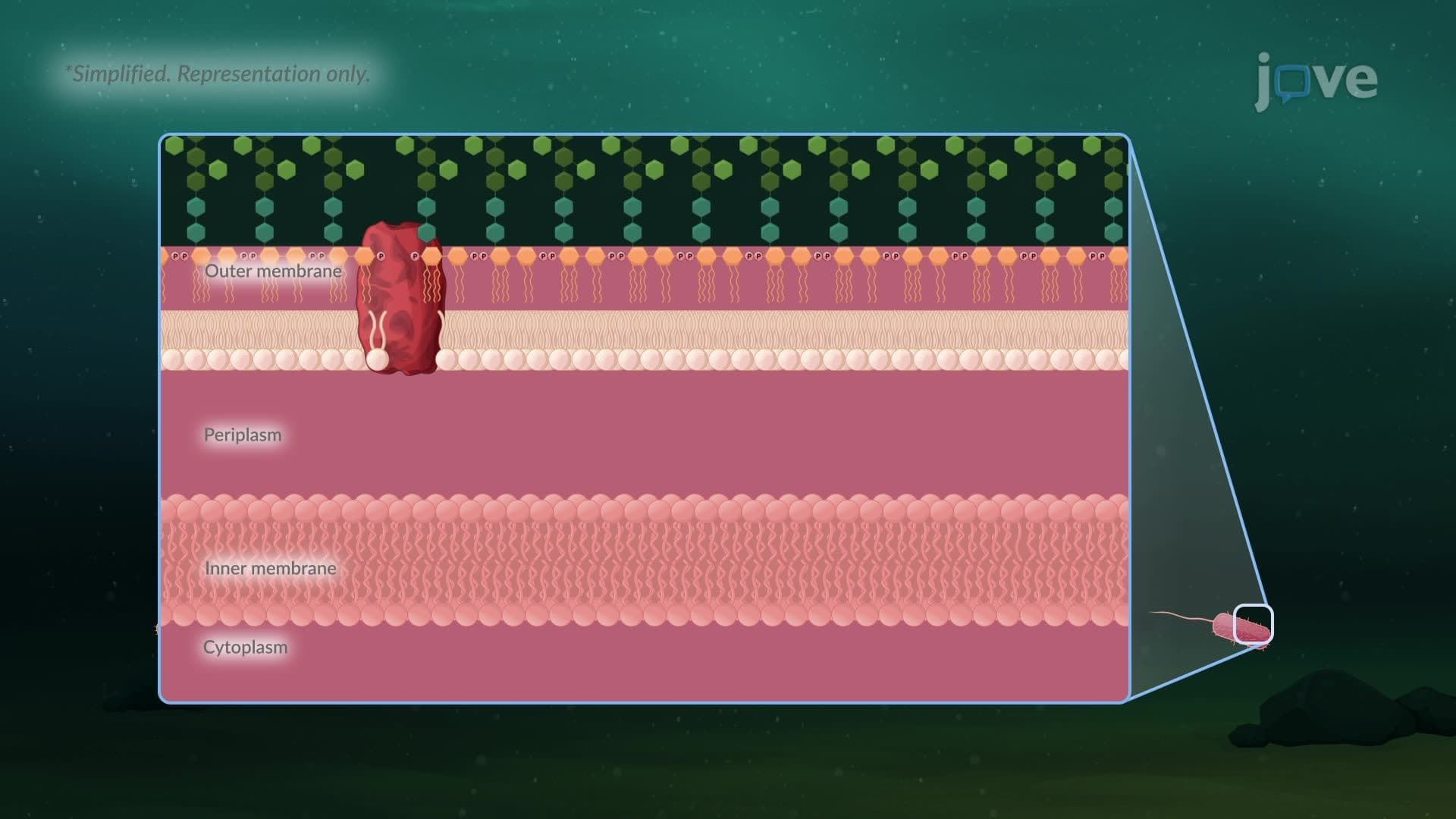

Video Summary: What Is Deep Sea Microbial Ecology
Did you know some microbes thrive miles beneath the ocean surface where sunlight never reaches? Deep sea microbial ecology explores how microscopic life survives and shapes ecosystems under crushing pressure and near-freezing temperatures. Scientists studying hydrothermal vents off the US Pacific Coast have found thriving microbial communities defying what we thought possible. Watch the full video on JoVE Coach to master this concept with expert-led visuals and step-by-step explanations.
Deep sea microbial ecology is the study of microorganisms, bacteria, archaea, and other microscopic life, that inhabit ocean depths greater than 1,000 meters. These environments are defined by three brutal physical realities: temperatures hovering near 2-3°C, near-total darkness, and hydrostatic pressure that increases by roughly one atmosphere for every 10 meters of depth. Despite these conditions, microbial communities not only persist here, they drive essential planetary processes.
Understanding this field matters beyond the deep ocean. It informs our broader knowledge of how life functions at its limits, and it connects directly to topics covered in AP Environmental Science, AP Biology, and introductory college microbiology and oceanography courses.
A critical distinction in deep sea microbial ecology is the difference between piezotolerant and piezophilic microorganisms. Piezotolerant microbes, such as members of the genus *Colwellia*, can survive under high-pressure conditions but do not require them. True piezophiles, like *Moritella* species, have evolved to grow *optimally* at high pressure, they actually perform better under these extreme conditions than at surface-level pressures.
This distinction is important for exam purposes. AP Biology and college microbiology courses frequently test students on how organisms are classified by their environmental optima. Confusing tolerance with preference is a common mistake.
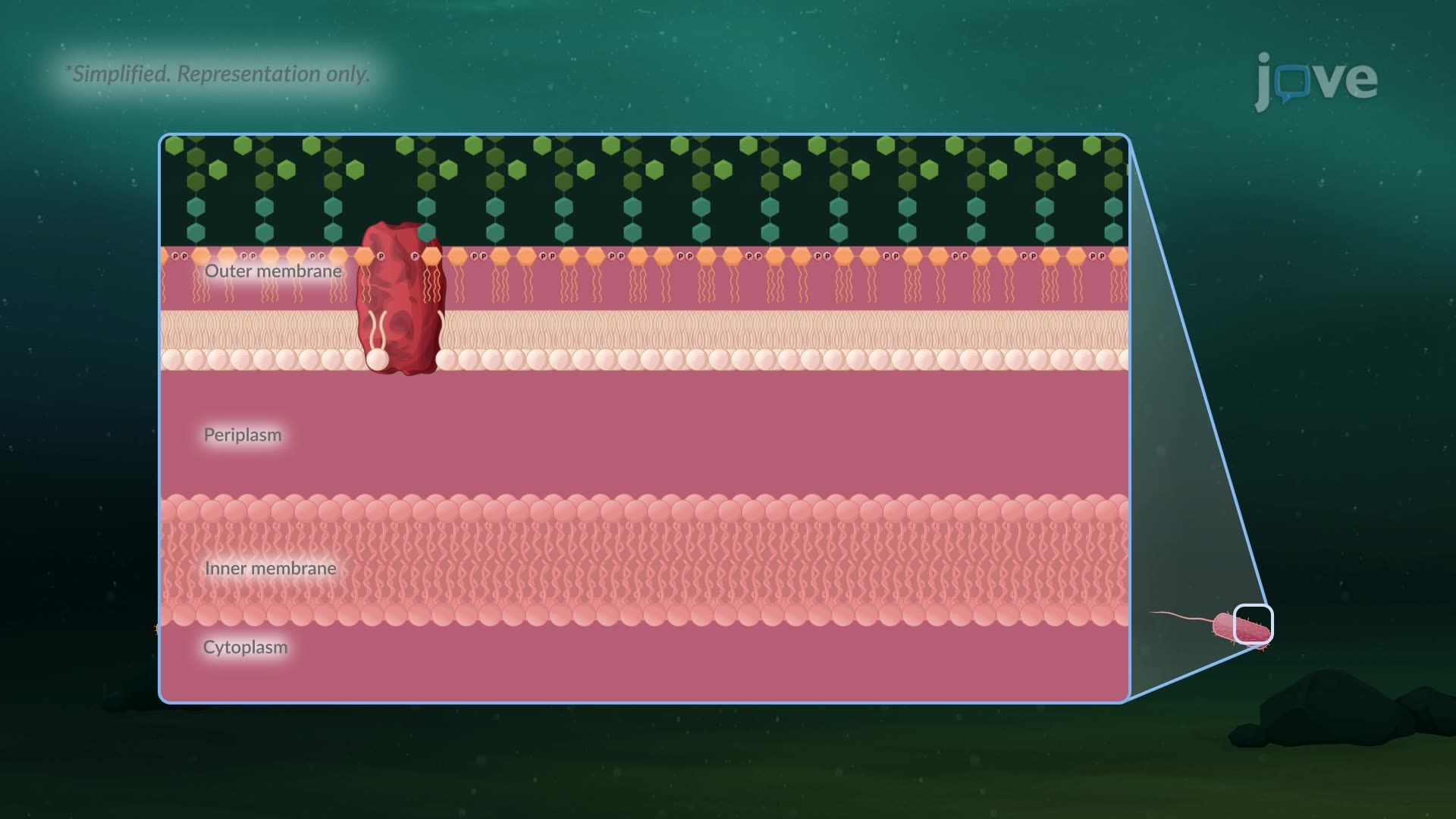
At the molecular level, piezophiles employ elegant biochemical strategies to keep their cells functioning. One of the most well-studied is the modification of membrane lipid composition. Under high hydrostatic pressure, cell membranes naturally become more rigid, a condition that disrupts normal function. Piezophiles counteract this by increasing the proportion of unsaturated fatty acids in their phospholipid bilayers, which keeps membranes fluid and permeable even under crushing pressure.
Additionally, some piezophiles regulate gene expression in response to pressure changes. A key example is OmpH, an outer membrane protein expressed through pressure-sensitive transcription systems. When pressure increases, these molecular switches activate OmpH production, helping stabilize the cell envelope. This type of pressure-responsive gene regulation is a fascinating parallel to how other organisms respond to temperature or pH stress, a concept central to understanding gene regulation in any introductory genetics course.
Below 2,000 meters, sediment-dwelling microbial communities become key players in global biogeochemical cycles. Here, organic matter that sinks from surface waters, called marine snow, provides the only significant energy input. Microbes such as sulfate reducers break down organic compounds using sulfate as a terminal electron acceptor, releasing hydrogen sulfide in the process. Methane-oxidizing organisms (methanotrophs) consume methane produced in sediments, preventing large quantities of this potent greenhouse gas from reaching the atmosphere.
These processes have real-world significance in the US. Research conducted through institutions like the Woods Hole Oceanographic Institution in Massachusetts and MBARI (Monterey Bay Aquarium Research Institute) in California has revealed how deep sea microbial activity influences ocean chemistry and even global climate regulation. Because cell densities in deep sea sediments are far lower than in shallower waters, a direct result of extreme energy limitation, each microbial community must be extraordinarily efficient.
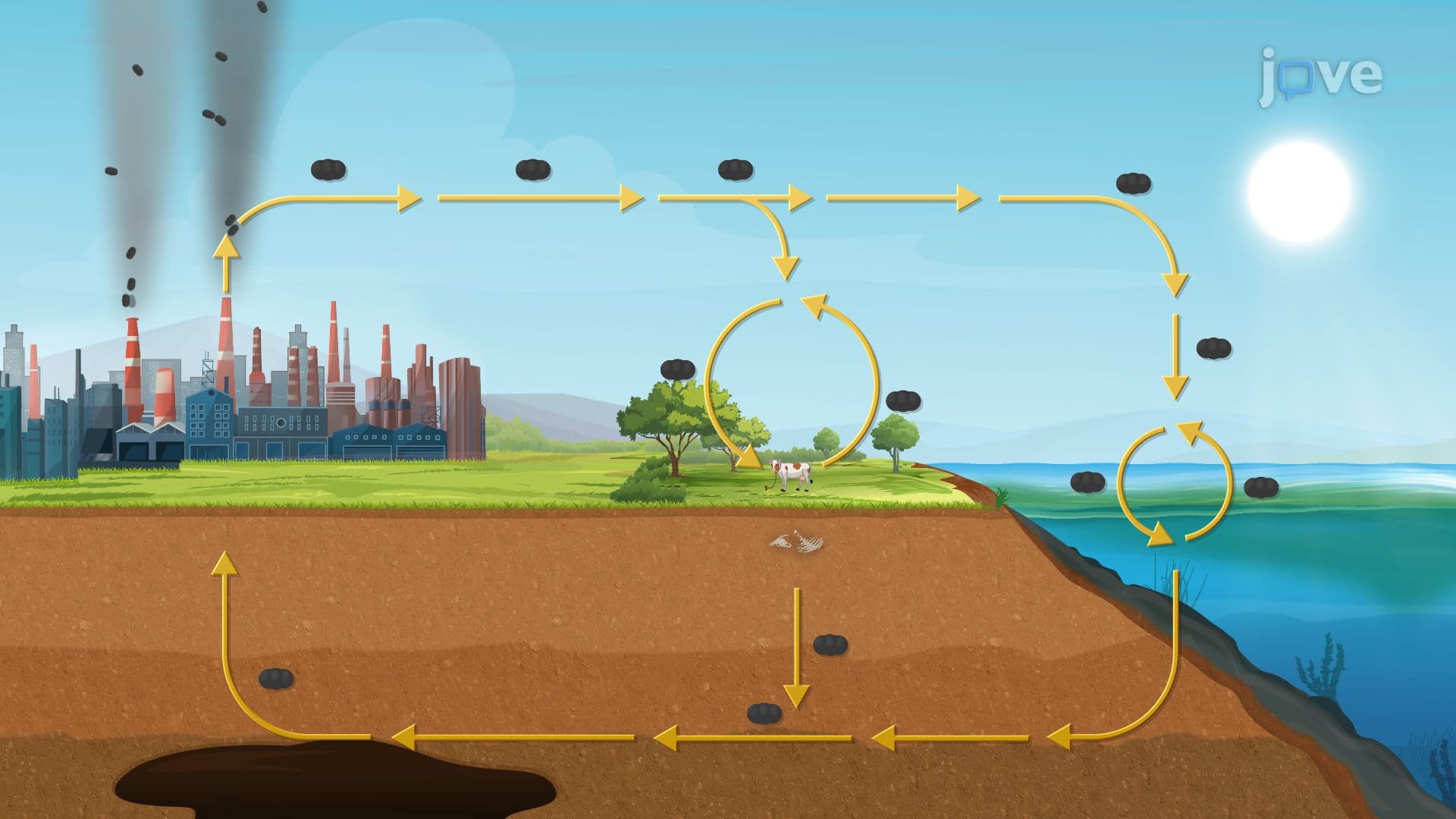
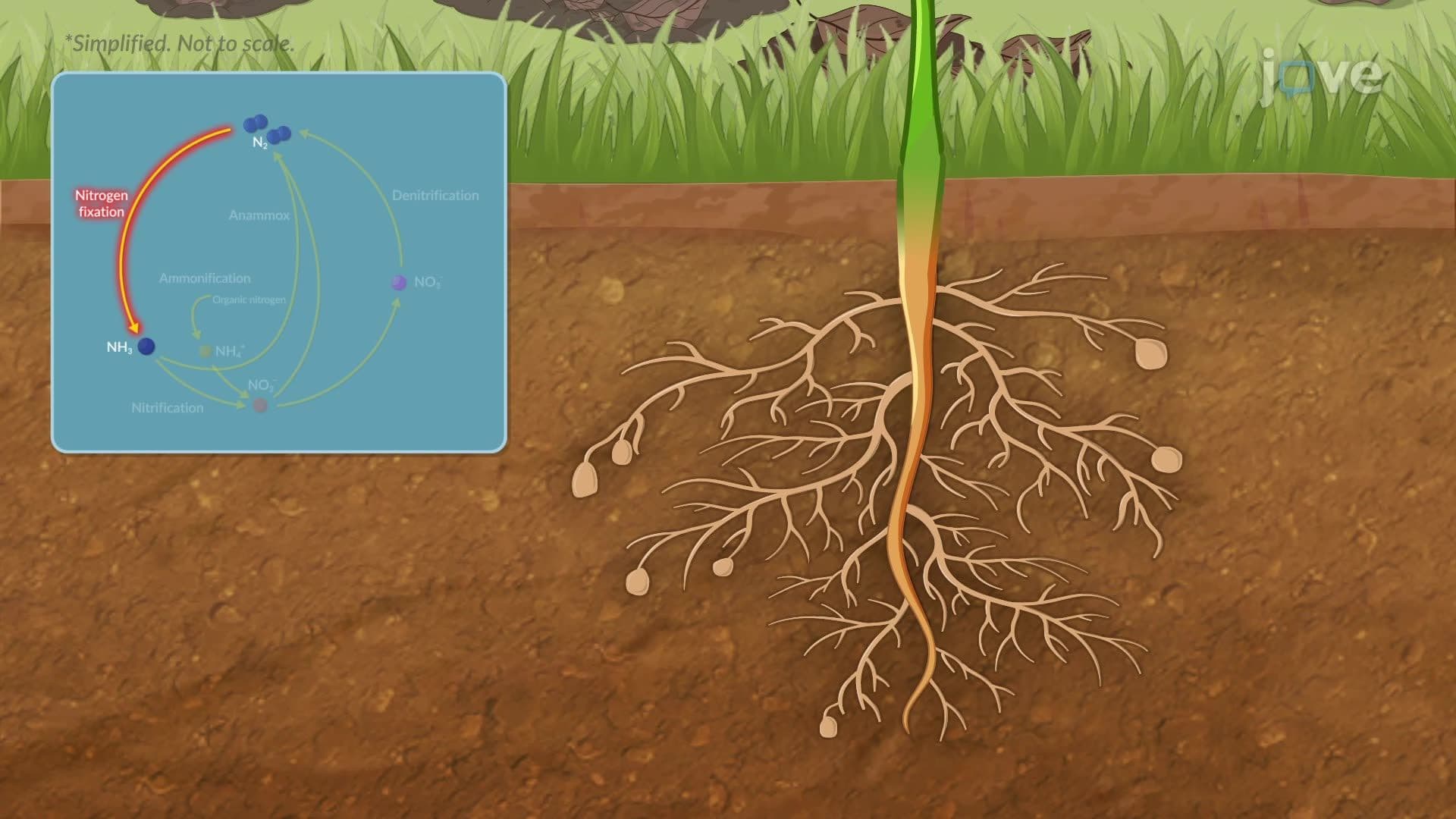
For students preparing for college-level exams or AP coursework, connecting microbial metabolism to nutrient cycling (carbon, nitrogen, sulfur cycles) is a high-yield study area that appears frequently on standardized assessments.
Related Micro-courses