Loading video…

 22 Concepts
 4.1K views

Video Summary: Competition in Microbial Interactions
Did you know microbes wage microscopic wars over iron? Competition in microbial interactions describes how microorganisms battle for nutrients, space, and energy within shared environments. Some bacteria, like iron-grabbing siderophore producers found in US soil ecosystems, outmaneuver rivals chemically. Others actively poison competitors or evolve to occupy entirely separate niches, enabling long-term coexistence. Watch the full video on JoVE Coach to master this concept with expert-led visuals and step-by-step explanations.
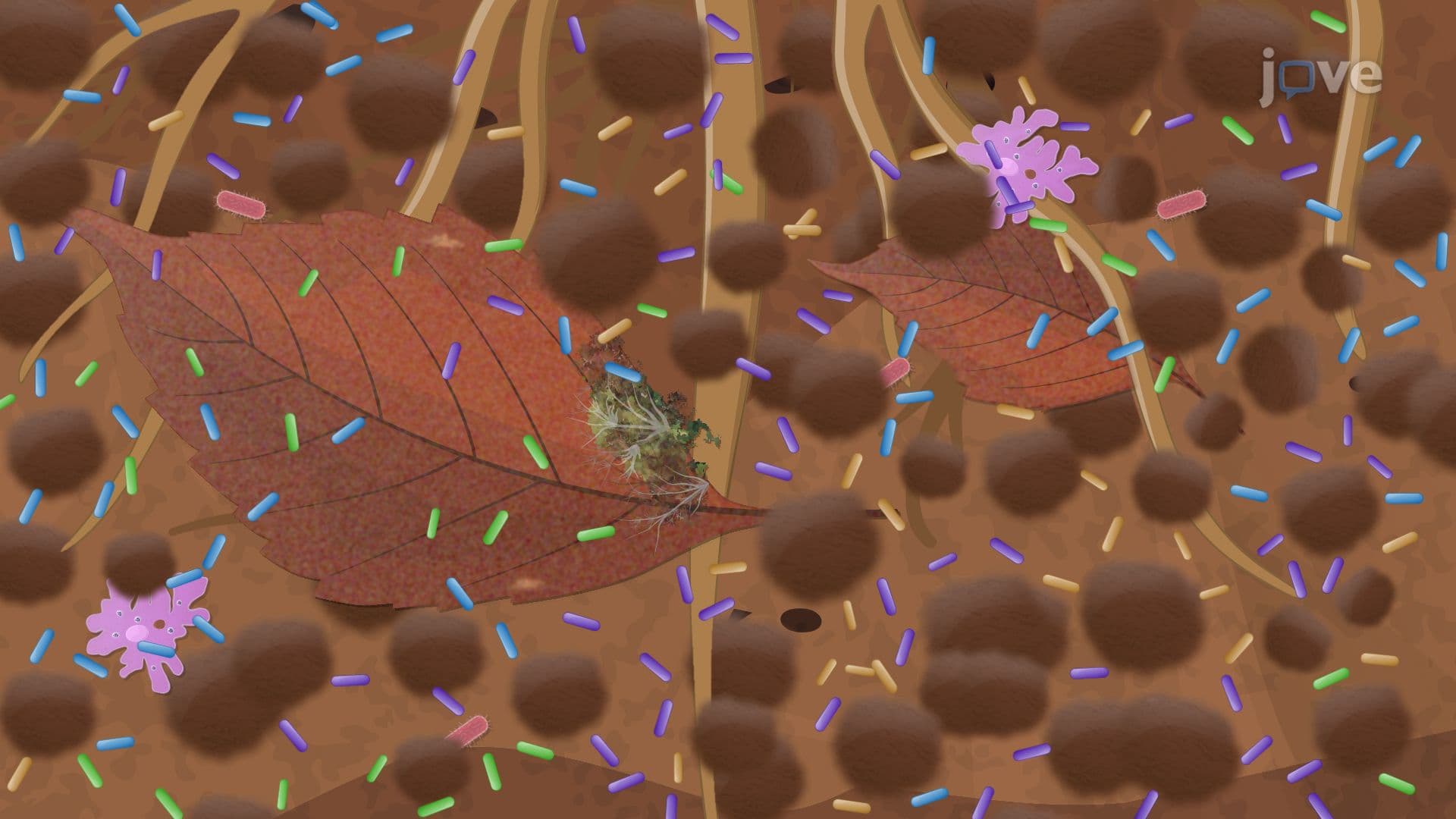
Competition in microbial interactions is one of the most consequential forces shaping microbial communities across every environment on Earth, from ocean water columns to human gut lining. At its core, microbial competition occurs when two or more microorganisms occupy the same habitat and depend on the same limited resources. These resources include inorganic nutrients like nitrogen and iron, carbon energy sources, and physical space within a niche. Understanding this competition is essential for AP Biology students, college microbiology courses, and anyone preparing for the MCAT, as it underpins ecology, evolution, and even clinical medicine.
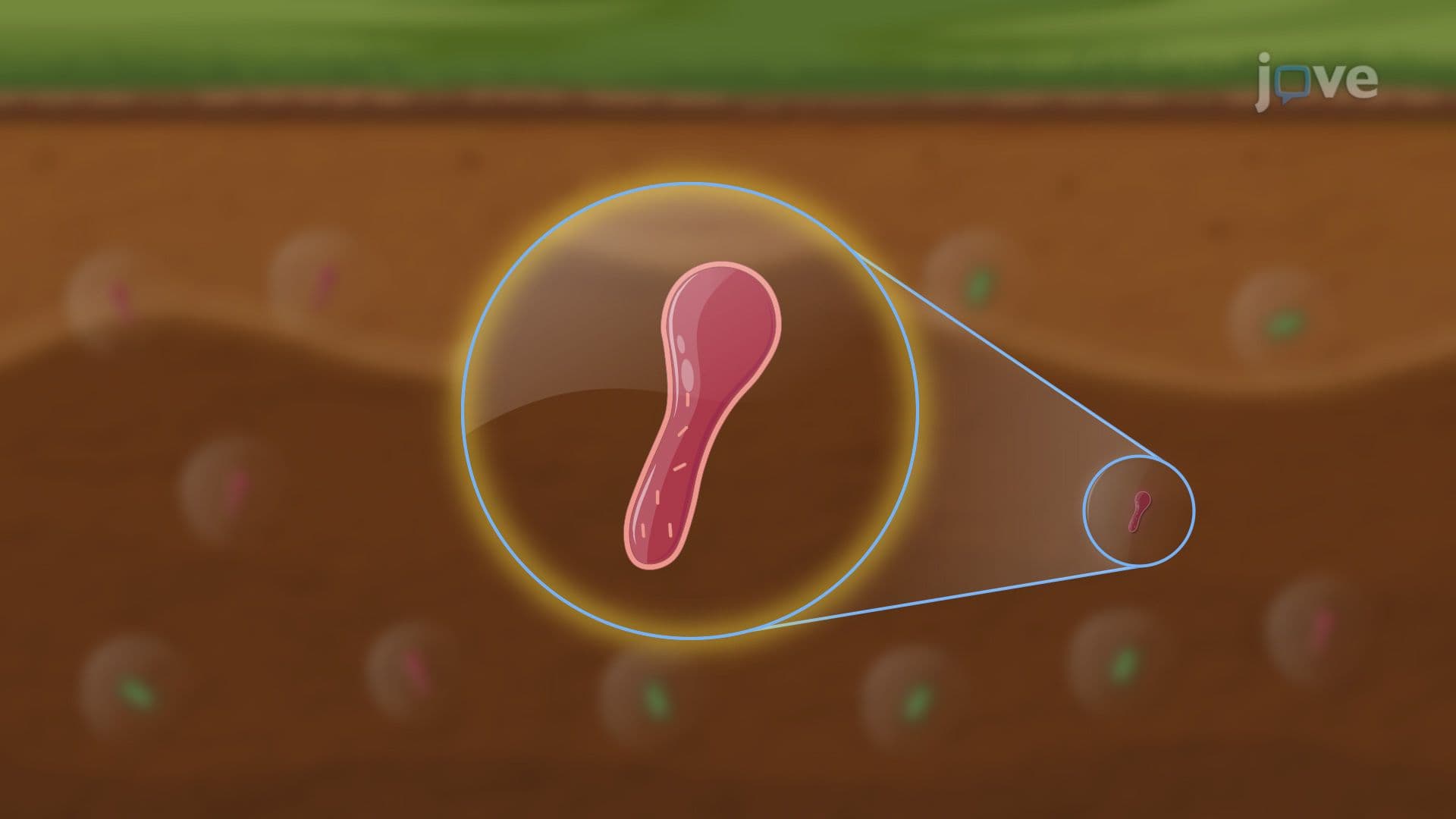
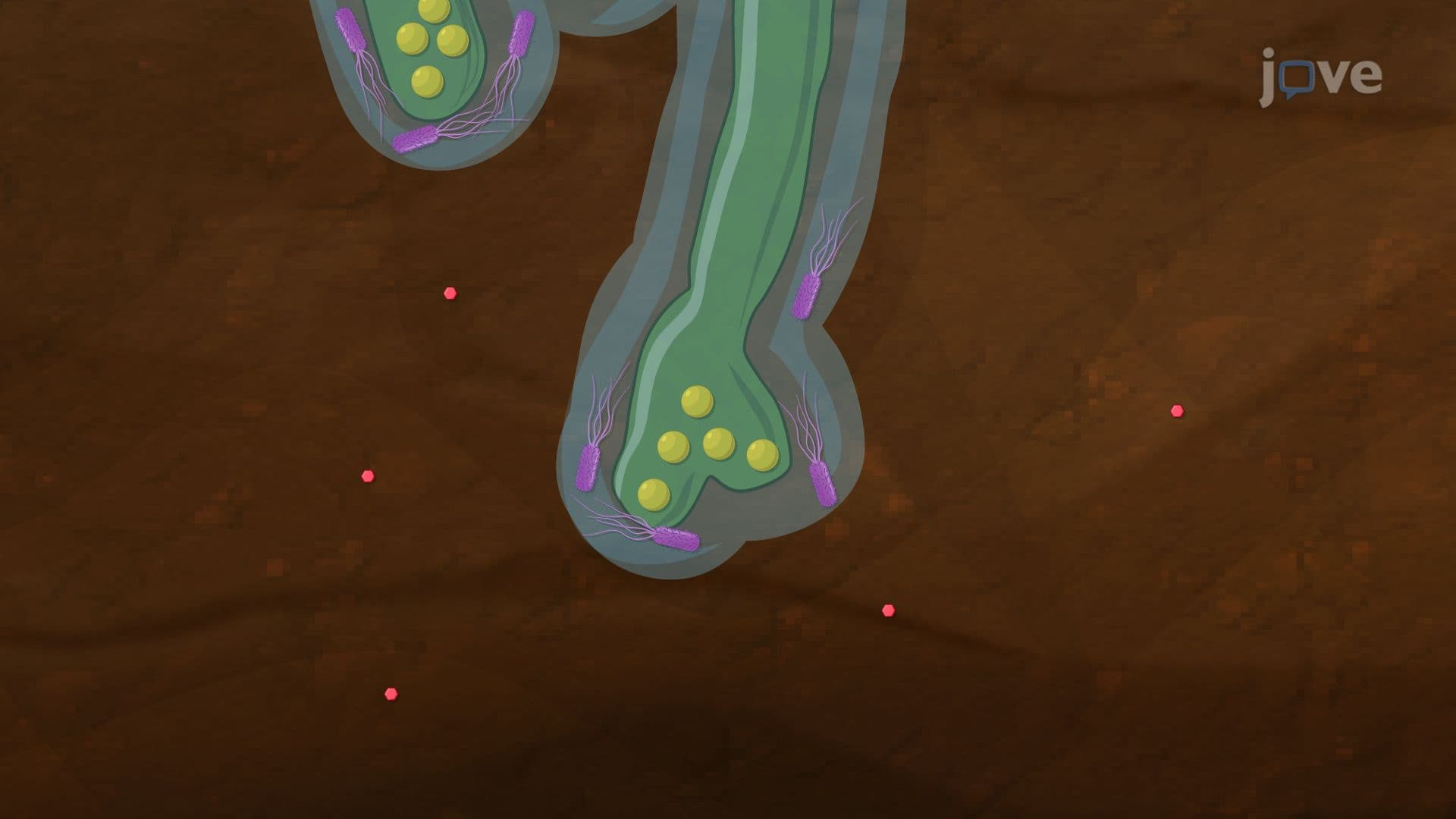
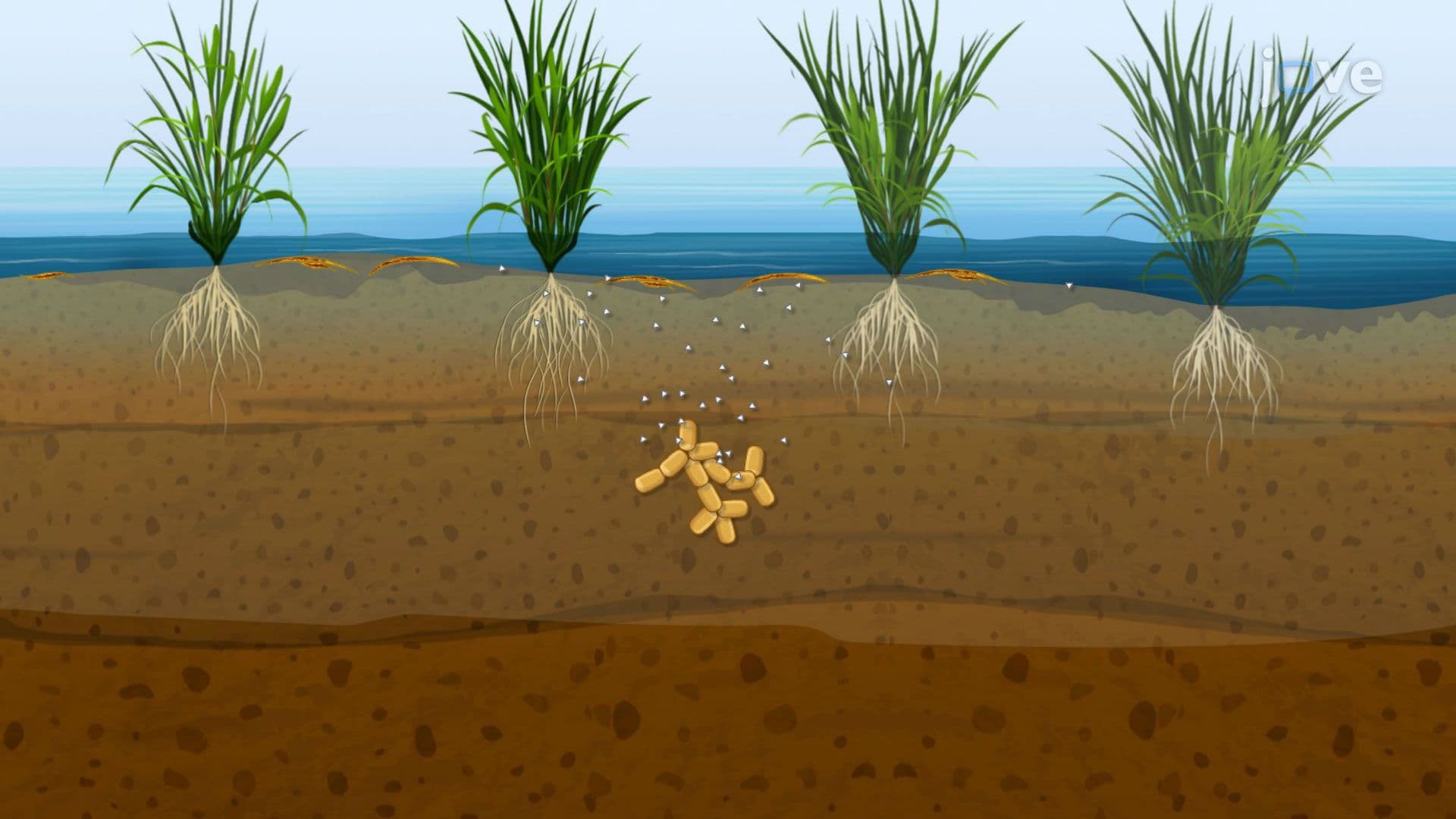
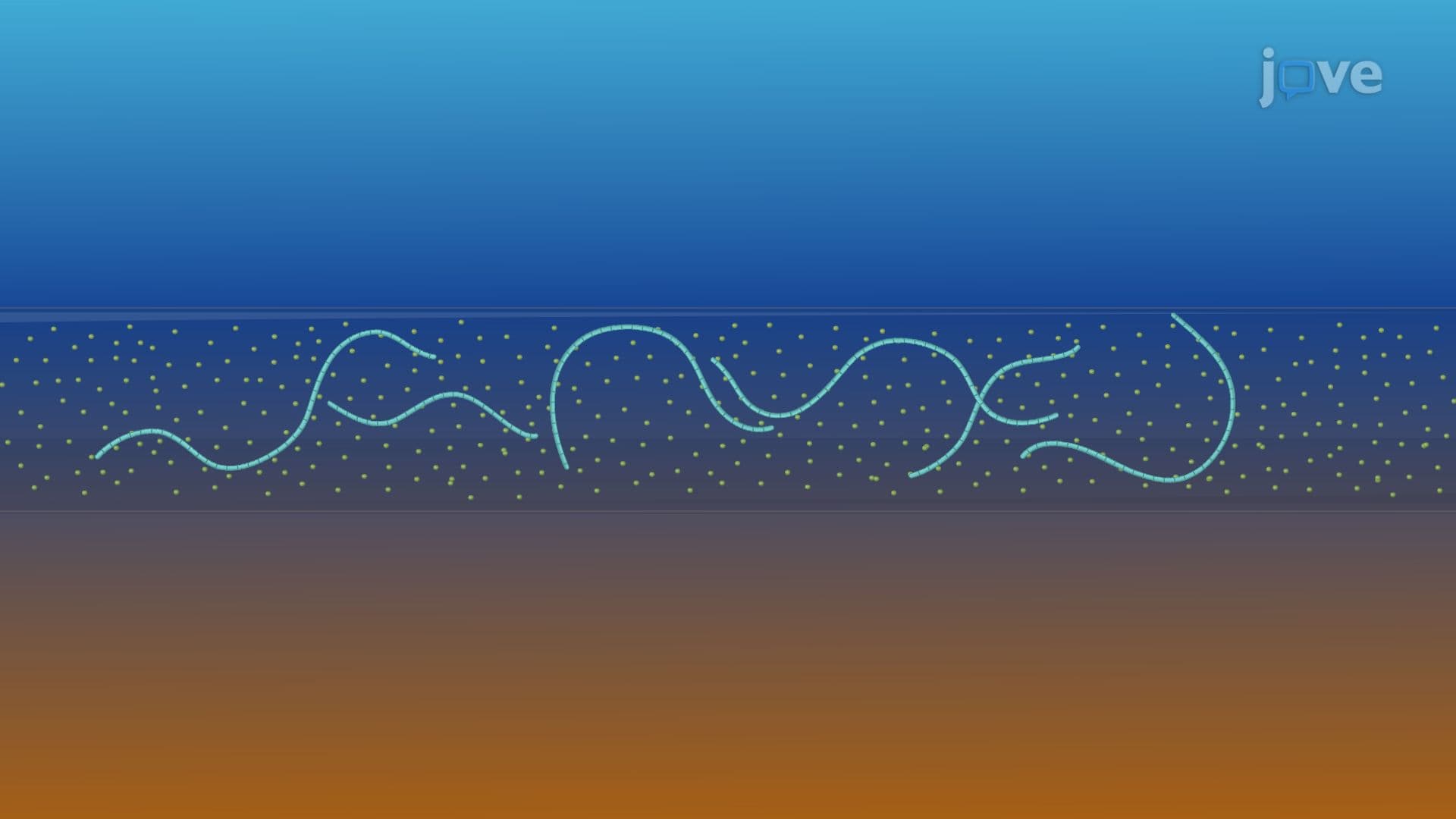
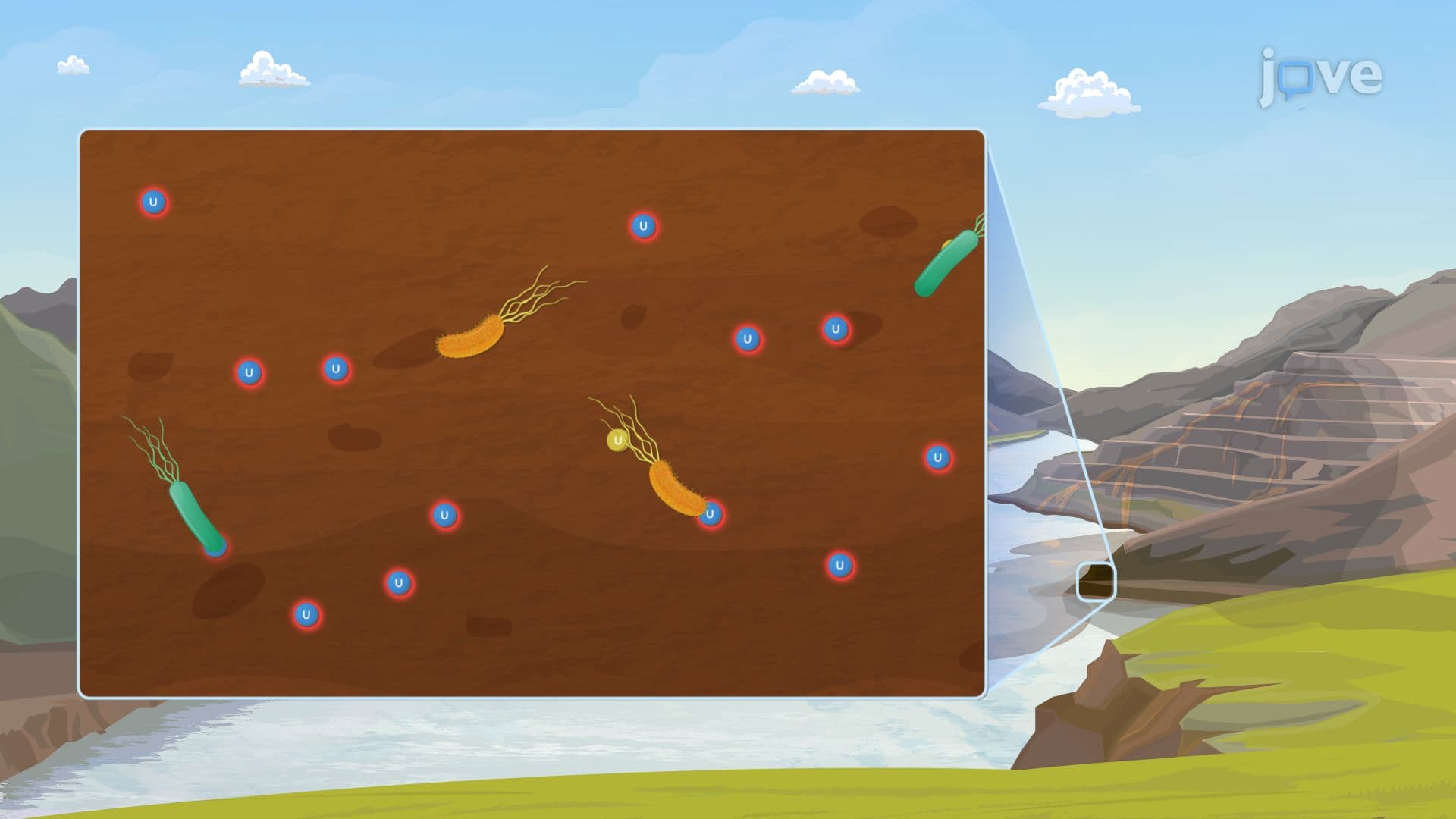
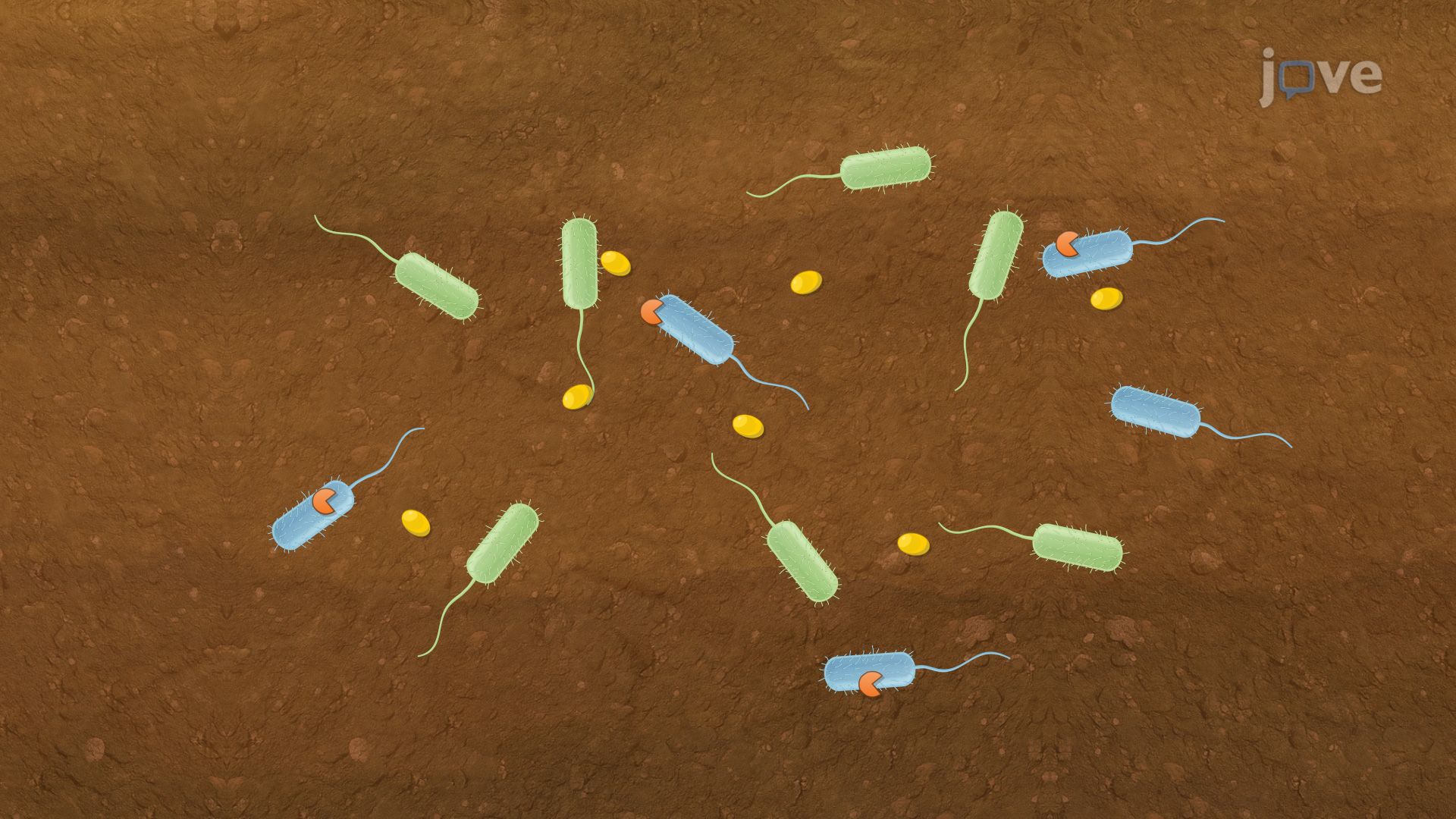
Microbial competition takes two primary forms. In exploitative competition, microbes do not directly attack one another, instead, they race to consume shared resources faster. A classic example is siderophore production: certain soil bacteria in environments like the Great Plains synthesize small molecules called siderophores that bind and sequester iron with extraordinary efficiency. Since iron is scarce in most natural soils, microbes that absorb it faster effectively starve slower competitors without any direct contact.
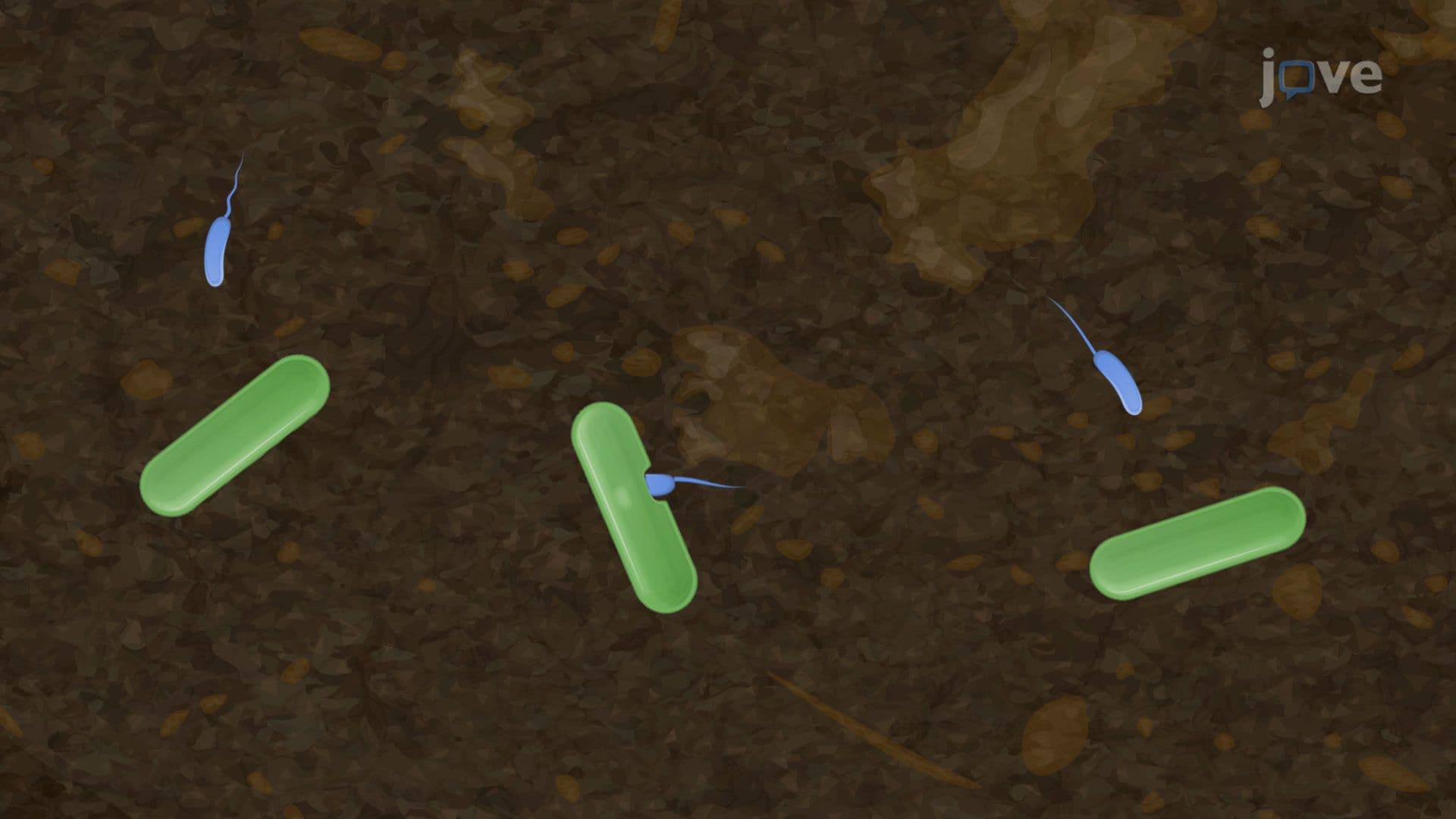
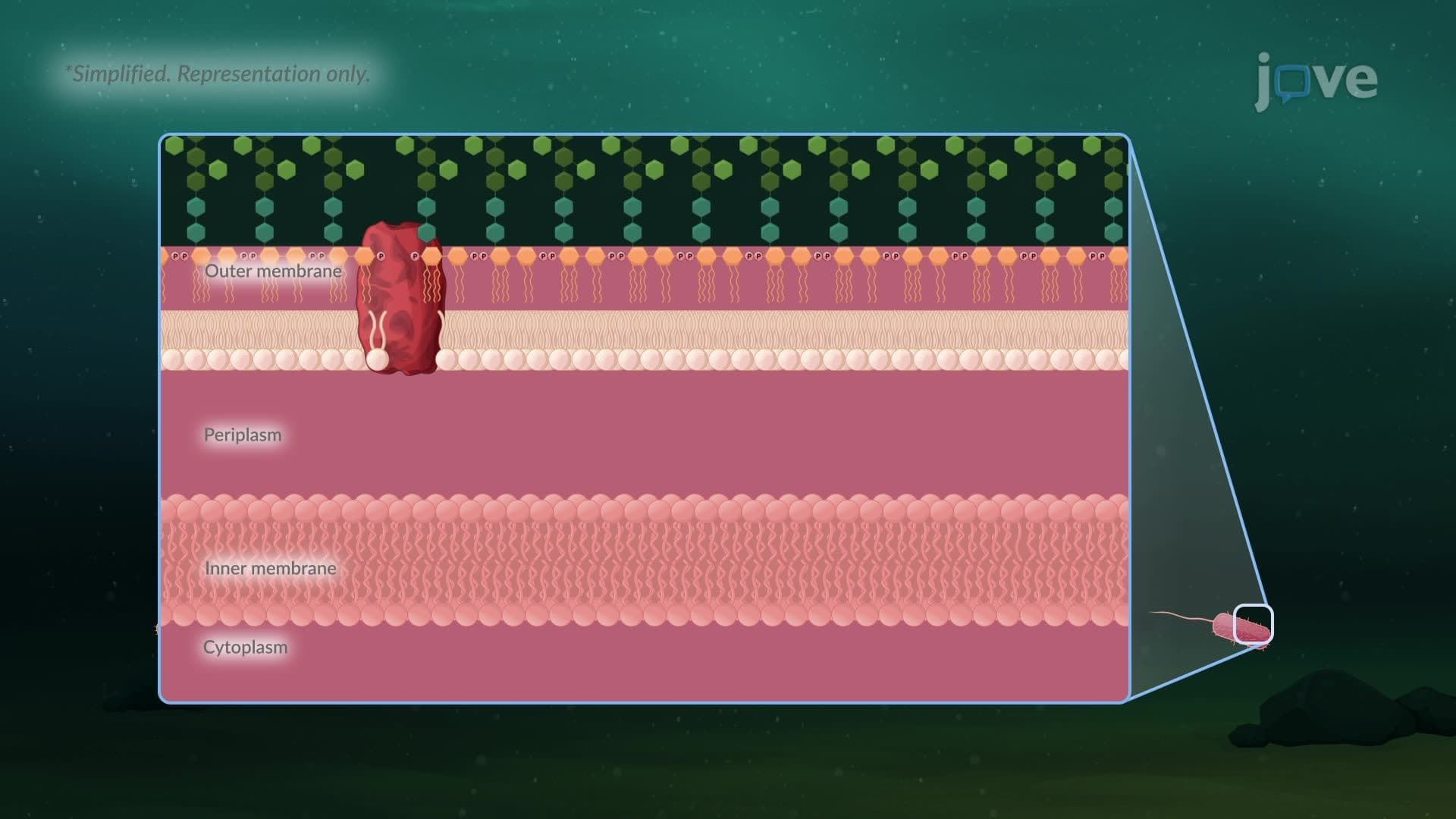
Interference competition is more aggressive. Here, microbes actively harm rivals using either contact-independent mechanisms, such as secreting bacteriocins or antibiotics into the surrounding environment, or contact-dependent mechanisms, like the Type VI secretion system, which injects toxins directly into neighboring cells upon physical contact. Many clinically significant bacteria, including strains studied in US hospital settings, use these systems to establish dominance in mixed-species biofilms.
When one microbial strain consistently outcompetes others for the same resources, the result can be competitive exclusion, the complete displacement of weaker strains from a shared niche. This principle, derived from the competitive exclusion principle (Gause's Law), has direct implications for understanding antibiotic resistance in clinical environments and invasive microbial species in natural US ecosystems. In a hospital-acquired infection context, a highly competitive pathogen can exclude beneficial commensal bacteria, worsening patient outcomes.
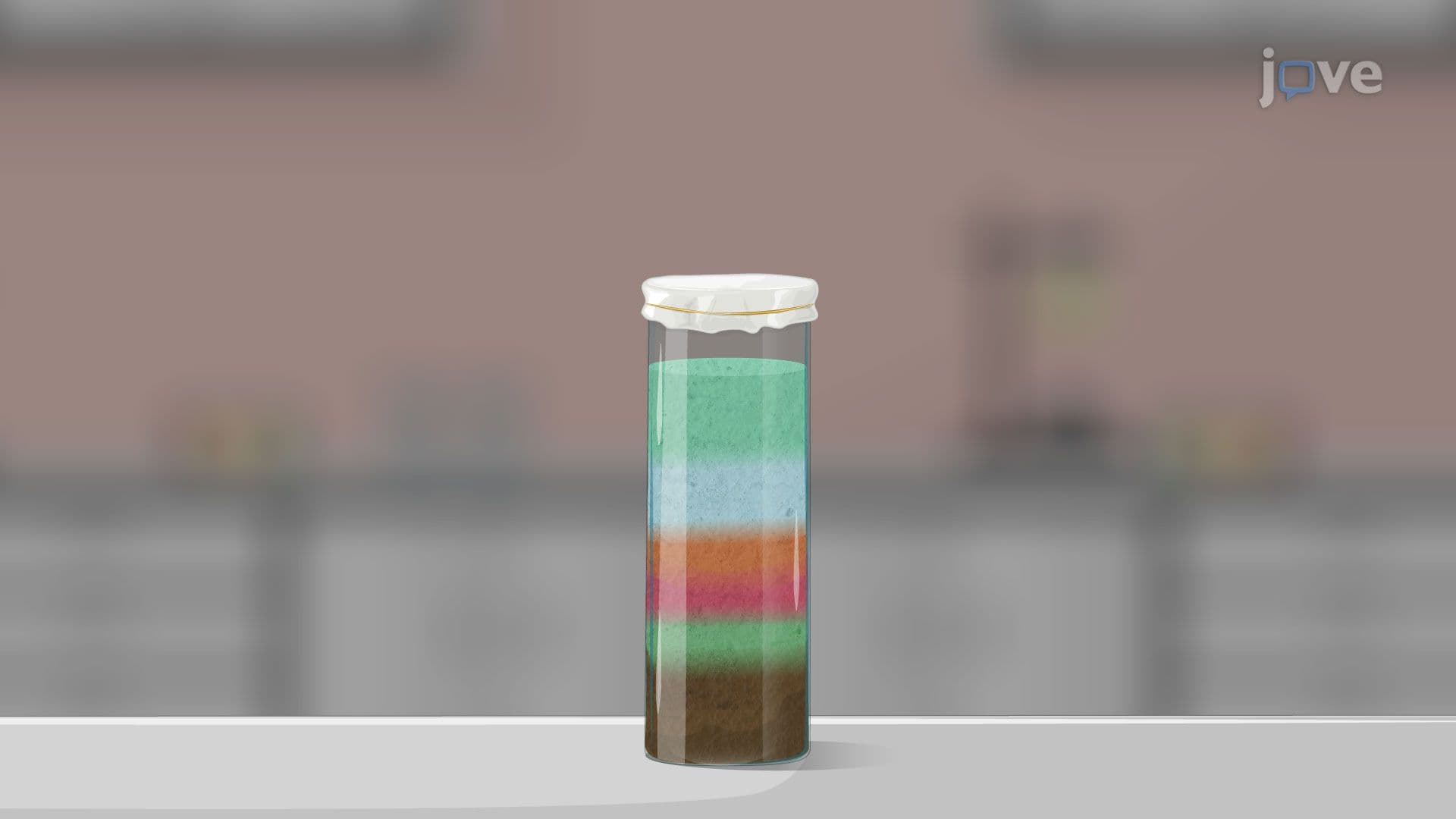
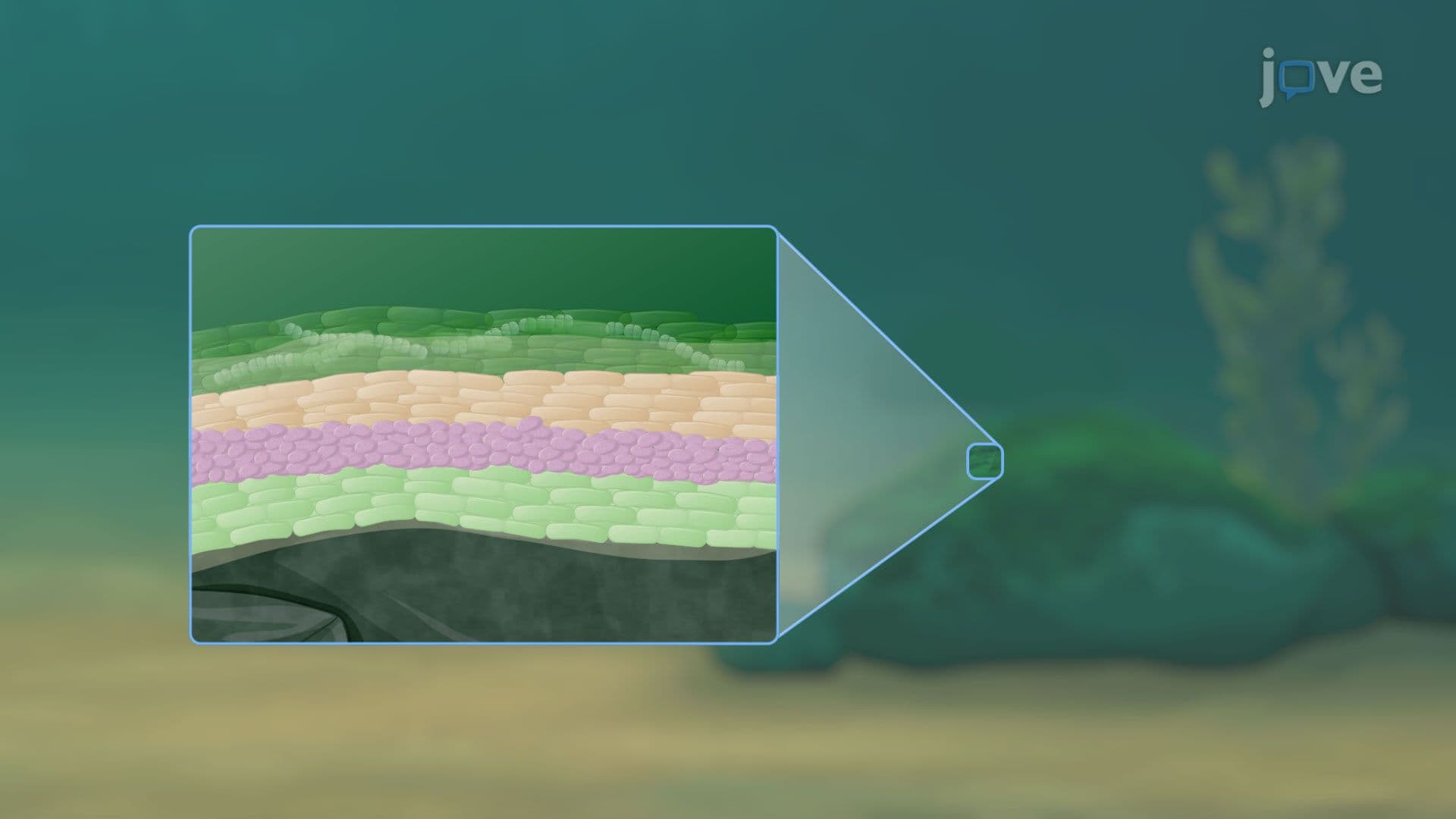
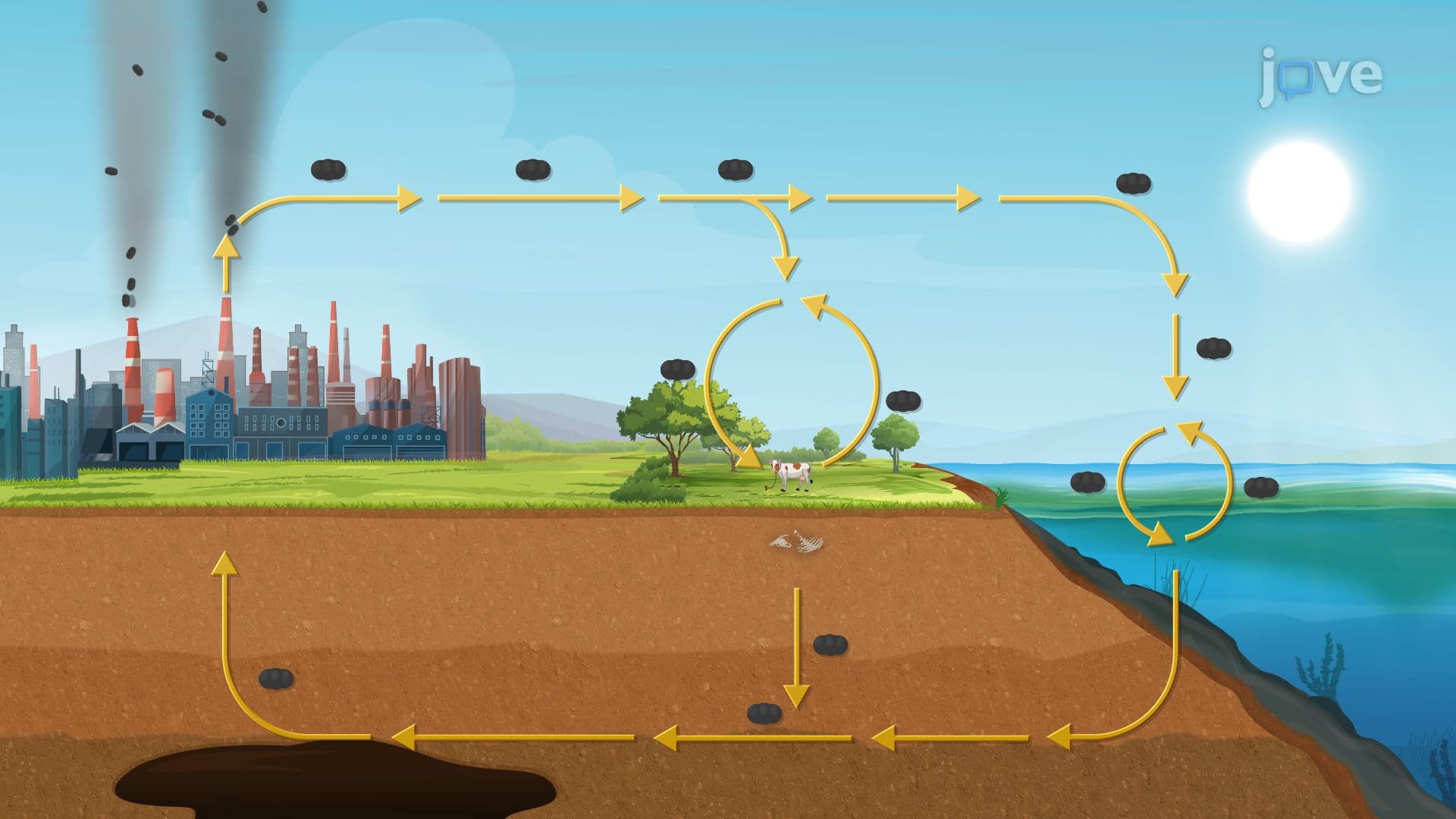
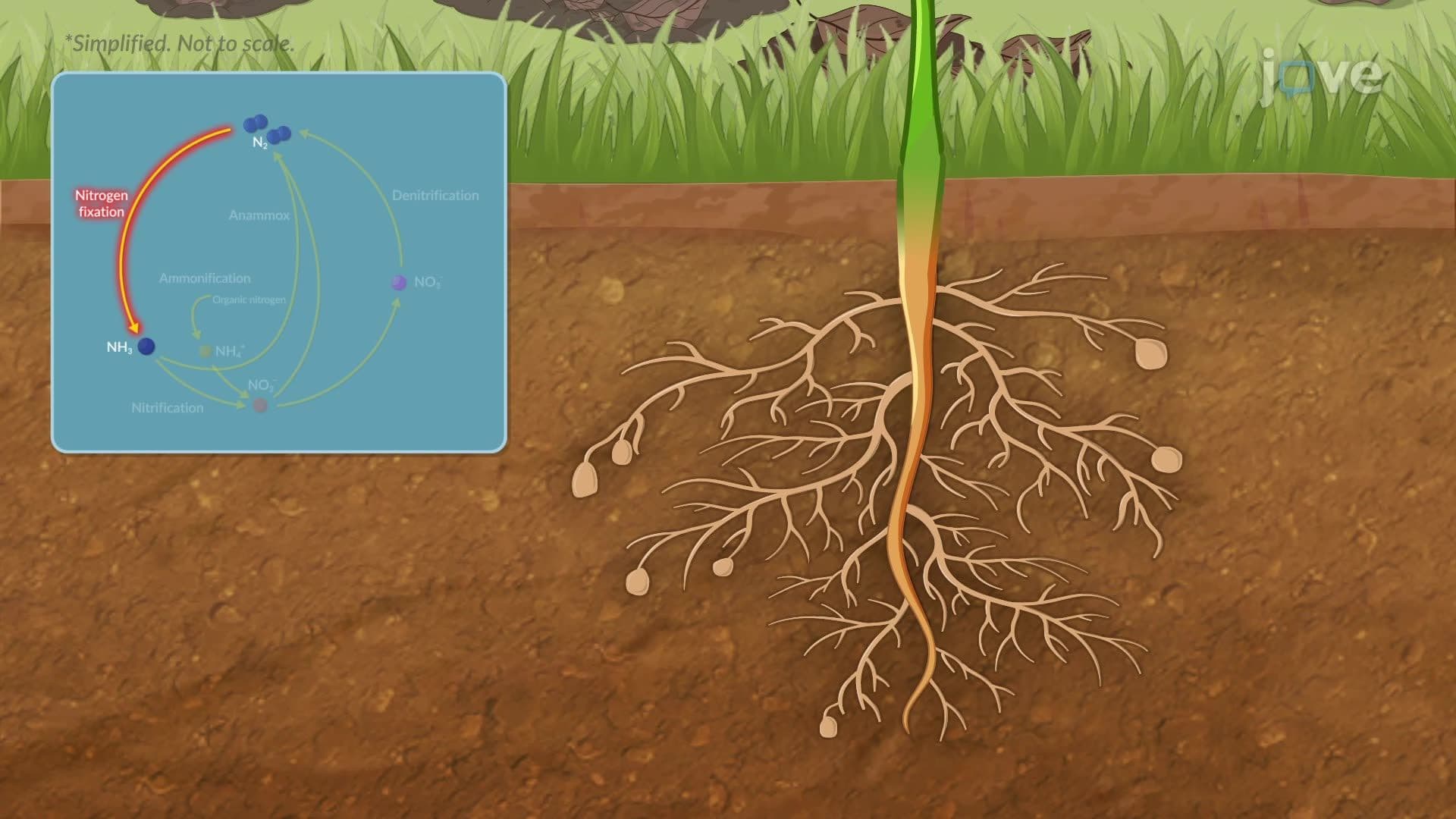
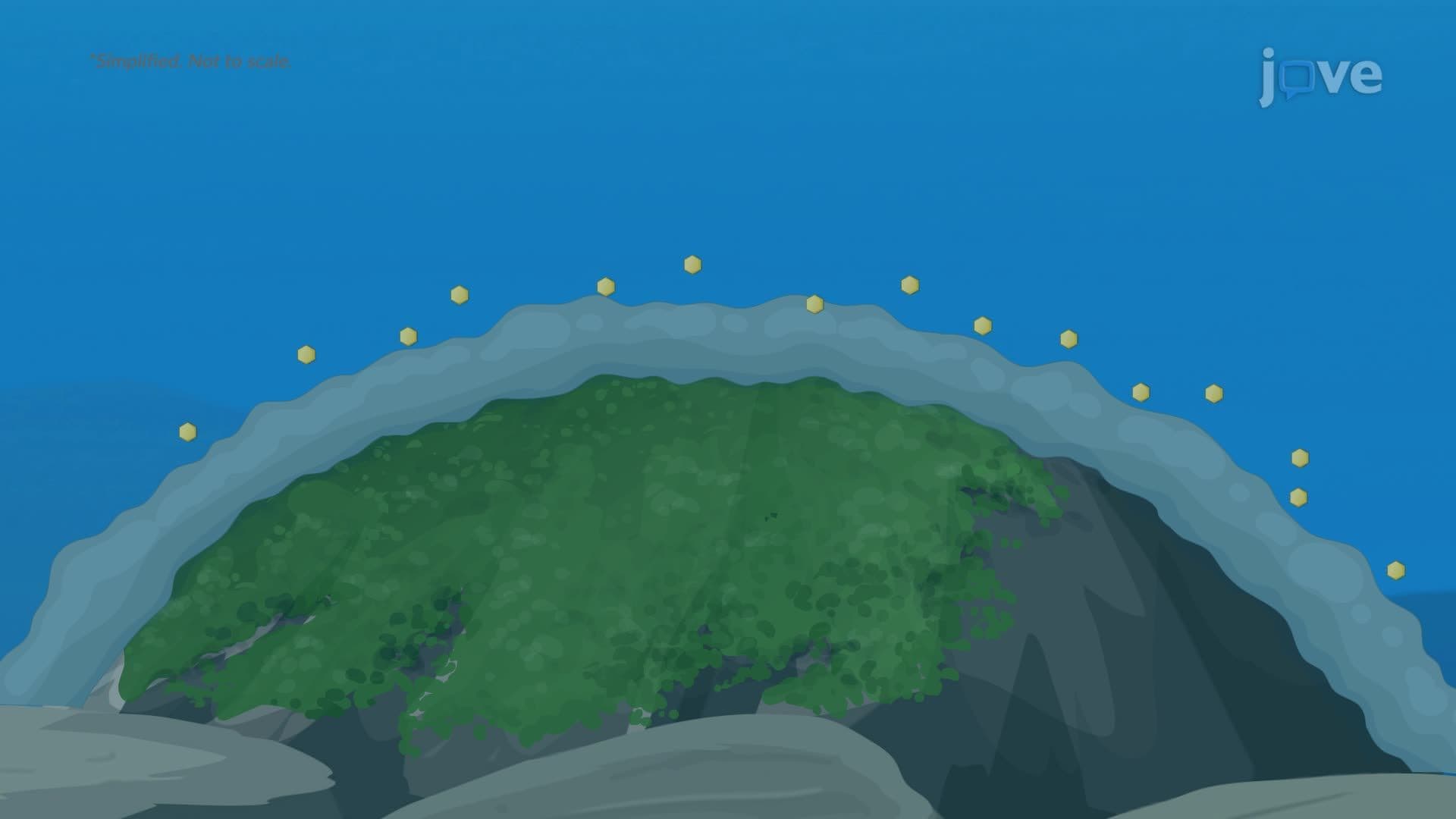
Not all competition ends in elimination. Over evolutionary time, many microbes adapt to exploit non-overlapping resources or conditions, a process called niche partitioning. In stratified aquatic environments like Lake Erie or Chesapeake Bay, phototrophic cyanobacteria colonize sun-lit surface waters while heterotrophic proteobacteria thrive in deeper, darker zones. Each group occupies a distinct ecological role, reducing direct competition and enabling long-term coexistence. This concept is critical for understanding microbial diversity, biogeochemical cycles such as the nitrogen and carbon cycles, and how ecosystems maintain stability.
Competition in microbial interactions is not just an abstract concept, it drives antibiotic discovery, probiotic design, and environmental restoration efforts across the United States. Researchers at institutions like MIT and UC Davis study microbial competition to develop targeted therapies and sustainable agriculture solutions. On AP Biology and college midterm exams, students are frequently asked to distinguish competition types, predict outcomes of competitive exclusion, and explain how niche partitioning supports biodiversity. Mastering these ideas builds a foundation for understanding ecology, evolution, and applied microbiology at any level.
Related Micro-courses