Loading video…

 22 Concepts
 4.1K views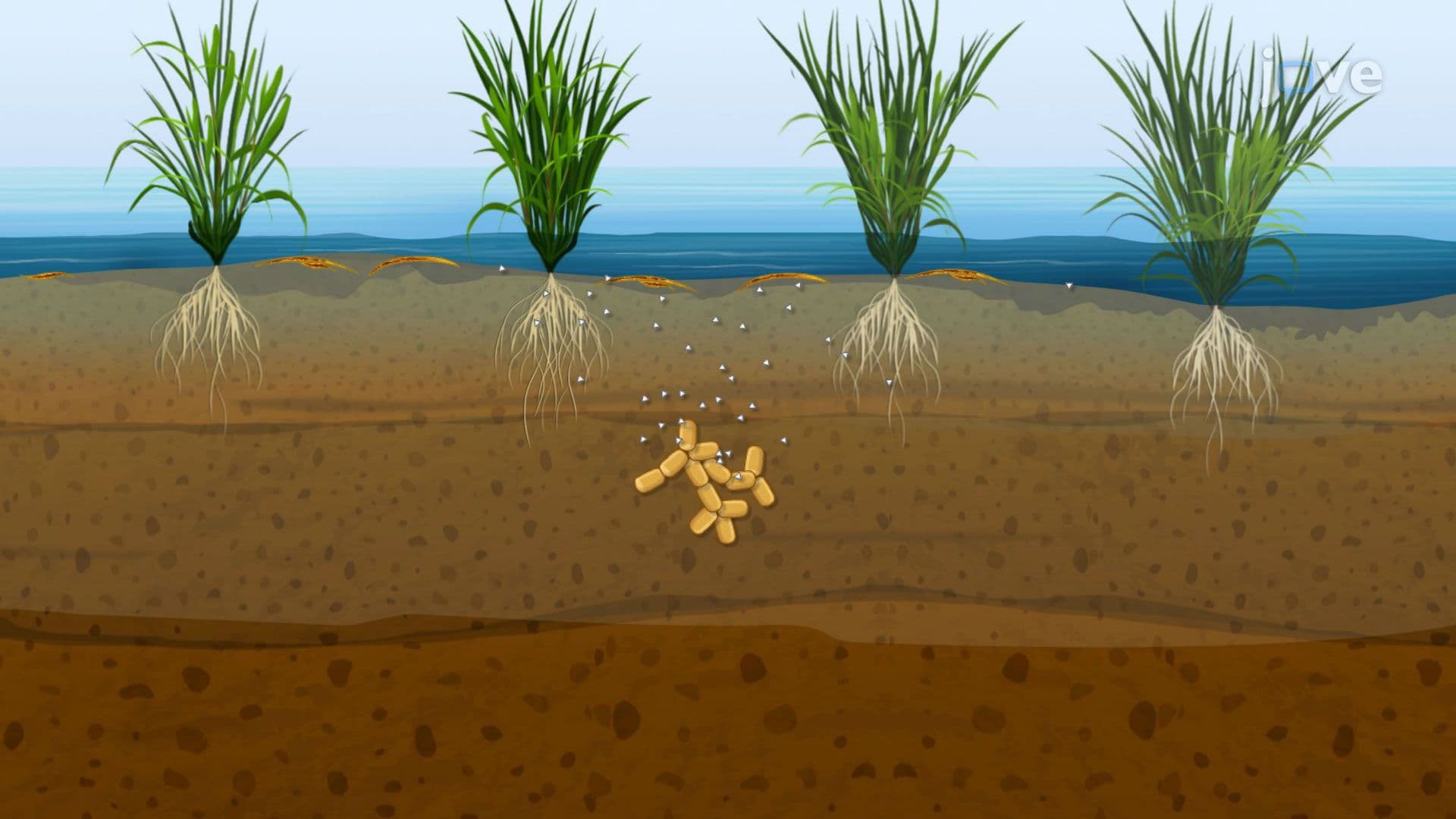

Video Summary: What Is Microbes and Methanogenesis
Did you know termite guts harbor microscopic methane factories that help power entire ecosystems? Microbes and methanogenesis describes how specialized archaea called methanogens convert organic waste into methane through a complex chain of microbial teamwork. In US wetlands like the Florida Everglades, this process drives massive methane emissions. Watch the full video on JoVE Coach to master this concept with expert-led visuals and step-by-step explanations.
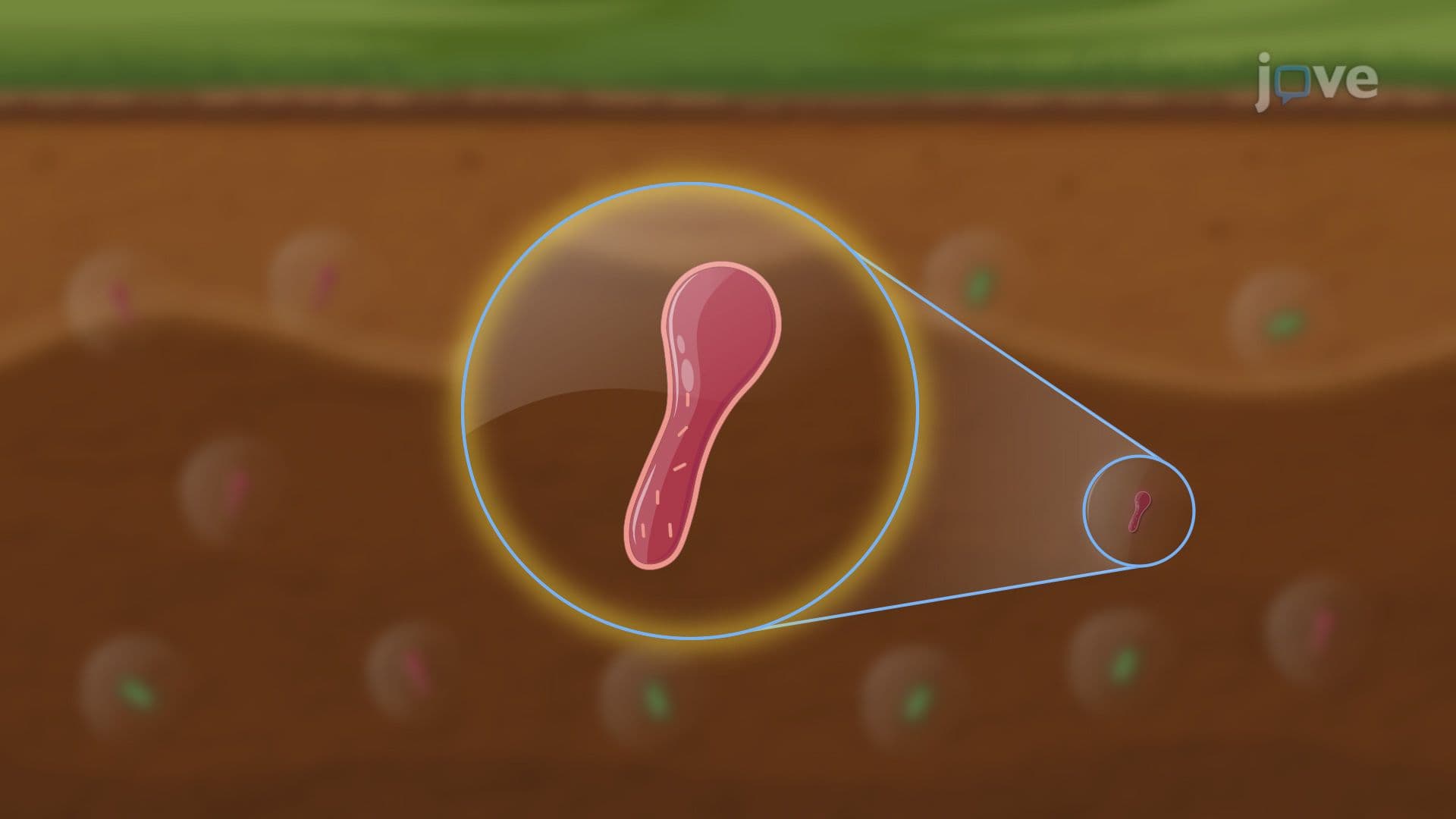
Methanogenesis is one of the most ancient metabolic processes on Earth, carried out exclusively by a group of microorganisms called methanogens, members of the domain Archaea. These organisms thrive in anoxic (oxygen-free) environments, making them classic extremophiles. Understanding microbes and methanogenesis is essential for AP Biology, introductory college microbiology, and environmental science courses, as it elegantly demonstrates how microbial communities drive global biogeochemical cycles.
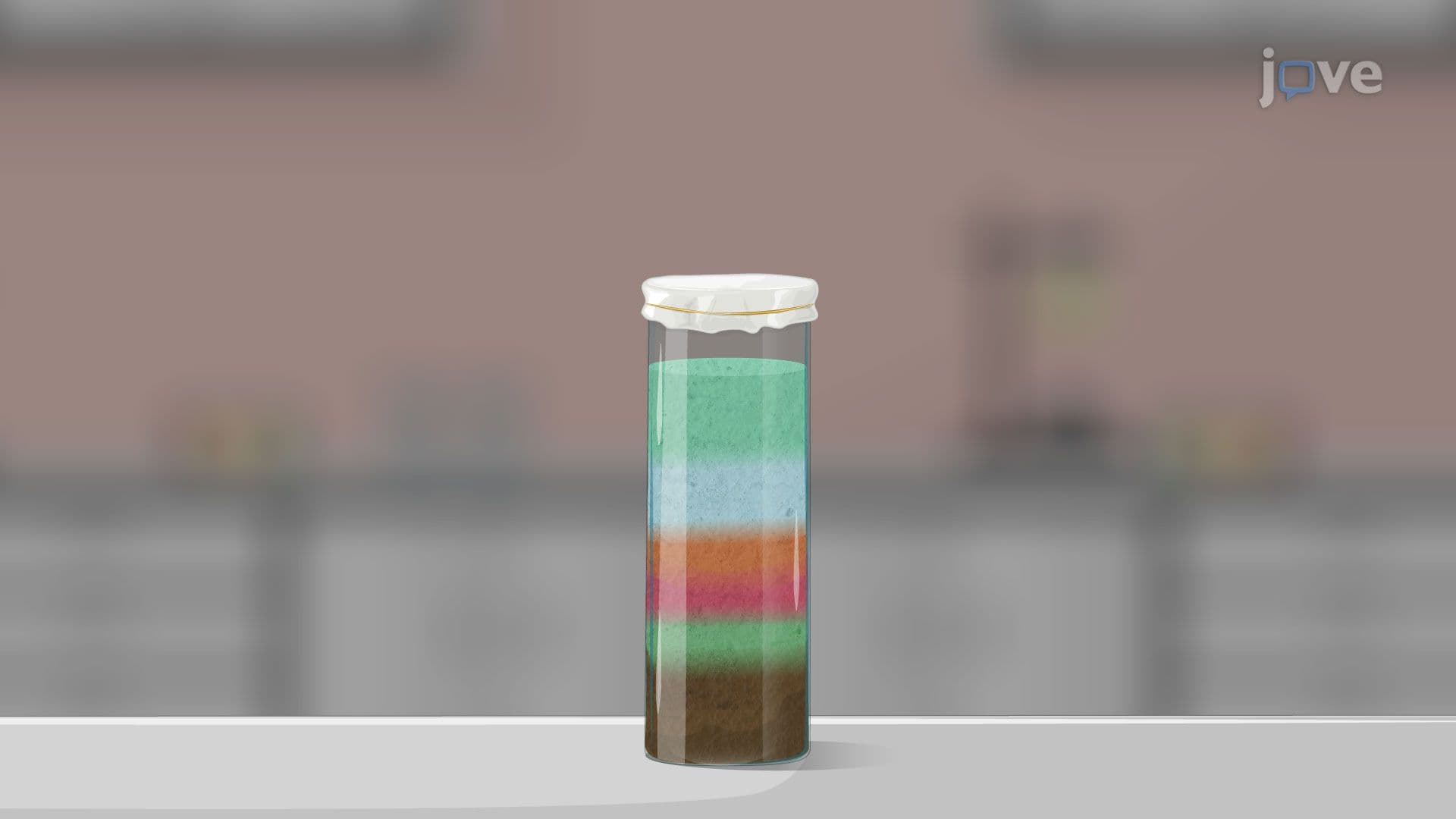
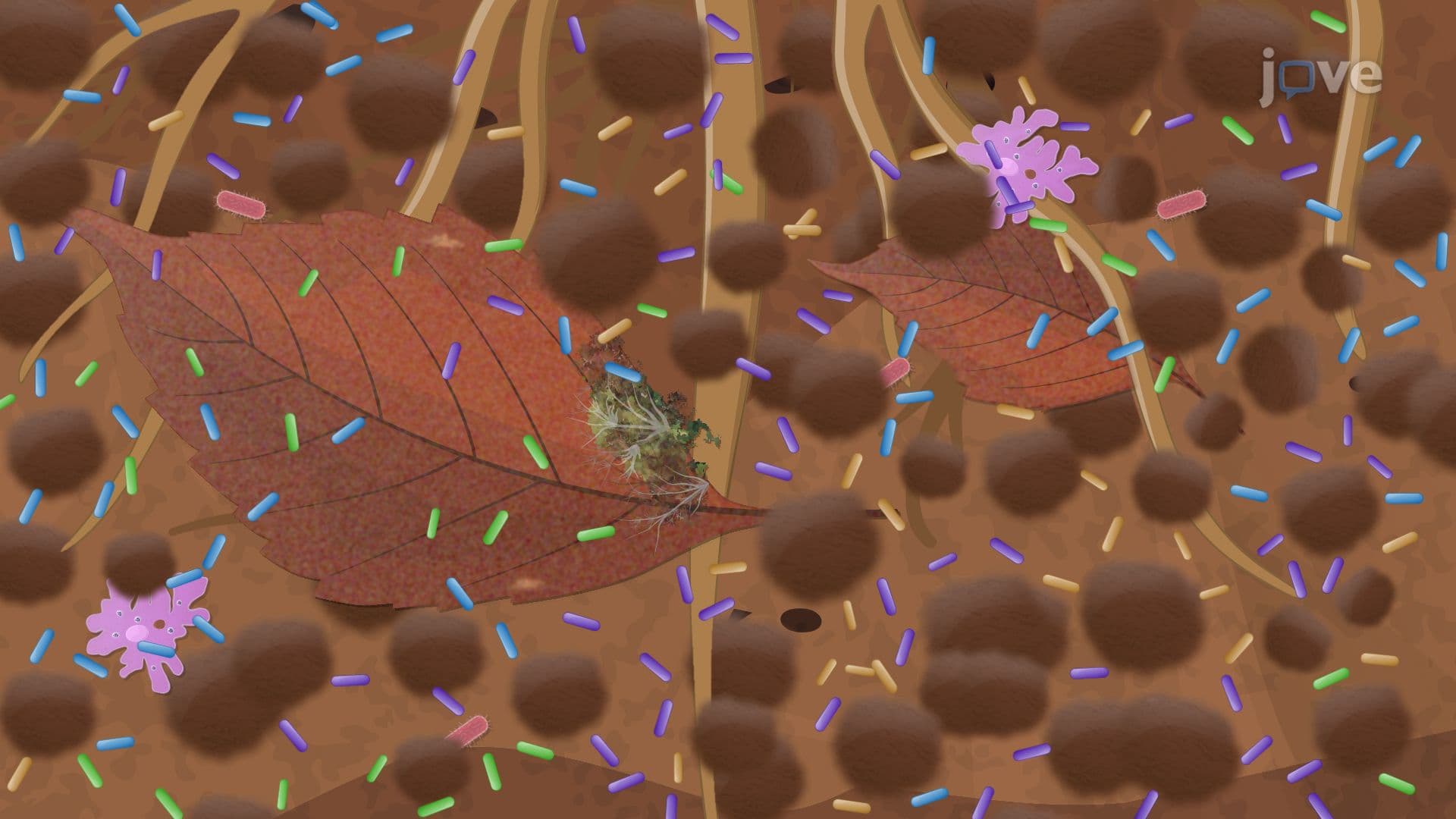
Methanogenesis does not happen in isolation, it is the final step in a carefully coordinated microbial pipeline. When organisms die, organic material sinks into anoxic zones such as lake sediments, wetland soils, or landfill interiors. Cellulolytic bacteria initiate decomposition by breaking complex polysaccharides like cellulose into simple sugars. Fermentative microbes then process those sugars into short-chain fatty acids (primarily acetate), alcohols, hydrogen gas (H₂), and carbon dioxide (CO₂).
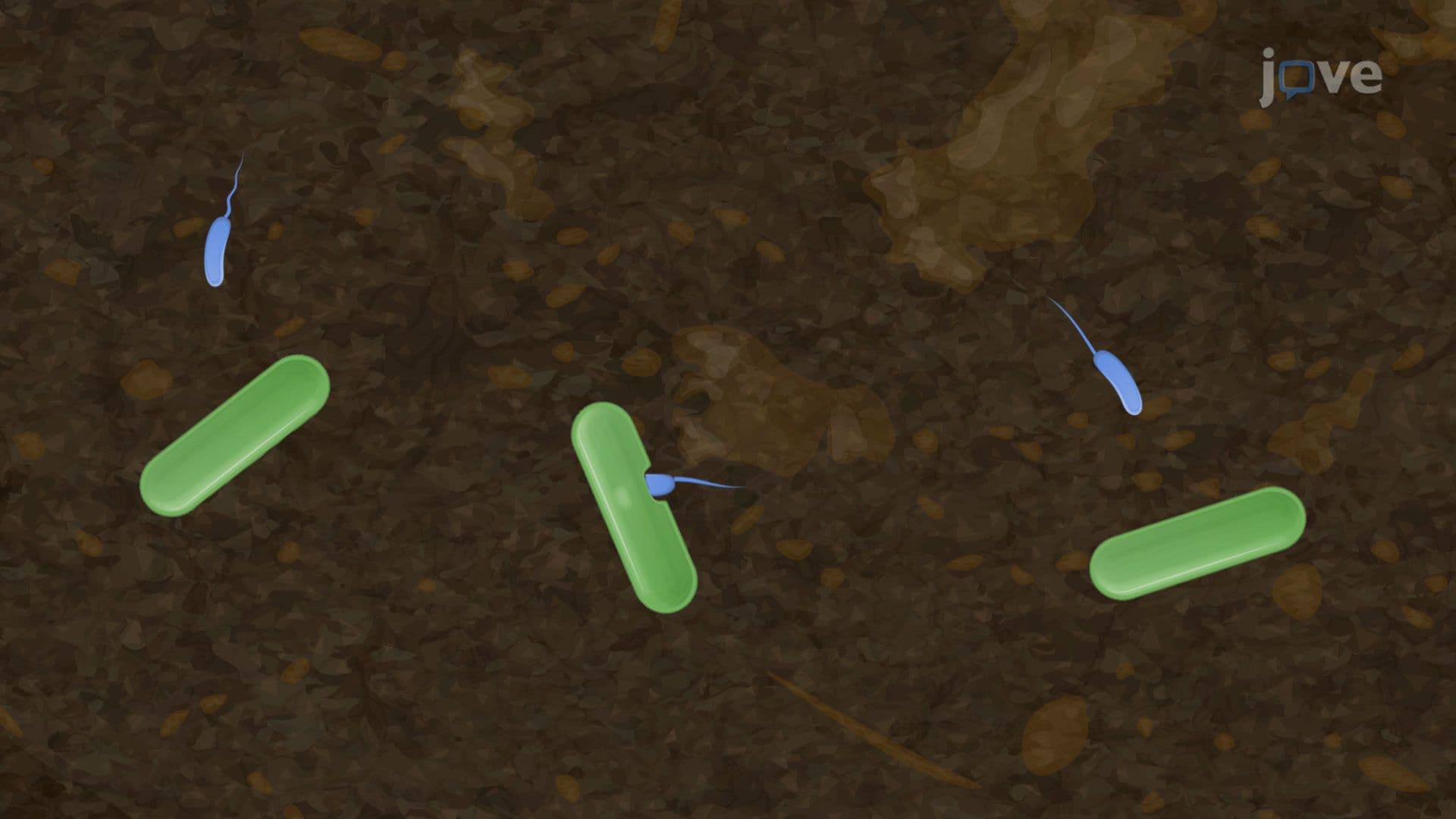
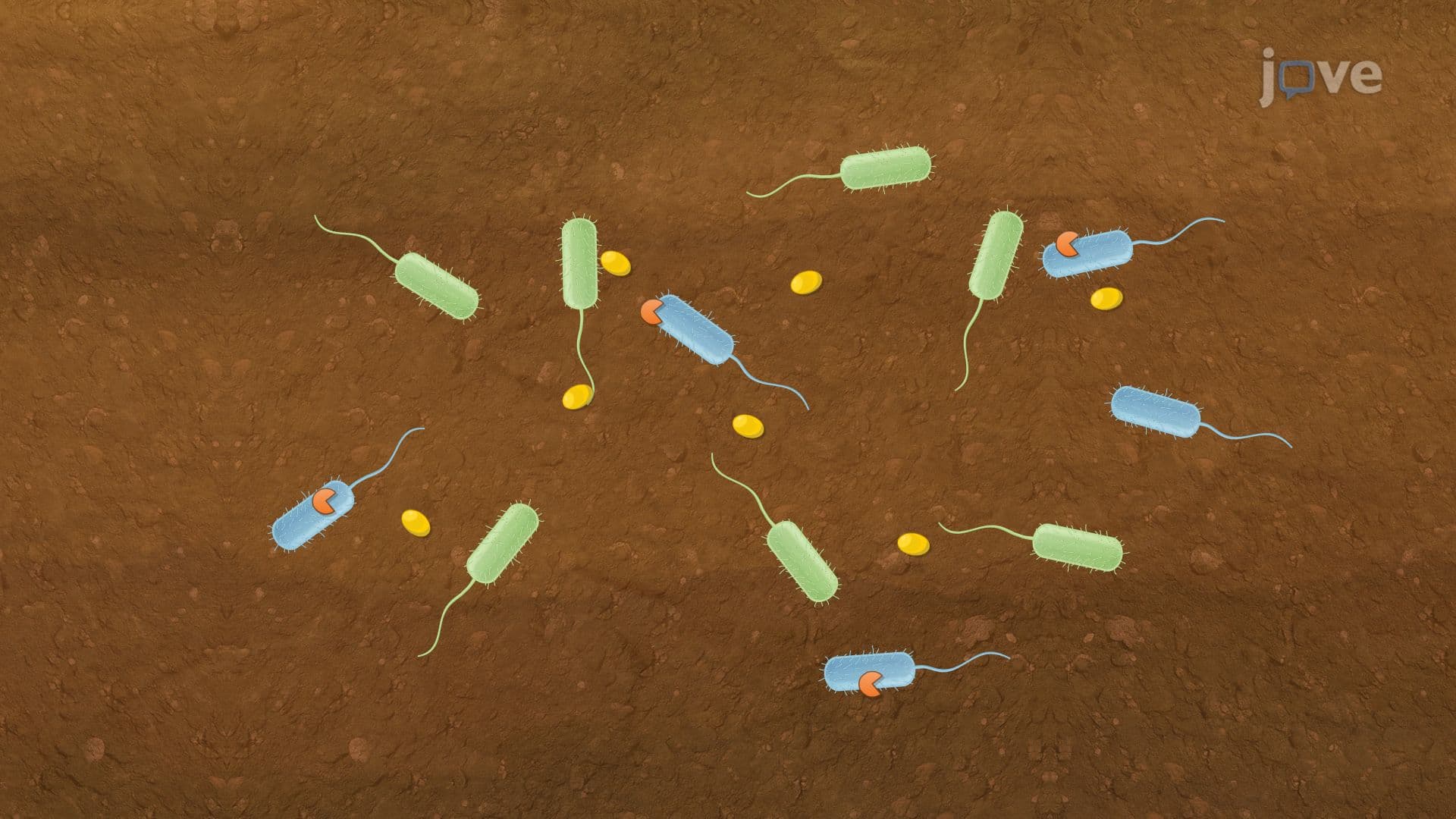
Syntrophic bacteria play a critical bridging role: they oxidize alcohols and longer-chain fatty acids into acetate, H₂, and CO₂, compounds that methanogens can directly use. This cooperation exemplifies syntrophy, a form of metabolic interdependence where neither partner can function efficiently without the other. These layered interactions illustrate how microbial diversity enables ecosystems to recycle carbon completely.
One of the most testable concepts in this topic is interspecies hydrogen transfer. Fermentation becomes thermodynamically unfavorable when H₂ accumulates, essentially, the reaction stalls. Methanogens solve this by continuously consuming H₂ and converting it into methane (CH₄), keeping H₂ concentrations extremely low. This process, called syntrophic hydrogen transfer, is a masterclass in how microbial communities self-regulate. On the AP Biology or MCAT, you may be asked to predict what happens to fermentation rates if methanogen activity is inhibited, the answer is that fermentation slows or stops due to H₂ buildup.
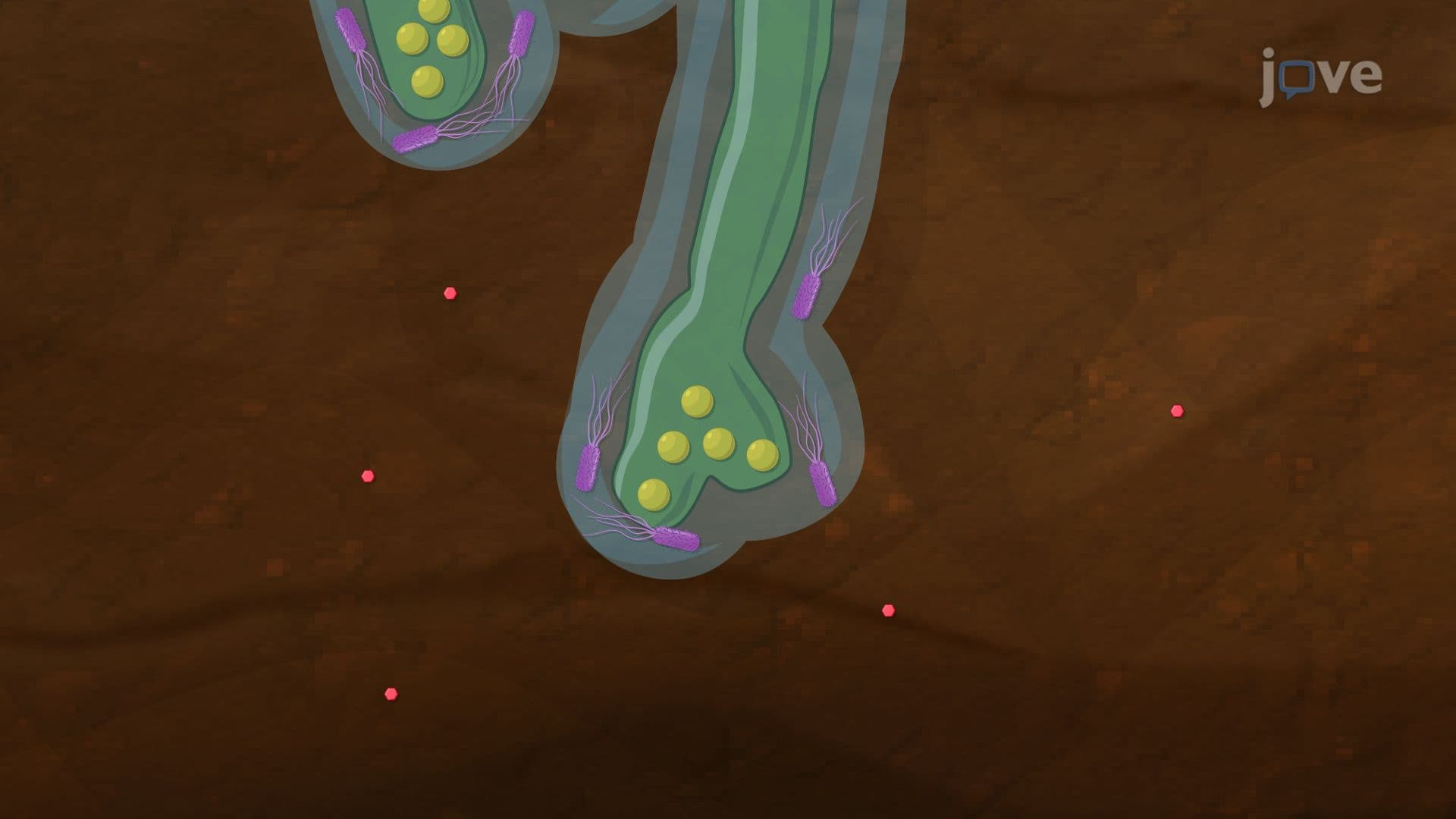
The termite gut is a fascinating miniature ecosystem that mirrors large-scale environmental methanogenesis. Anoxic protists inside the termite gut ferment cellulose-derived sugars into H₂, which endosymbiotic methanogens immediately consume. This keeps fermentation running and allows termites to absorb acetate as their primary energy source, an extraordinary example of nested symbiotic relationships within a single organism.
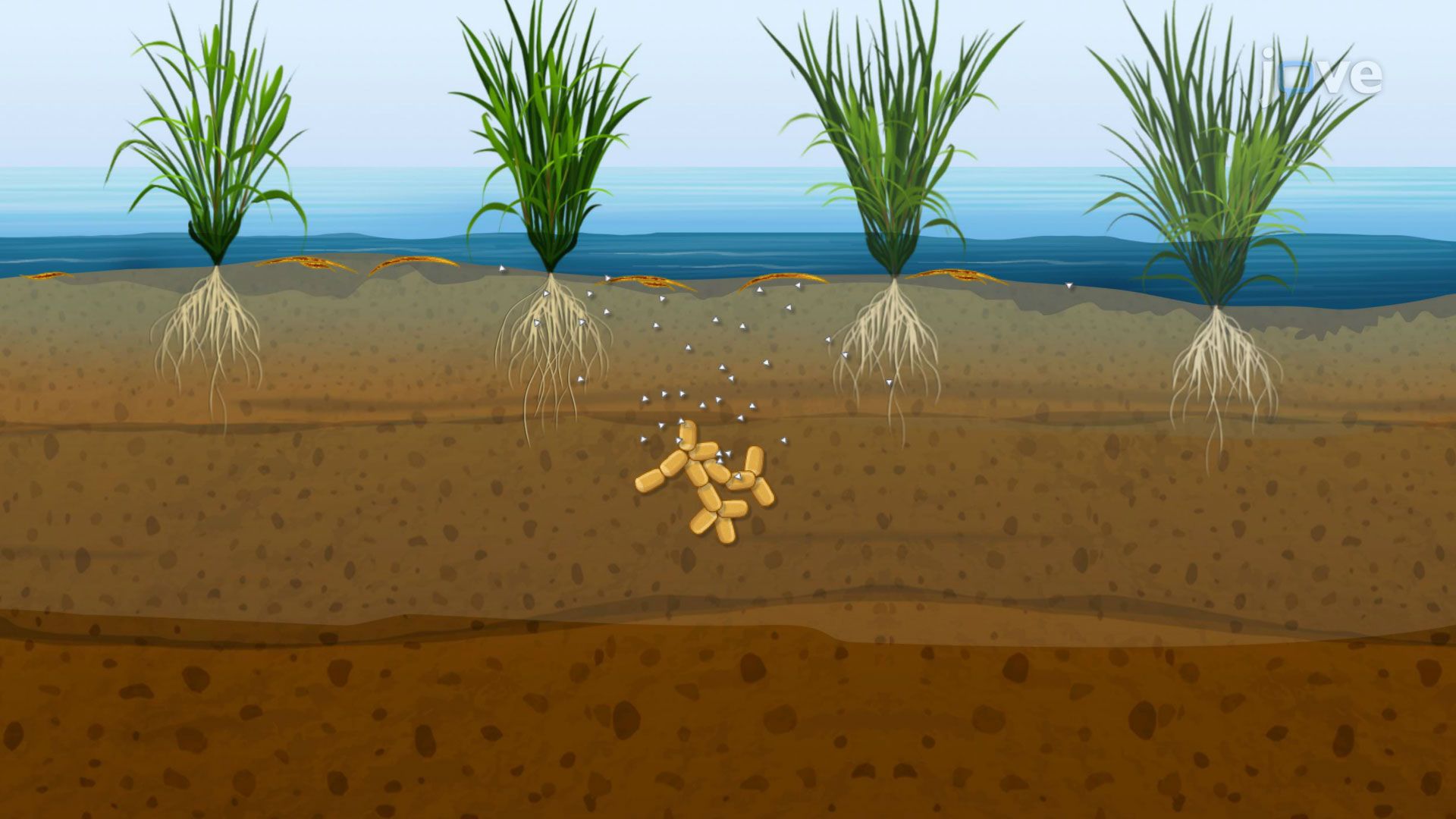
At the ecosystem scale, US wetlands, including the Louisiana coastal marshes and Minnesota's peatlands, are among the largest natural sources of atmospheric methane. Municipal landfills across the United States, such as the Puente Hills Landfill in California (historically one of the largest in the nation), also generate substantial methane through methanogenesis in buried organic waste. Some modern landfills now capture this methane for electricity generation, turning a greenhouse gas liability into an energy resource.
For students preparing for college biology midterms or the MCAT, connecting methanogenesis to the carbon cycle, greenhouse gas dynamics, and microbial ecology demonstrates the kind of integrated systems thinking that exam questions reward. Understanding how microbes interact within these communities, and why those interactions matter, is central to answering both conceptual and application-based questions effectively.
Related Micro-courses