Loading concepts…


11 Concepts
13 Concepts
26 Concepts
13 Concepts
6 Concepts
31 Concepts
37 Concepts
10 Concepts
7 Concepts
22 Concepts
11 Concepts
11 Concepts
22 Concepts
16 Concepts
11 Concepts
15 Concepts
14 Concepts
12 Concepts
9 Concepts
 11 Concepts
 2.1K Views
 Popular topics


Food Microbiology Fundamentals explores how microorganisms shape the foods Americans eat every day, from sourdough bread and craft beer to yogurt and pickles. This course covers food microbiology basics, including fermentation, microbial spoilage, foodborne pathogens, and food safety regulations. Guided by JoVE Coach, students build practical understanding of how the FDA, USDA, and HACCP frameworks protect the US food supply.
1. Microorganisms in Food and Beverage Production Microorganisms are essential to producing many staple American foods and beverages. *Saccharomyces cerevisiae* ferments sugars in bread dough, releasing carbon dioxide that causes the dough to rise. In dairy production, lactic acid bacteria convert milk into buttermilk, cheese, and yogurt at carefully controlled temperatures. For example, cheddar cheese, one of the most popular cheeses in the US, relies on *Lactococcus lactis* starter cultures and the enzyme rennet. Winemakers and brewers similarly depend on specific yeast strains to convert fruit sugars or malted barley into alcohol, fine-tuning temperature, pH, and microbial selection to achieve consistent flavor profiles.
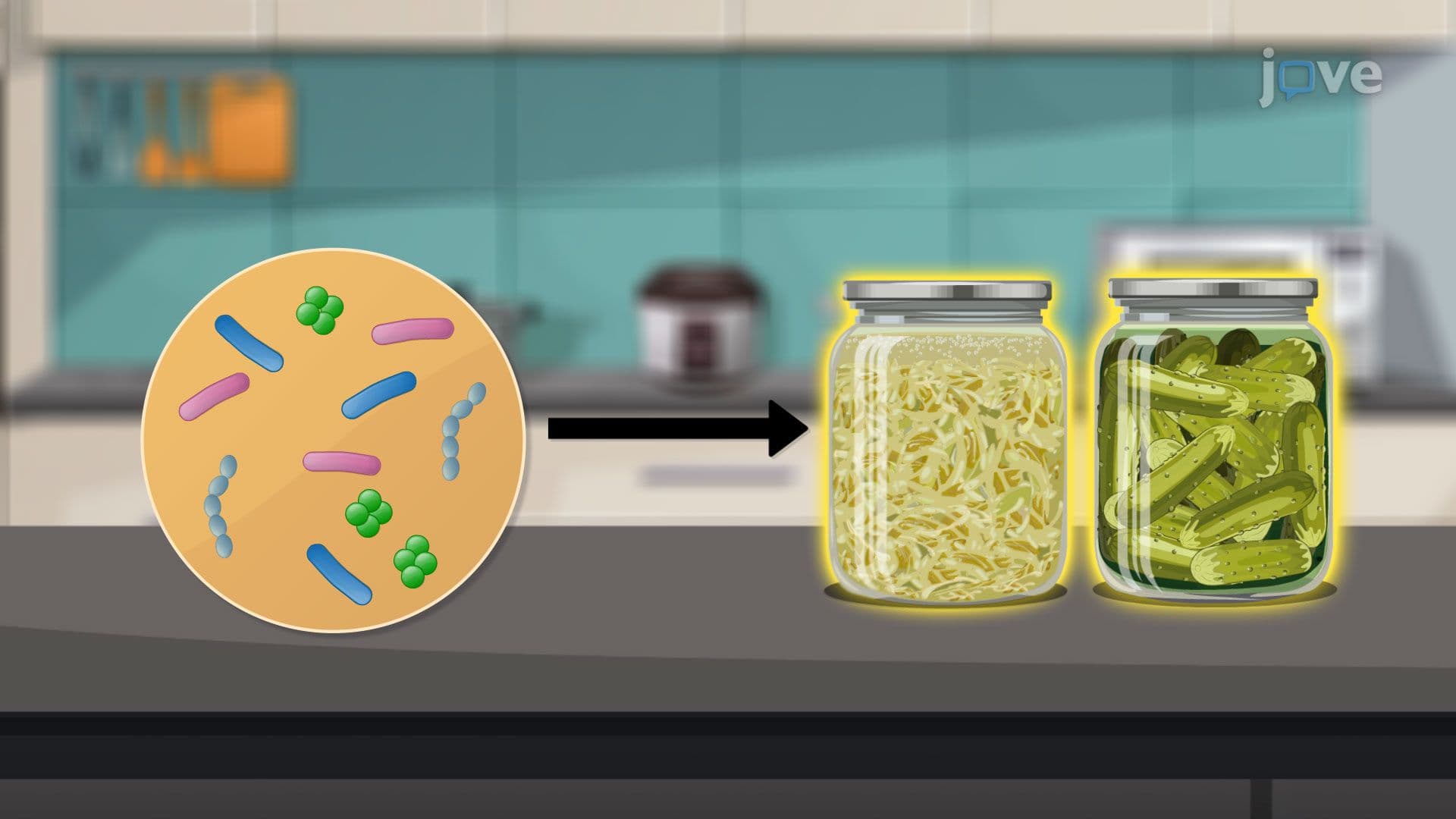
2. Fermented Foods and How They Are Produced Fermented foods are created when beneficial microbes break down carbohydrates in raw ingredients, producing acids, alcohols, and other compounds that preserve and flavor the food. Sauerkraut production begins with *Leuconostoc mesenteroides*, which initiates acid production from cabbage sugars; acid-tolerant species like *Lactiplantibacillus plantarum* then dominate as pH drops. Pickle fermentation follows a similar succession in a 5% brine solution. These microbial communities create environments too acidic for harmful pathogens to survive, a natural preservation strategy that predates modern refrigeration and remains central to traditional American and global food cultures.
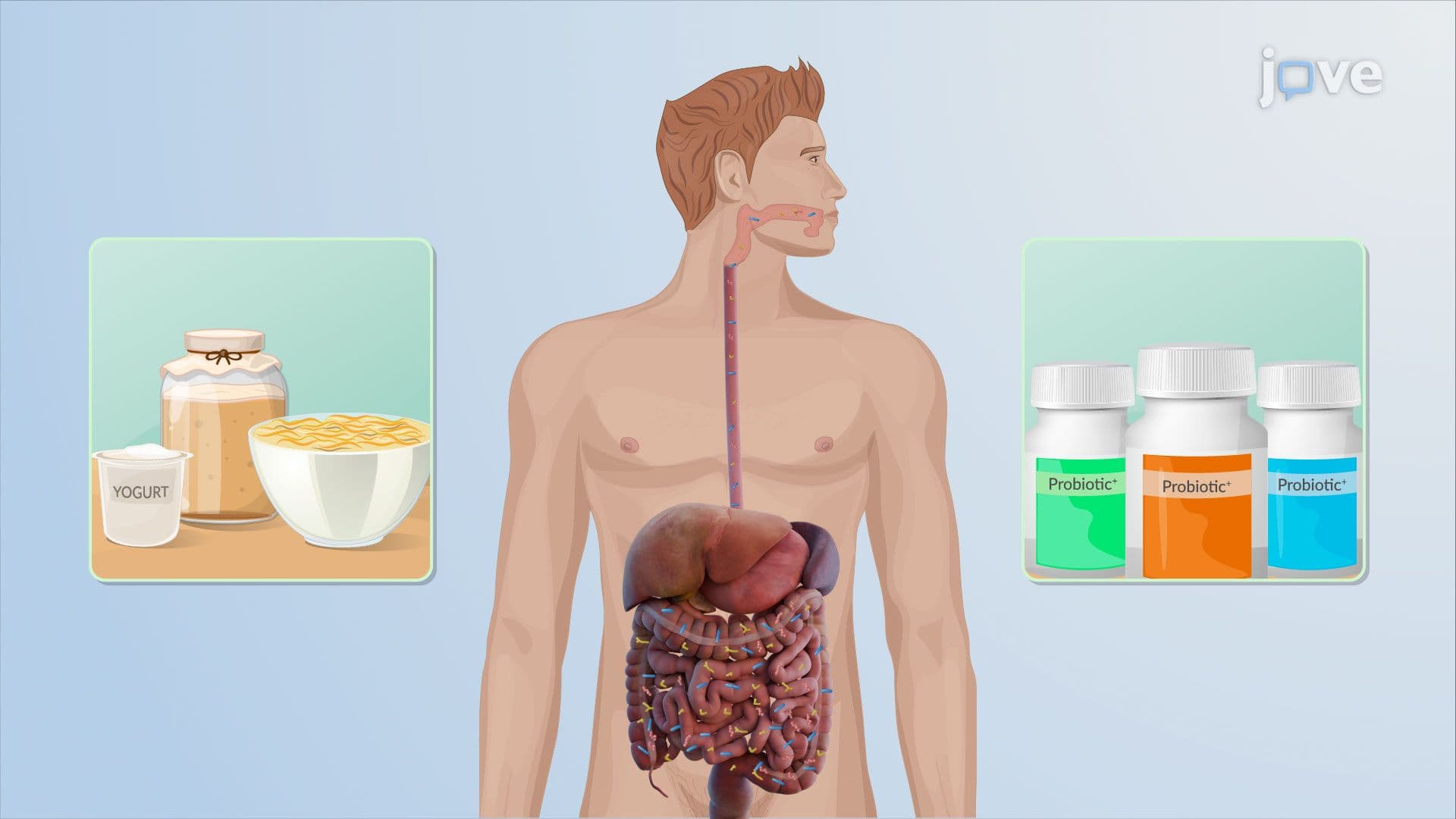
3. Probiotics and Gut Health Probiotics are live microorganisms, primarily *Lactobacillus* and *Bifidobacterium* species, that confer measurable health benefits when consumed in sufficient quantities. Found in everyday American foods like yogurt, kefir, buttermilk, and kombucha, probiotics colonize the gut and compete with opportunistic pathogens for nutrients and space. They lower intestinal pH by producing organic acids and bacteriocins, and they synthesize vitamins including B12, folate, and vitamin K. Probiotics also stimulate mucin production, reinforcing the gut's mucosal barrier against toxins and pathogens. Understanding probiotics connects food microbiology basics directly to human health outcomes and clinical nutrition.
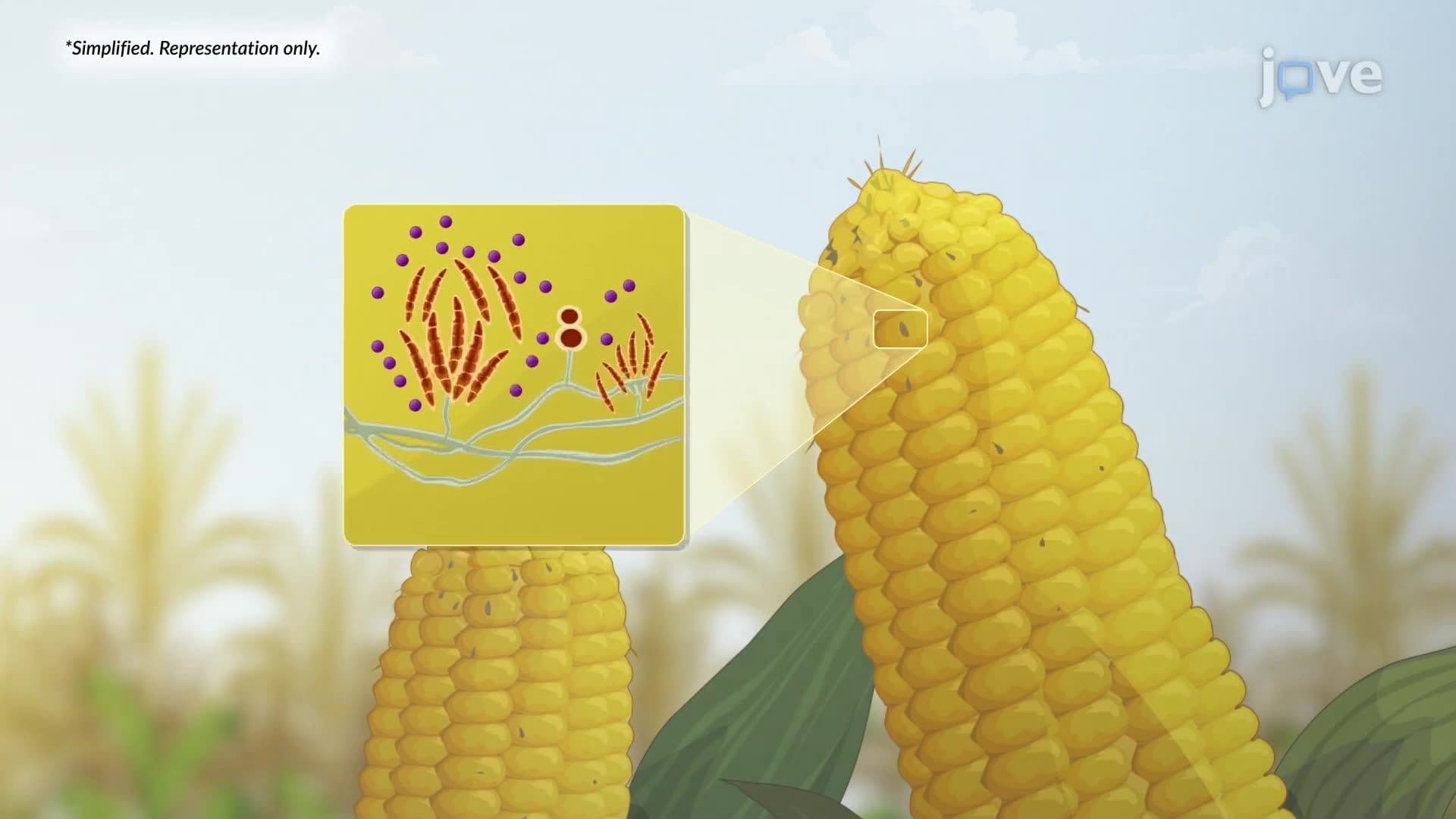
4. Foodborne Pathogens and Sources of Food Contamination Foodborne illness affects an estimated 48 million Americans each year, according to the CDC. Contamination can occur at any stage, from the farm to the table. In agricultural settings, wildlife feces spread *E. coli* O157:H7 into soil and irrigation water, reaching leafy greens and produce. Poultry commonly carries *Salmonella* and *Campylobacter*, which survive cold storage and spread during processing. Meat may harbor *Yersinia* and parasites like *Trichinella* spp. that survive undercooking. Seafood can carry *Vibrio* species or algal toxins. Fungi like *Fusarium* produce heat-stable mycotoxins on grain crops that persist even after cooking, creating long-term health risks in the food supply.
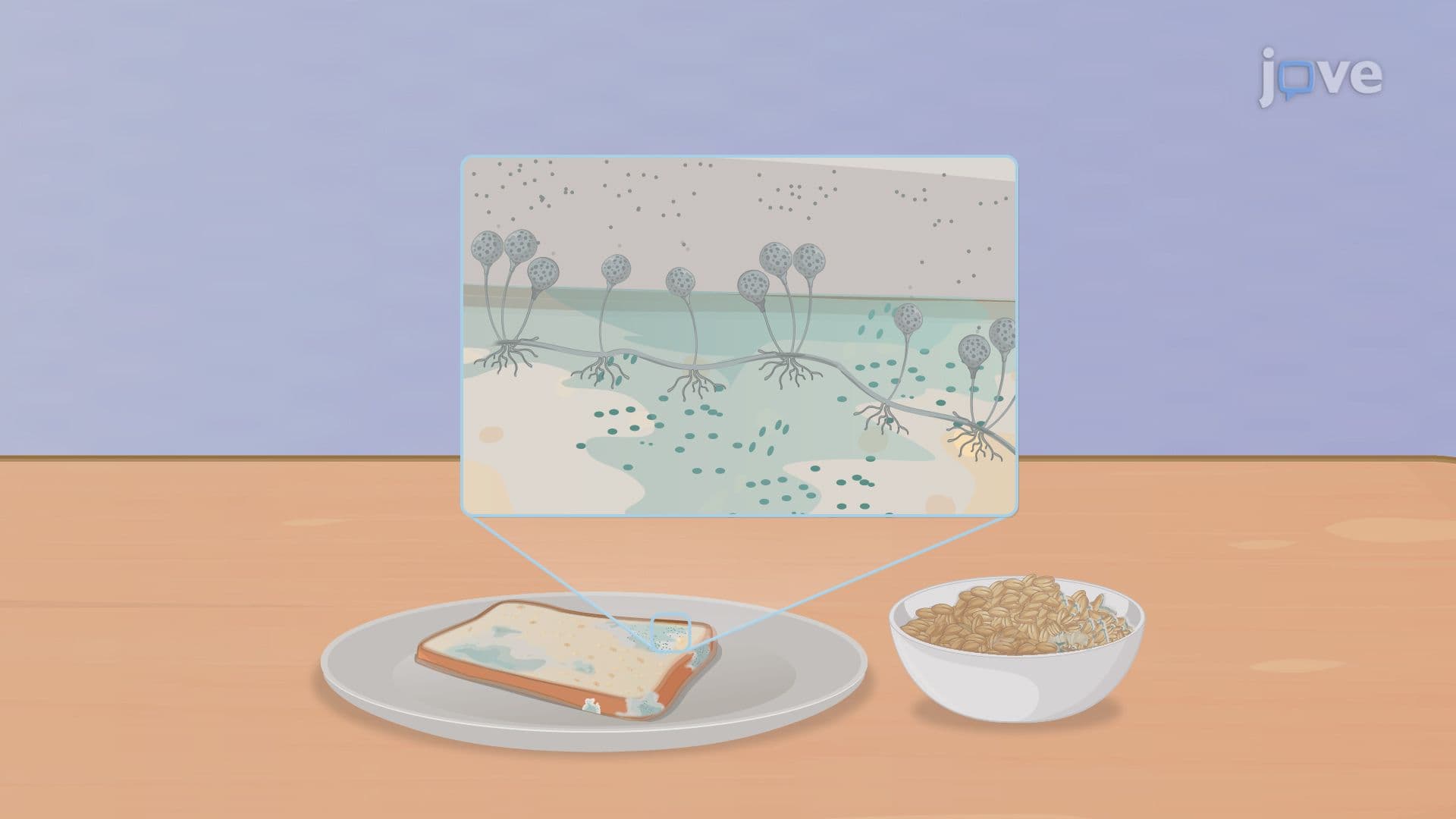
5. Food Spoilage Mechanisms Microbial food spoilage occurs when bacteria, yeasts, or molds grow on food and release enzymes that degrade proteins, fats, and carbohydrates. Protein breakdown by bacteria like *Pseudomonas* and *Clostridium* produces foul-smelling compounds such as cadaverine and putrescine. Microbial lipases break down fats into short-chain fatty acids, leading to rancidity, a common quality problem in nuts, oils, and dairy products. *Pectobacterium* releases pectinases that soften fruits and vegetables by degrading pectin. Yeasts ferment sugars in jams and juices, creating off-flavors. Understanding these spoilage pathways helps explain why specific preservation strategies are required for different food categories.
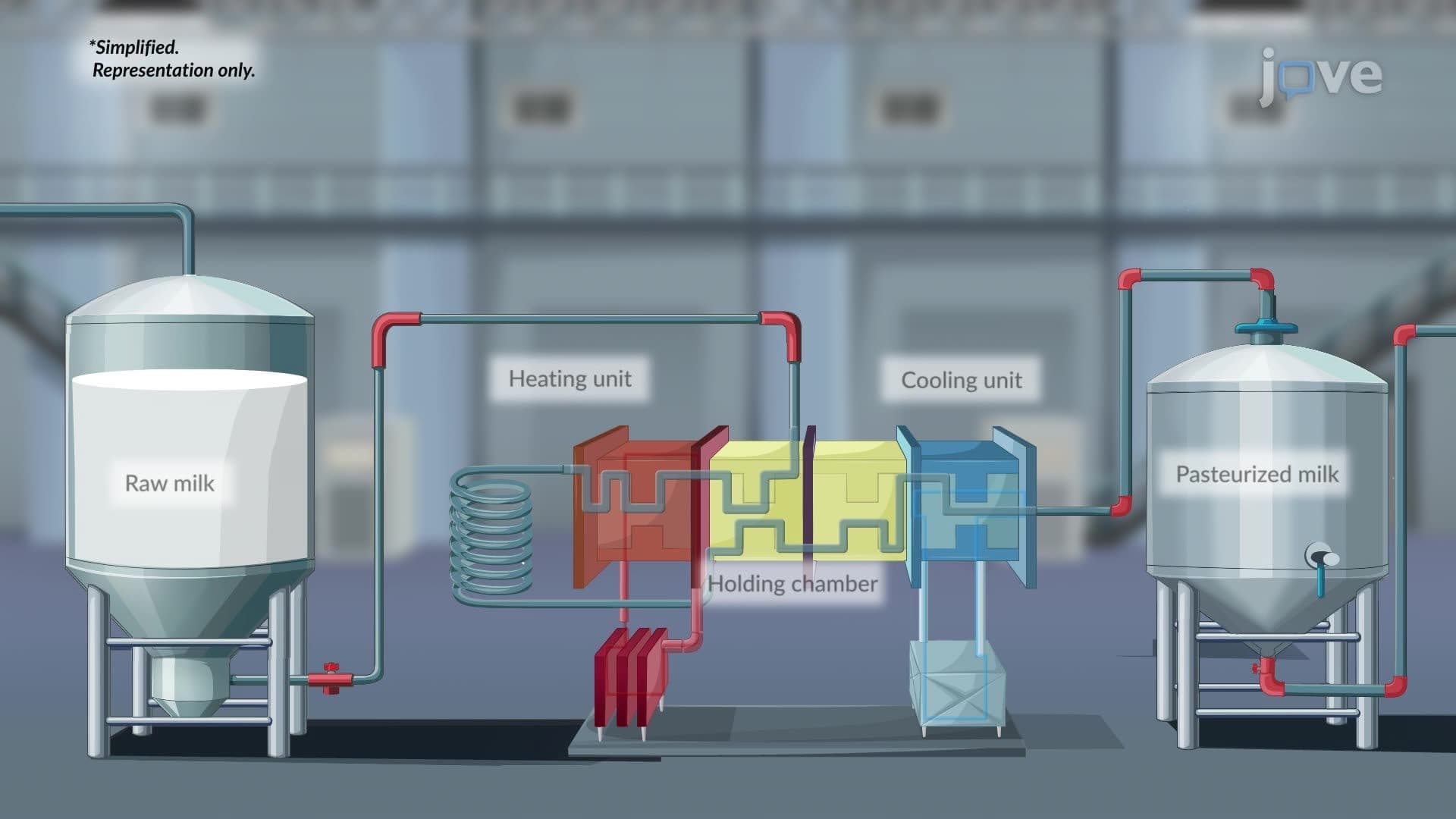
6. Pasteurization and Food Preservation Methods Pasteurization is a heat-based process mandated by US public health regulations for products like milk, juice, and eggs. The low-temperature long-time (LTLT) method heats liquids like vinegar to approximately 60°C for 15-20 minutes. The high-temperature short-time (HTST) method, the standard for commercial milk in the US, heats milk to 72°C for 15 seconds. Ultra-high-temperature (UHT) processing at 138°C for 3 seconds produces shelf-stable milk sold without refrigeration. Beyond heat, preservation also relies on refrigeration (0-4°C), freezing (below -18°C), vacuum sealing, modified atmosphere packaging (MAP) using nitrogen and CO₂, and chemical preservatives like benzoates, sorbates, and nitrites.
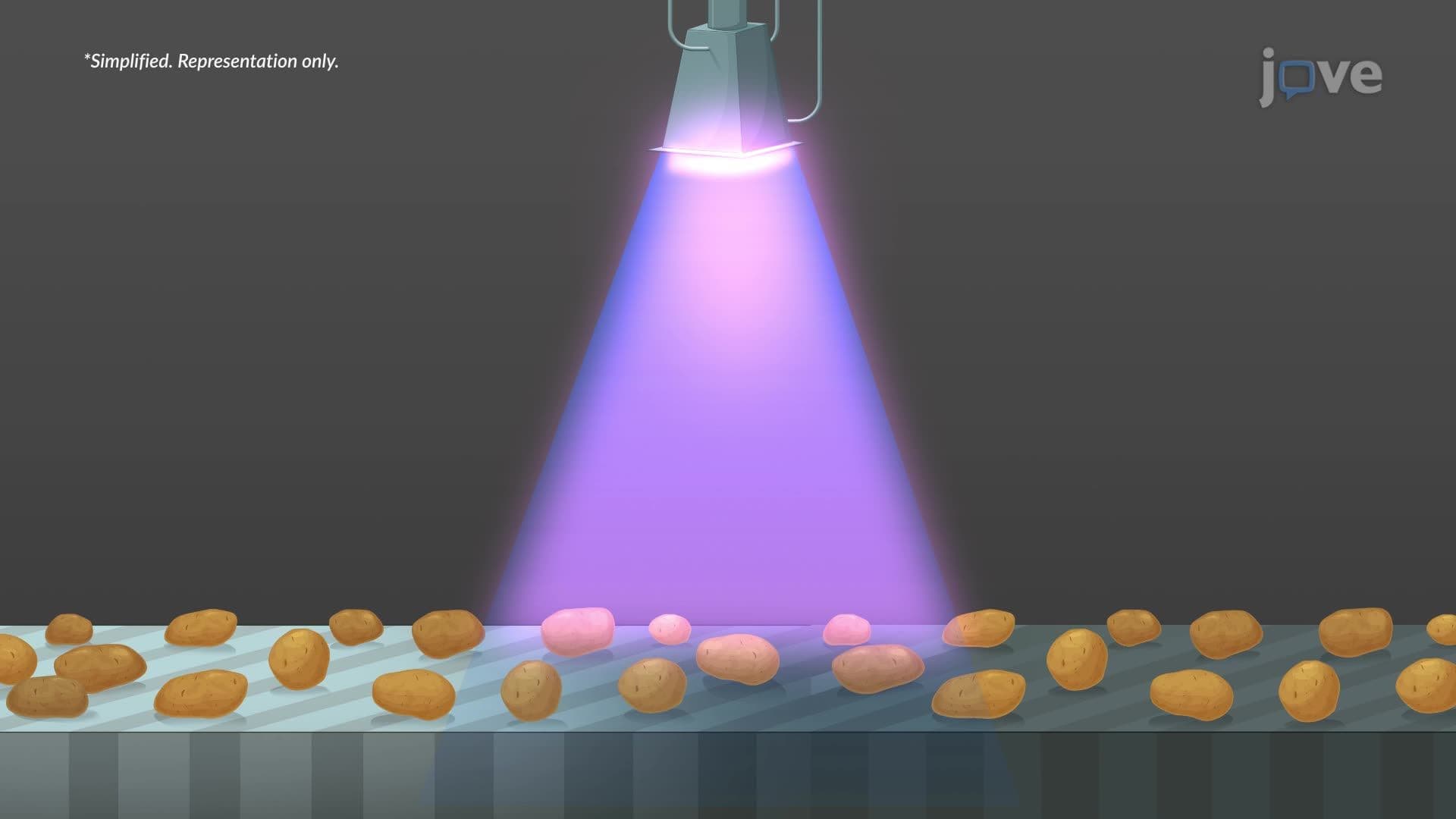
7. Principles of Food Preservation Effective food preservation is rooted in understanding the microbial growth curve, specifically, how to manipulate lag, log, and stationary phases to keep food safe longer. Minimizing initial microbial load extends the lag phase, delaying rapid spoilage. Low temperatures slow microbial metabolism and enzyme activity. Removing water through drying or salt inhibits microbial growth by lowering water activity. Chemical preservatives interfere with metabolic pathways. Irradiation destroys microbial DNA. Each method targets a different aspect of microbial biology. In practice, US food manufacturers combine multiple strategies, known as hurdle technology, to maximize safety and shelf life without relying on any single intervention.
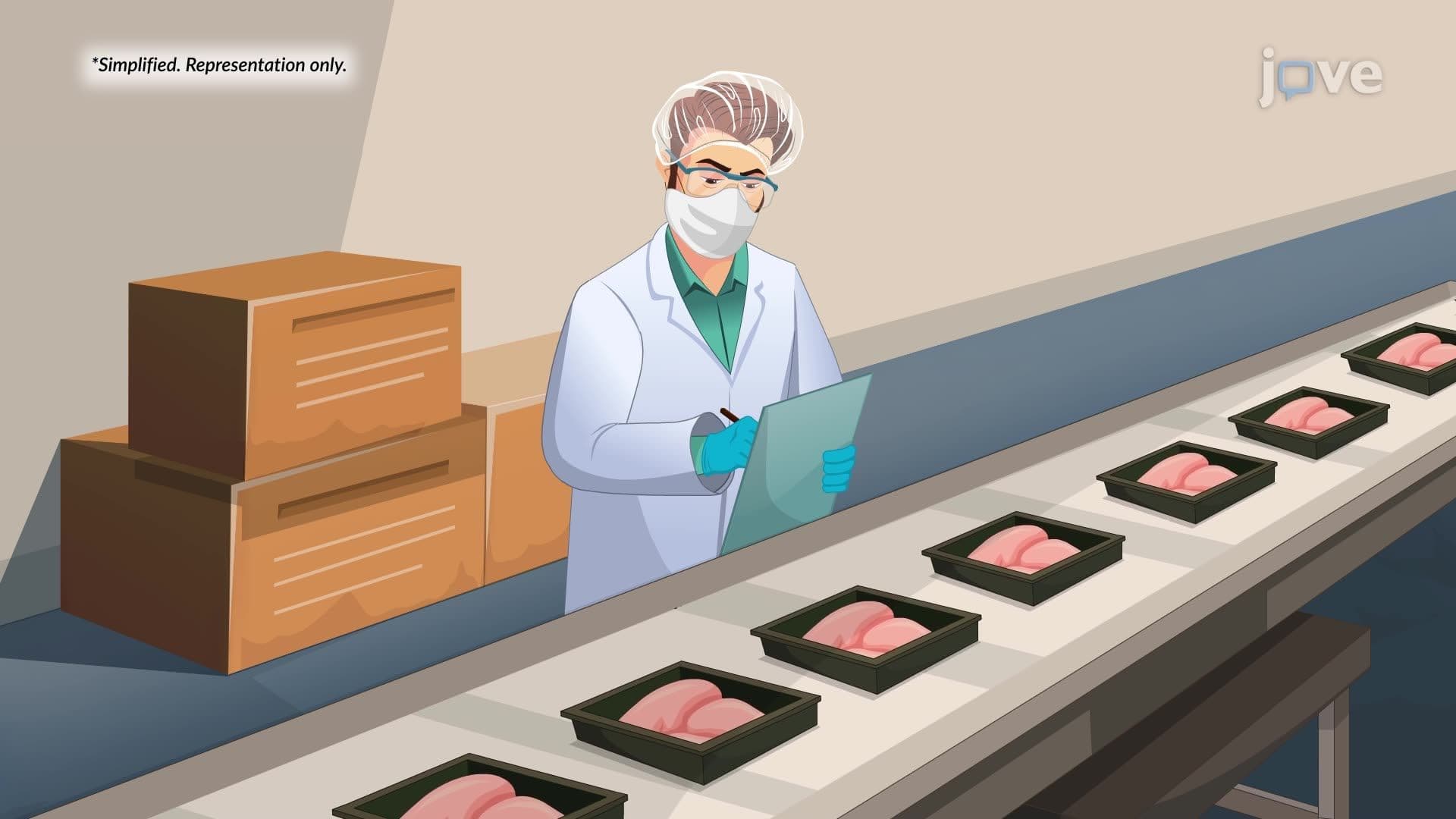
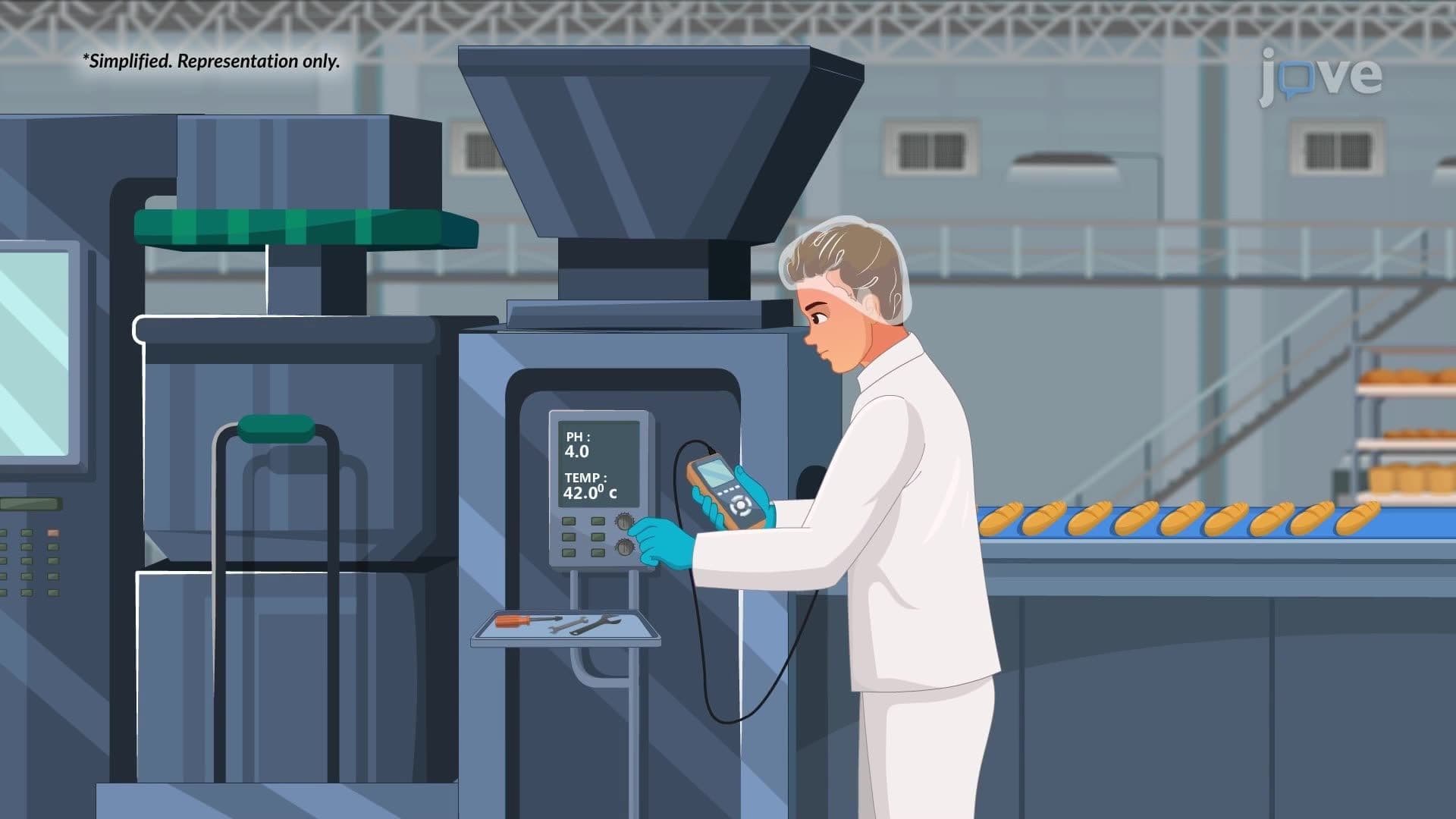
8. Good Manufacturing Practices (GMPs) and HACCP In the United States, Good Manufacturing Practices (GMPs) are regulatory standards enforced by the FDA and USDA that govern hygiene, personnel conduct, equipment maintenance, raw material sourcing, quality control, labeling, and waste management in food facilities. Complementing GMPs, the seven HACCP principles provide a science-based, preventive framework for identifying and controlling food safety hazards, biological, chemical, and physical. Steps include hazard analysis, identifying Critical Control Points (CCPs), setting critical limits (e.g., internal meat temperature below 5°C within 6 hours post-slaughter), real-time monitoring, corrective action protocols, verification through microbial testing, and complete documentation for traceability and regulatory compliance.