Loading video…

 11 Concepts
 2.1K views

Video Summary: What are Microbes in Beverage Production
Did you know a simple yeast cell is responsible for every glass of wine and beer produced in the United States? Microbes in beverage production are the microscopic workhorses behind fermentation, converting sugars into alcohol and flavor compounds. For example, California's wine industry relies on *Saccharomyces cerevisiae* to ferment grape sugars into red wine. Understanding what are microbes in beverage production unlocks the science behind billion-dollar industries. Watch the full video on JoVE Coach to master this concept with expert-led visuals and step-by-step explanations.
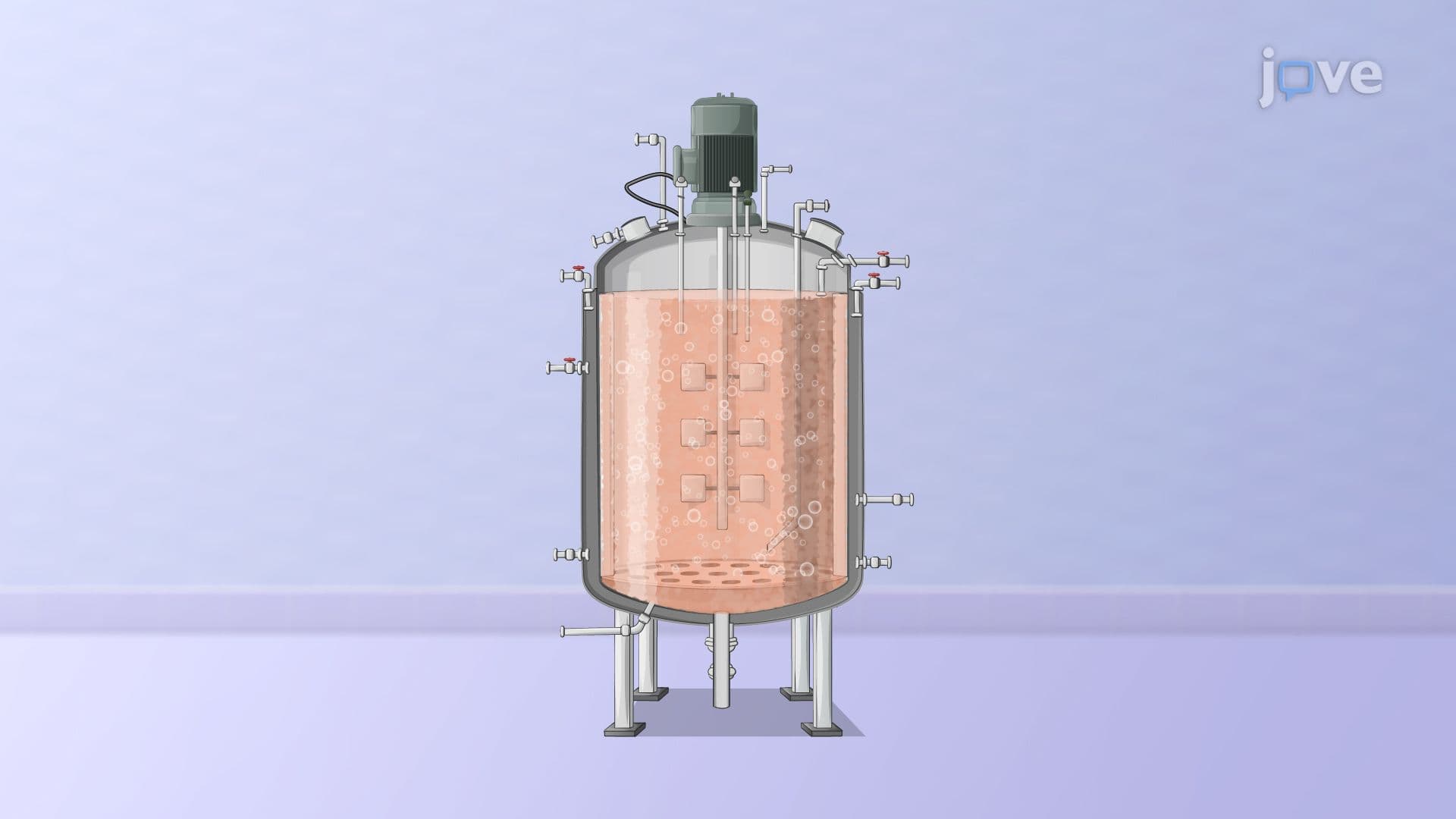
Microbes in beverage production refers to the deliberate use of microorganisms, primarily yeasts and bacteria, to transform raw ingredients into alcoholic beverages through fermentation. Far from being accidental contamination, this is a tightly controlled biological process refined over thousands of years and now governed by food safety regulations in the United States. At its core, fermentation is a metabolic pathway in which microbes break down sugars (glucose and fructose) in the absence of oxygen, producing ethanol (alcohol) and carbon dioxide as byproducts. Understanding this process is foundational for AP Biology, college-level microbiology, and food science courses across the US.
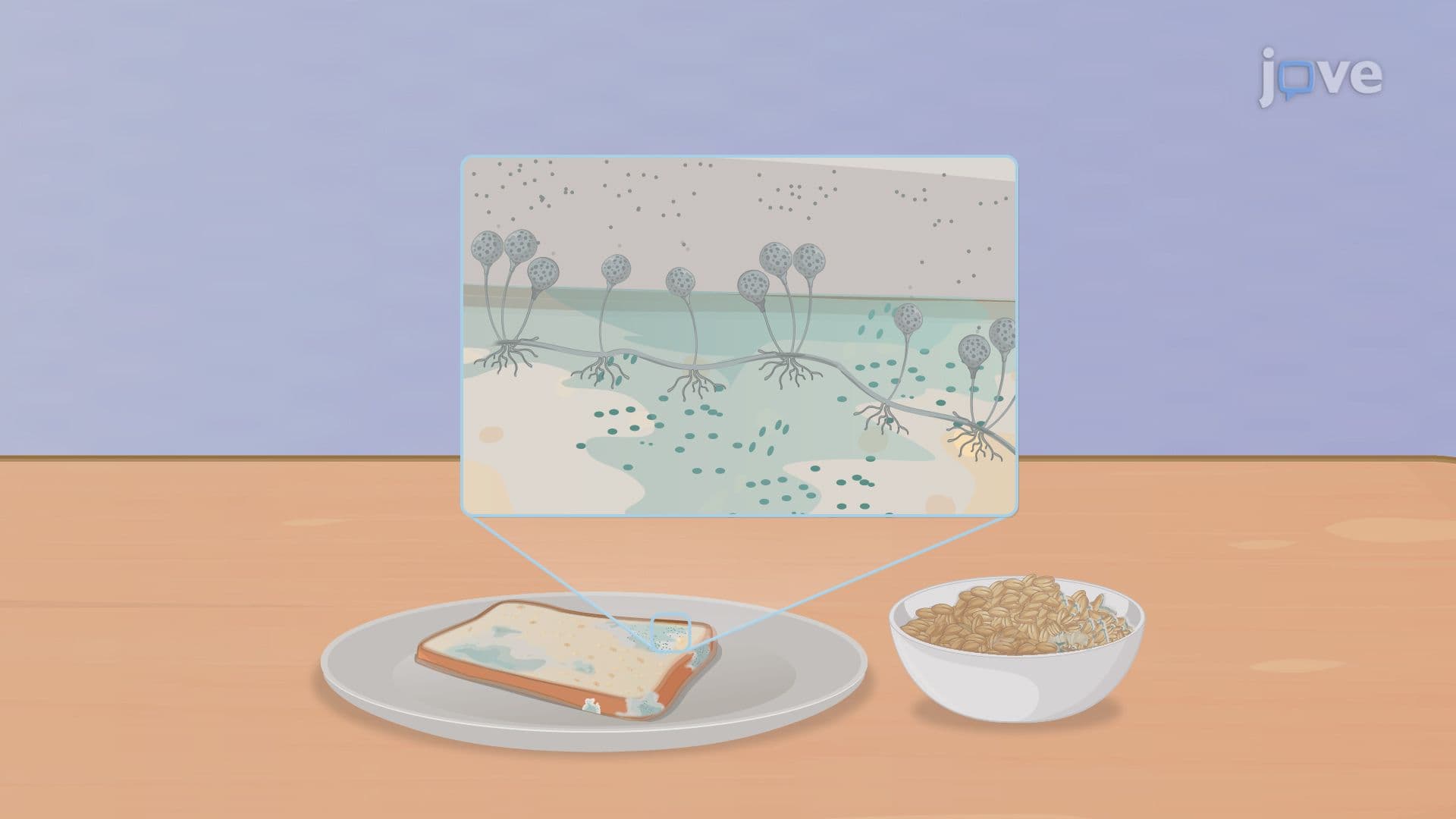
Red wine production is a textbook example of how microbes are strategically managed. Before fermentation even begins, crushed grapes are treated with sulfur dioxide (SO₂), a chemical agent that inhibits wild yeasts and molds, natural contaminants that cause food spoilage and could ruin the final product. This step illustrates a key principle of food preservation: selectively suppress unwanted microbes before introducing beneficial ones.
Once spoilage organisms are controlled, winemakers inoculate the must (crushed grape mixture) with a selected strain of *Saccharomyces cerevisiae*. This yeast performs primary fermentation at temperatures between 20°C and 28°C, efficiently converting grape sugars into alcohol, bringing the wine to a concentration of roughly 10-14% alcohol by volume (ABV). This is the standard range for most US commercial red wines, including those from Napa Valley, California.
A second, often overlooked stage, malolactic fermentation, follows. Lactic acid bacteria, specifically *Oenococcus oeni*, convert sharp-tasting malic acid into softer lactic acid. This reduces the wine's perceived acidity and adds complexity to its flavor profile, which is why understanding microbial succession matters beyond just yeast activity.
Beer brewing introduces another layer of microbial specificity. Breweries start with malted barley, which provides fermentable sugars after a process called mashing. Two distinct yeast strategies then define the two major beer categories:
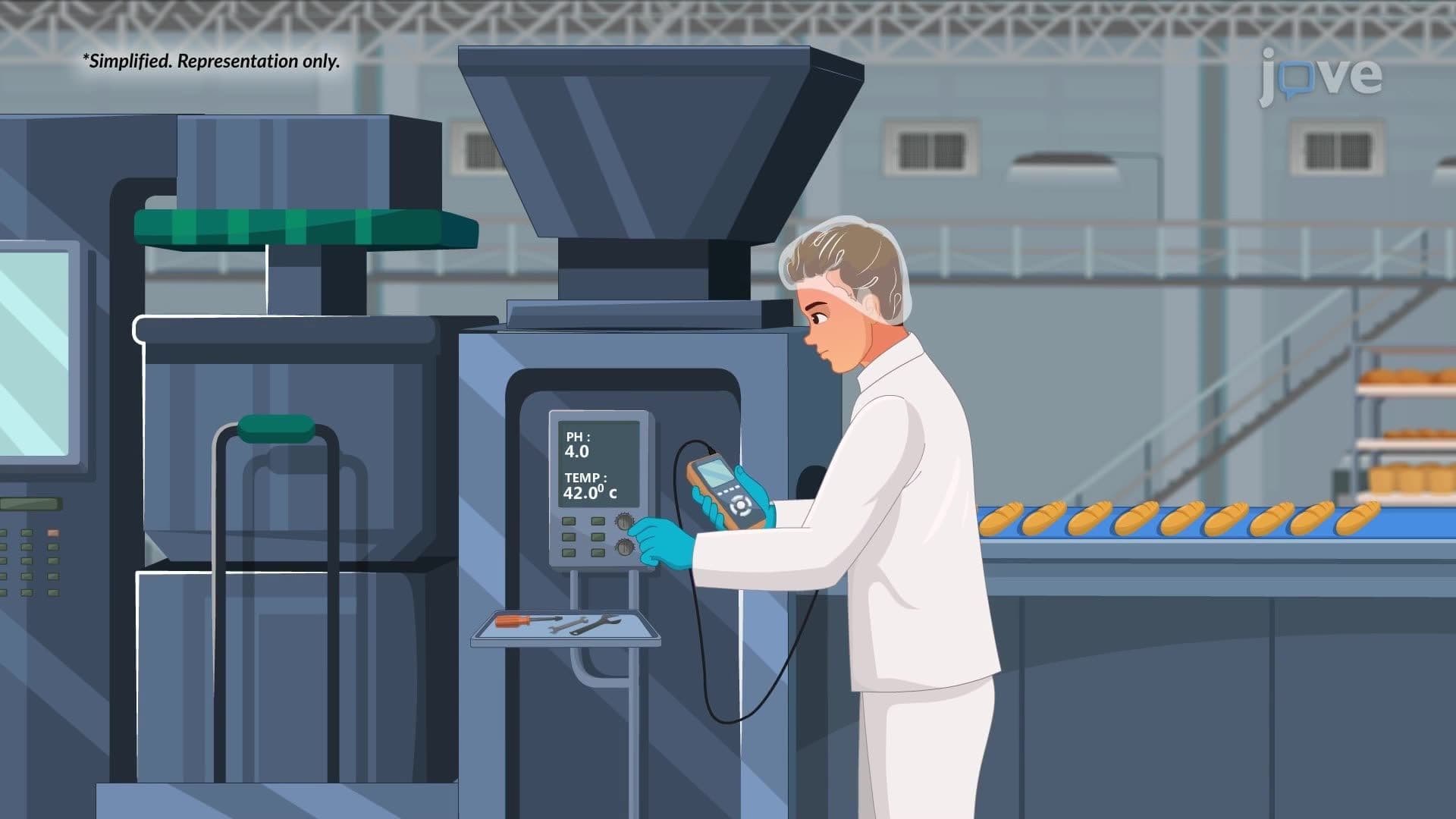
Temperature and pH are not arbitrary, they are critical environmental variables that control microbial enzyme activity and metabolic rate, concepts heavily tested in AP Biology and college biochemistry courses.
Hop flowers (*Humulus lupulus*) are also added during brewing. Their antimicrobial compounds, particularly alpha acids, act as a natural food preservation agent, inhibiting bacterial growth while contributing bitterness and aroma to the finished beer.
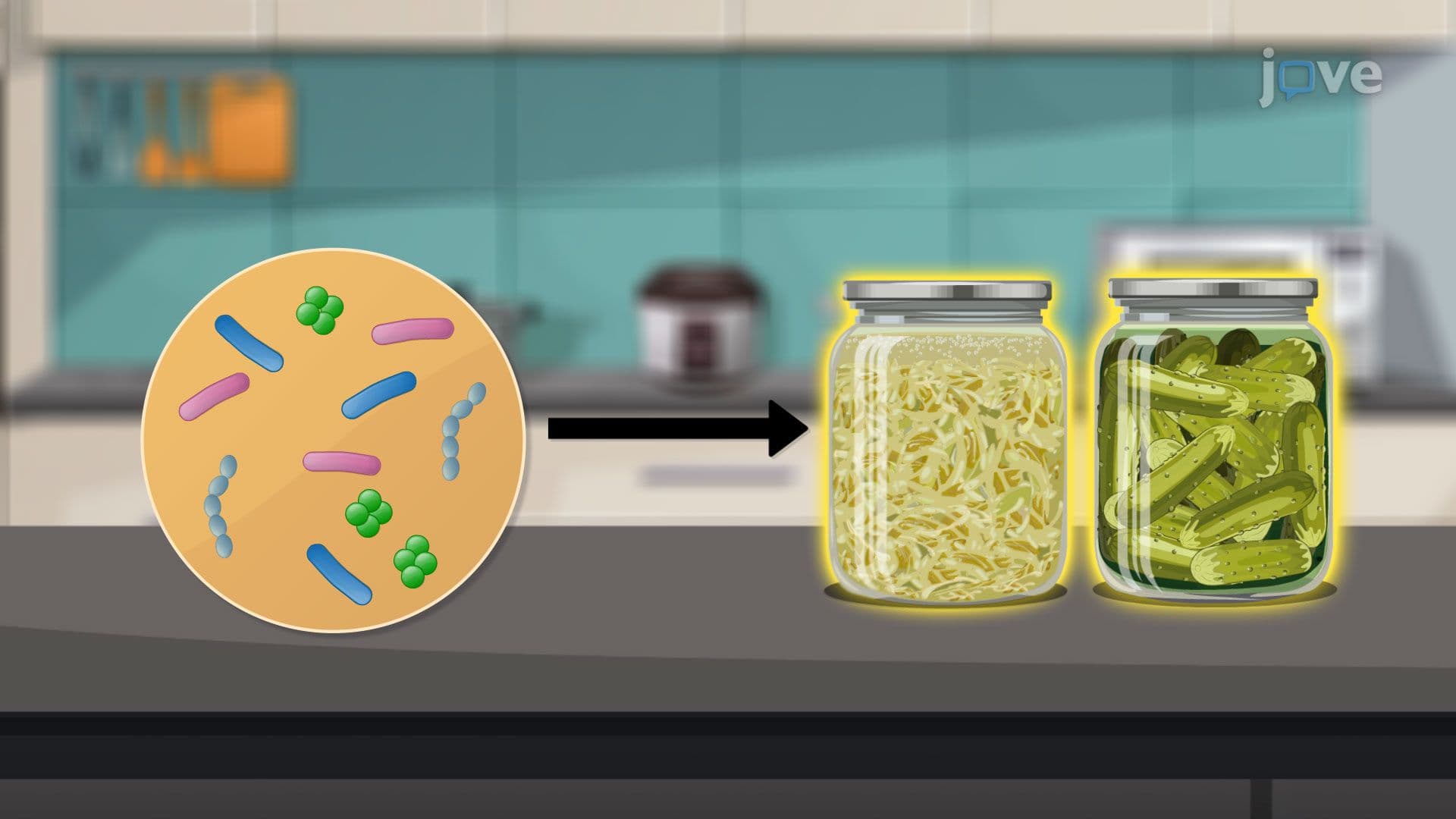
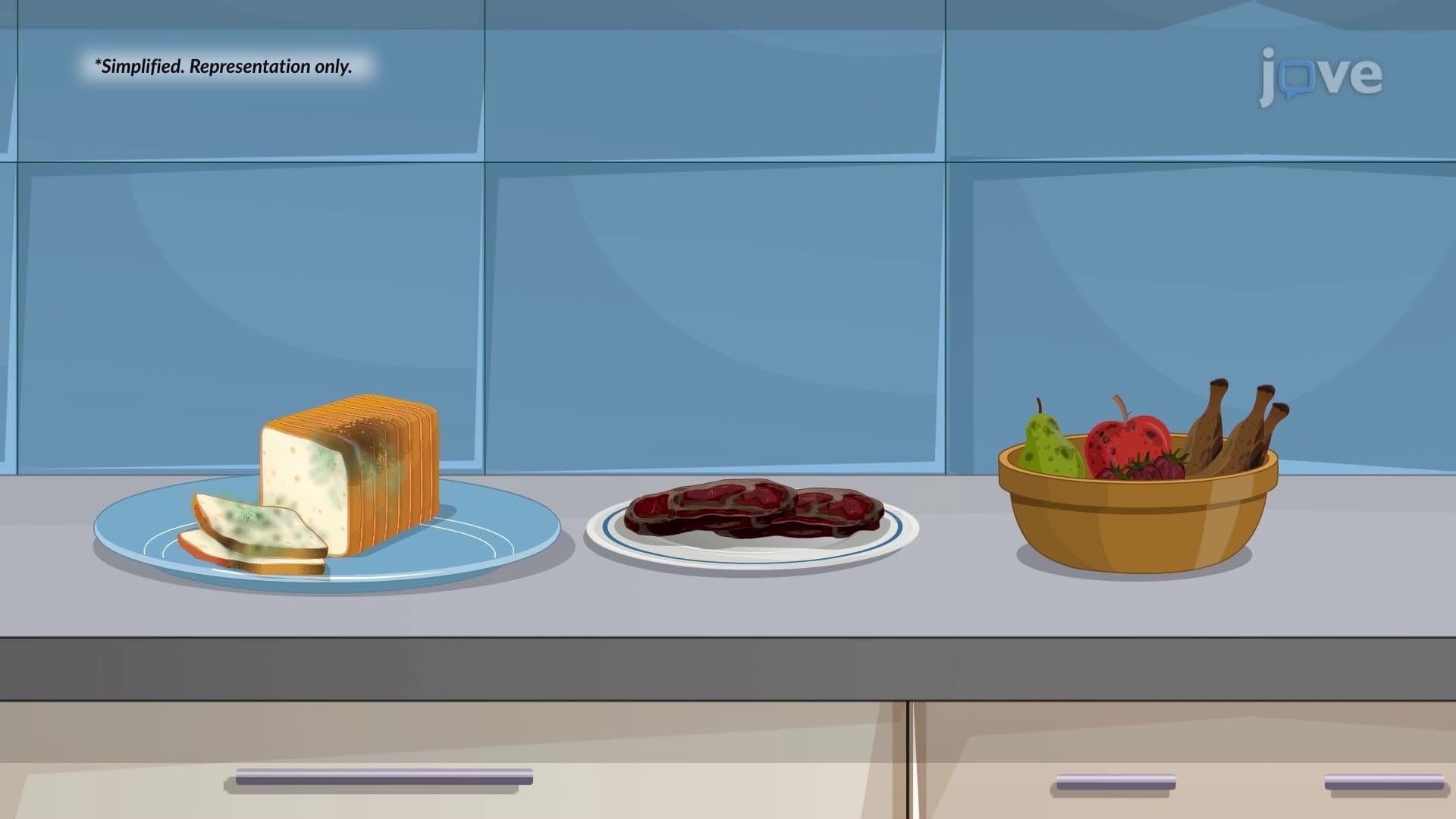
Students often ask: if microbes spoil food, why do we add them to beverages? The answer lies in the distinction between controlled fermentation and uncontrolled food spoilage mechanisms. Beneficial microbes like *S. cerevisiae* are introduced under specific conditions where they outcompete harmful organisms. The alcohol and acids they produce create an inhospitable environment for foodborne pathogens, effectively making the beverage self-preserving.
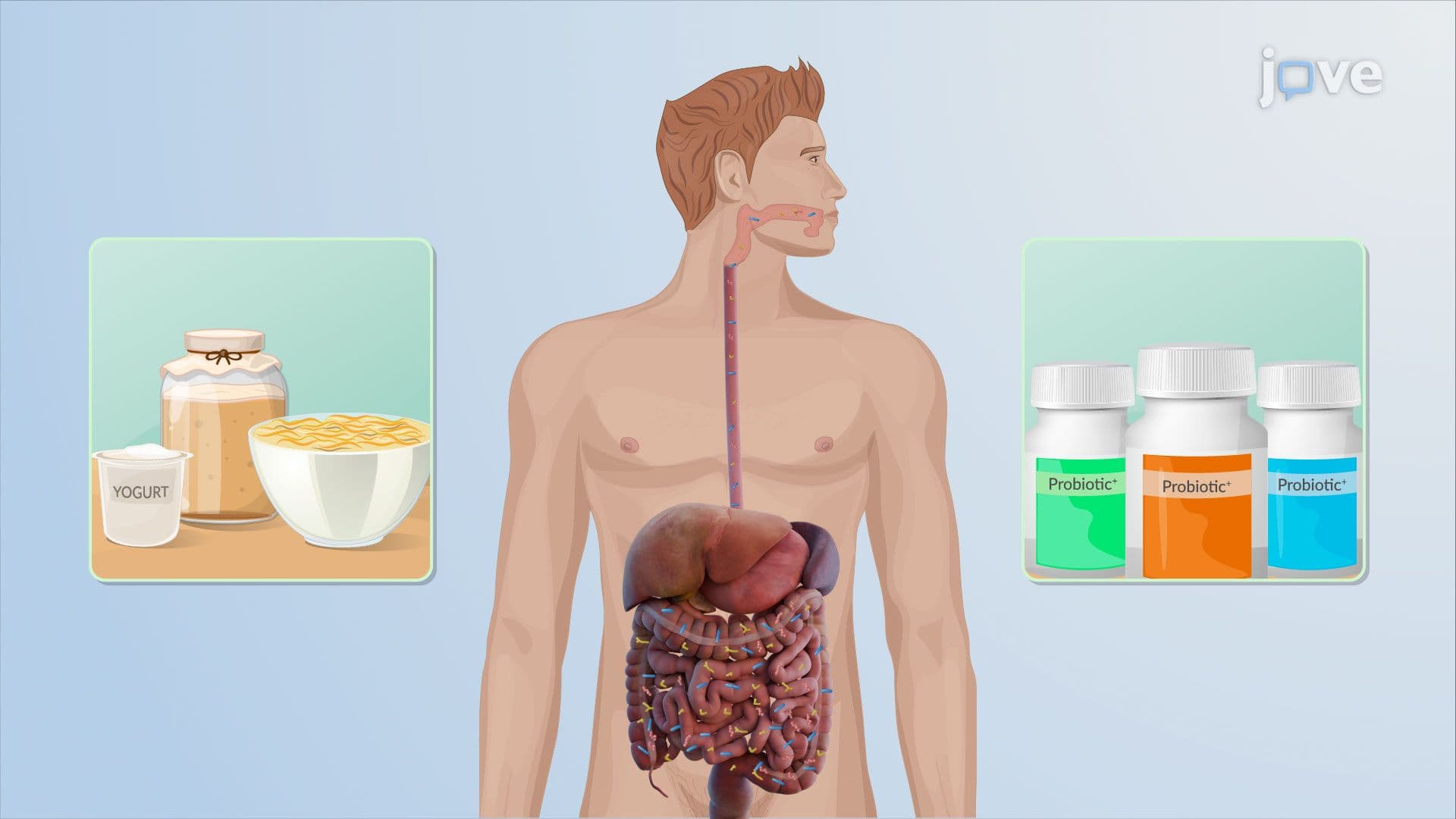
This principle connects directly to broader topics like probiotics (beneficial live microbes in products like kombucha), food safety regulations enforced by the FDA and TTB (Alcohol and Tobacco Tax and Trade Bureau) in the US, and the mechanisms behind how do bacteria spoil food, all common themes in AP Environmental Science, MCAT prep, and undergraduate food science curricula.
Related Micro-courses