Loading video…

 11 Concepts
 2.1K views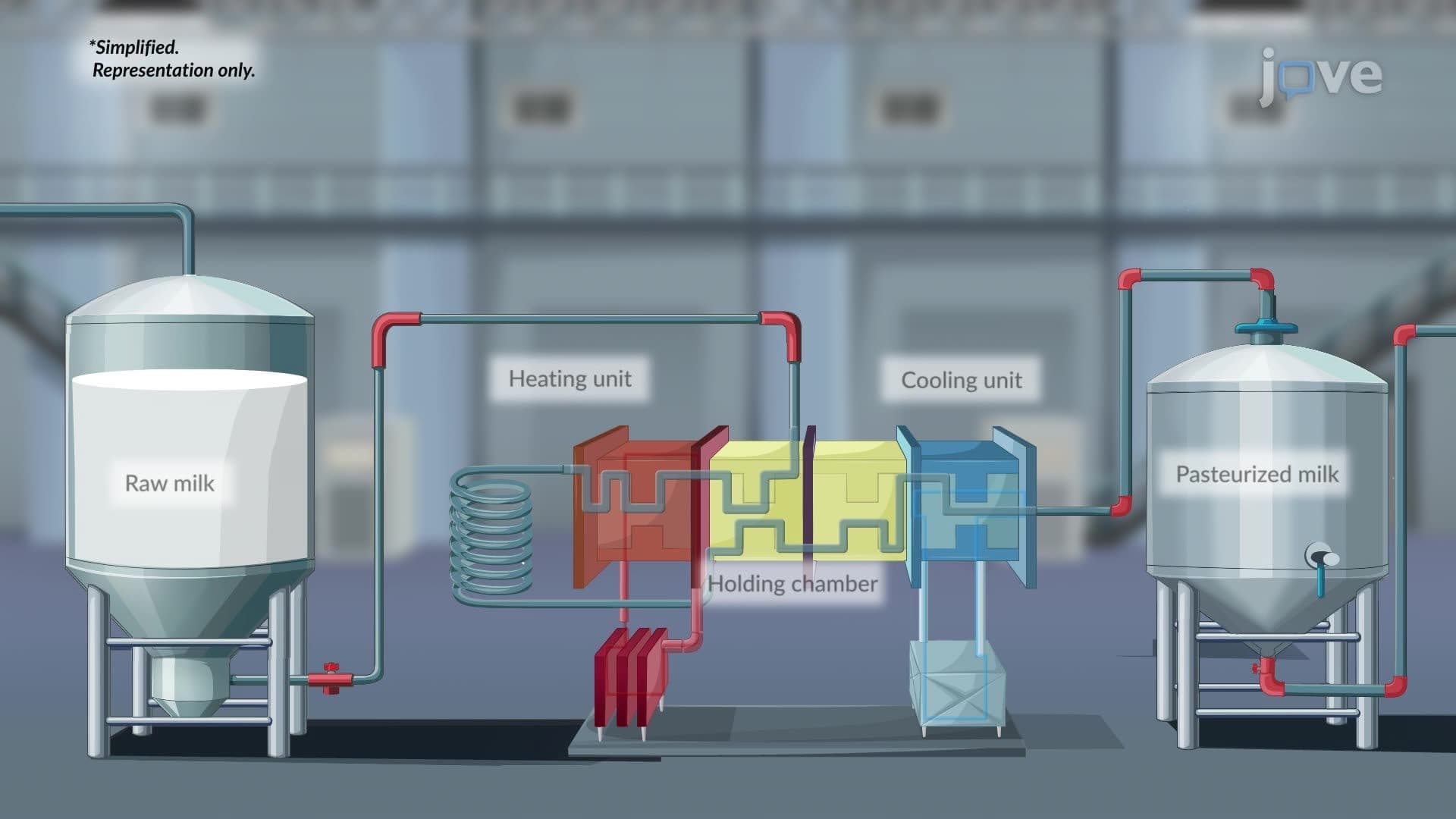

Video Summary: What Is Pasteurization and Food Preservation
Did you know that a glass of milk sold in a US grocery store can stay safe to drink for weeks, all thanks to a 15-second heat treatment? Pasteurization and food preservation basics explain how controlled heating destroys dangerous bacteria like *Salmonella* and *Listeria* without cooking your food. This concept, What is Pasteurization and Food Preservation, covers three key methods used across the US dairy and beverage industries. Watch the full video on JoVE Coach to master this concept with expert-led visuals and step-by-step explanations.
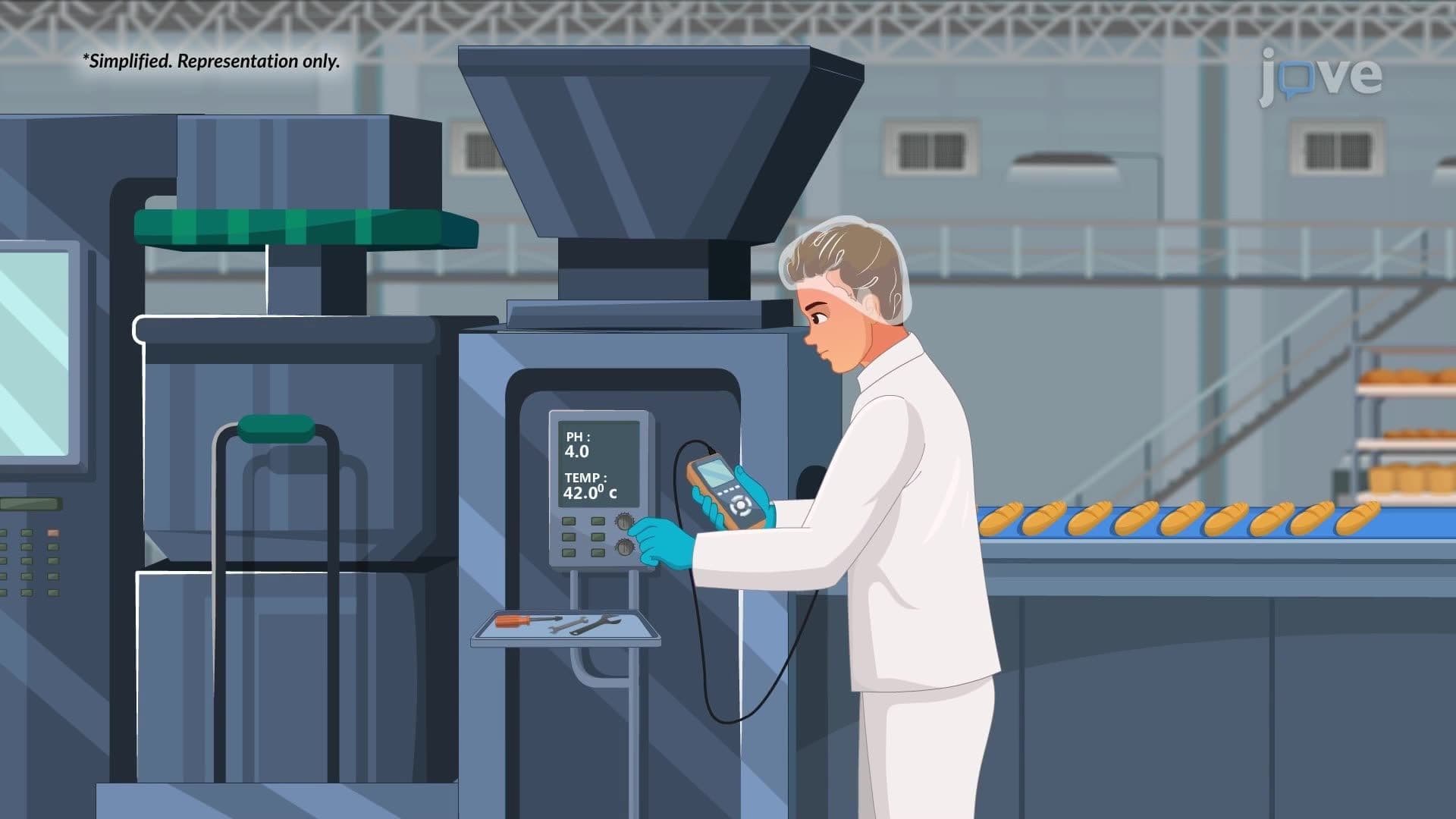
Every year, roughly 48 million Americans experience foodborne illness, according to the CDC. Pasteurization and food preservation are among the most powerful tools the food industry uses to reduce that number. Named after French scientist Louis Pasteur, pasteurization is a controlled heat treatment process designed to kill or inactivate harmful microorganisms, bacteria, yeasts, and molds, as well as deactivate spoilage-causing enzymes in food and beverages. Unlike sterilization, which eliminates all microbial life, pasteurization targets pathogens while preserving the taste, texture, and nutritional quality of the product.
Food scientists and the US dairy industry rely on three primary approaches, each optimized for different products and shelf-life goals.
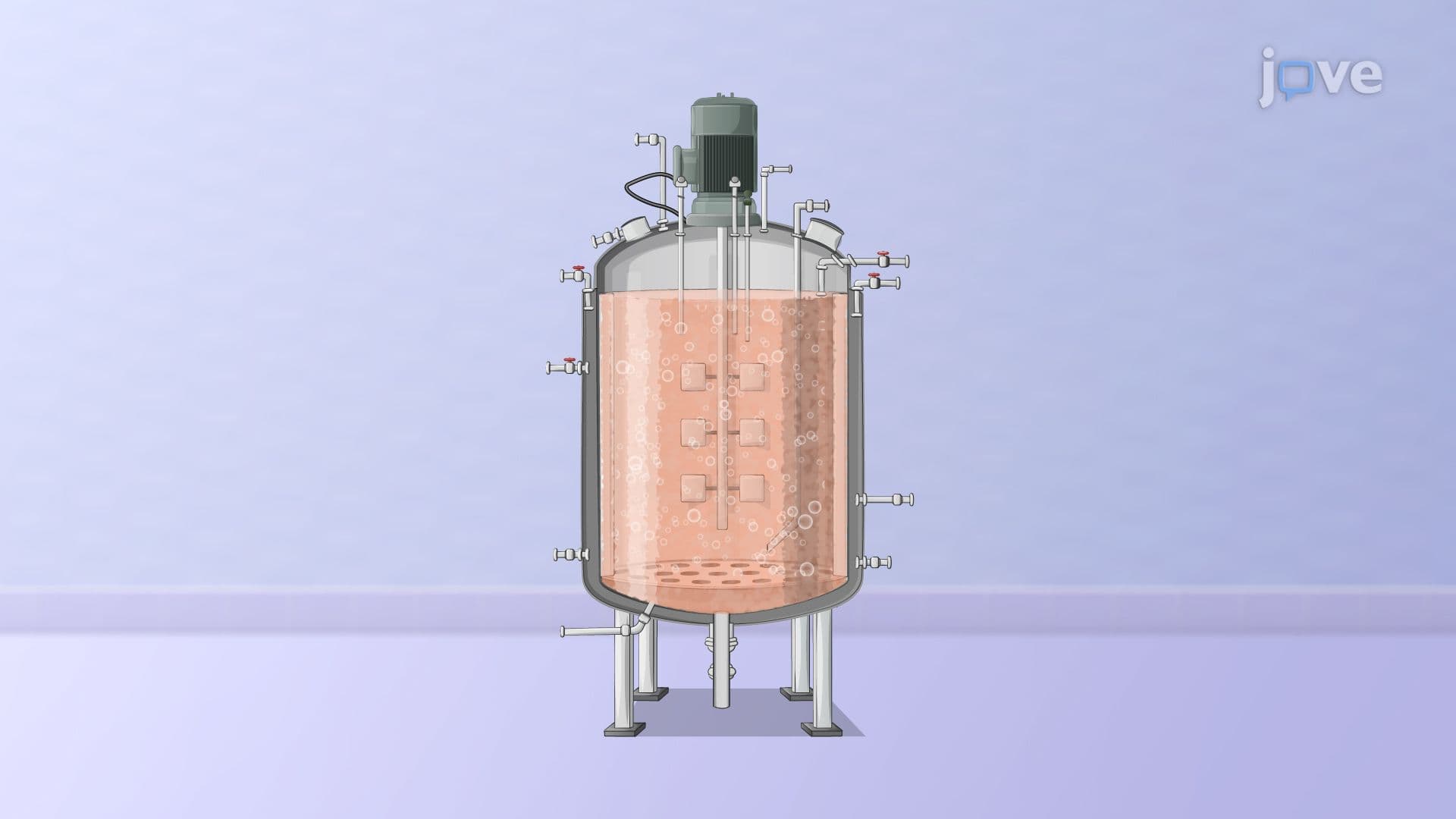
Low-Temperature Long-Time (LTLT), also called batch pasteurization, heats products to approximately 63°C (145°F) and holds them there for 30 minutes. This gentler method is commonly used for specialty cheeses, craft beers, and certain fruit juices. Because the process is slower, it is better suited to small-batch or artisanal production facilities.
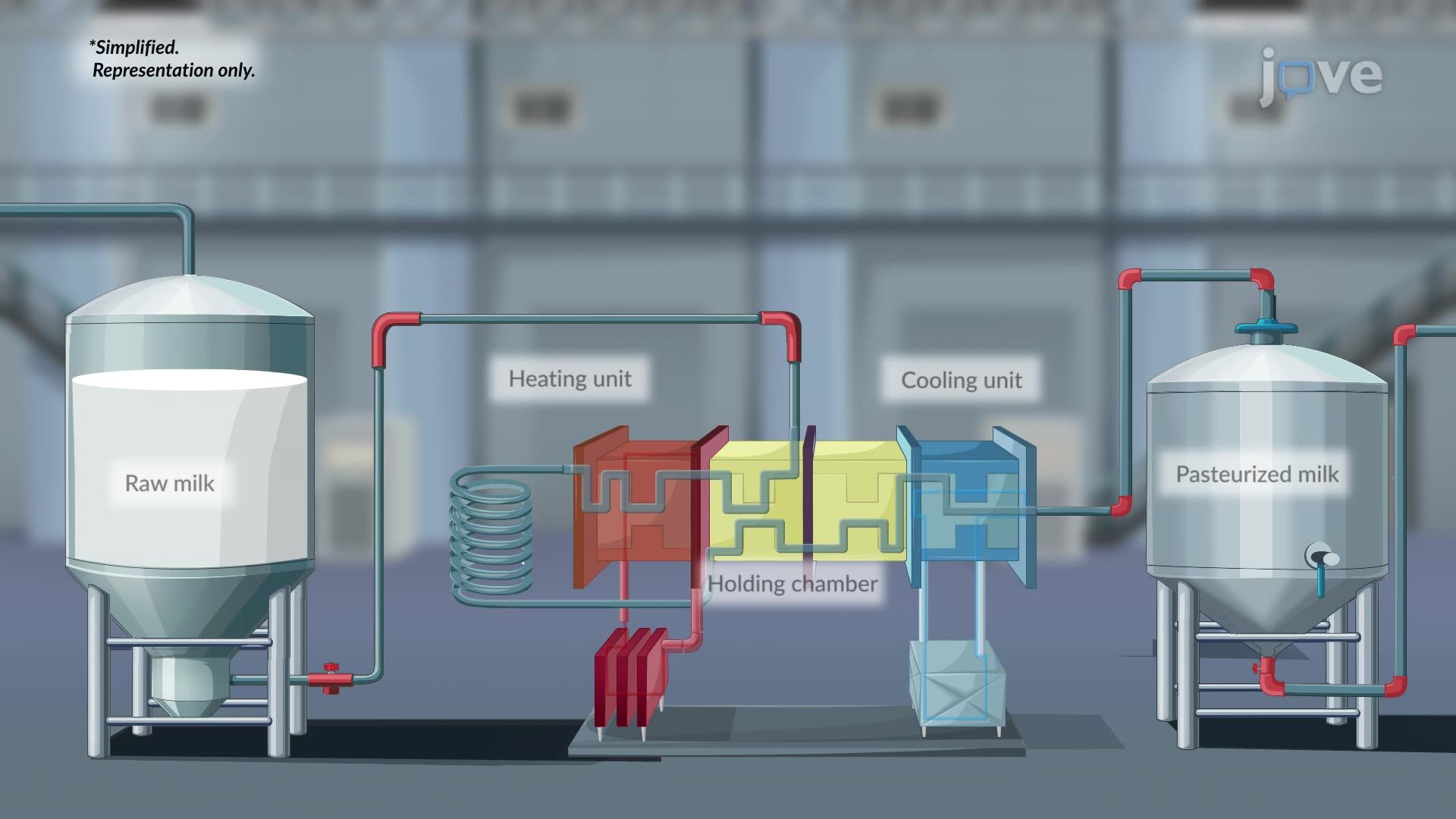
High-Temperature Short-Time (HTST) is the workhorse method of the US commercial dairy industry. Milk is heated to 72°C (161°F) for just 15 seconds and then rapidly cooled to below 4°C (39°F). The rapid temperature spike destroys pathogens like *Listeria monocytogenes* and *E. coli O157:H7* while keeping the milk's flavor and vitamin content largely intact. Most fluid milk sold in American supermarkets, from brands like Horizon Organic to store-brand gallon jugs, is processed using HTST.
Ultra-High Temperature (UHT) processing pushes temperatures to 138°C (280°F) for approximately 3 seconds. The extreme heat combined with aseptic packaging allows products to remain shelf-stable at room temperature for up to 9 months without refrigeration. You will find UHT technology in products like Parmalat milk, boxed oat milk, and liquid coffee creamers widely available across the US.
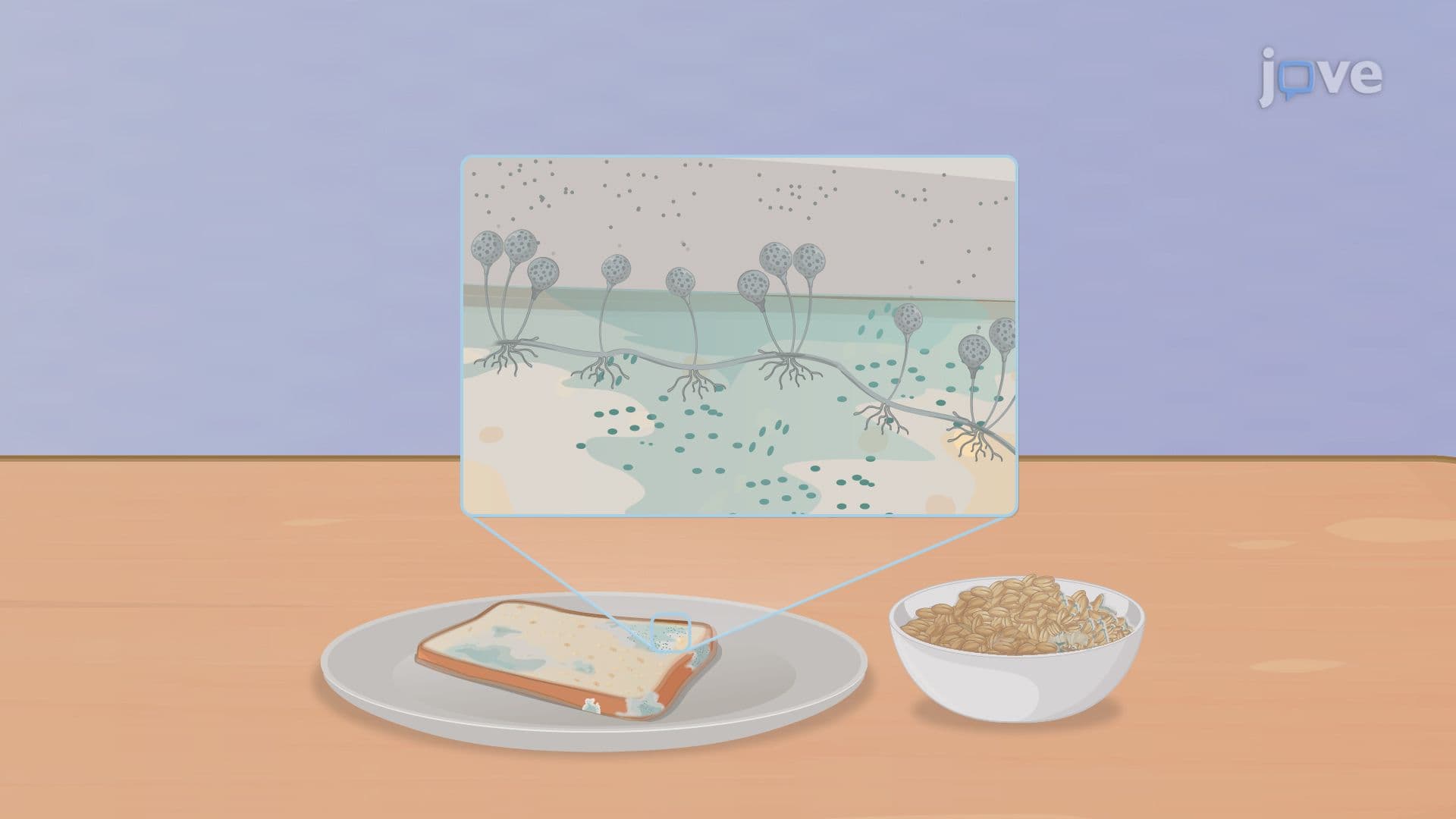
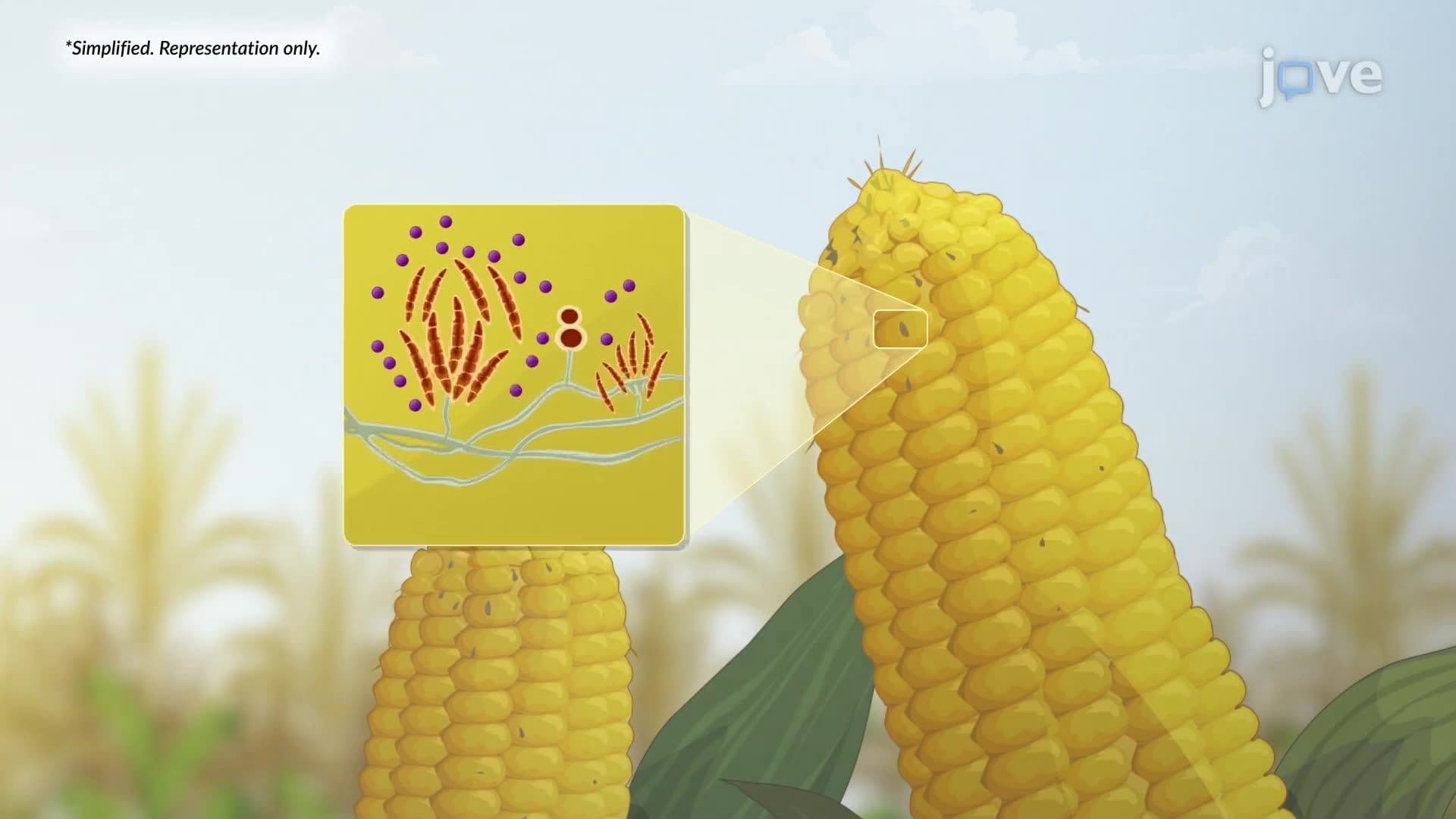
Food spoilage occurs through two primary pathways: microbial activity and enzymatic reactions. Bacteria such as *Clostridium*, *Salmonella*, and *Campylobacter* produce toxins and metabolic byproducts that make food unsafe. Enzymes naturally present in food, like polyphenol oxidase, which causes fruit browning, continue breaking down cellular structures after harvest. Heat treatment disrupts both processes simultaneously. High temperatures denature the three-dimensional protein structures of enzymes, permanently disabling their catalytic function. This is the same principle tested on AP Biology exams when students are asked to explain enzyme denaturation and the relationship between temperature and protein structure.
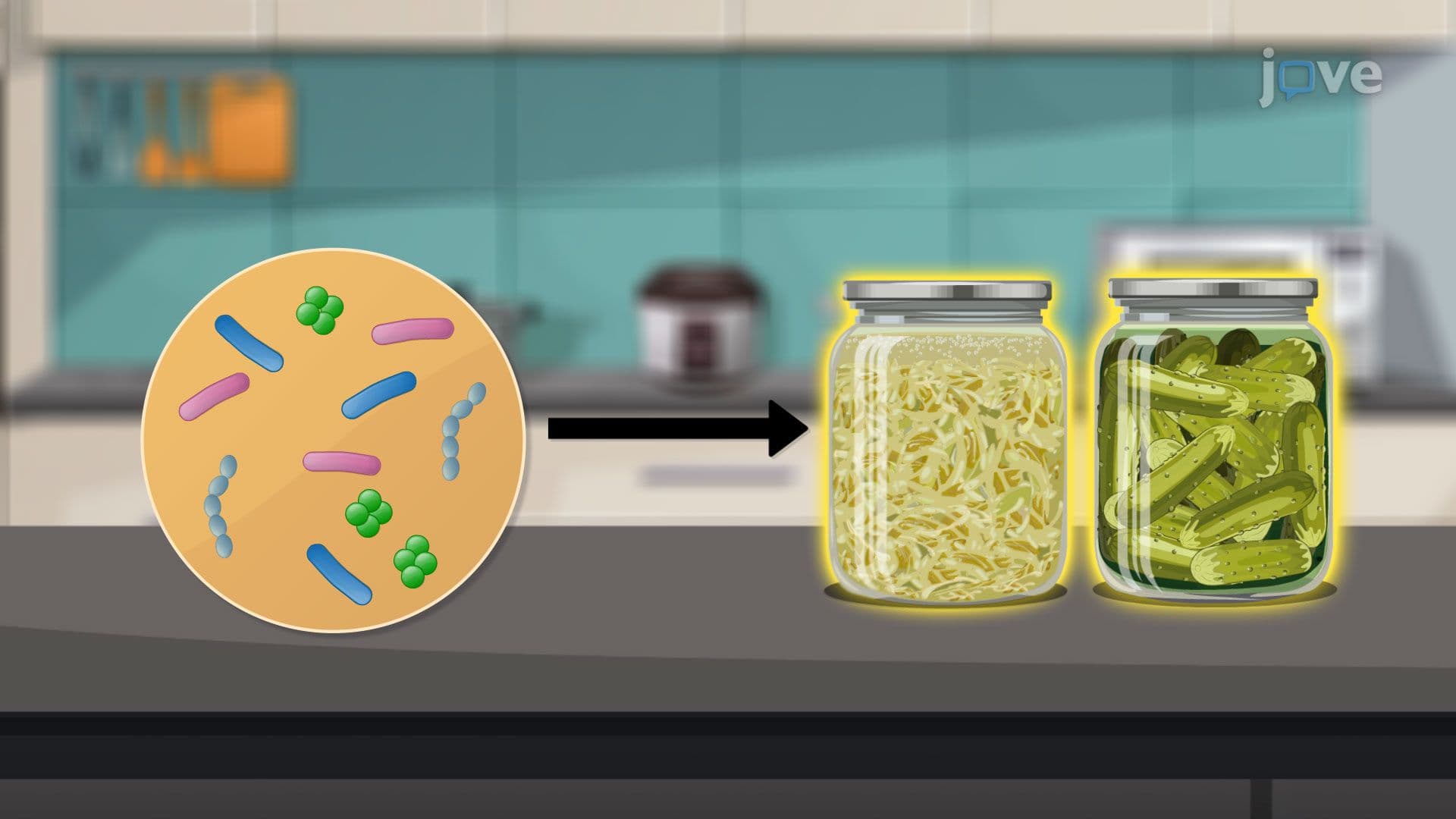
Pasteurization rarely works alone. The US food industry uses a multi-hurdle approach to food safety, combining heat treatment with additional preservation strategies. Adding high concentrations of sugar, as in jams and jellies, lowers water activity, making it harder for microorganisms to grow. Airtight sealing prevents recontamination by airborne bacteria and oxidation. Refrigeration at or below 4°C dramatically slows the reproduction rate of any surviving microbes. Together, these strategies are why a jar of Smucker's strawberry jam or a carton of Tropicana orange juice can maintain safety and quality well past its processing date.
Understanding these complementary mechanisms is essential for AP Environmental Science, Food Science electives, and college-level Nutrition and Microbiology courses, where exam questions frequently ask students to explain multi-step preservation systems and their scientific rationale.
Related Micro-courses