Loading video…

 11 Concepts
 2.1K views

Video Summary: Methods of Controlling Food Spoilage Guide
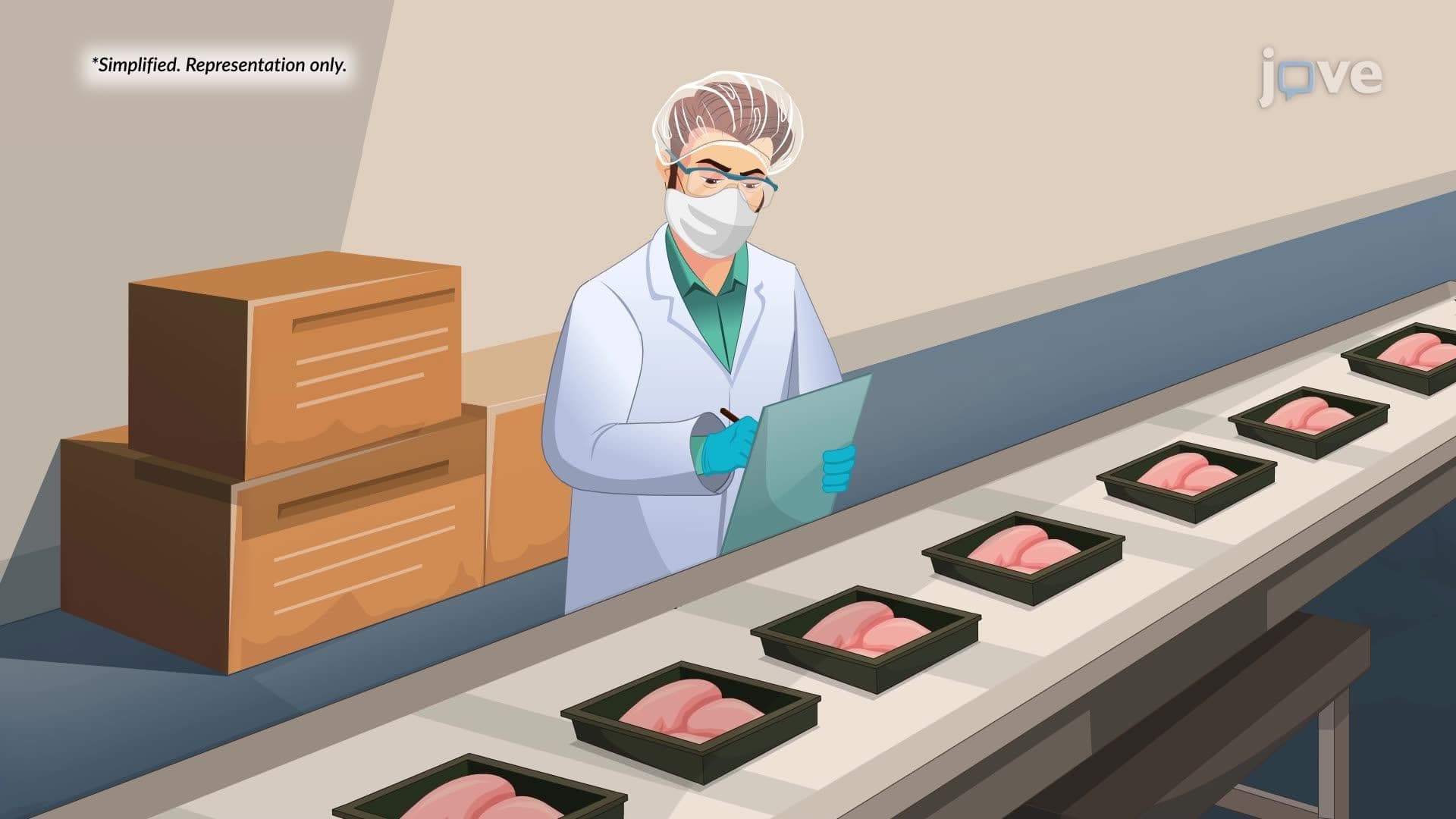
Did you know that roughly 48 million Americans get sick from contaminated food every year? Understanding the methods of controlling food spoilage isn't just a lab concept, it's a public health priority. This guide breaks down how temperature, chemical preservatives, and packaging techniques like modified atmosphere packaging keep food safe longer. Watch the full video on JoVE Coach to master this concept with expert-led visuals and step-by-step explanations.
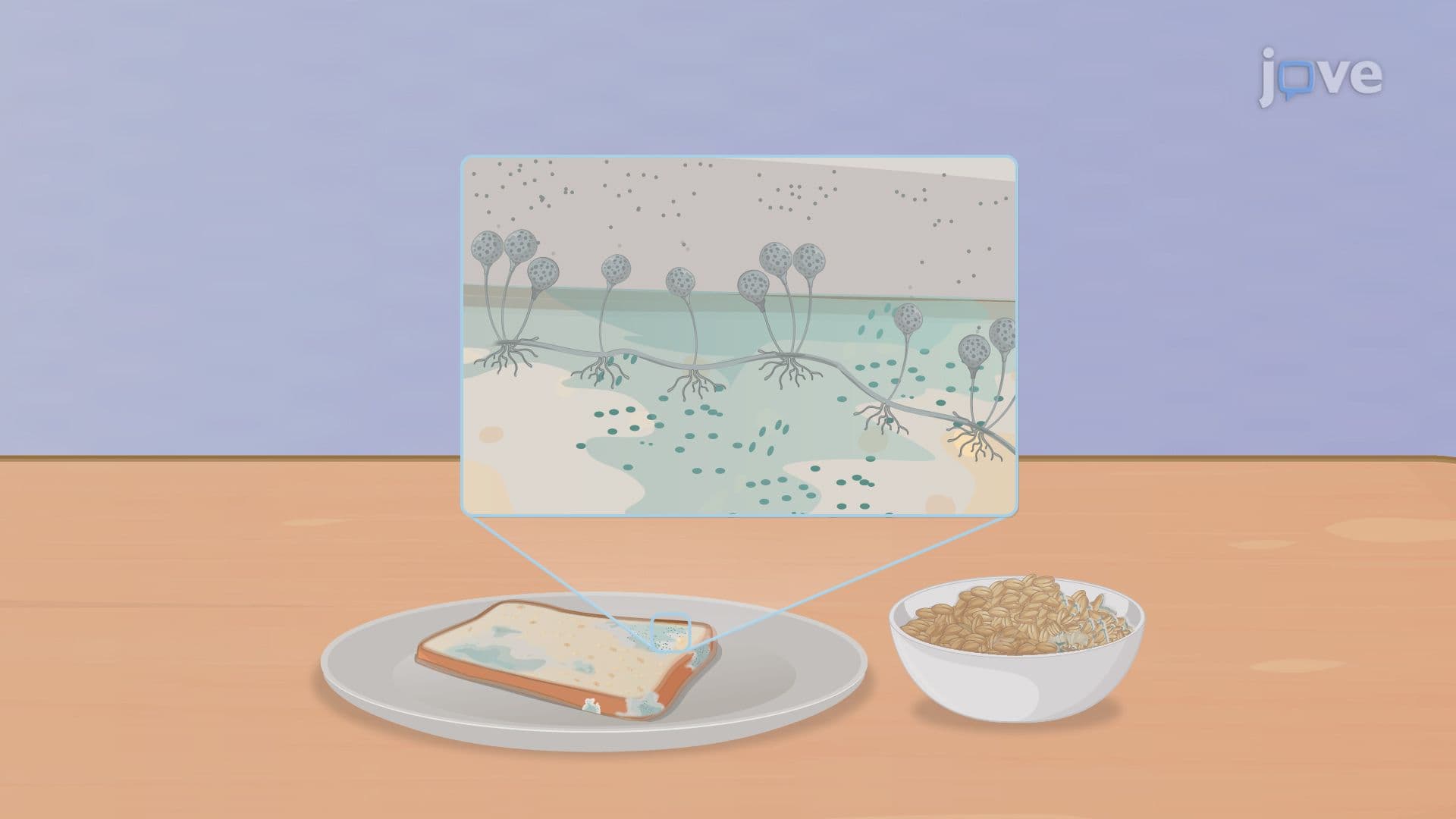
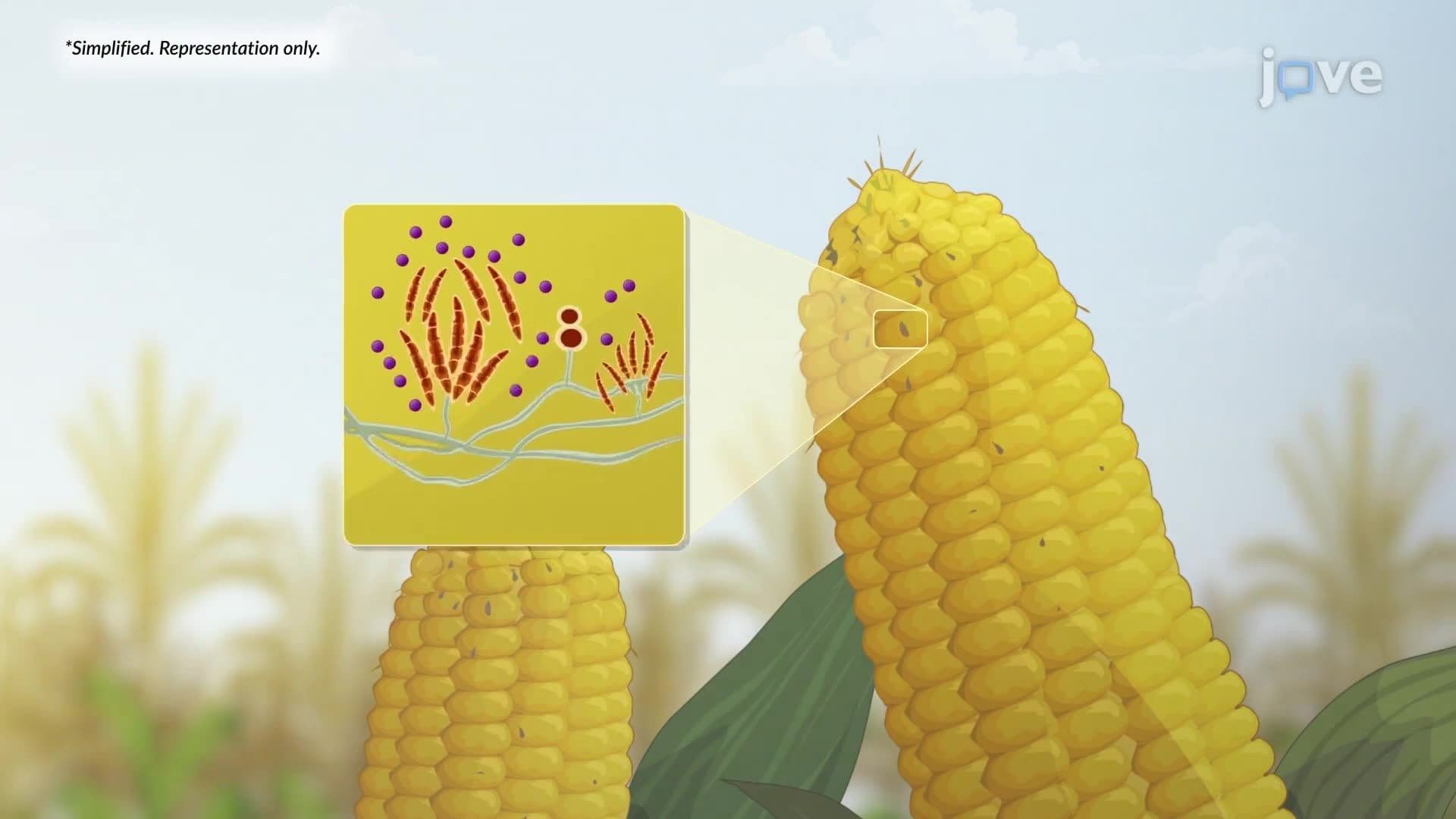
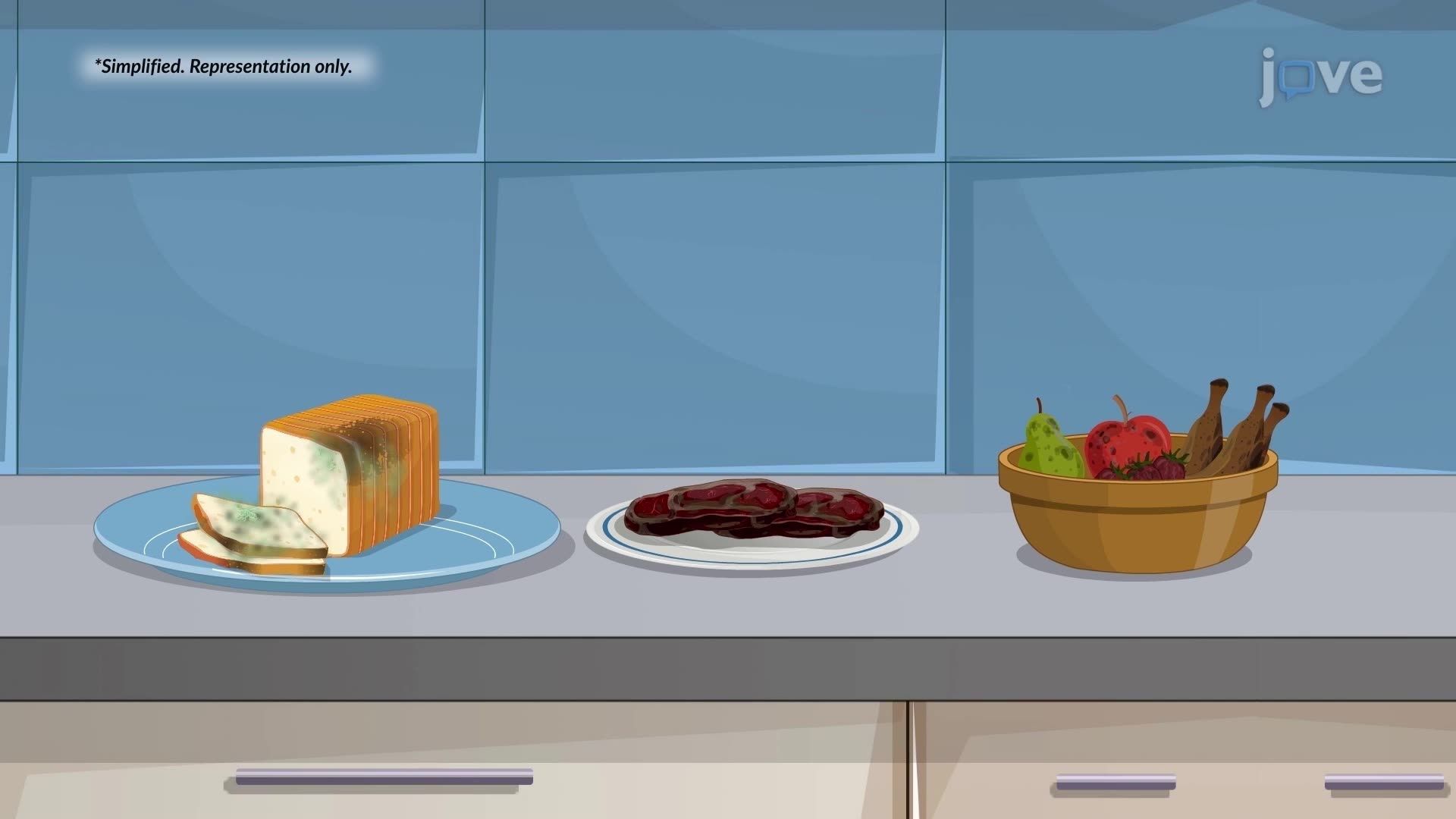
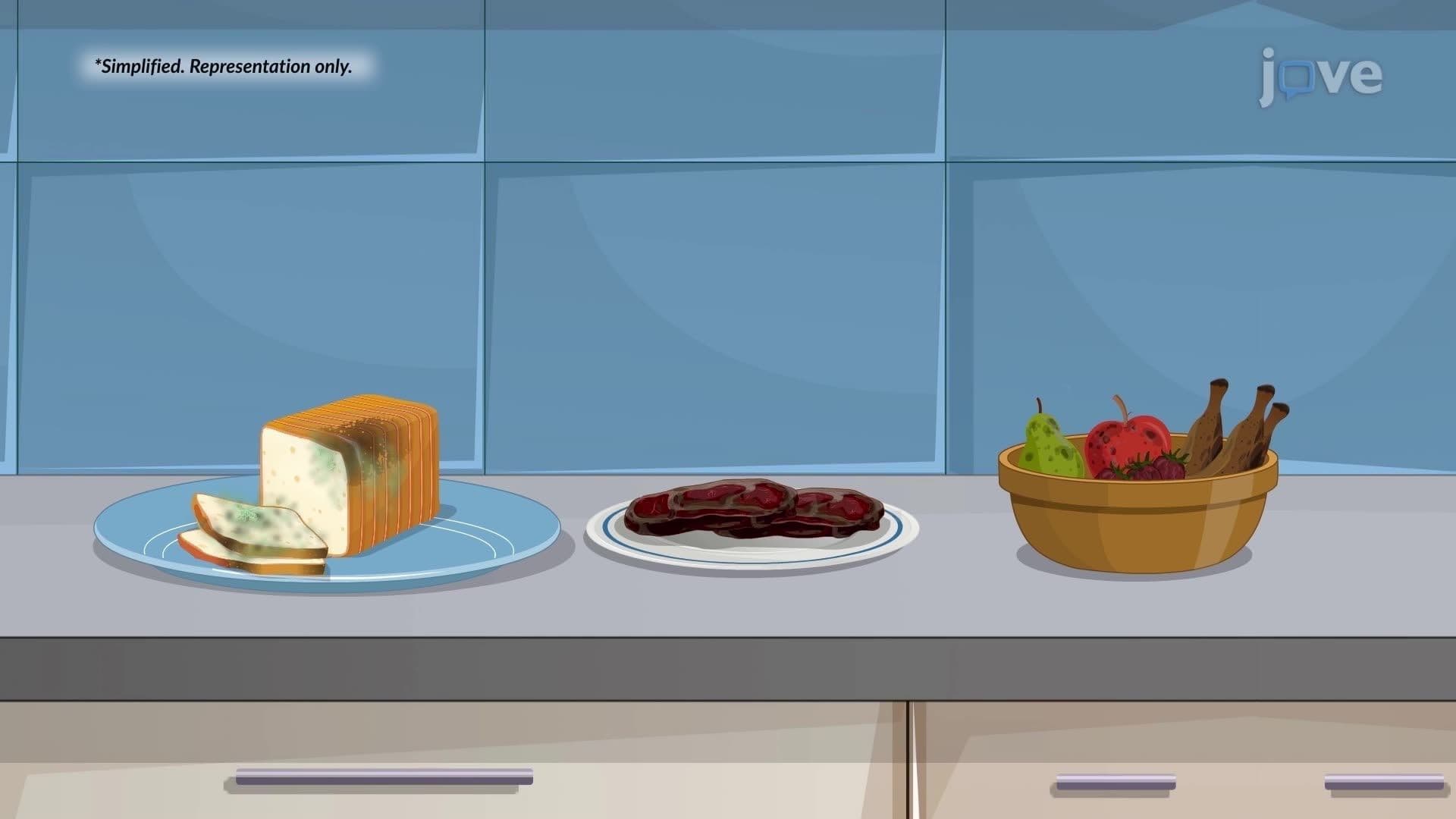
Food spoilage is far more than a kitchen inconvenience, it is a complex biological process with serious consequences for public health and food security. The methods of controlling food spoilage target the root causes of deterioration: microbial growth (bacteria, molds, and yeasts) and enzymatic reactions that break down food structure, flavor, and nutritional value. Mastering these methods is essential in AP Biology, AP Environmental Science, college microbiology, and food science courses across the US.
Temperature manipulation is the cornerstone of food preservation. Refrigeration (0-4 °C) slows microbial metabolism and enzymatic activity without fully stopping it, making it ideal for short-term storage of dairy, produce, and meats. Freezing (below −18 °C) essentially halts microbial reproduction and significantly reduces enzyme function, enabling long-term storage of products like frozen vegetables and meats found in every American grocery store.
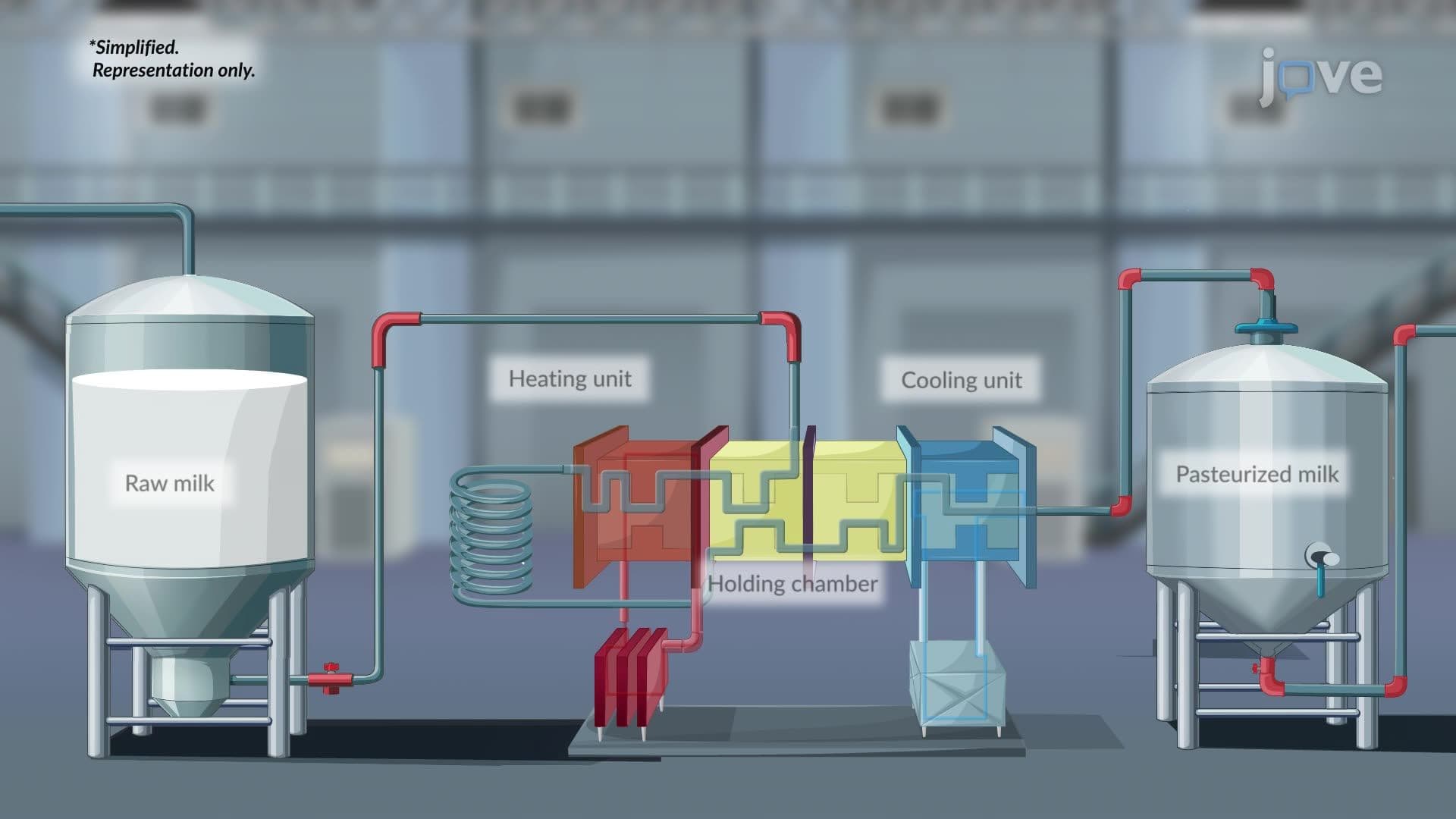
Heat-based methods take a different approach by actively destroying microorganisms. Pasteurization, familiar from every carton of milk in the US, reduces the microbial load without fully sterilizing the product. Blanching quickly inactivates spoilage enzymes in vegetables before freezing. Sterilization and canning use high temperatures combined with airtight sealing to achieve commercial sterility, eliminating even heat-resistant pathogens like *Clostridium botulinum*, the organism responsible for botulism.
Chemical preservatives represent another key layer of spoilage control. Compounds such as sodium benzoate, commonly found in sodas and fruit juices, and potassium sorbate, used in baked goods and cheeses, work by disrupting microbial cell membranes and inhibiting metabolic enzymes. Nitrites, widely used in deli meats and cured products like bacon, prevent the growth of dangerous foodborne pathogens while also preserving the characteristic pink color of cured meats. The FDA regulates the acceptable concentrations of these additives, reinforcing their connection to food safety regulations in the US.
Modern food packaging has become a powerful tool against spoilage. Vacuum sealing removes oxygen from the package, depriving aerobic spoilage microorganisms of the environment they need to thrive. Modified Atmosphere Packaging (MAP) goes a step further by replacing the internal atmosphere with a controlled gas mixture. Nitrogen gas is inert and displaces oxygen, while carbon dioxide directly inhibits microbial growth, this is why many snack bags in the US feel inflated with gas rather than air. MAP is extensively used in packaged salads, deli meats, and fresh pasta.
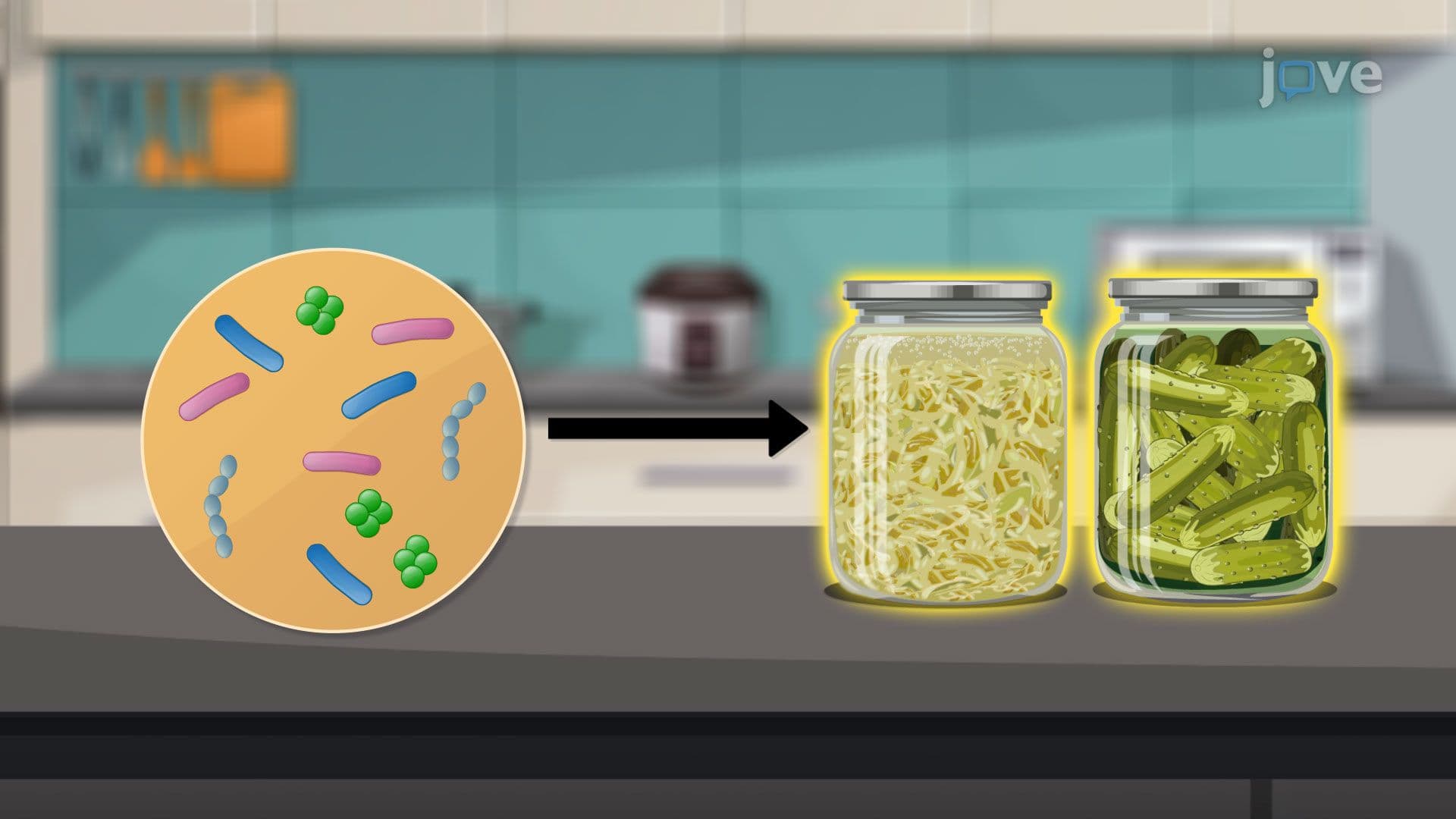
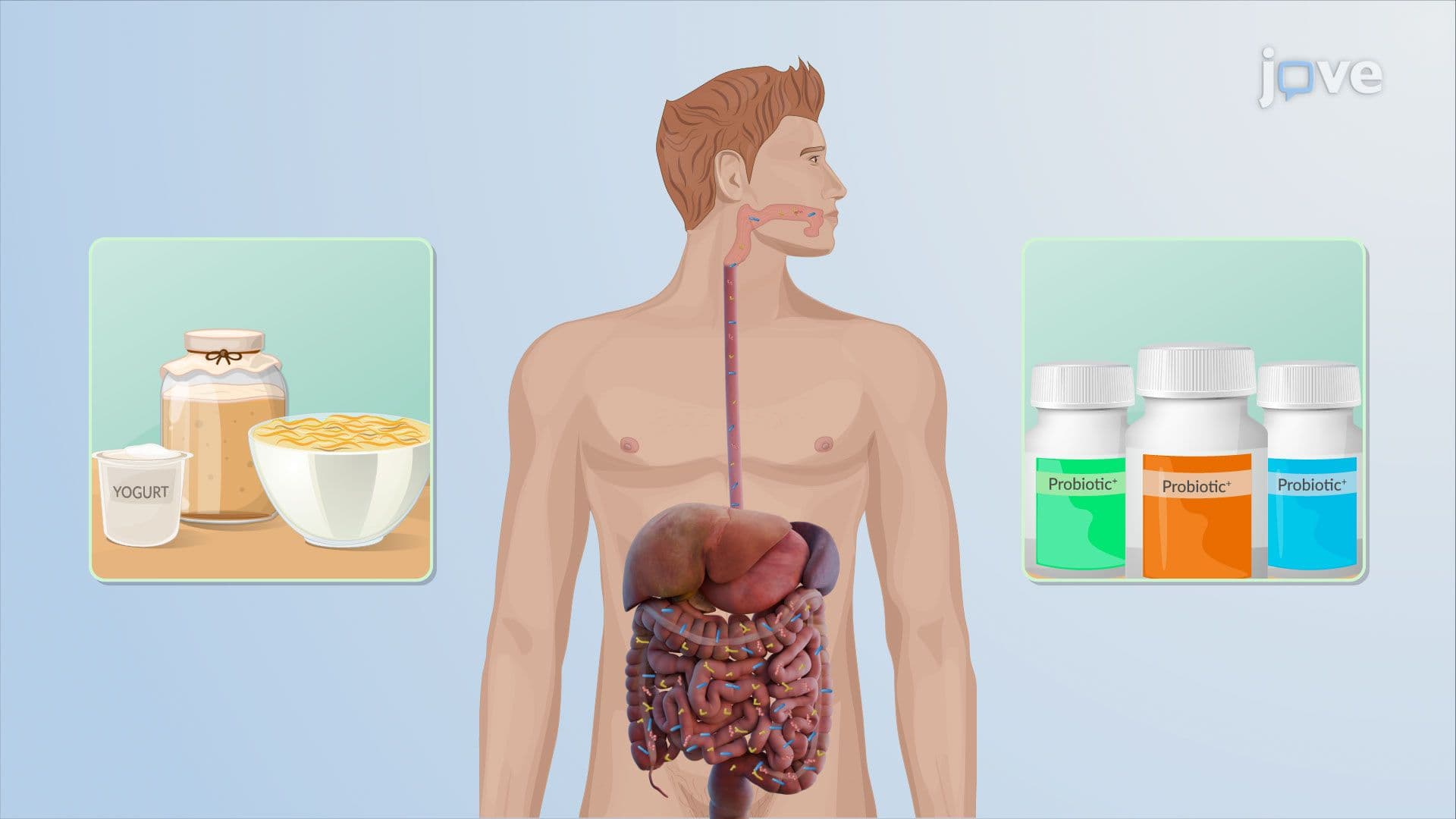
Understanding these strategies also provides context for topics like fermentation, where controlled microbial activity actually preserves food (think yogurt, kimchi, or sourdough), and the role of probiotics in maintaining healthy microbial balance. On exams like the AP Biology test or college food science midterms, students are often asked to compare these preservation methods based on their mechanisms and limitations, making a solid conceptual foundation essential.
Related Micro-courses