Loading video…

 16 Concepts
 5K views

Video Summary: What Is the Human Microbiota
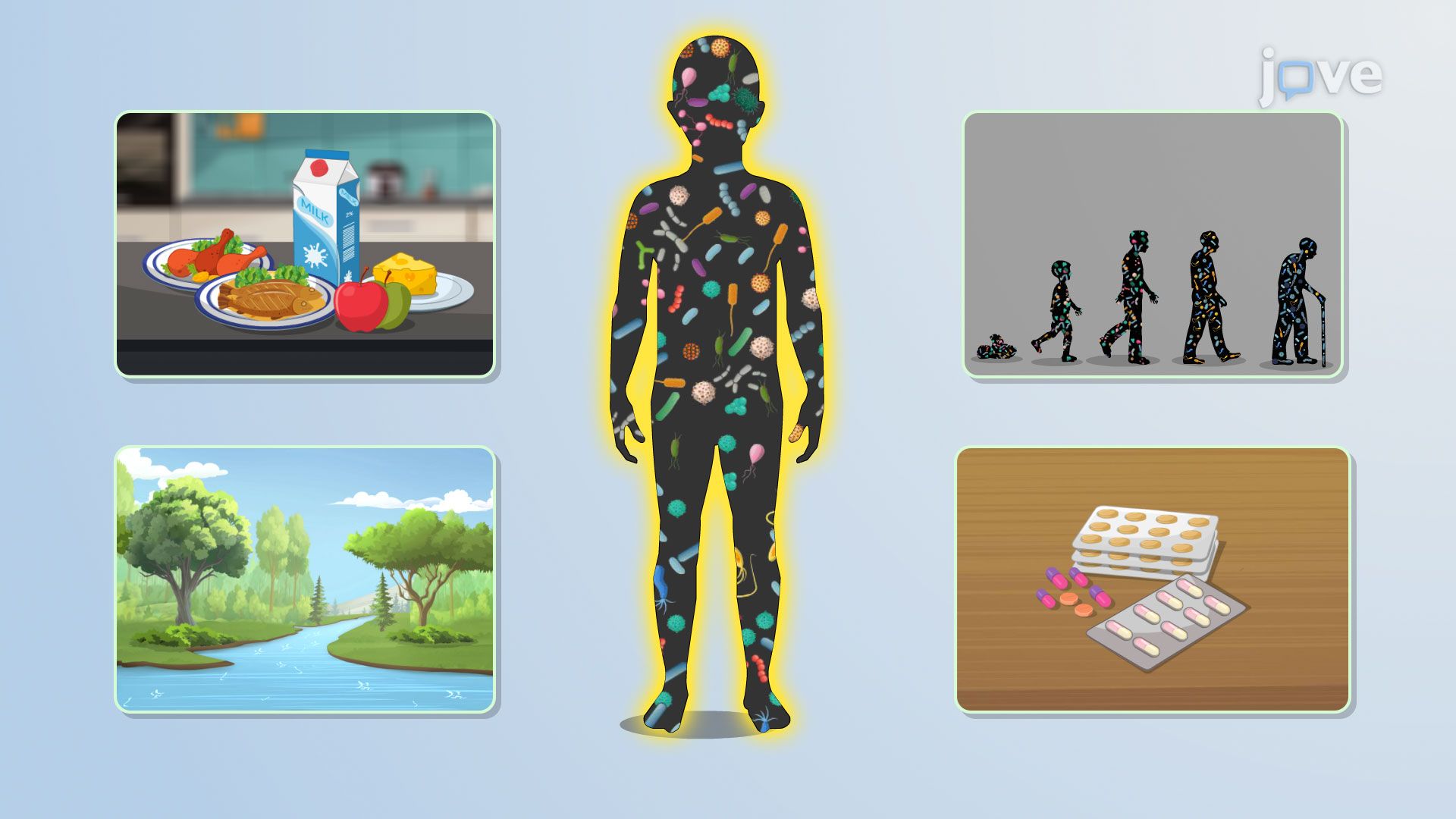
Your body is home to trillions of microbes, outnumbering your own human cells. The human microbiota basics reveal a hidden ecosystem living on your skin, gut, mouth, and more, constantly working to keep you healthy. In the US, disruptions to this balance, like overusing antibiotics, are linked to rising cases of *C. difficile* infections in hospitals. Watch the full video on JoVE Coach to master this concept with expert-led visuals and step-by-step explanations.
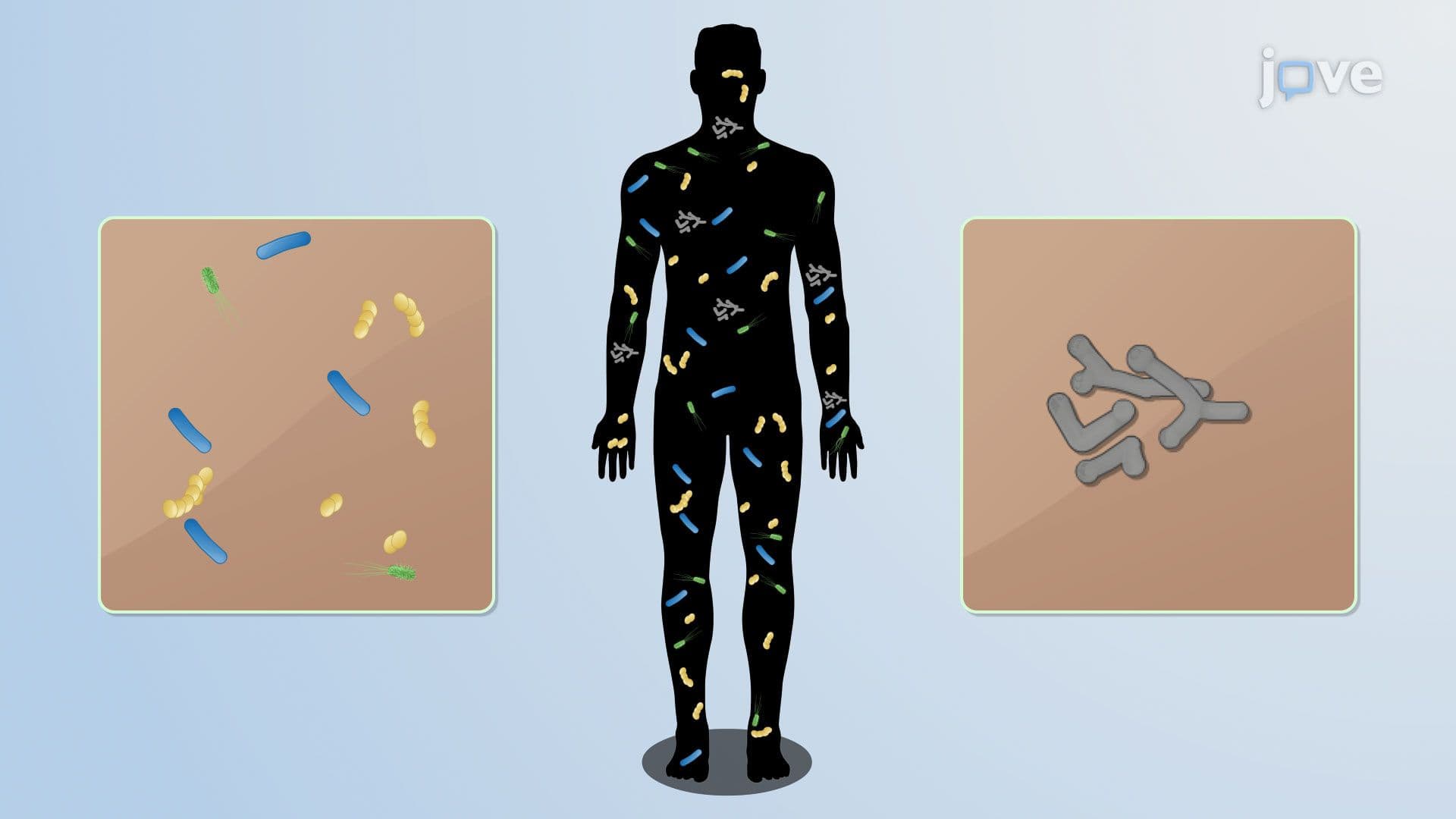
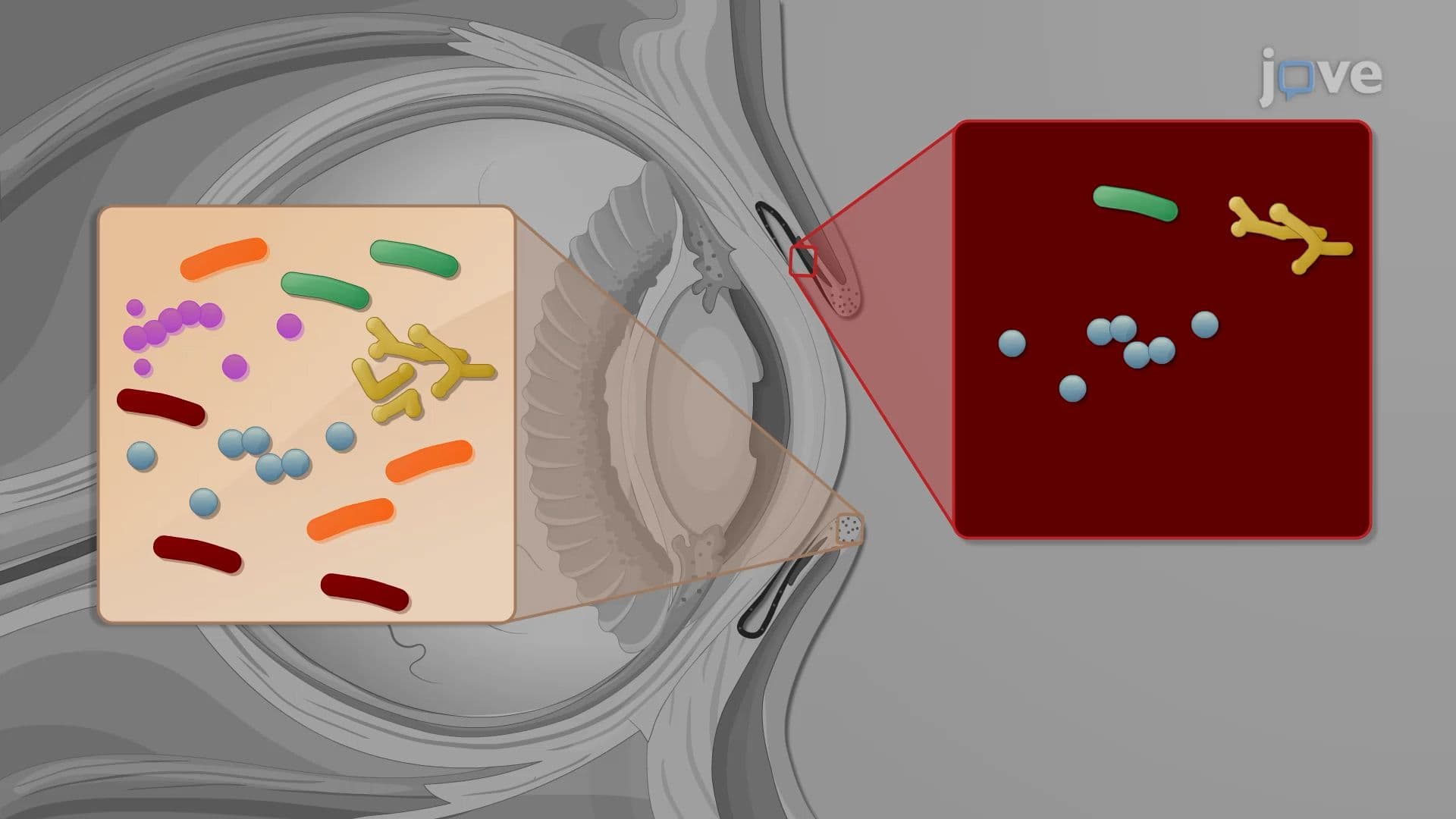
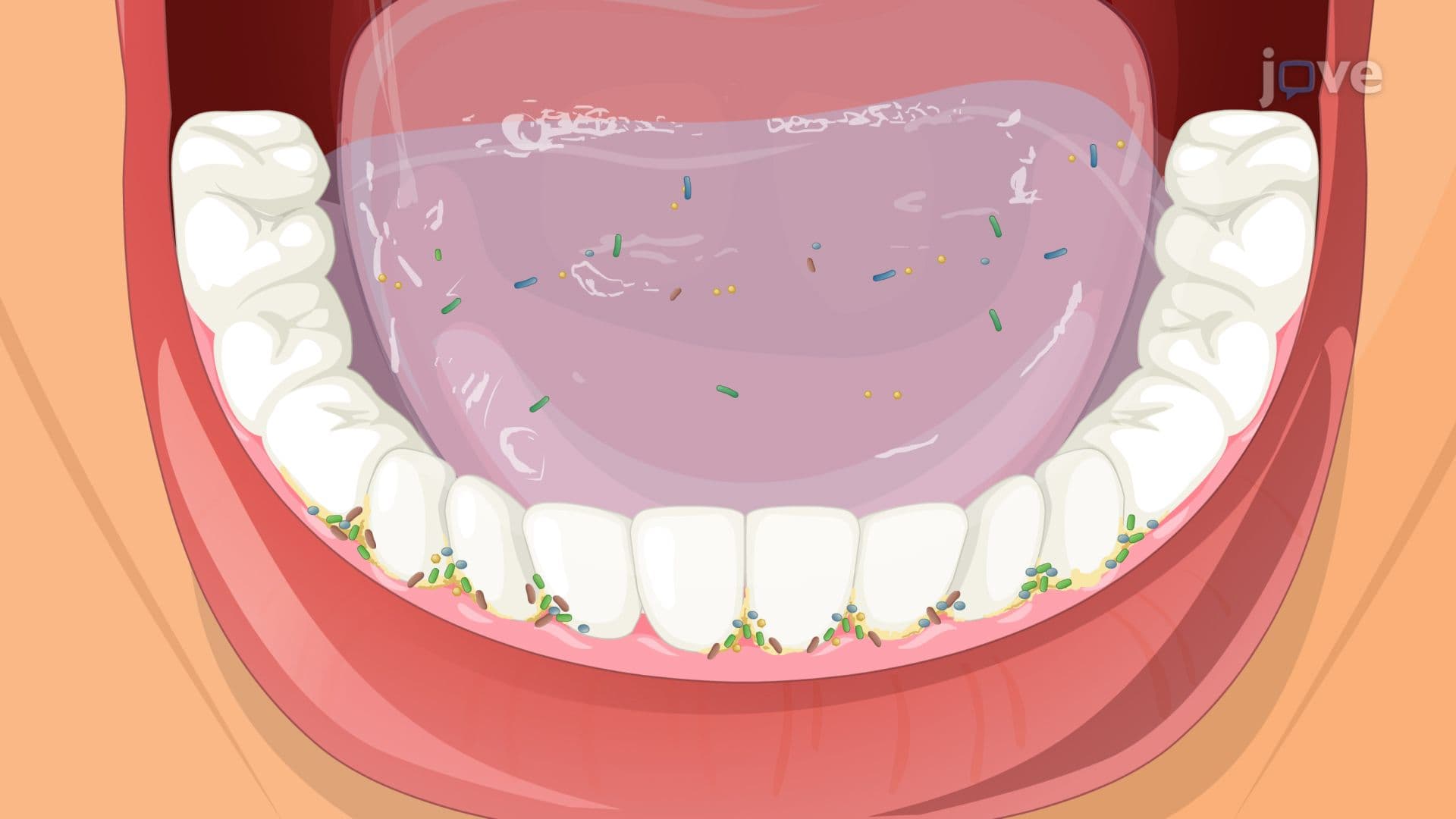
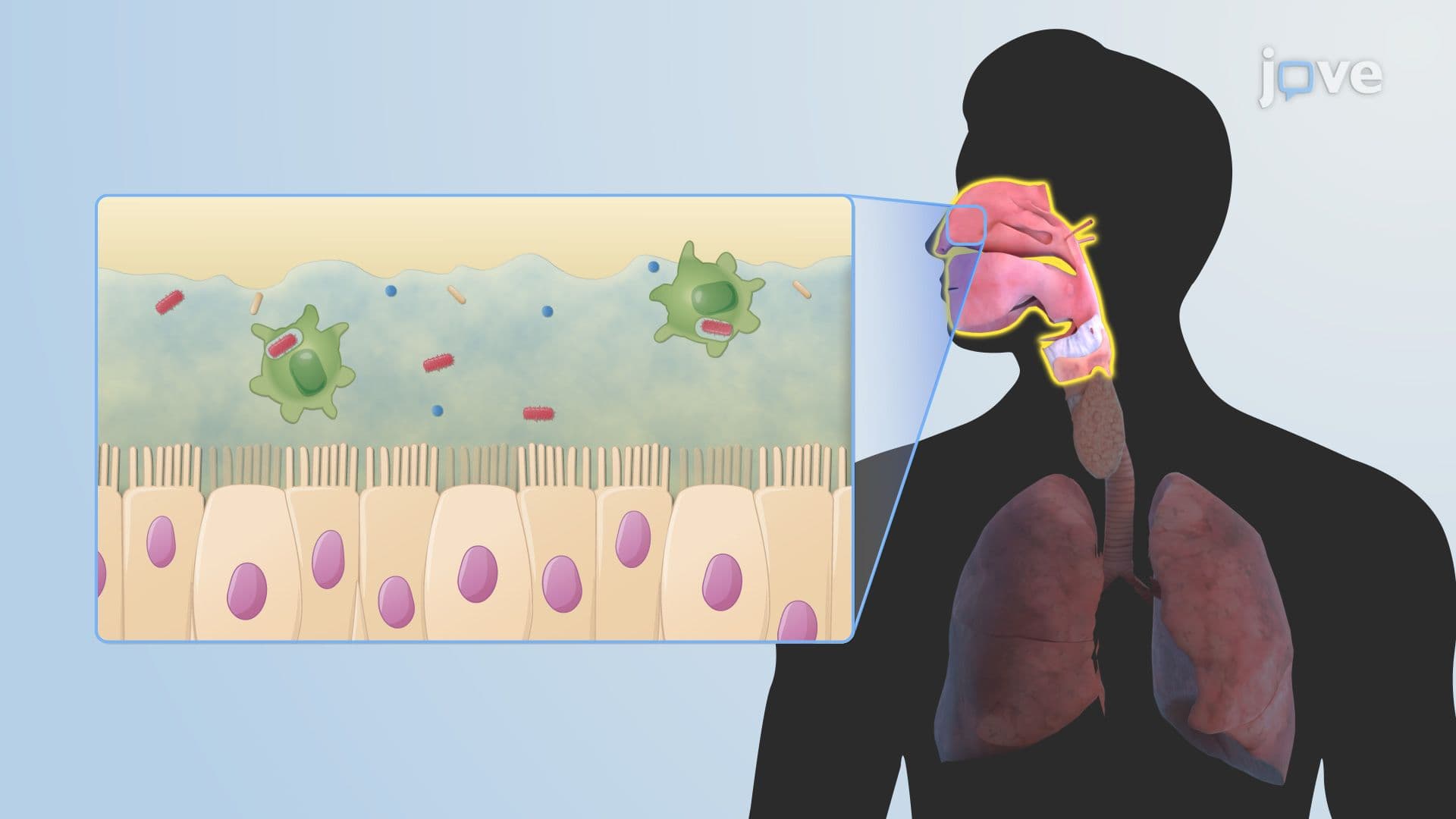
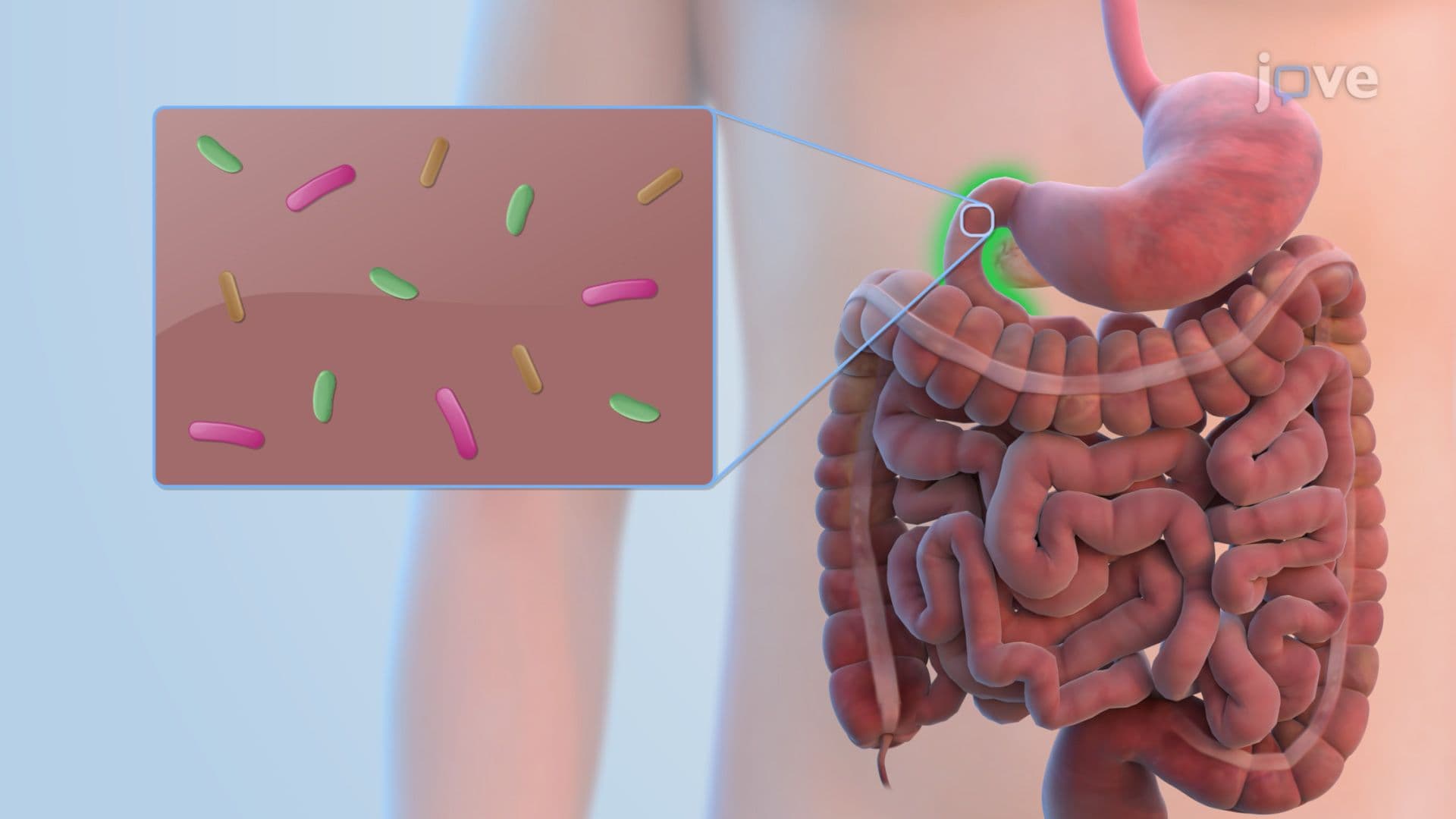
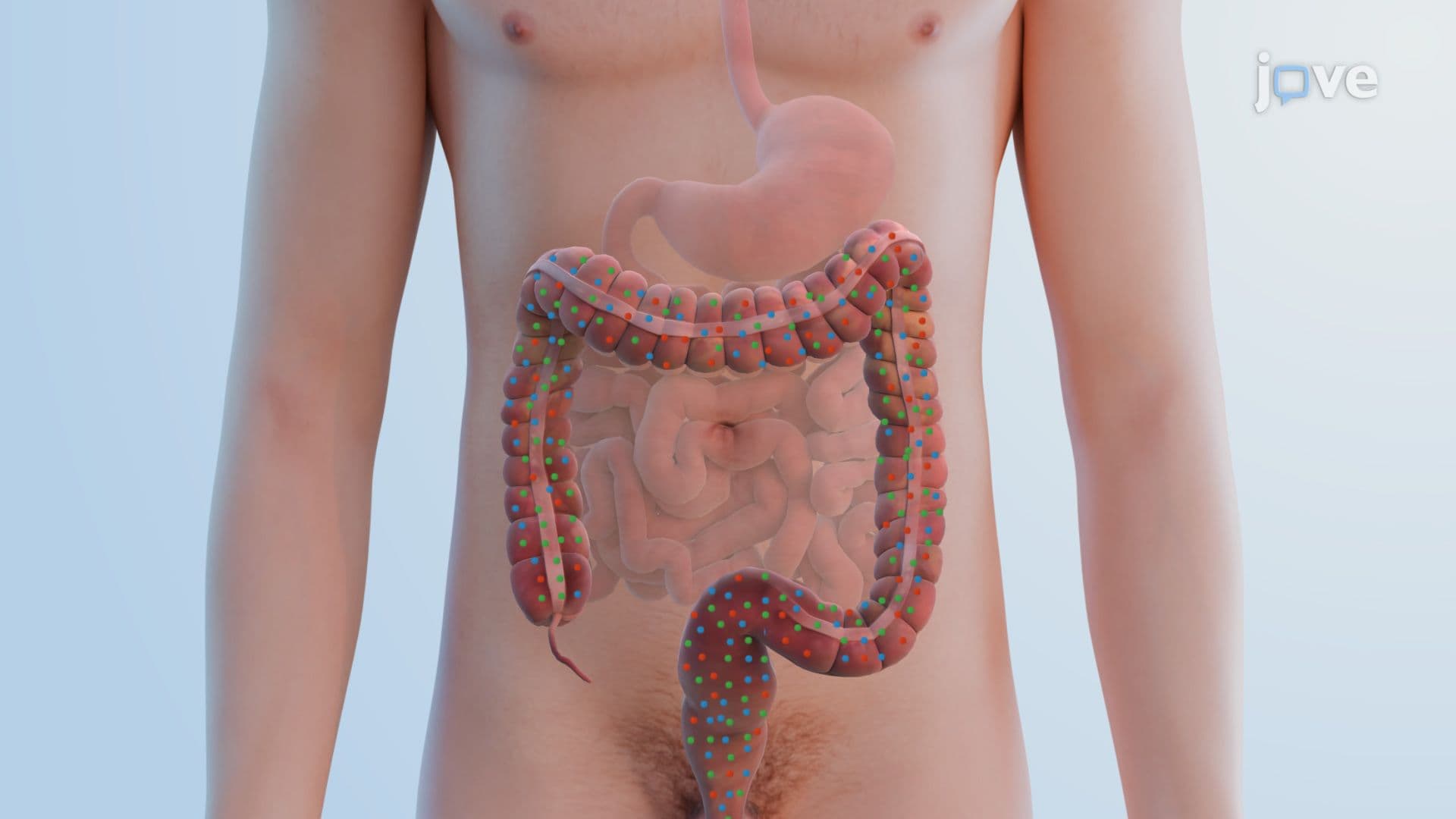
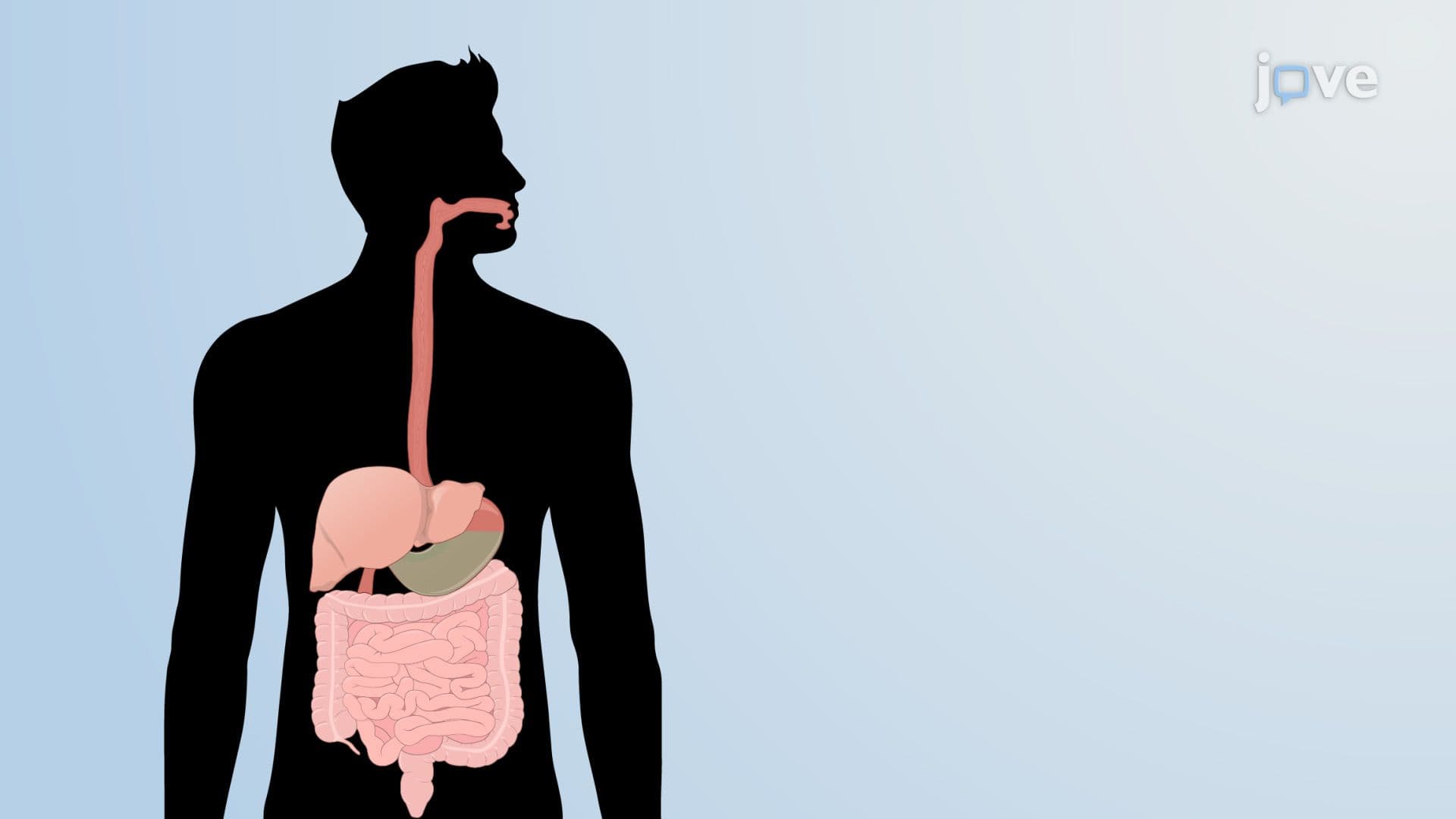
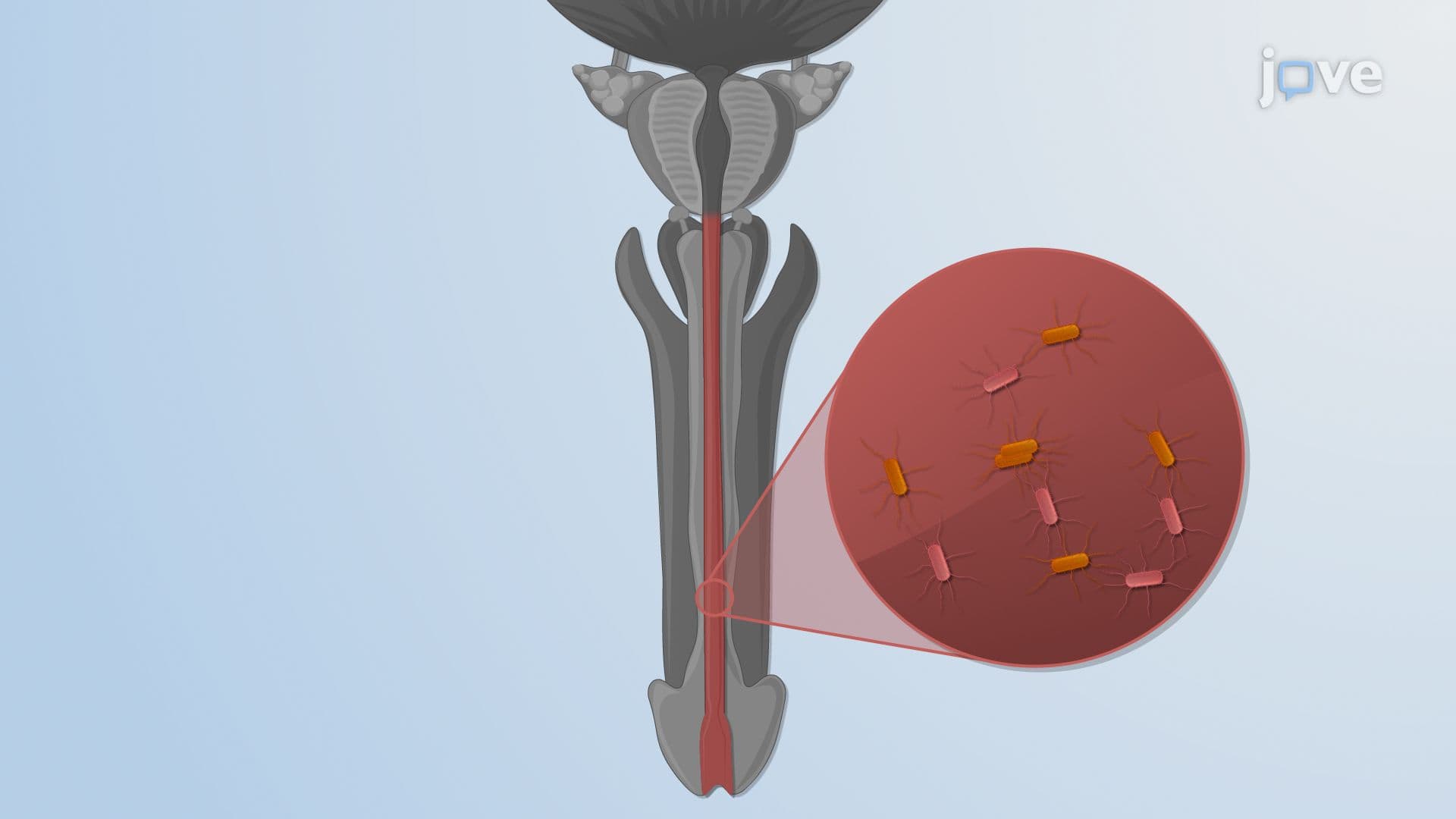
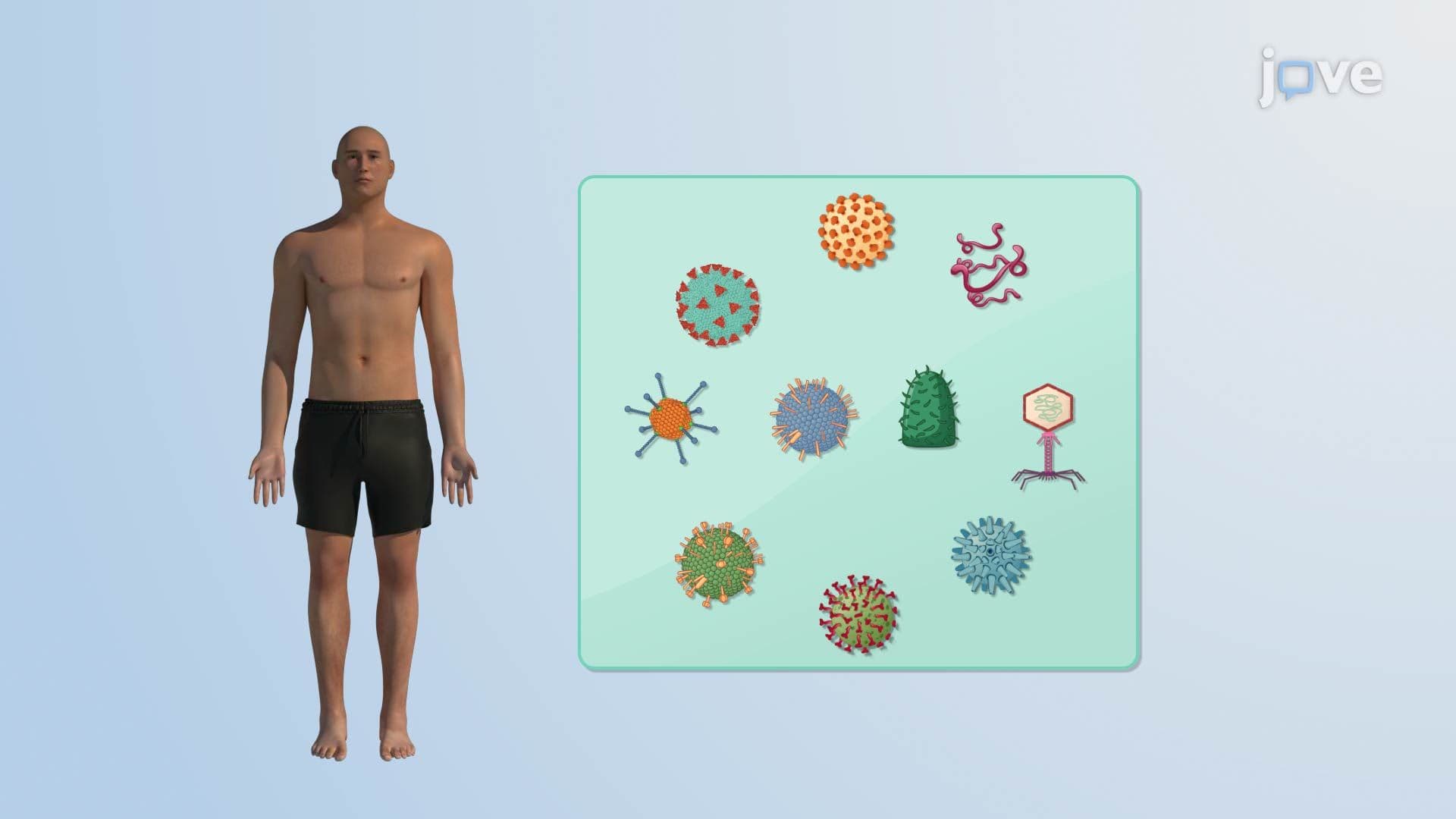
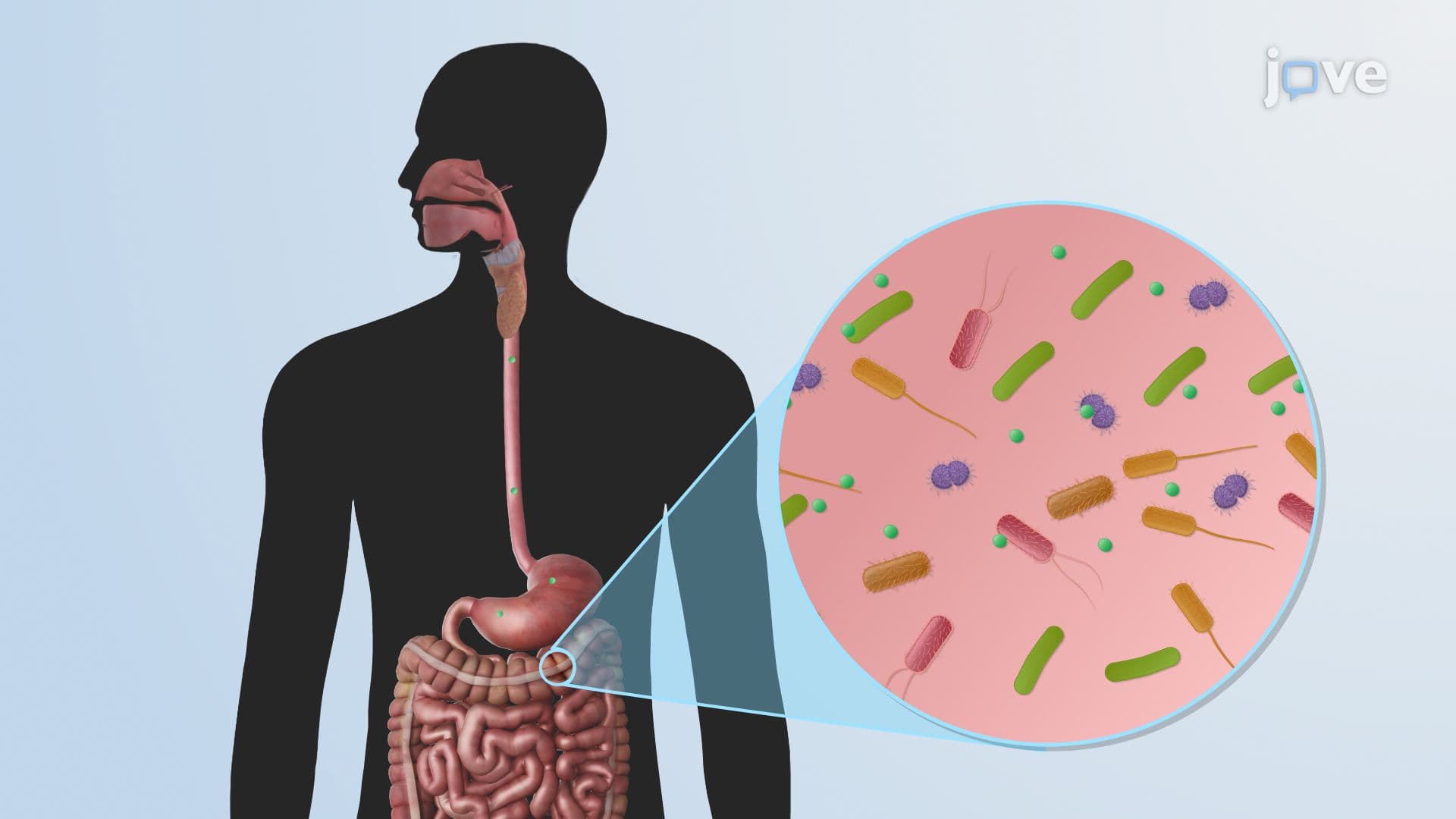
The human body is not a solo act, it is a carefully orchestrated ecosystem. The human microbiota refers to the entire collection of microorganisms, primarily bacteria but also fungi, viruses, and archaea, that colonize the human body. These microbes are found in the gut, skin, oral cavity, respiratory tract, and urogenital tract. Far from being passive passengers, they actively contribute to digestion, immune regulation, and even mental health. Understanding the human microbiota is a foundational concept in microbiology courses across US high schools and universities, and it frequently appears on AP Biology exams, college midterms, and the MCAT.
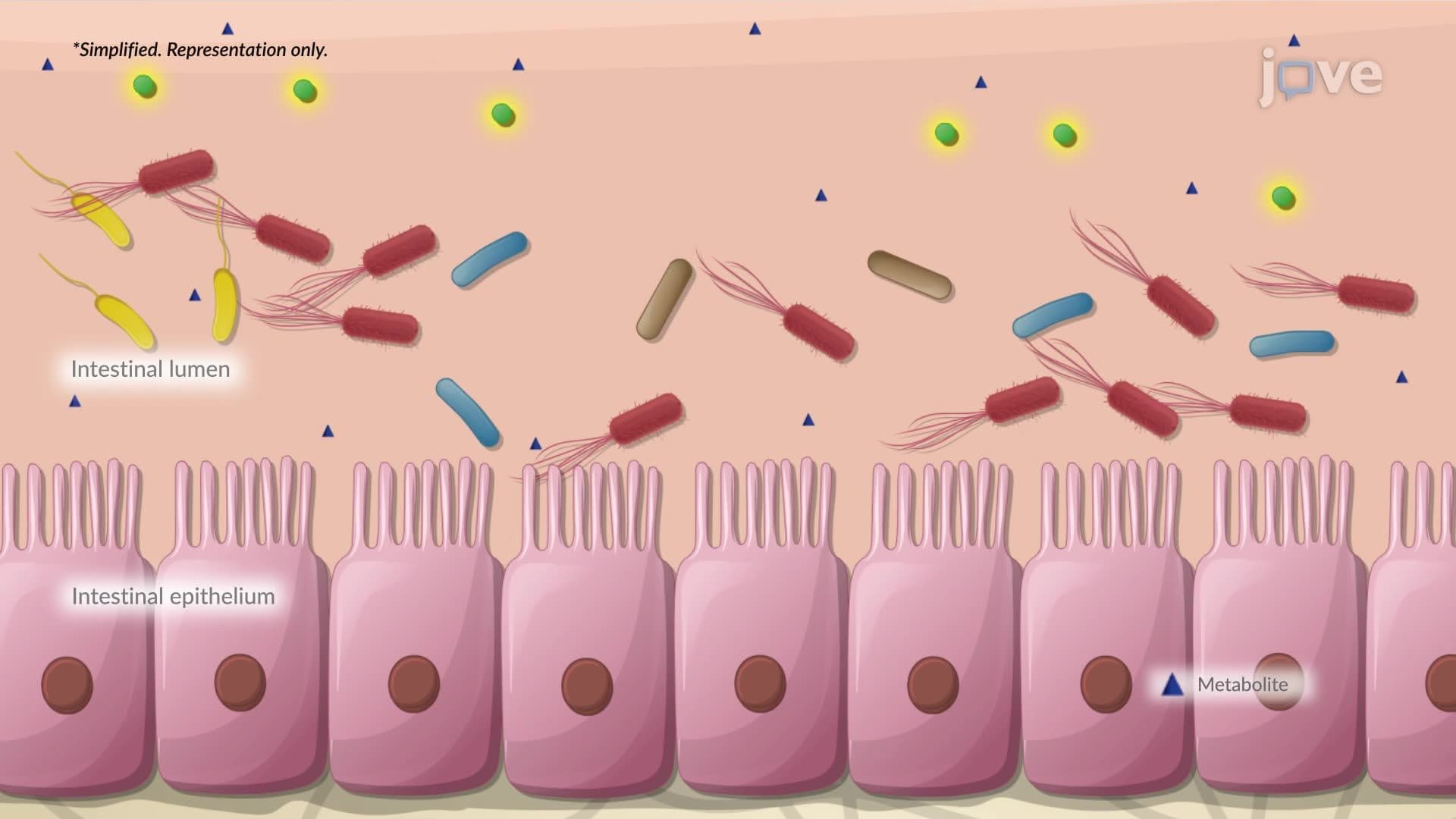
Not all microbes take up permanent residence. Resident microbiota are stable, long-term populations that consistently occupy specific body sites, like *Staphylococcus epidermidis* on the skin or *Bacteroides* species in the colon. Transient microbiota, by contrast, are temporary visitors that may enter through food, air, or physical contact but do not permanently establish themselves. This distinction matters clinically: when resident populations are disrupted, a state called dysbiosis, transient or opportunistic pathogens can move in and cause disease. This is exactly what happens when broad-spectrum antibiotics wipe out gut flora, allowing *Clostridioides difficile* (C. diff) to dominate, a scenario commonly seen in US hospital settings.
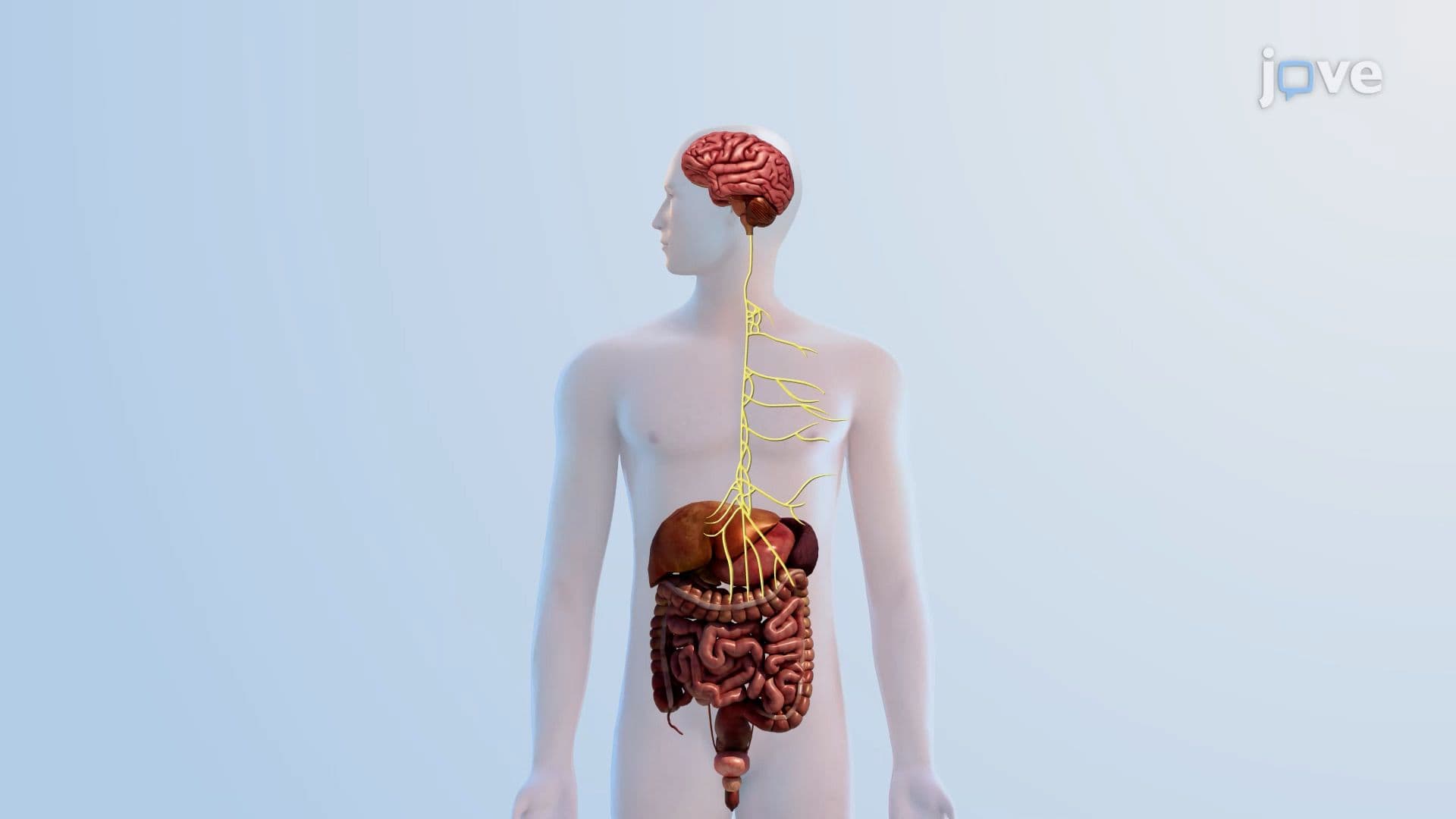
One of the most powerful functions of the normal microbiota is microbial antagonism, the ability of established microbes to block invading pathogens. They do this by physically occupying receptor binding sites on host cells, depleting essential nutrients, and secreting antimicrobial compounds called bacteriocins. In the gut, beneficial bacteria also synthesize critical vitamins such as vitamin K and several B vitamins, directly supporting human nutrition. Beyond the gut, researchers at institutions like the NIH and Harvard Medical School have documented connections between gut microbiota composition and immune system development, allergic responses, and even neurological conditions through the gut-brain axis, a bidirectional communication network between gut microbes and the central nervous system.
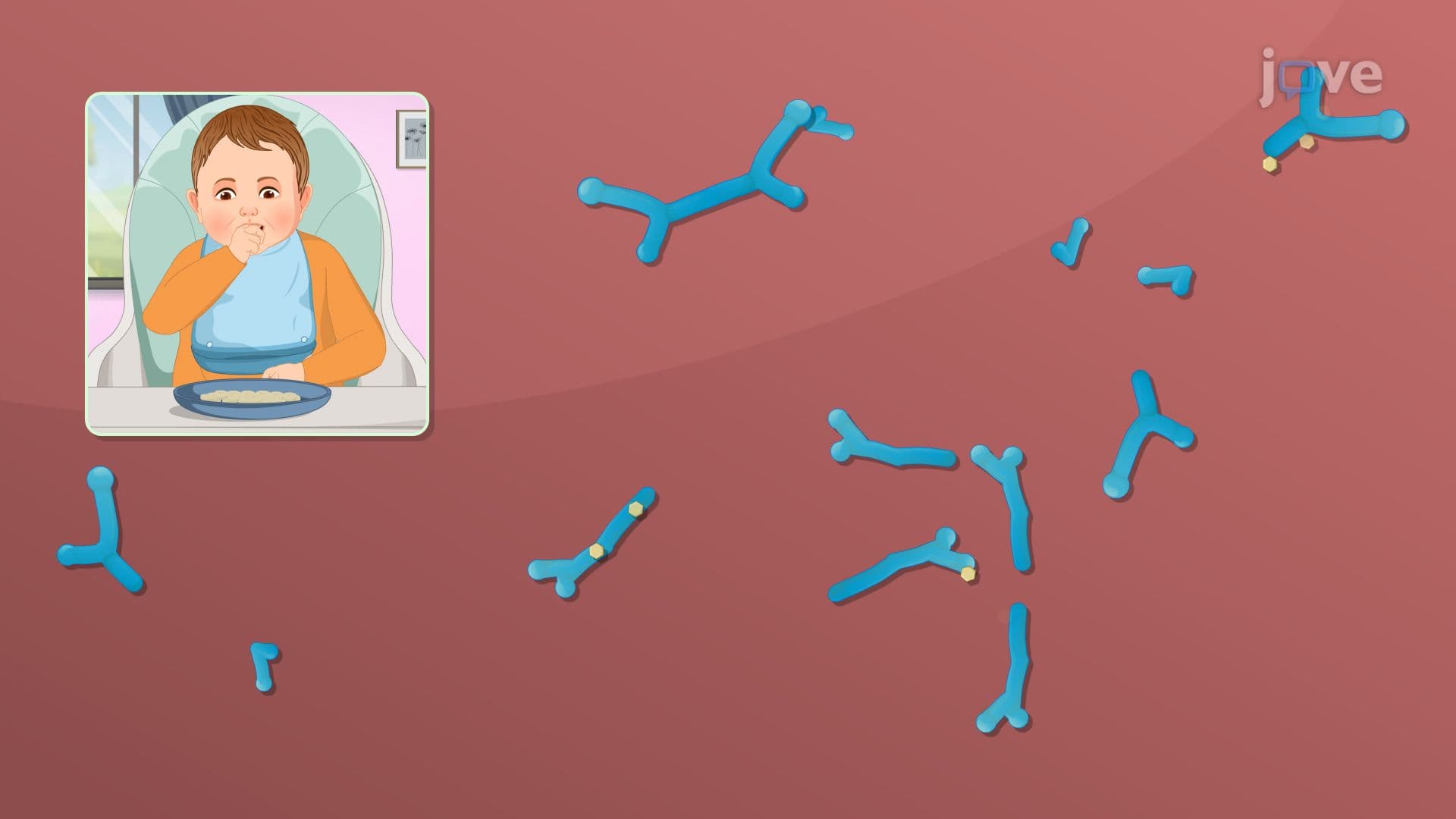
How does diet affect the gut microbiome? Significantly. Diets high in fiber feed beneficial bacteria like *Lactobacillus* and *Bifidobacterium*, which ferment fiber into short-chain fatty acids that reduce gut inflammation. Conversely, high-sugar, low-fiber diets promote dysbiosis. This is why prebiotics (dietary fibers that feed beneficial microbes) and probiotics (live beneficial bacteria, found in yogurt, kefir, and supplements) have become major areas of both clinical research and consumer health in the US. On college biology and nursing exams, including NCLEX and HESI A2, students are expected to understand why preserving the microbiome matters during antibiotic therapy. Recommending probiotic supplementation alongside antibiotics is a real clinical application of microbiota science.
Related Micro-courses