Loading video…

 16 Concepts
 5K views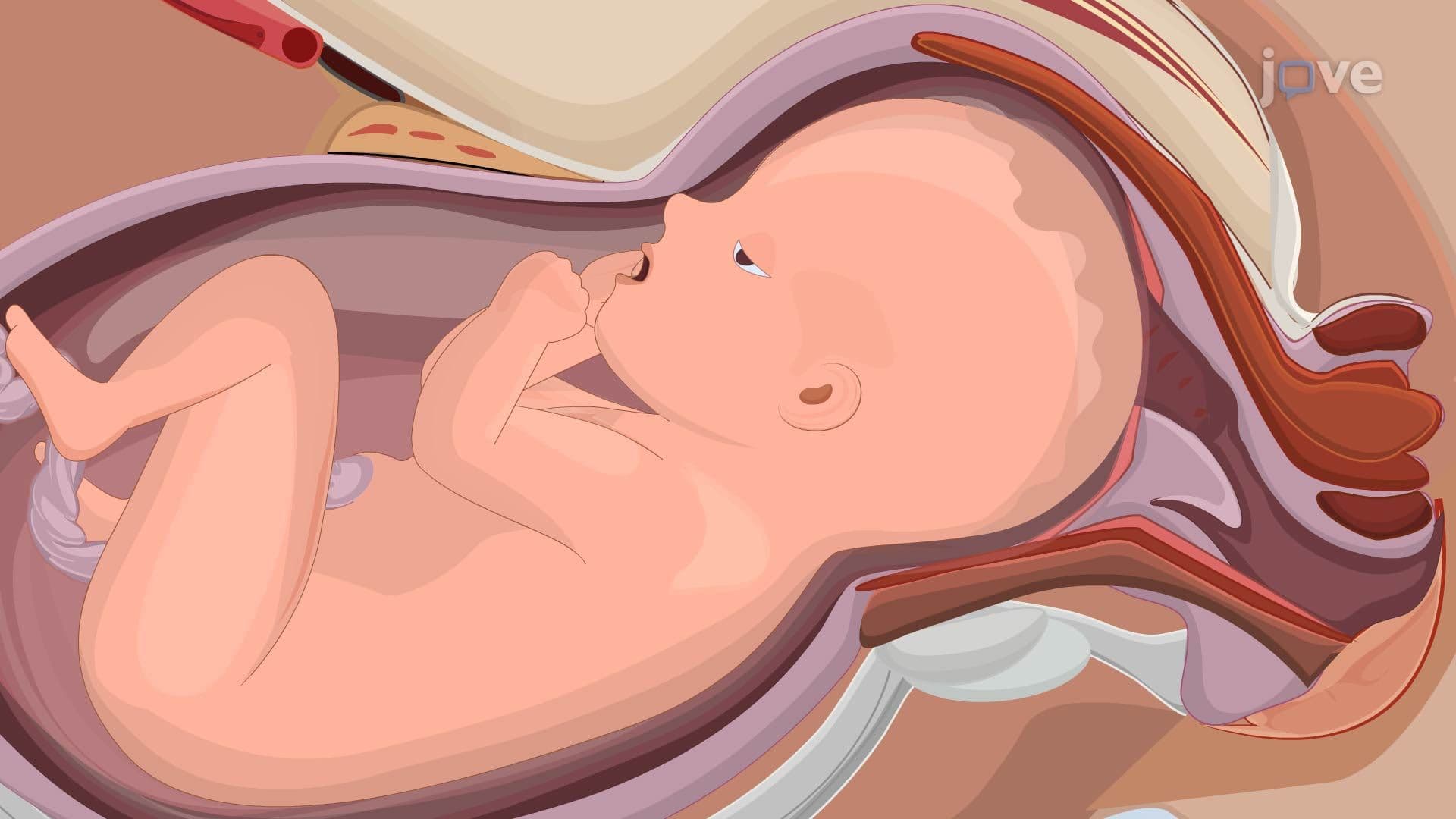

Video Summary: Development of the Oral Microbiota Explained
Did you know your mouth hosts hundreds of bacterial species, and the process starts within hours of birth? The development of the oral microbiota is shaped by factors like delivery method, breastfeeding, and tooth eruption. For example, infants born via C-section at US hospitals show measurably different early oral microbial profiles than vaginally delivered newborns. Watch the full video on JoVE Coach to master this concept with expert-led visuals and step-by-step explanations.
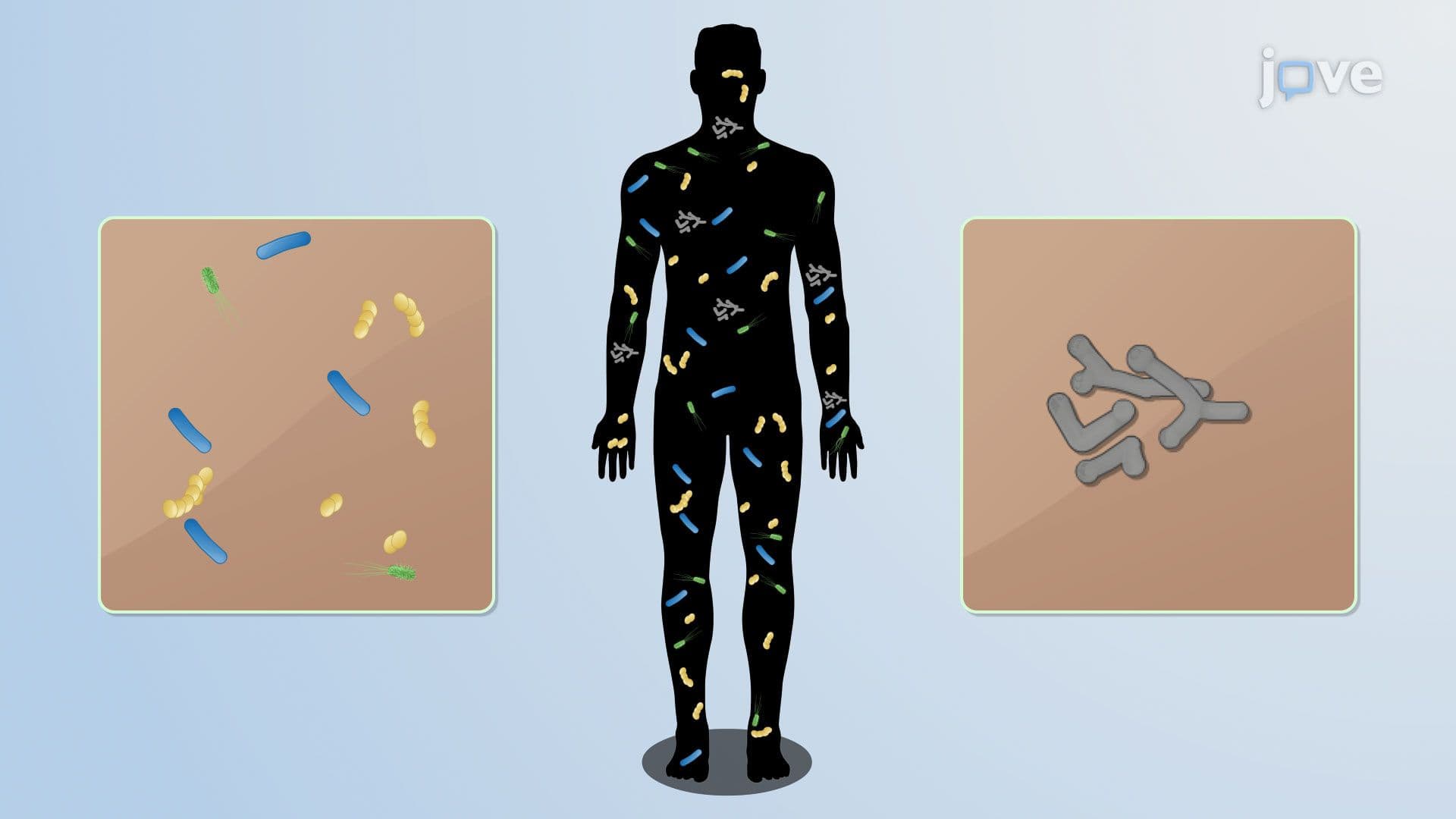
The human mouth is one of the most complex microbial ecosystems in the body, second only to the gut. The development of the oral microbiota is a dynamic, lifelong process, but its most critical foundations are laid within the first days and years of life. Understanding how and why this community forms the way it does is central to microbiology, public health, and clinical dentistry.
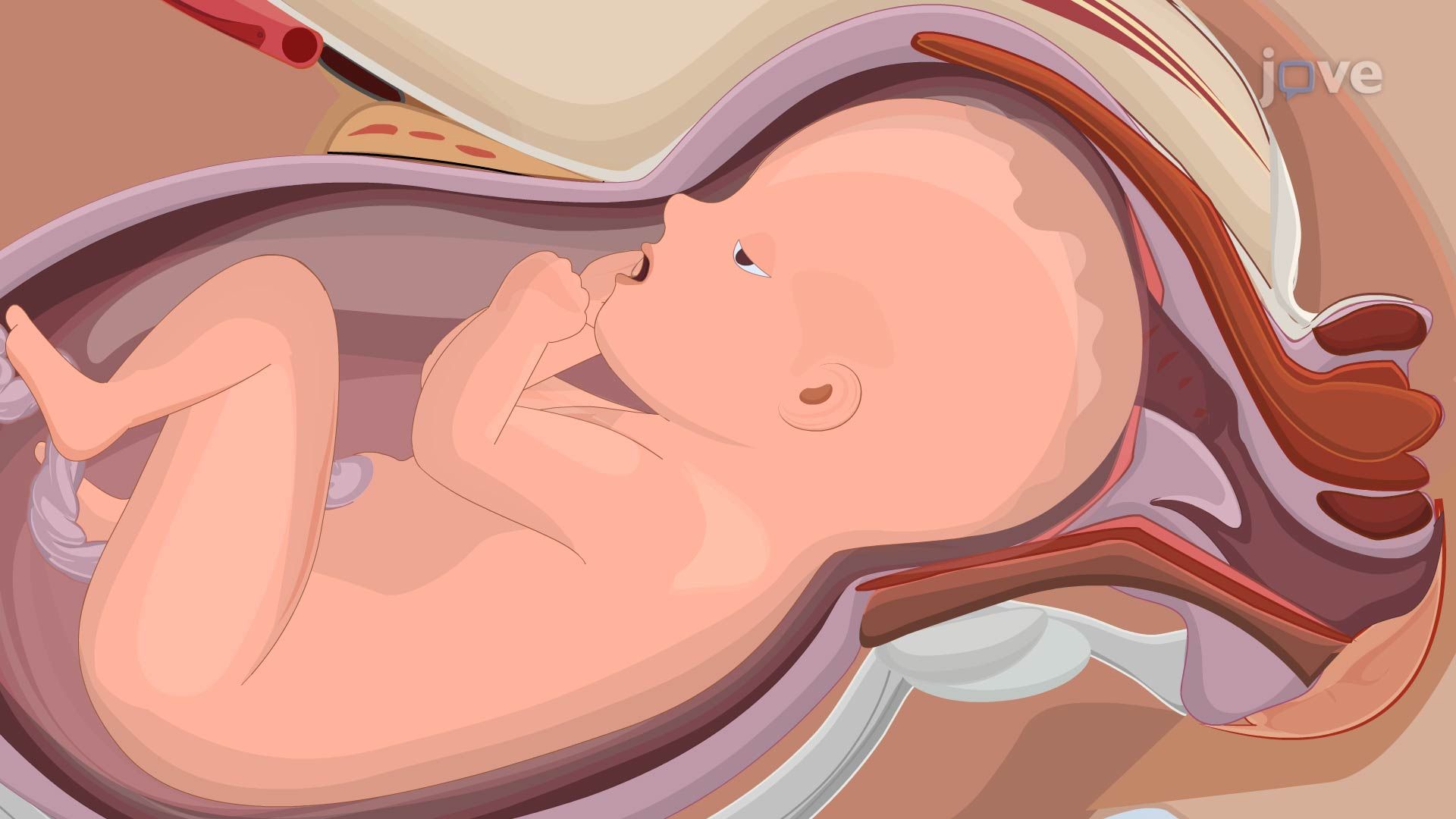
For decades, scientists believed the fetal oral cavity was completely sterile, protected from microbial exposure inside the womb. More recent research has complicated this picture. Studies have detected oral-associated bacteria like *Streptococcus* and *Fusobacterium* in amniotic fluid, suggesting that some prenatal microbial exposure may occur, possibly through the mother's bloodstream or ascending migration from the vaginal tract. While the fetal oral cavity is still largely considered sterile, this finding has important implications for understanding how early immune priming begins, a concept directly relevant to courses in immunology and microbiology at US universities.
One of the most consequential moments in the development of the oral microbiota is the mode of delivery. Infants born vaginally are exposed to the mother's vaginal microbiota, dominated by *Lactobacillus* species, which quickly colonize the newborn's oral cavity. By contrast, infants delivered via cesarean section are instead exposed to skin microbiota from the surrounding environment and medical staff. US-based research, including studies conducted through institutions like the National Institutes of Health (NIH), has confirmed that these two groups show measurably different early microbial profiles that can persist for months.
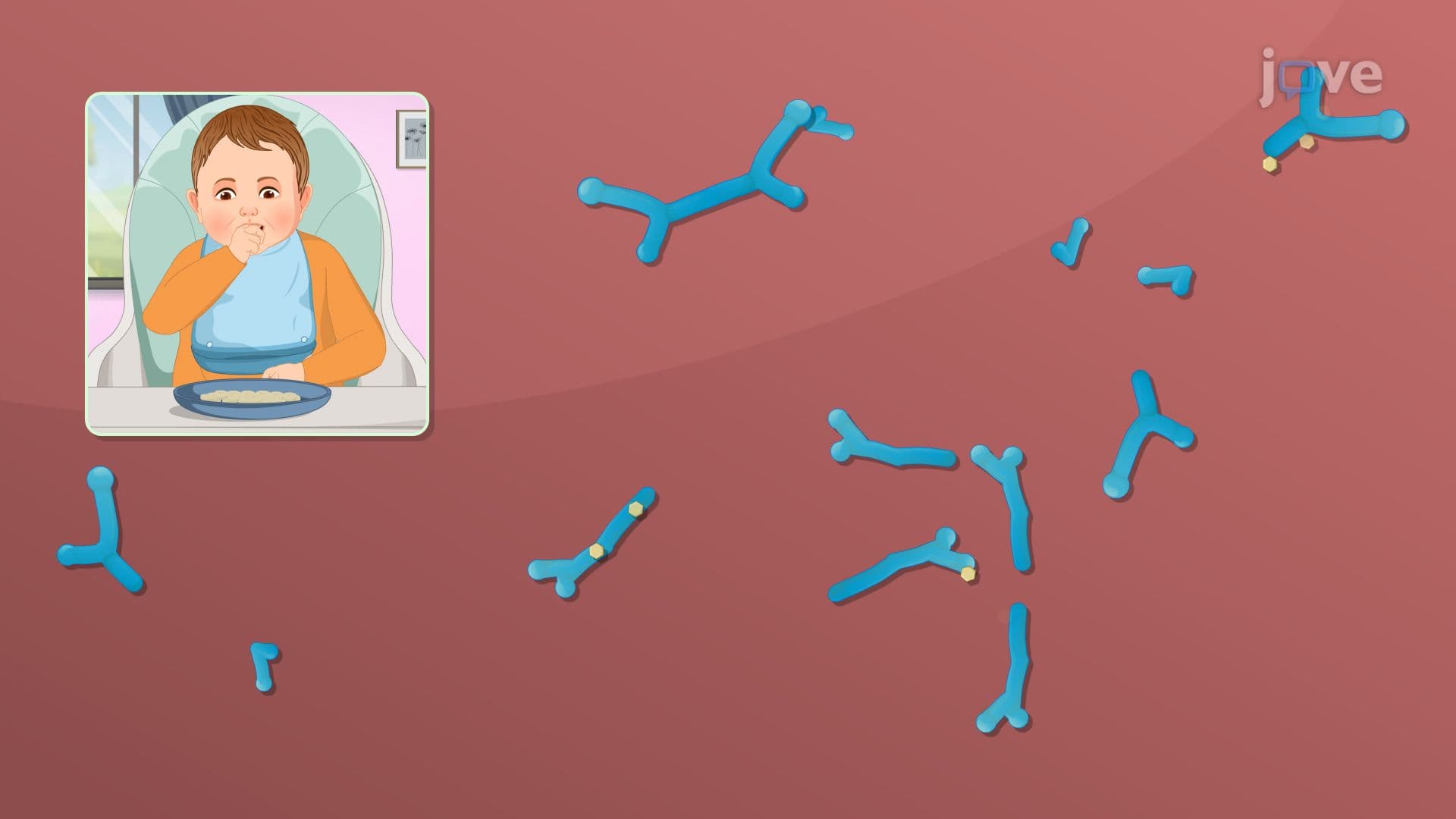
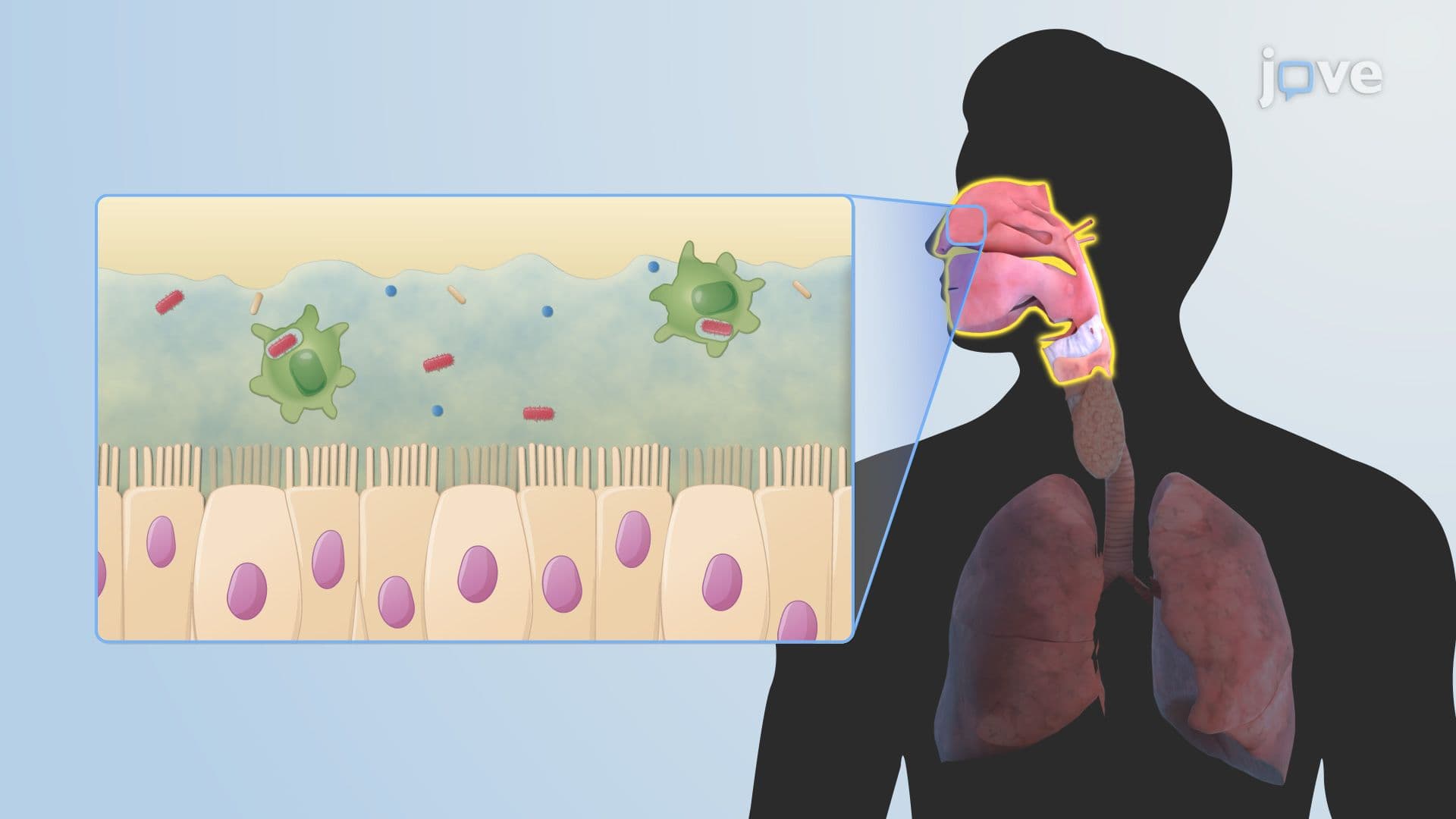
Within the first 24 hours of life, microbial colonization begins in earnest. Microbes from breast milk, skin contact with caregivers, and the surrounding environment enter the oral cavity. *Streptococcus salivarius* is one of the dominant pioneer species, adhering to soft oral mucosal surfaces and helping shape the chemical environment for species that follow. This mirrors the concept of normal flora, commensal microorganisms that occupy a niche without causing disease, a foundational idea tested on AP Biology exams and college-level microbiology midterms.
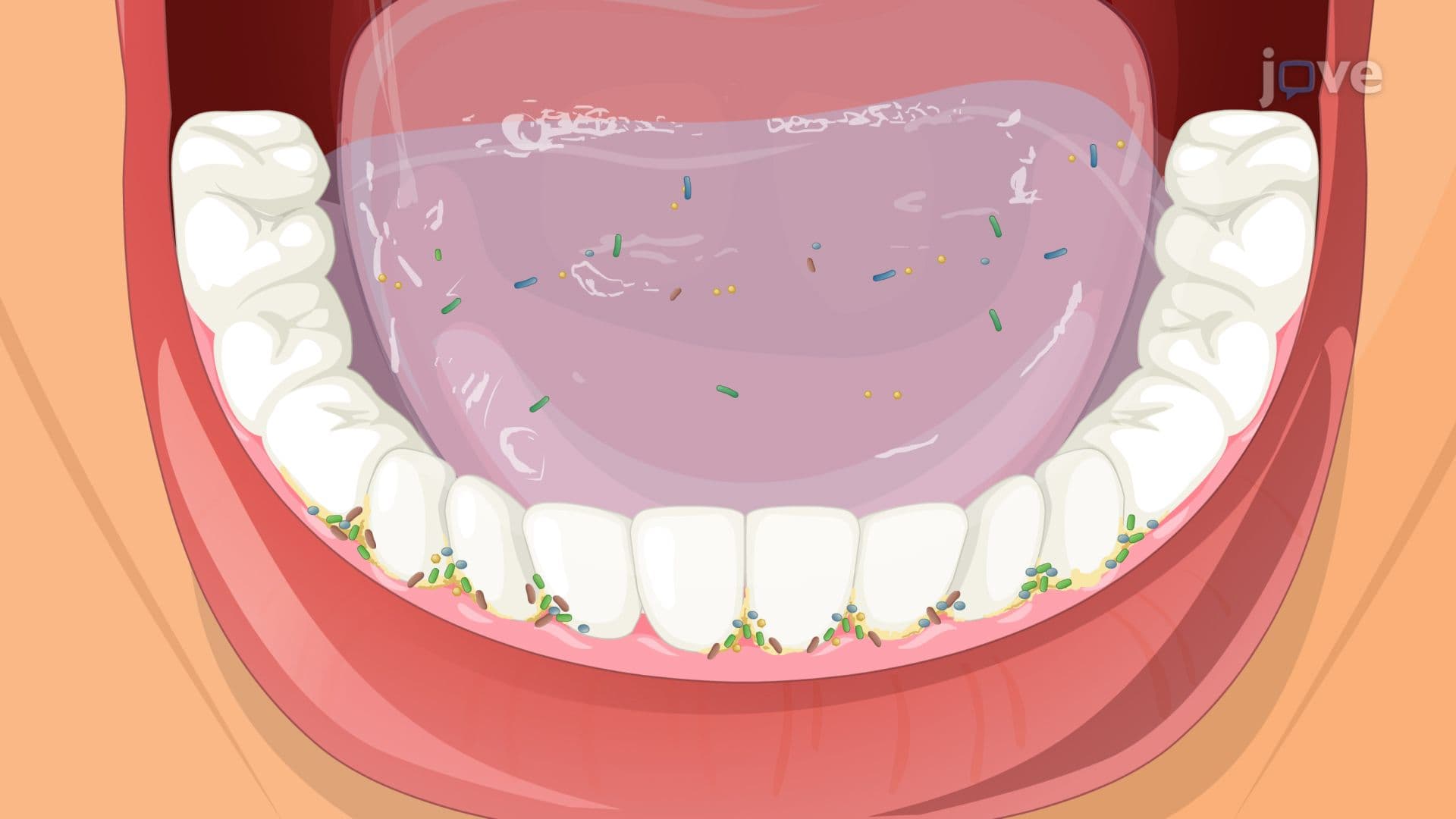
A major shift in the oral microbiome occurs when teeth begin erupting, typically around 6 months of age. Teeth introduce non-shedding hard surfaces that don't exist on the oral mucosa. This creates new ecological niches unavailable before, enabling colonization by species like *Streptococcus mutans*, the primary bacterial driver of dental caries (tooth decay). *S. mutans* thrives in biofilms and metabolizes dietary sugars to produce lactic acid, which erodes enamel. This process is a core example of dysbiosis, a shift from a balanced microbial community to one that promotes disease.
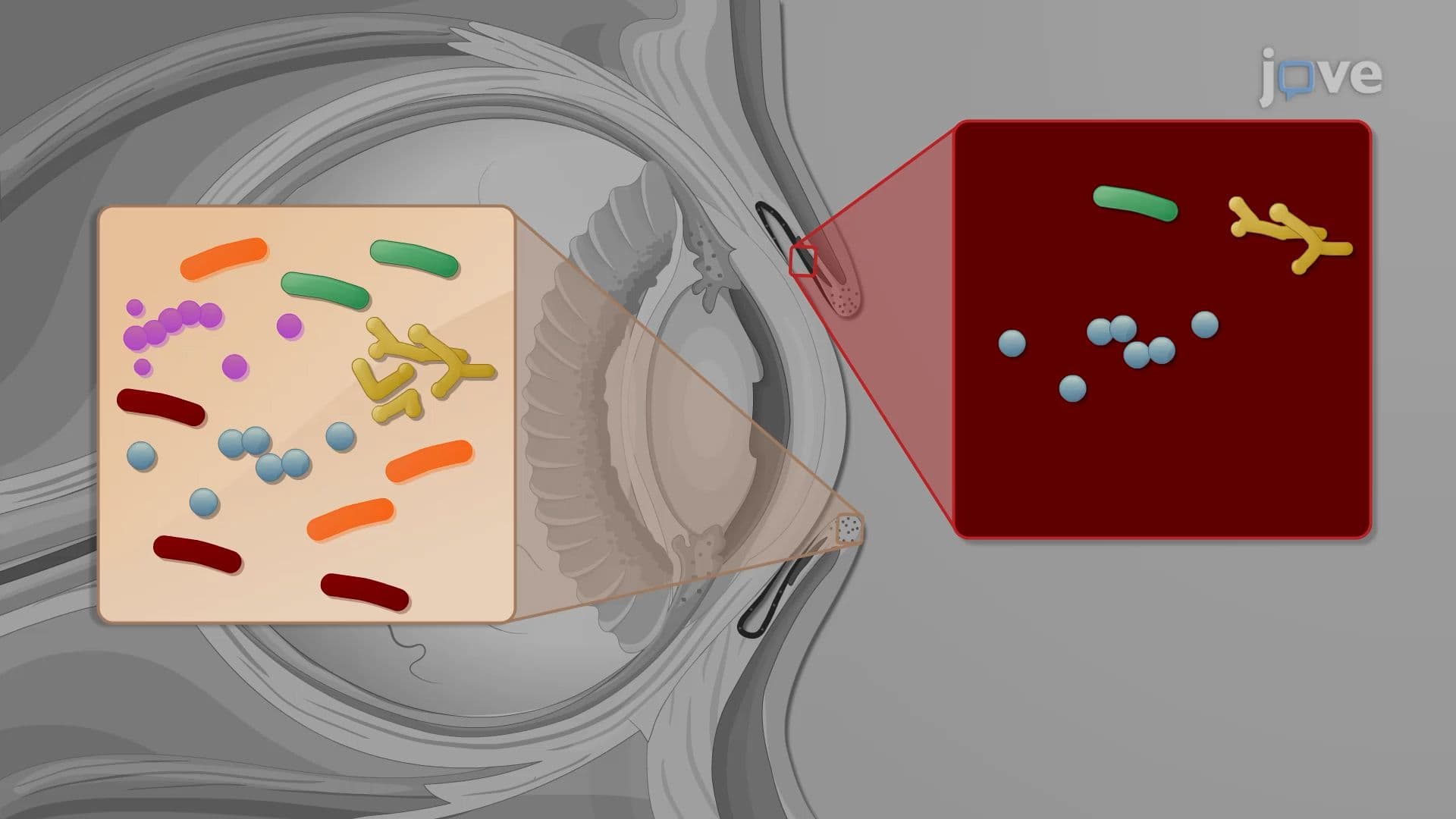
As gingival crevices (the small gaps between teeth and gums) develop, anaerobic periodontal bacteria gain a foothold, dramatically increasing overall microbial diversity. Species such as *Actinomyces*, *Veillonella*, and *Neisseria* join the community, each adapted to specific oxygen levels, pH ranges, and nutrient sources within the mouth.
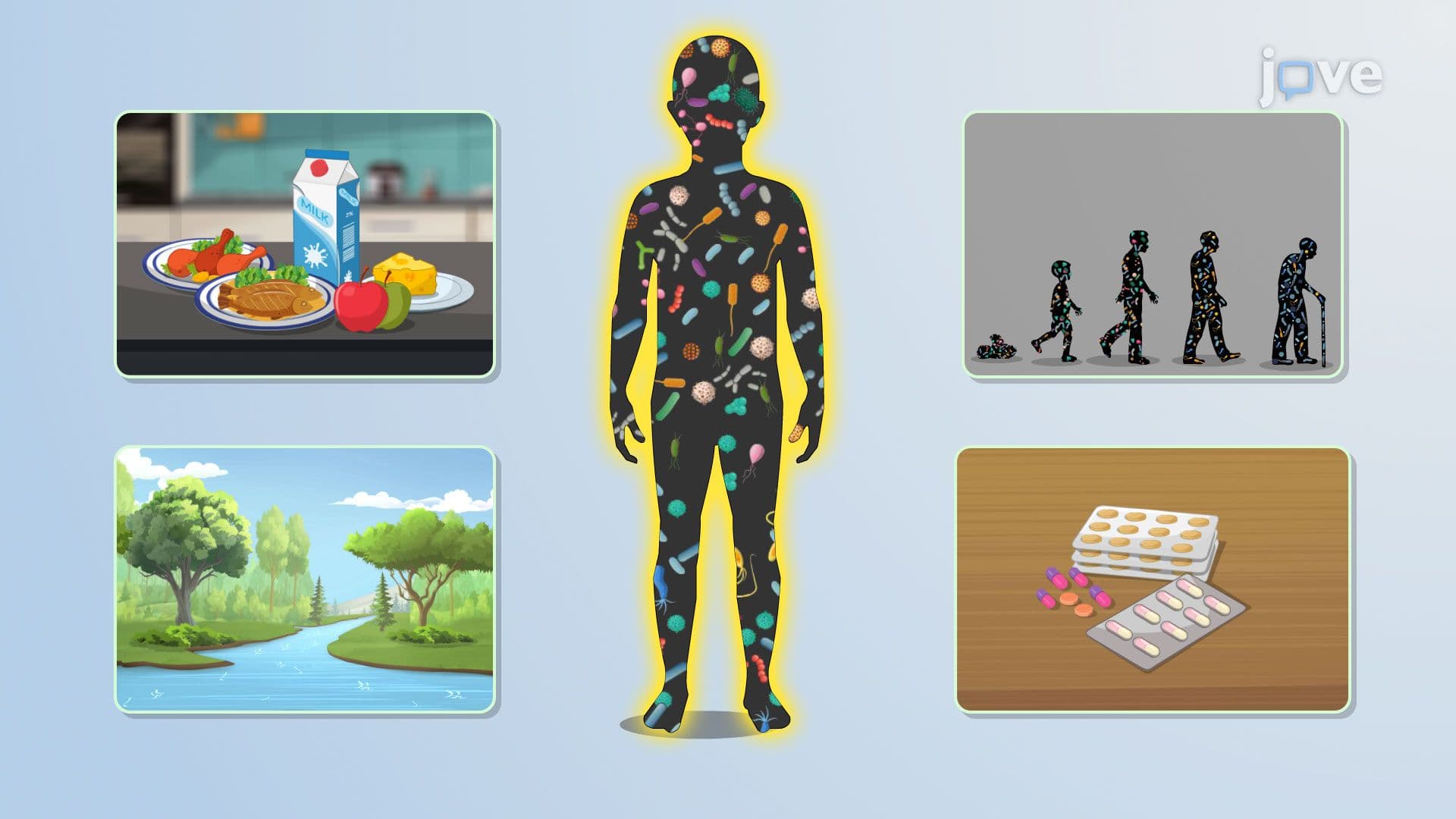
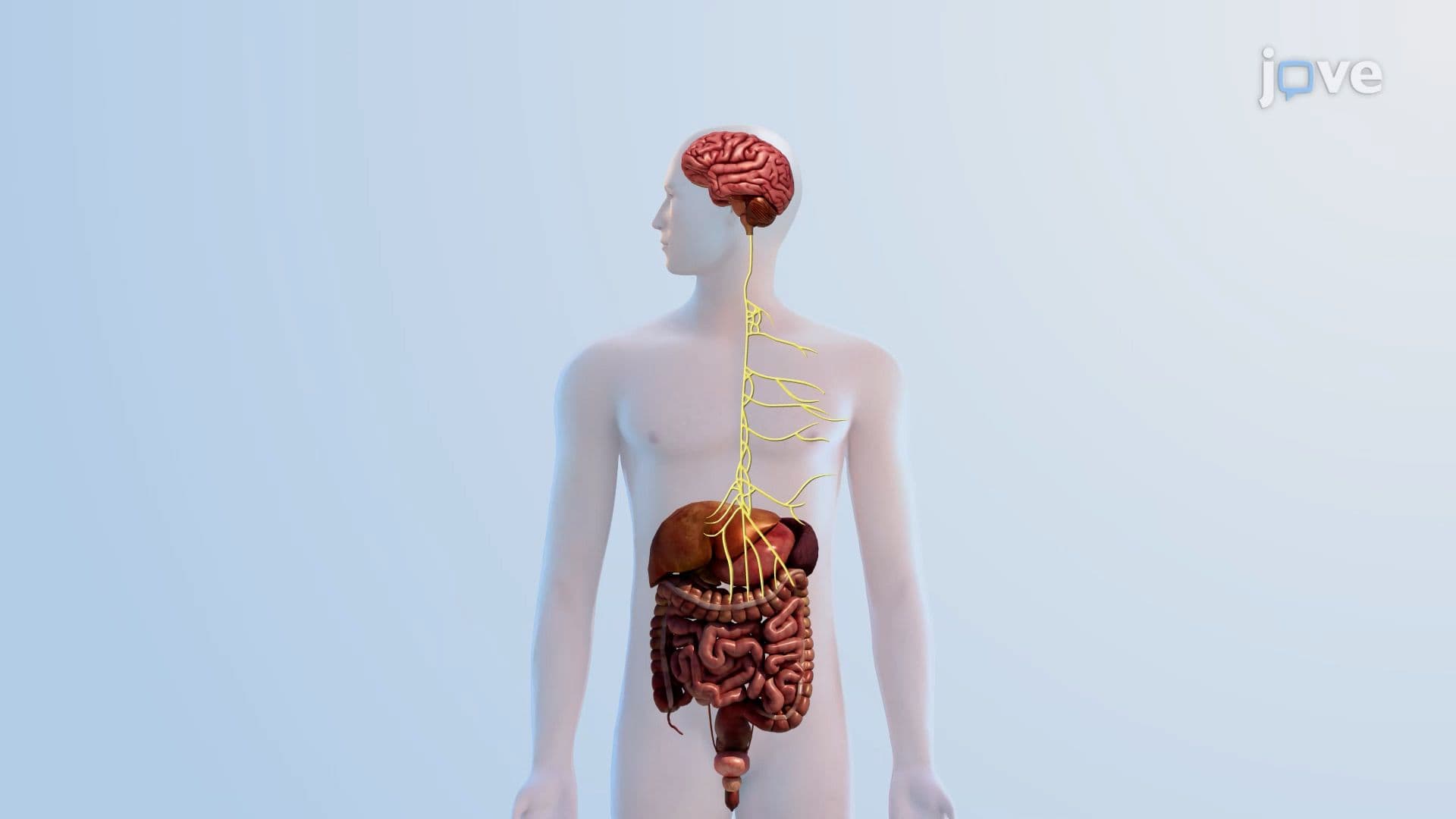
Bacteria in the oral cavity don't live in isolation, they adhere to surfaces and to each other, forming structured communities called biofilms. These biofilms are the biological basis of dental plaque. In a healthy oral environment, biofilm communities remain in balance. However, factors like poor diet, antibiotic use, or inadequate oral hygiene can trigger dysbiosis, allowing pathogenic species to dominate. This principle connects oral microbiology to broader topics including the role of the microbiome in health and disease, the gut-brain axis, and ongoing research into how probiotics and prebiotics might be used to restore microbial balance, topics appearing increasingly on the MCAT and in undergraduate biology curricula across the US.
Related Micro-courses