Loading video…

 16 Concepts
 5K views
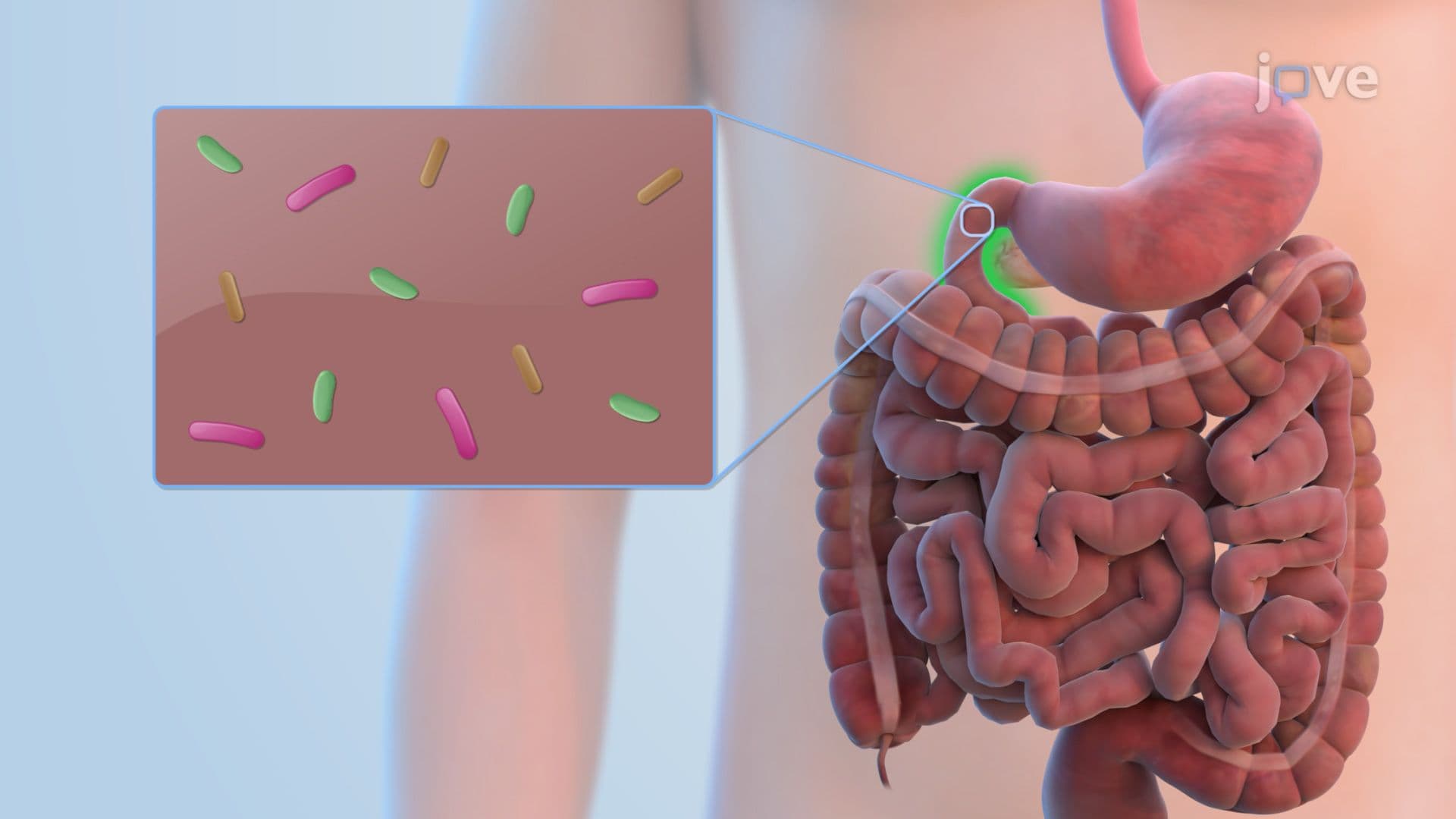

Video Summary: Microbiota of the Stomach and Small Intestine Explained
Did you know your stomach's extreme acidity, similar to battery acid, still can't wipe out all bacteria? The microbiota of the stomach and small intestine describes the microbial communities surviving and thriving across one of biology's harshest landscapes. From *H. pylori* in the gastric lining to anaerobes in the ileum, this concept is central to understanding gut health in US clinical settings. Watch the full video on JoVE Coach to master this concept with expert-led visuals and step-by-step explanations.
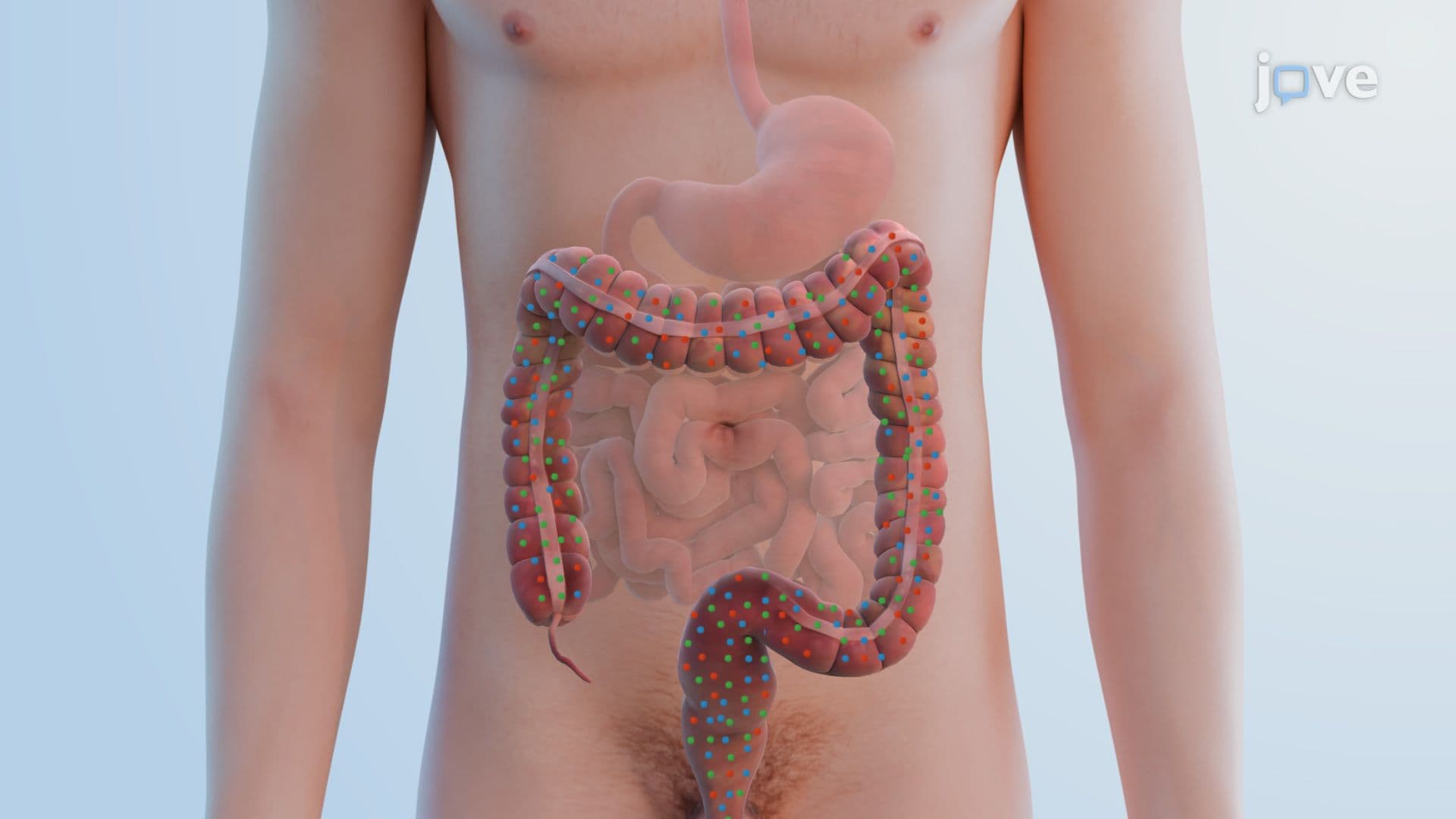
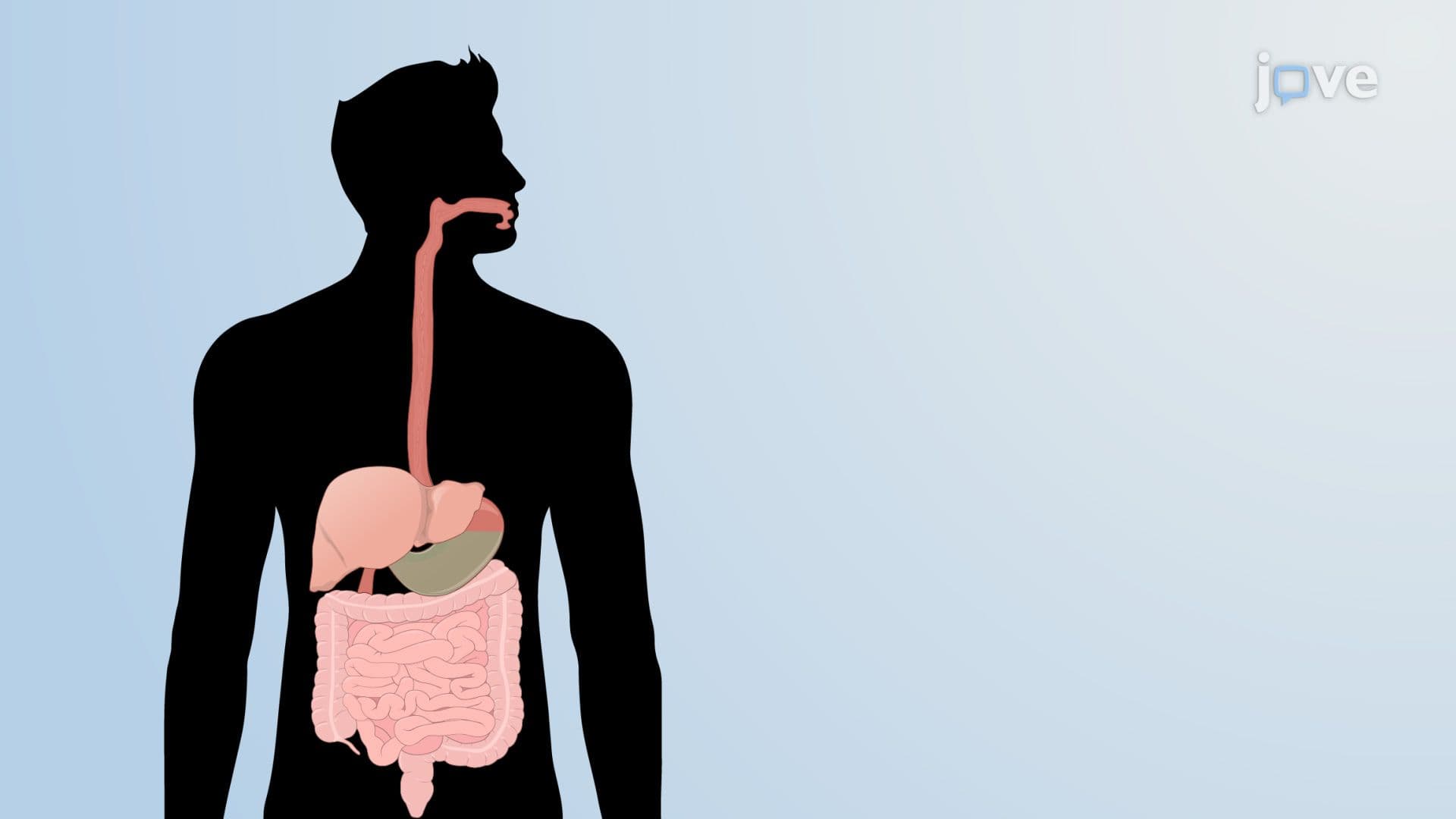
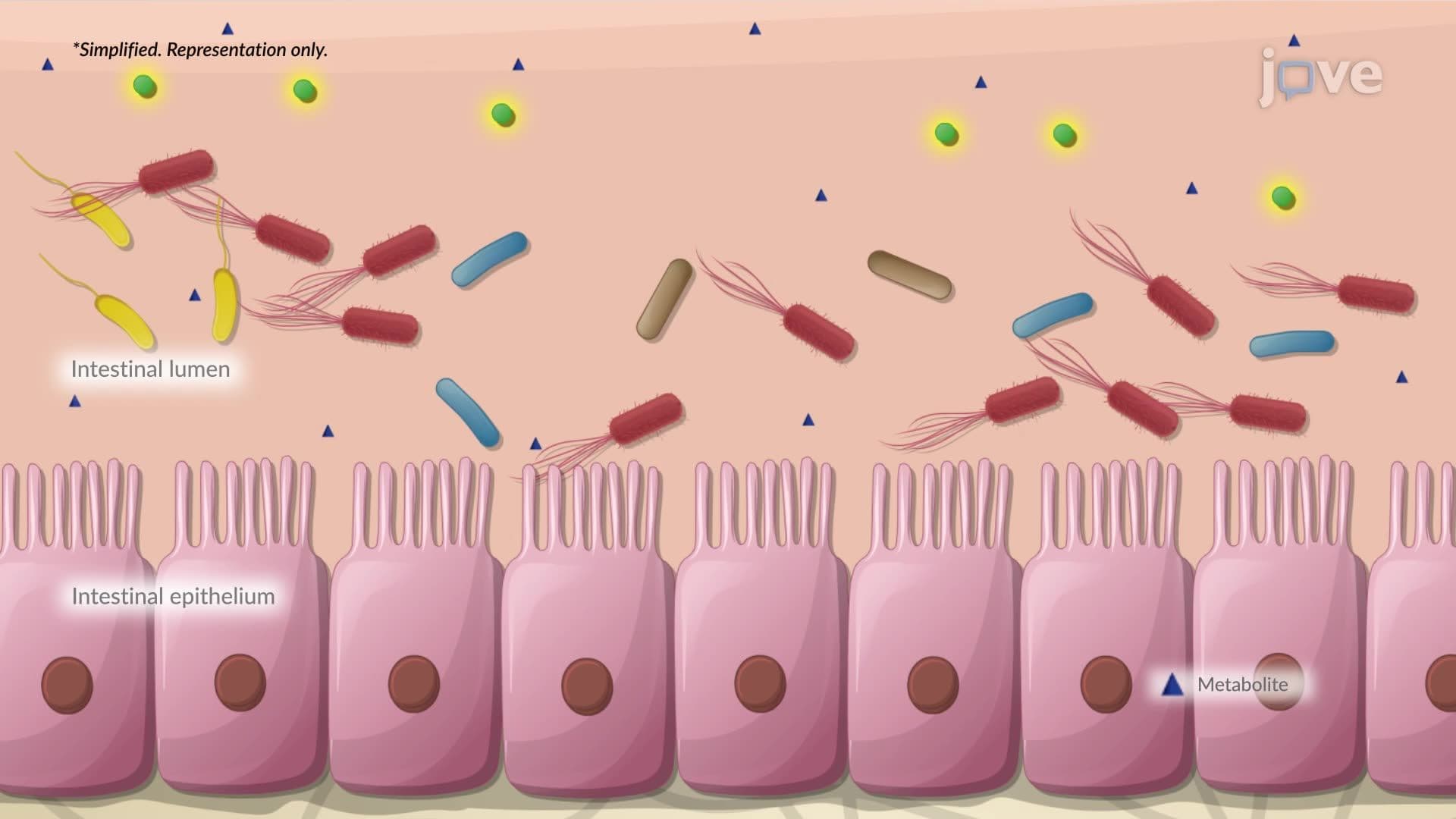
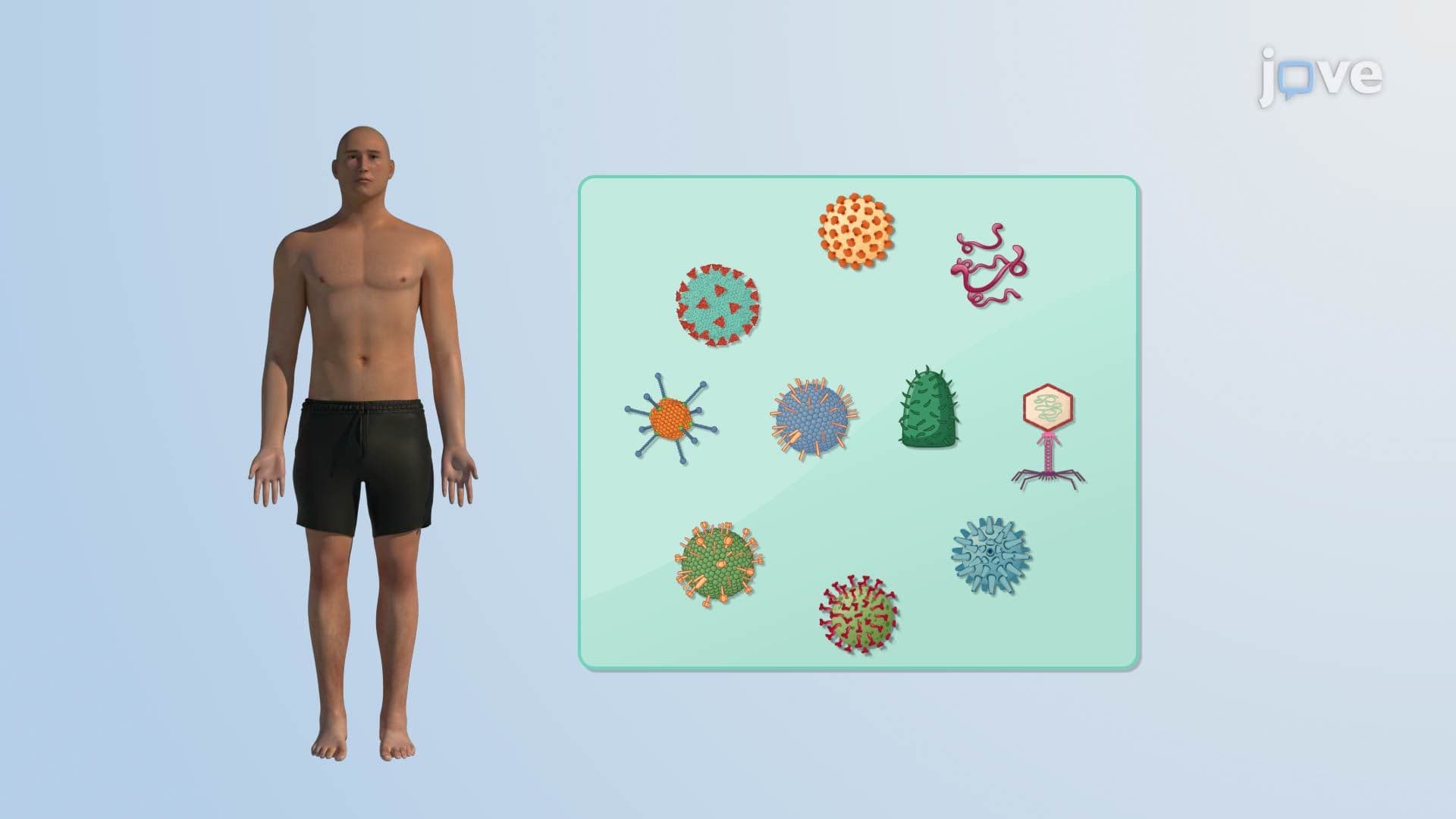
The microbiota of the stomach and small intestine refers to the complex communities of microorganisms, bacteria, fungi, viruses, and archaea, that colonize the upper gastrointestinal (GI) tract. Far from being uniformly distributed, these microbial populations shift dramatically as you move from the acidic stomach to the near-alkaline ileum. Understanding this regionality is essential for biology, microbiology, and health science courses across US high schools and universities.
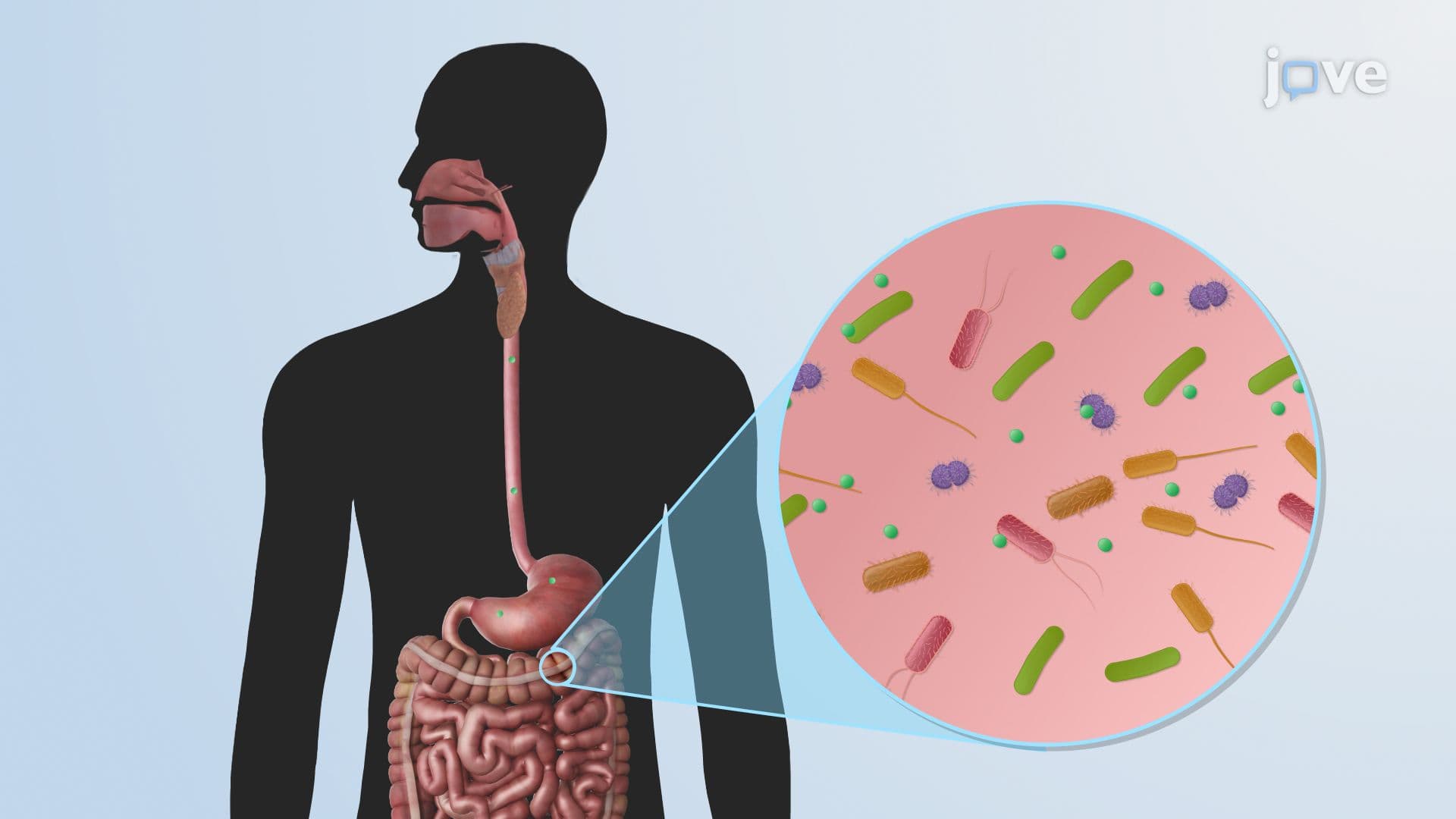
The stomach maintains a pH of 1 to 3, making it one of the most inhospitable environments in the human body. Most ingested microbes are destroyed here, which is why the stomach naturally harbors very low microbial density. However, certain acid-tolerant organisms do persist. *Helicobacter pylori* is the most clinically important example, it colonizes the gastric antrum and is directly linked to peptic ulcer disease and even gastric cancer. According to the CDC, approximately 30-40% of the US population carries *H. pylori*, though many remain asymptomatic. Despite low overall density, gastric fluids still contain representatives from four major bacterial phyla: Bacillota (formerly Firmicutes), Bacteroidota, Actinomycetota, and Pseudomonadota. This baseline normal flora helps contextualize what dysbiosis, or disruption of the microbial balance, looks like in clinical settings.
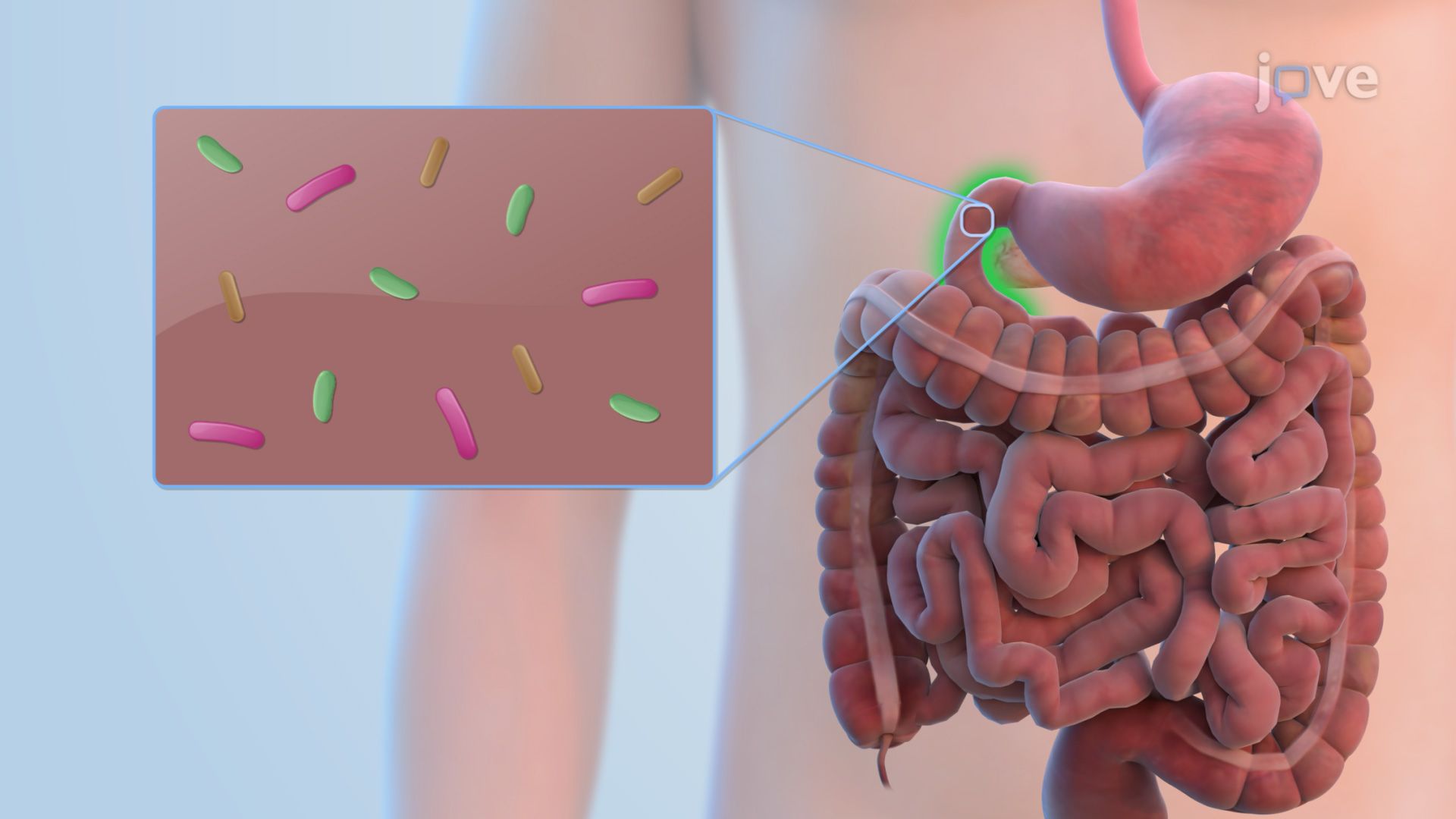
As chyme moves from the stomach into the duodenum, pH rises and conditions become slightly less hostile. However, the duodenum remains a challenging environment for bacterial growth due to three major forces: rapid flow of stomach contents, the detergent-like action of bile acids, and the antimicrobial effects of pancreatic digestive enzymes. The resulting microbial community is sparse and typically dominated by members of Bacillota, Pseudomonadota, and Actinomycetota. This is an important concept tested on the MCAT and in college-level microbiology midterms, students are expected to explain *why* microbial populations are low here, not just *that* they are low. Moving further into the jejunum, conditions become progressively more favorable: nutrient absorption is active, flow slows slightly, and microbial populations begin to increase in both density and diversity.
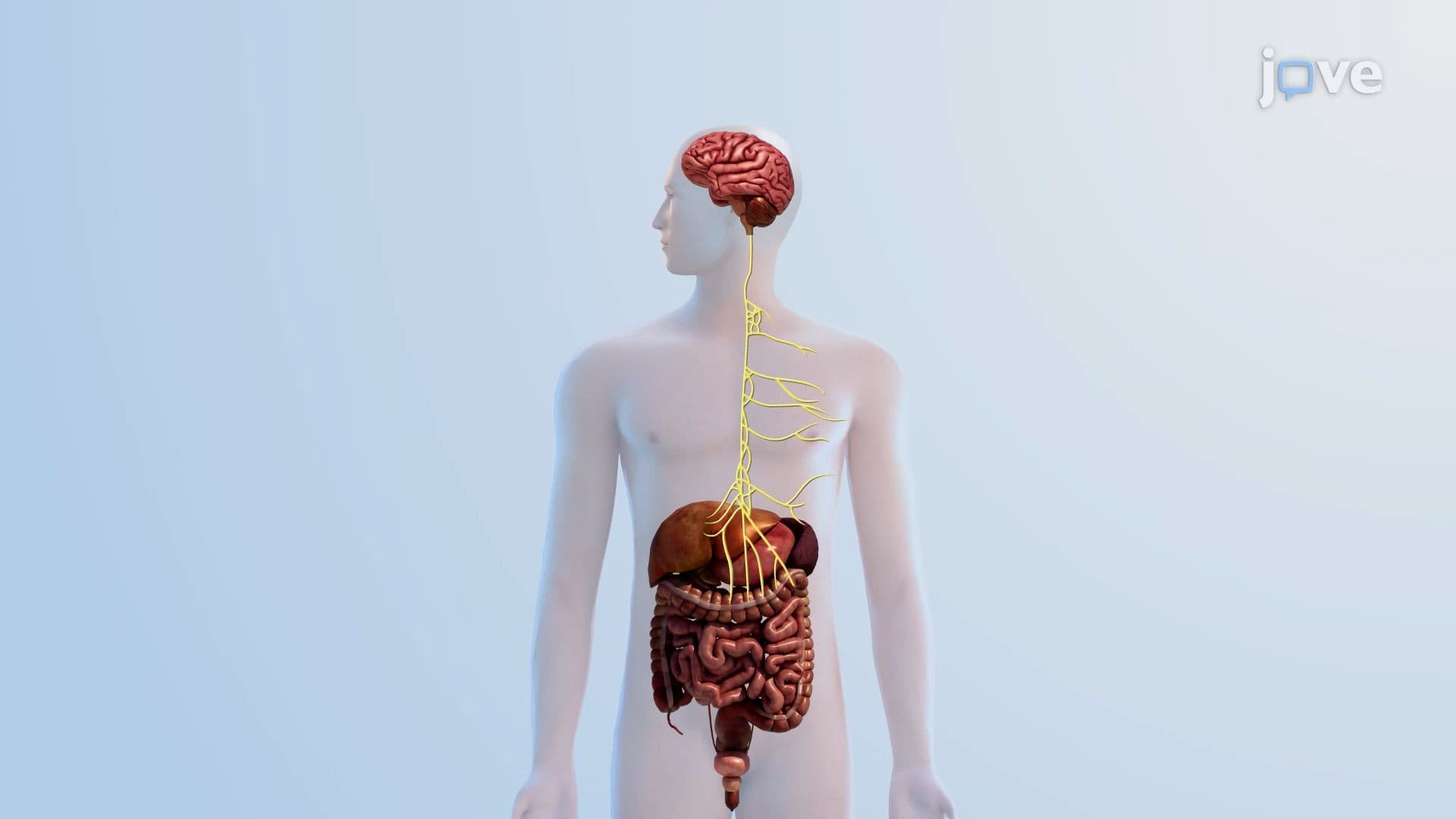
The ileum, the final and longest segment of the small intestine, represents a pivotal transition zone. Here, pH shifts to slightly alkaline, and oxygen availability decreases, creating conditions that support both facultative and obligate anaerobes. Notable genera include *Bacteroides* and *Clostridium*, as well as members of the Enterobacteriaceae family. This is also where immune interactions with the microbiome become most active, Peyer's patches in the ileal wall monitor luminal bacteria and help calibrate immune responses. Research from institutions like Stanford and the Broad Institute has highlighted the ileum's role in connecting gut microbial activity to broader health outcomes, including immune regulation and the gut-brain axis.
Understanding the normal microbiota of the stomach and small intestine is foundational for grasping larger concepts like how the microbiome affects immunity, how diet affects the gut microbiome, and the emerging field of the human virome. When normal flora is disrupted, through antibiotic use, illness, or dietary extremes, dysbiosis can result, contributing to conditions like small intestinal bacterial overgrowth (SIBO), inflammatory bowel disease, and even mood disorders via the gut-brain axis. Probiotics and prebiotics are increasingly studied and marketed in the US as tools to restore microbial balance, making this concept directly relevant to both clinical practice and everyday health decisions.
Related Micro-courses