Loading video…

 16 Concepts
 5K views
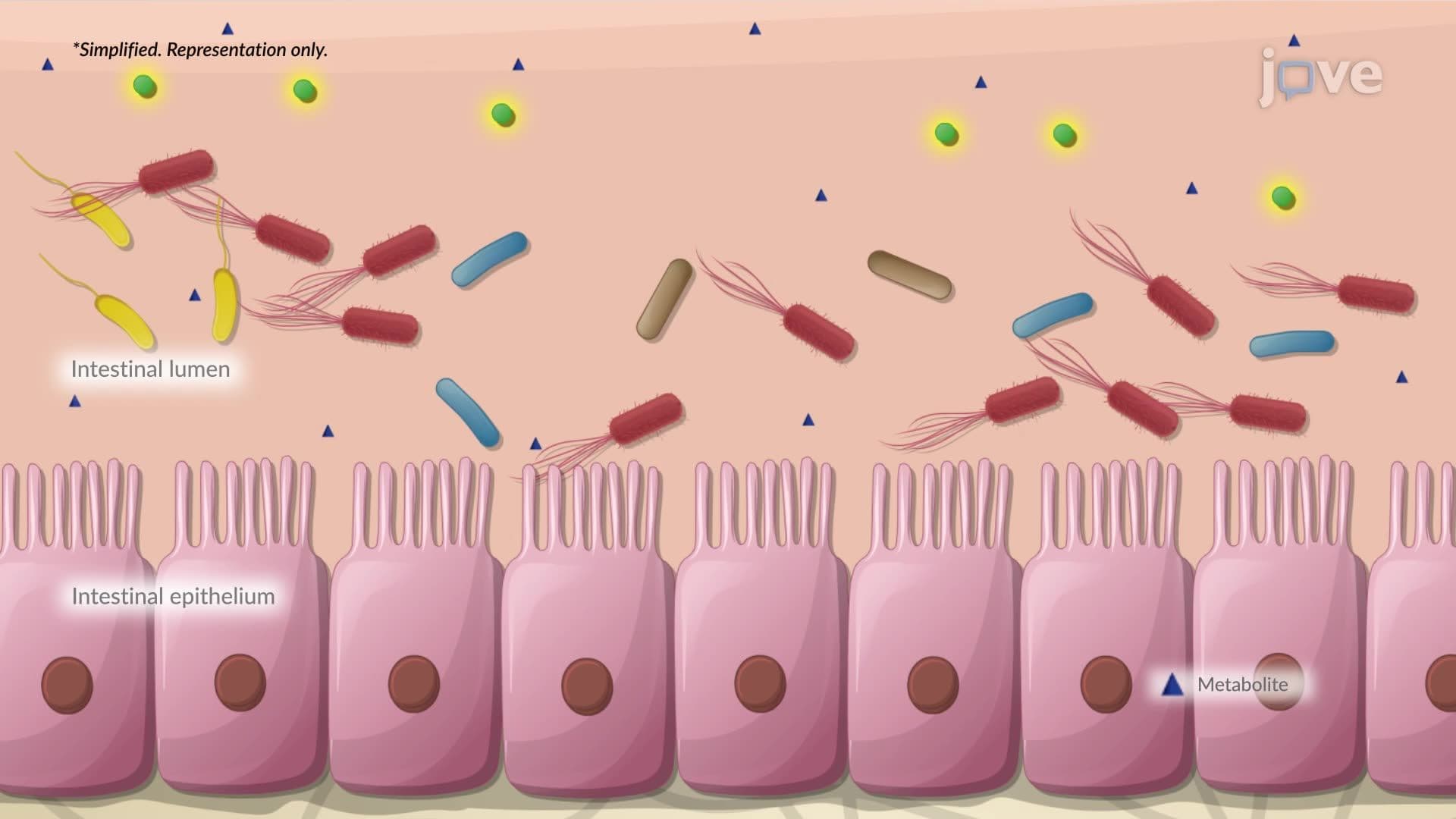

Video Summary: Dysbiosis of the Gut Microbiota Explained
Your gut houses trillions of microbes, and when that community falls apart, the consequences reach far beyond your digestive tract. Dysbiosis of the gut microbiota describes this dangerous imbalance, where harmful bacteria overtake beneficial ones. Consider how C. difficile infections spike in US hospitals after antibiotic use, a textbook real-world example. Watch the full video on JoVE Coach to master this concept with expert-led visuals and step-by-step explanations.
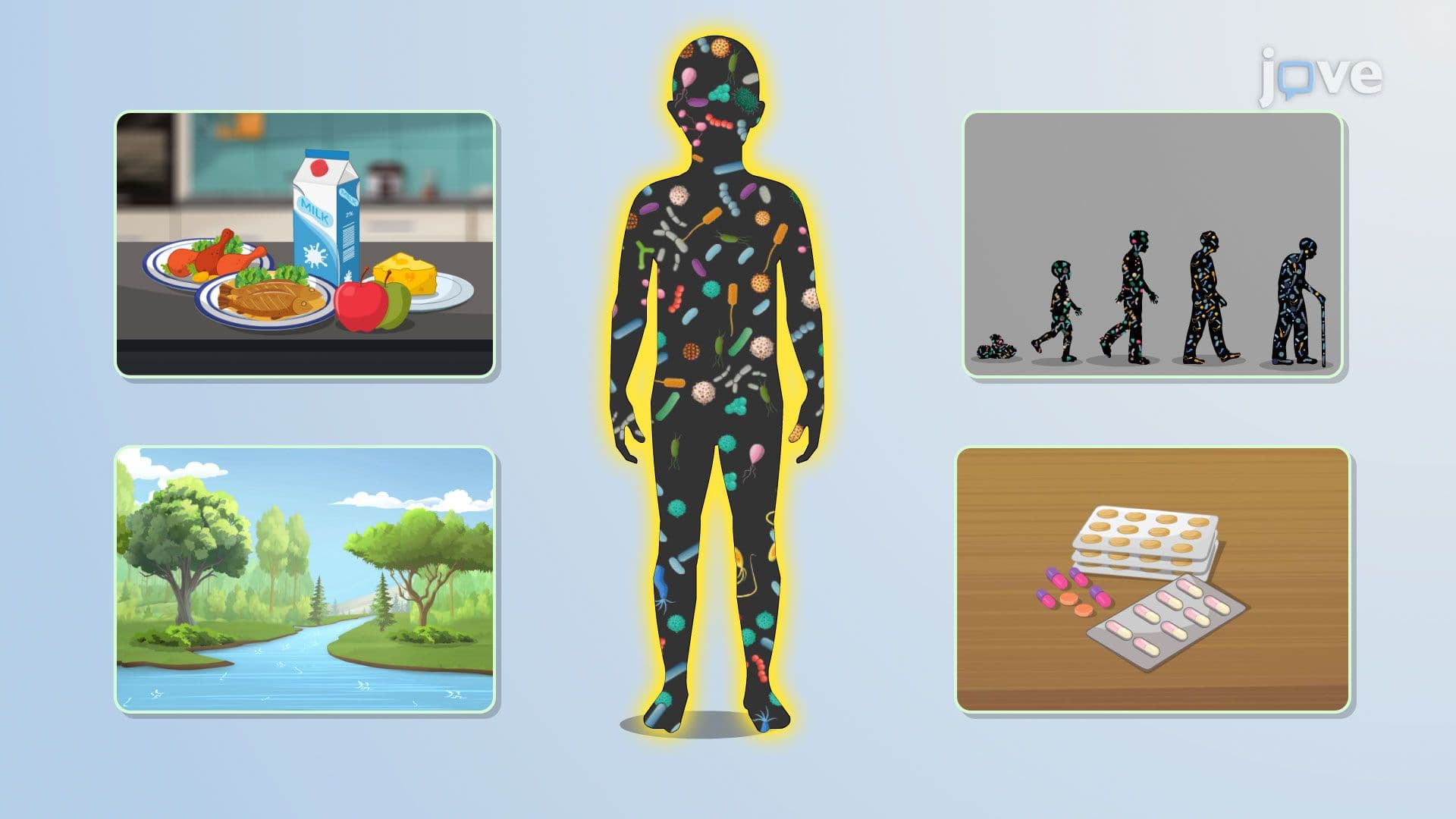
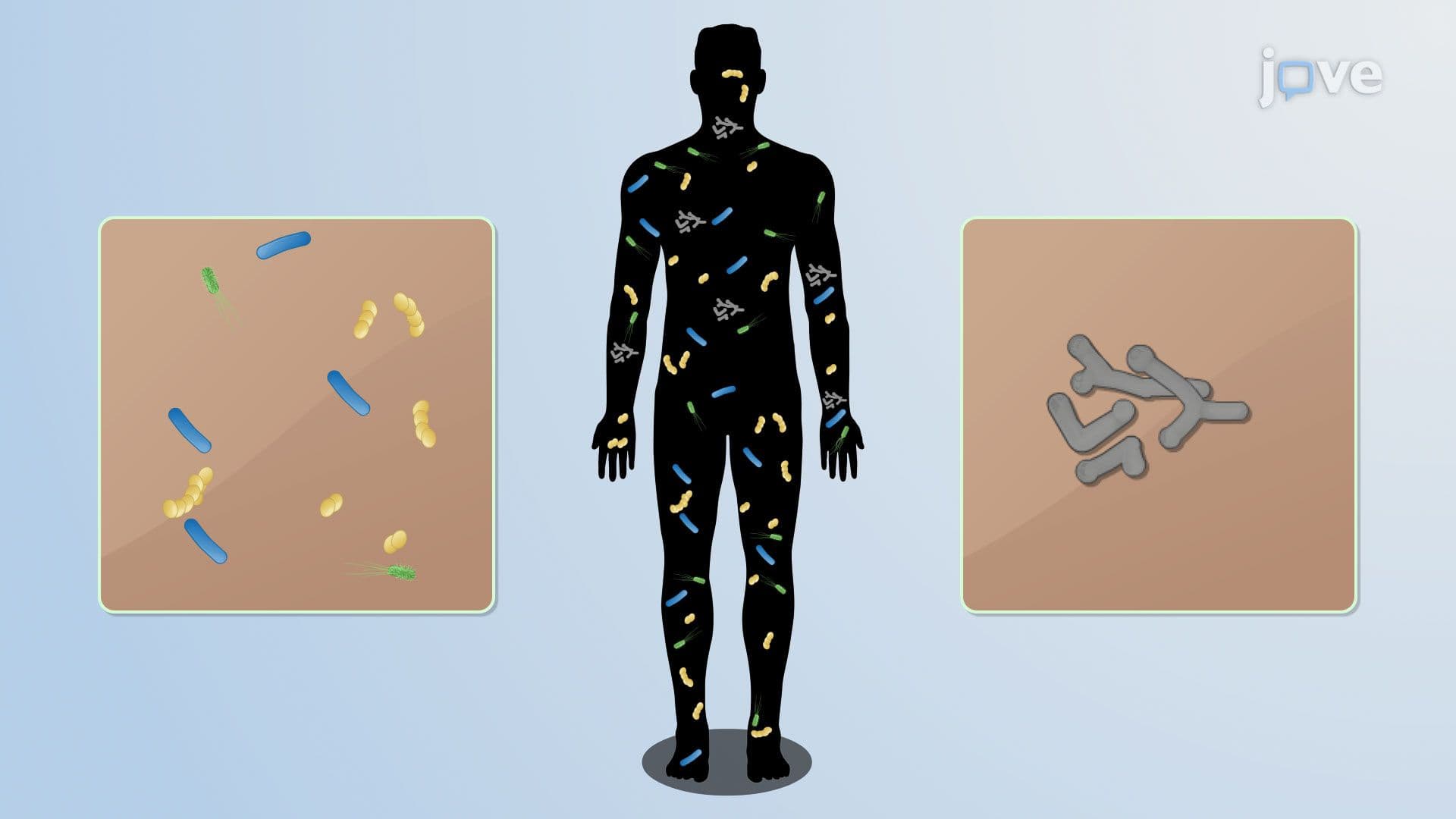
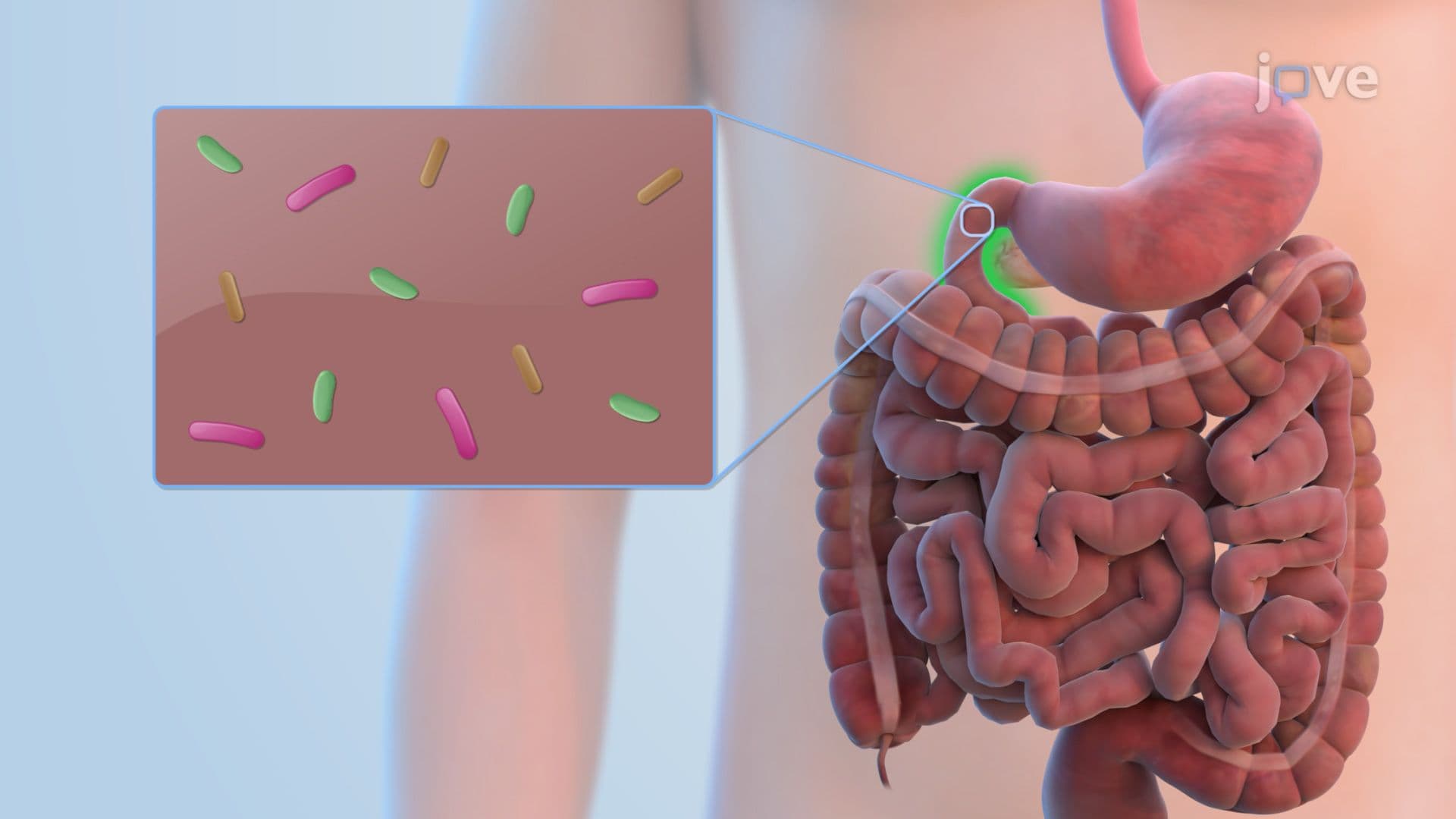
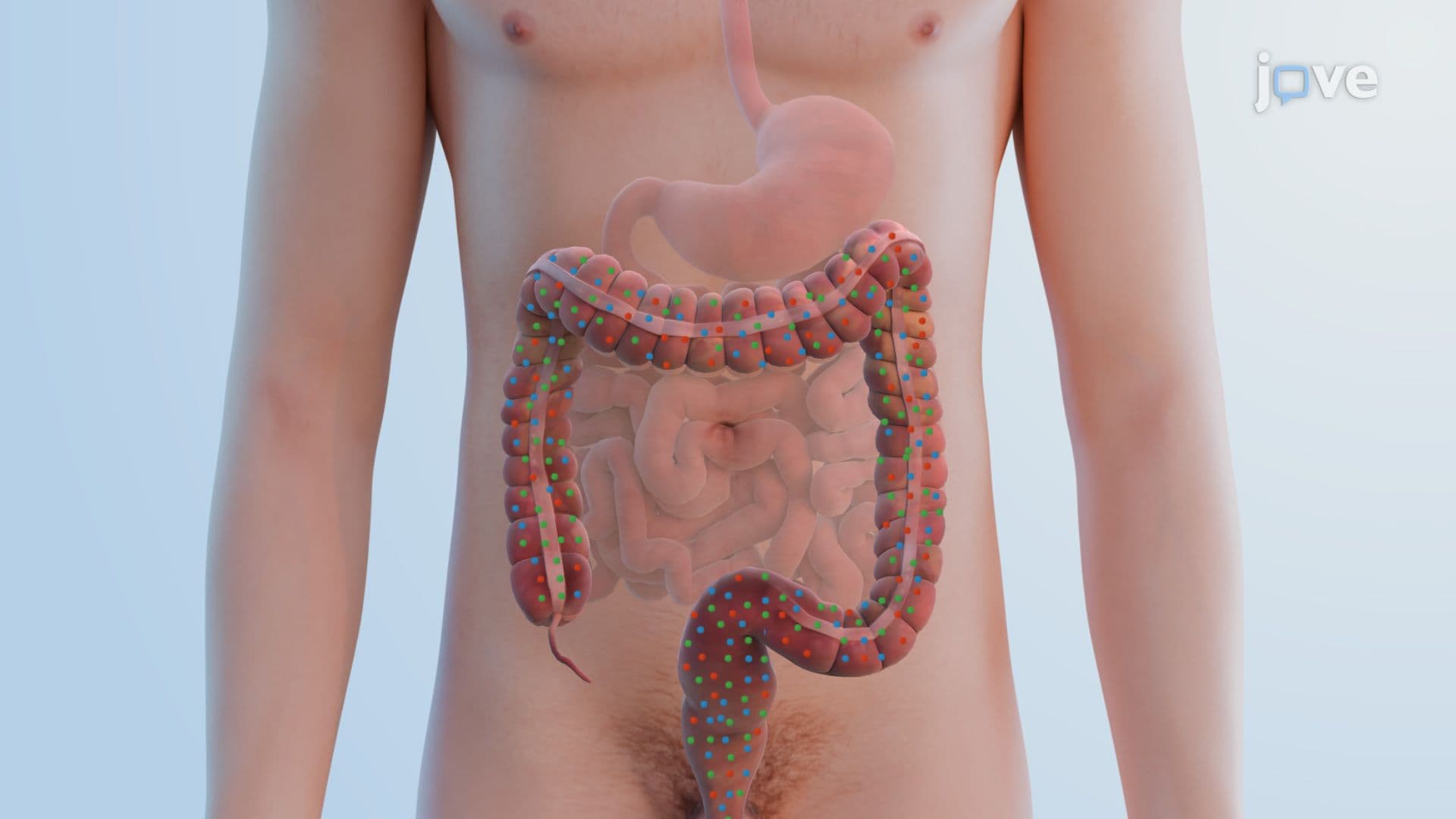
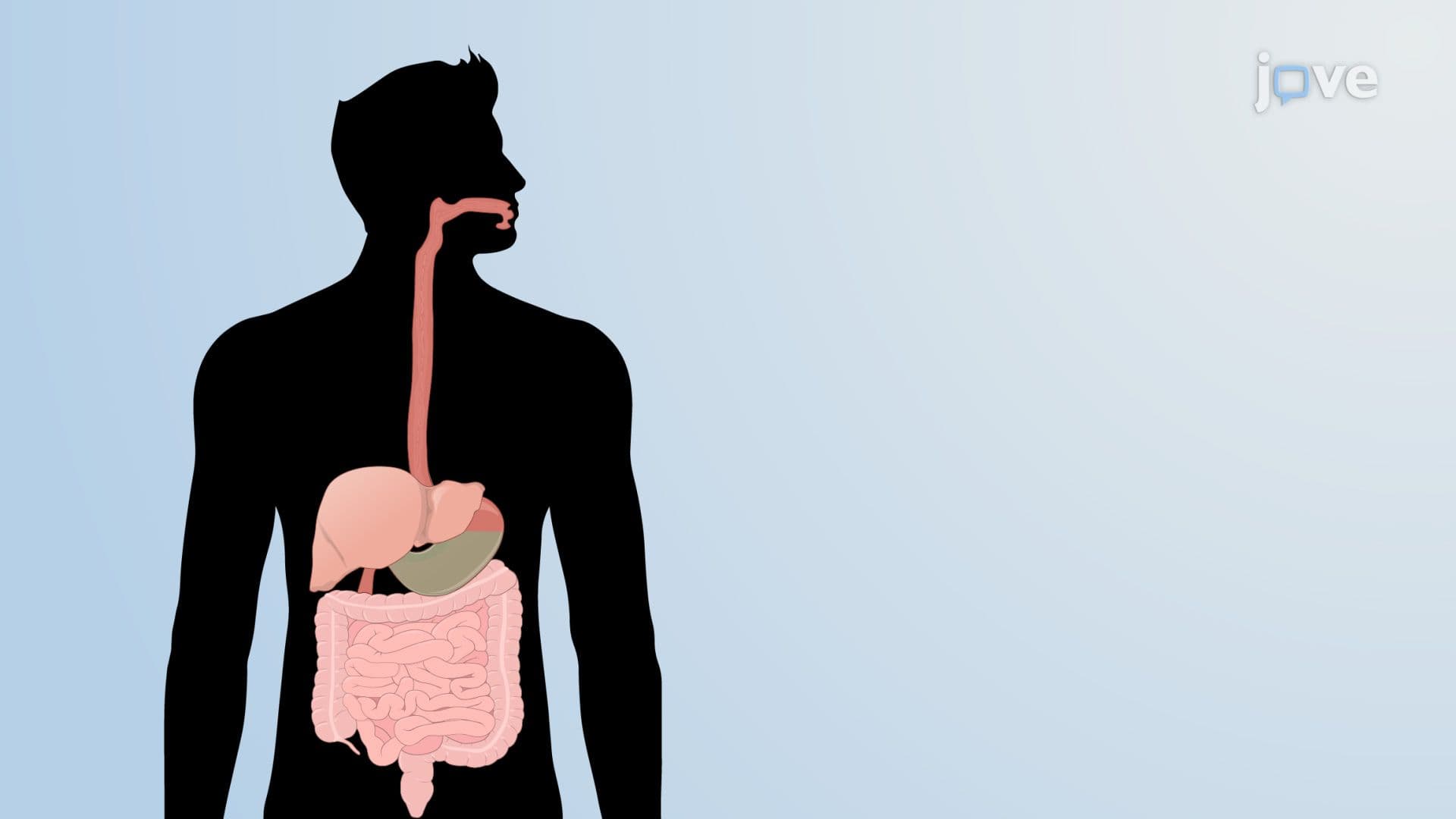
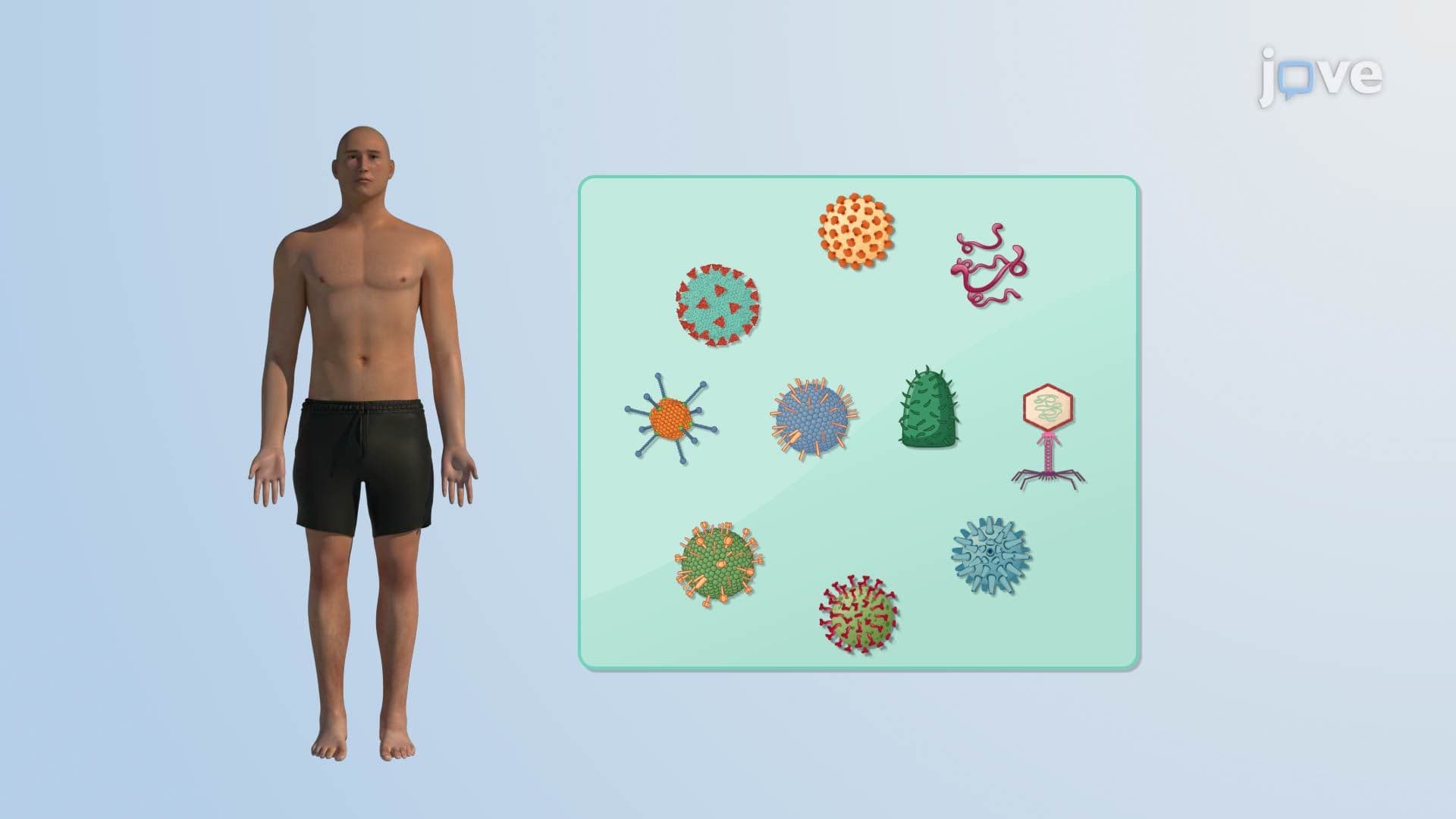
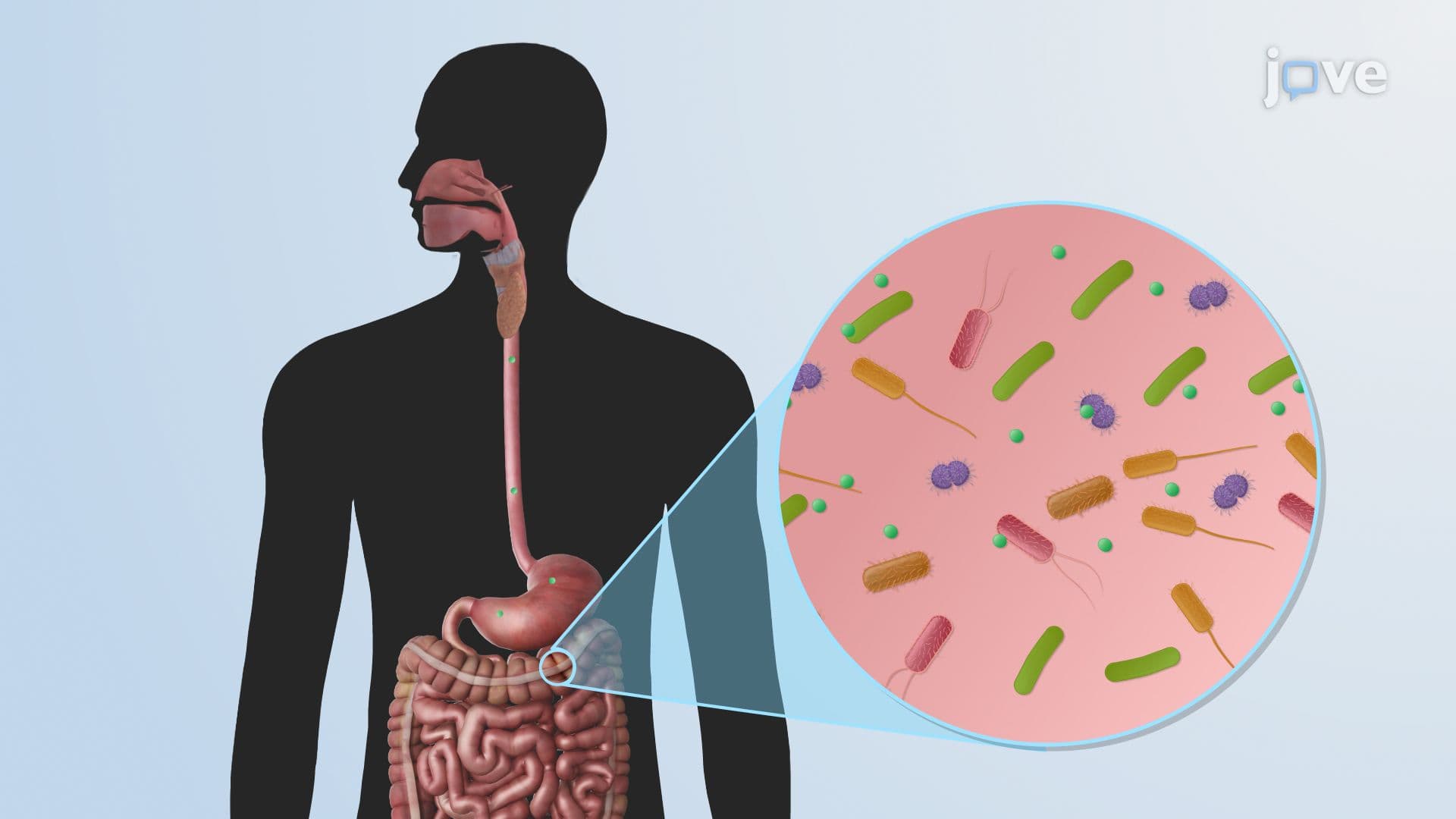
The human gut is home to an estimated 38 trillion microbial cells, bacteria, fungi, viruses, and archaea, collectively known as the gut microbiota. Under healthy conditions, this ecosystem maintains a stable ratio of beneficial organisms (your normal flora) to low-level opportunistic pathogens. When this ratio tips unfavorably, the result is dysbiosis of the gut microbiota: a state of reduced microbial diversity and the unchecked overgrowth of harmful species. Understanding this imbalance is foundational in biology, microbiology, and health science courses from AP Biology to college-level anatomy and physiology.
Several factors can destabilize the gut microbiome. Broad-spectrum antibiotics are among the most well-documented culprits, they eliminate beneficial bacteria indiscriminately, creating an ecological vacuum that pathogens rapidly fill. In the United States, *Clostridioides difficile* (C. diff) infections affect nearly half a million Americans annually, largely as a consequence of antibiotic-driven dysbiosis in hospital and long-term care settings. Beyond antibiotics, a Western-style diet high in processed foods and low in dietary fiber significantly reduces the abundance of fiber-fermenting beneficial bacteria. Chronic stress, sedentary lifestyles, and repeated infections also impair microbial stability. These real-world triggers make dysbiosis a highly relevant topic in both clinical medicine and public health discussions.
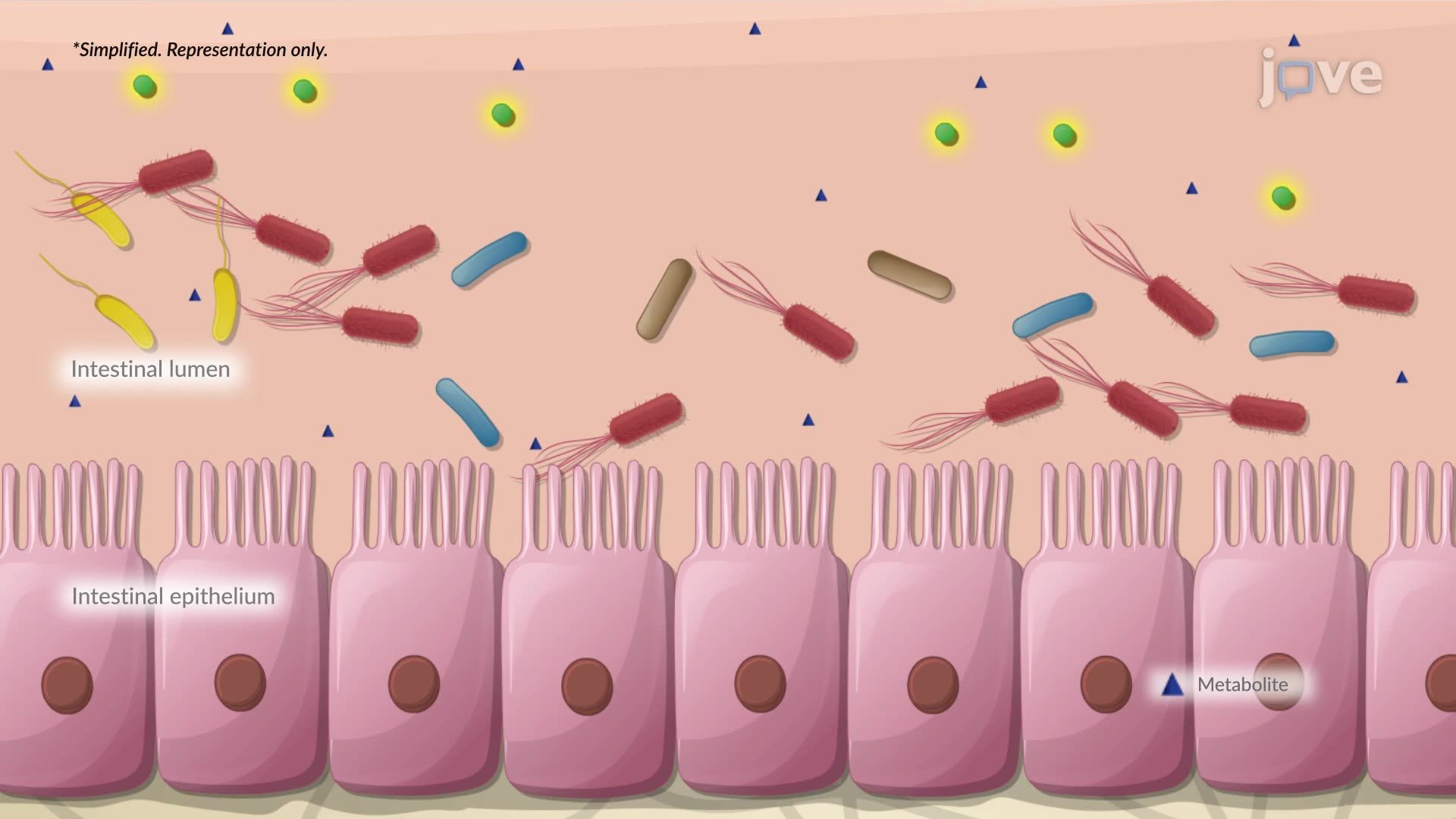
Once dysbiosis takes hold, the gut's protective metabolite production declines. Healthy microbes normally generate short-chain fatty acids (SCFAs) like butyrate, which fuel intestinal epithelial cells and reinforce tight junction proteins, the molecular "seals" between gut cells. Without adequate SCFA production, tight junctions weaken, and intestinal permeability increases. This condition, often called "leaky gut," allows bacterial components, particularly lipopolysaccharides (LPS), found in the outer membrane of gram-negative bacteria, to cross into the bloodstream. Once circulating, LPS binds to innate immune receptors (such as TLR-4), triggering a pro-inflammatory signaling cascade. The result is systemic low-grade inflammation, which has been associated with insulin resistance, atherosclerosis, and metabolic syndrome in observational and experimental studies conducted across major US research institutions, including the NIH and Harvard School of Public Health.
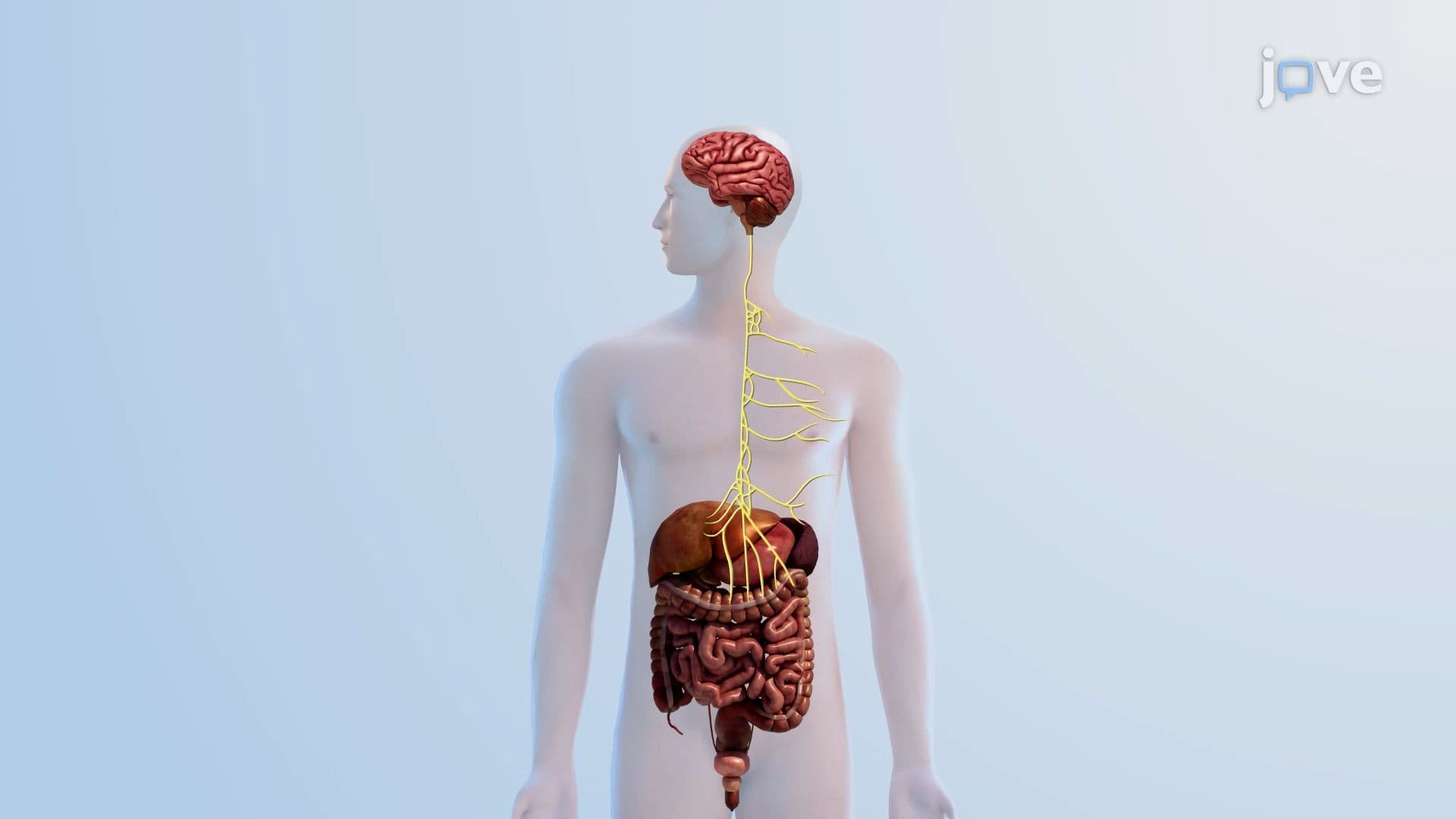
The role of the microbiome in health and disease extends well beyond the gut. Through the gut-brain axis, a bidirectional communication network involving the vagus nerve, enteric nervous system, and microbial metabolites, dysbiosis has been linked to altered mood, anxiety, and cognitive function in emerging research. Immunologically, the gut microbiota plays a critical role in training and modulating both innate and adaptive immune responses. When dysbiosis disrupts this training, immune tolerance may break down, contributing to allergic and autoimmune conditions. For students preparing for the MCAT or AP Biology exam, understanding how diet affects the gut microbiome, and how those changes ripple into immune and metabolic outcomes, reflects high-yield systems biology thinking. Probiotics (live beneficial organisms) and prebiotics (fermentable fibers that feed them) represent active areas of clinical investigation as strategies to restore a healthy microbial balance, though evidence for specific therapeutic applications continues to evolve.
Related Micro-courses