Loading video…

 16 Concepts
 5K views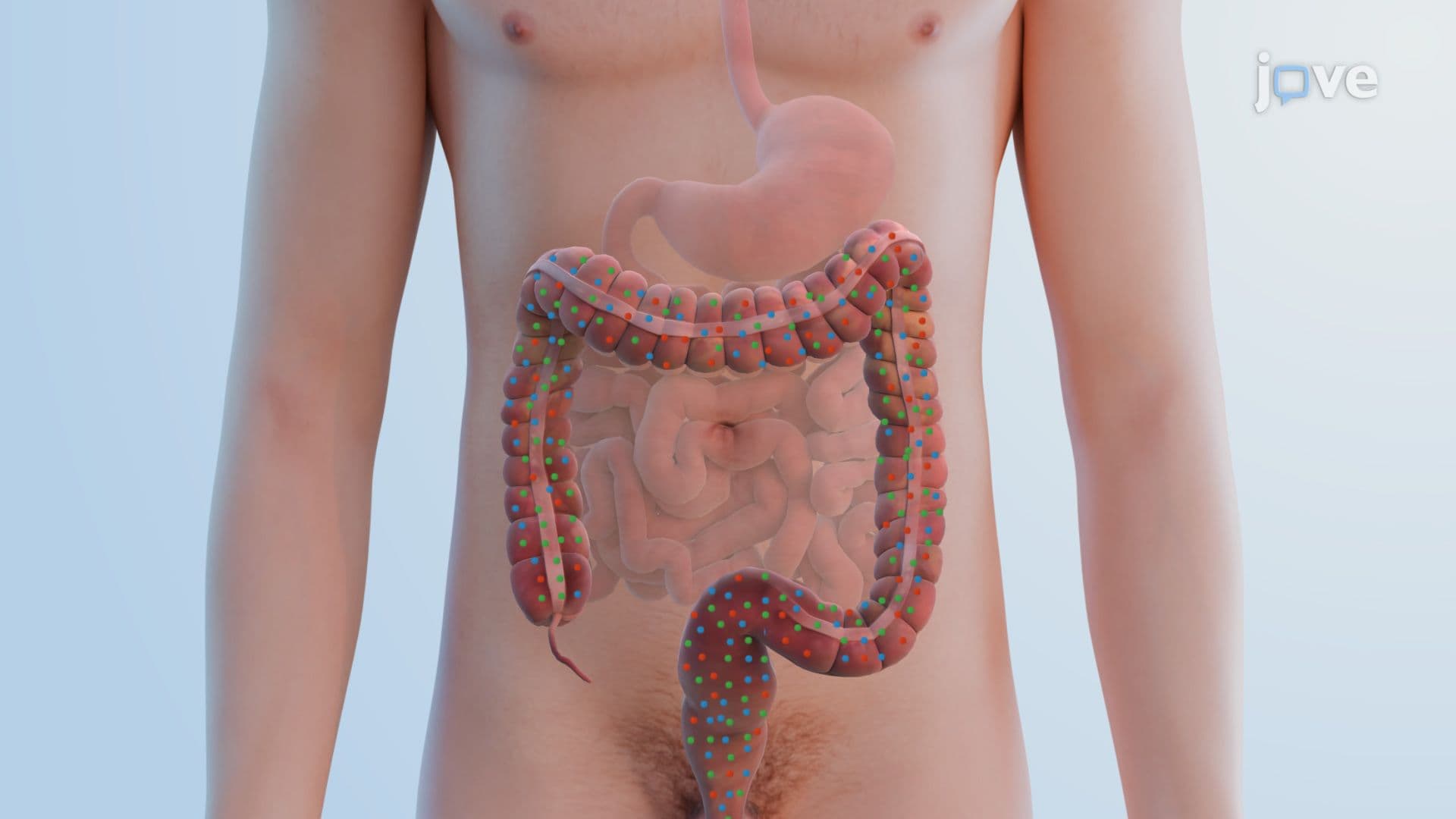

Video Summary: Microbiota of the Large Intestine Explained
Did you know your large intestine houses trillions of microbes, more than any other part of your body? Understanding the microbiota of the large intestine is key to grasping how your gut keeps you healthy. From fiber-fermenting bacteria in the colon to methane-producing archaea, these communities shape digestion and immunity. US gastroenterology research continues to uncover how disrupting this balance triggers disease. Watch the full video on JoVE Coach to master this concept with expert-led visuals and step-by-step explanations.
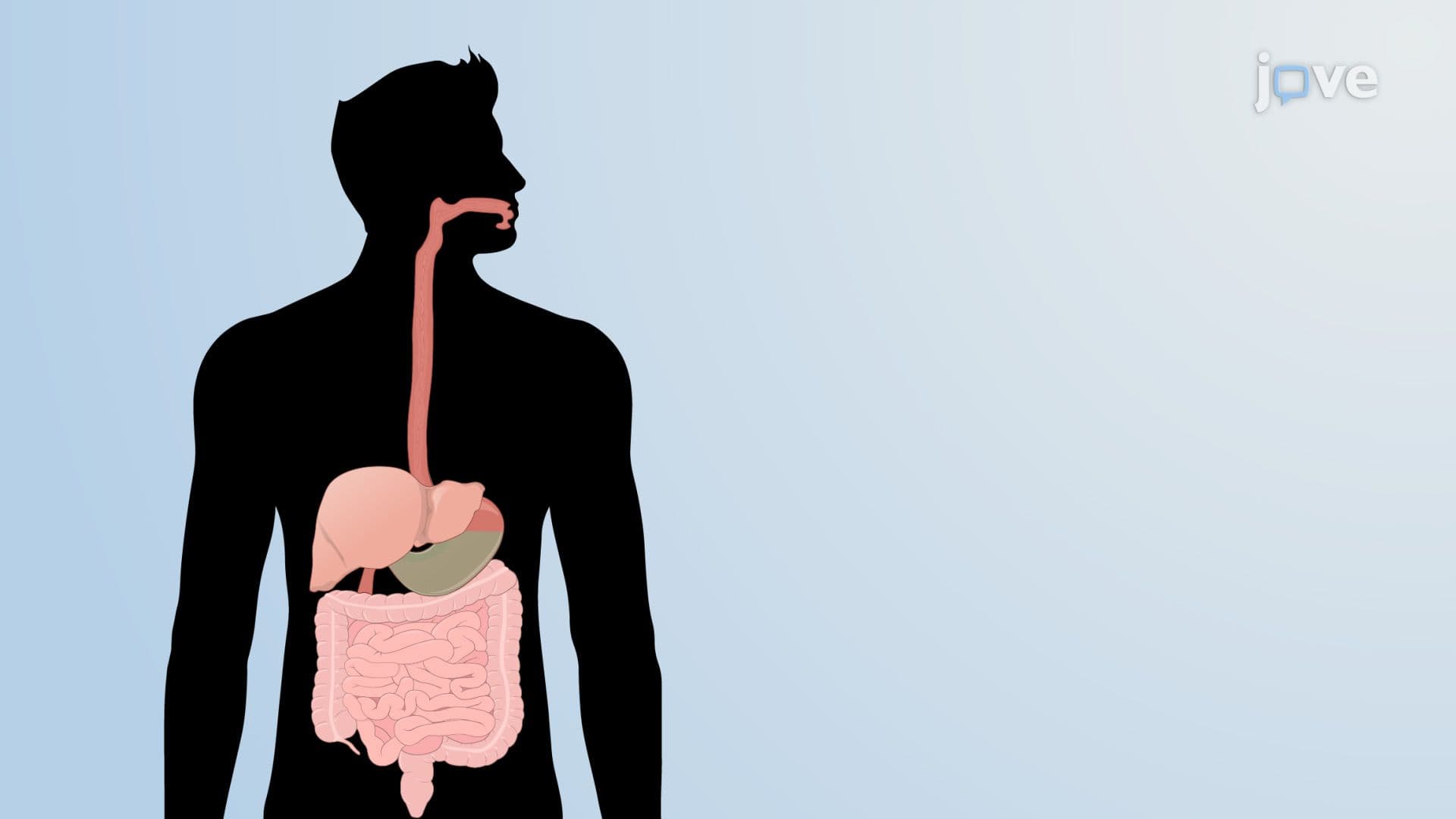
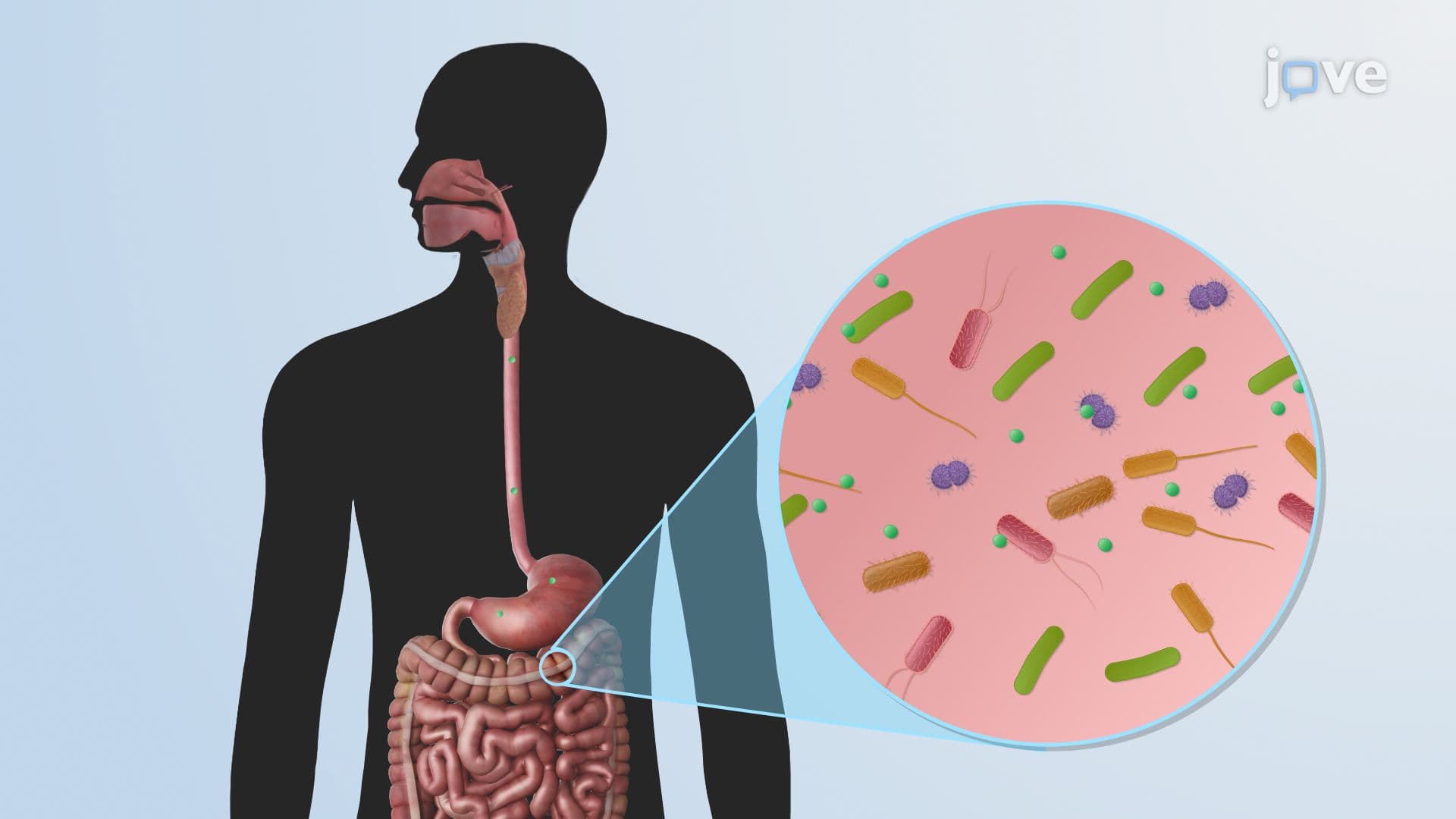
The large intestine is far more than a waste-processing tube, it is one of the most densely populated microbial ecosystems on Earth. The microbiota of the large intestine refers to the trillions of microorganisms, bacteria, archaea, and fungi, that colonize this organ and perform functions essential to human survival. Understanding this system is a core topic in AP Biology, college-level microbiology, and pre-med courses across the United States.
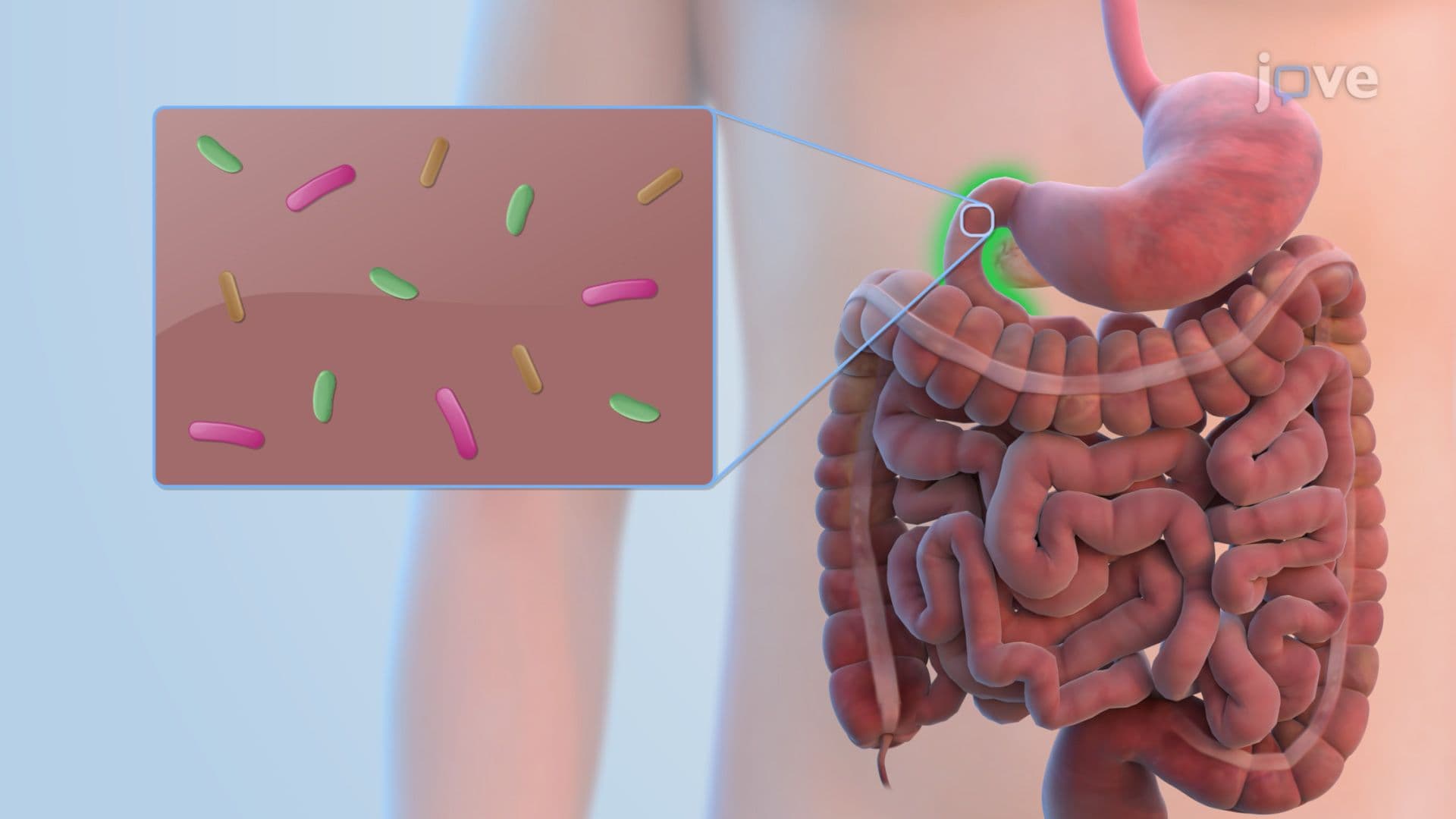
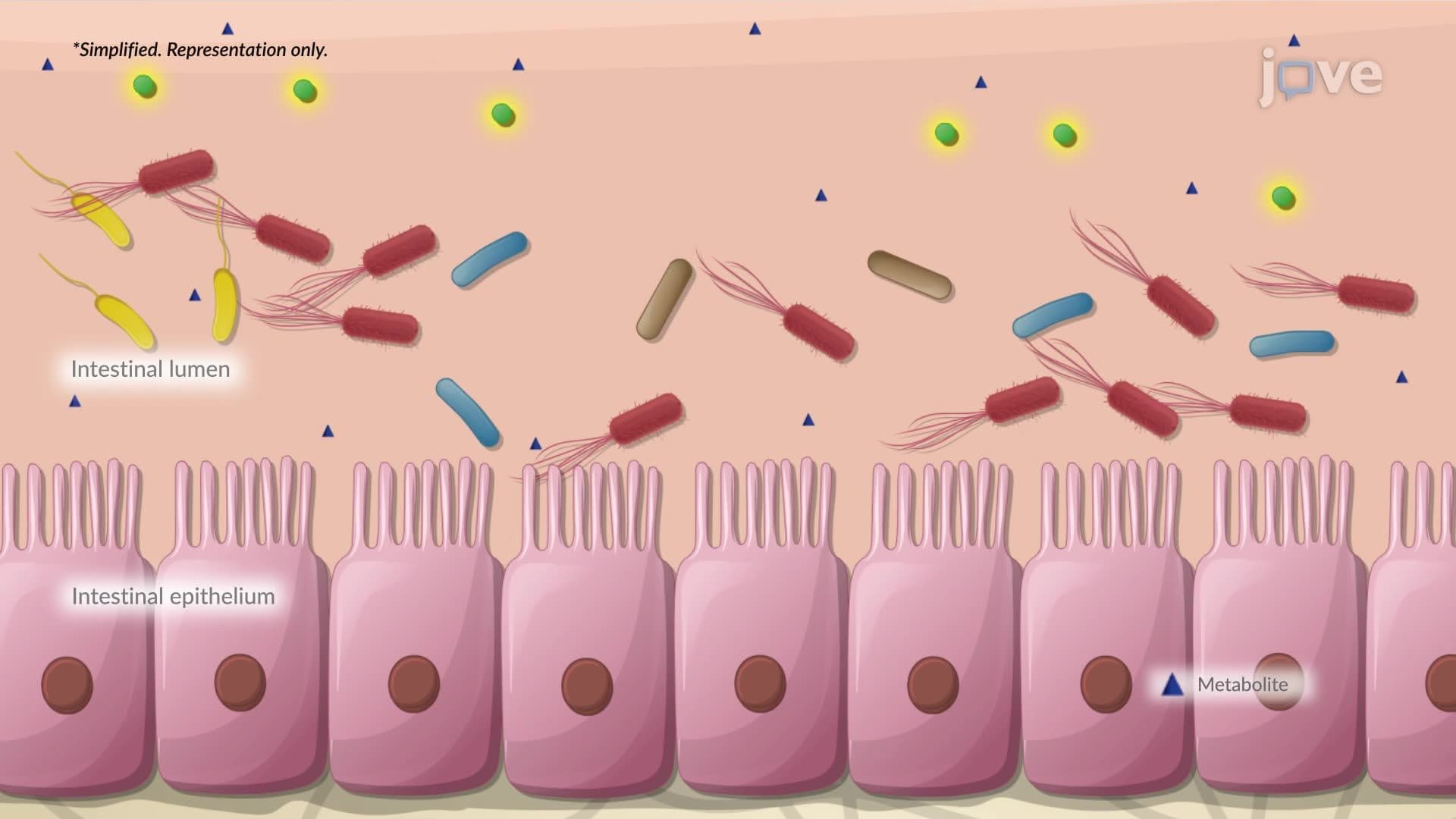
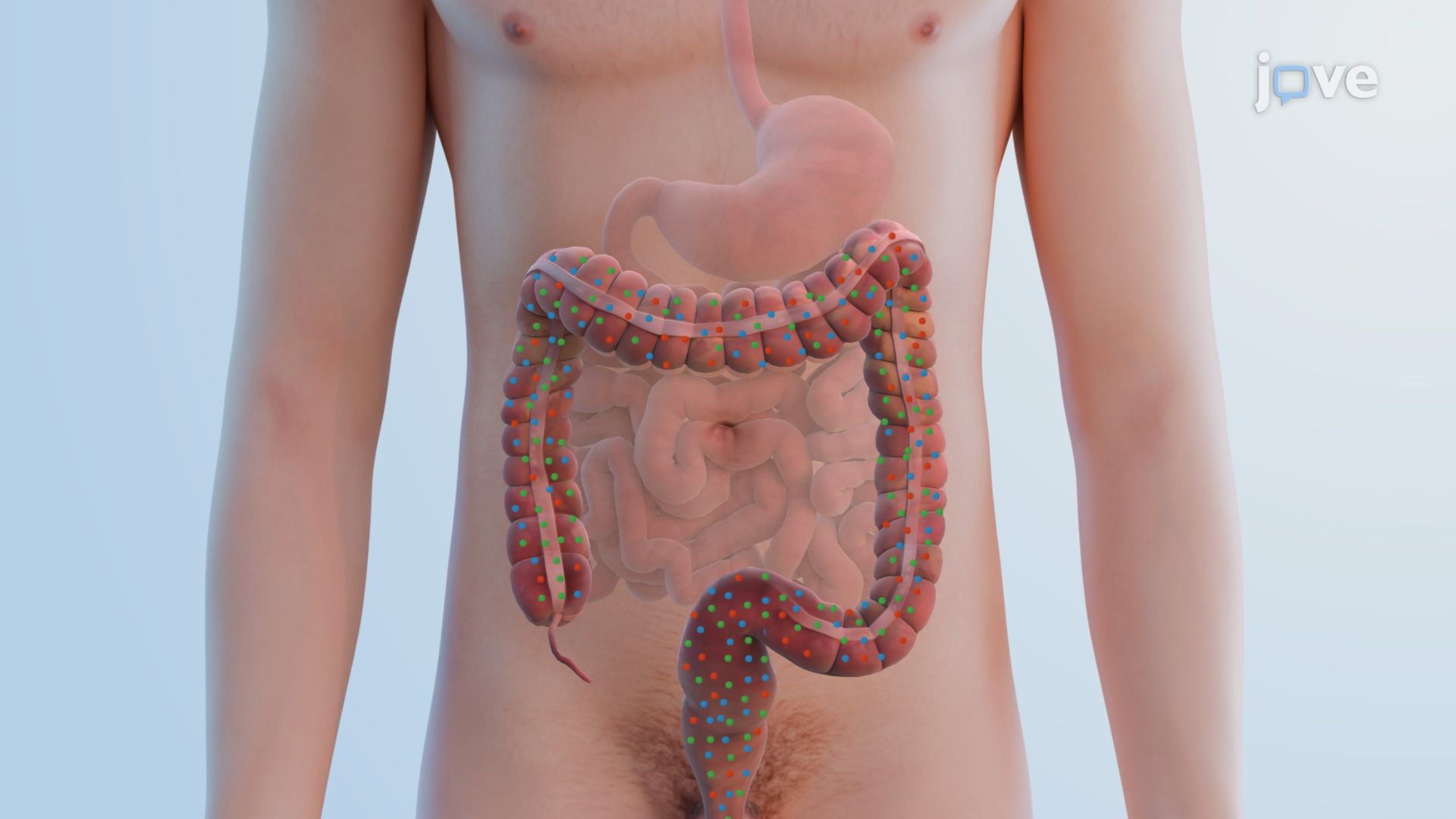
Microbial communities in the large intestine are not uniformly distributed. The cecum, the first section, contains facultative anaerobes, organisms that can survive with or without oxygen. Genera like *Escherichia* and *Enterococcus* thrive here, alongside aerotolerant bacteria like *Lactobacillus*, which are also commonly found in probiotic supplements sold across US pharmacies.
Moving into the proximal colon, oxygen becomes scarce and strict anaerobes dominate. *Bacteroides* and *Clostridium* are especially active here, breaking down complex dietary fibers that the stomach and small intestine cannot digest. This fermentation process is not merely waste management, it produces short-chain fatty acids (SCFAs) like acetate, propionate, and butyrate, which serve as energy sources for both gut cells and the broader body.
The distal colon hosts strict anaerobes such as *Ruminococcus* and *Faecalibacterium prausnitzii*, one of the most abundant and health-associated bacteria in the human gut. These bacteria are the primary producers of butyrate, a fatty acid that nourishes colonocytes (the cells lining your colon), reduces inflammation, and may help protect against colorectal cancer. Research from institutions like the Broad Institute and the Human Microbiome Project has highlighted *F. prausnitzii* as a key marker of gut health.
The gut ecosystem extends beyond bacteria. Methanogenic archaea, particularly *Methanobrevibacter smithii*, consume the hydrogen gas produced during fermentation and convert it into methane, preventing gas buildup and improving overall fermentation efficiency. Without these archaea, metabolic byproducts would accumulate and disrupt the microbial balance.
Fungi, especially *Candida* species, exist in low abundance and assist in carbohydrate metabolism. While their role is minor compared to bacteria under normal conditions, fungal overgrowth, often triggered by antibiotic use, can contribute to dysbiosis, an imbalance in the normal flora that is linked to conditions ranging from irritable bowel syndrome (IBS) to Crohn's disease, both of which are significant public health concerns in the US.
Diet is one of the most powerful regulators of gut microbiome composition. A high-fiber diet feeds beneficial fermenters like *Faecalibacterium*, while a diet high in processed foods depletes microbial diversity. This is a frequently tested concept in college nutrition and physiology courses and appears on the MCAT in the context of gastrointestinal physiology.
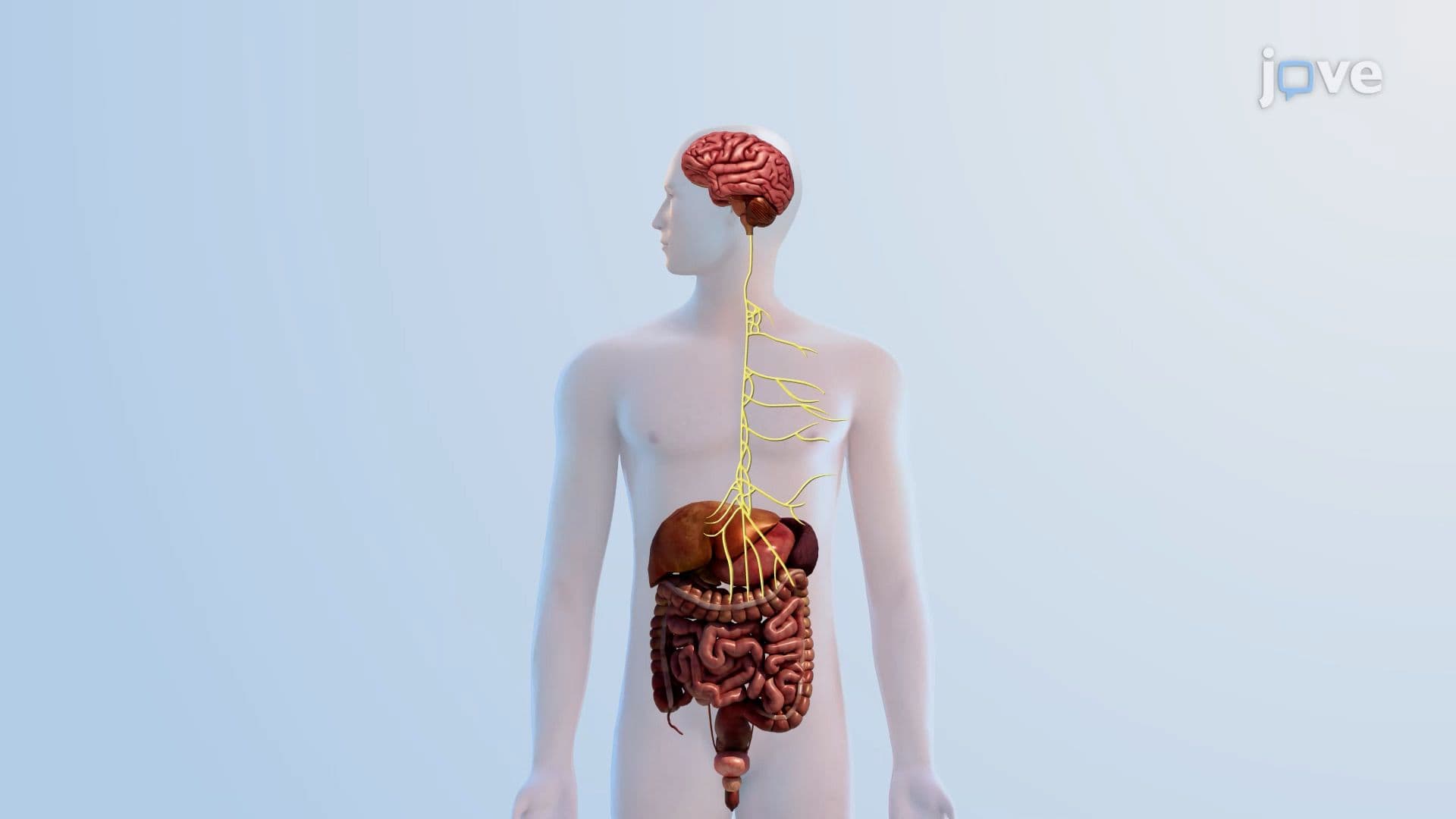
The microbiome also plays a central role in immunity, approximately 70% of the immune system resides in the gut. Beyond that, the gut-brain axis describes a bidirectional communication network between gut microbes and the central nervous system, influencing mood, cognition, and stress response. Probiotics and prebiotics are practical tools used to support microbial health: probiotics introduce beneficial live bacteria, while prebiotics (like inulin found in foods such as garlic and onions) feed the existing beneficial flora.
Related Micro-courses