Loading video…

 16 Concepts
 5K views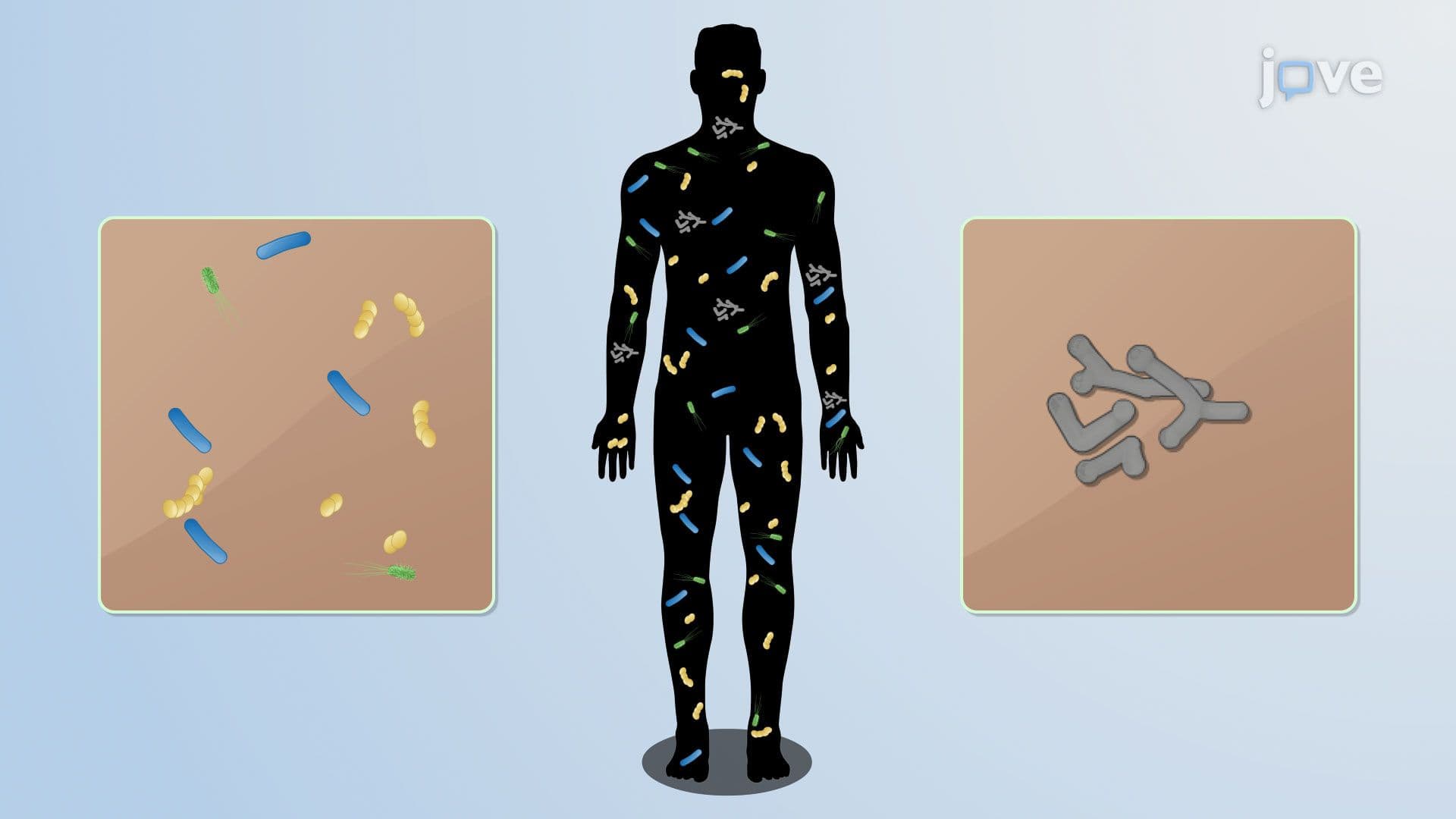

Video Summary: What Is the Skin Microbiota
Your skin is home to trillions of microbes, and that's actually a good thing. The skin microbiota, also known as the skin microbiome, is a complex ecosystem of bacteria and fungi that actively protect your body from harmful pathogens. For example, the bacterium *Staphylococcus epidermidis*, found on the forearms of Americans every day, produces natural antimicrobial peptides that fight off dangerous invaders. Watch the full video on JoVE Coach to master this concept with expert-led visuals and step-by-step explanations.
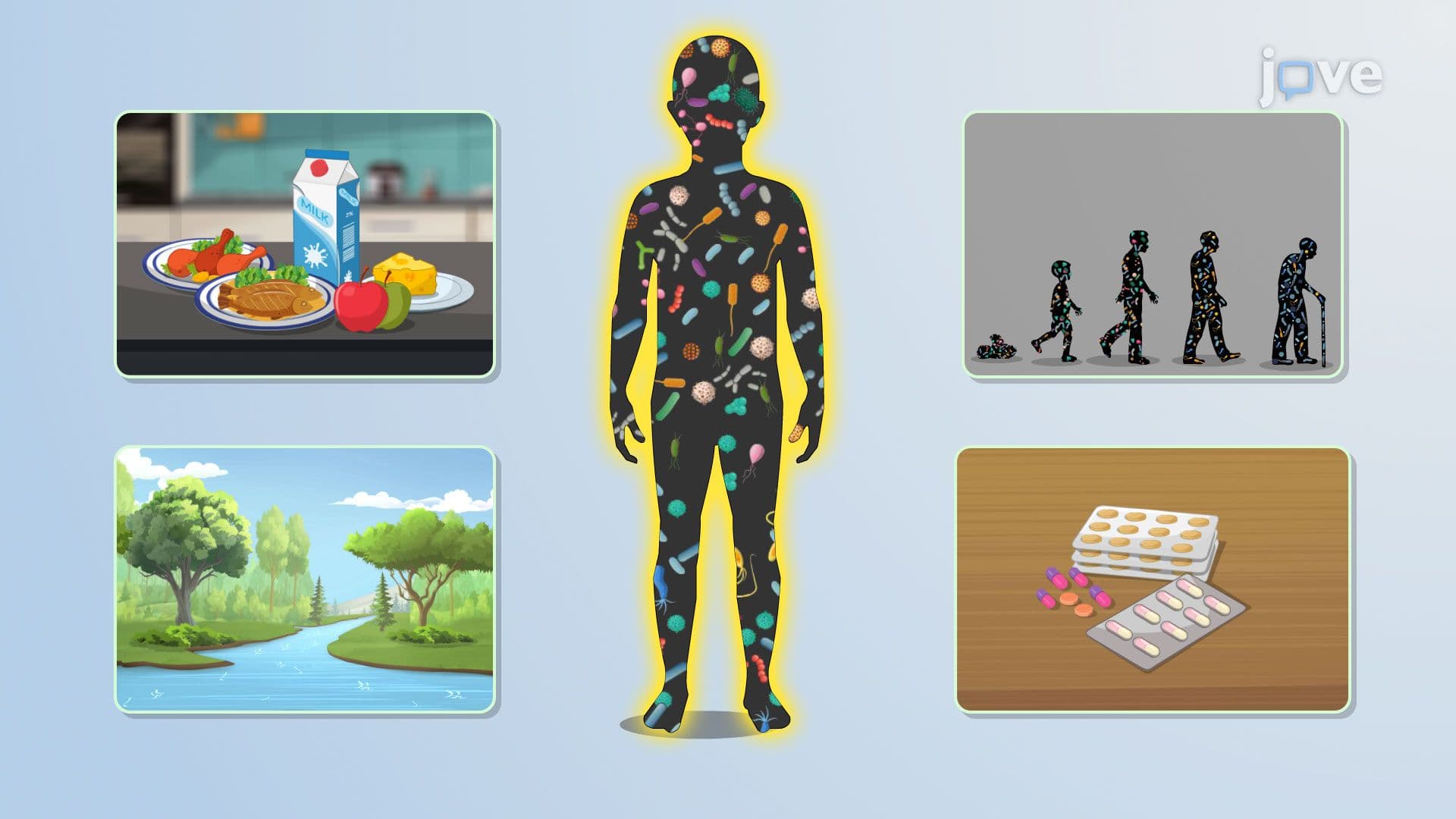
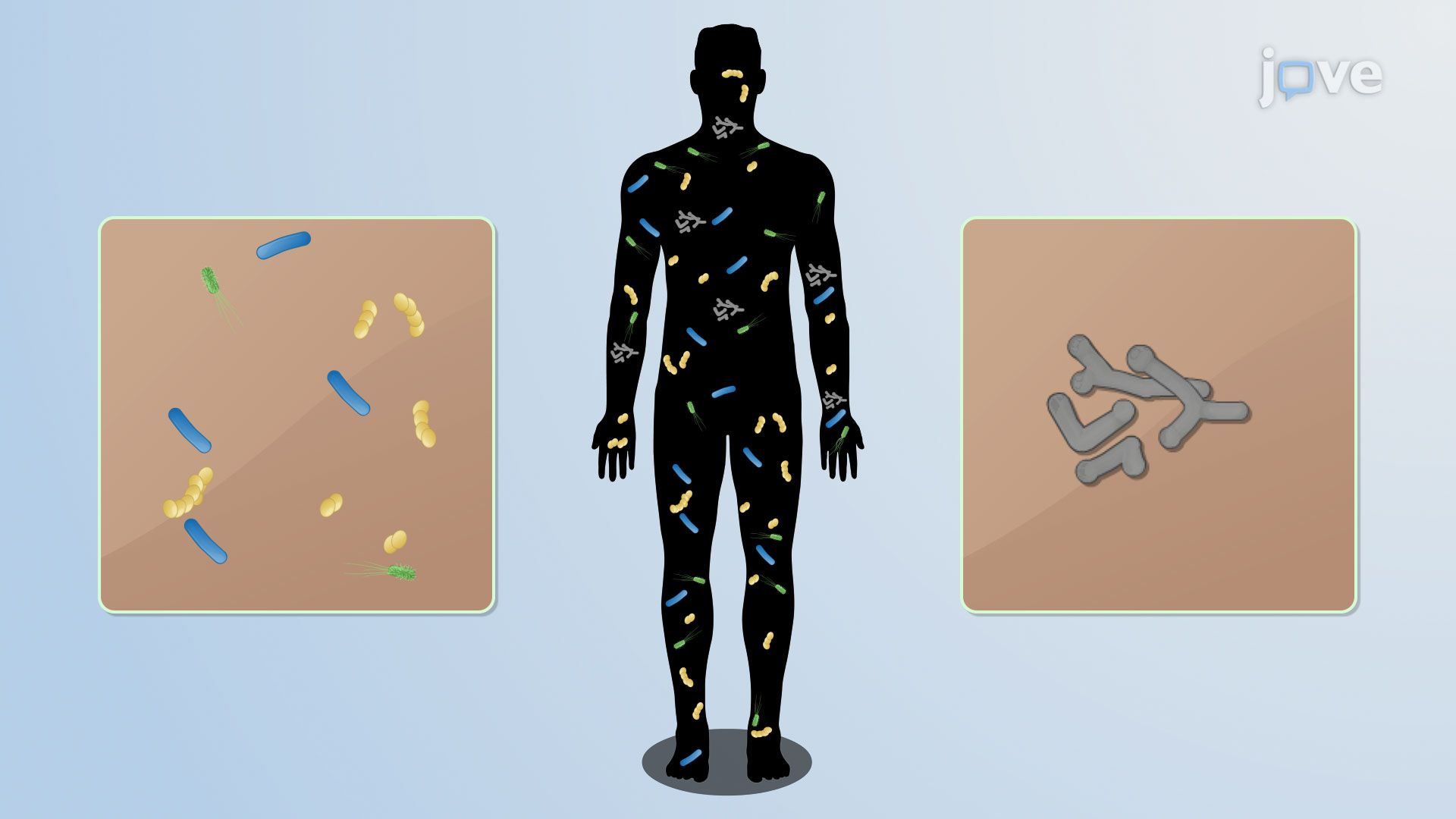
The skin is the human body's largest organ, and it is far from sterile. The skin microbiota refers to the diverse, dynamic community of microorganisms, primarily bacteria and fungi, that permanently reside on and within the layers of human skin. Rather than being harmful passengers, these microbes form a carefully balanced ecosystem that serves as a frontline defense against infection, inflammation, and disease. Understanding this concept is foundational in microbiology, immunology, and even dermatology courses at the AP Biology and college undergraduate levels.
Not all skin is created equal. The microbiota of the forehead differs dramatically from that of the forearm, and for good reason. Oily regions like the forehead and nose are rich in sebaceous glands that secrete sebum, a lipid-rich substance that *Cutibacterium acnes* uses as a food source. As a byproduct of this metabolism, the bacteria produce propionic acid, which acidifies the skin's surface and creates a hostile environment for dangerous pathogens. This is a classic example of competitive exclusion in action, a concept frequently tested on AP Biology exams and college microbiology midterms.
Moist, sebum-rich areas like the scalp support not only bacteria but also fungi. *Malassezia furfur*, a lipid-dependent yeast, thrives in these environments. In genetically susceptible individuals, a significant portion of the US population experiences this, the immune system mounts an inflammatory response to fungal metabolites, which is the underlying mechanism behind dandruff. This immune-microbe interaction is a high-yield topic in courses covering the role of microbiome in health and disease.
The underarms represent one of the most metabolically active skin microenvironments. Species of *Staphylococci* and *Corynebacteria* dominate here, breaking down components of sweat such as amino acids and lipids. This metabolic activity produces body odor, but these same microbes also release antimicrobial compounds that suppress pathogenic colonization. This dual role illustrates a core principle of normal flora: the resident microbiota protects the host while benefiting from the host's resources.
Dry areas like the forearms host a broader taxonomic range, including members of the phyla Actinobacteriota, Bacteroidota, Pseudomonadota, and Bacillota. Among these, *Staphylococcus epidermidis* stands out for producing bacteriocins, specialized antimicrobial peptides that selectively target harmful bacteria. Researchers at institutions like the University of California San Diego have studied how *S. epidermidis* can suppress *Staphylococcus aureus*, a pathogen linked to serious skin and bloodstream infections common in US hospital settings.
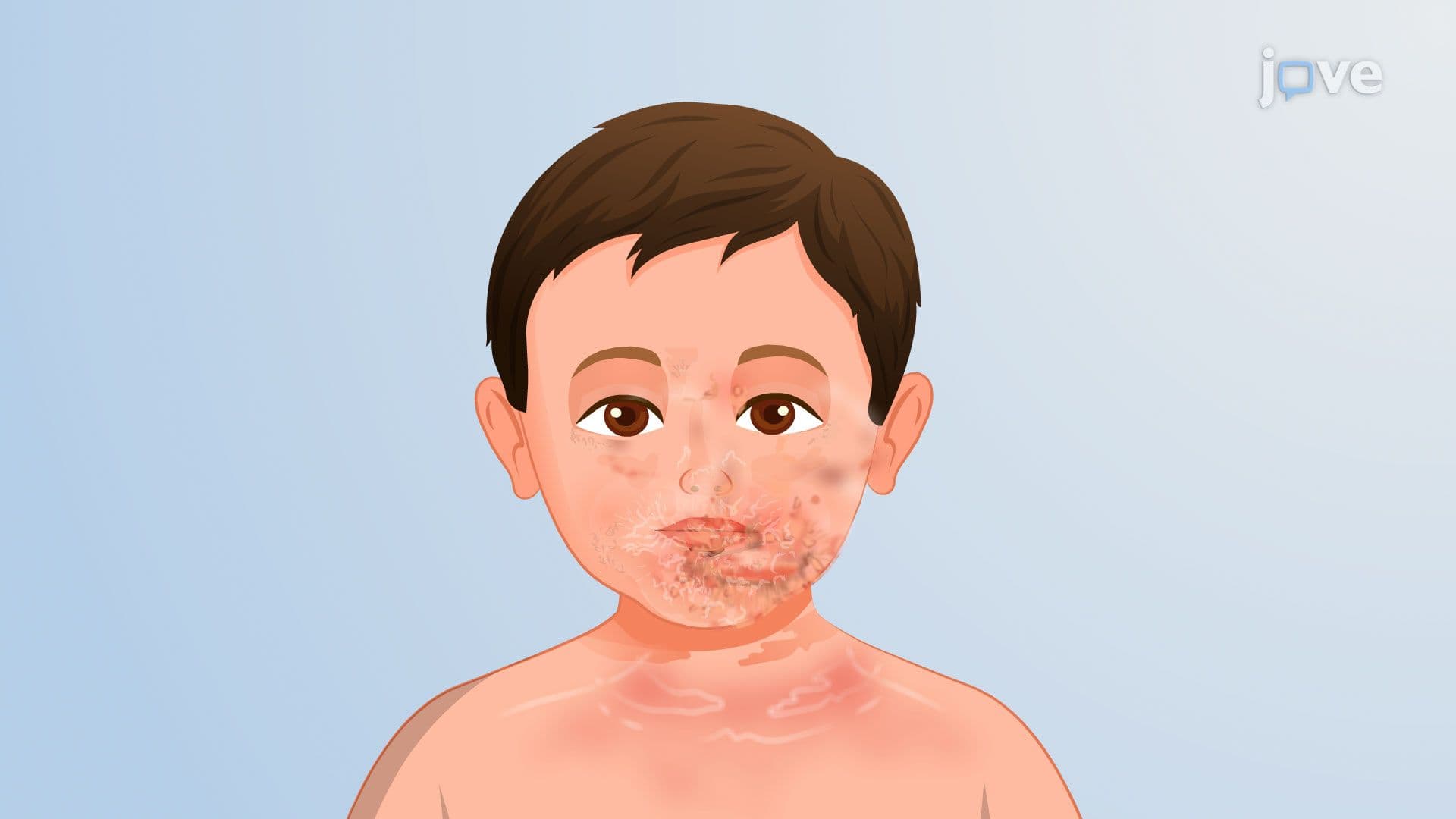
When the skin microbiota is disrupted, a state called dysbiosis, consequences can range from eczema and acne to increased susceptibility to infections. Factors that trigger dysbiosis include excessive antibiotic use, harsh skin care products, and dietary shifts. This connects the skin microbiome to broader systemic concepts, including how does the microbiome affect immunity and even the gut-brain axis, since the skin, gut, and brain share immune signaling pathways. On MCAT and USMLE study materials, understanding microbiota-host interactions in the context of innate and adaptive immunity is considered high-yield content. Recognizing the skin not just as a barrier, but as a living microbial habitat, reshapes how students approach human physiology at every level of study.
Related Micro-courses