Loading video…

 16 Concepts
 5K views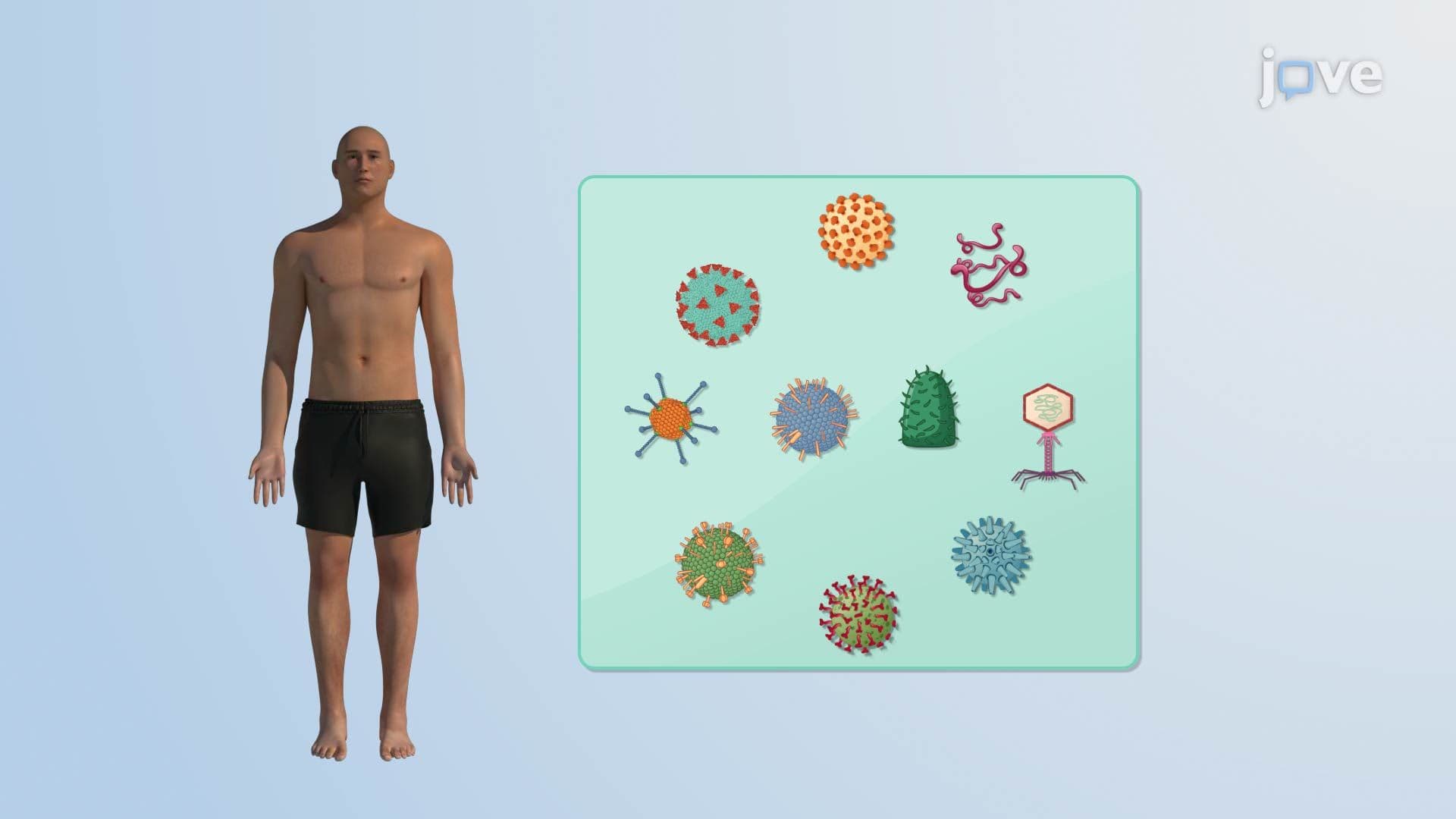

Video Summary: What Is Human Virome
Your body hosts trillions of viruses, and most of them aren't making you sick. The human virome refers to the entire community of viruses living in and on your body, and understanding human virome basics is reshaping how scientists think about health. For example, researchers at the NIH have found that gut virome disruptions may connect to inflammatory bowel disease. Watch the full video on JoVE Coach to master this concept with expert-led visuals and step-by-step explanations.
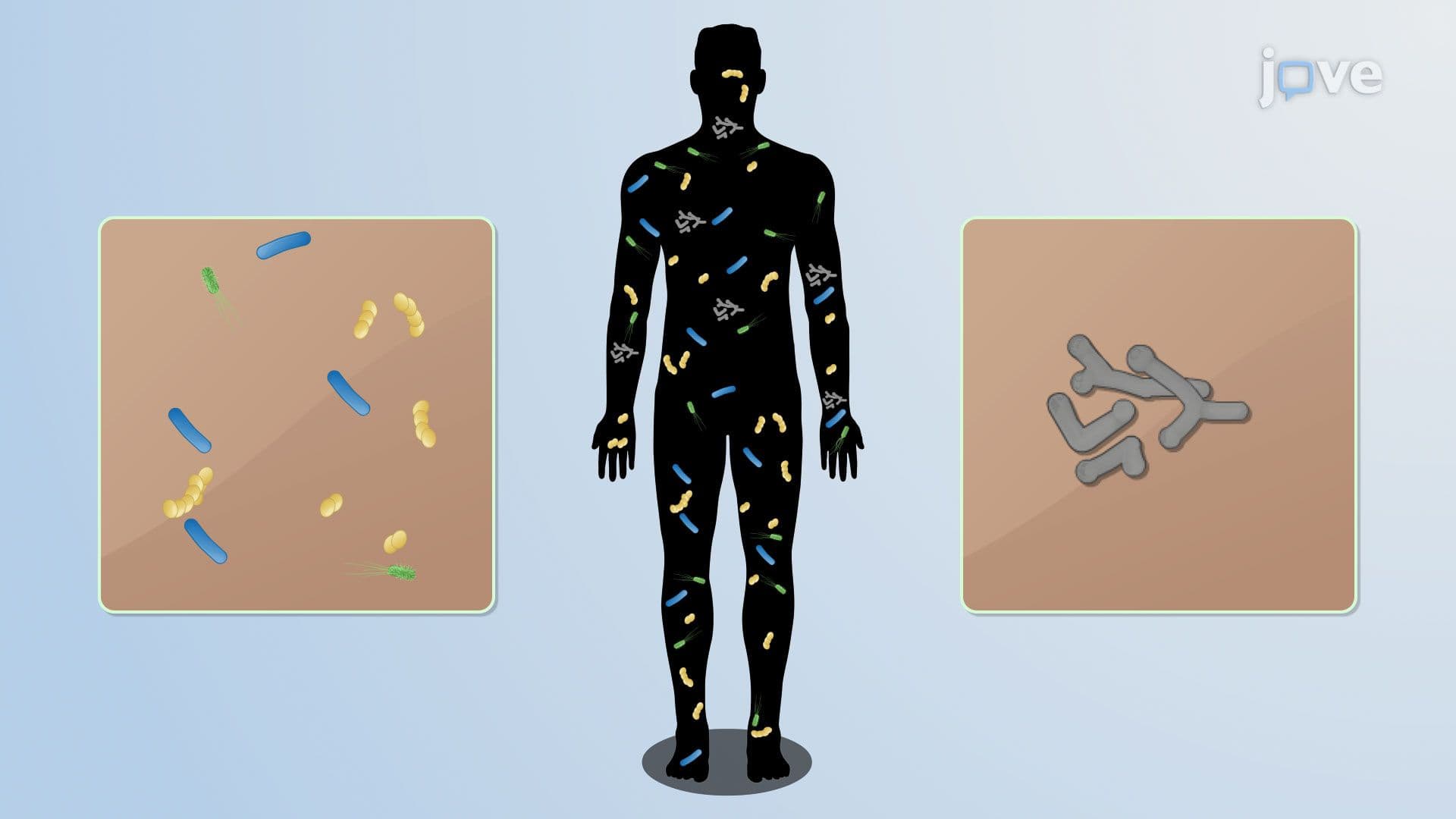
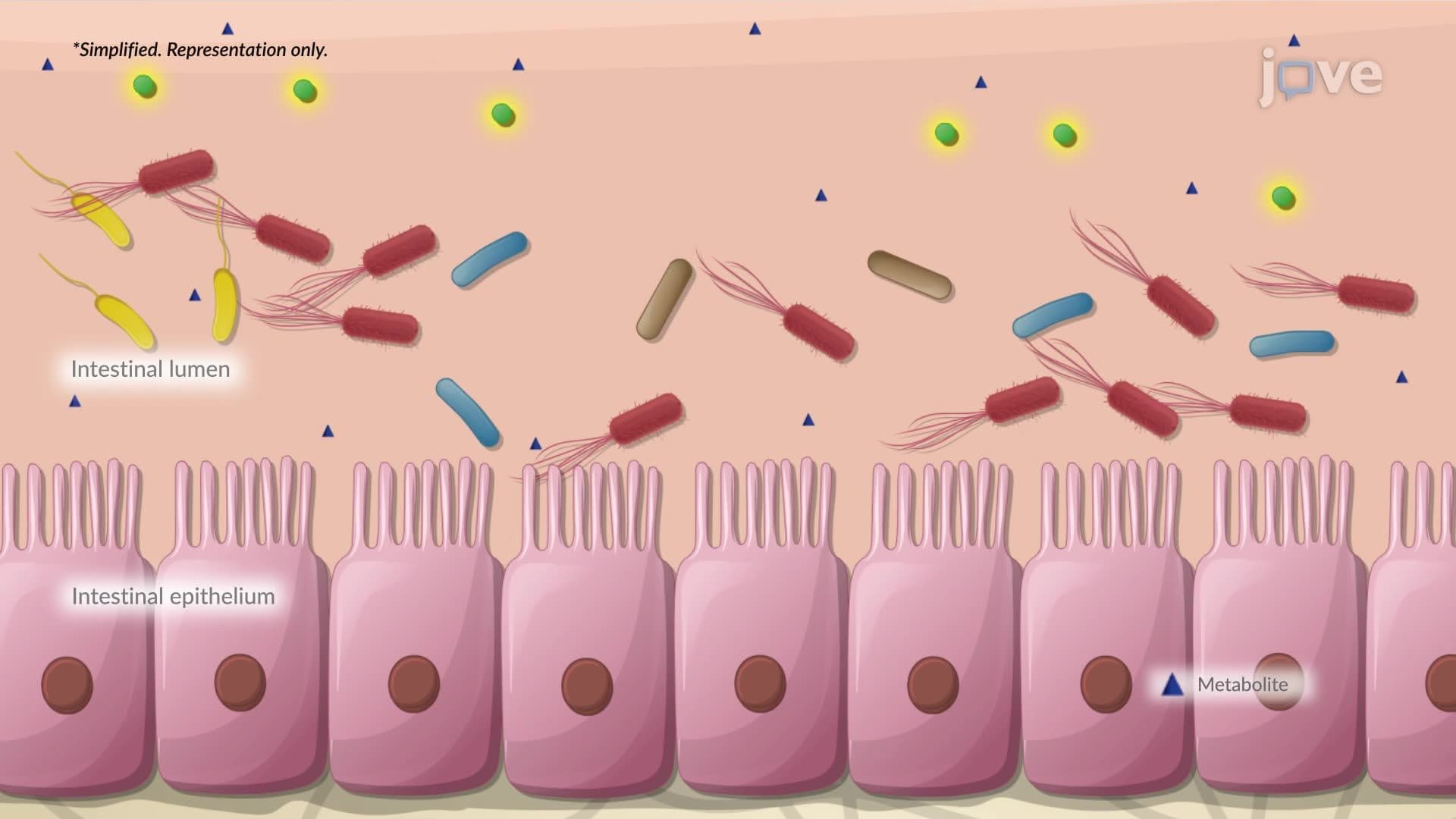
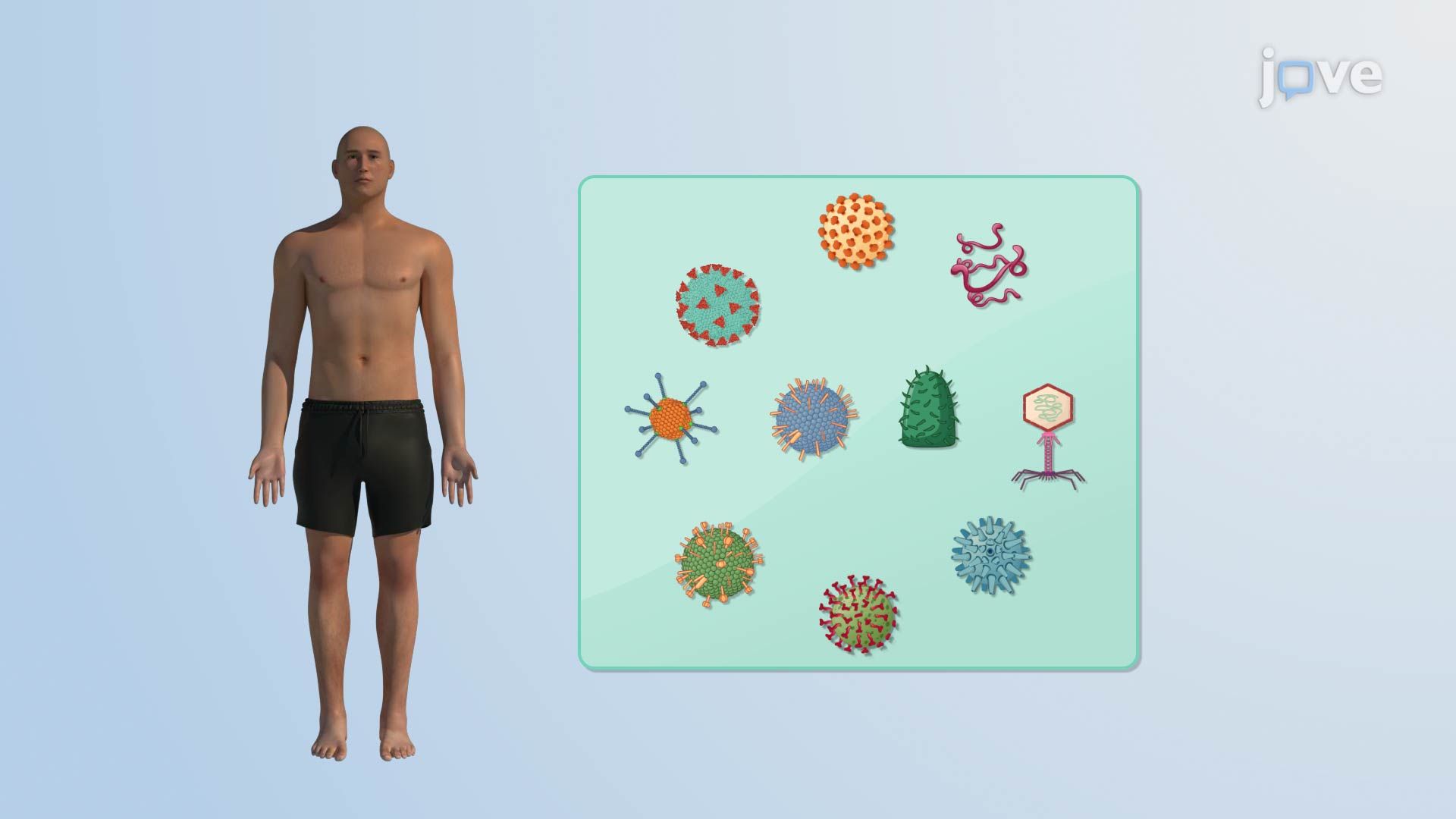
The human virome is the complete collection of viruses, including animal viruses and bacteriophages, that inhabit the human body at any given time. This is not a population of pathogens lying in wait. The vast majority of these viruses are commensal or mutualistic, meaning they coexist with us without causing harm, and many actively support a balanced internal ecosystem. Think of the virome as one layer of a larger system: the human microbiome, which also includes bacteria, fungi, and archaea. In courses like AP Biology and introductory college microbiology, the microbiome is increasingly tested as a core concept, and the virome is its often-overlooked viral dimension.
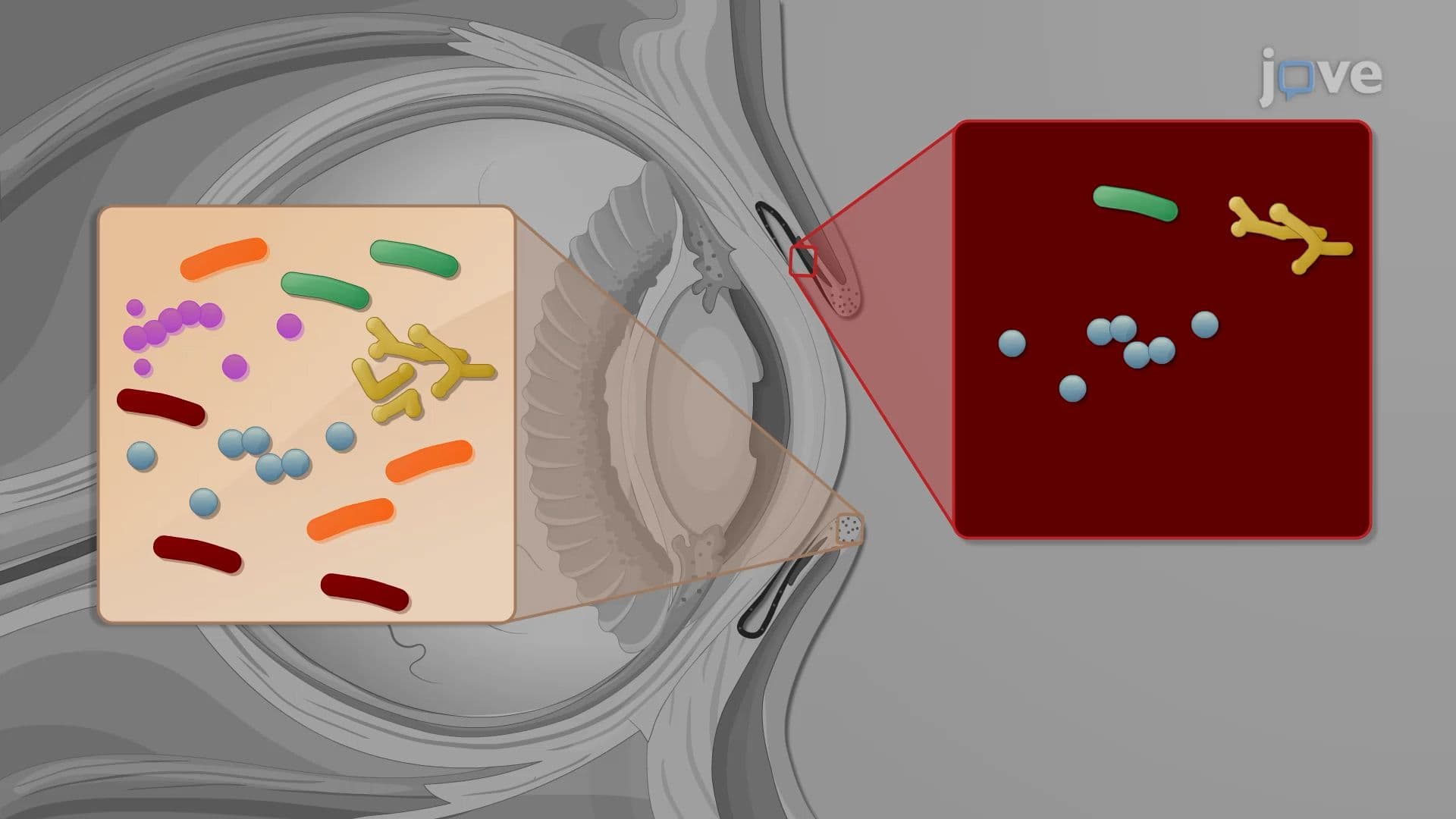
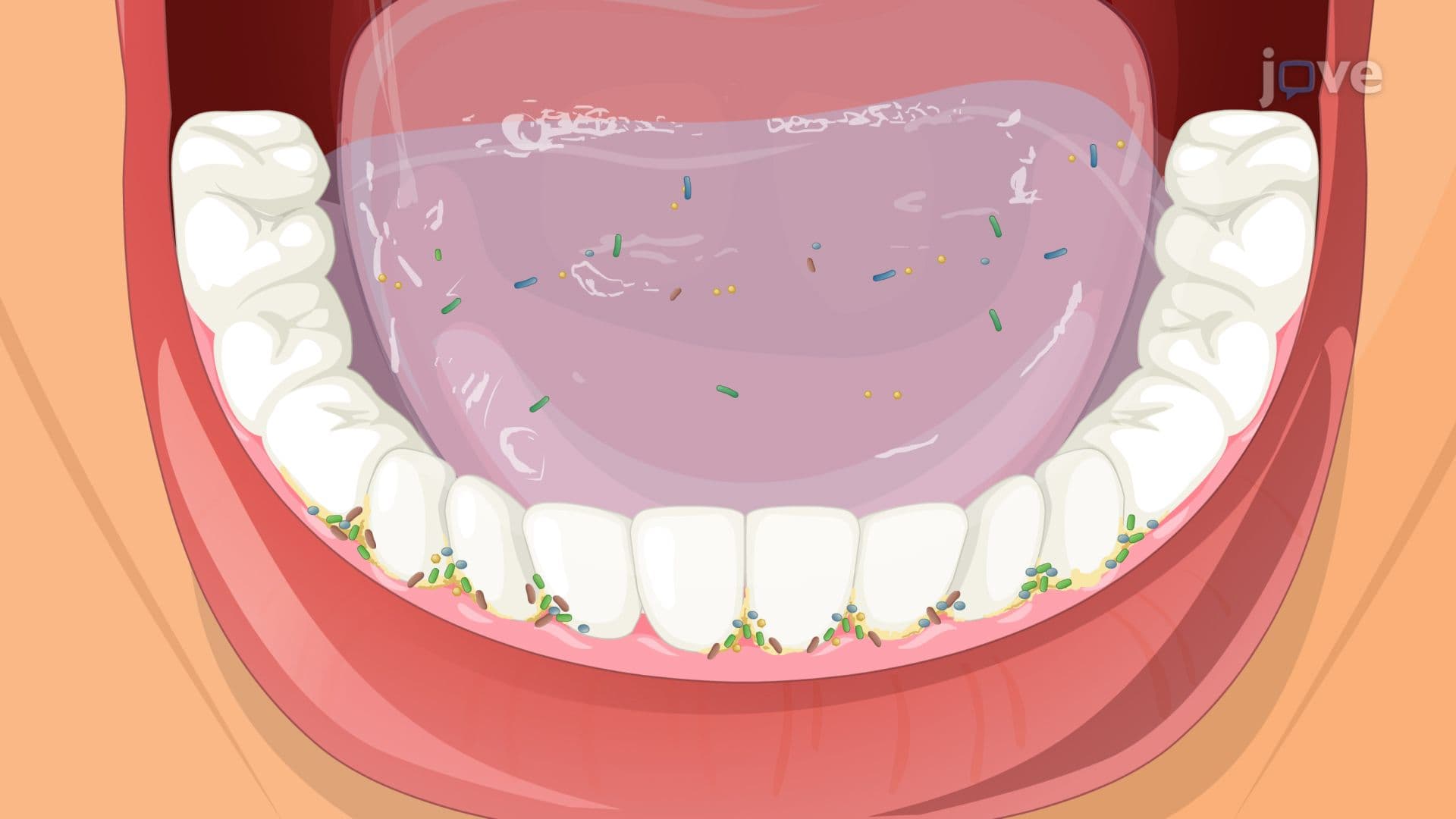
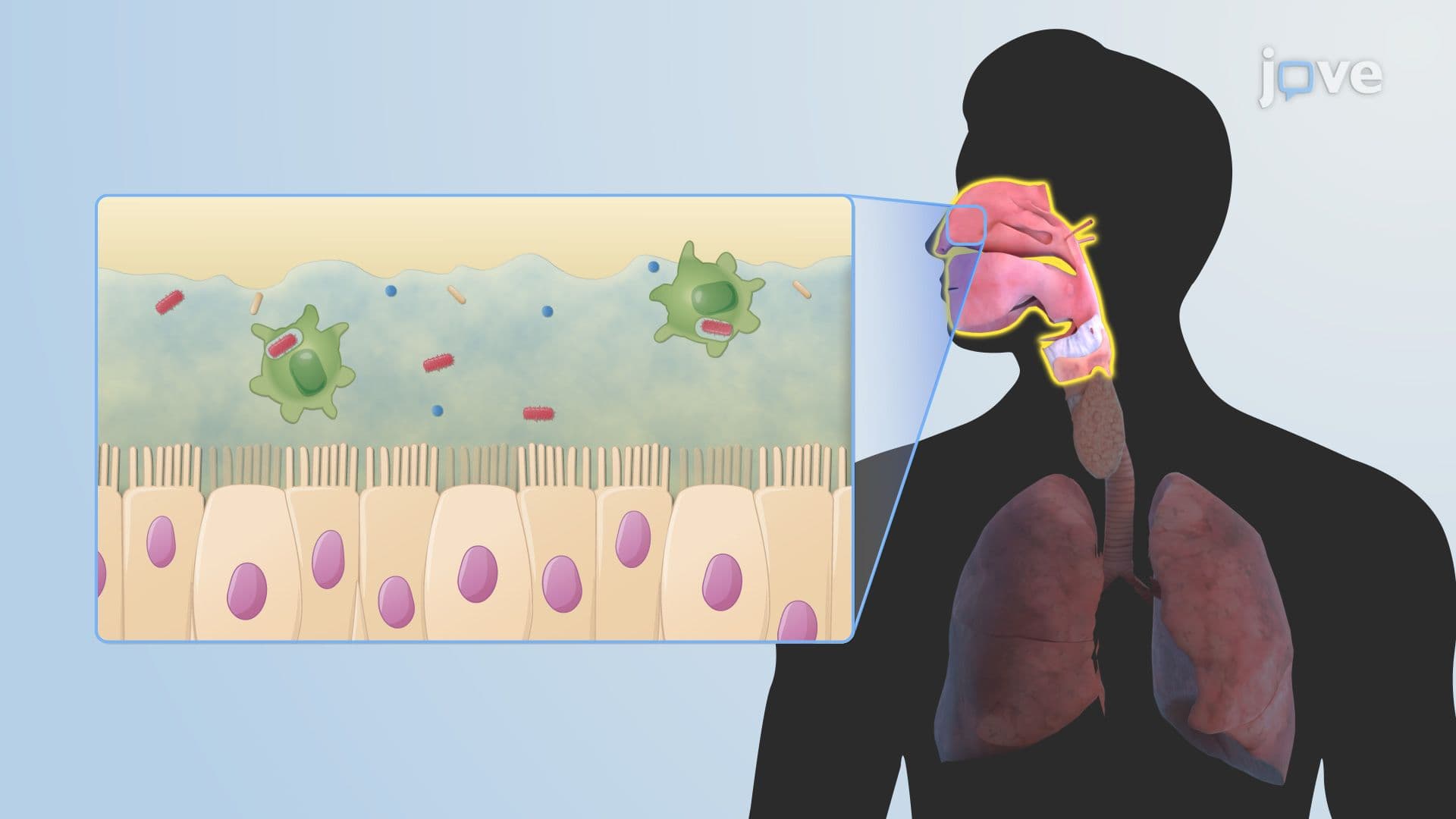
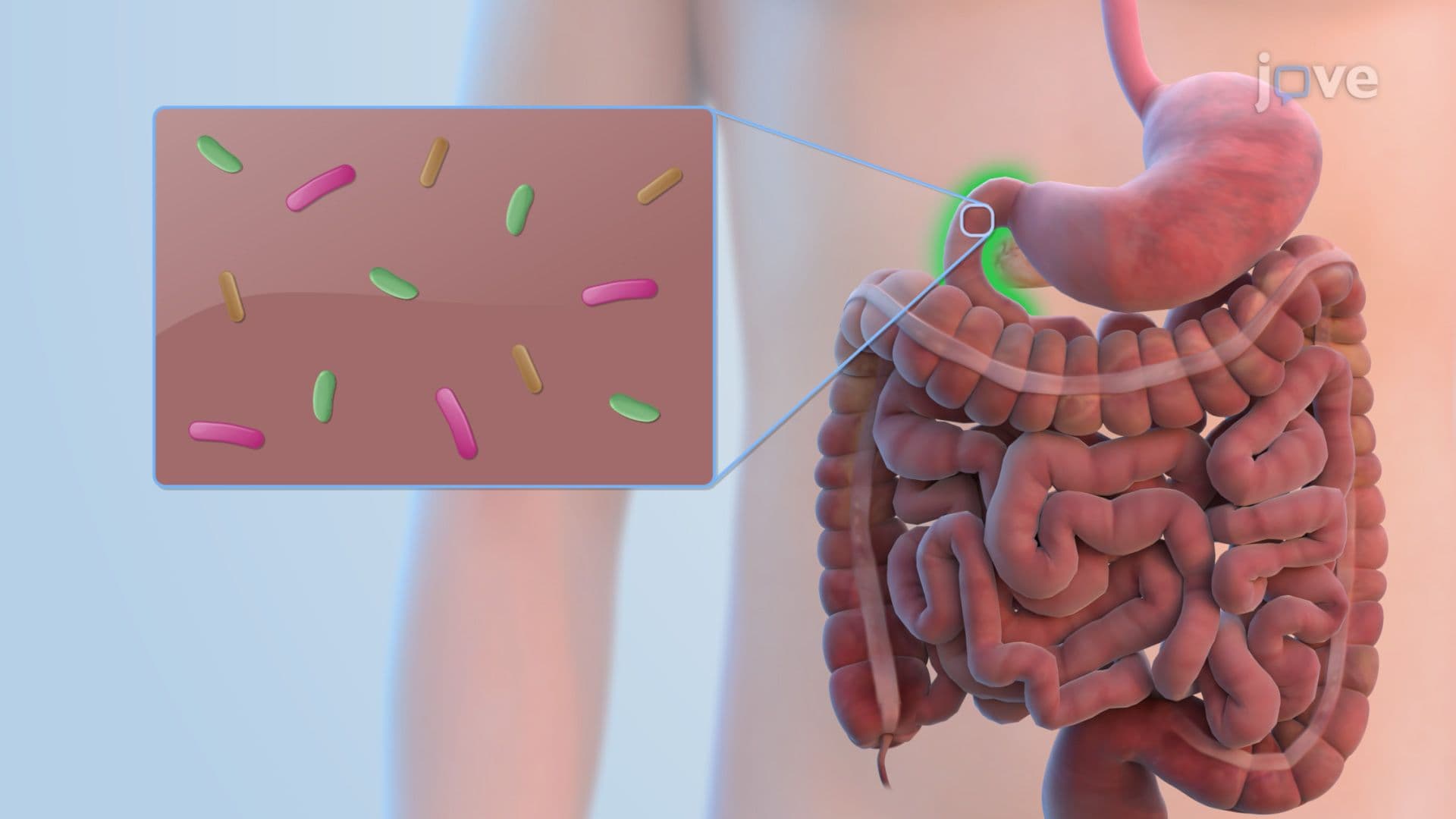
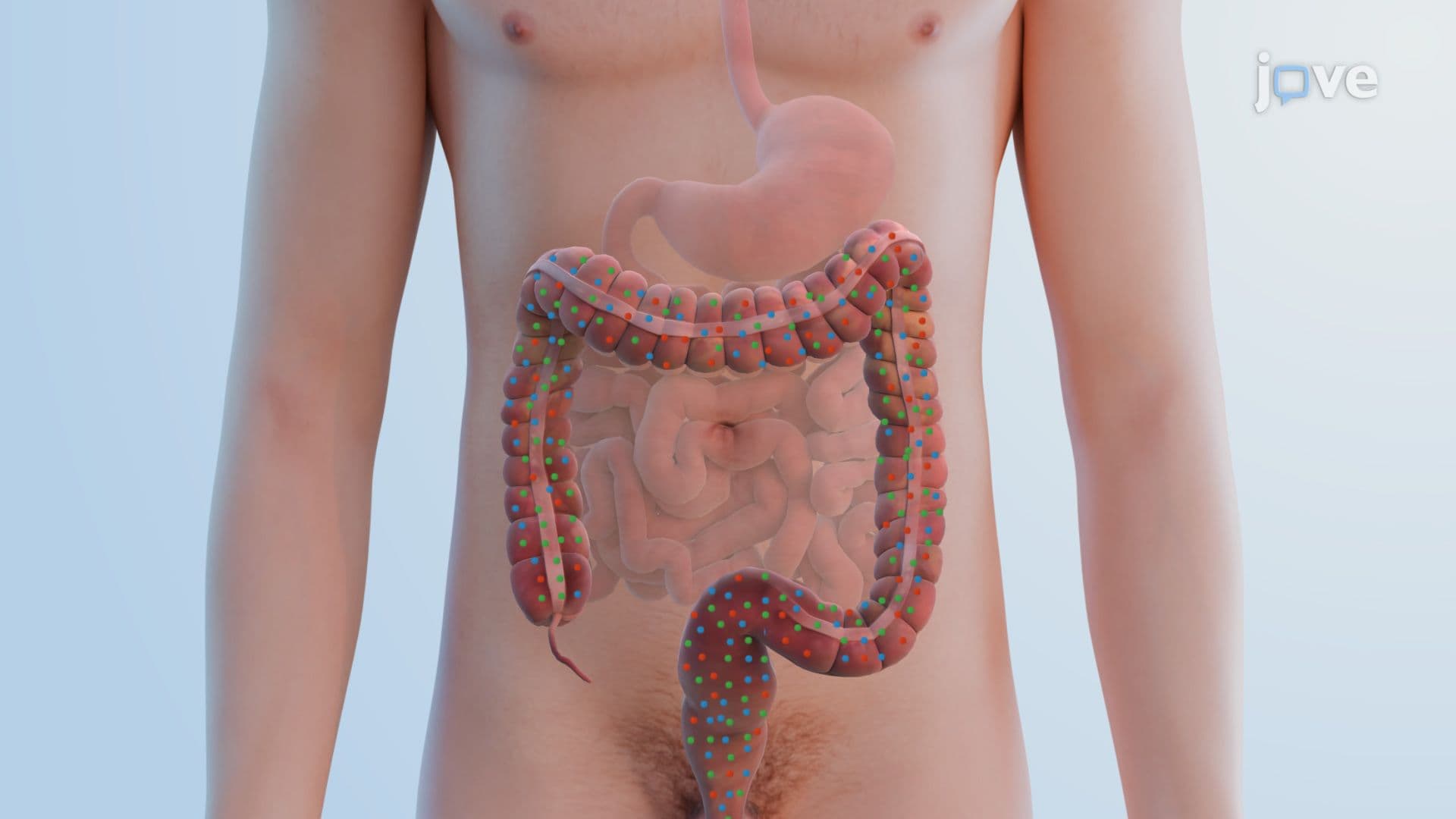
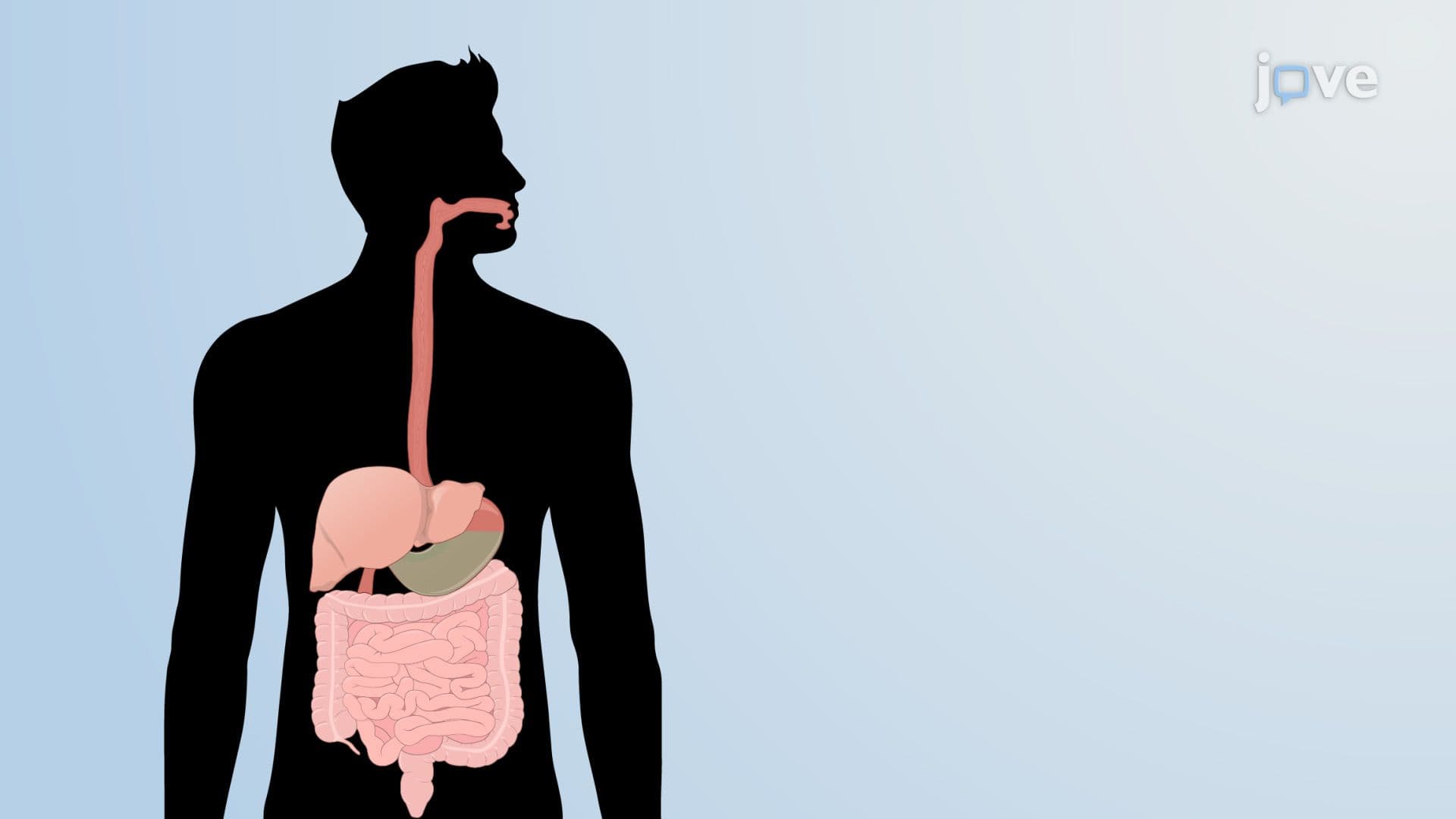
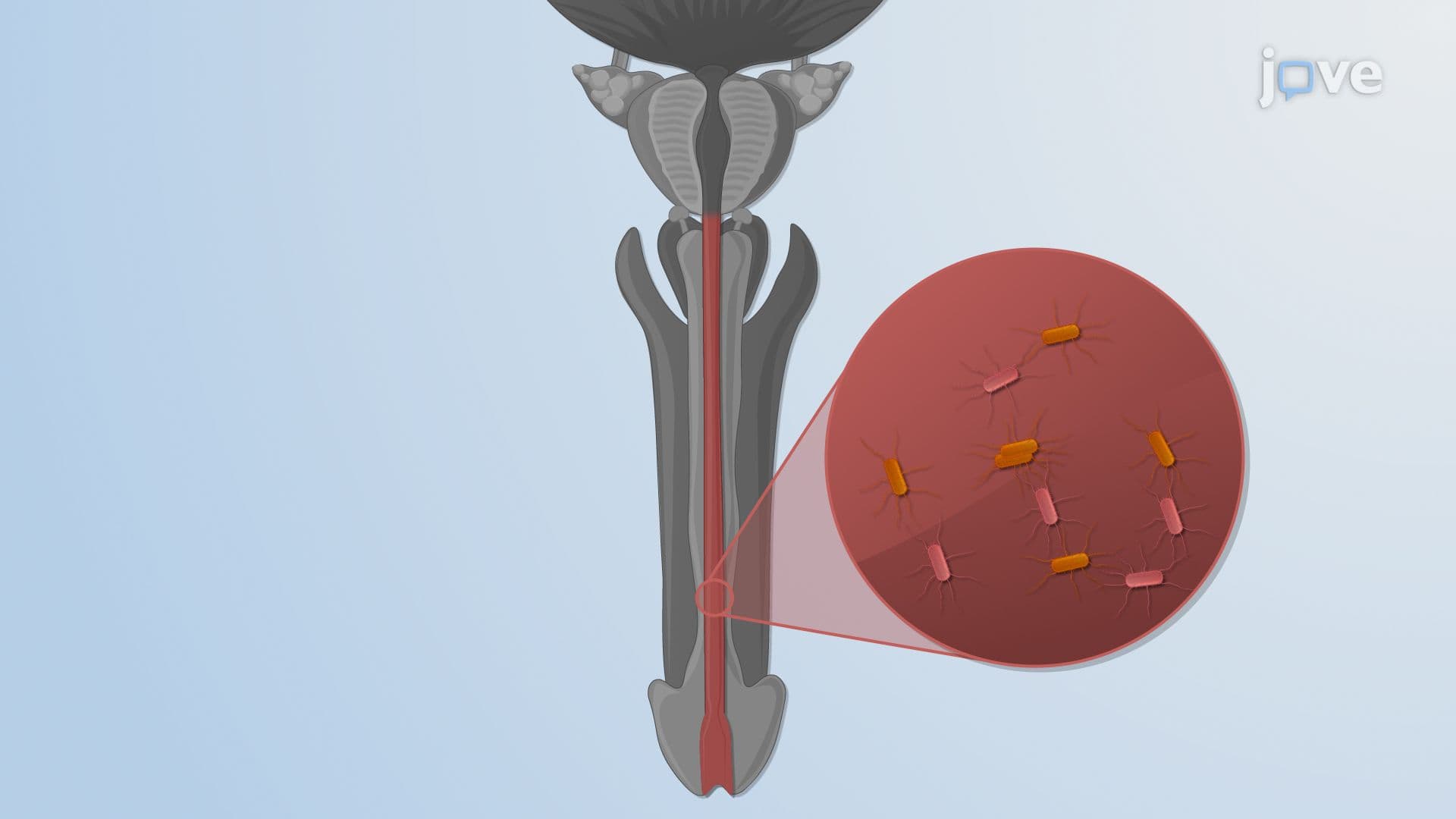
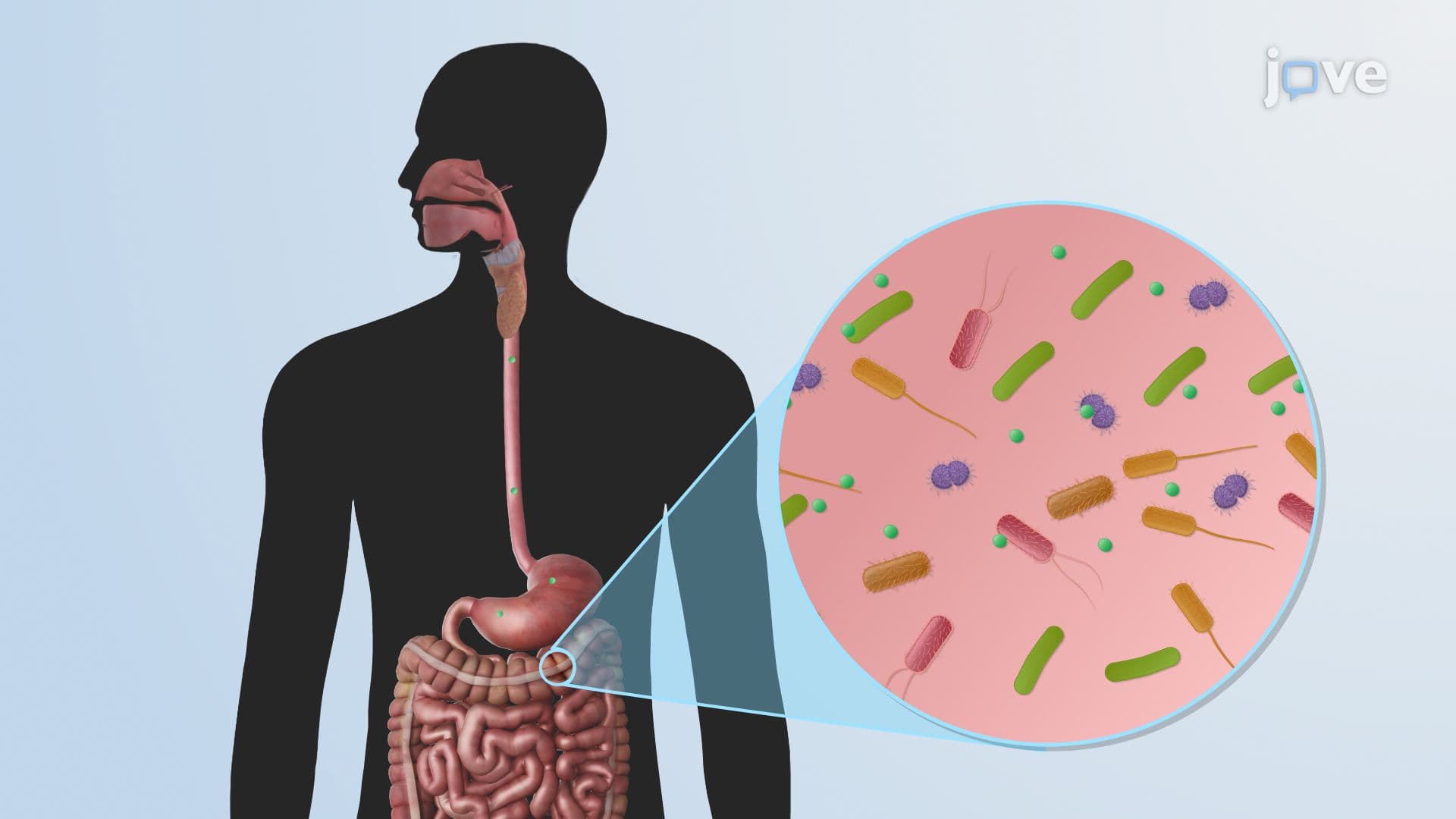
Viral populations are not evenly distributed across the body. The gastrointestinal (GI) tract is by far the richest site for viral colonization, hosting an extraordinary diversity of bacteriophages and eukaryotic viruses. The skin, oral cavity, respiratory tract, and urogenital system also maintain distinct viral communities. In contrast, the cerebrospinal fluid (CSF) is considered sterile under normal conditions, though advanced molecular tools like metagenomic sequencing have occasionally detected trace viral genetic material there, a finding whose biological meaning scientists are still working to understand. This variation by body site is a high-yield detail for college biology midterms and MCAT preparation, where questions about sterile versus non-sterile body compartments are common.
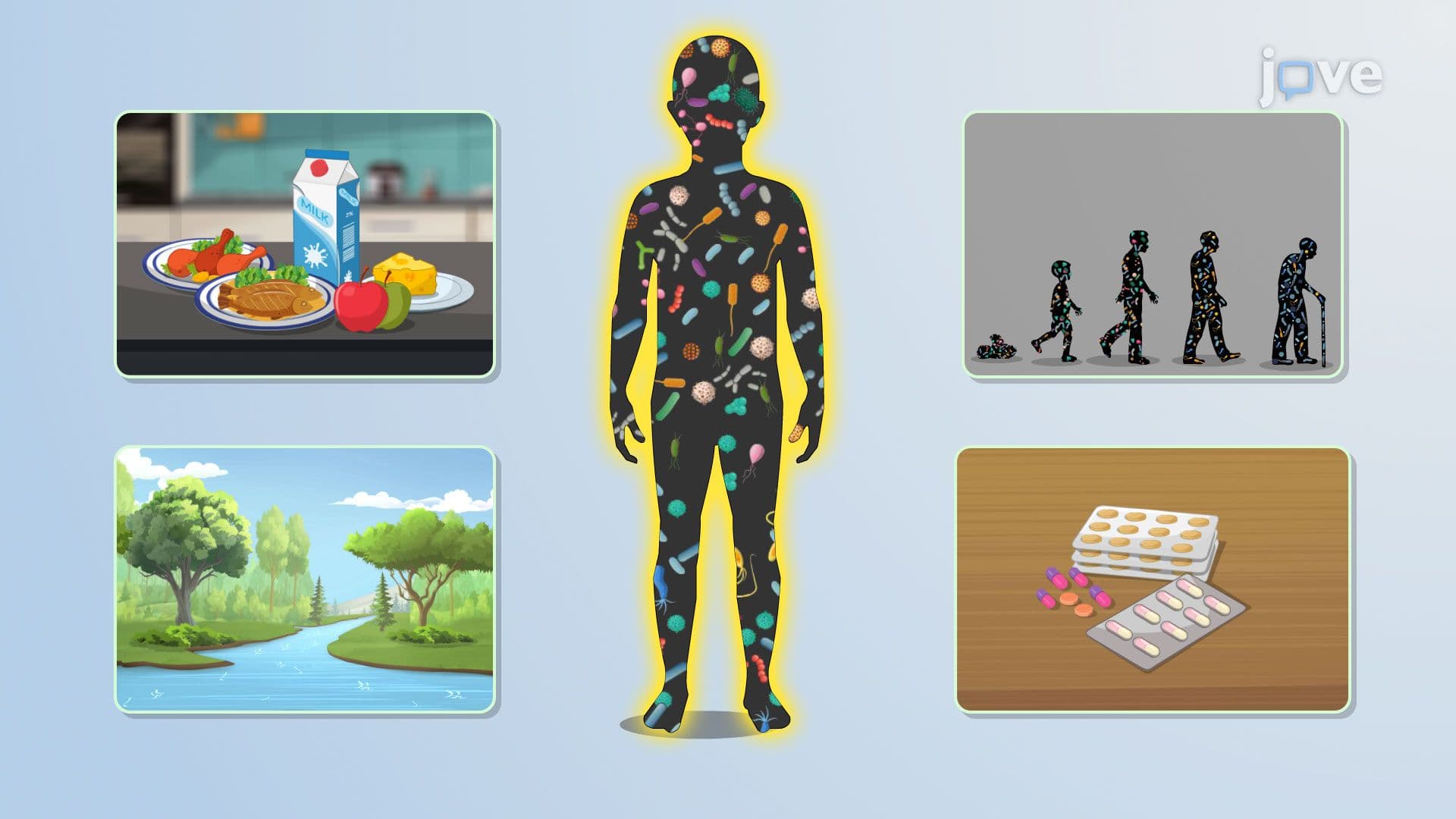
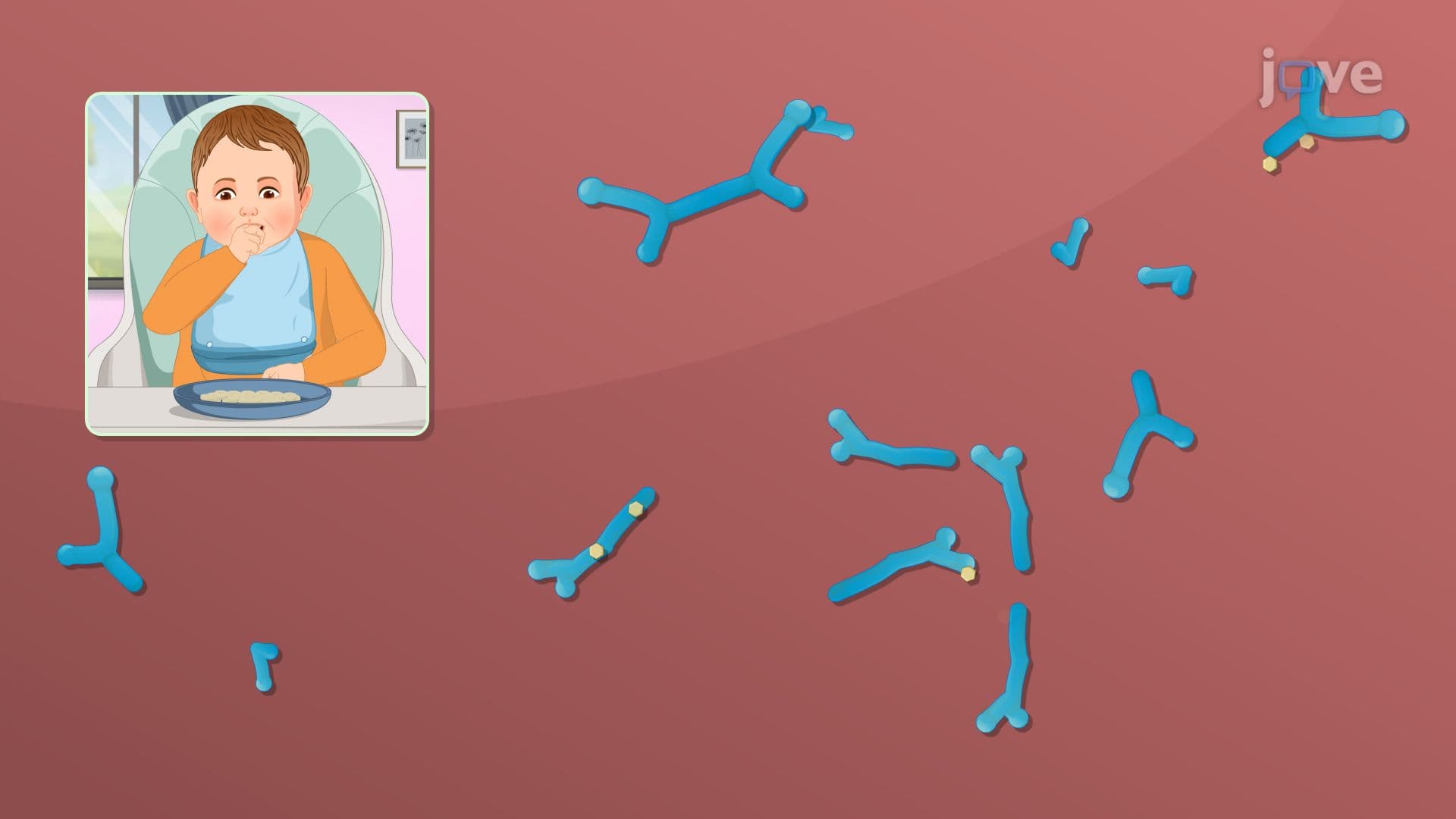
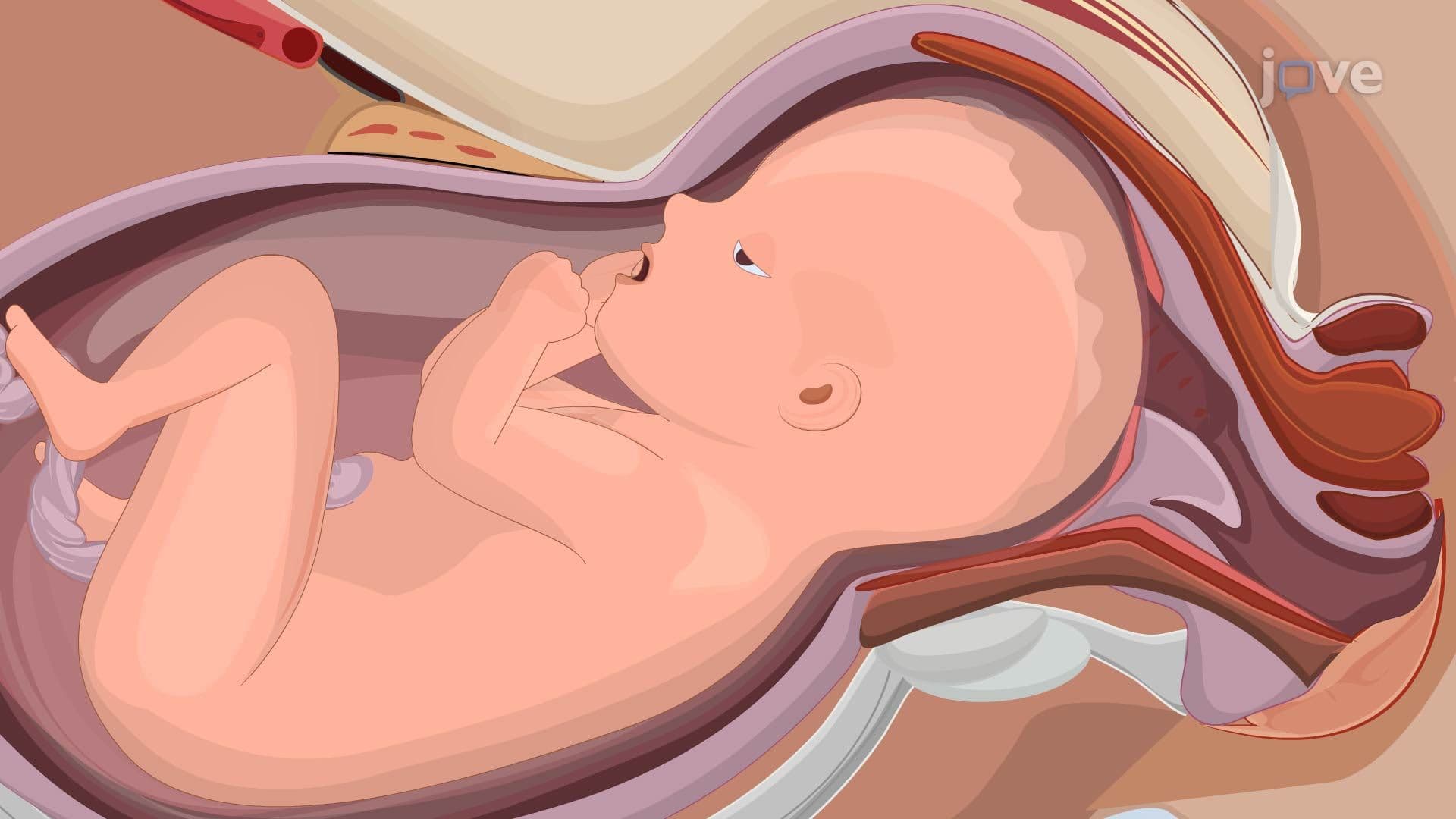
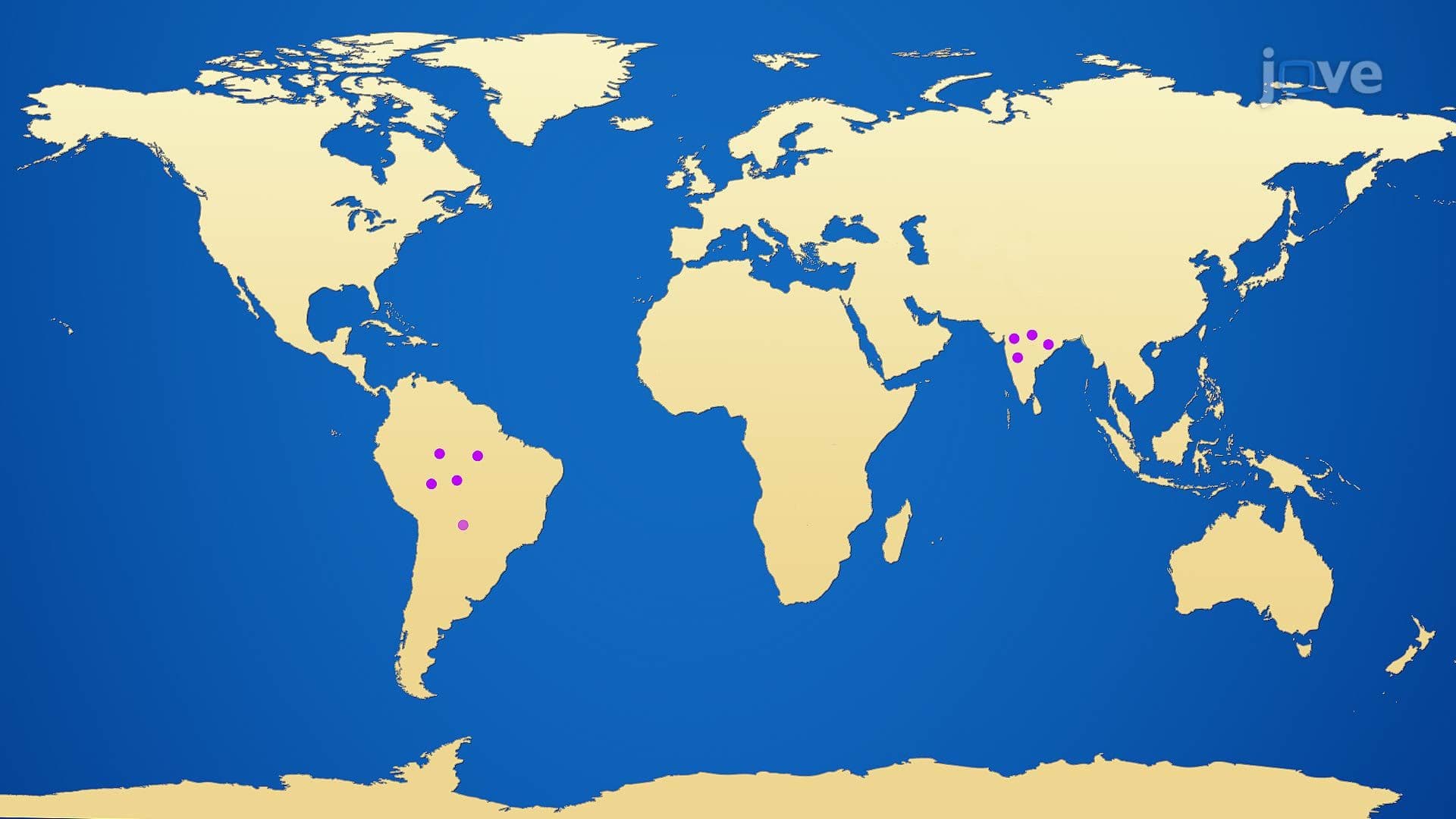
Newborns arrive in the world with a largely unestablished virome. Within the first days and weeks of life, infants acquire viruses from their environment and from the bacteria that colonize their bodies, and those bacteria bring their own bacteriophage passengers. Key factors that shape early virome development include mode of delivery (vaginal birth versus cesarean section), breastfeeding (which transfers maternal microbes and viral particles), diet (especially the introduction of solid foods), and geographic location (which determines environmental viral exposure). These same factors influence the adult virome over time. This developmental lens is directly relevant to questions about how diet affects the gut microbiome, a topic appearing frequently on AP Environmental Science, AP Biology, and college nutrition exams across the US.
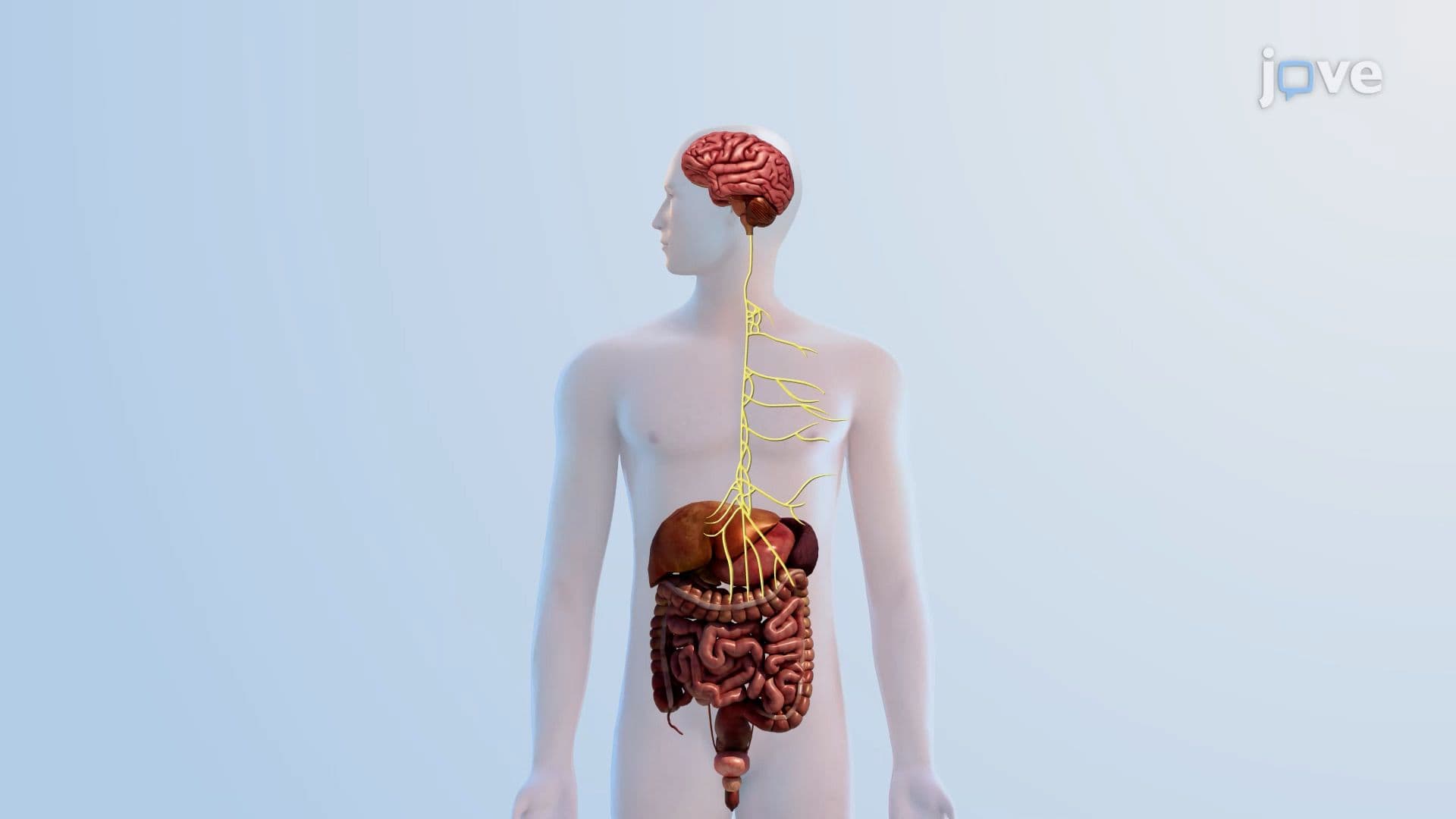
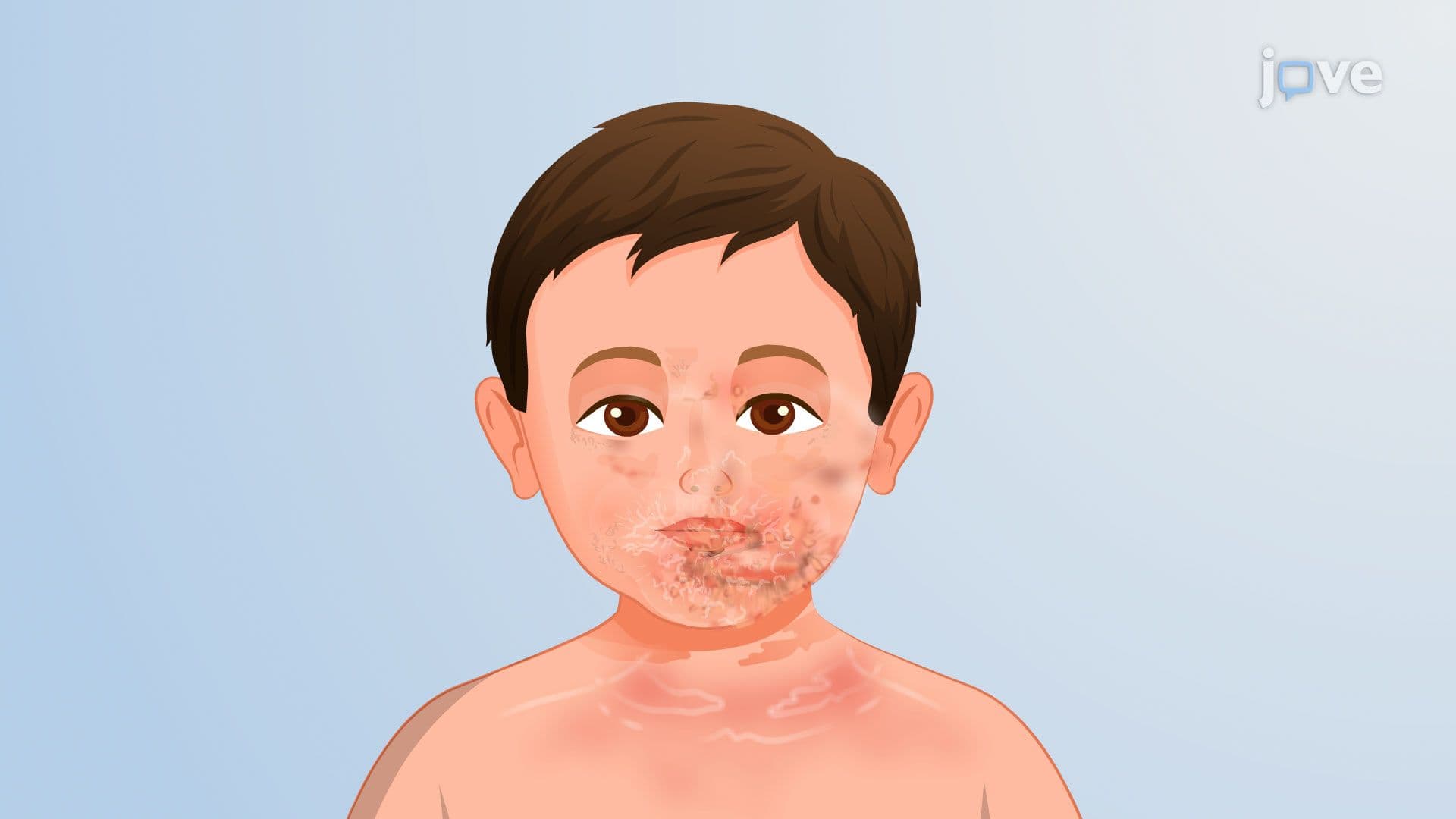
One of the most exciting, and most carefully debated, areas of virome research involves its relationship to disease. Altered virome patterns, sometimes called viral dysbiosis, have been associated with inflammatory bowel disease (IBD), type 1 diabetes, and colorectal cancer. Research at institutions like the Broad Institute and Harvard Medical School has explored these connections using large-scale metagenomic datasets. However, it is critical to distinguish between association and causation: researchers have not yet established that virome changes directly *cause* these diseases. They may be a consequence of disease, a contributing factor, or both. This nuance, understanding the limits of observational science, is a key analytical skill tested on the MCAT and in college-level biology and public health courses. Understanding the function of the human virome also connects to broader discussions about immunity, the gut-brain axis, and the potential role of probiotics and prebiotics in restoring microbial balance.
Related Micro-courses