Loading concepts…


11 Concepts
13 Concepts
26 Concepts
13 Concepts
6 Concepts
31 Concepts
37 Concepts
10 Concepts
7 Concepts
22 Concepts
11 Concepts
11 Concepts
22 Concepts
16 Concepts
11 Concepts
15 Concepts
14 Concepts
12 Concepts
9 Concepts
 11 Concepts
 1.4K Views
 Popular topics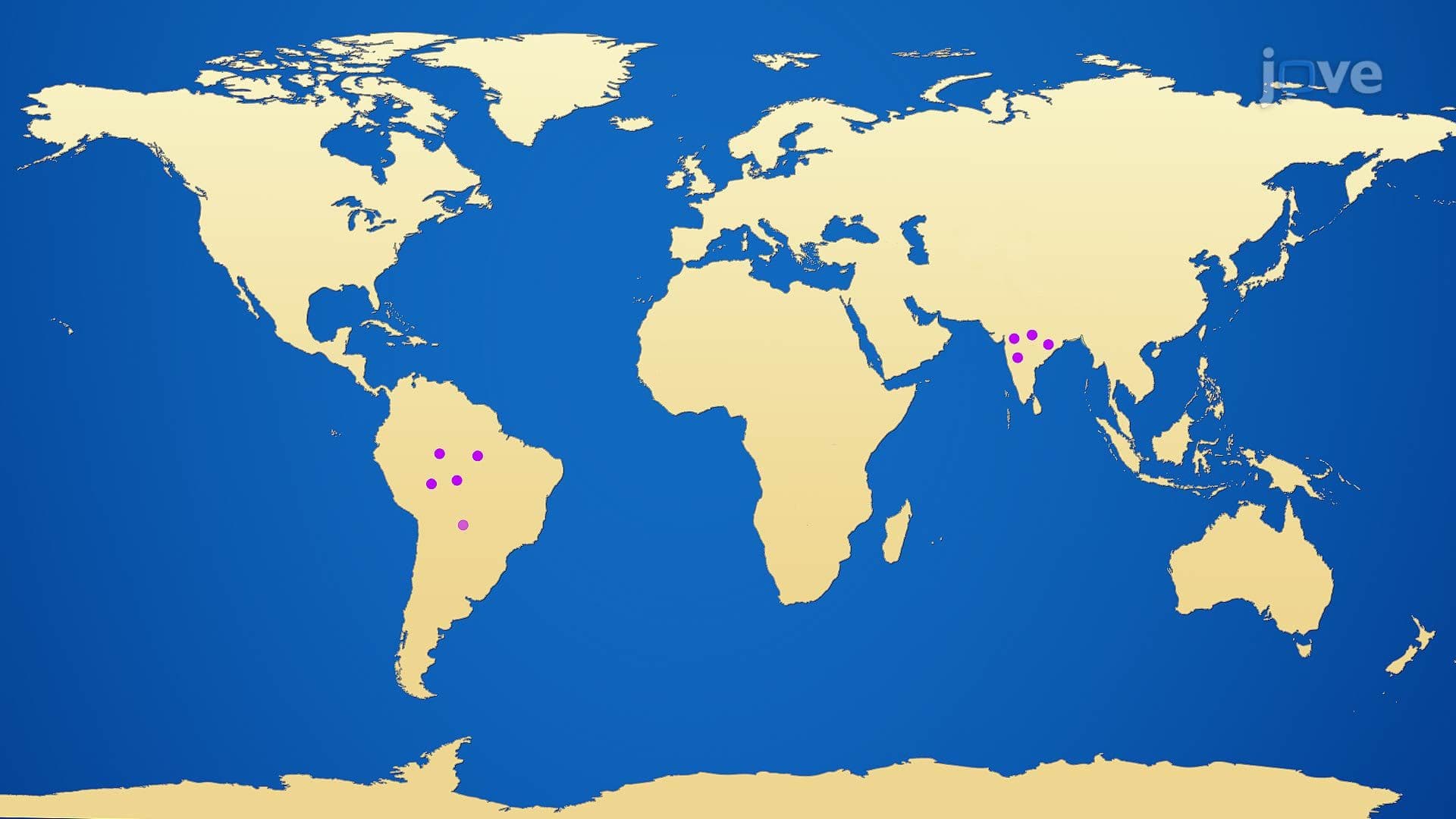
Clinical microbiology is the scientific study of microorganisms that cause human disease, and how we detect, identify, and combat them. This micro-course covers essential foundations, from how pathogens spread and colonize host tissues to bacterial toxins, virulence mechanisms, and outbreak investigation. Students also explore cutting-edge clinical microbiology lab techniques, including MALDI-TOF, Vitek 2, and vaccine science, guided by JoVE Coach.
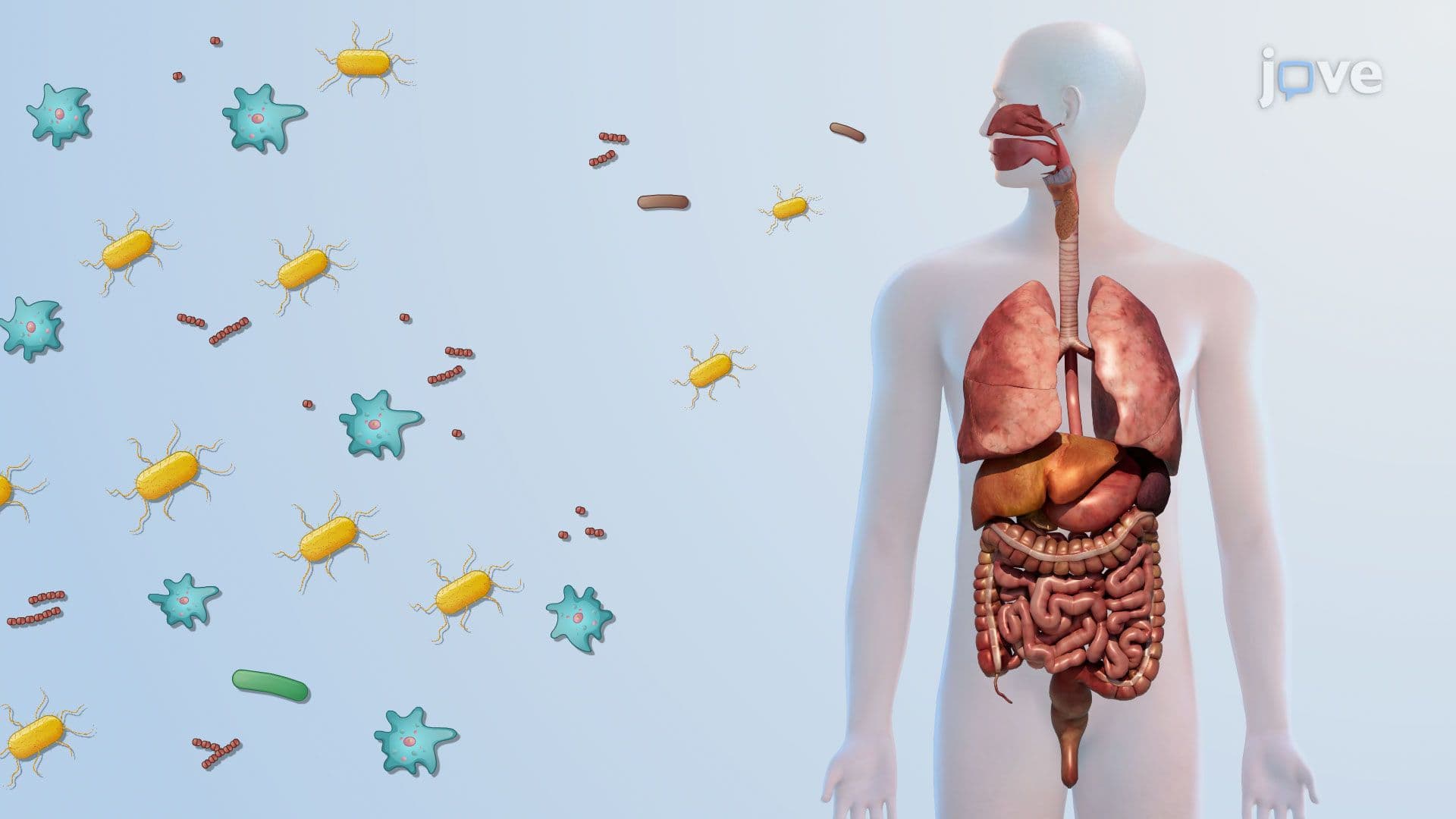
1. Epidemiologic Patterns of Infectious Disease Infectious diseases do not spread uniformly, their patterns carry specific epidemiologic labels. A sporadic disease appears irregularly with no predictable pattern. An outbreak is a sudden surge of cases in a defined location. When that surge expands across a larger region or population, it becomes an epidemic. Once the disease crosses international borders at scale, it is classified as a pandemic, as seen with COVID-19 and SARS-CoV-2. An endemic disease, like seasonal influenza in the United States, maintains a consistently predictable presence in a population year-round, though it can still trigger new outbreaks when novel strains, such as H1N1, emerge in susceptible communities.
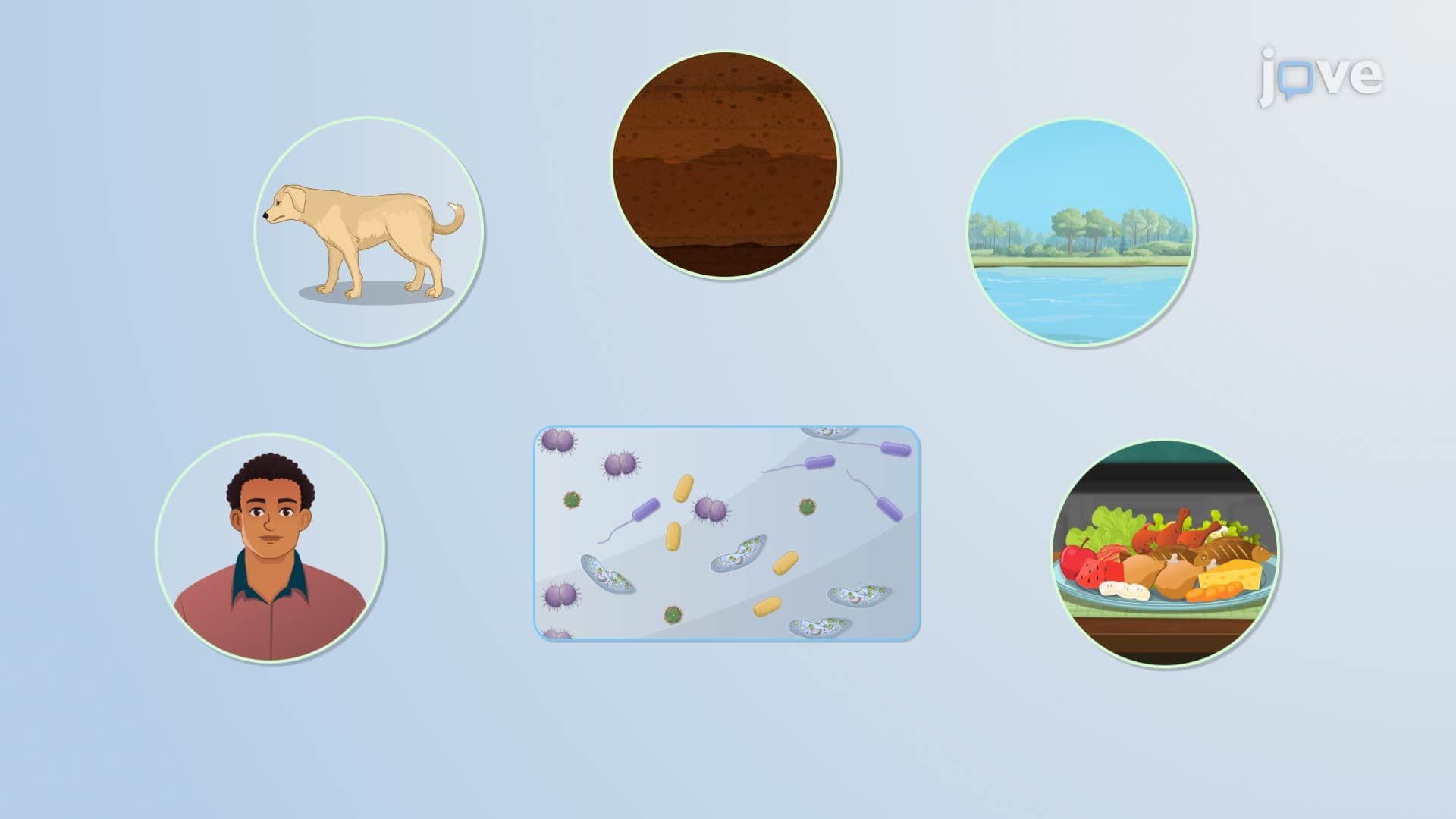
2. Reservoirs of Infection A reservoir of infection is the natural environment where a pathogen lives, reproduces, and persists. Human reservoirs include both symptomatic individuals and carriers, people who harbor and shed a pathogen without showing symptoms. Animal reservoirs give rise to zoonoses, diseases transmitted from animals to humans, including rabies (wildlife) and Lyme disease (deer ticks). Nonliving reservoirs are equally dangerous: soil may contain *Clostridium* species responsible for tetanus and botulism, contaminated water can carry *E. coli* O157:H7 causing gastrointestinal illness, and improperly handled food remains a leading vehicle for foodborne disease outbreaks across the United States.
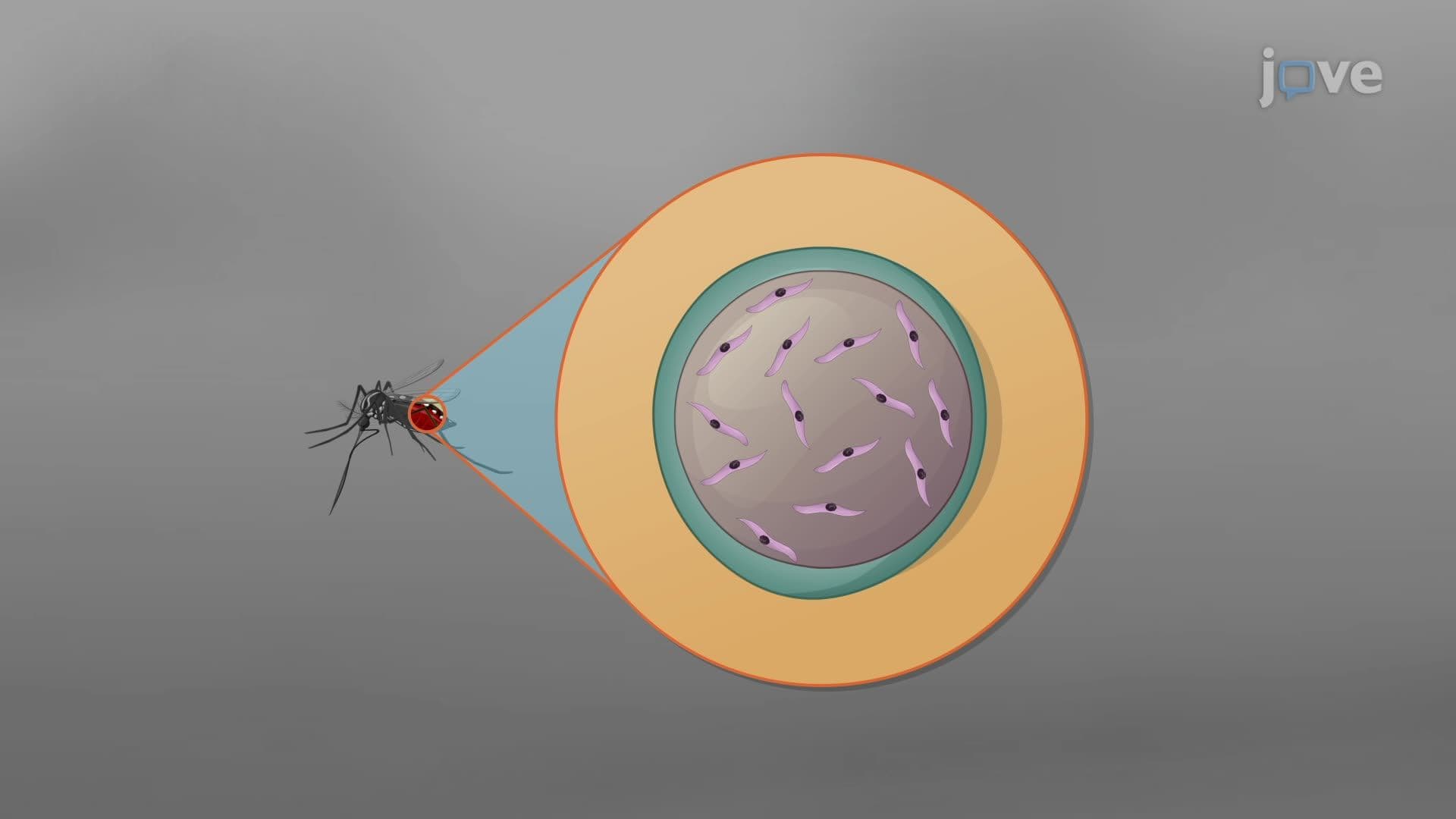
3. Routes of Pathogen Transmission Pathogens travel from a reservoir to a new host through three broad routes. Contact transmission may be direct (touching an infected person) or indirect via fomites, contaminated surfaces or objects. Vehicle transmission includes droplet spread (short-range, as in coughing), airborne spread (long-range, involving tiny suspended particles), and waterborne spread (as in cholera from contaminated water supplies). Vector transmission is either mechanical, a fly passively carrying organisms on its body, or biological, where the pathogen actively replicates inside the vector. The malaria parasite *Plasmodium*, for instance, undergoes biological development inside *Anopheles* mosquitoes before transmission to humans.
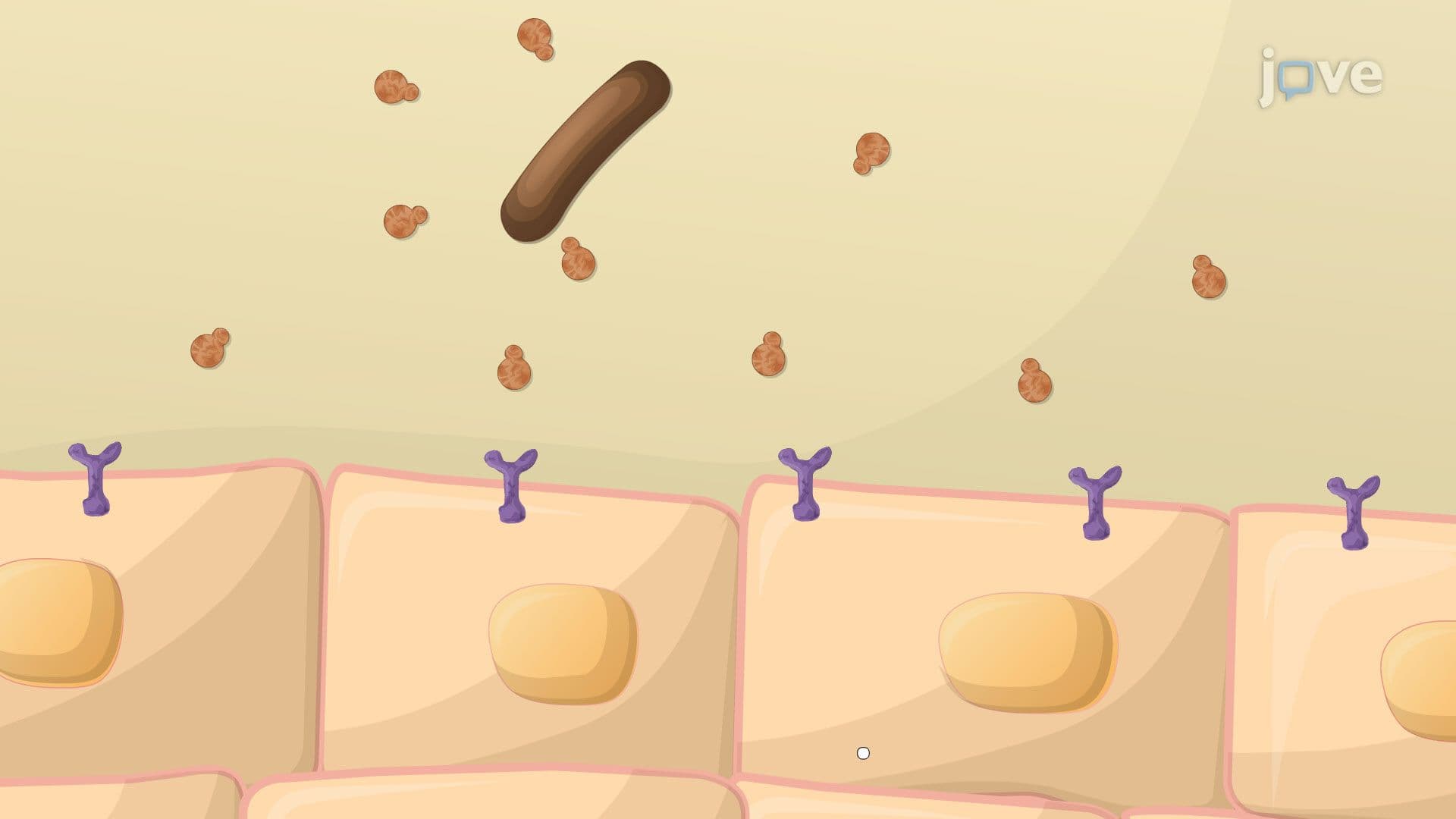
4. Pathogen Colonization and Immune Evasion Colonization is the process by which a pathogen establishes itself in host tissue. Many bacteria begin by attaching to epithelial surfaces using specialized structures: pili or fimbriae anchor cells to mucosal linings, while surface proteins called adhesins strengthen that grip. Once attached, some bacteria form biofilms, protective communities that resist both immune clearance and antibiotic treatment. Deeper invasion is facilitated by enzymes like hyaluronidase, which dismantles connective tissue. To evade immune detection, pathogens may form capsules that block phagocytosis, or use antigenic variation, continuously reshuffling surface proteins so that antibodies generated against earlier forms no longer recognize the pathogen.
5. Bacterial Toxins: Exotoxins and Endotoxins Bacteria harm the host through two major categories of toxins. Exotoxins are proteins, often secreted by living bacteria, that interact with host cell receptors and disrupt normal cellular functions. Many follow the AB model: the B subunit binds to the target cell surface, delivering the toxic A subunit into the cell's interior. Some exotoxins, including collagenases and proteases, degrade the extracellular matrix, helping bacteria spread through tissues. Endotoxins, by contrast, are lipopolysaccharides (LPS) embedded in the outer membrane of Gram-negative bacteria. Released only when bacteria die, LPS binds receptors on immune cells and triggers a powerful inflammatory cascade, in severe cases leading to septic shock.
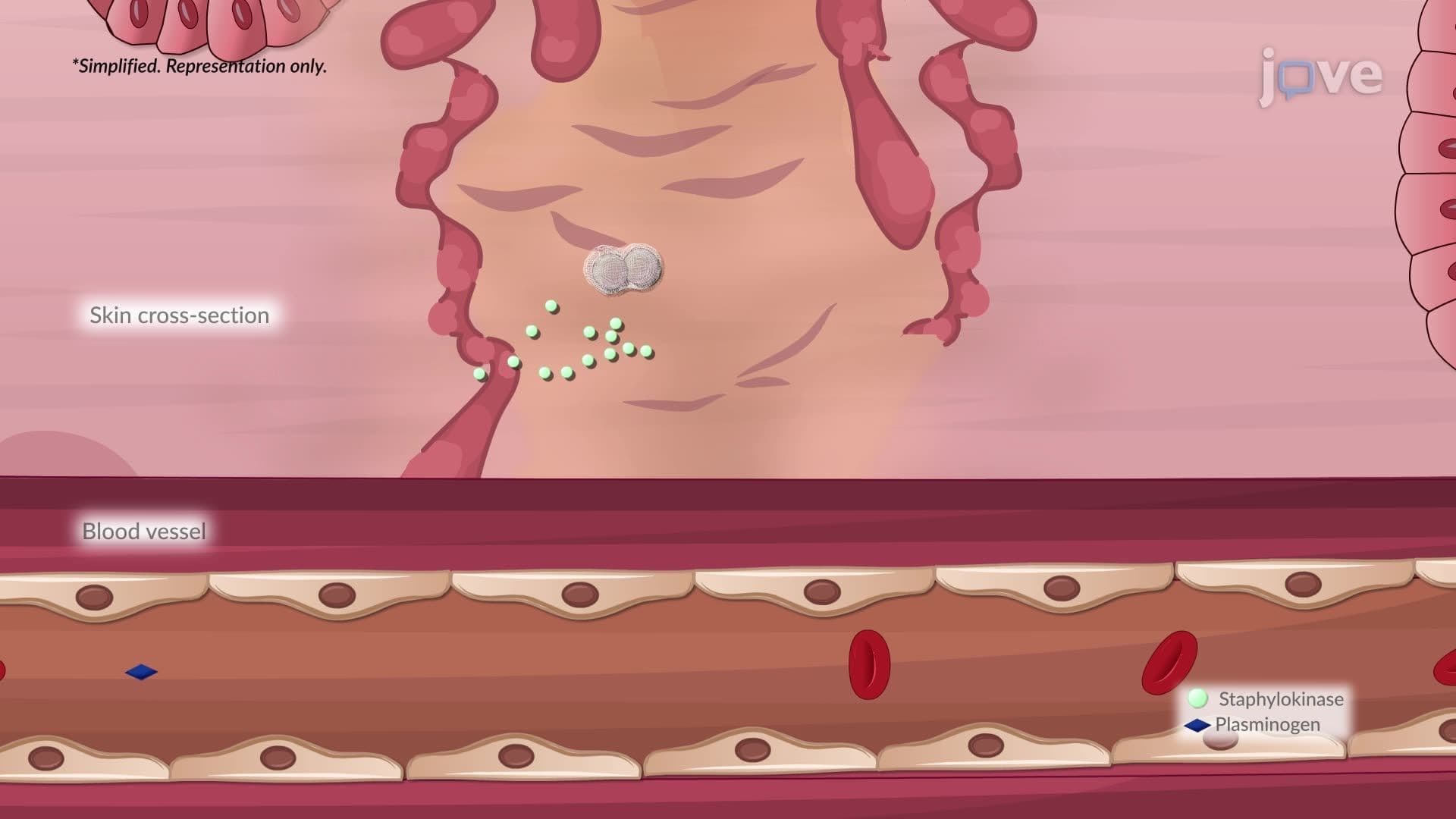
6. Virulence Factors and Bacterial Pathogenicity Virulence factors are the molecular tools that make pathogens dangerous. *Neisseria gonorrhoeae* secretes IgA proteases that cleave the antibodies lining mucosal surfaces, allowing the bacteria to colonize the urogenital tract. *Streptococcus pyogenes* uses hyaluronidase to break down hyaluronic acid in connective tissue, enabling deeper invasion into skin and muscle. *Staphylococcus aureus* deploys coagulase to clot fibrinogen around itself, creating a fibrin shield that hides it from immune cells. It simultaneously produces staphylokinase, which dissolves those clots later, allowing the bacterium to disseminate. These opposing enzymatic strategies enable *S. aureus* to both hide and spread, contributing to its clinical significance in US hospitals.
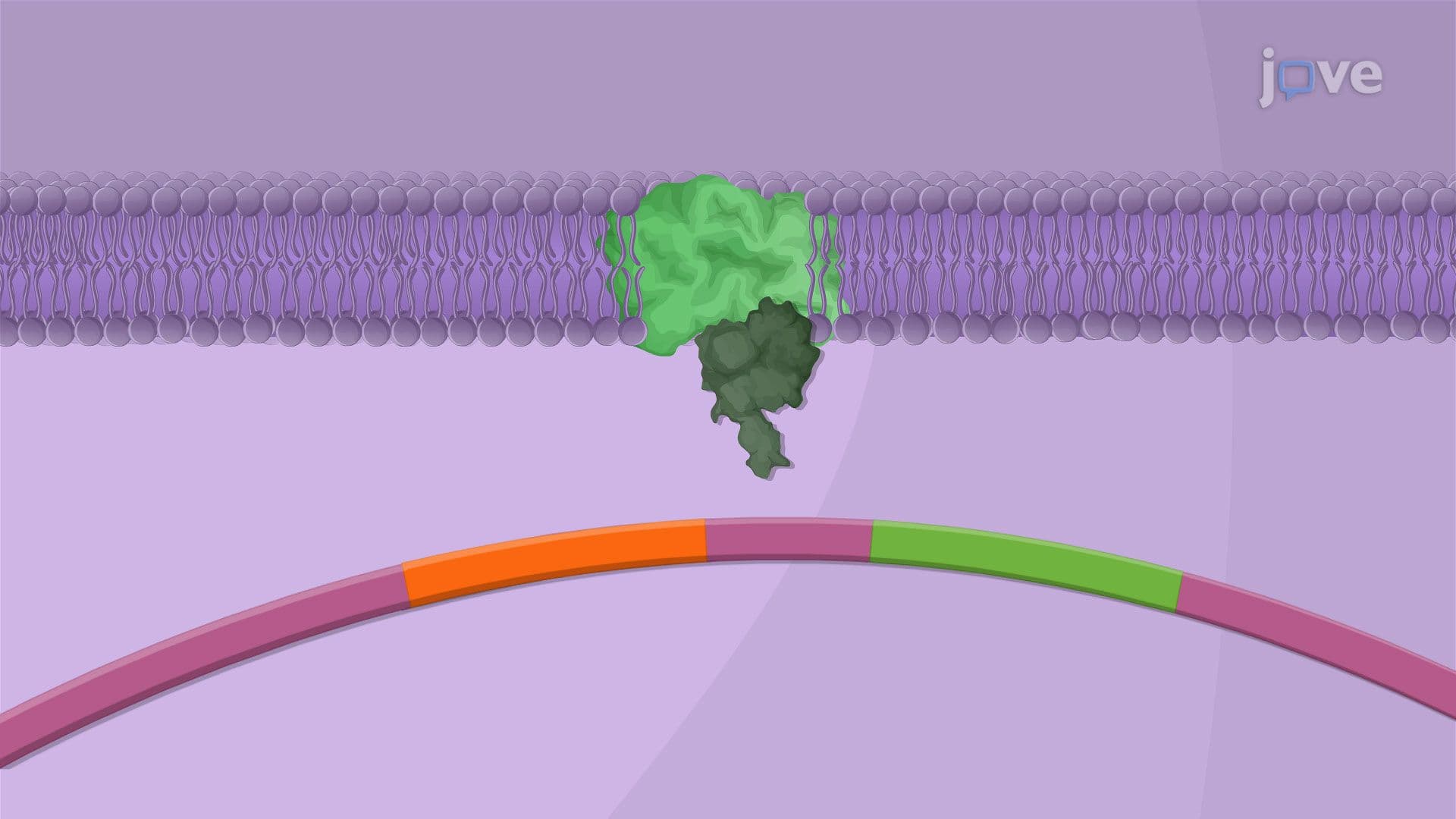
7. Regulation of Bacterial Virulence Bacteria do not express virulence genes continuously, doing so would waste energy in environments without a host. Instead, they use two-component regulatory systems that sense environmental signals and adjust gene expression accordingly. *Bordetella pertussis* (the cause of whooping cough) relies on the BvgAS system: BvgS is a membrane sensor that detects host-like conditions (such as 37°C body temperature). It autophosphorylates and transfers that phosphate to the BvgA response regulator, activating the Bvg+ phase, switching on genes for adhesins, toxins, and secretion systems. At low temperatures (outside the host), BvgS stays inactive, triggering the Bvg- phase, where virulence is suppressed. An intermediate Bvgi phase fine-tunes gene expression under transitional conditions.
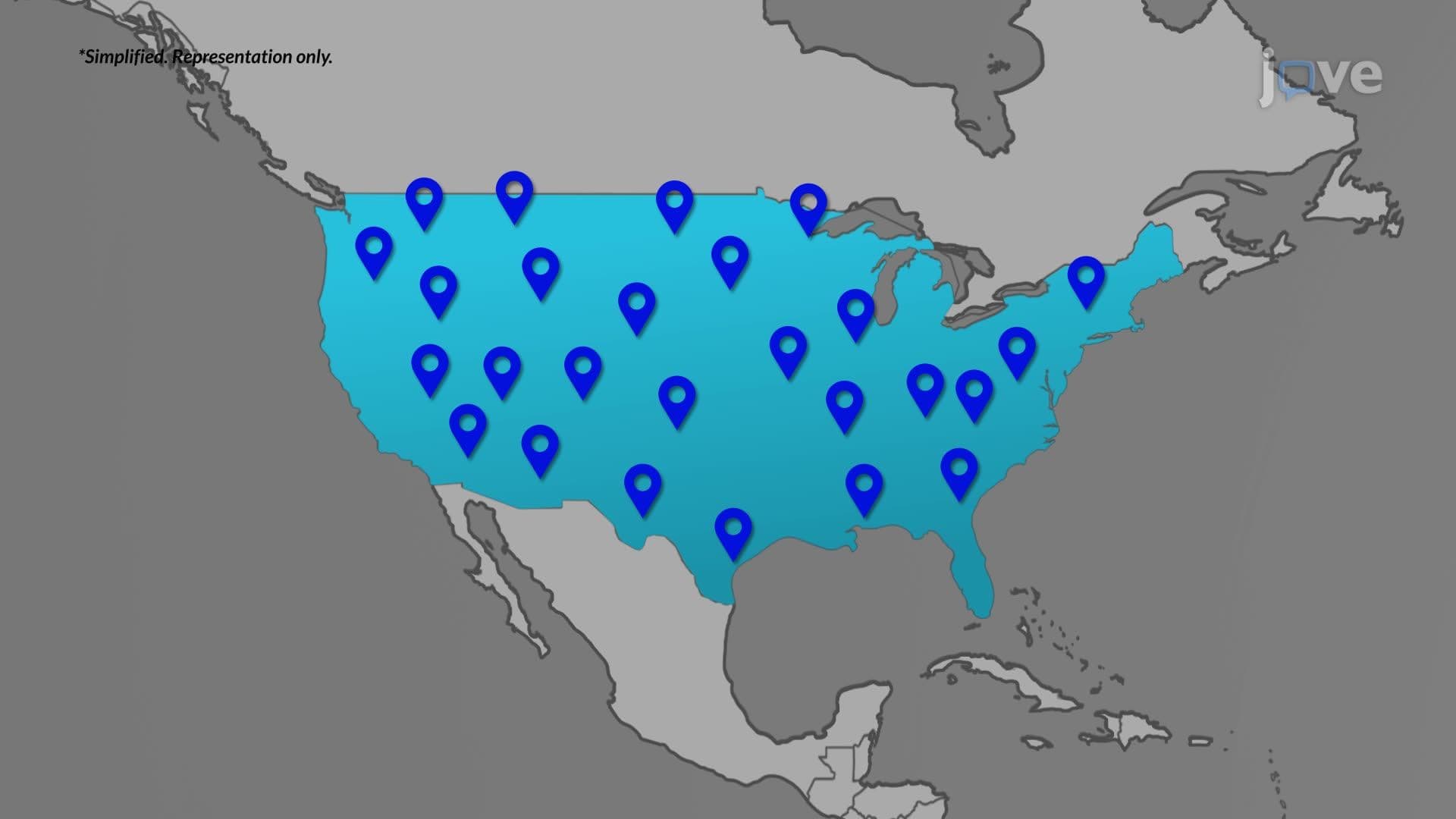
8. Investigation of Disease Outbreaks When surveillance systems detect unusual clusters of illness, public health agencies launch formal investigations. A 2019 US outbreak of *E. coli* O157:H7 illustrates this process. Laboratory analysis identified a single genetic strain across multiple patients, suggesting a common source. Epidemiologists conducted interviews to identify shared exposures, uncovering a link to romaine lettuce. Investigators then used traceback analysis, following supplier and distributor records, to pinpoint farms in California's Central Coast region. Environmental sampling of irrigation water at those farms confirmed the bacterial strain. The investigation concluded with product recalls, public health advisories, and updated federal guidelines for agricultural water safety, a model for how outbreak science protects US public health.
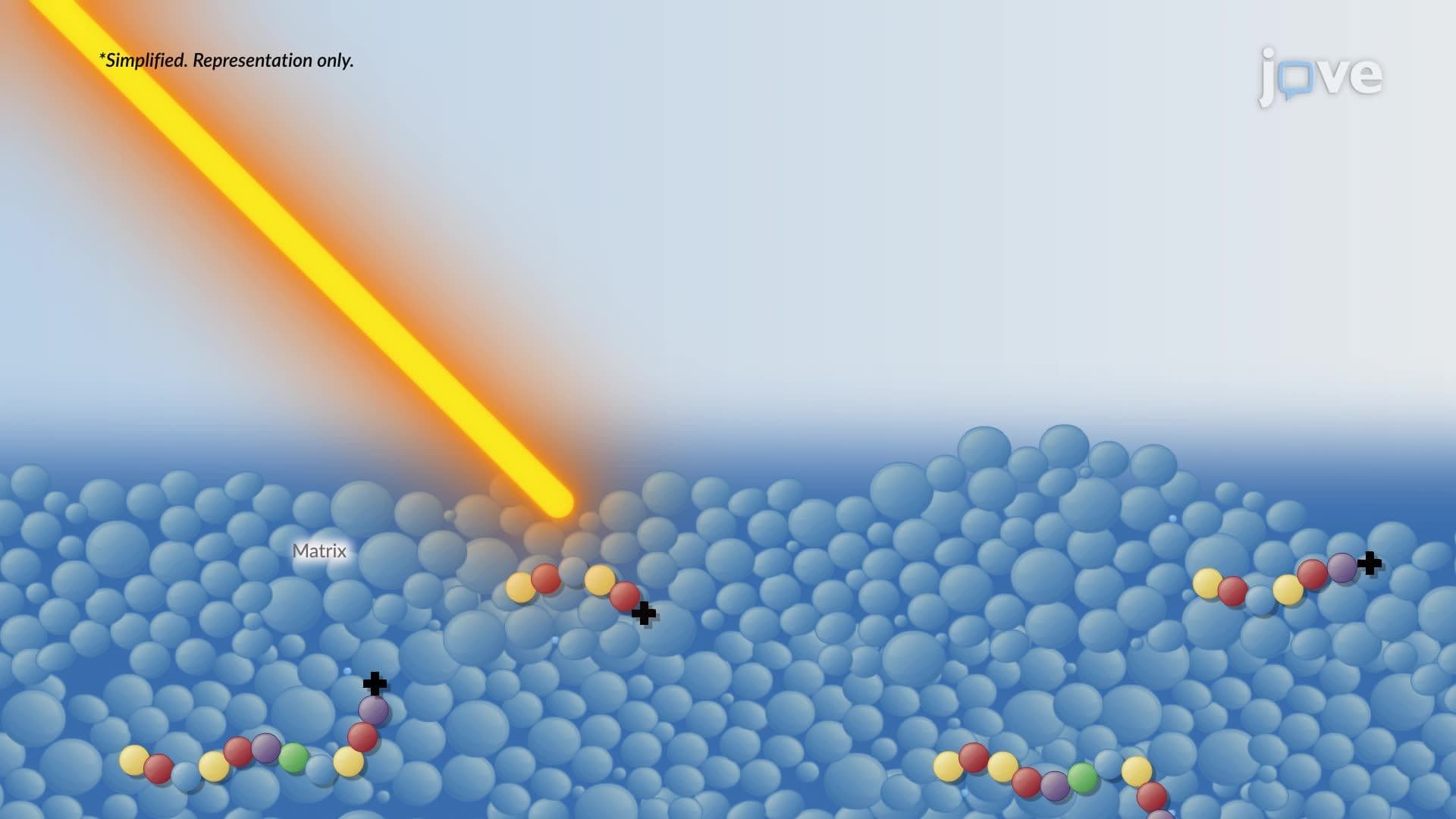
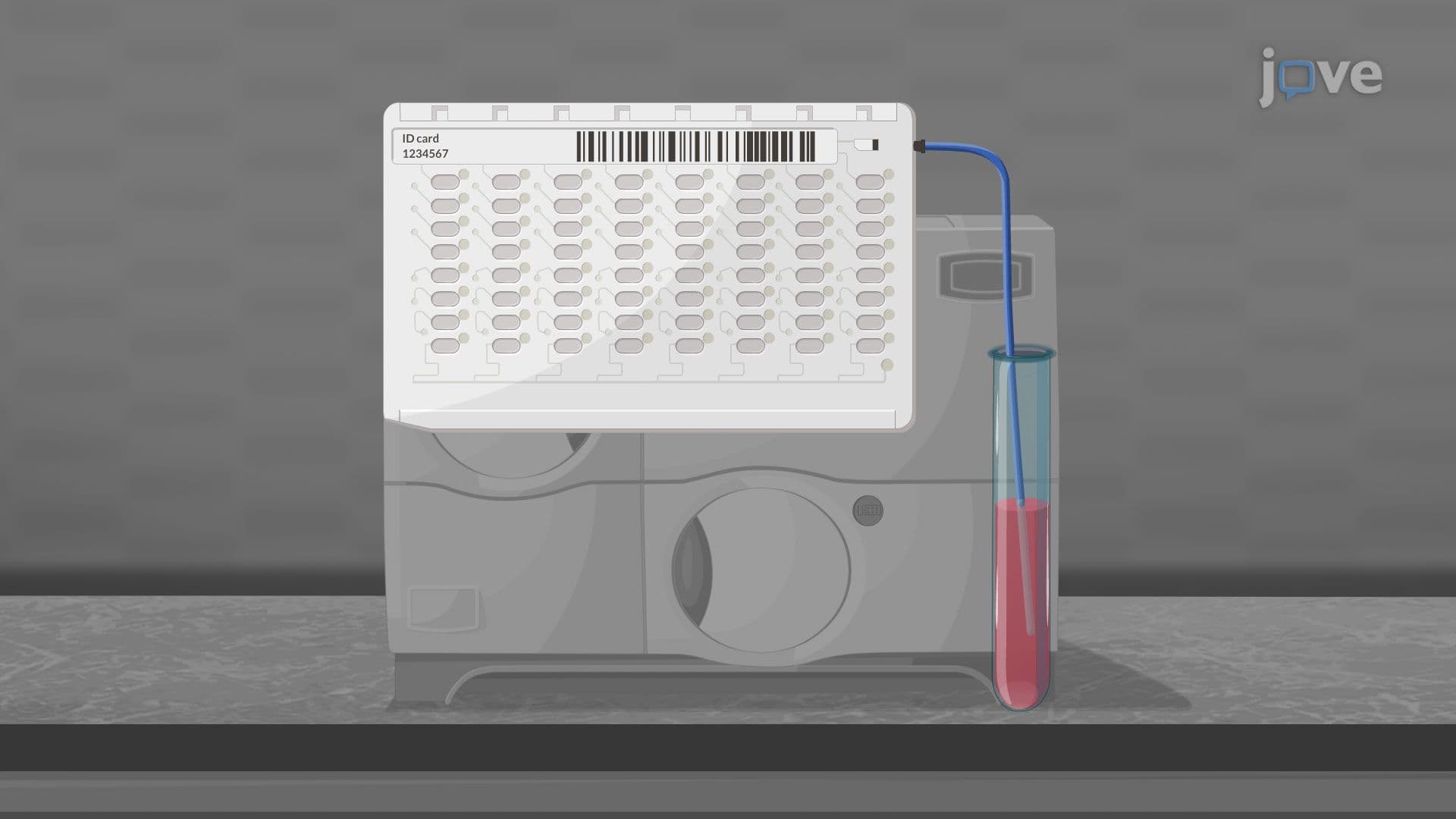
9. Rapid Pathogen Identification: MALDI-TOF and Vitek 2 Speed in identifying pathogens is critical for selecting the right antibiotic therapy. MALDI-TOF mass spectrometry works by vaporizing and ionizing microbial proteins, primarily ribosomal proteins, with a laser. The ions travel through a time-of-flight analyzer, producing a protein fingerprint unique to each species. This fingerprint is matched against a reference database, delivering accurate identification of bacteria, yeasts, and some fungi within minutes. The Vitek 2 automated system complements this by running antibiotic susceptibility testing (AST): bacteria are exposed to increasing concentrations of antibiotics in multi-well cards, and growth turbidity is monitored to determine the minimum inhibitory concentration (MIC). Results are automatically classified as susceptible, intermediate, or resistant using validated clinical standards.
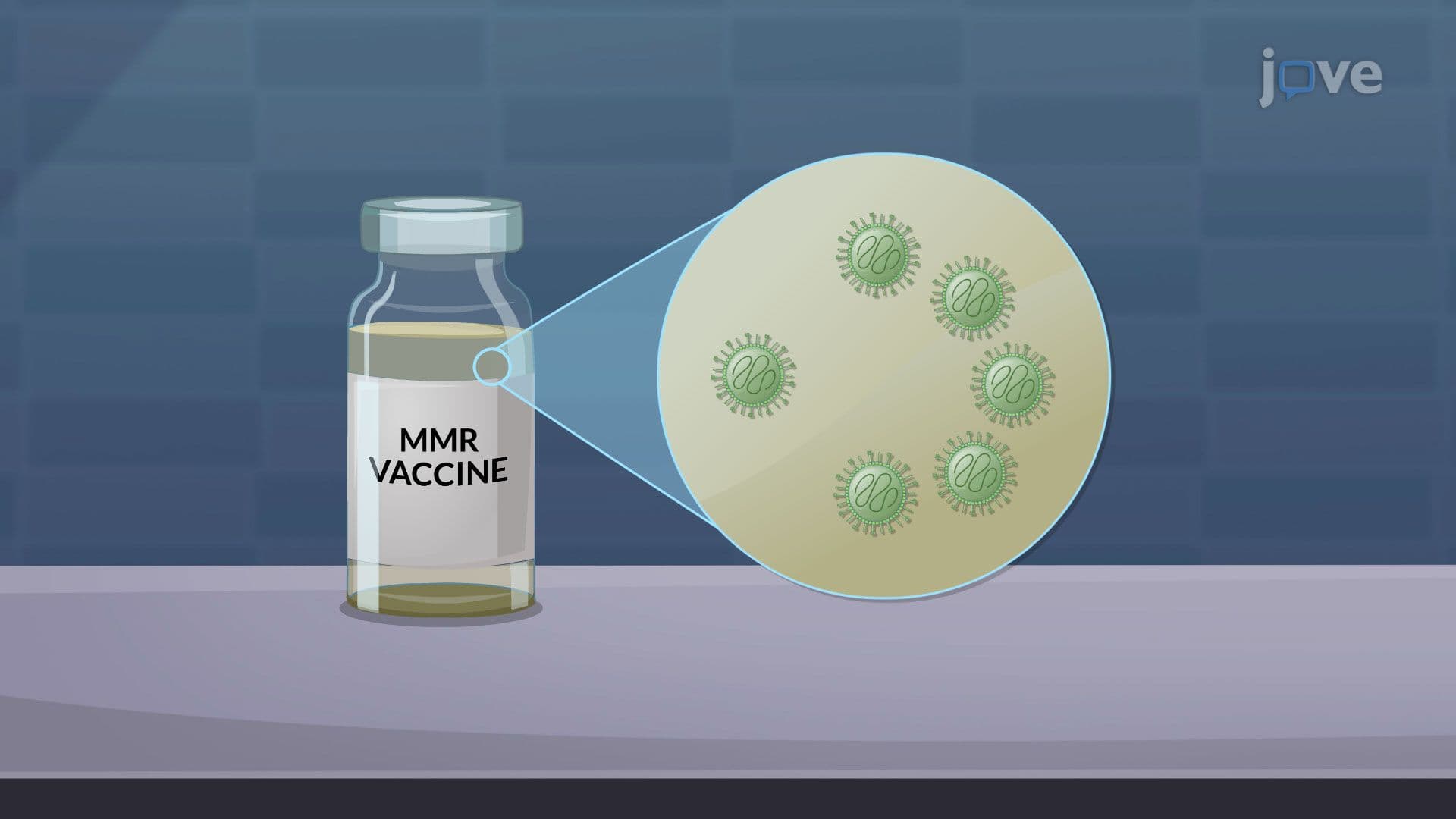
10. Vaccines and Immune Protection Vaccines prepare the immune system to recognize and respond to pathogens before actual infection occurs. Live attenuated vaccines (e.g., MMR) use weakened but replicating pathogens that generate strong, long-lasting immunity. Inactivated vaccines (e.g., the rabies vaccine) use pathogen killed by heat or chemicals. Subunit vaccines (e.g., hepatitis B) deliver only specific antigenic proteins, like viral surface antigens, without the full pathogen. Toxoid vaccines (e.g., tetanus, diphtheria) use chemically inactivated bacterial toxins, teaching the immune system to neutralize toxins rather than the bacteria itself. mRNA vaccines, pioneered at scale during the COVID-19 pandemic, deliver genetic instructions that direct host cells to produce a viral antigen (the spike protein), triggering immune memory without any pathogen component.