Loading video…

 11 Concepts
 1.4K views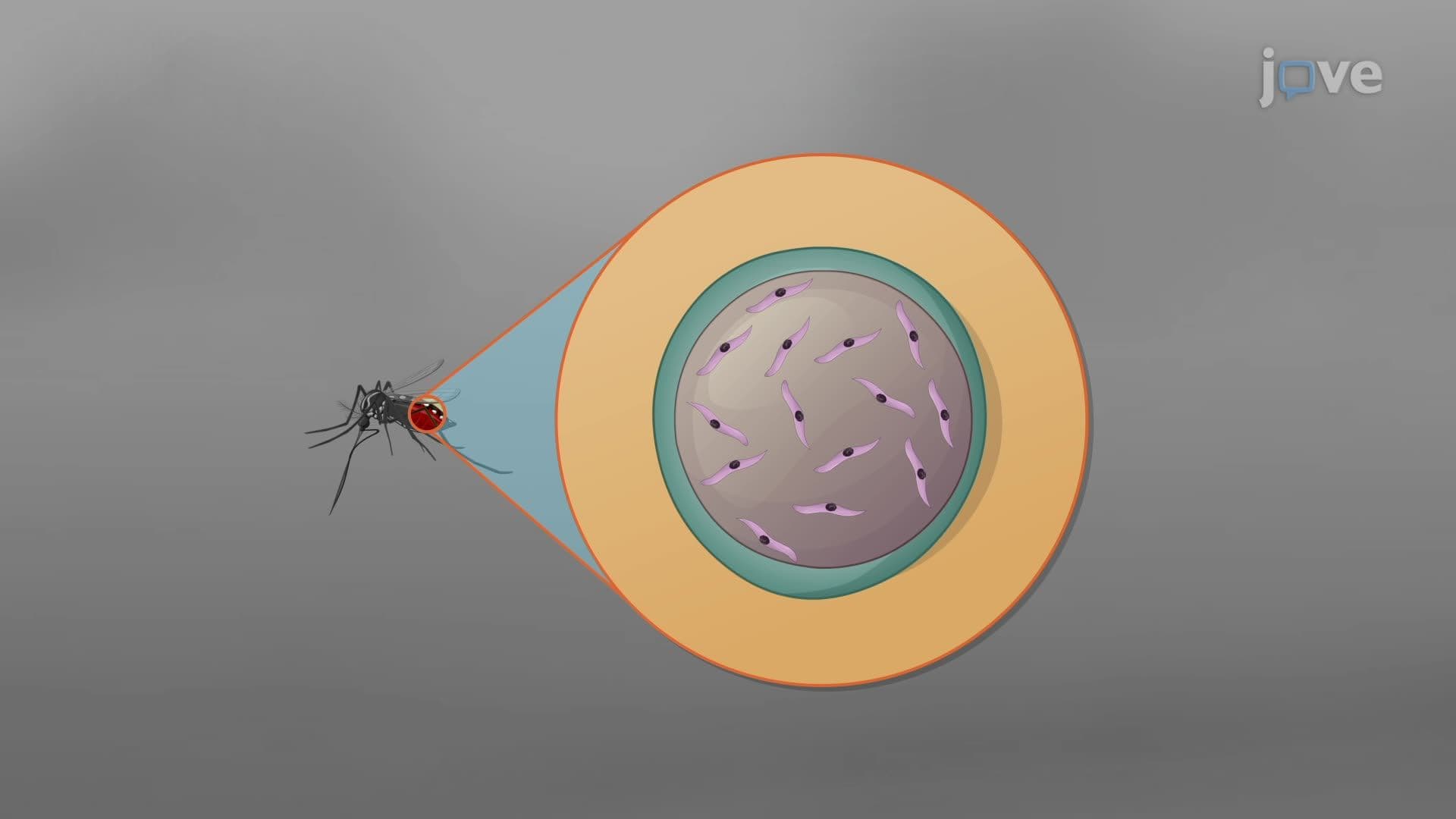

Video Summary: What Is Transmission of Pathogens
Every year, thousands of Americans contract illnesses simply by touching a contaminated doorknob or breathing shared air indoors. Understanding the transmission of pathogens, how disease-causing microorganisms travel from one host to another, is essential to preventing outbreaks. From Streptococcus infections spreading through handshakes to cholera linked to contaminated water supplies, this concept shapes modern public health. Watch the full video on JoVE Coach to master this concept with expert-led visuals and step-by-step explanations.
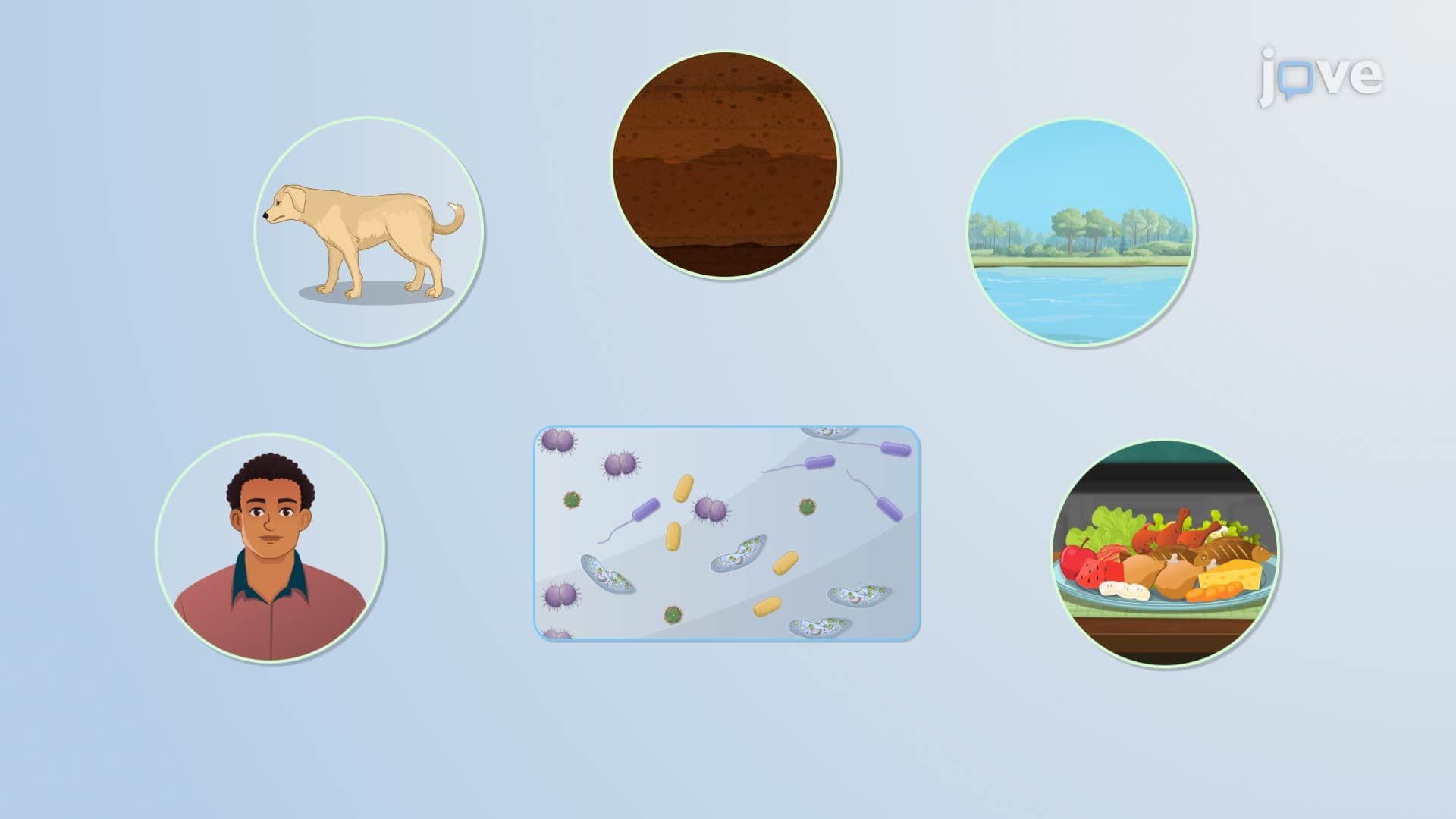
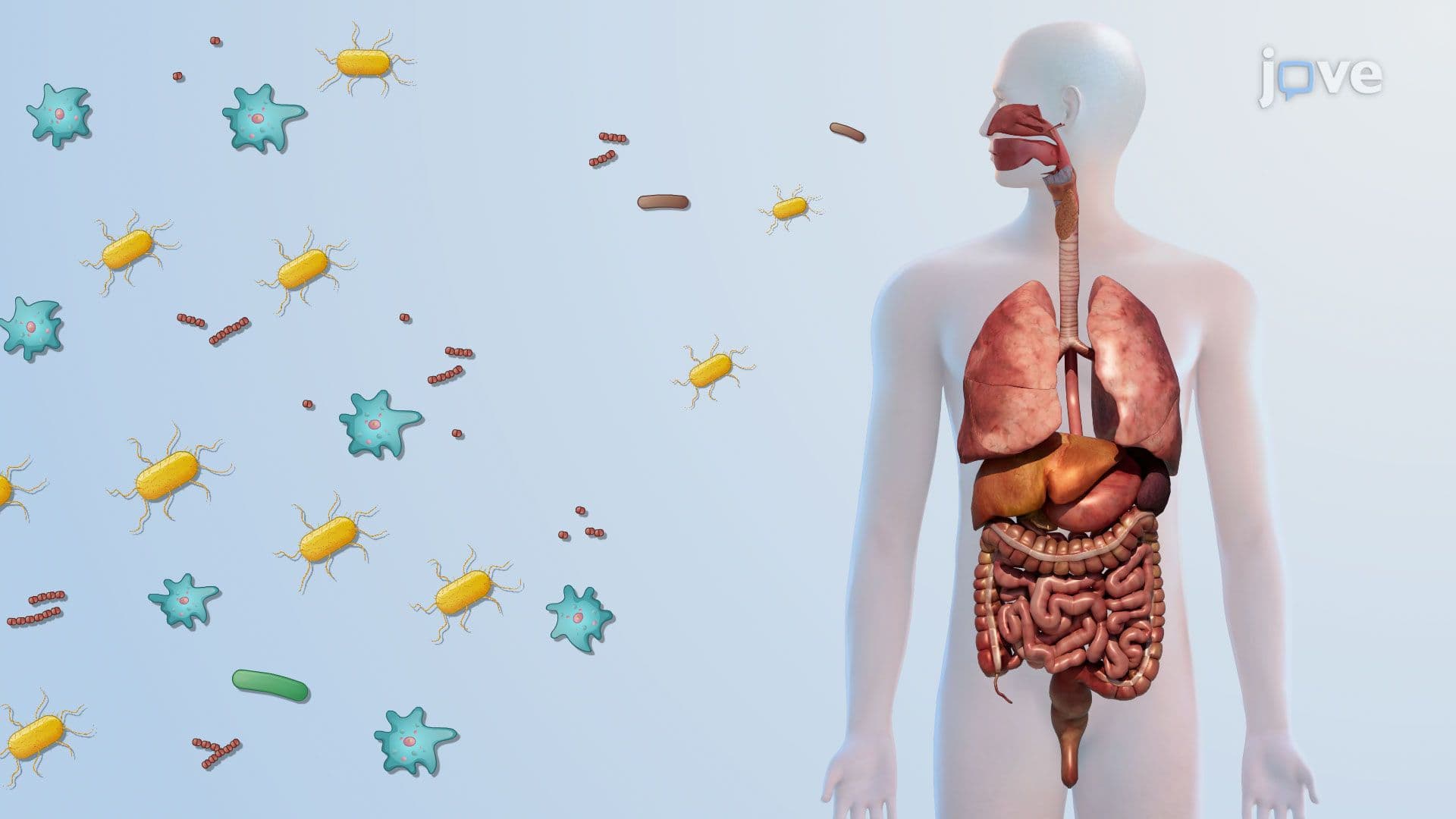
Transmission of pathogens refers to the process by which disease-causing microorganisms, including bacteria, viruses, fungi, and parasites, move from a source (called a reservoir) to a new, susceptible host. This concept is foundational in microbiology and epidemiology, appearing in AP Biology curricula, college-level Microbiology courses, and standardized exams like the MCAT and NCLEX. Mastering it means understanding not just *what* spreads disease, but *how* and *why*, knowledge that directly informs how clinicians, public health officials, and everyday individuals prevent infections.
Contact transmission is divided into direct and indirect forms. Direct transmission occurs when a pathogen passes immediately between two people, a handshake, a kiss, or skin-to-skin contact. *Streptococcus pyogenes*, the bacterium responsible for strep throat and impetigo, commonly spreads this way in schools and households across the US.
Indirect transmission involves an intermediate object known as a fomite, any inanimate surface or item that harbors pathogens. Hospital bed rails, keyboards, doorknobs, and shared gym equipment are classic fomites. The CDC estimates that healthcare-associated infections, many spread via fomites, affect approximately 1 in 31 hospitalized patients in the US on any given day, illustrating the real clinical stakes of this transmission route.
Vehicle transmission uses a non-living medium to carry pathogens to a host. Two particularly important subtypes are distinguished by particle size and behavior in air.
Droplet transmission occurs when respiratory droplets, typically larger than 5 micrometers, are expelled through coughing, sneezing, or talking. These droplets travel short distances (generally less than 6 feet) before settling. Influenza and pertussis (whooping cough) are common US examples.
Airborne transmission involves much smaller particles (under 5 micrometers) called aerosols that remain suspended in the air for extended periods and travel farther distances. *Mycobacterium tuberculosis*, the causative agent of TB, spreads via airborne transmission, which is why TB patients in US hospitals are isolated in negative-pressure rooms. This distinction is heavily tested on the MCAT and USMLE Step 1.
Waterborne transmission occurs when pathogens contaminate drinking or recreational water. Cholera, caused by *Vibrio cholerae*, is a global example, while Cryptosporidium outbreaks have affected municipal water systems in cities like Milwaukee, Wisconsin, reinforcing why the US EPA regulates water treatment standards.
Unlike vehicles, vectors are living organisms, most commonly insects, that carry pathogens from one host to another. There are two fundamentally different mechanisms.
In mechanical vector transmission, the vector (such as a housefly) physically carries pathogens on its body surface without being infected itself. The pathogen does not reproduce inside the vector; it is simply transported and deposited on food or wounds.
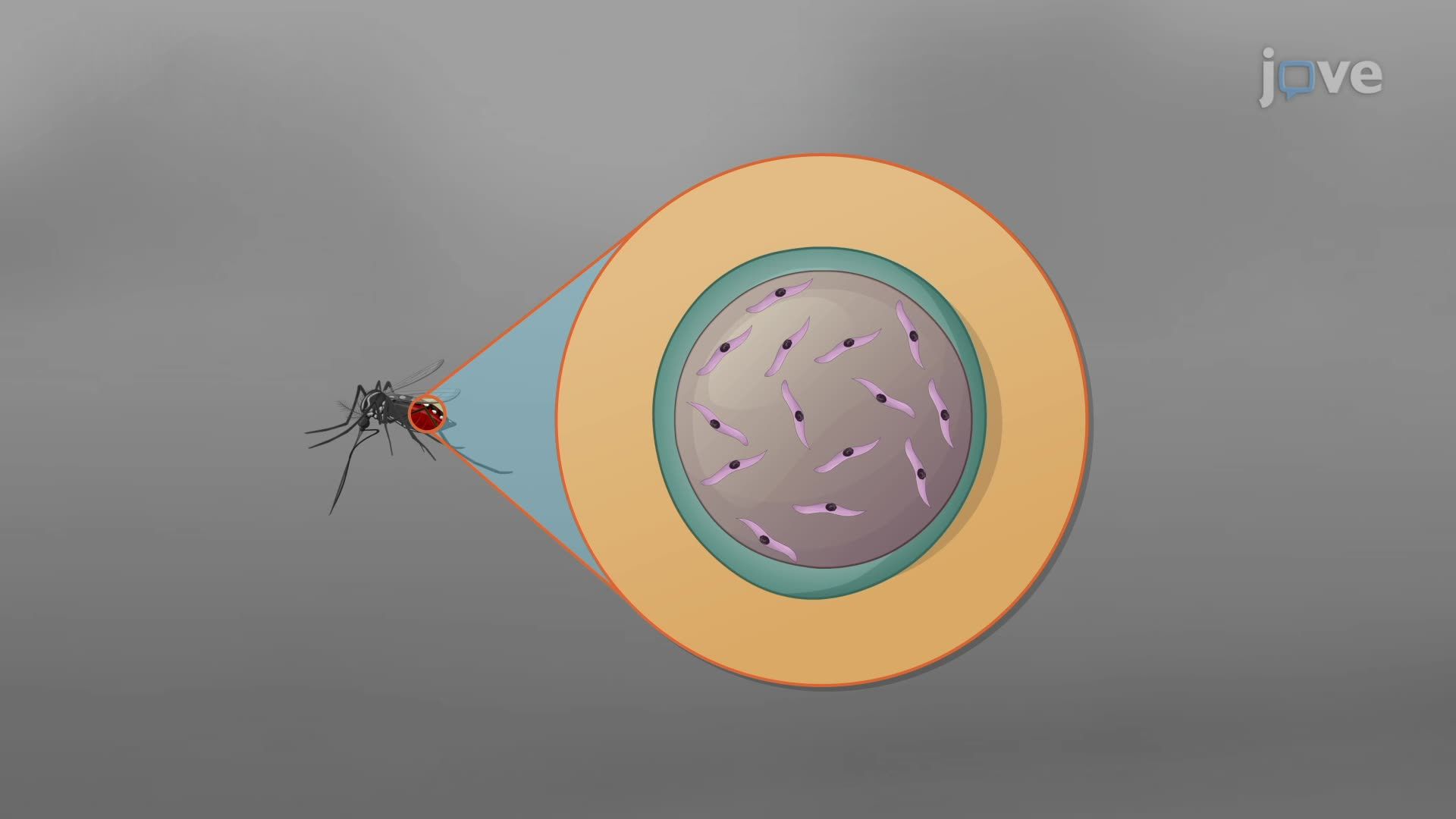
In biological vector transmission, the pathogen actively replicates or develops inside the vector before being transmitted. The relationship between *Plasmodium* (the malaria parasite) and the *Anopheles* mosquito is the most studied example: *Plasmodium* undergoes a critical developmental stage inside the mosquito before it becomes infectious to humans. In the US, vector-borne diseases like Lyme disease (transmitted by *Ixodes* ticks) and West Nile virus (transmitted by *Culex* mosquitoes) represent significant public health concerns monitored by the CDC.
Understanding these distinctions is critical for AP Biology free-response questions and college microbiology midterms, where students are regularly asked to classify transmission scenarios and justify their reasoning with biological evidence.
Related Micro-courses