Loading video…

 11 Concepts
 1.4K views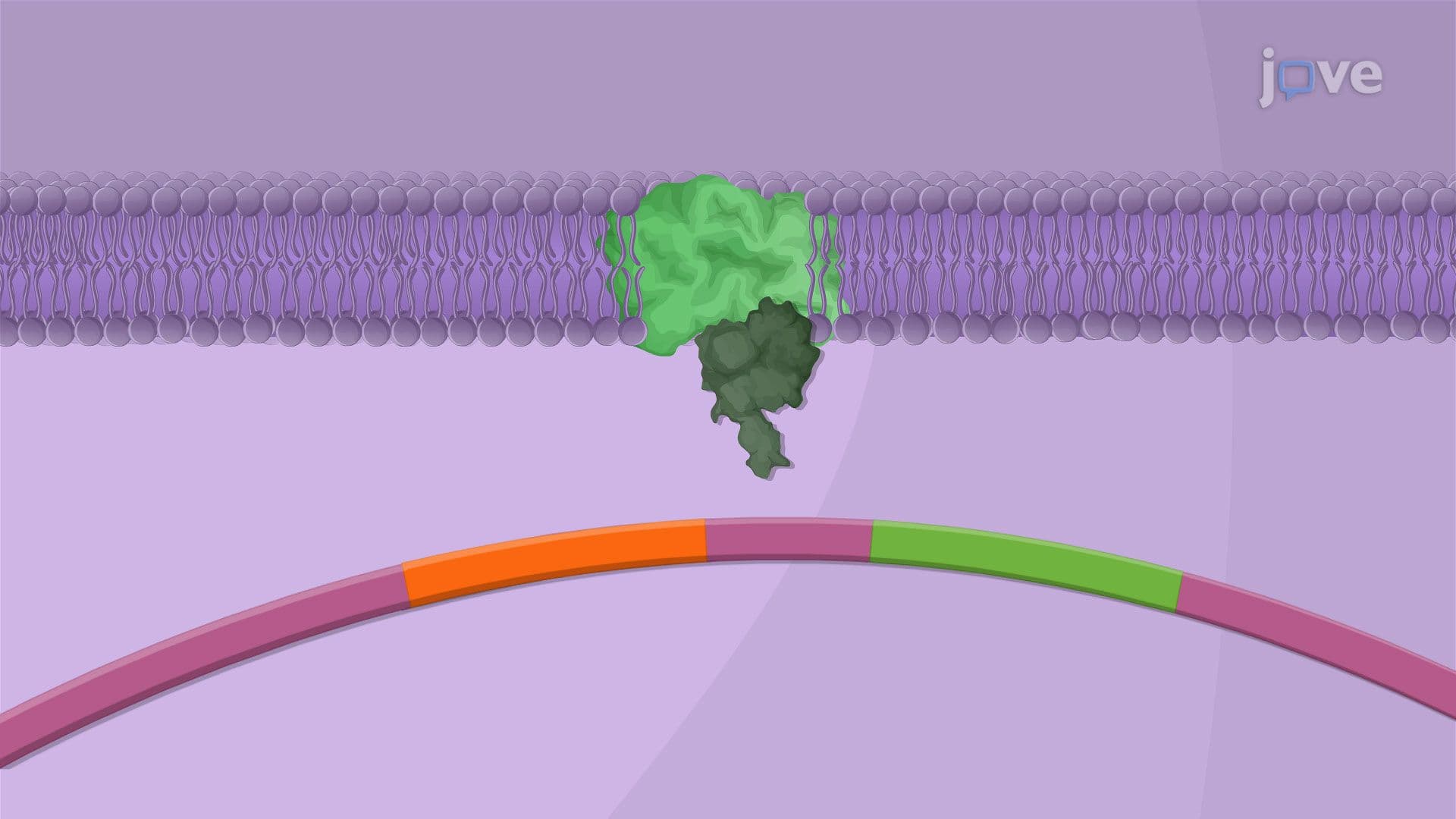

Video Summary: What Is Regulation of Bacterial Virulence
How does a bacterium "know" it's inside a human body, and instantly switch on its most dangerous weapons? That's the core question behind the regulation of bacterial virulence. *Bordetella pertussis*, the pathogen behind whooping cough outbreaks across the US, uses a molecular sensing system to activate toxins only when conditions are right. Watch the full video on JoVE Coach to master this concept with expert-led visuals and step-by-step explanations.
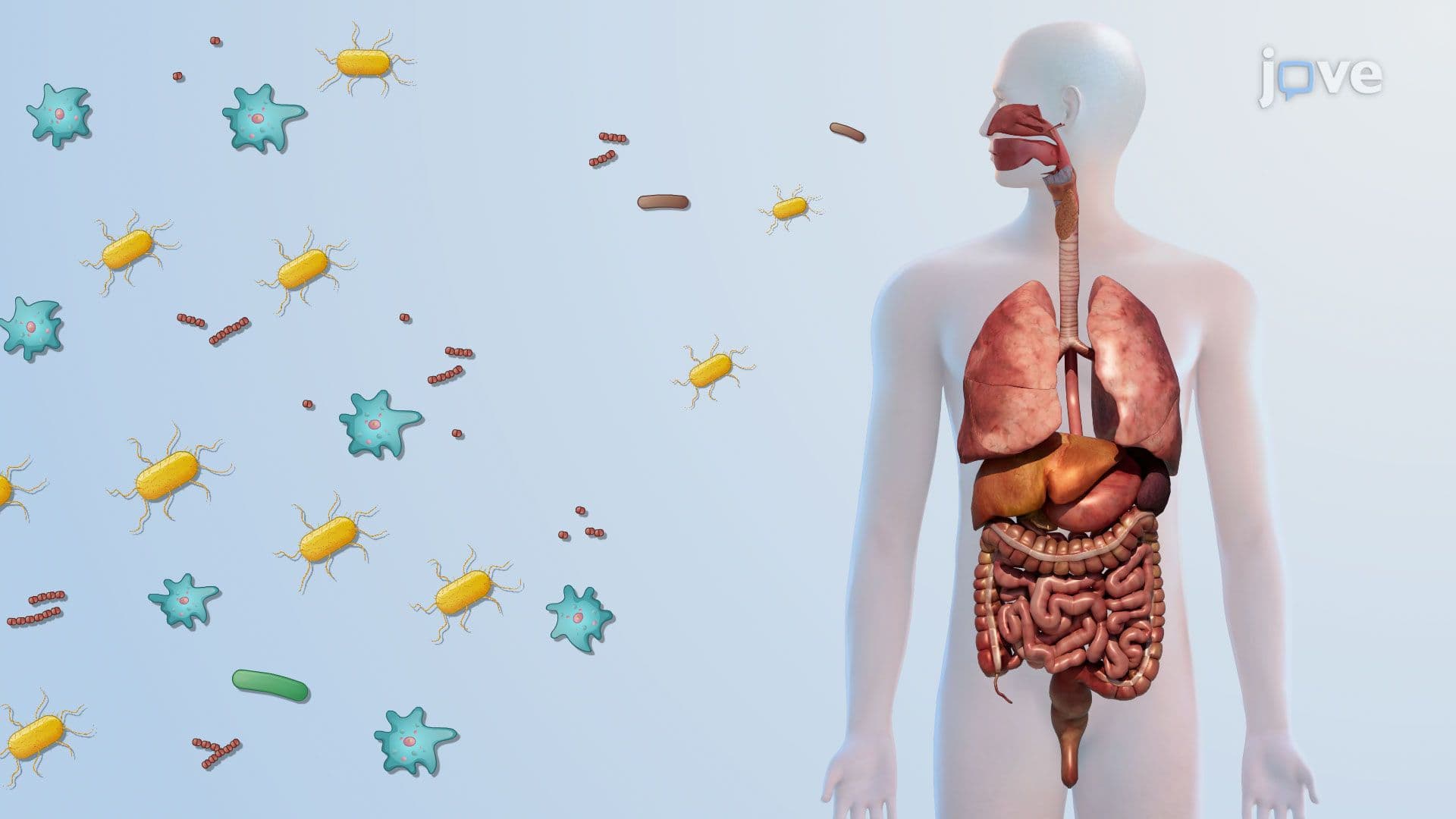
Bacterial pathogens are remarkably strategic. Rather than expressing all their harmful proteins at once, which would waste energy and trigger rapid immune detection, bacteria regulate virulence gene expression with precision. The regulation of bacterial virulence refers to the molecular mechanisms that control *when*, *where*, and *how much* a pathogen deploys its infection toolkit. These mechanisms allow bacteria to adapt to shifting environments, survive outside a host, and maximize damage once inside one. For high school and college students studying microbiology, this concept bridges genetics, cell signaling, and infectious disease.
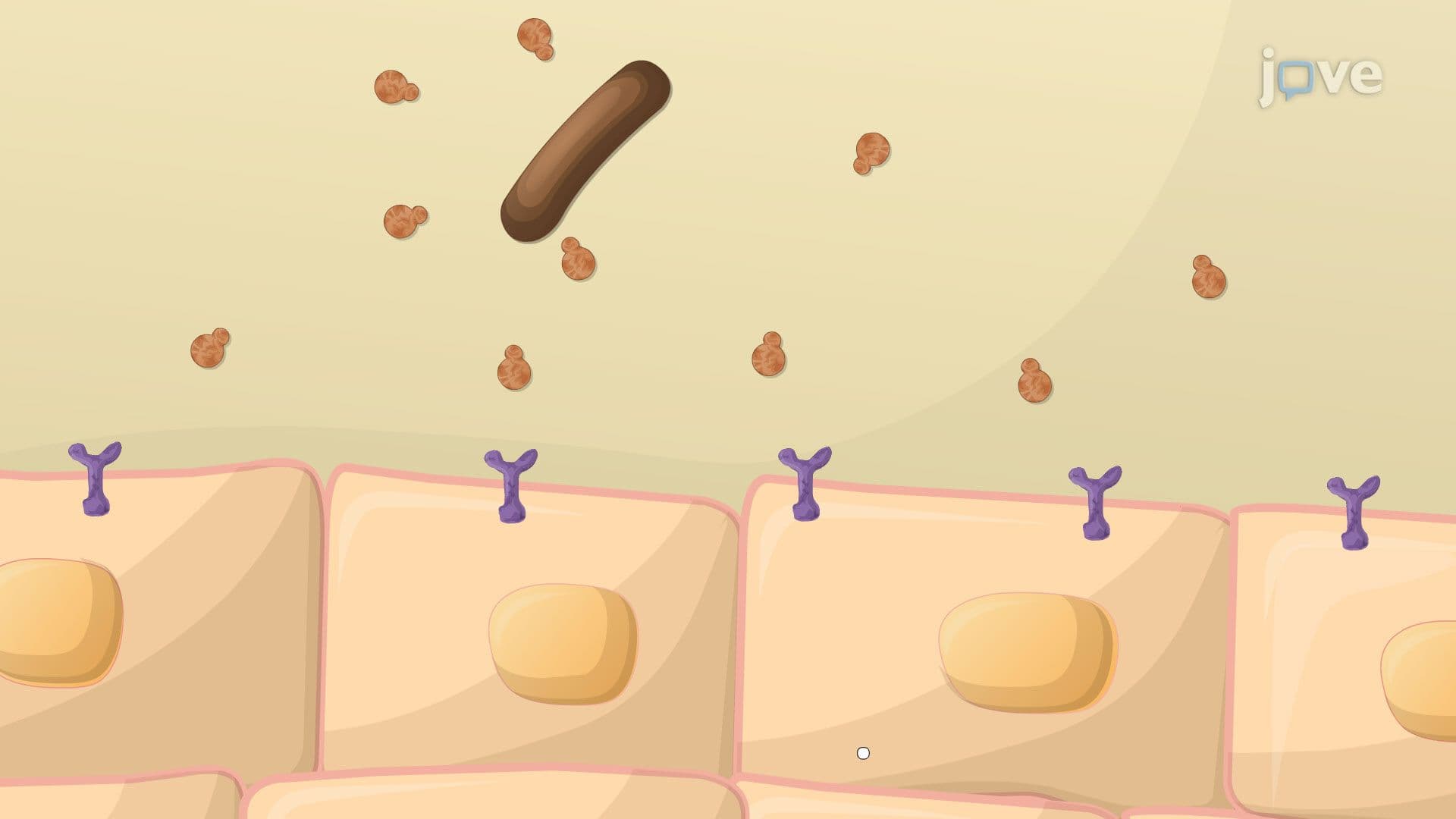
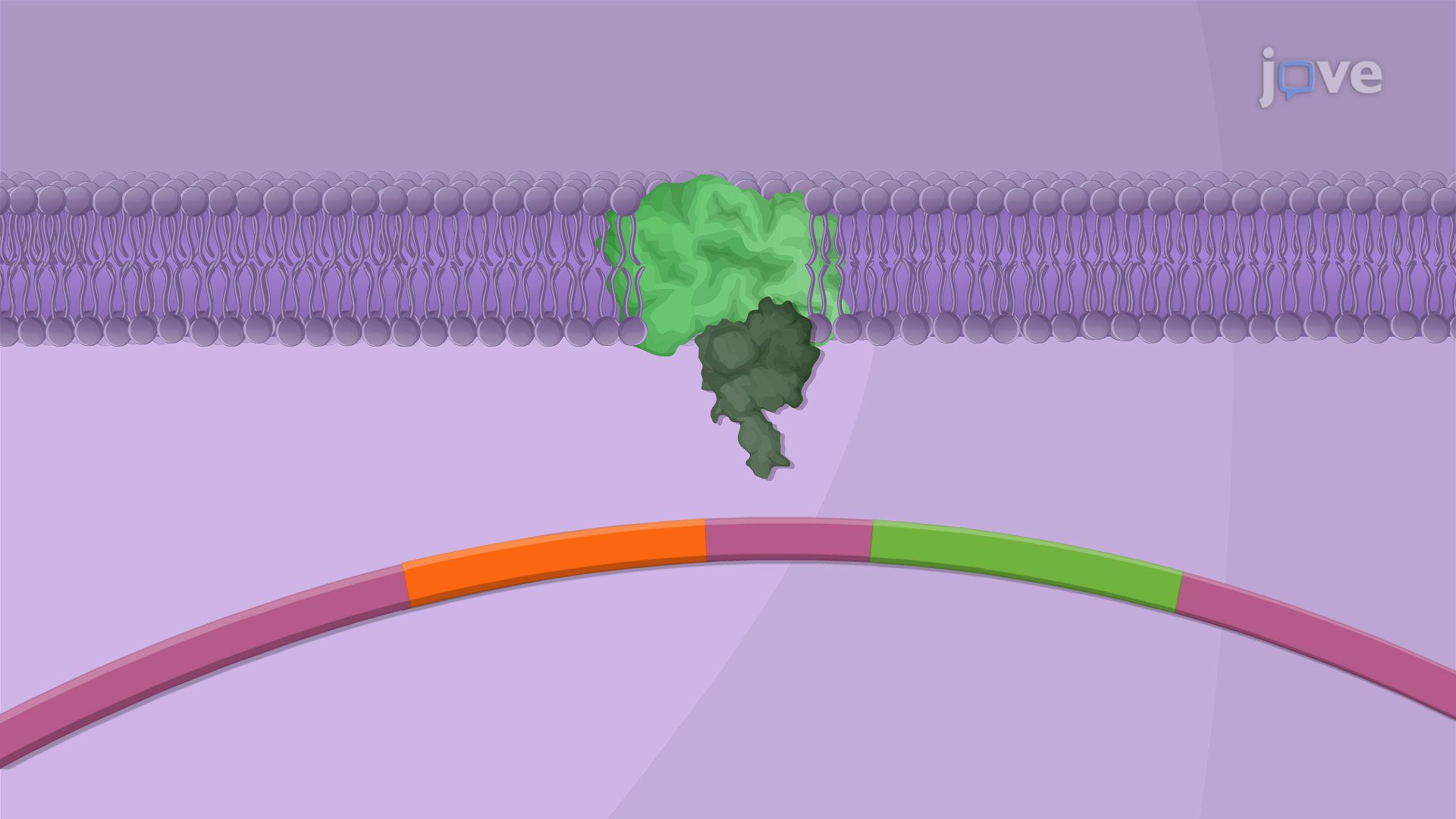
The most well-studied mechanism behind virulence regulation is the two-component system (TCS). This signaling pathway consists of two proteins working in tandem: a sensor kinase embedded in the bacterial membrane that detects environmental changes, and a response regulator in the cytoplasm that carries out the cellular response. When the sensor detects a relevant cue, temperature shift, pH change, ion concentration, or nutrient availability, it autophosphorylates (adds a phosphate group to itself) and transfers that phosphate to the response regulator, activating it. This phosphorylation cascade is a core concept in AP Biology and microbiology college courses, often appearing on MCAT exams in the context of signal transduction and gene regulation.
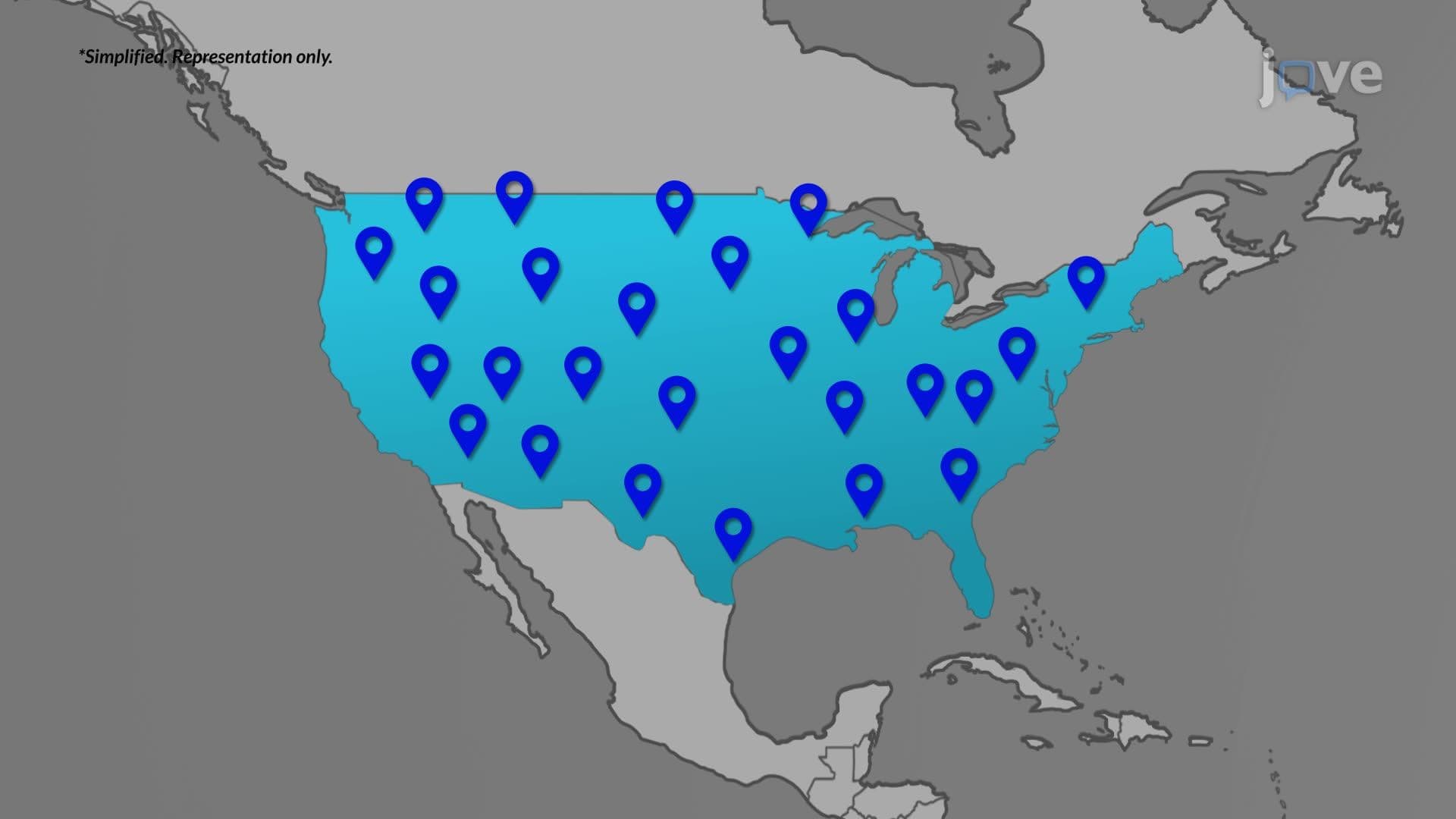
*Bordetella pertussis*, the bacterium responsible for whooping cough (pertussis), is one of the most instructive real-world examples of virulence regulation. The US still reports thousands of pertussis cases annually, the CDC documented major outbreaks in California and across the Midwest in recent years, making this pathogen clinically relevant, not just academic.
The BvgAS two-component system is the master regulator of virulence in *B. pertussis*. BvgS is the membrane-bound sensor kinase; BvgA is the cytoplasmic response regulator. At 37°C, human body temperature, BvgS detects host-like conditions, autophosphorylates, and transfers the phosphate group to BvgA. Activated (phosphorylated) BvgA then turns on virulence genes encoding adhesins (proteins that help bacteria stick to respiratory cells), toxins like pertussis toxin and adenylate cyclase toxin, and type III secretion systems.
This activated state is called the Bvg+ phase and represents the bacterium at peak infectious potential. When the bacterium is outside a host, exposed to low temperatures or other non-inducing signals, BvgS remains inactive, BvgA stays unphosphorylated, and virulence genes are repressed. This is the Bvg− phase, which supports long-term survival in the environment. A third state, the Bvgi (intermediate) phase, occurs when BvgA is only partially phosphorylated, selectively activating a subset of genes such as adhesins. This fine-tuned middle state may help bacteria transition into the host during early stages of infection.
Understanding virulence regulation has direct implications for infectious disease diagnostics and treatment. Researchers studying these regulatory systems use techniques like antibiotic susceptibility testing, molecular diagnostics such as PCR-based methods, and microbial culture to identify how pathogens behave at different infection stages. Clinical microbiologists in US hospital labs use this knowledge to interpret culture results and guide treatment decisions.
From an exam standpoint, this topic appears in AP Biology under gene regulation and cell communication, in college-level microbiology midterms and finals, and in MCAT preparation under molecular biology and microbiology. Students who understand the logic of two-component systems, signal in, phosphorylation cascade, gene expression change, can apply that framework to dozens of other bacterial pathogens. Mastering this concept now builds a strong foundation for courses in immunology, pharmacology, and clinical medicine.
Related Micro-courses