Loading video…

 15 Concepts
 1.8K views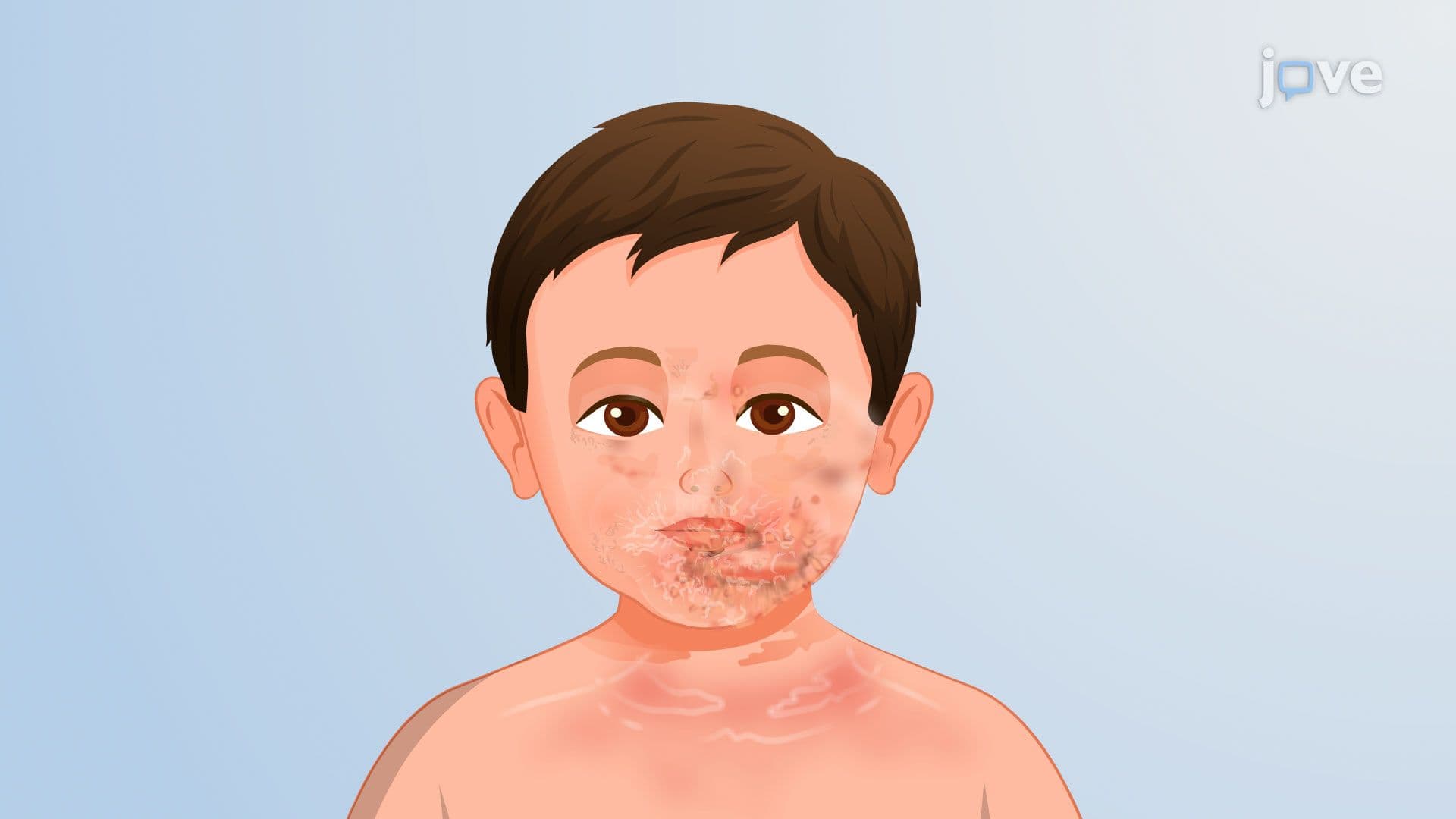

Video Summary: What are Staphylococcal Skin Infections
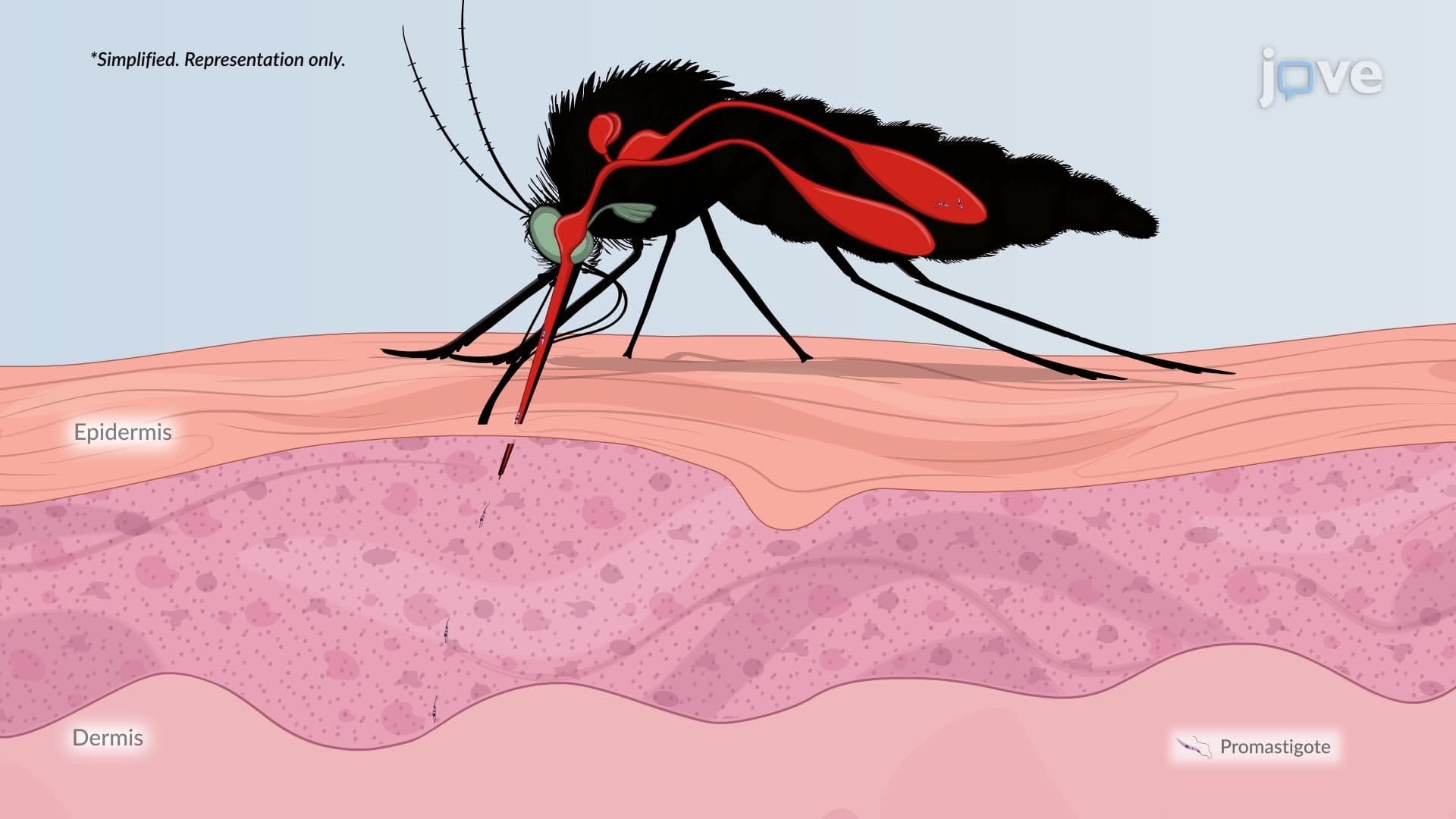
Every year, millions of Americans visit urgent care clinics for red, pus-filled skin bumps, and a single bacterium is often to blame. Staphylococcal skin infections are caused by *Staphylococcus aureus*, a Gram-positive bacterium that lives harmlessly on your skin until the barrier breaks. From minor pimples to the severe blistering of Staphylococcal Scalded Skin Syndrome, this pathogen uses powerful toxins and adhesins to invade and damage tissue. Watch the full video on JoVE Coach to master this concept with expert-led visuals and step-by-step explanations.
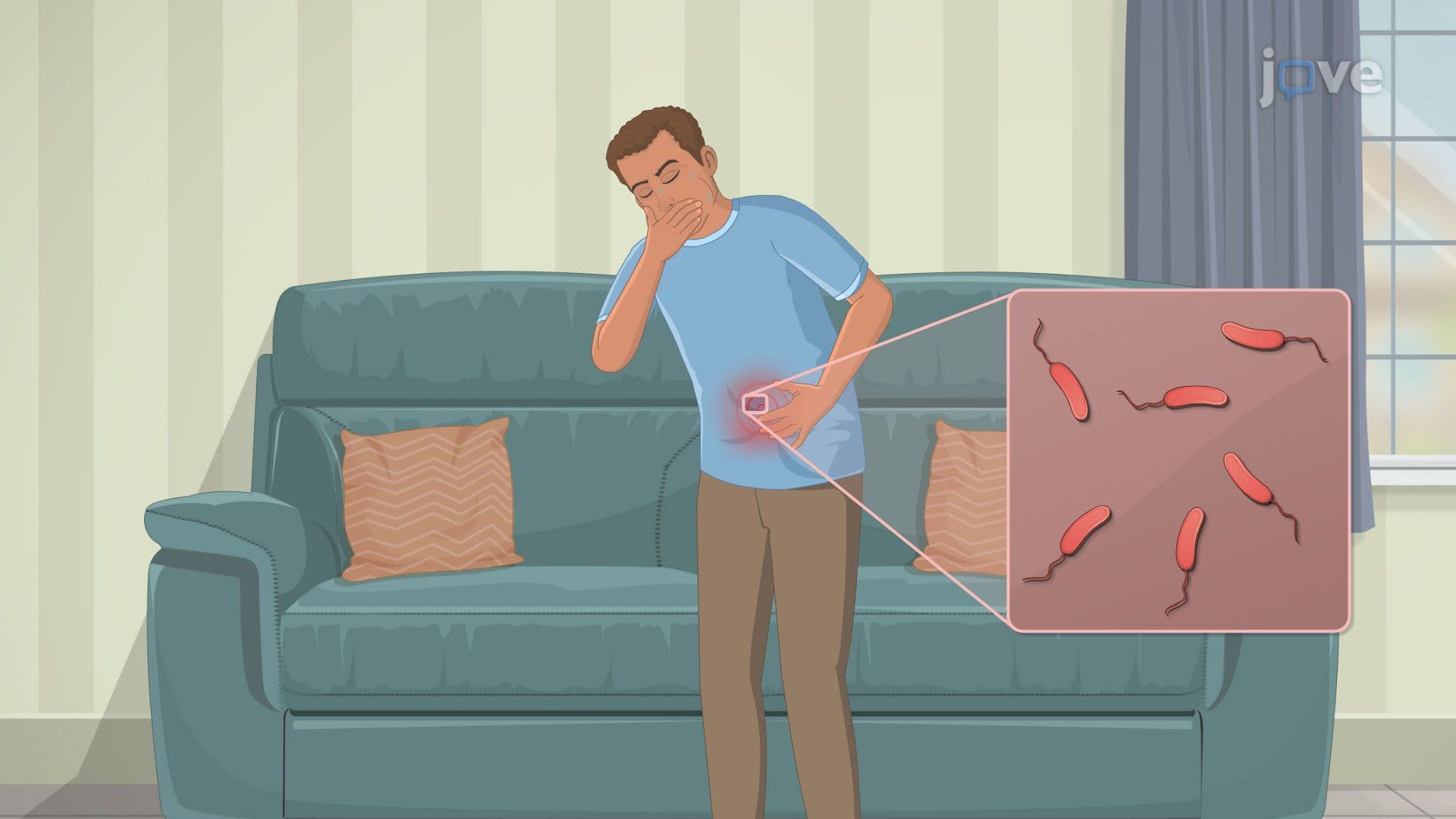
Staphylococcal skin infections are among the most common bacterial infections seen in clinical settings across the United States, affecting people of all ages, from newborns in neonatal ICUs to athletes in high school locker rooms. They are caused by *Staphylococcus aureus*, a Gram-positive, spherical (coccus-shaped) bacterium that is part of the normal skin microbiota. Under healthy conditions, *S. aureus* coexists with the body without causing harm. However, when the skin barrier is disrupted, through a cut, abrasion, surgical wound, or even a shaving nick, the bacterium exploits the opening to establish infection. Understanding this balance between colonization and pathogenesis is a cornerstone concept in introductory microbiology and is frequently tested on AP Biology exams and college-level microbiology midterms.
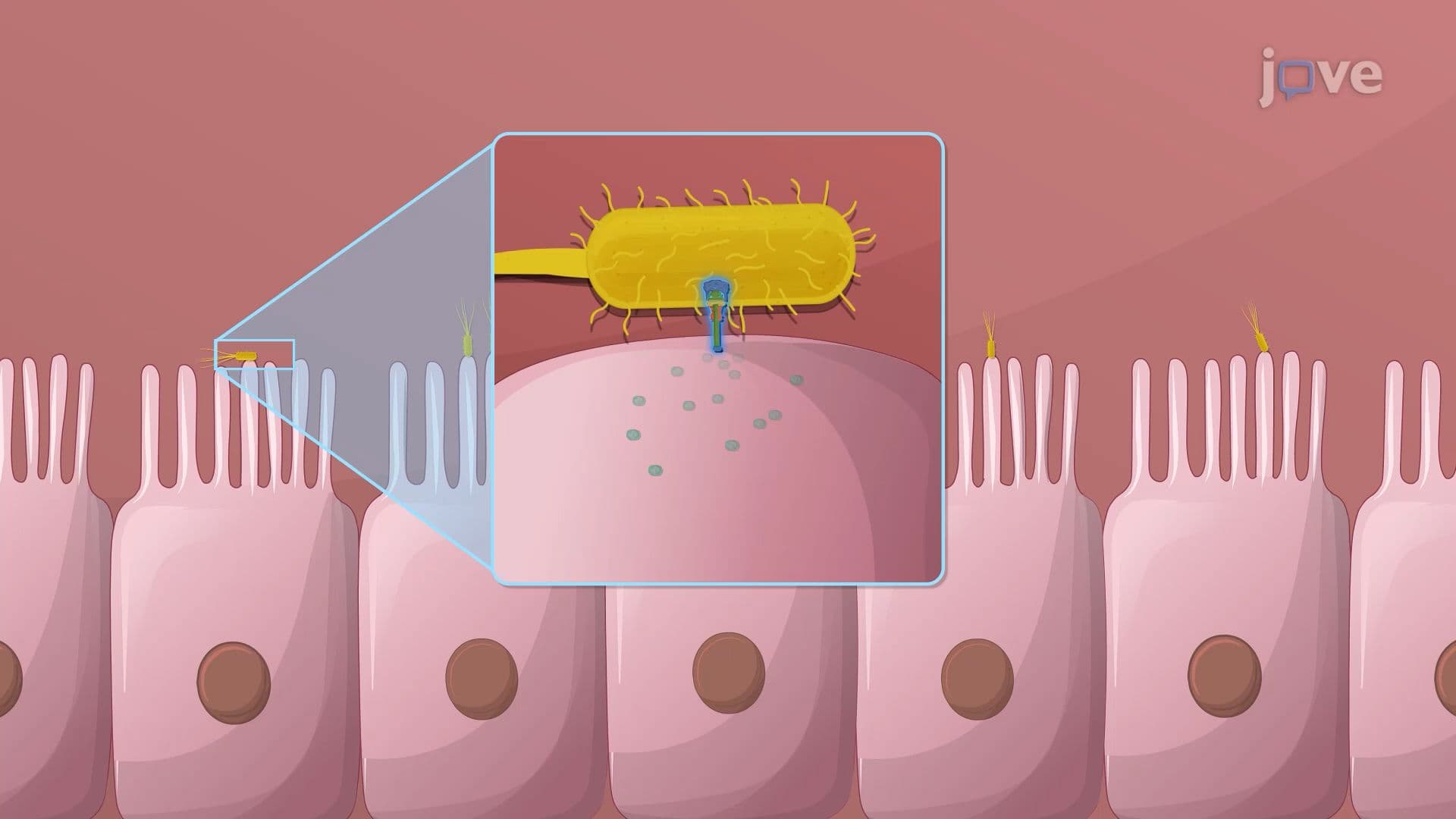
The first step in any bacterial infection is adherence, and *S. aureus* is exceptionally well-equipped for this. The bacterium expresses surface proteins called adhesins, specifically clumping factor B (ClfB) and SasG, that bind directly to host skin proteins, including loricrin and cytokeratin, both found on the surface of skin cells (keratinocytes). This molecular "lock and key" attachment anchors the bacteria to the skin, allowing the infection to take hold locally before the immune system can clear it. This mechanism is a classic example of a virulence factor, a structural or molecular trait that enhances a pathogen's ability to cause disease. Virulence factors are a high-yield topic on the MCAT and USMLE Step 1.
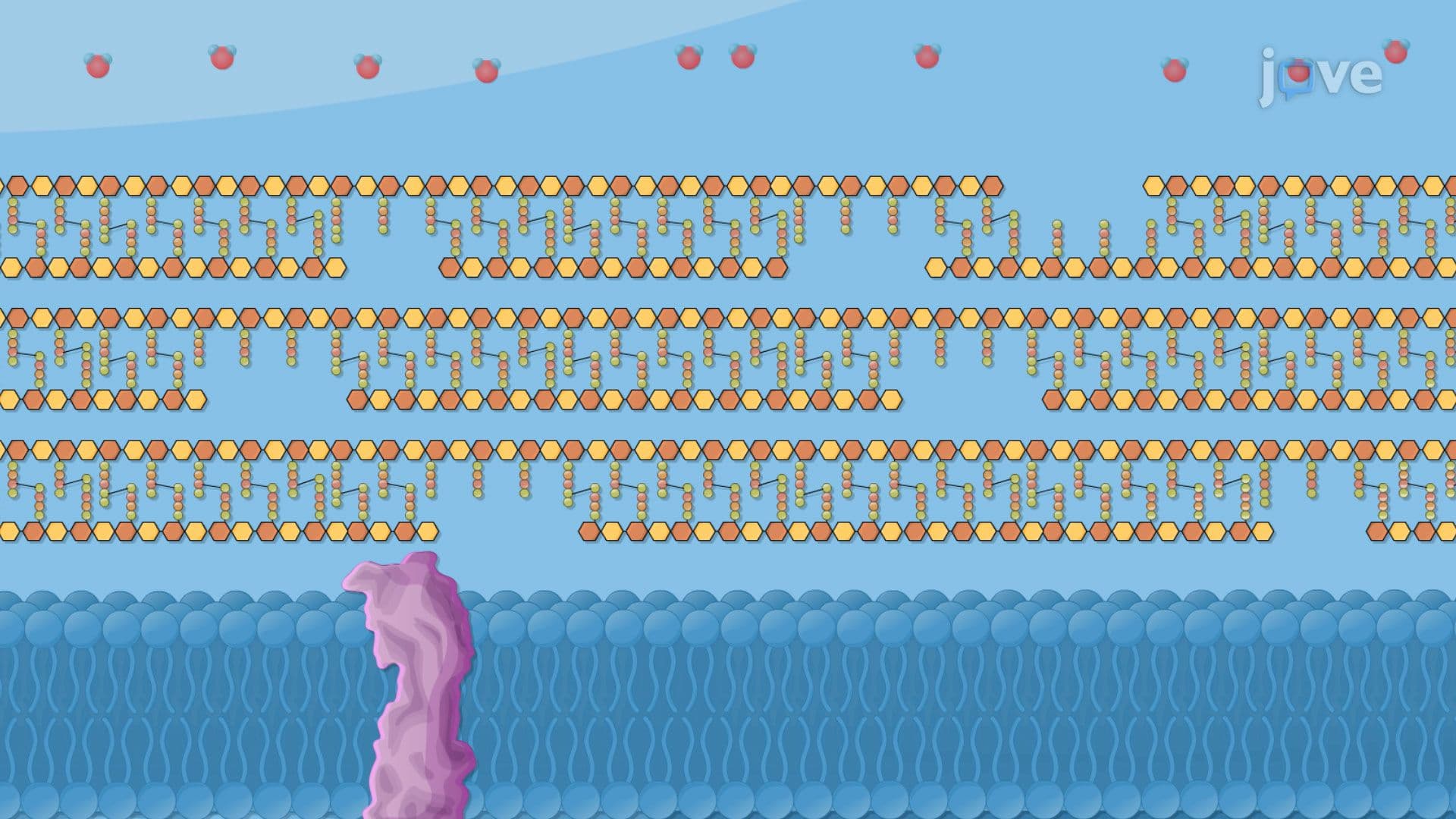
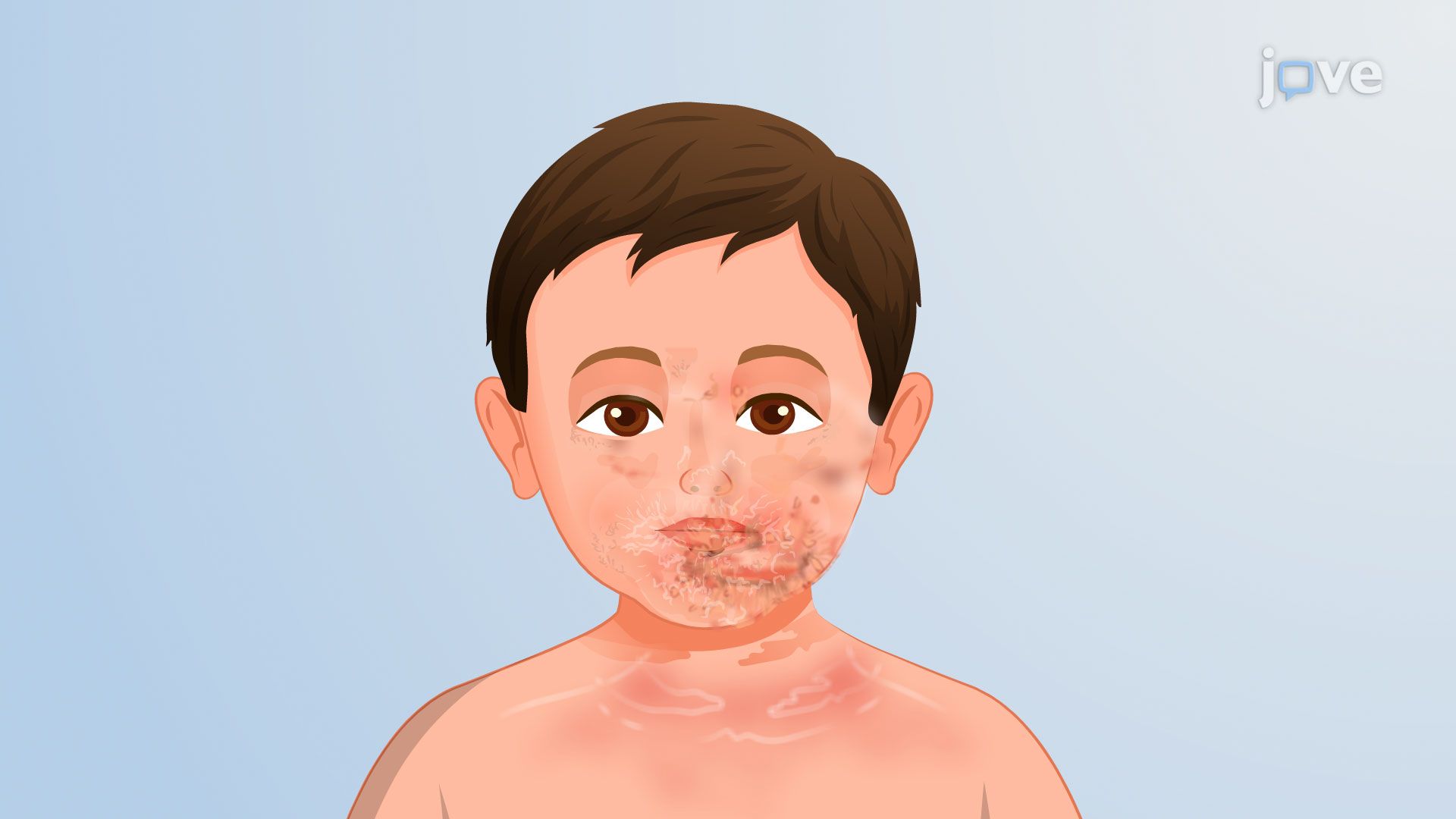
What makes *S. aureus* particularly dangerous is its arsenal of toxins. Once established, the bacterium produces coagulase, an enzyme that converts fibrinogen into fibrin, forming a clot around the infection site. This fibrin shield physically protects the bacteria from being engulfed by phagocytes, a process called phagocytosis, essentially hiding the infection from the immune system. Simultaneously, *S. aureus* releases leukocidin, a pore-forming toxin that punctures and destroys white blood cells (leukocytes), further crippling the host's immune response. In cases of Staphylococcal Scalded Skin Syndrome (SSSS), seen most often in newborns and young children, exfoliative toxins (ETs) cleave proteins in the outer skin layer, causing widespread blistering and peeling that resembles a burn. SSSS cases are reported annually in US pediatric hospitals, making it a clinically relevant example for nursing students studying for the NCLEX.
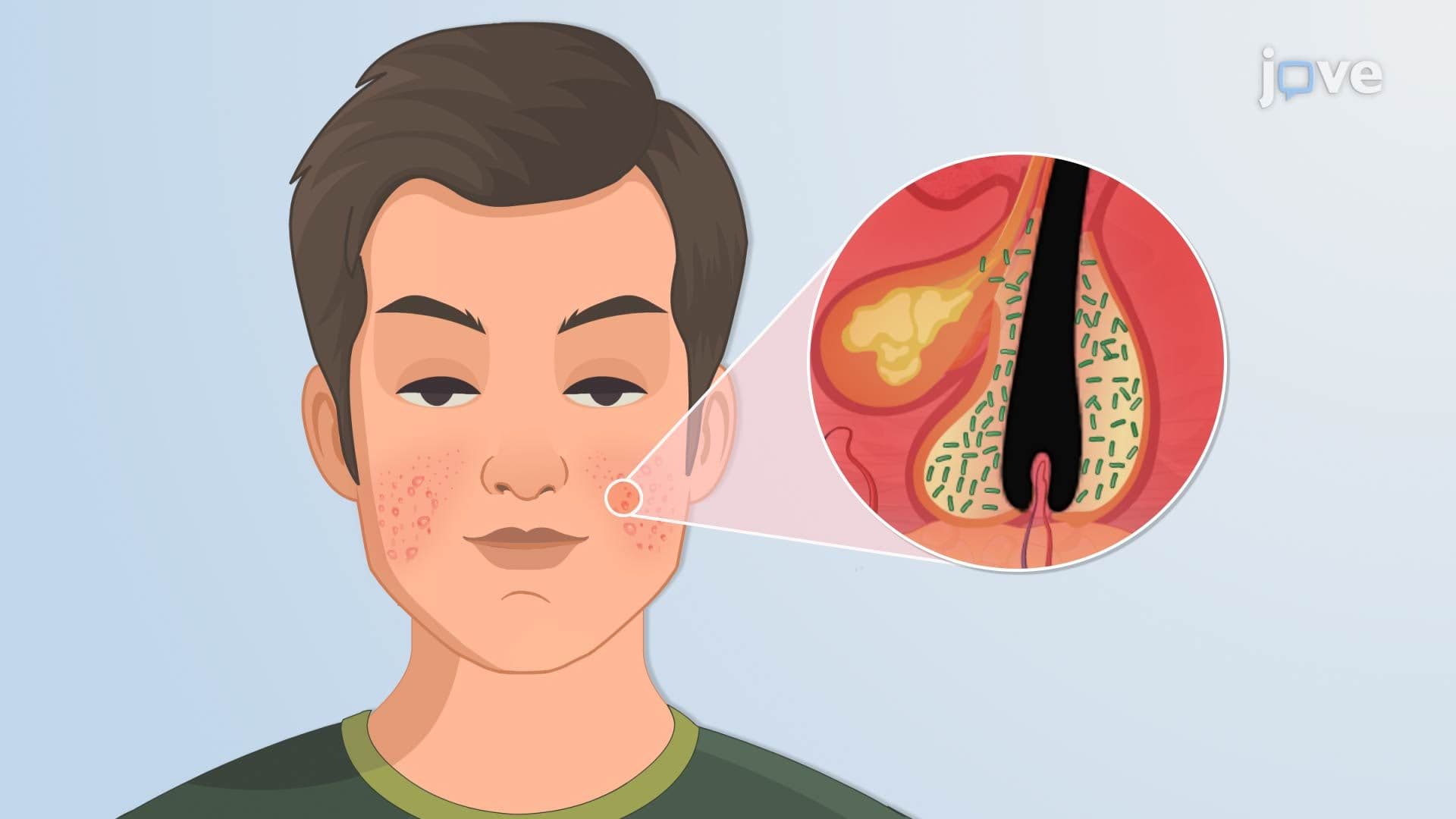
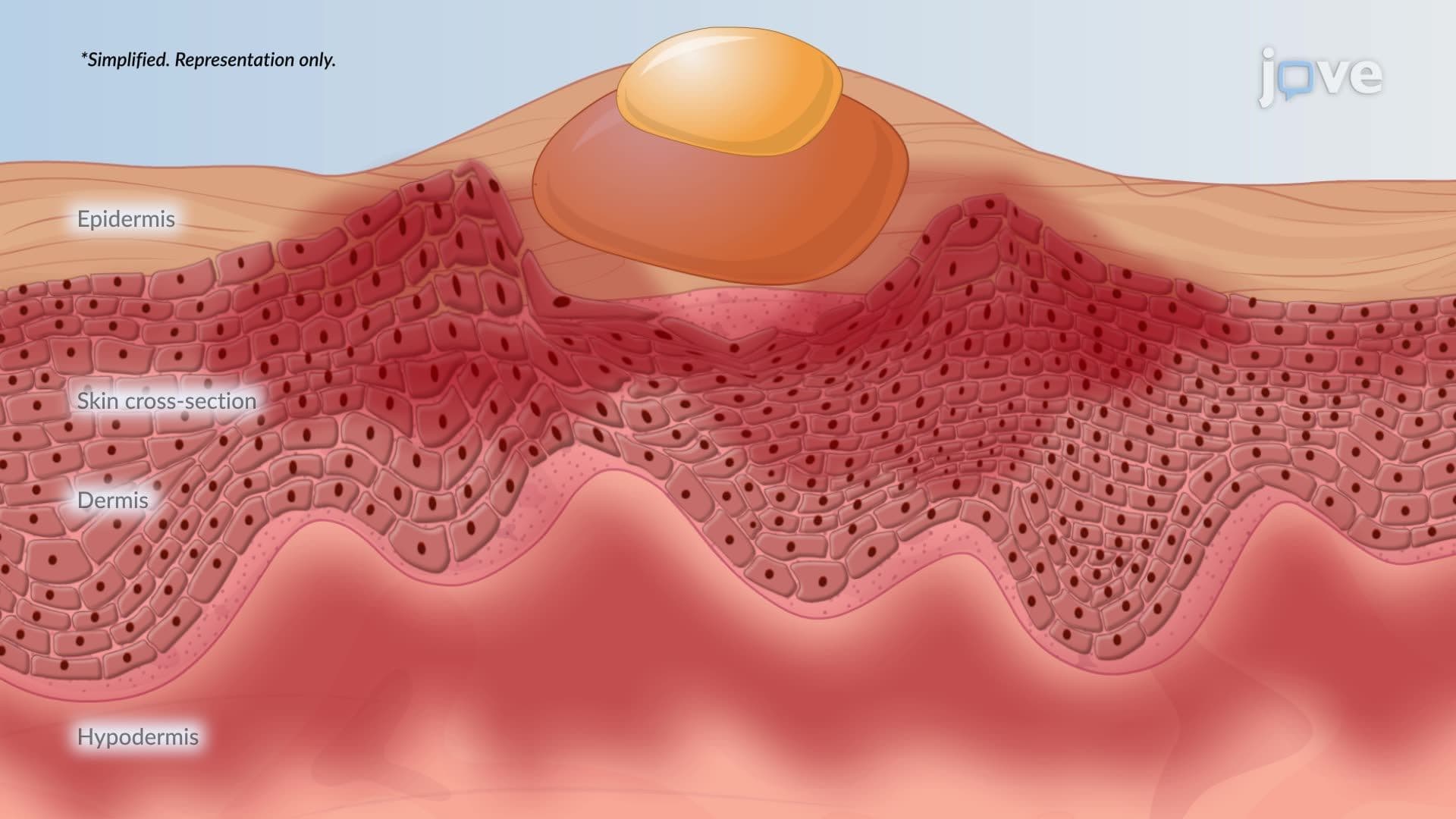
Staphylococcal skin infections exist on a spectrum of severity. At the mildest end, *S. aureus* causes folliculitis (inflammation of hair follicles) and superficial pimples, red, raised lesions filled with pus. If the infection spreads deeper into the dermis, it forms a furuncle (commonly called a boil), a painful, pus-filled nodule. When multiple furuncles merge and extend into the subcutaneous (under-skin) tissue, the result is a carbuncle, a more serious, deep-tissue infection that often requires drainage and antibiotic therapy. In the US, a major clinical challenge is MRSA (methicillin-resistant *S. aureus*), a strain resistant to many common antibiotics, which is frequently responsible for community-acquired skin infections. Recognizing this spectrum, from mild to severe, is essential for courses in pathophysiology, pre-nursing biology, and AP Biology.
Related Micro-courses