Loading video…

 15 Concepts
 1.8K views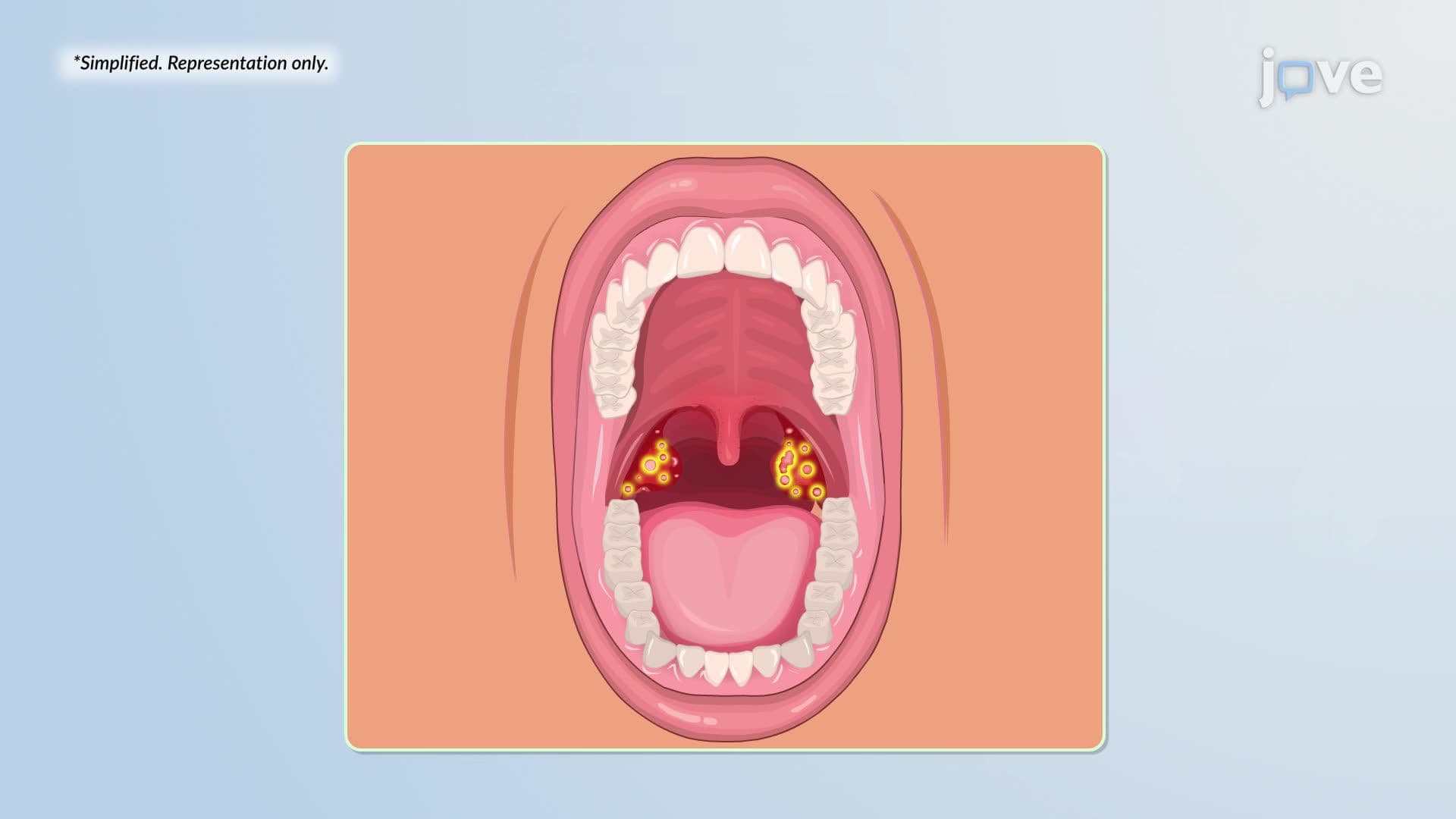

Video Summary: What Is Streptococcal Pharyngitis
Every year, over 600 million people worldwide contract strep throat, and understanding *why* it spreads so fast starts with the biology. Streptococcal pharyngitis is caused by *Streptococcus pyogenes*, a Gram-positive bacterium that hijacks your throat's own immune defenses. In US emergency rooms and pediatric clinics, it's one of the most commonly diagnosed bacterial infections each fall and winter. Watch the full video on JoVE Coach to master this concept with expert-led visuals and step-by-step explanations.
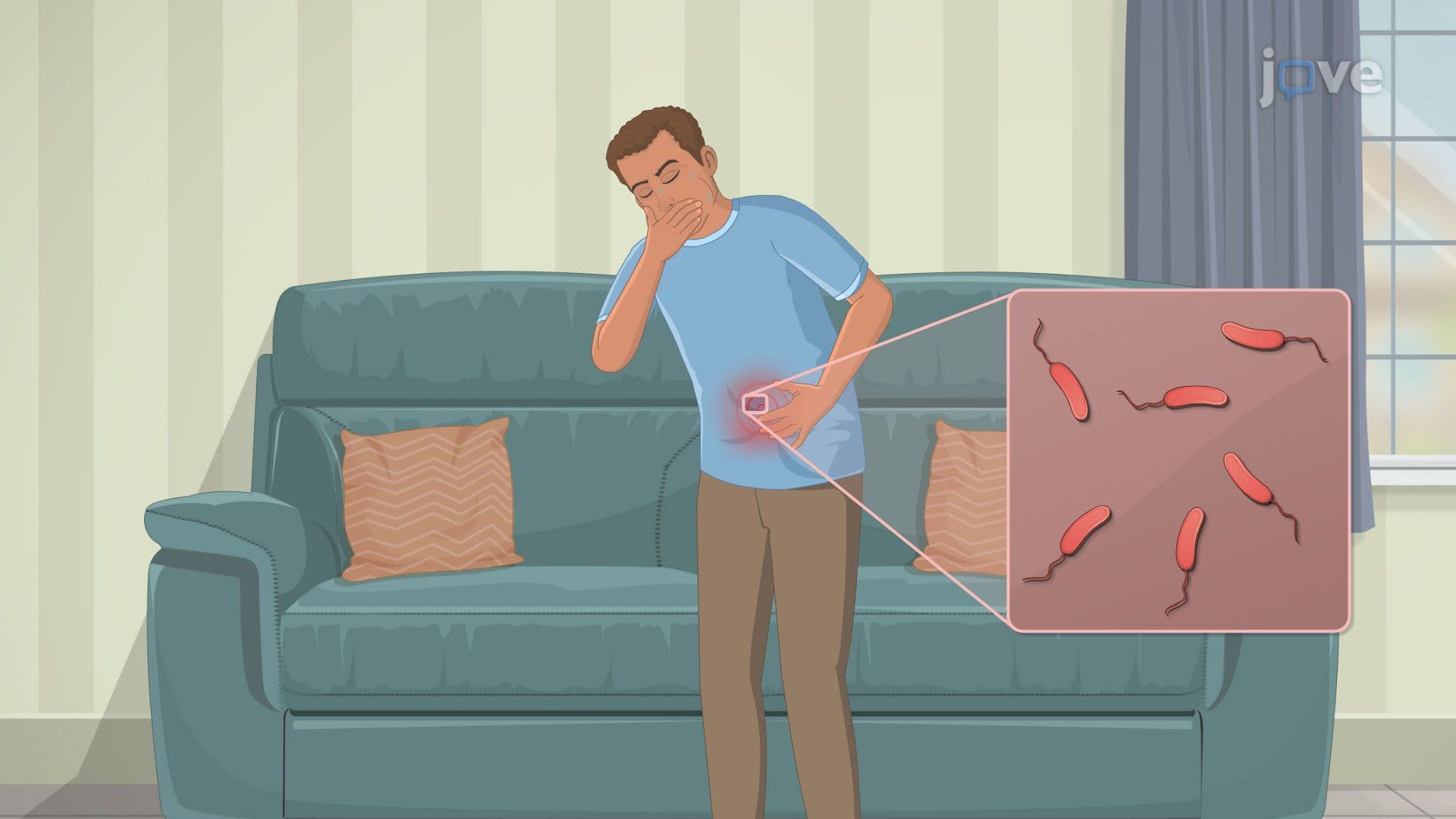
Streptococcal pharyngitis, commonly called strep throat, is a bacterial infection of the pharynx caused by *Streptococcus pyogenes*, also known as Group A Streptococcus (GAS). Unlike viral sore throats, this infection has a specific bacterial cause, which means it responds to antibiotics and, if left untreated, can lead to serious complications such as rheumatic fever or post-streptococcal glomerulonephritis. In the United States, strep throat accounts for roughly 11-15% of all sore throat visits to doctors each year, making it one of the most common bacterial infections in school-aged children and young adults.
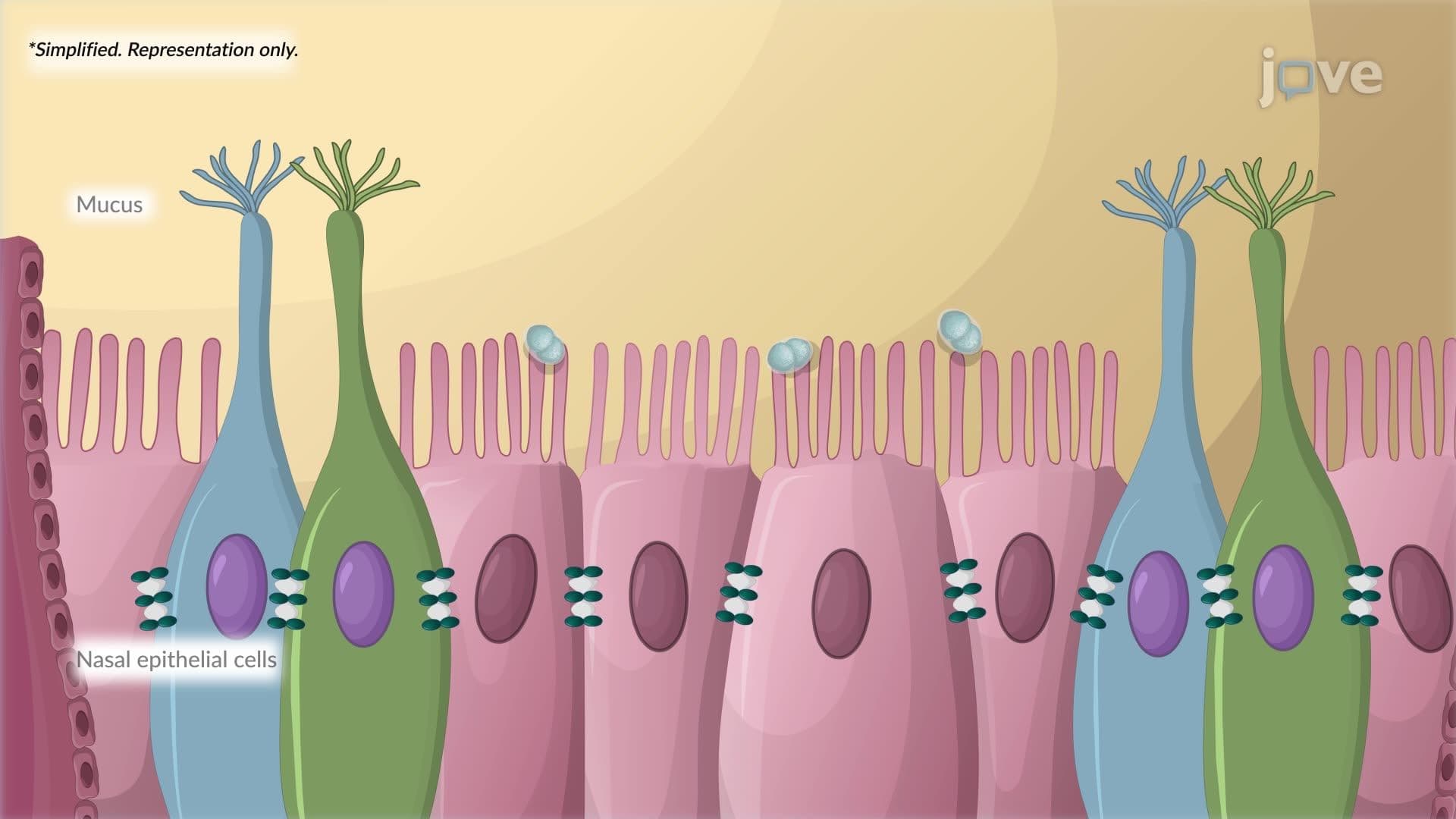
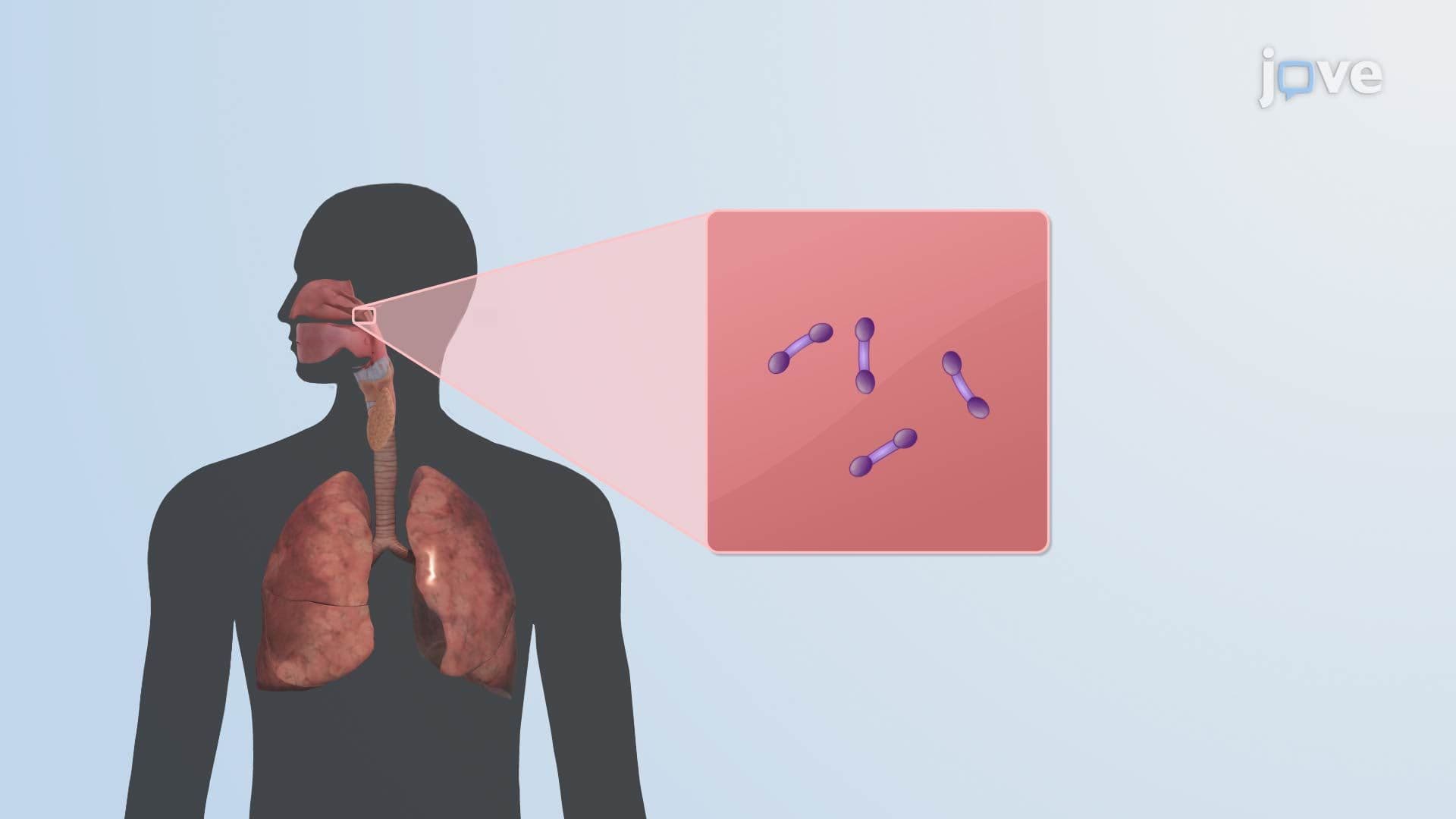
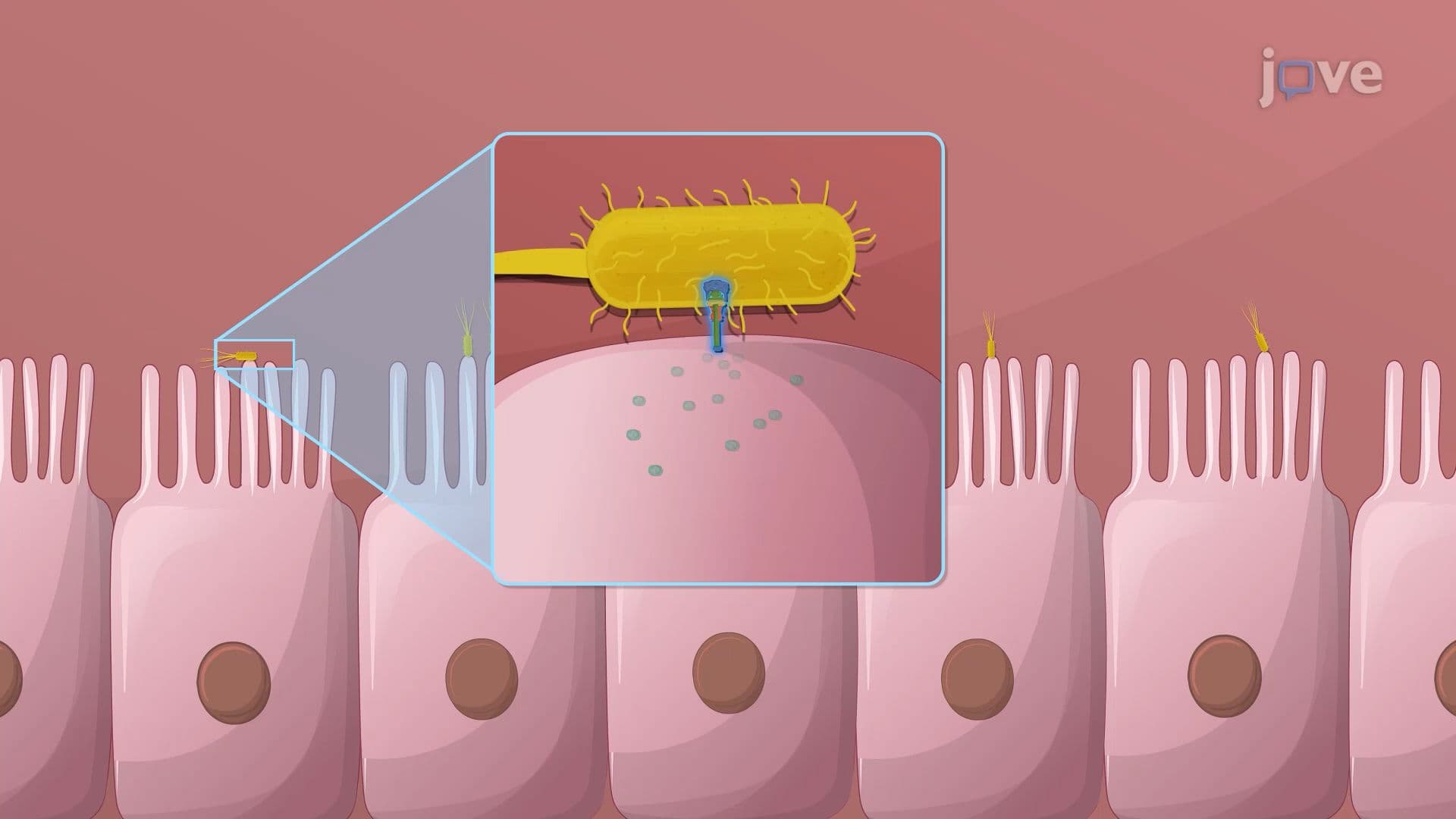
The bacteria spread primarily through respiratory droplets, for example, when an infected classmate coughs or sneezes nearby. Once inhaled, *S. pyogenes* must first adhere to the epithelial cells lining the throat. It does this using two key surface structures: lipoteichoic acid, which anchors the bacterium to host cell receptors, and M protein, a major virulence factor that also helps the pathogen resist phagocytosis. Adding another layer of defense, the bacterium surrounds itself with a hyaluronic acid capsule that closely resembles molecules naturally found in human connective tissue. This molecular mimicry confuses the immune system and delays an effective response, giving the bacteria precious time to colonize.
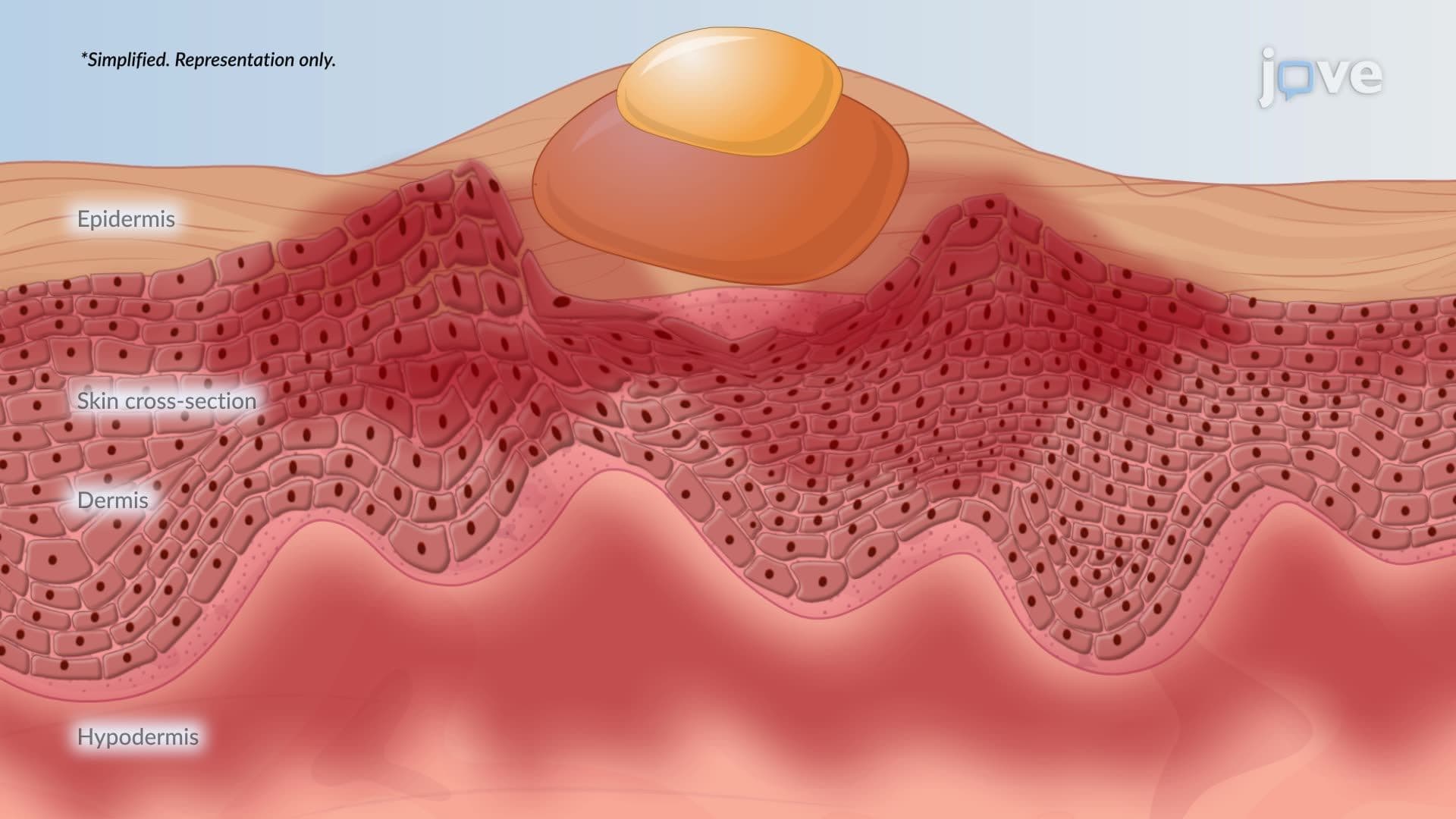
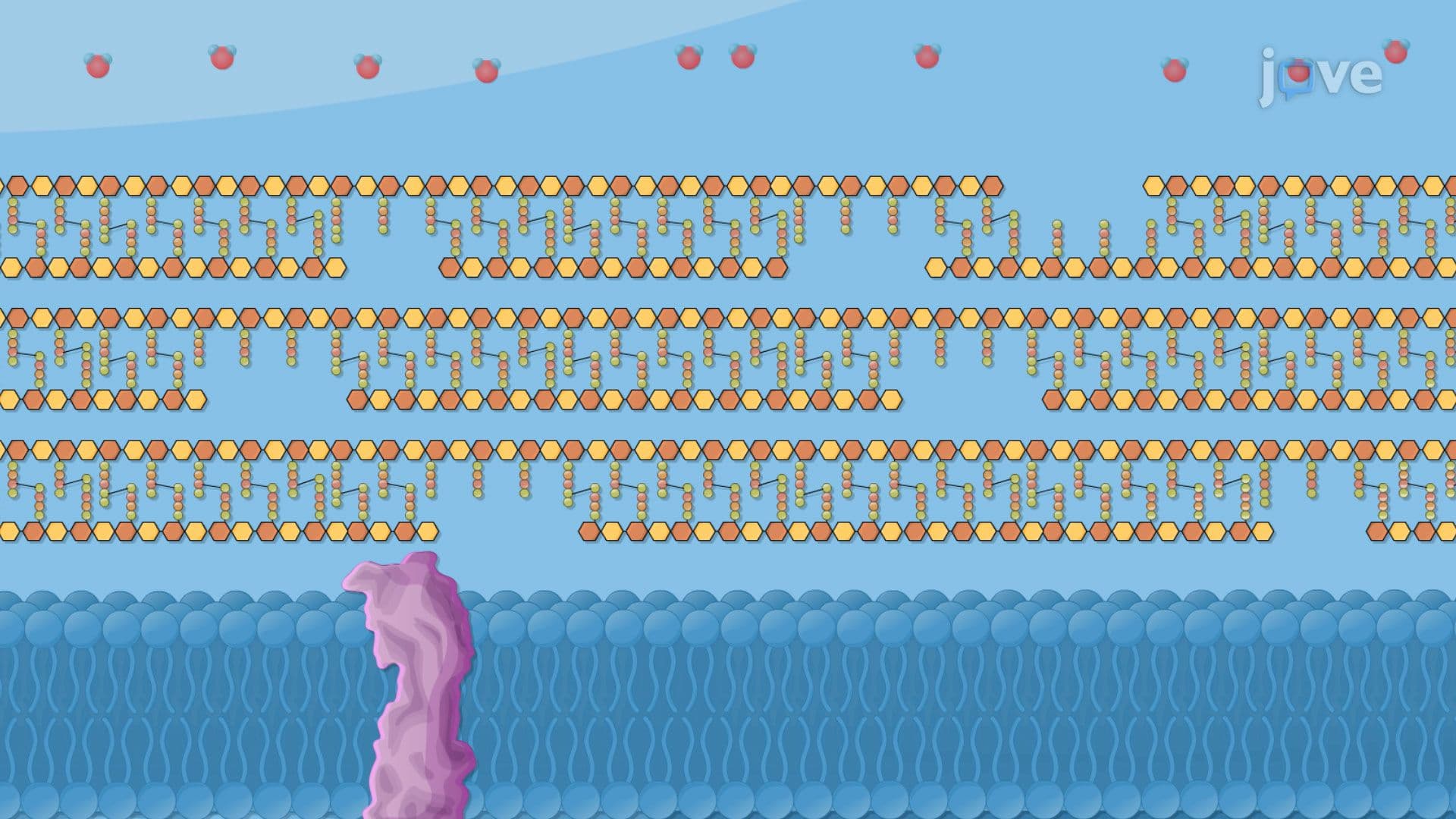
Once established, the pathogen deploys a sophisticated arsenal of enzymes and toxins, a key concept in understanding bacterial pathogenesis:
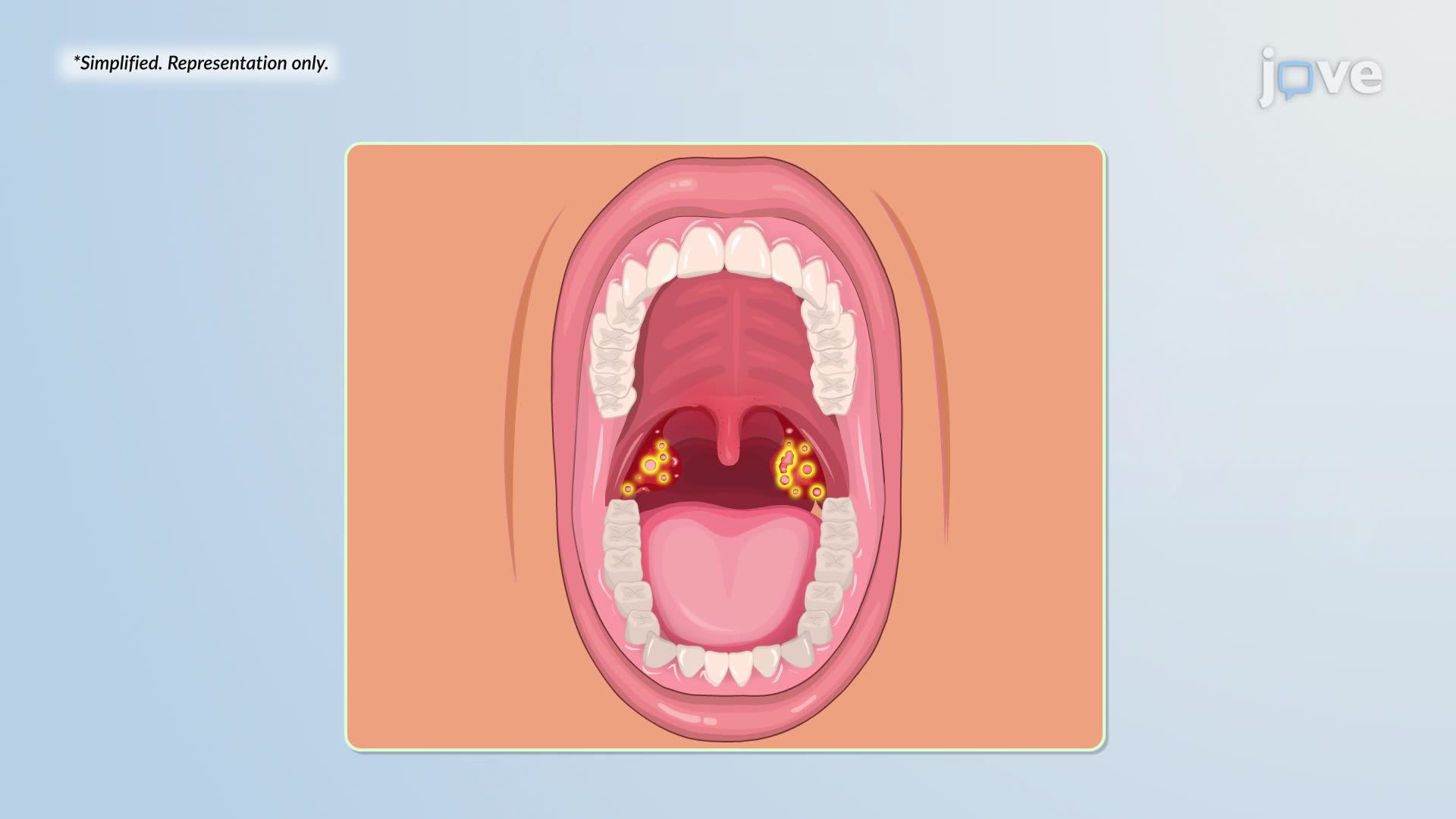
This sequence of events produces the hallmark signs of strep throat: intense redness and swelling of the throat, white patches or exudate on the tonsils, and tender, swollen lymph nodes in the neck.
In US clinical practice, streptococcal pharyngitis is typically diagnosed using a rapid antigen detection test (RADT) or throat culture, both of which look specifically for Group A Streptococcus. A positive result leads to antibiotic treatment, most often penicillin or amoxicillin, to shorten the illness and prevent complications.
For students in AP Biology, college-level microbiology, or anyone preparing for the MCAT or USMLE, streptococcal pharyngitis is a high-yield case study because it touches on multiple testable concepts at once: Gram-positive bacterial structure, virulence factor function, host-pathogen interaction, and the mechanism of antibiotic action. Understanding *why* M protein is anti-phagocytic, or *how* streptokinase exploits the coagulation cascade, reflects the kind of mechanistic reasoning these exams reward. Connecting the clinical presentation to the underlying microbiology is exactly the analytical skill that separates strong performers from average ones.
Related Micro-courses