Loading video…

 15 Concepts
 1.8K views

Video Summary: What Is Tetanus
A single rusty nail can trigger a life-threatening neurological crisis, and that's exactly how tetanus works. Tetanus is a severe neuromuscular disorder caused by *Clostridium tetani*, a soil-dwelling bacterium that releases a powerful toxin blocking inhibitory nerve signals, leading to uncontrolled muscle spasms and the signature symptom known as lockjaw. Every year, unvaccinated individuals in the US face this preventable threat. Watch the full video on JoVE Coach to master this concept with expert-led visuals and step-by-step explanations.
Tetanus is one of the most mechanistically fascinating, and dangerous, bacterial diseases studied in biology and medicine. Caused by *Clostridium tetani*, a Gram-positive, spore-forming, obligate anaerobe, tetanus is not the result of a spreading bacterial infection throughout the body. Instead, it is entirely driven by a single, extraordinarily potent neurotoxin. Understanding tetanus means understanding how a localized wound infection can cascade into a systemic neurological emergency, a concept that appears across AP Biology, college microbiology courses, and high-stakes exams like the MCAT and USMLE.
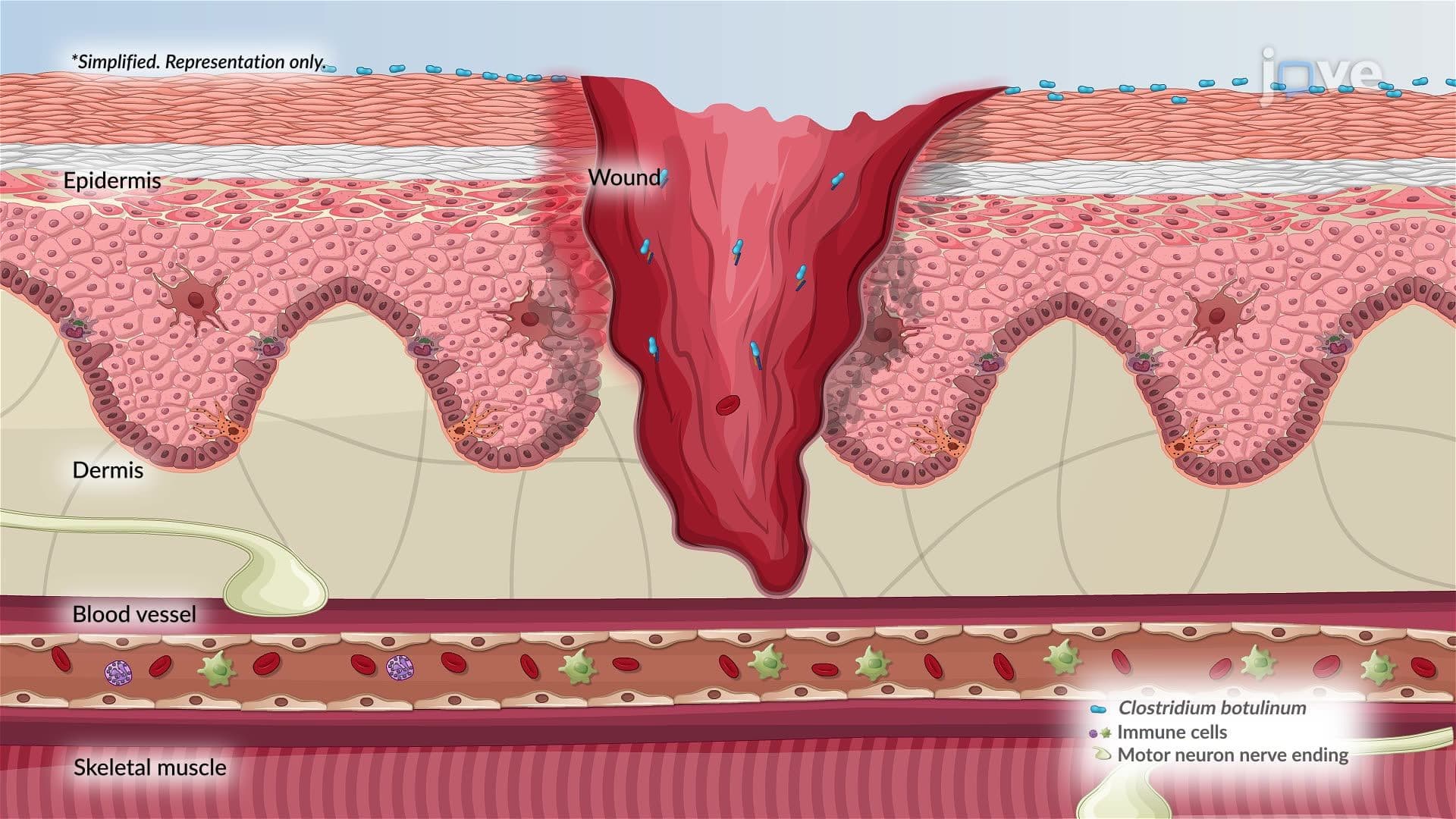
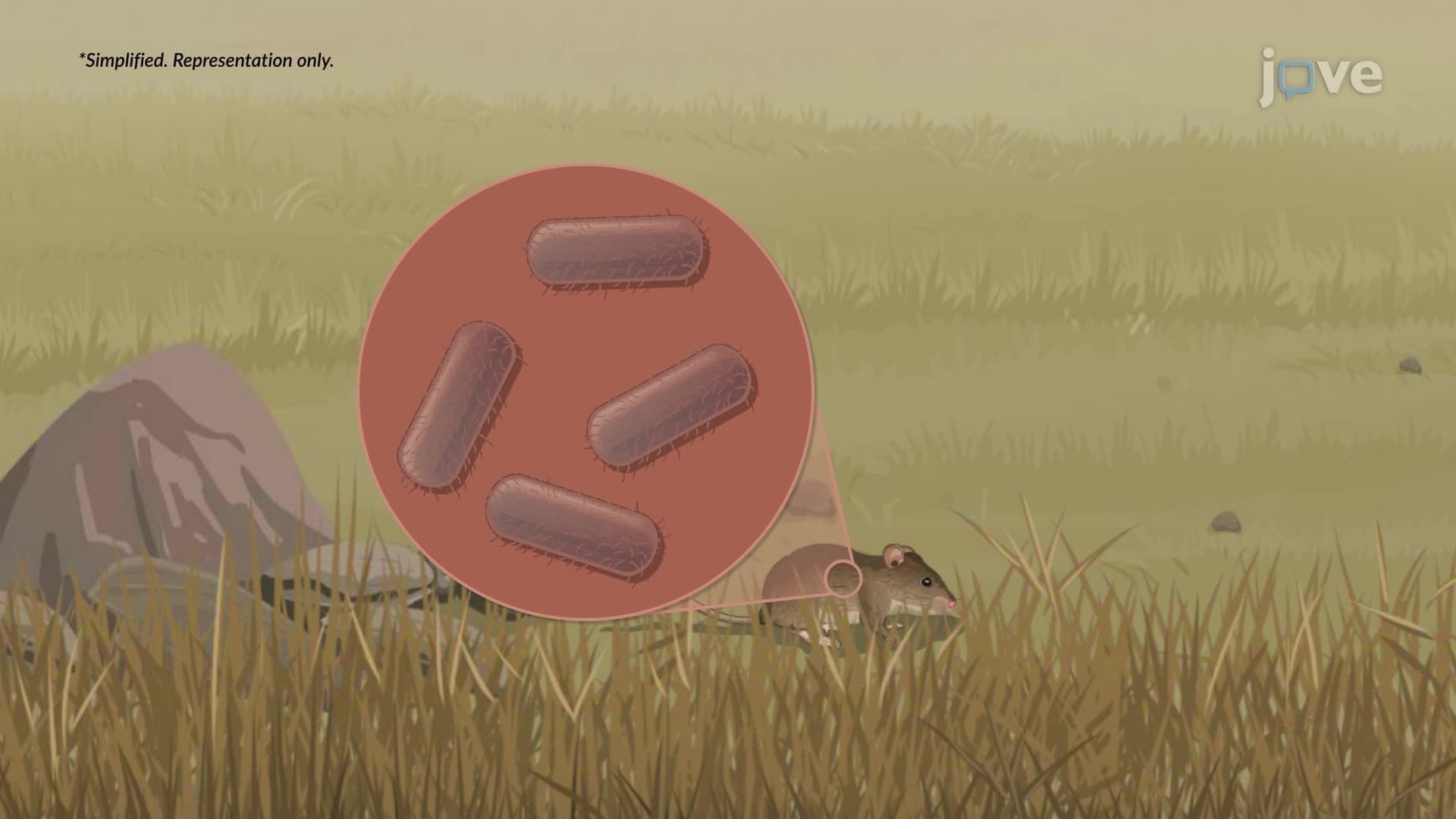
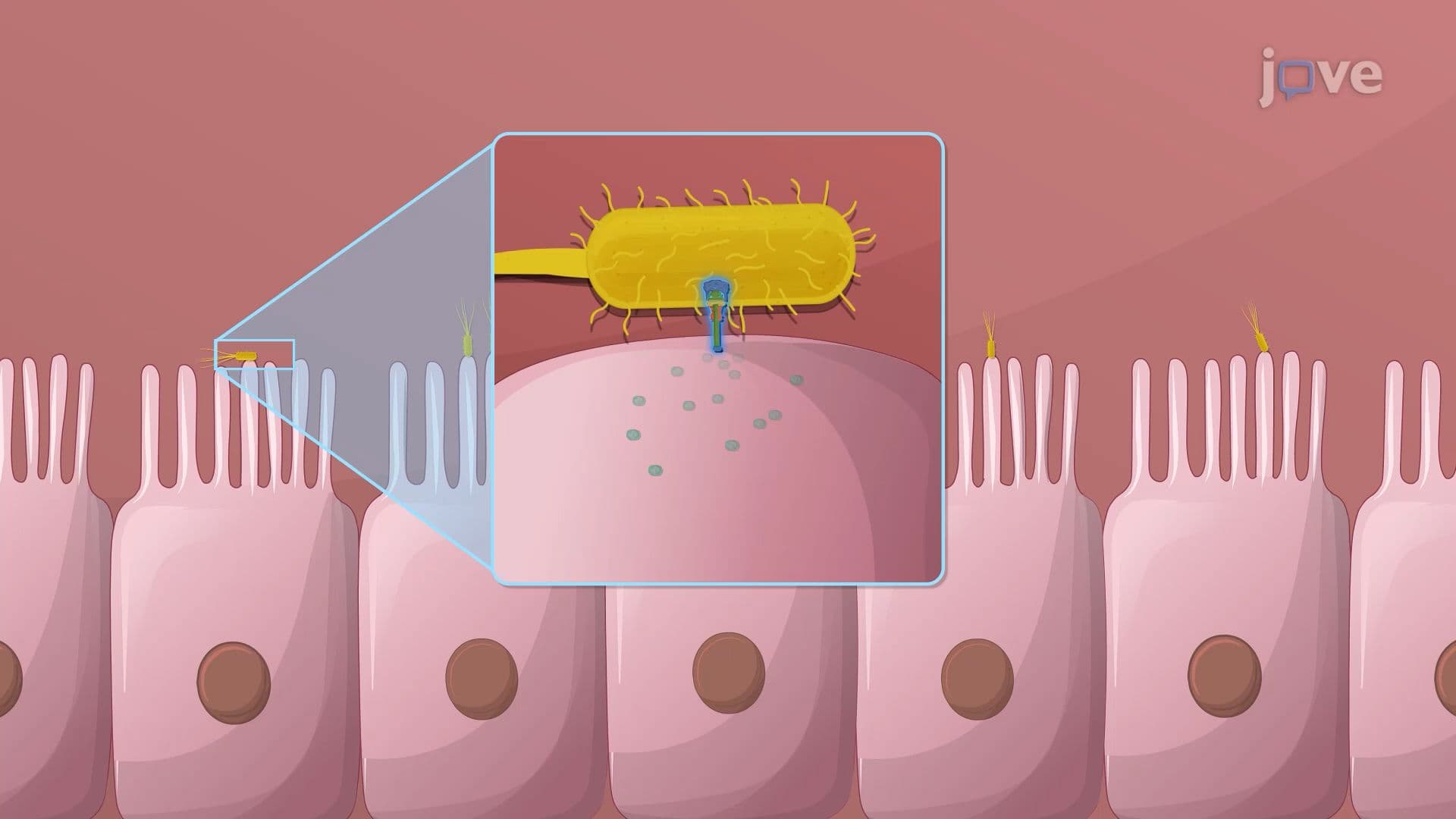
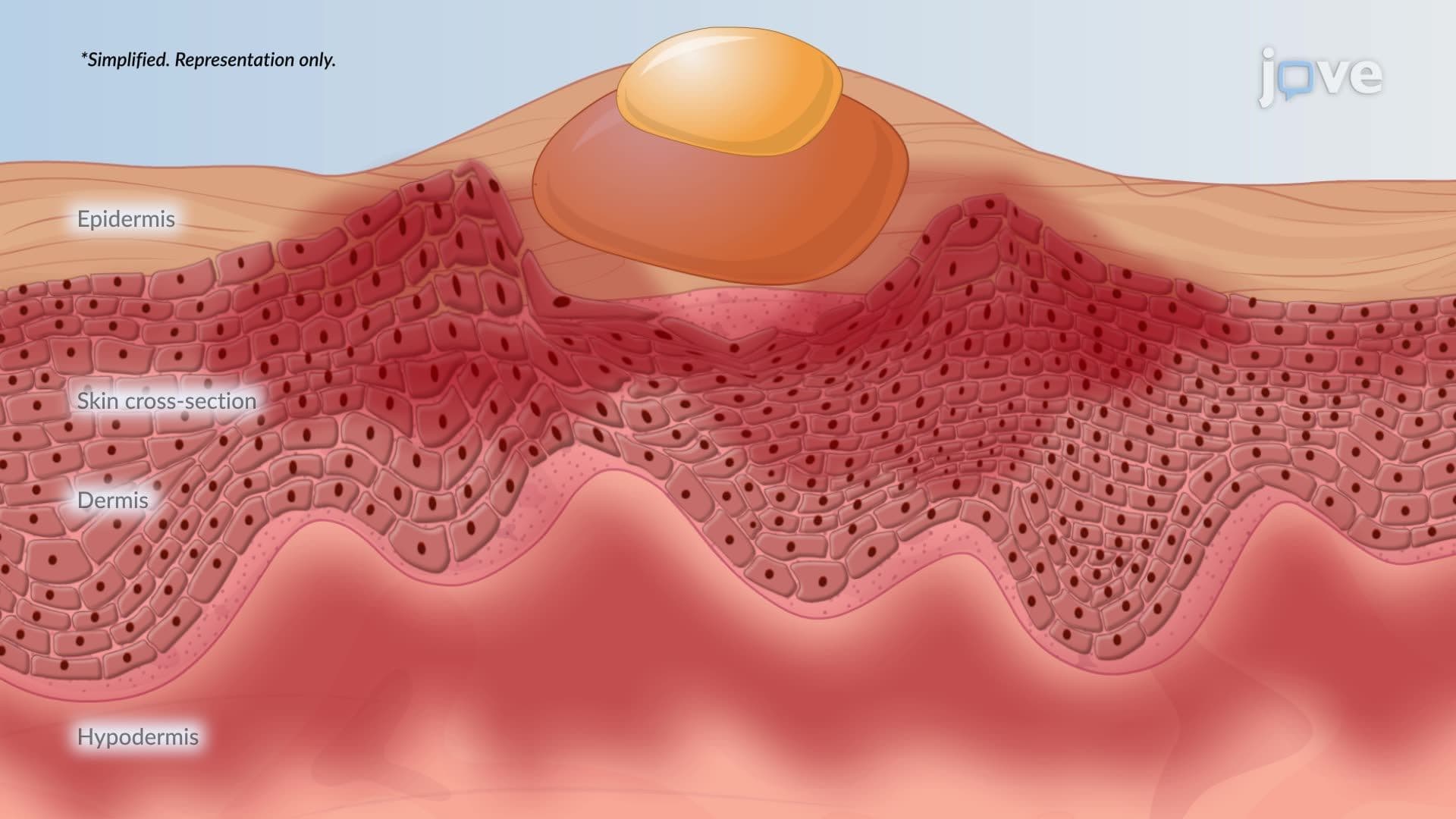
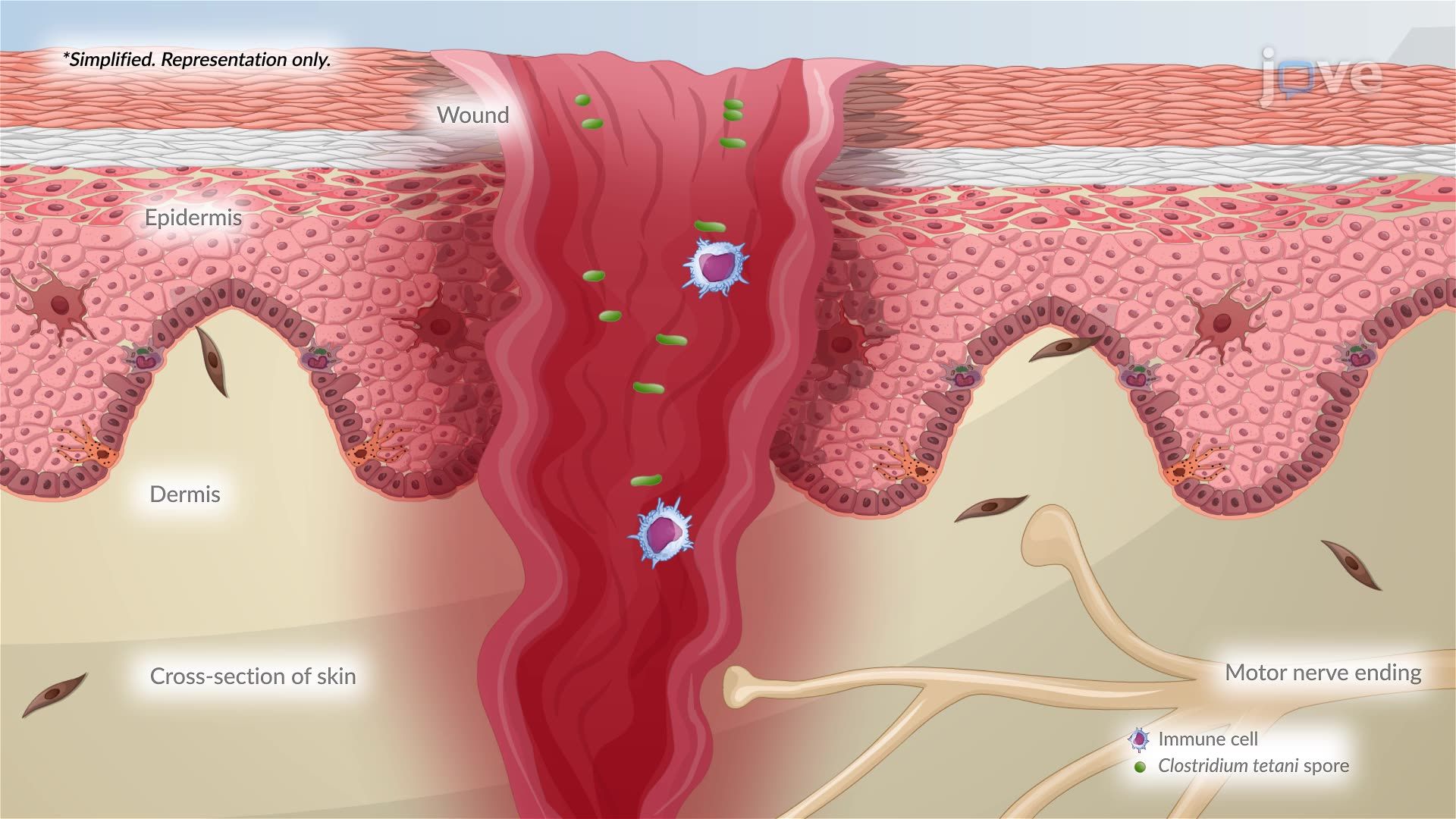
*Clostridium tetani* is found in soil, dust, and animal feces throughout the United States and worldwide. Its survival weapon is its spore form, highly resistant to heat, desiccation, and many disinfectants. When spores enter a wound (classically a puncture wound from a nail, glass, or animal bite), they germinate only when oxygen levels drop low enough, a condition called anaerobic. Necrotic or poorly perfused tissue creates exactly this environment. Once the vegetative cells establish themselves at the wound site, they produce tetanospasmin, the second most potent biological toxin known, after botulinum toxin. This is a key virulence factor tested frequently in college-level microbiology and on the MCAT.
Tetanospasmin is a two-chain protein toxin: a heavy chain responsible for binding and entry into motor neurons, and a light chain responsible for the toxic effect inside the cell. After the toxin binds to motor nerve endings near the wound, it is internalized through endocytosis. From there, it travels by retrograde axonal transport, essentially hitchhiking backward along the motor neuron, up into the spinal cord. This mechanism is a common exam question in AP Biology and college neuroscience courses because it highlights how pathogens exploit normal cellular machinery.
Once inside inhibitory interneurons of the spinal cord, the toxin's light chain cleaves synaptobrevin, a SNARE protein essential for vesicle fusion and neurotransmitter release. The inhibitory neurotransmitters GABA and glycine are never released. Without inhibitory signaling, motor neurons fire continuously and uncontrollably, producing the sustained muscle contractions, or spastic paralysis, that define tetanus clinically.
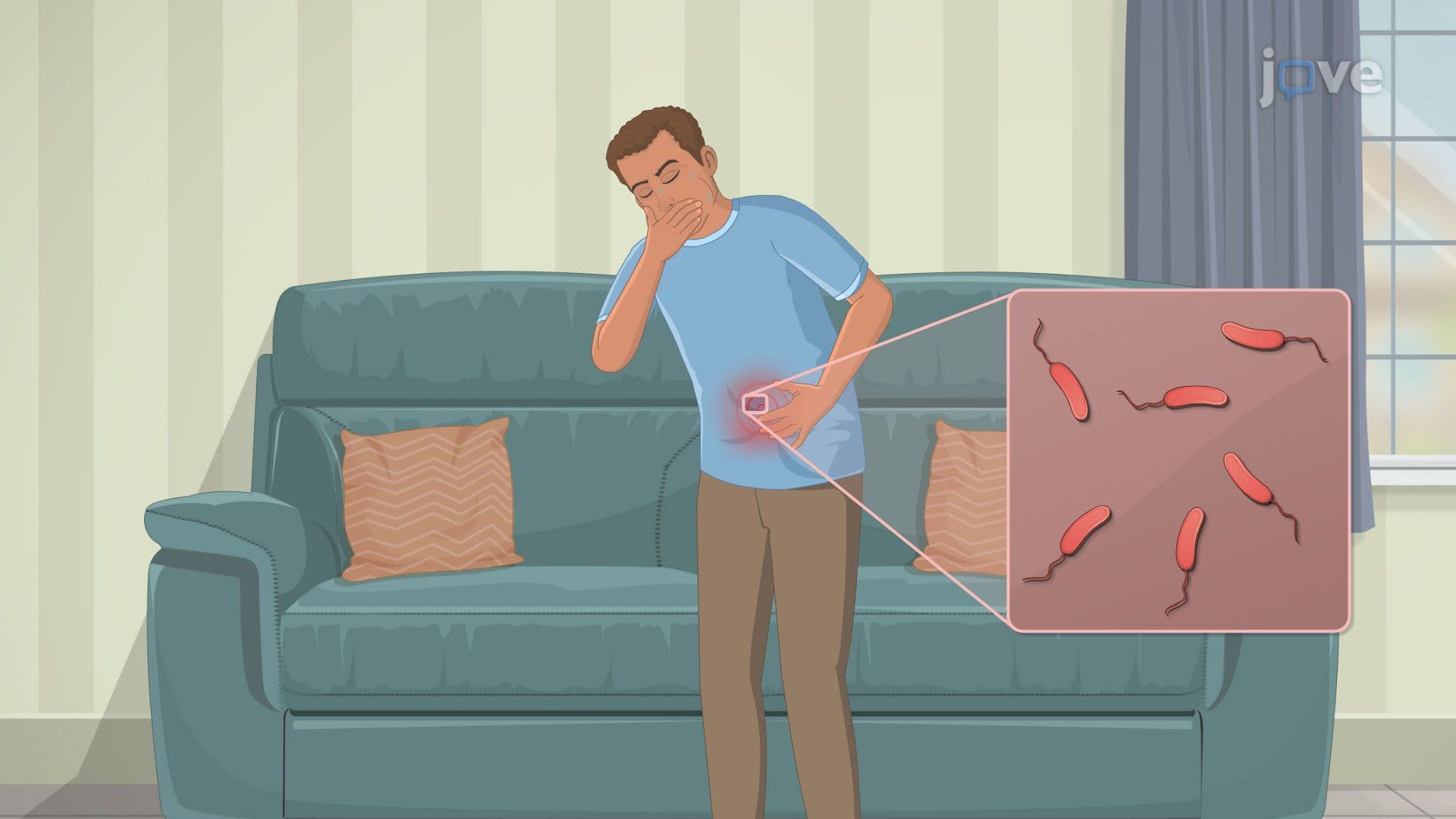
In the United States, the CDC reports roughly 30 tetanus cases annually, almost entirely in unvaccinated individuals or those with lapsed booster shots. Clinicians recognize the disease by its hallmark symptoms: trismus (lockjaw, caused by masseter muscle spasm), risus sardonicus (a fixed facial grimace), back arching (opisthotonos), and eventually respiratory muscle failure. Diagnosis is clinical, there is no reliable rapid lab test, making knowledge of symptom recognition essential for nursing students (NCLEX, HESI A2) and pre-med students (USMLE Step 1).
Treatment involves wound debridement, tetanus immunoglobulin (TIG) to neutralize unbound toxin, antibiotics such as metronidazole to eliminate the bacteria, and supportive care including mechanical ventilation in severe cases. Prevention through the DTaP vaccine series in children and Td boosters every 10 years in adults remains the gold standard, a public health success story directly relevant to AP Environmental Science and health science curricula.
Tetanus is a powerful case study for understanding bacterial toxins, modes of transmission, and Gram-positive pathogen biology. Comparing tetanus to botulism, both caused by clostridial toxins cleaving SNARE proteins, yet producing opposite paralysis types (spastic vs. flaccid), is a classic exam comparison on the MCAT and college microbiology midterms. Understanding how anaerobic conditions, virulence factors, and neural pathways intersect in tetanus gives students a strong conceptual framework for tackling broader questions about pathogenic bacteria and host-pathogen interactions.
Related Micro-courses