Loading video…

 15 Concepts
 1.8K views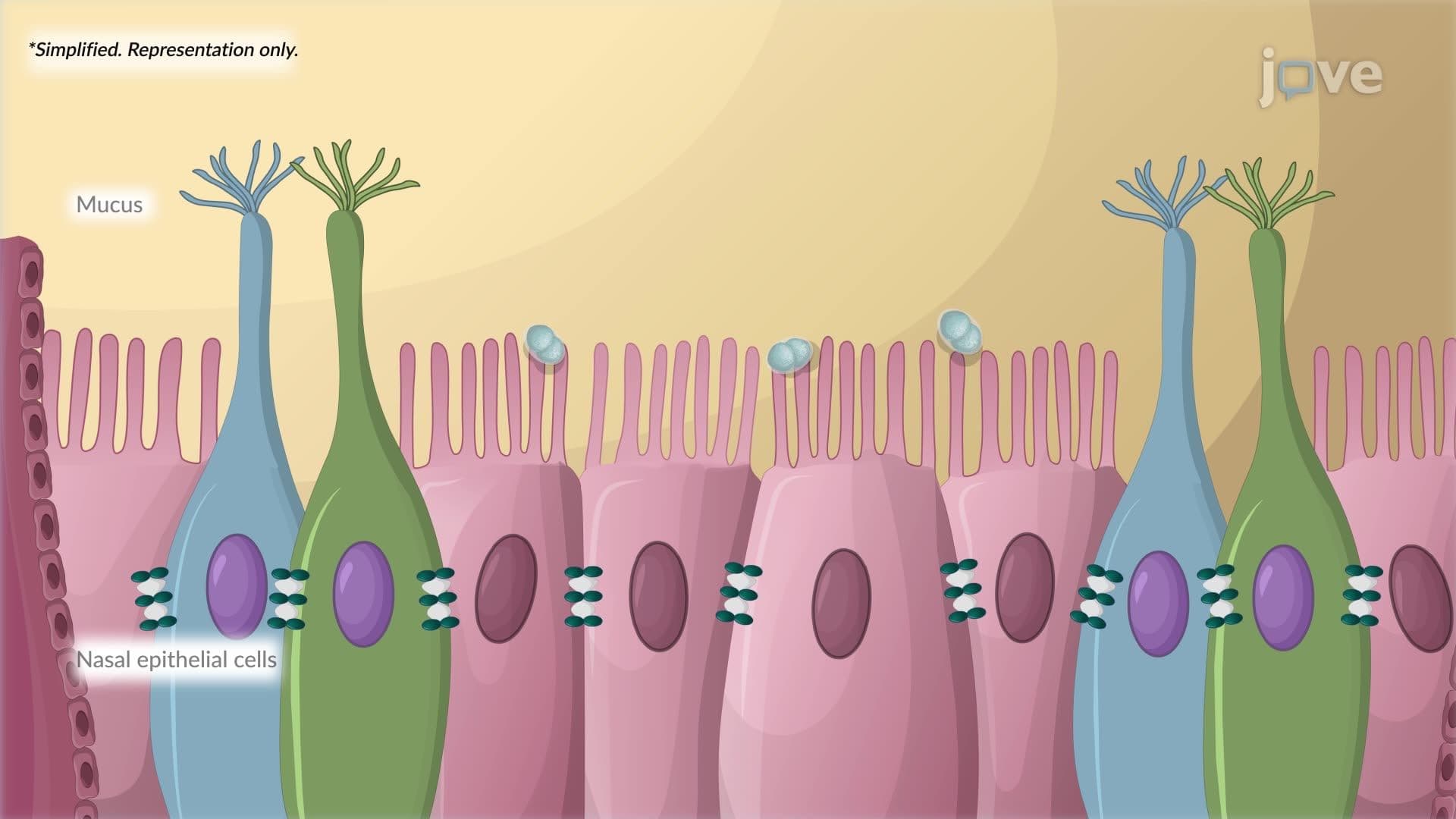

Video Summary: What Is Bacterial Meningitis
Every year, bacterial meningitis sends thousands of Americans to emergency rooms, and it can turn fatal within 24 hours. This life-threatening condition occurs when pathogenic bacteria breach the blood-brain barrier and inflame the meninges. Understanding bacterial meningitis basics helps explain why college campuses like those in the University of California system mandate meningococcal vaccines for incoming freshmen. Watch the full video on JoVE Coach to master this concept with expert-led visuals and step-by-step explanations.
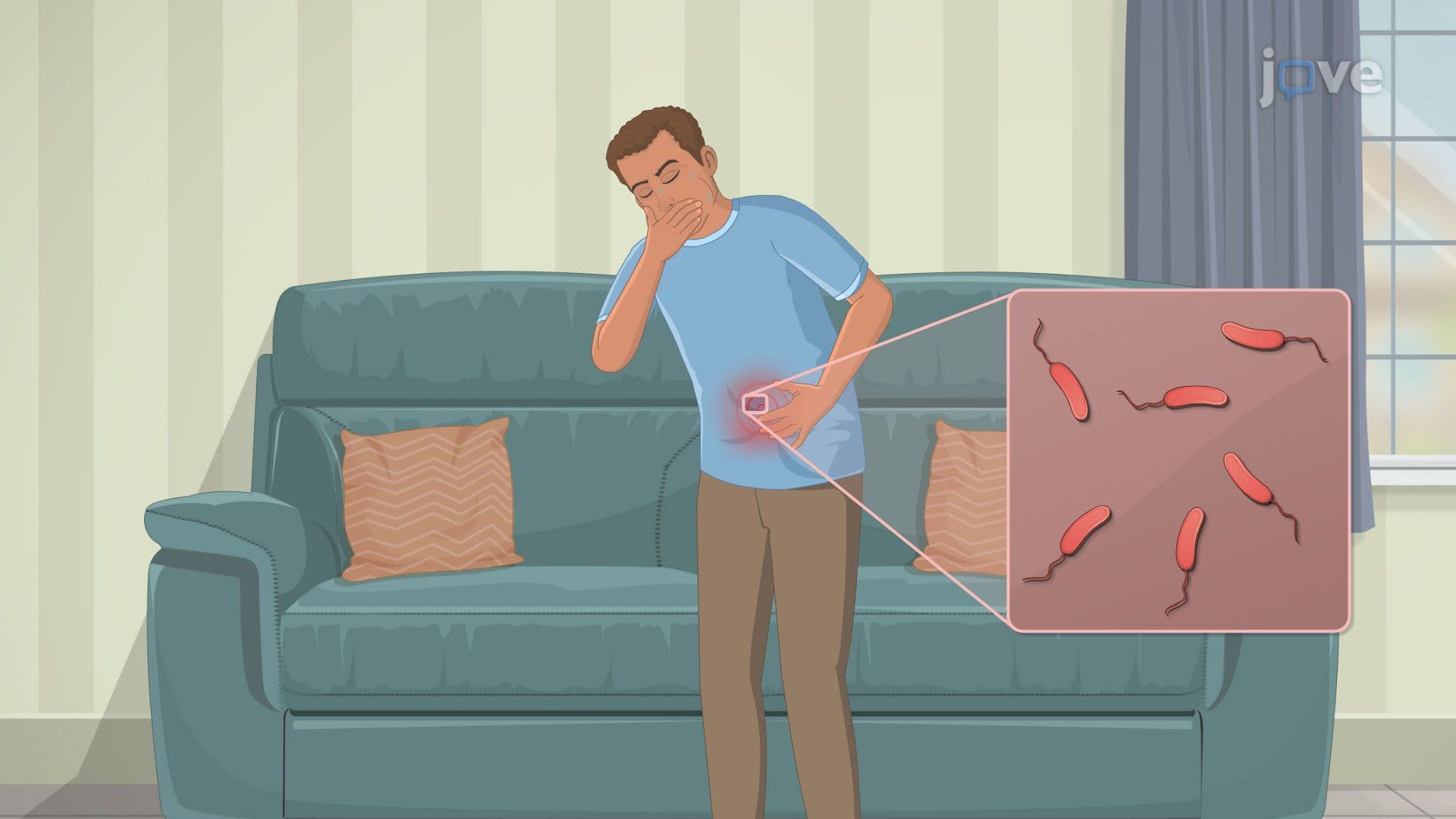
Bacterial meningitis is the inflammation of the meninges, the three protective membranes surrounding the brain and spinal cord, caused by pathogenic bacteria that successfully breach the body's most fortified defense: the blood-brain barrier. Unlike viral meningitis, which is usually self-limiting, bacterial meningitis is a medical emergency. In the United States, the CDC estimates that roughly 4,000 cases occur annually, with a case-fatality rate between 10-15% even with treatment.
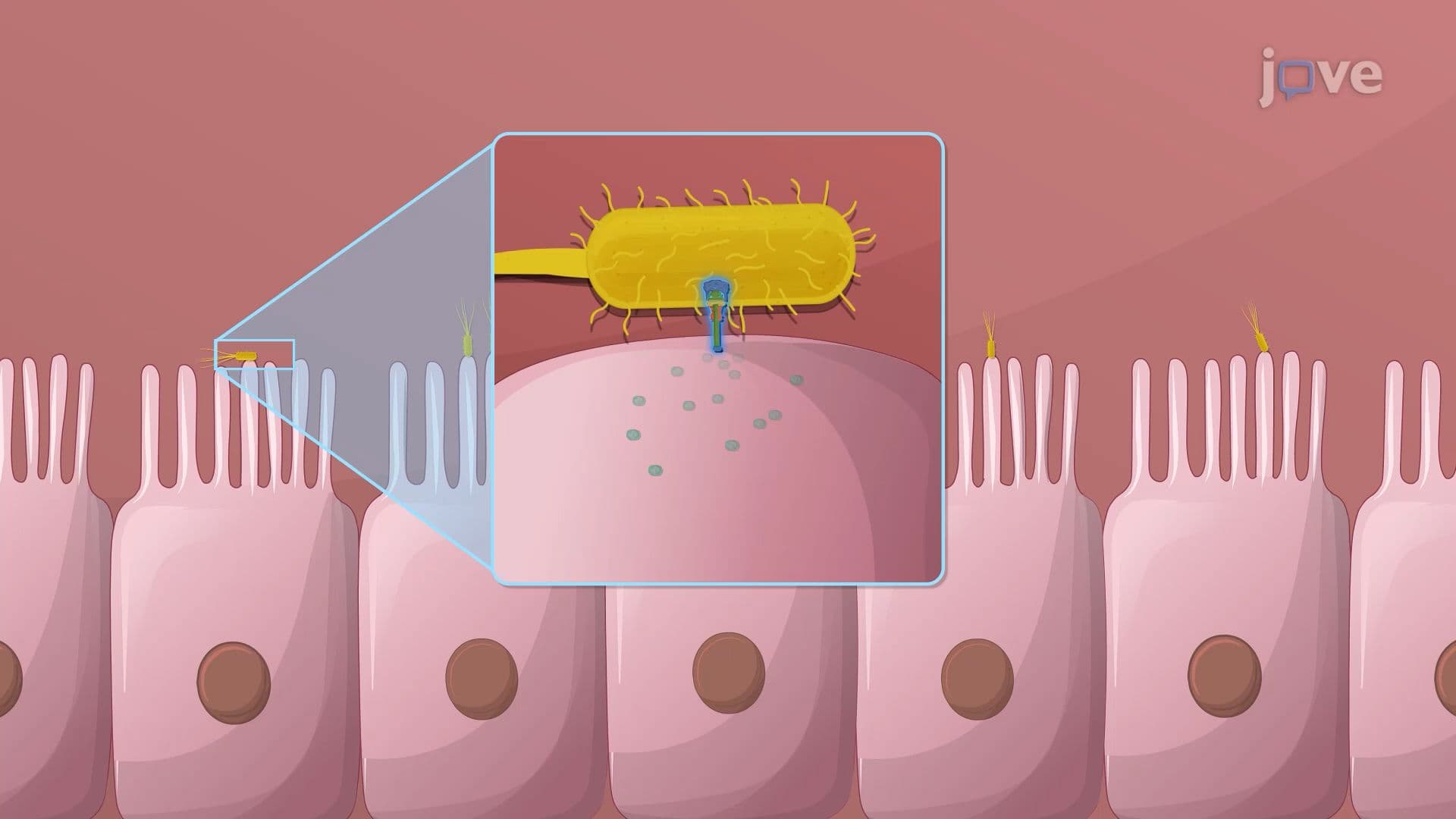
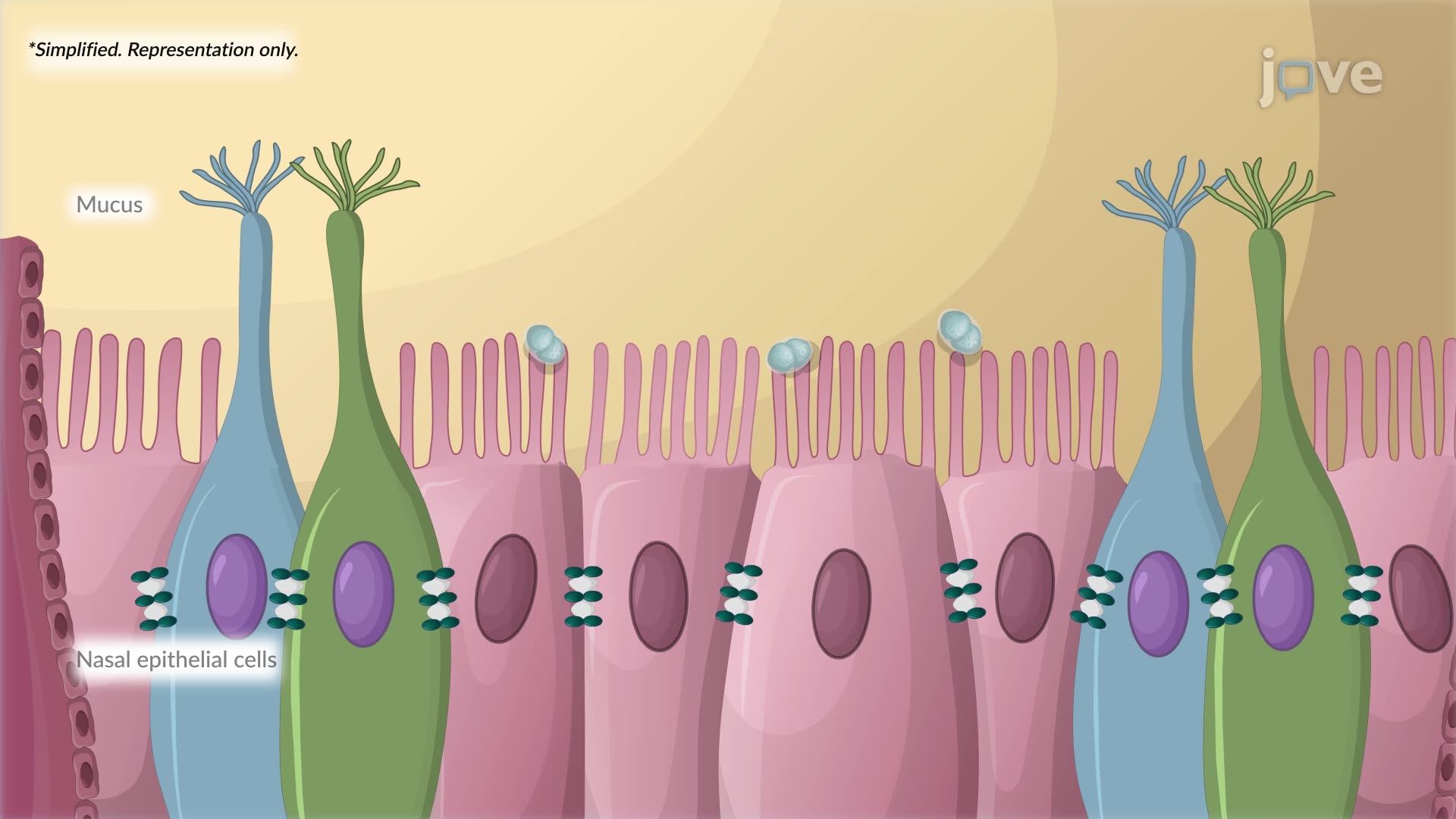
Among the most studied causative agents is *Neisseria meningitidis*, a Gram-negative, aerobic diplococcus responsible for meningococcal disease. What makes this bacterium so dangerous is its arsenal of virulence factors. Its polysaccharide capsule shields it from phagocytosis, while Type IV pili allow it to firmly attach to nasal epithelial cells, the very first step in infection. Understanding these virulence factors is central to AP Biology curricula and frequently appears on MCAT microbiology sections, where students must connect bacterial structure to pathogenic function.
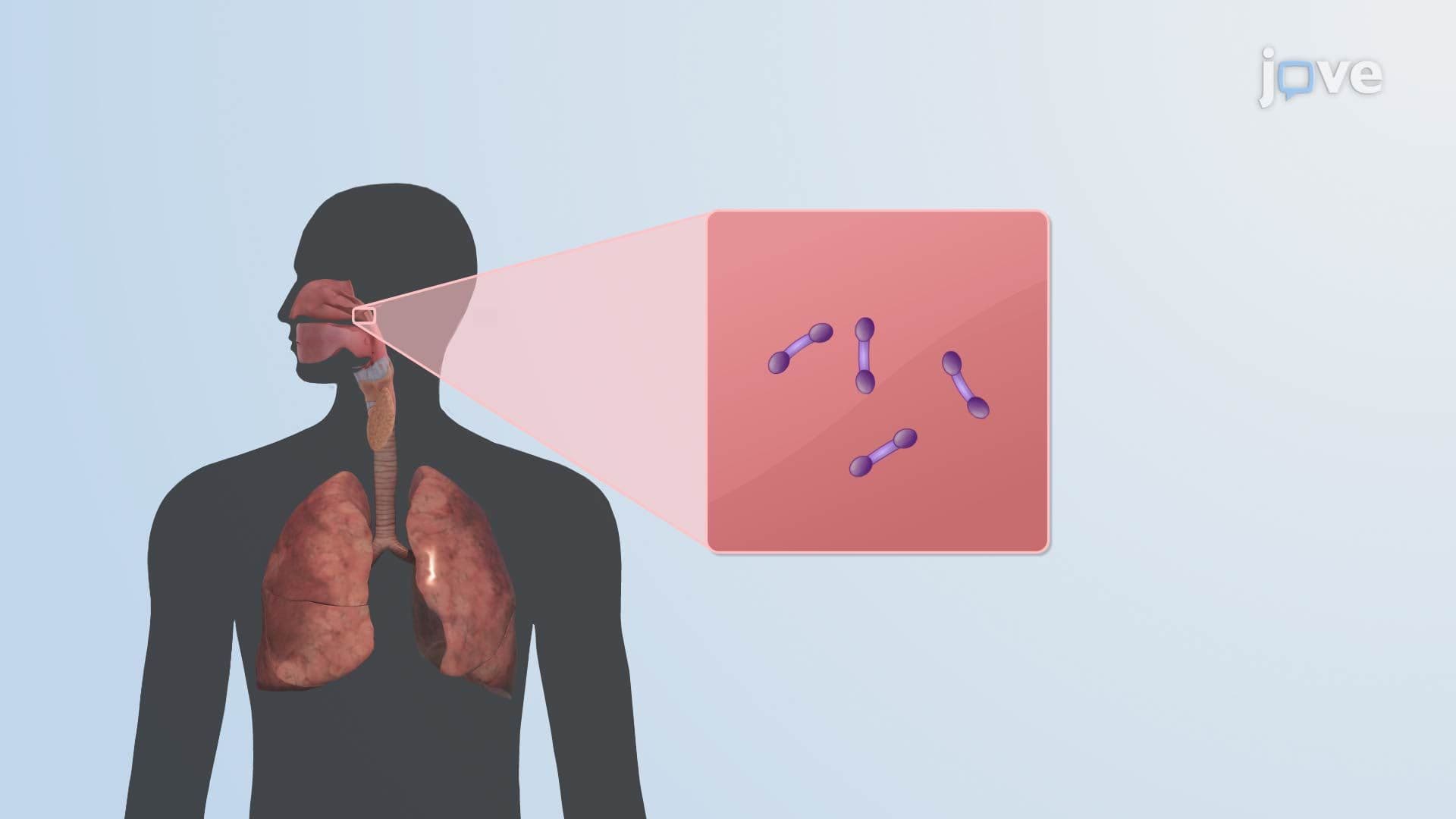
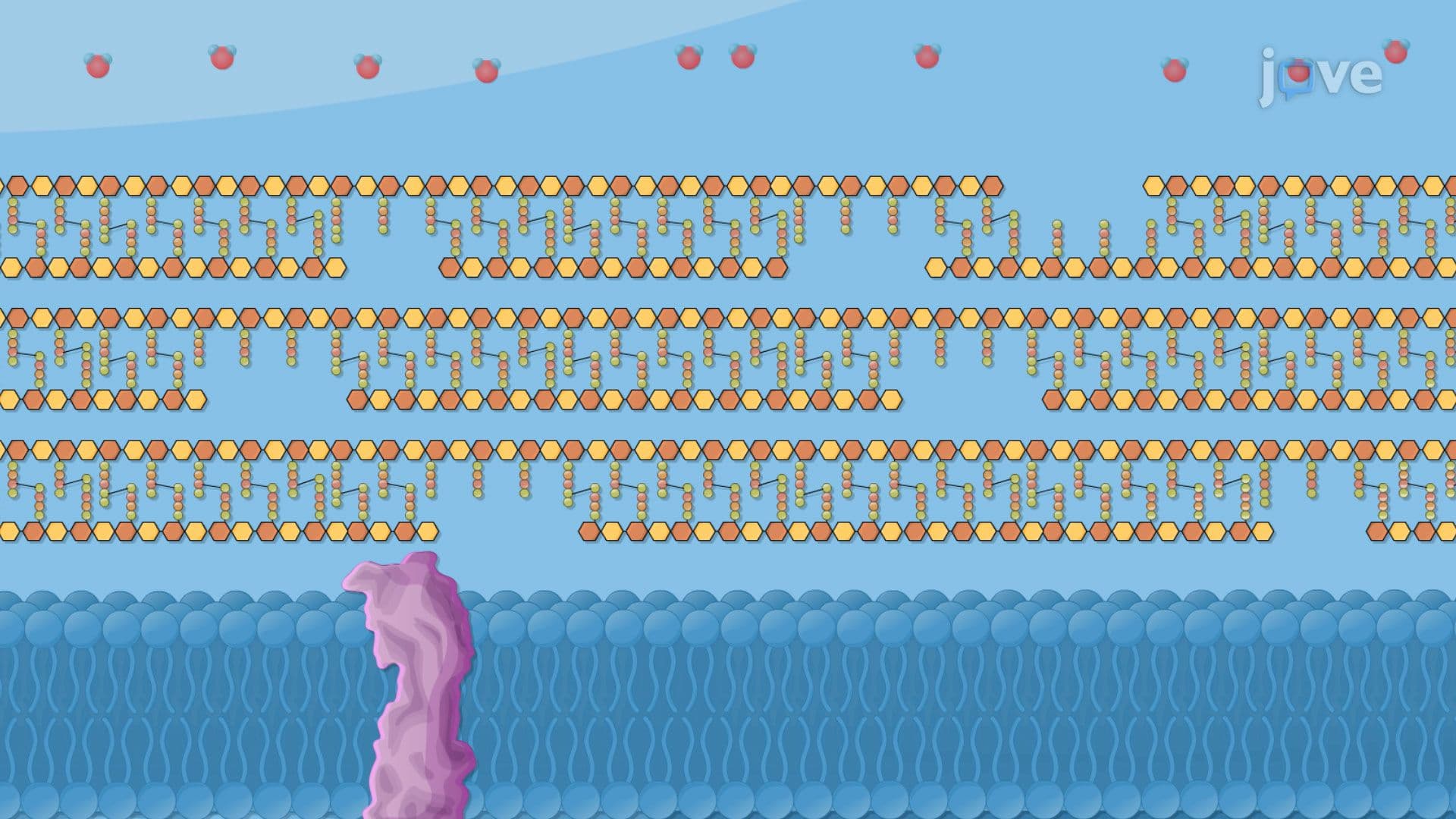
Infection begins when *N. meningitidis* colonizes the nasopharynx, typically spread through respiratory droplets, a reason why crowded settings like college dormitories at schools such as UCLA or Penn State become hotspots. After attachment, the bacteria disrupt tight junctions in the epithelial barrier and enter the bloodstream, causing bacteremia. Here, the bacteria release outer membrane vesicles loaded with Lipid A, a component of the lipooligosaccharide layer that acts as a potent endotoxin. This bacterial toxin activates Toll-like receptors on immune cells, unleashing a cascade of systemic inflammation and vasodilation that can lead to septic shock.
Understanding Gram-positive vs. Gram-negative infections is critical when selecting antibiotics treatment. Gram-negative bacteria like *N. meningitidis* have an outer membrane that reduces antibiotic permeability and releases endotoxins upon cell death, complicating treatment. In contrast, Gram-positive pathogens such as *Streptococcus pneumoniae*, another cause of bacterial meningitis, lack this outer membrane, making them more vulnerable to certain beta-lactam antibiotics. In US clinical practice, empiric treatment often begins with third-generation cephalosporins like ceftriaxone before culture results confirm the specific pathogen.
Bacterial meningitis is diagnosed through a combination of clinical presentation, blood cultures, and lumbar puncture, where cerebrospinal fluid (CSF) is analyzed for elevated white blood cells, elevated protein, and decreased glucose. On college midterms and USMLE Step 1 exams, students are expected to interpret CSF findings and match them to bacterial vs. viral causes. Early diagnosis is life-saving; in the US, any delay beyond the "golden hour" of treatment significantly worsens outcomes. This urgency makes bacterial meningitis a high-yield topic across nursing exams like NCLEX and medical licensing boards alike.
Related Micro-courses