Loading video…

 15 Concepts
 1.8K views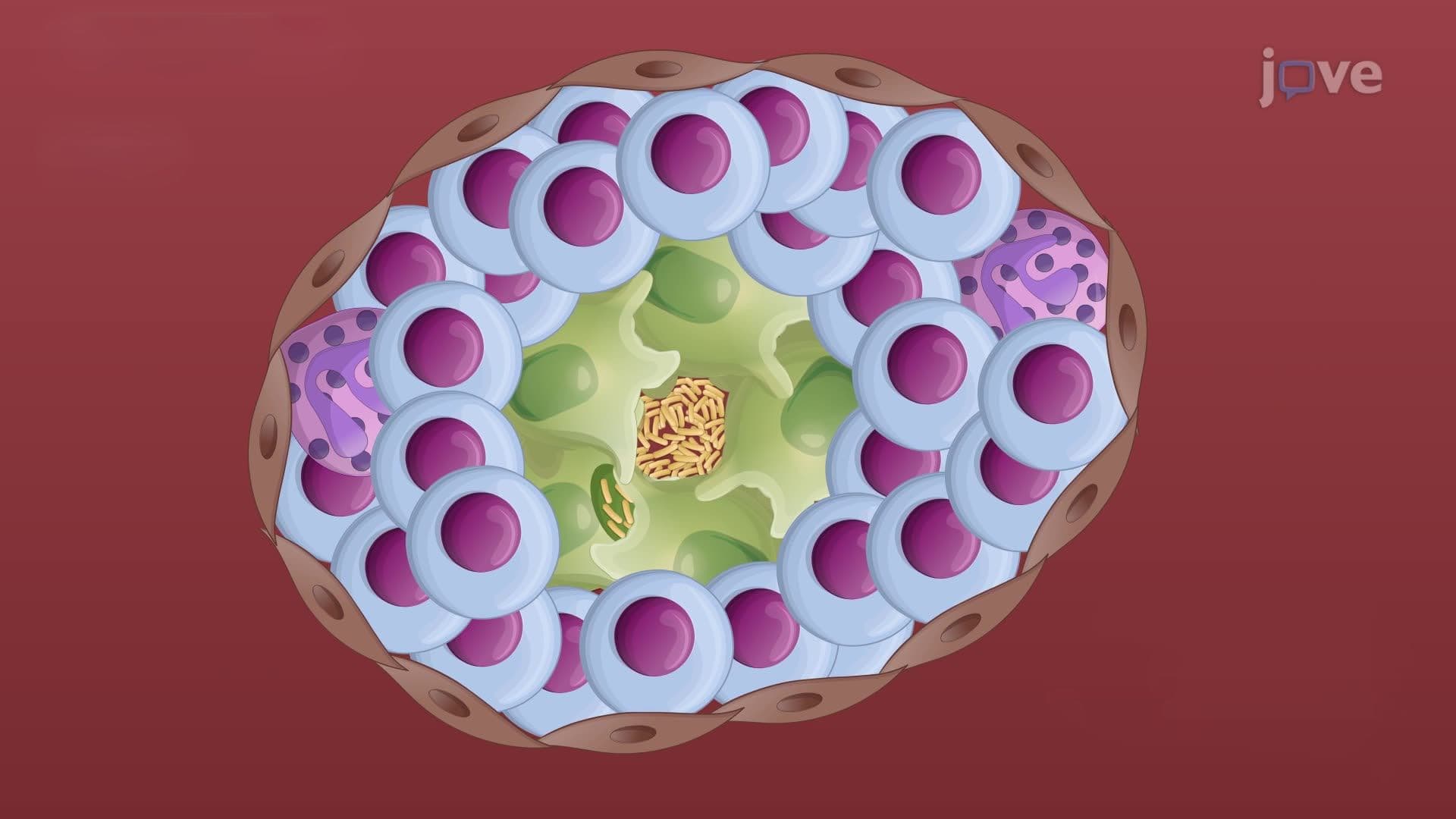

Video Summary: What Is Tuberculosis
Every year, roughly 13 million Americans live with latent tuberculosis, and most never know it. Tuberculosis, a chronic respiratory infection caused by *Mycobacterium tuberculosis*, is one of history's deadliest diseases, yet its biology is surprisingly complex. When immune defenses weaken, due to aging, malnutrition, or HIV, dormant bacteria can reactivate and cause life-threatening illness. Watch the full video on JoVE Coach to master this concept with expert-led visuals and step-by-step explanations.
Tuberculosis (TB) is a chronic infectious disease caused by *Mycobacterium tuberculosis*, a slow-growing, aerobic bacterium with a uniquely waxy cell wall rich in mycolic acids. Unlike typical Gram-positive or Gram-negative bacteria, *M. tuberculosis* is classified as acid-fast, a property that makes it resistant to standard staining methods and contributes to its remarkable resilience inside the human body. In the US, TB remains a significant public health concern, with the CDC reporting over 8,300 new cases in 2022, particularly in urban centers and among immunocompromised populations.
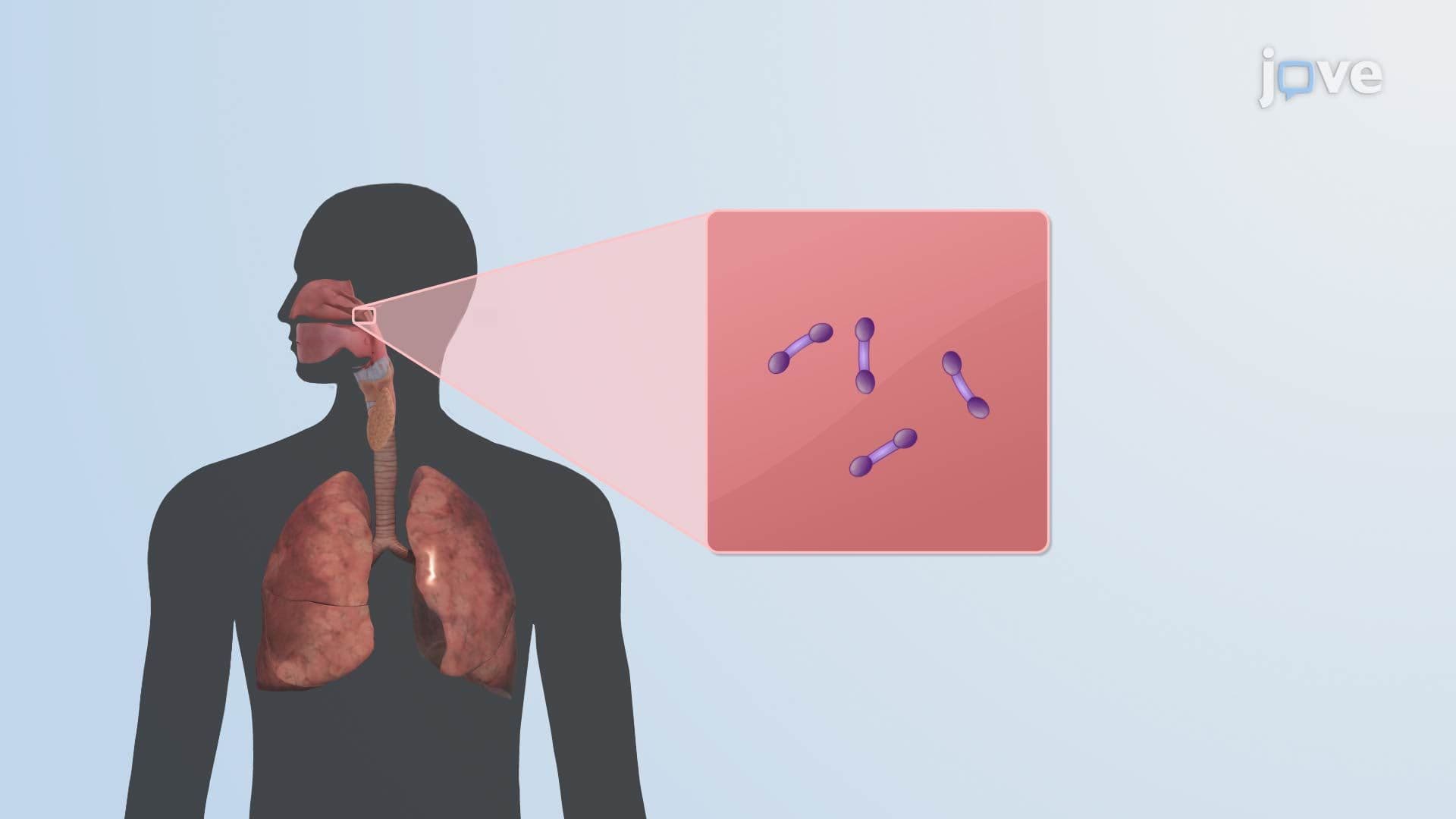
TB spreads through airborne droplet nuclei, microscopic particles expelled when an infected person coughs, speaks, or sneezes. These particles are small enough to remain suspended in the air for hours, making enclosed, poorly ventilated spaces especially high-risk environments. Once inhaled, the bacteria travel deep into the lungs and reach the alveoli, the tiny air sacs responsible for gas exchange. This mode of transmission distinguishes TB from many other common bacterial infections that spread via direct contact or contaminated surfaces, and it explains why infection control in hospitals and correctional facilities across the US is so critical.
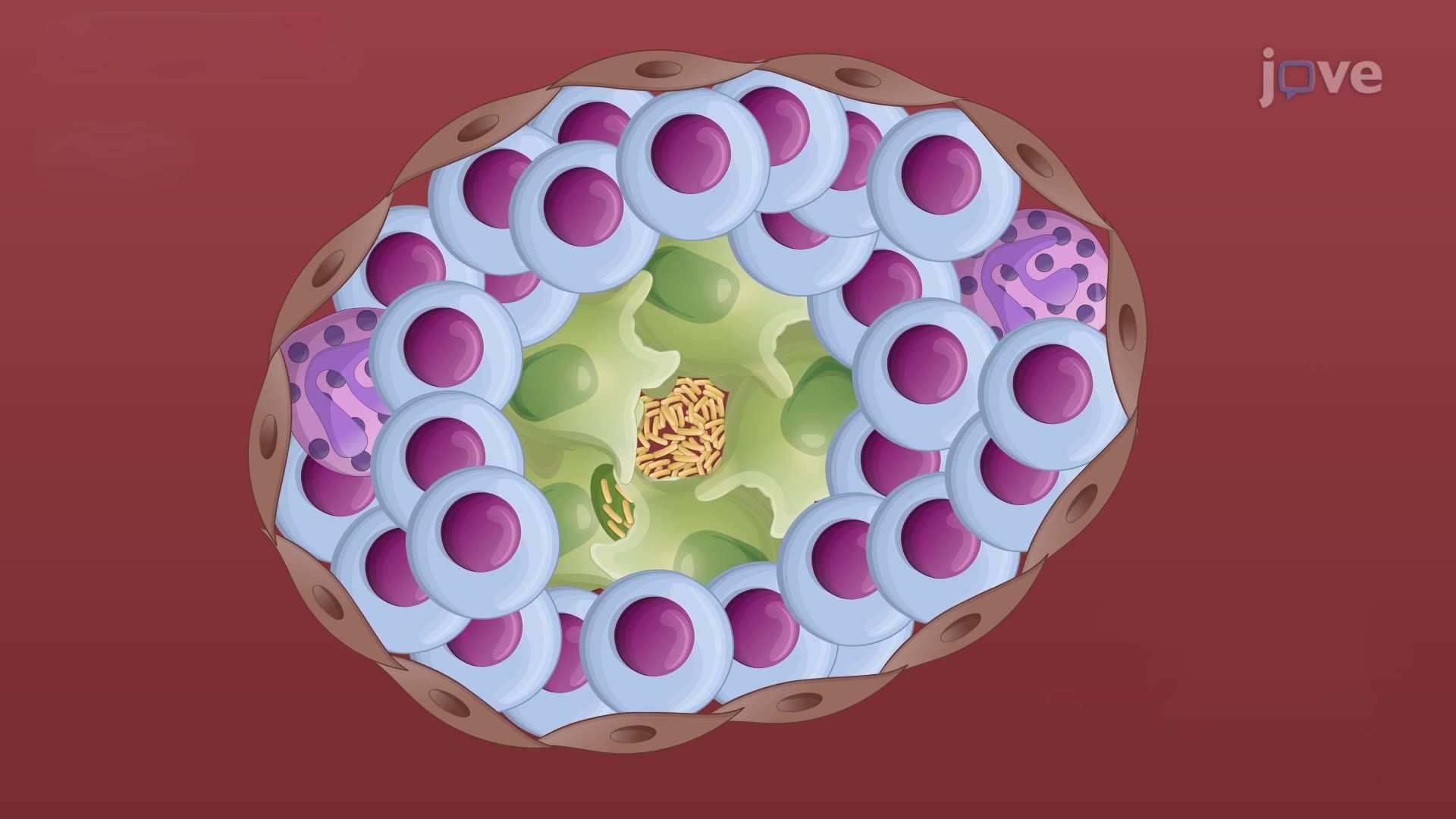
When *M. tuberculosis* reaches the alveoli, alveolar macrophages, the lung's frontline immune defenders, attempt to engulf and destroy the bacteria through phagocytosis. However, the bacterium's waxy cell wall and virulence factors allow it to survive inside the macrophage by blocking the fusion of the phagosome with lysosomes, effectively disabling the cell's killing machinery. As infected macrophages die and release bacteria into surrounding lung tissue, the immune system mounts an inflammatory response. Other immune cells, including T lymphocytes and additional macrophages, are recruited to the site, eventually forming a tightly organized structure called a granuloma. This walled-off cluster contains the bacteria, preventing widespread infection and pushing the host into a latent TB state, clinically silent and noninfectious, but not cured.
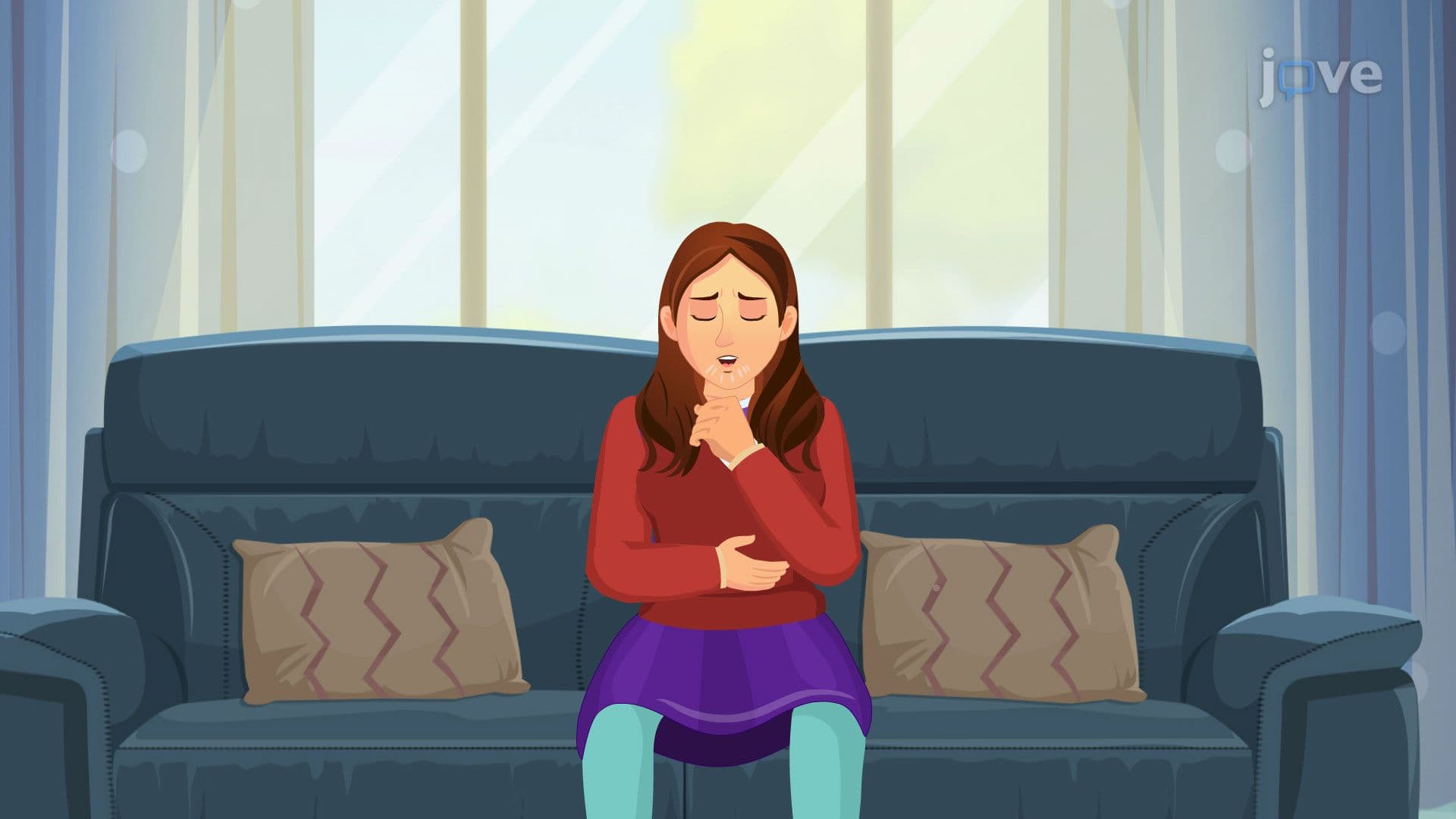
Latency is not permanent. If the host's immune system becomes compromised, through HIV infection, malnutrition, diabetes, aging, or immunosuppressive medications, granulomas can lose structural integrity, releasing viable bacteria back into the lung tissue. The bacteria then replicate rapidly, causing the hallmark symptoms of active tuberculosis: persistent cough, night sweats, unexplained weight loss, fever, and coughing up blood (hemoptysis). At this stage, the person becomes infectious and can transmit TB to others. Treatment involves a multi-drug antibiotic regimen, typically isoniazid, rifampin, pyrazinamide, and ethambutol, administered over six to nine months. Understanding this progression from latency to active disease is essential for AP Biology students, MCAT test-takers, and nursing students preparing for the NCLEX, as TB pathophysiology appears across standardized exam curricula at every level.
Related Micro-courses