Loading video…

 15 Concepts
 1.8K views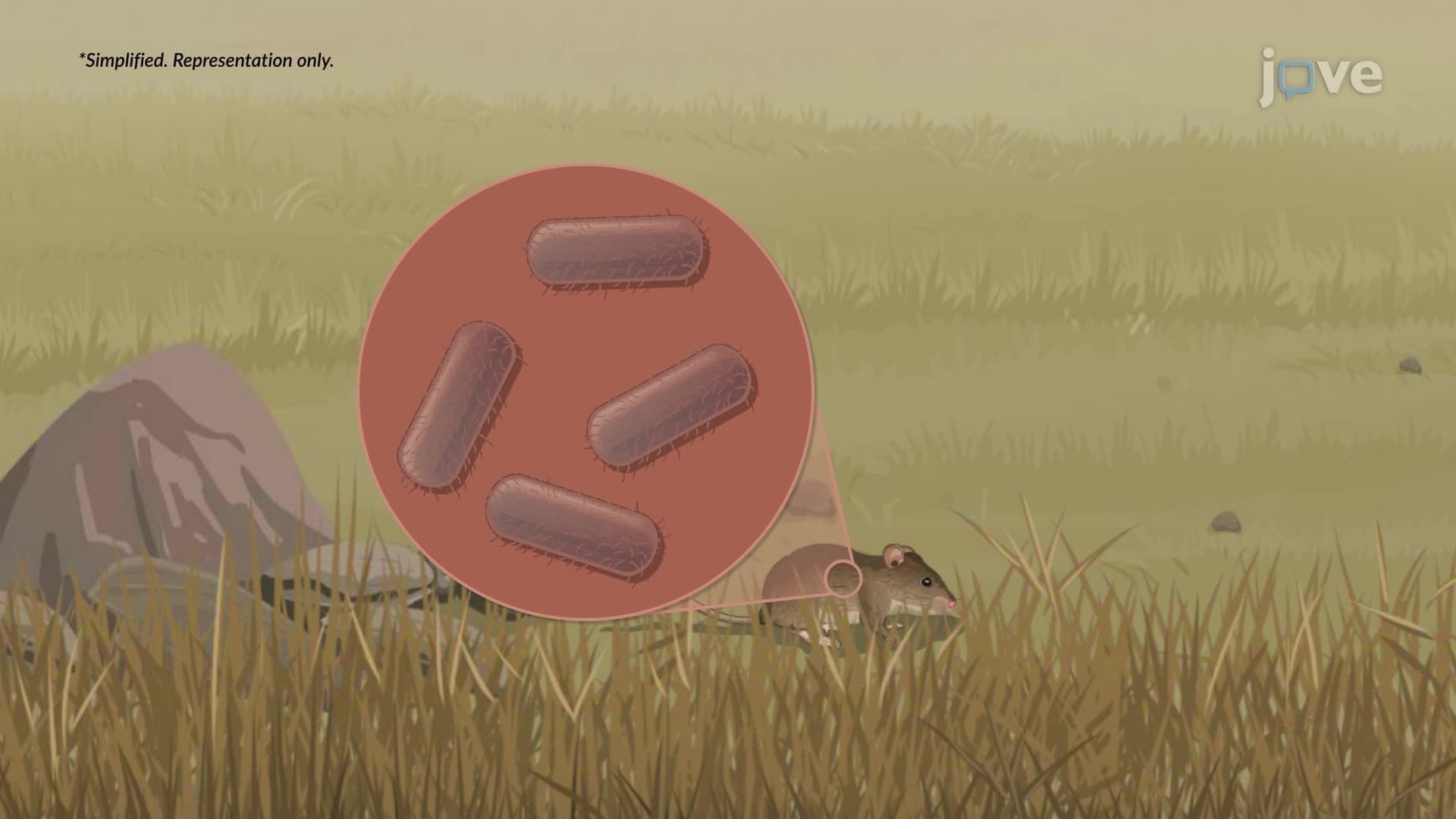

Video Summary: What Is Plague
Centuries before modern medicine, plague wiped out nearly a third of Europe's population, but what actually happens inside your body? Plague basics begin with *Yersinia pestis*, a dangerous bacterium transmitted from infected rodents through flea bites. In the US, cases still occur in southwestern states like New Mexico and Arizona. Understanding what is plague helps explain how a single microbe can overwhelm your immune system. Watch the full video on JoVE Coach to master this concept with expert-led visuals and step-by-step explanations.
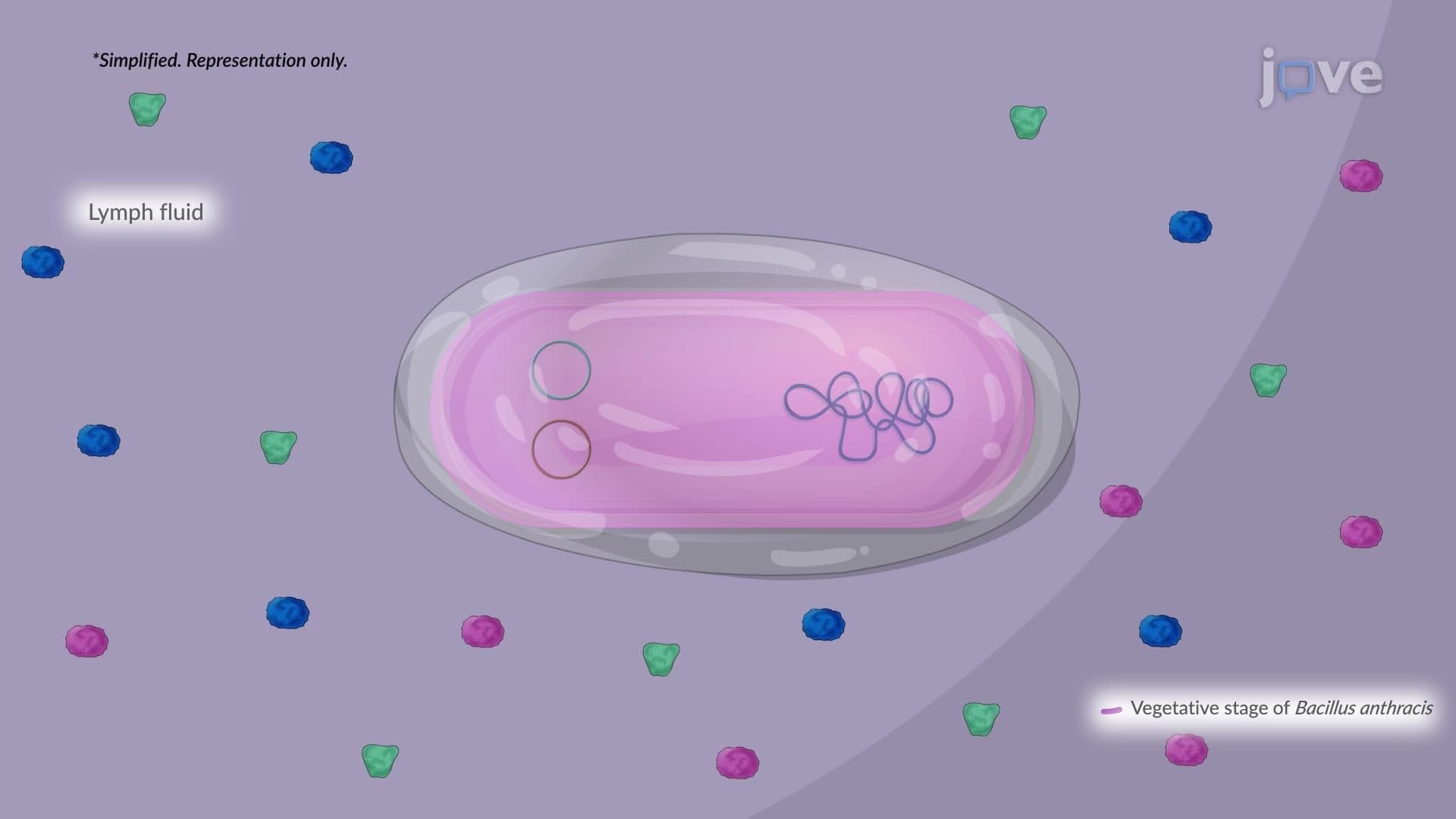
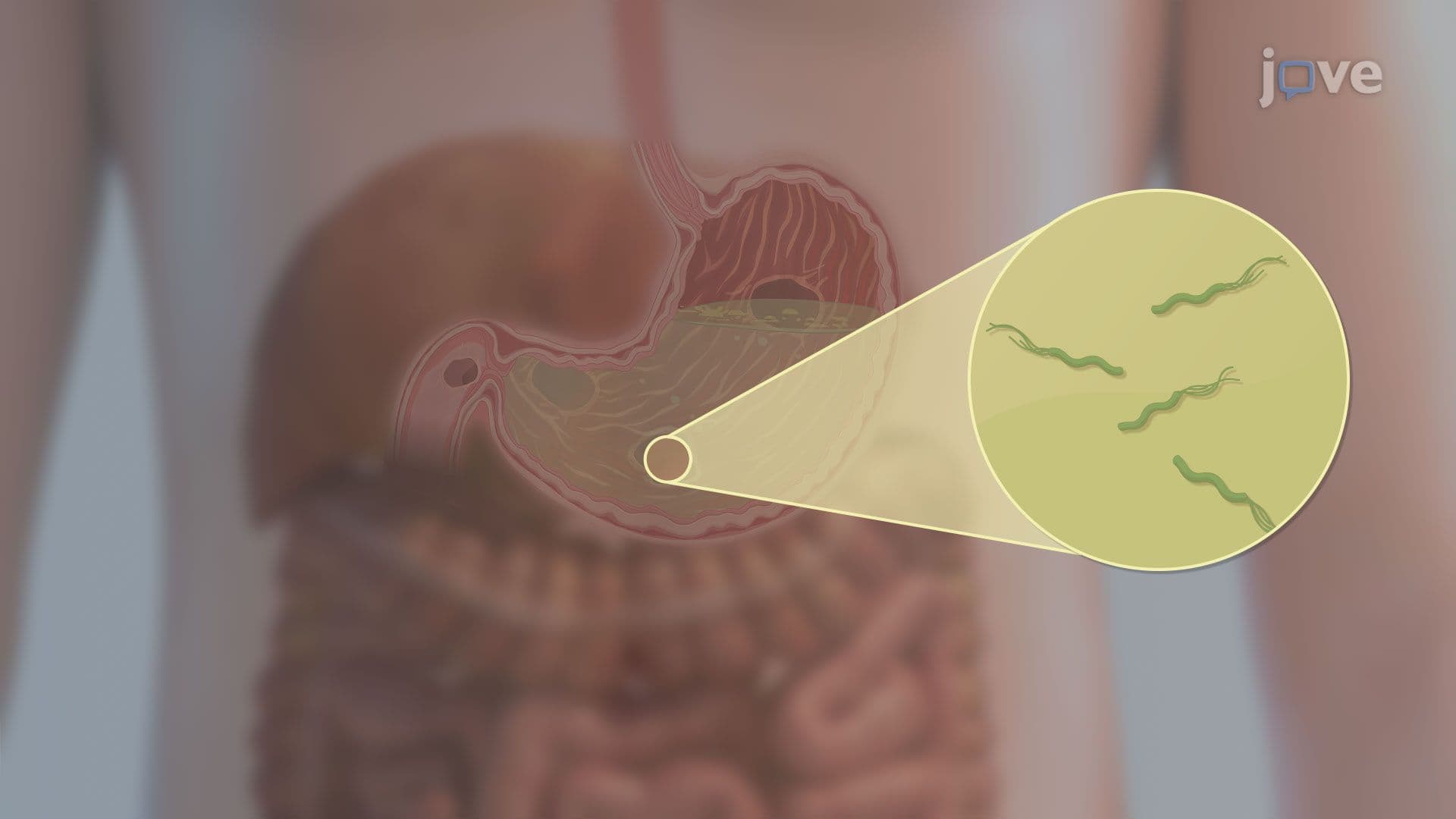
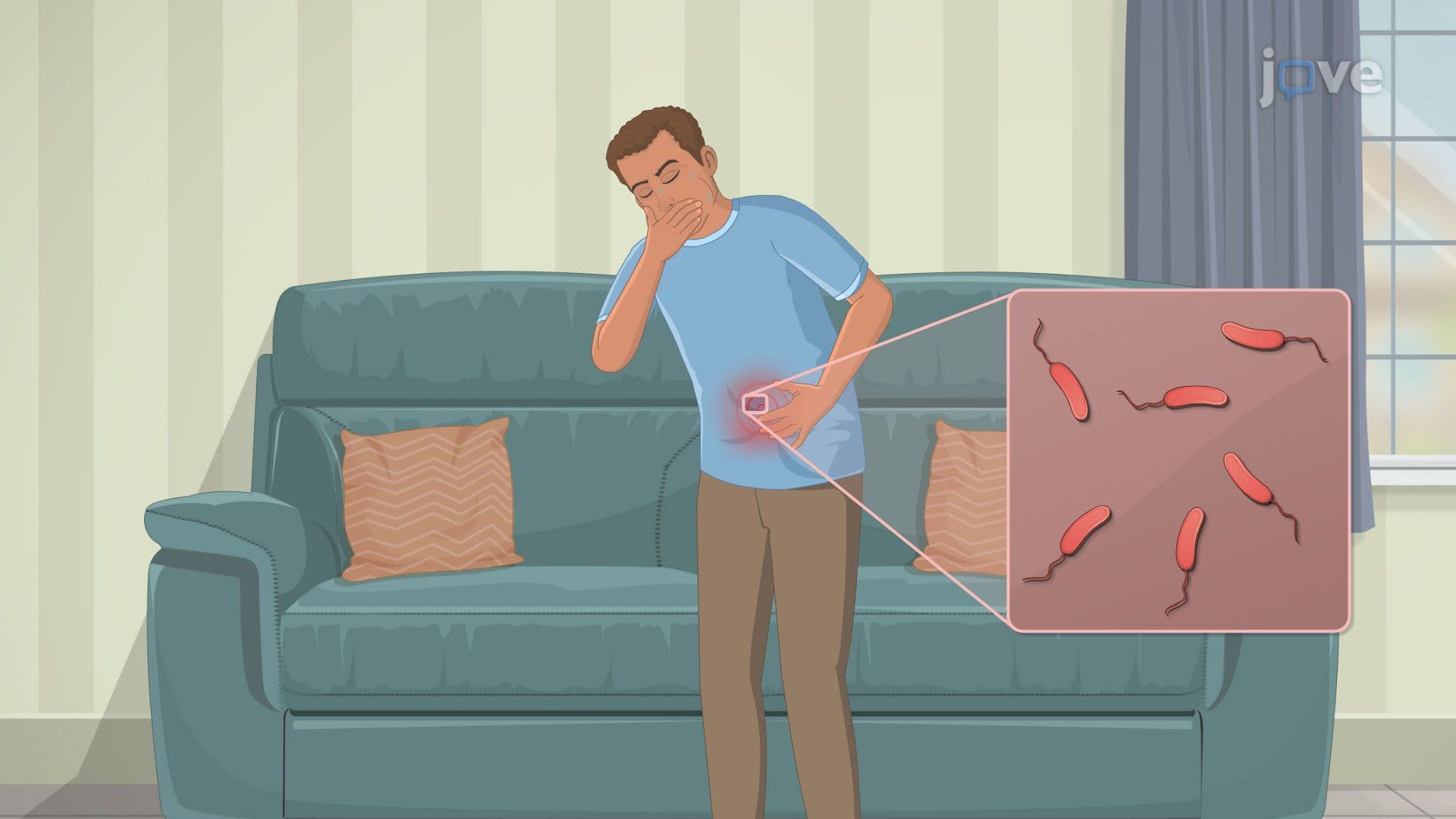
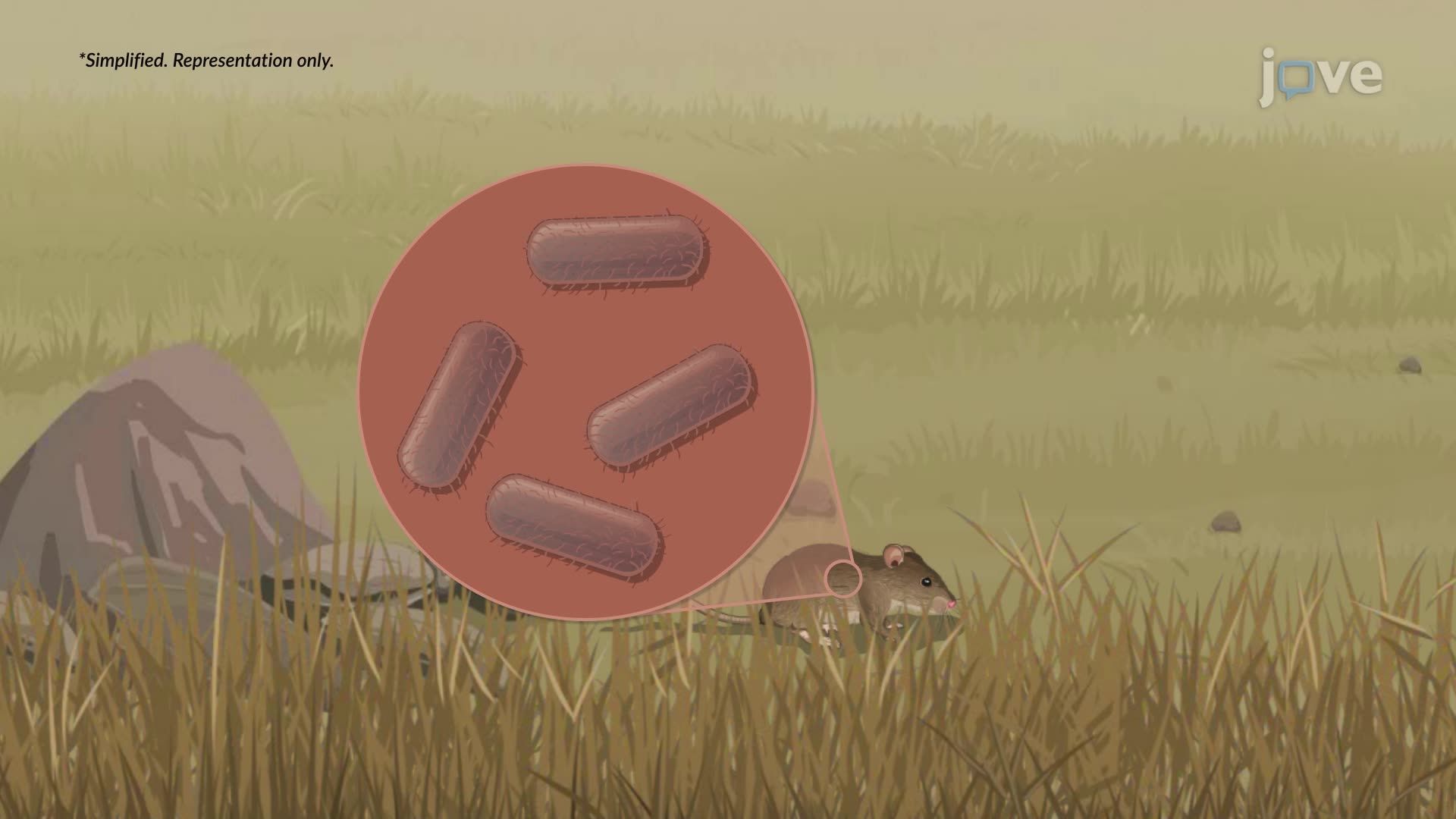
Plague is one of history's most feared infectious diseases, and it is far from extinct. Caused by *Yersinia pestis*, a Gram-negative, rod-shaped bacterium, plague is classified as a zoonotic disease, meaning it naturally circulates among animals but can spill over into humans. In the United States, the CDC reports an average of seven human plague cases per year, primarily in rural areas of New Mexico, Arizona, Colorado, and California, where wild rodent populations harbor the bacteria. Understanding plague basics is essential not only for microbiology courses but also for grasping how pathogens exploit immune defenses.
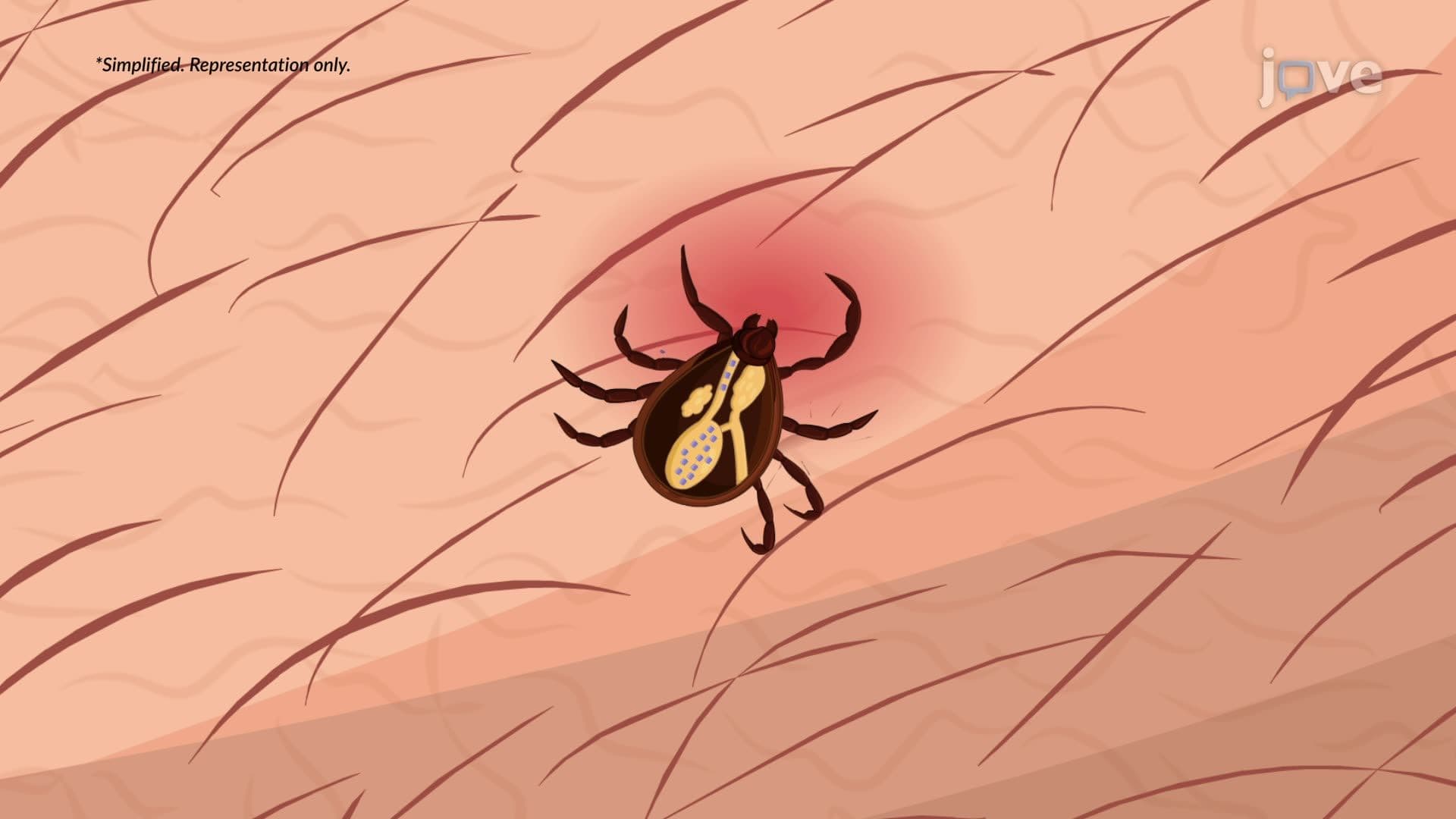
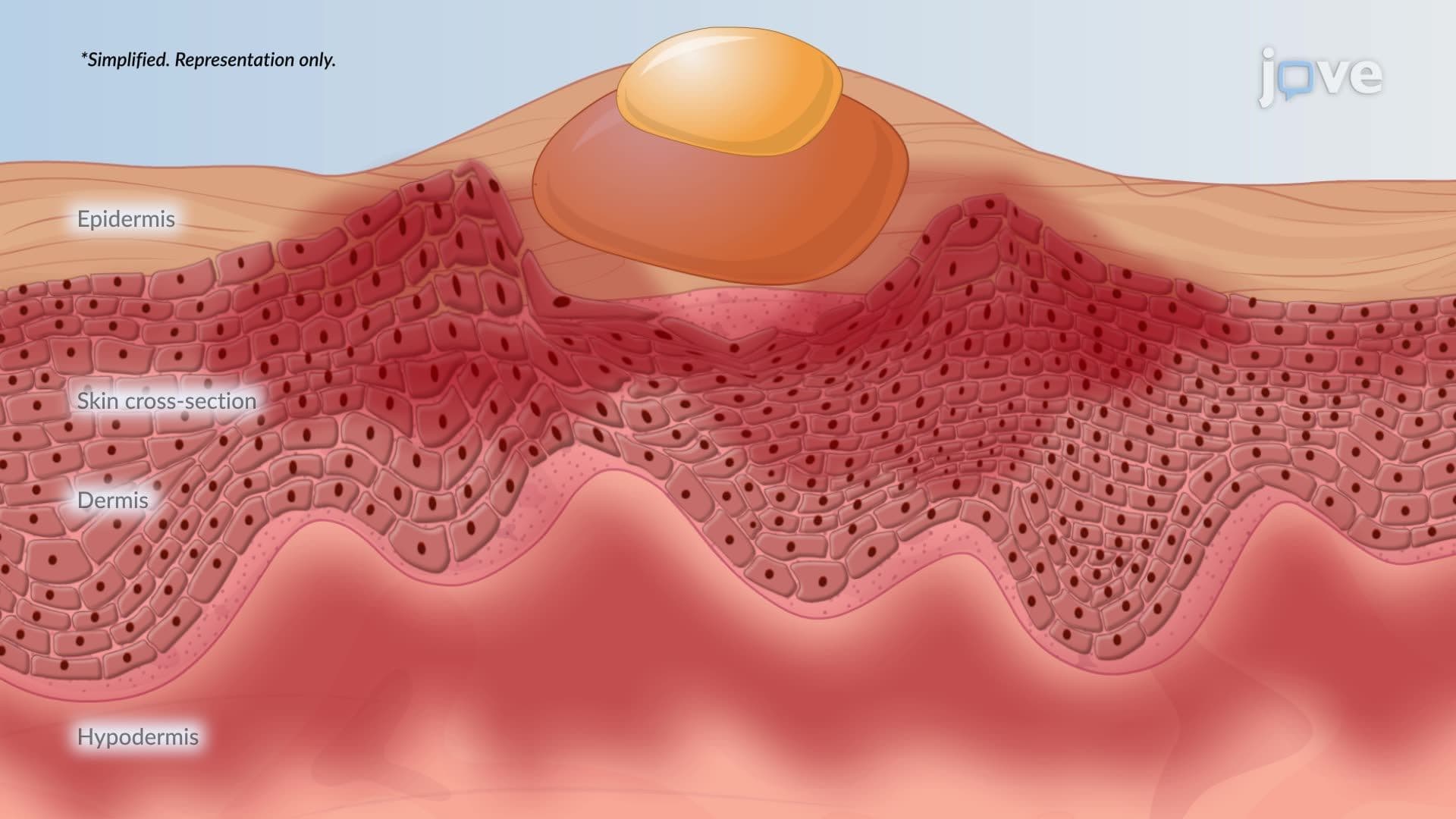
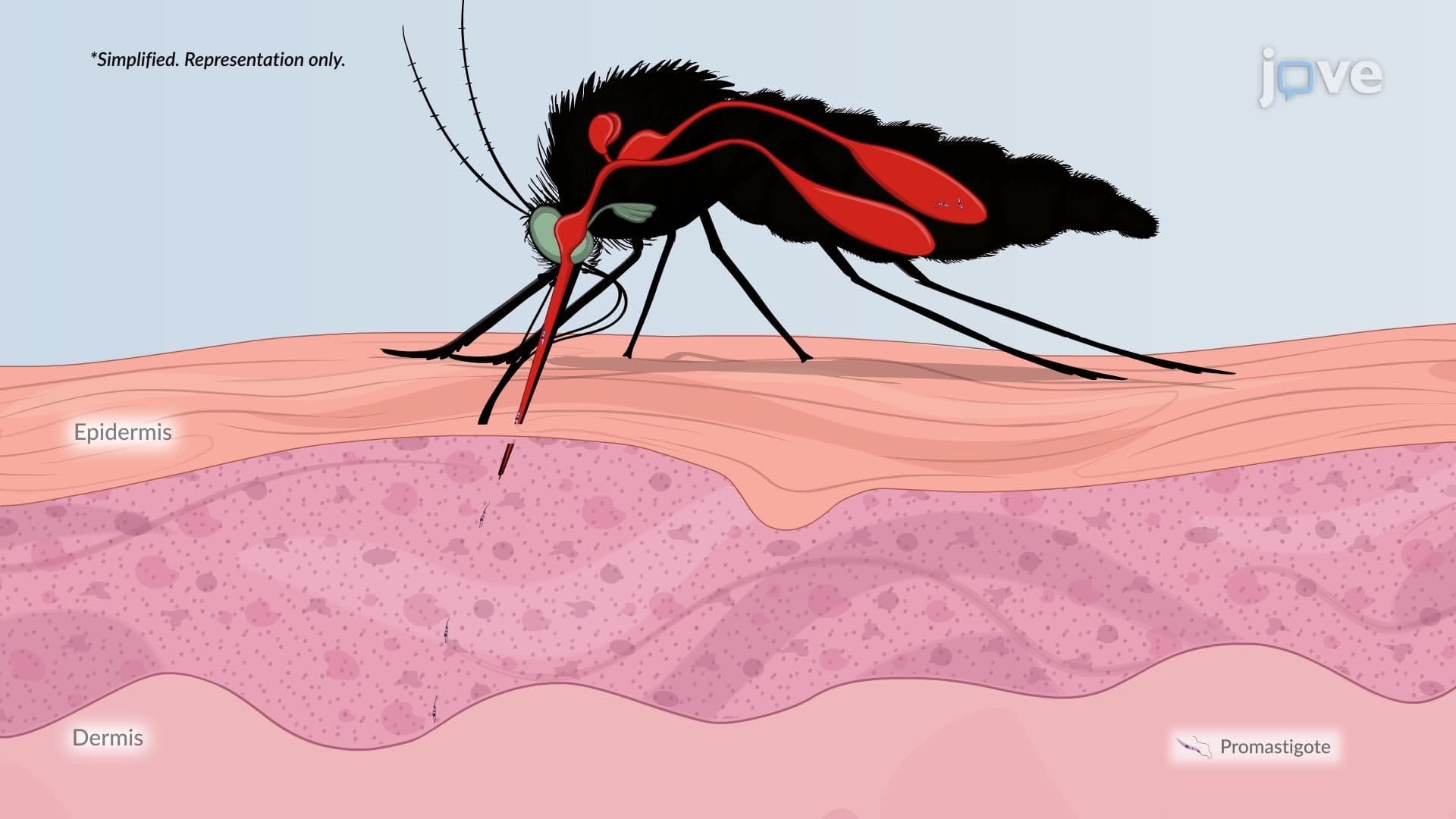
The most common route of human infection involves the bite of a flea that has fed on an infected rodent, such as a prairie dog or ground squirrel. When *Y. pestis* enters the human body through broken skin, it is quickly engulfed by macrophages, immune cells designed to destroy invaders. However, rather than being destroyed, the bacteria survive by blocking a key immune defense step: phagosome maturation and acidification. Normally, the phagosome (the compartment trapping the bacteria) fuses with a lysosome to chemically break down the pathogen. *Y. pestis* disrupts this process through stress-response pathways, effectively turning a macrophage into a protected vehicle for bacterial survival.
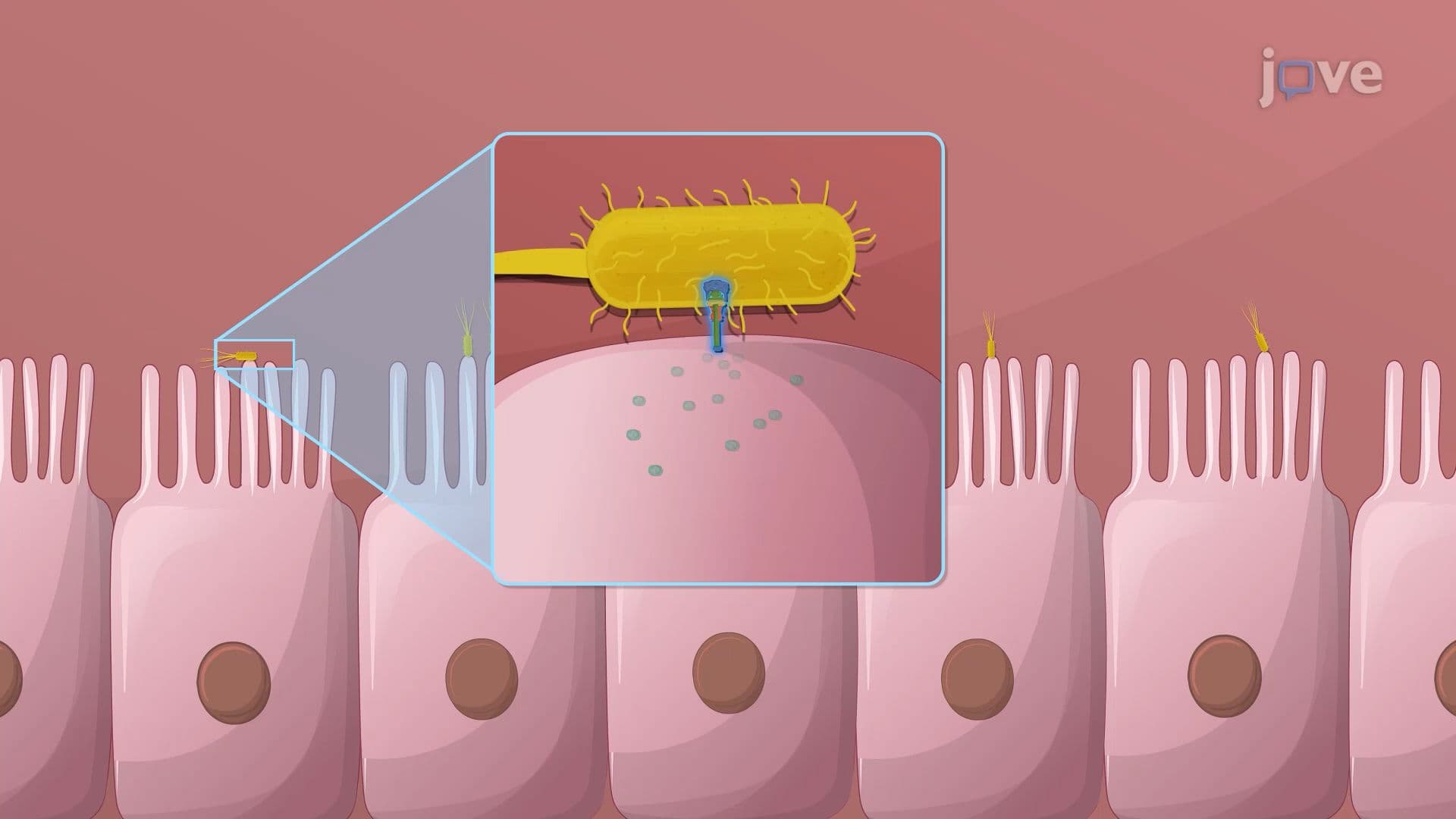
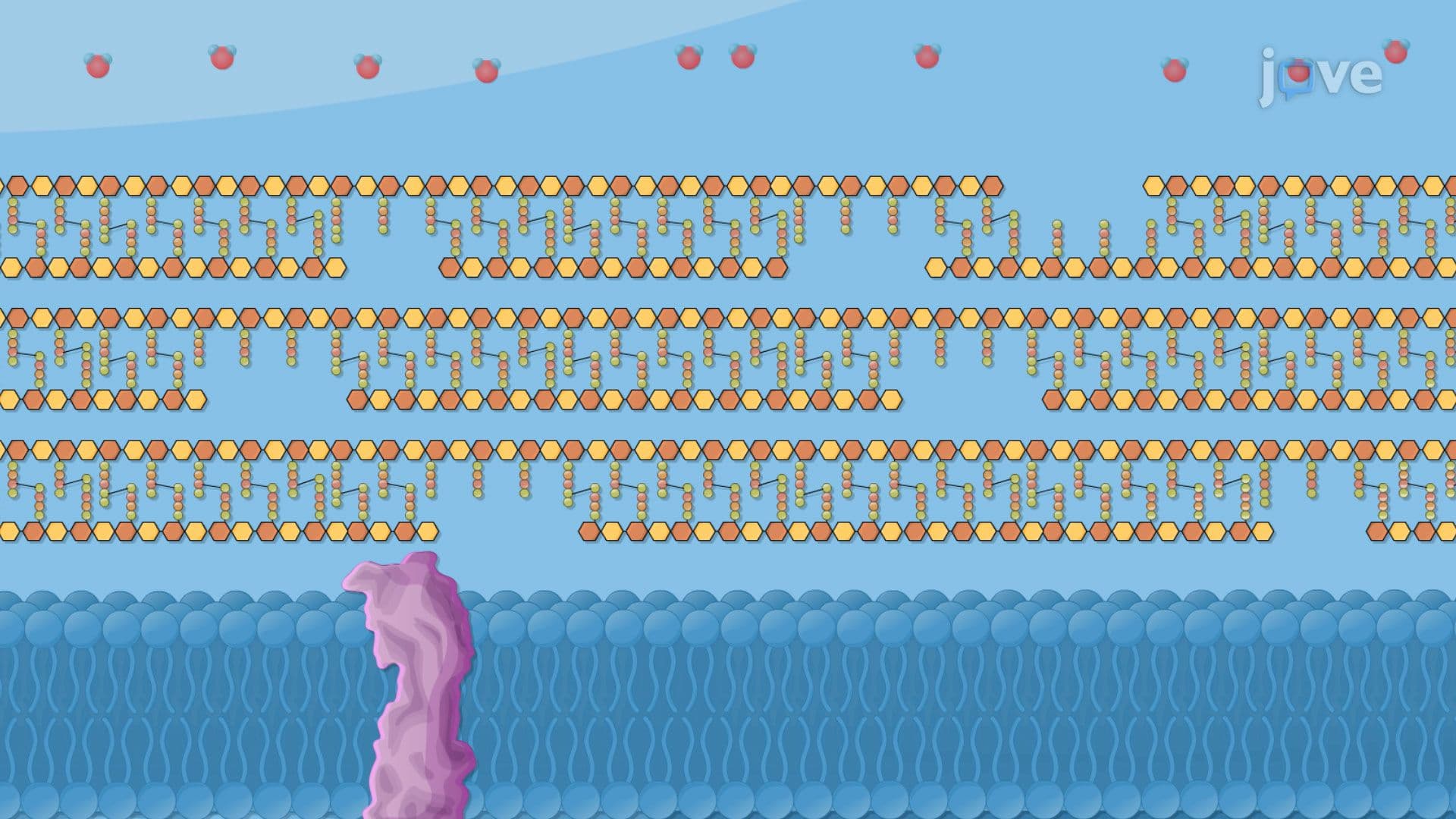
What makes plague particularly dangerous is its arsenal of virulence factors, molecular tools that disable host defenses. As infected macrophages travel to nearby lymph nodes, the bacteria begin expressing specialized proteins. A critical mechanism is the type III secretion system (T3SS), a needle-like molecular structure that injects Yersinia outer proteins (Yops) directly into surrounding immune cells. These Yops inhibit phagocytosis (preventing other immune cells from engulfing the bacteria) and trigger apoptosis, or programmed cell death, in those immune cells. Additionally, *Y. pestis* expresses the F1 antigen, which forms an antiphagocytic capsule around the bacterium, adding another layer of protection. These combined virulence factors are a major focus in AP Biology, college microbiology, and MCAT preparation when studying bacterial pathogenesis.
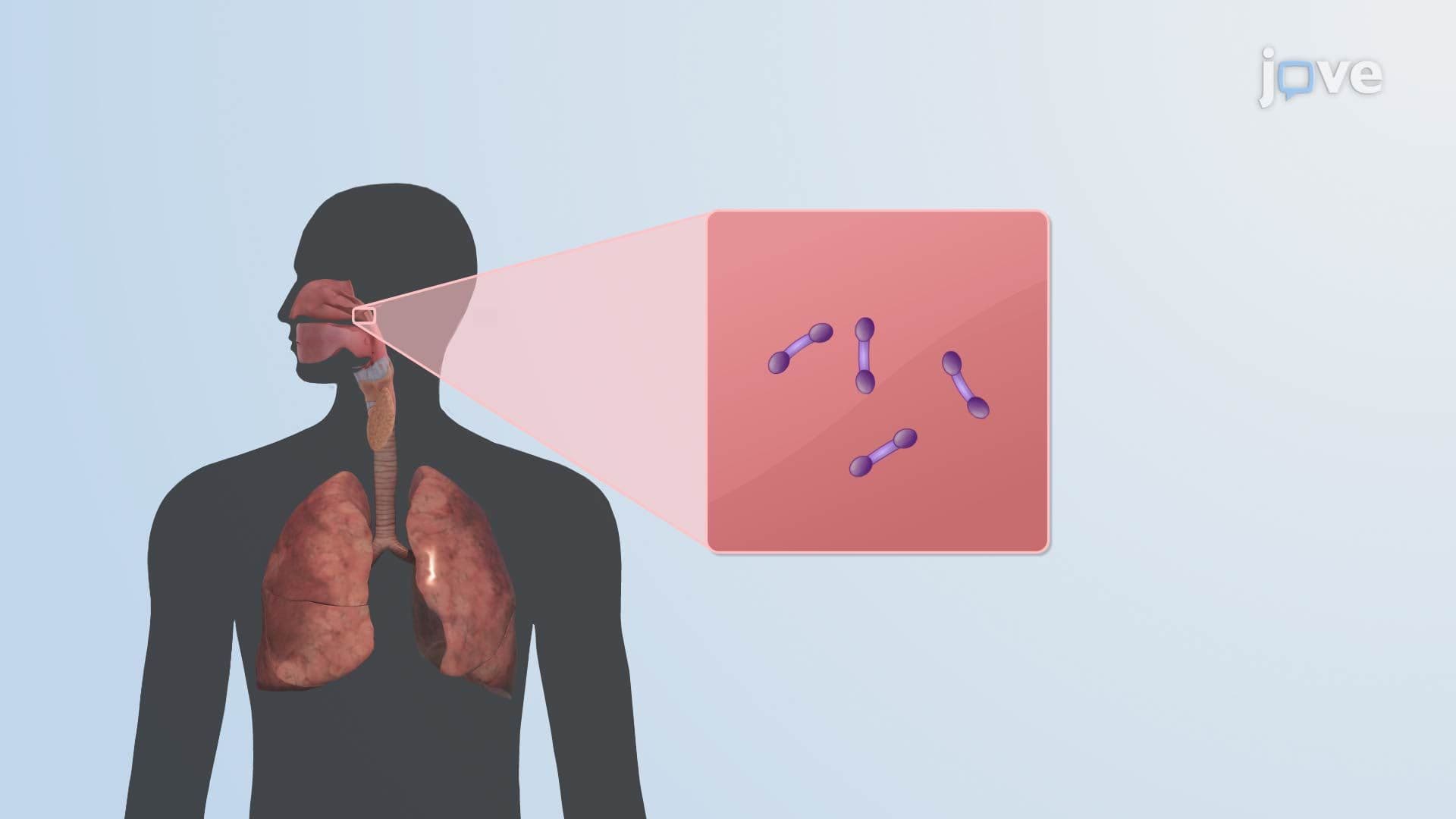
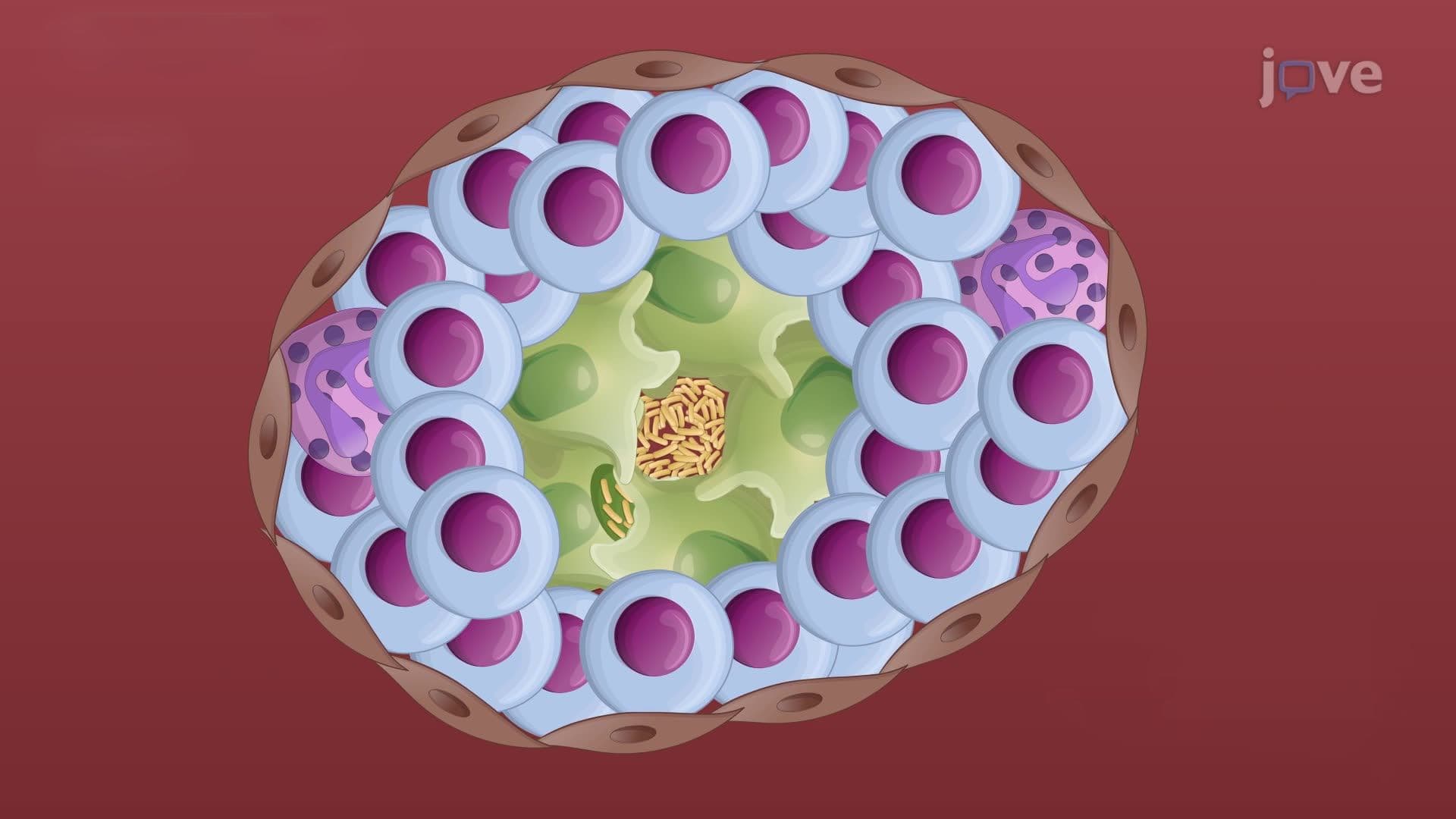
When bacteria accumulate and multiply in the lymph nodes, the resulting severe inflammation produces the hallmark sign of bubonic plague: a swollen, painful lymph node called a bubo, most commonly appearing in the groin, armpit, or neck. If untreated, the infection can spread to the bloodstream (septicemic plague) or lungs (pneumonic plague), both of which carry extremely high mortality rates. Early diagnosis, typically through bacterial culture, PCR, or antigen detection, and prompt antibiotic treatment with drugs like streptomycin, gentamicin, or doxycycline are life-saving. This clinical reality underscores why recognizing symptoms of a bacterial infection early is emphasized in nursing exams like NCLEX and medical licensing exams like USMLE. Plague explained at this level bridges foundational microbiology with real clinical decision-making.
Related Micro-courses