Loading video…

 15 Concepts
 1.8K views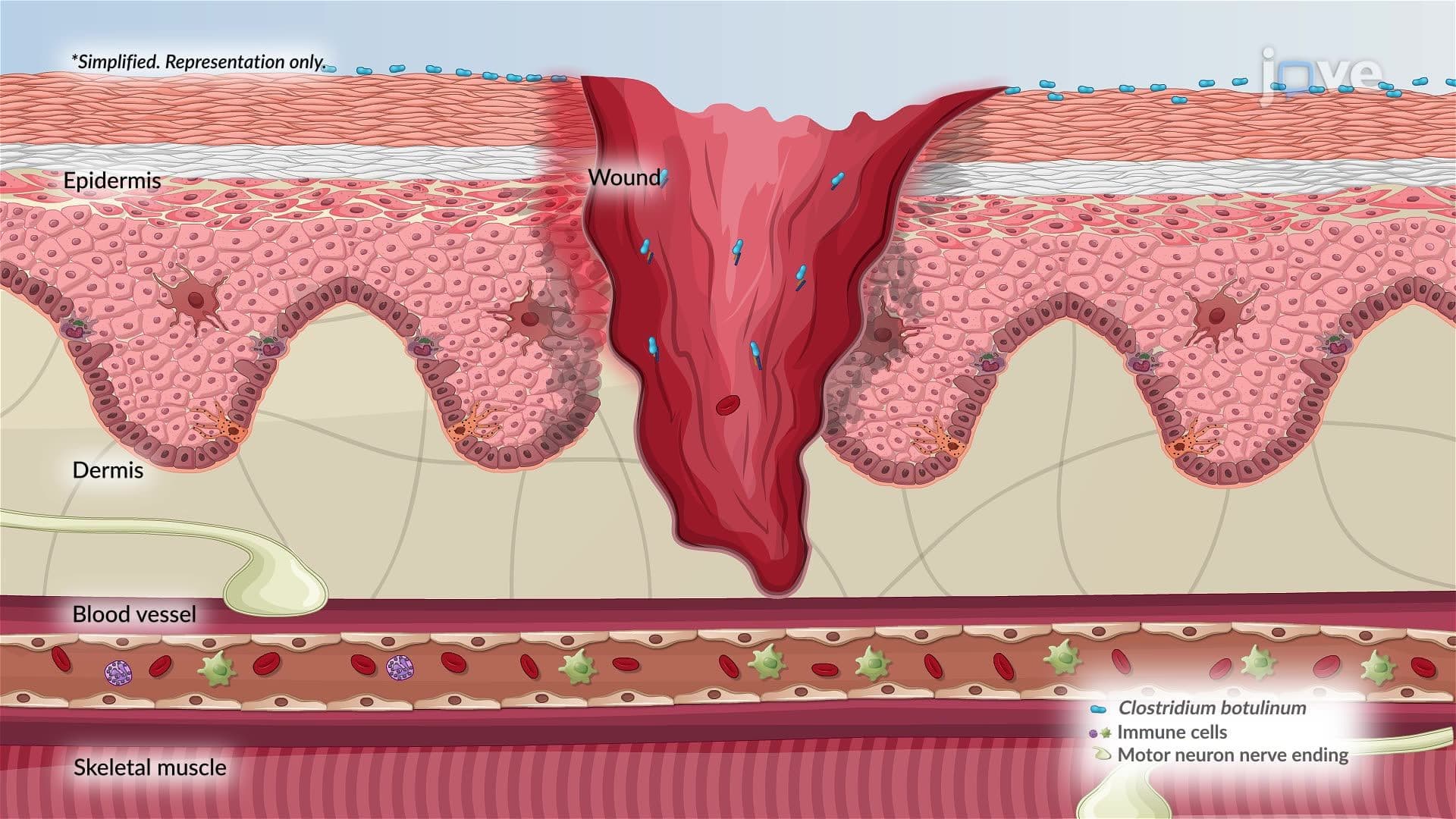

Video Summary: What Is Botulism
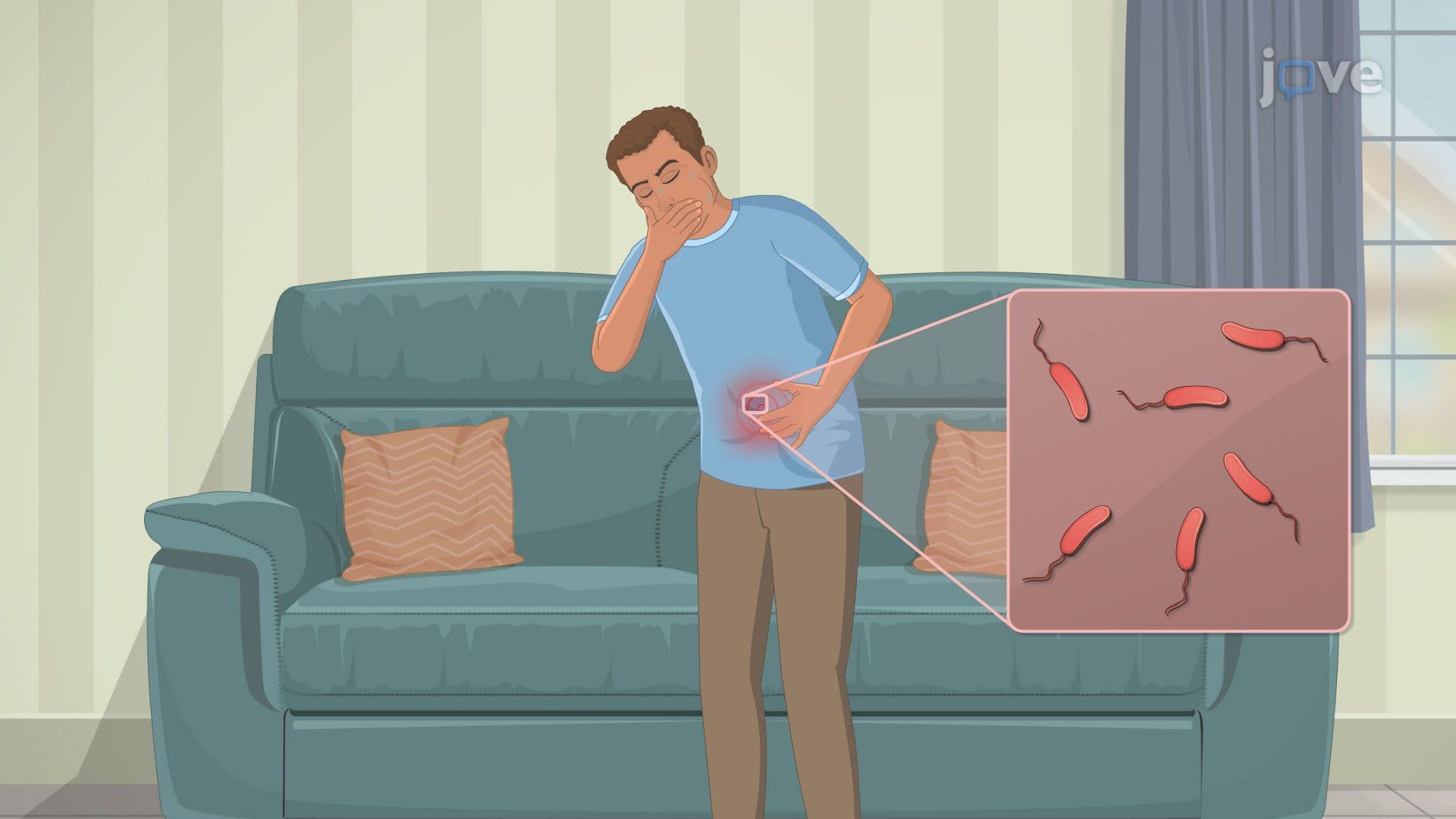
A single contaminated can of home-preserved green beans sent several Americans to the ICU, all from botulism. Botulism basics start with one of nature's most potent toxins: the botulinum toxin produced by *Clostridium botulinum*. This bacterial neurotoxin hijacks nerve-muscle communication, silencing acetylcholine release and triggering life-threatening flaccid paralysis. Watch the full video on JoVE Coach to master this concept with expert-led visuals and step-by-step explanations.
Botulism is a rare but potentially fatal neuroparalytic illness caused by botulinum toxin, a protein produced by the anaerobic, spore-forming bacterium *Clostridium botulinum*. Ranked among the most lethal biological substances known, botulinum toxin disrupts the communication between nerves and muscles at a molecular level. Understanding botulism basics is essential for students in AP Biology, college microbiology courses, and anyone preparing for the MCAT or USMLE, because it elegantly illustrates how bacterial virulence factors can exploit normal cellular machinery.
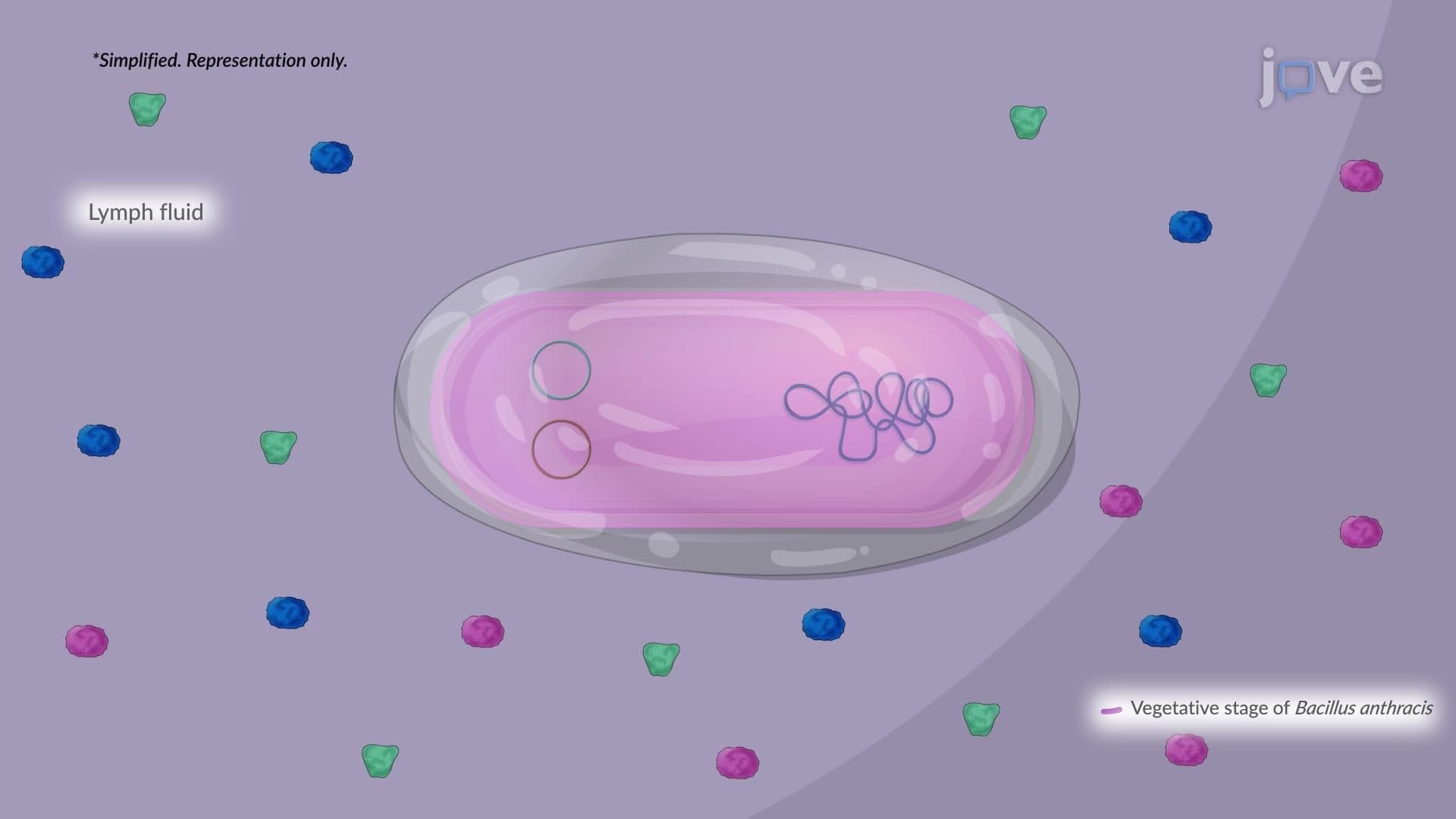
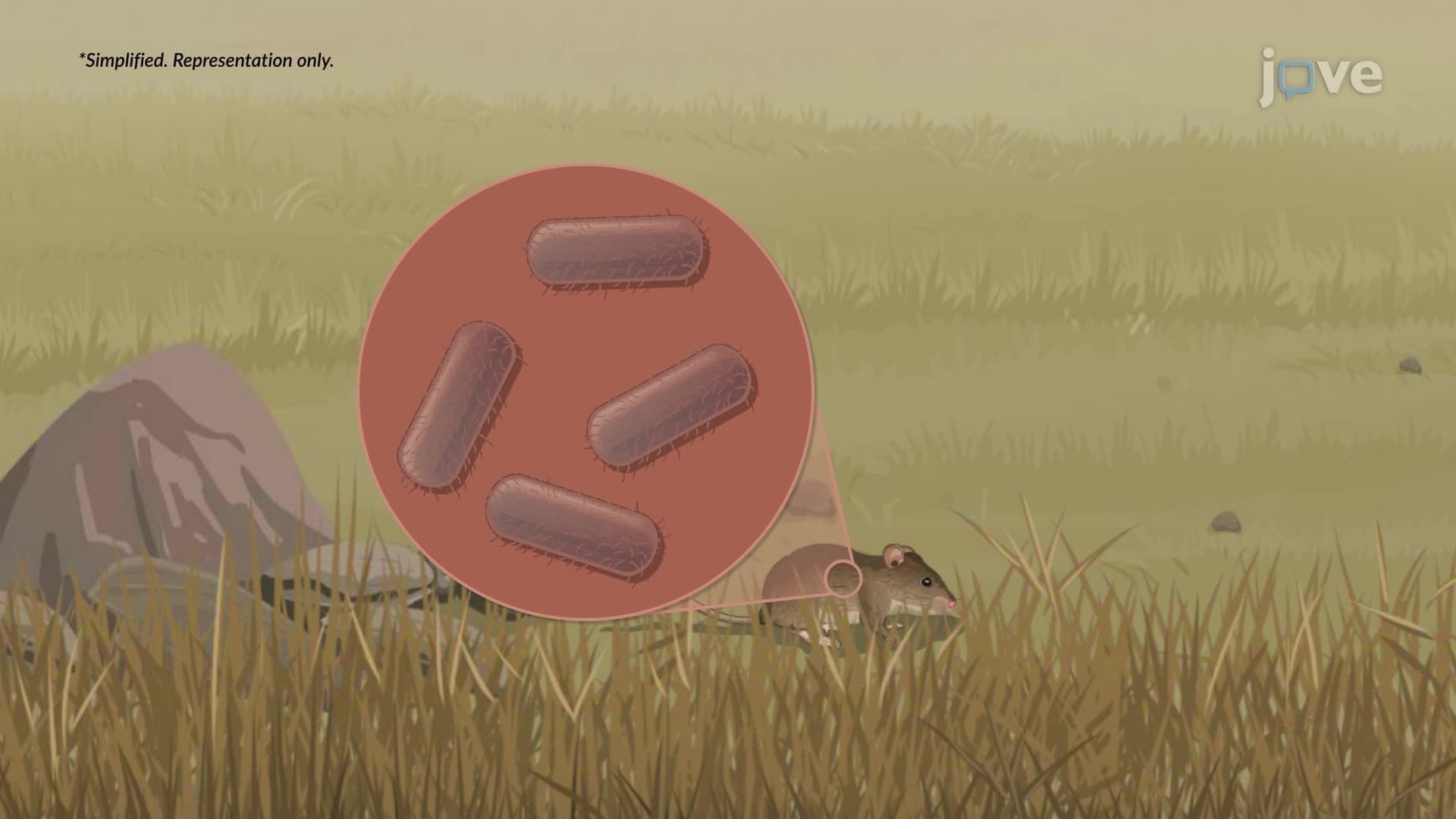
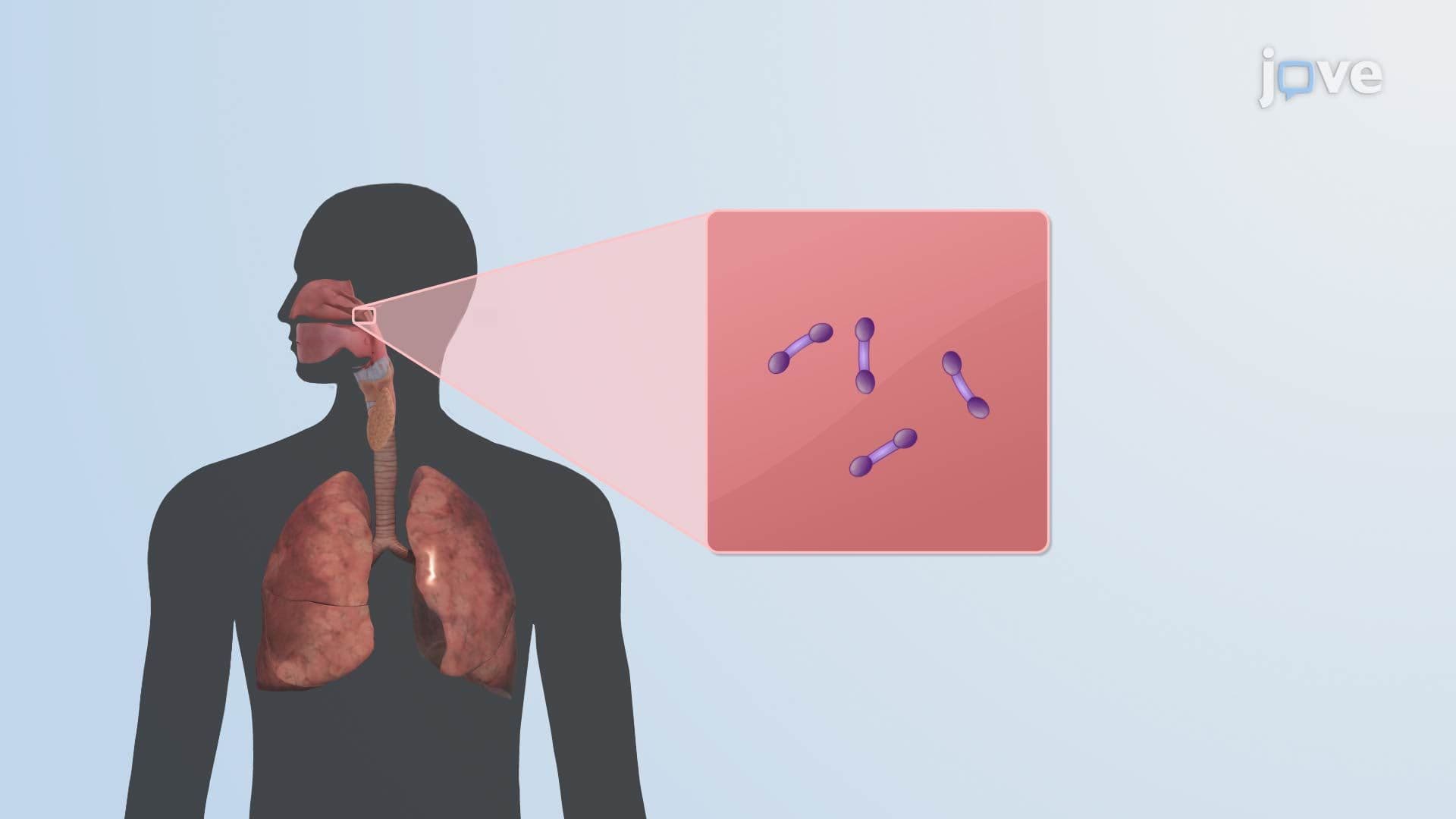
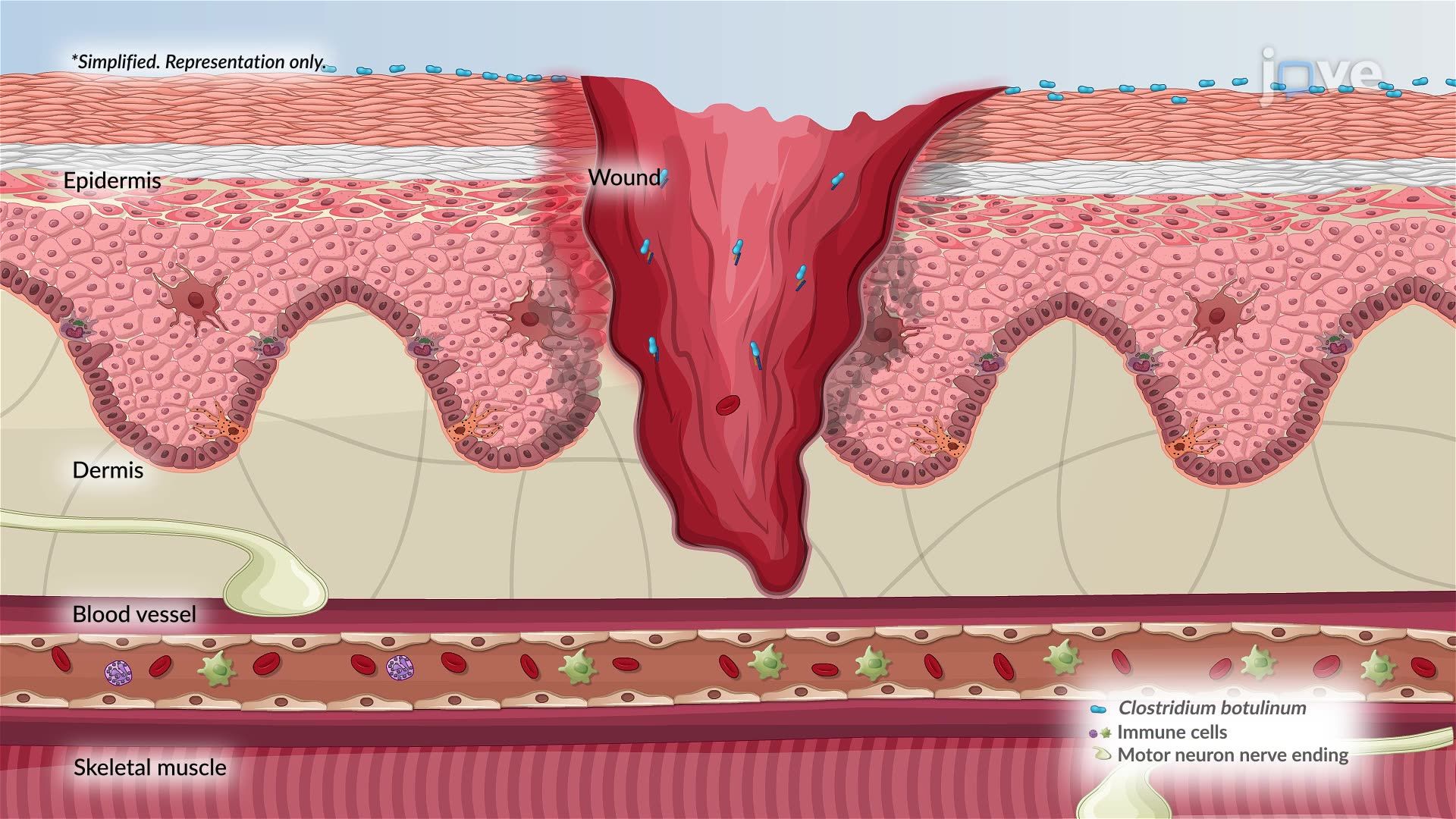
*C. botulinum* is a Gram-positive, anaerobic, rod-shaped bacterium, a critical distinction when comparing Gram-positive vs. Gram-negative infections on exams. Its ability to form heat-resistant endospores allows it to survive in improperly processed canned foods, soil, and even honey. In the United States, the CDC reports roughly 25 foodborne botulism cases annually, often linked to home-canned vegetables or fermented fish in Alaska. The bacterium's primary virulence factor is the botulinum toxin itself, synthesized initially as an inactive precursor composed of two chains, a heavy chain responsible for binding and entry, and a light chain that carries the toxic enzymatic activity, held together by a disulfide bond.
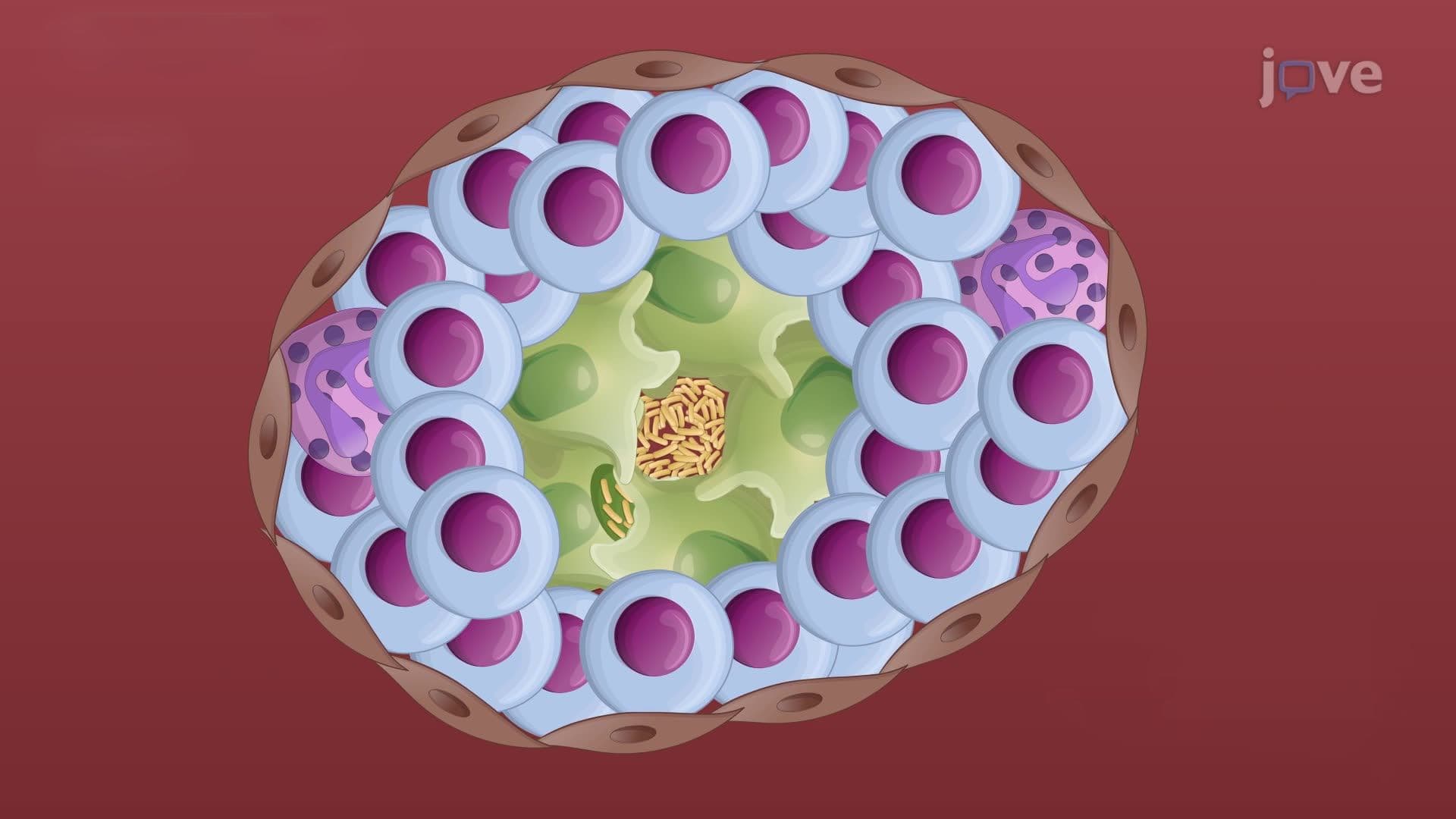
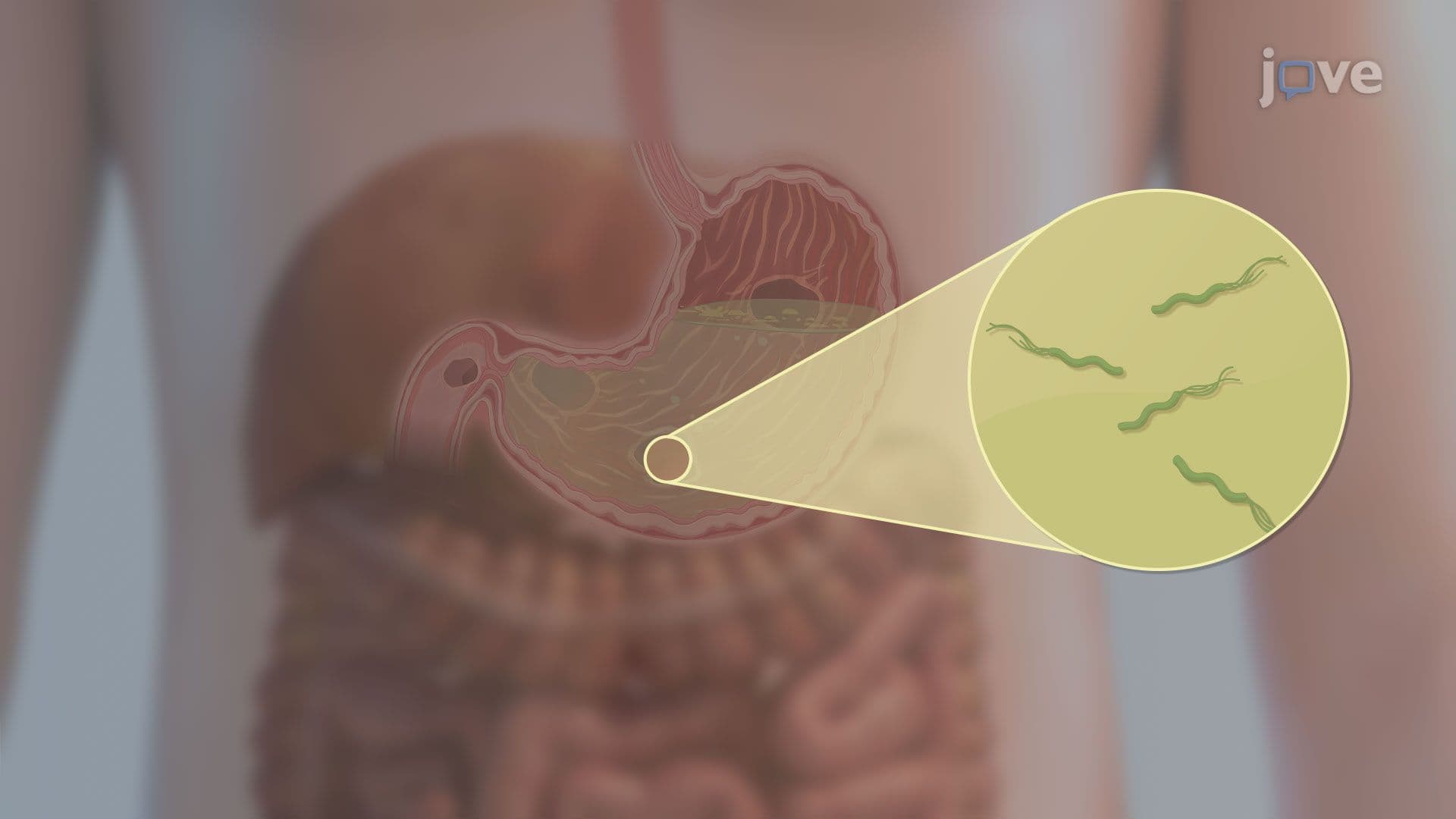
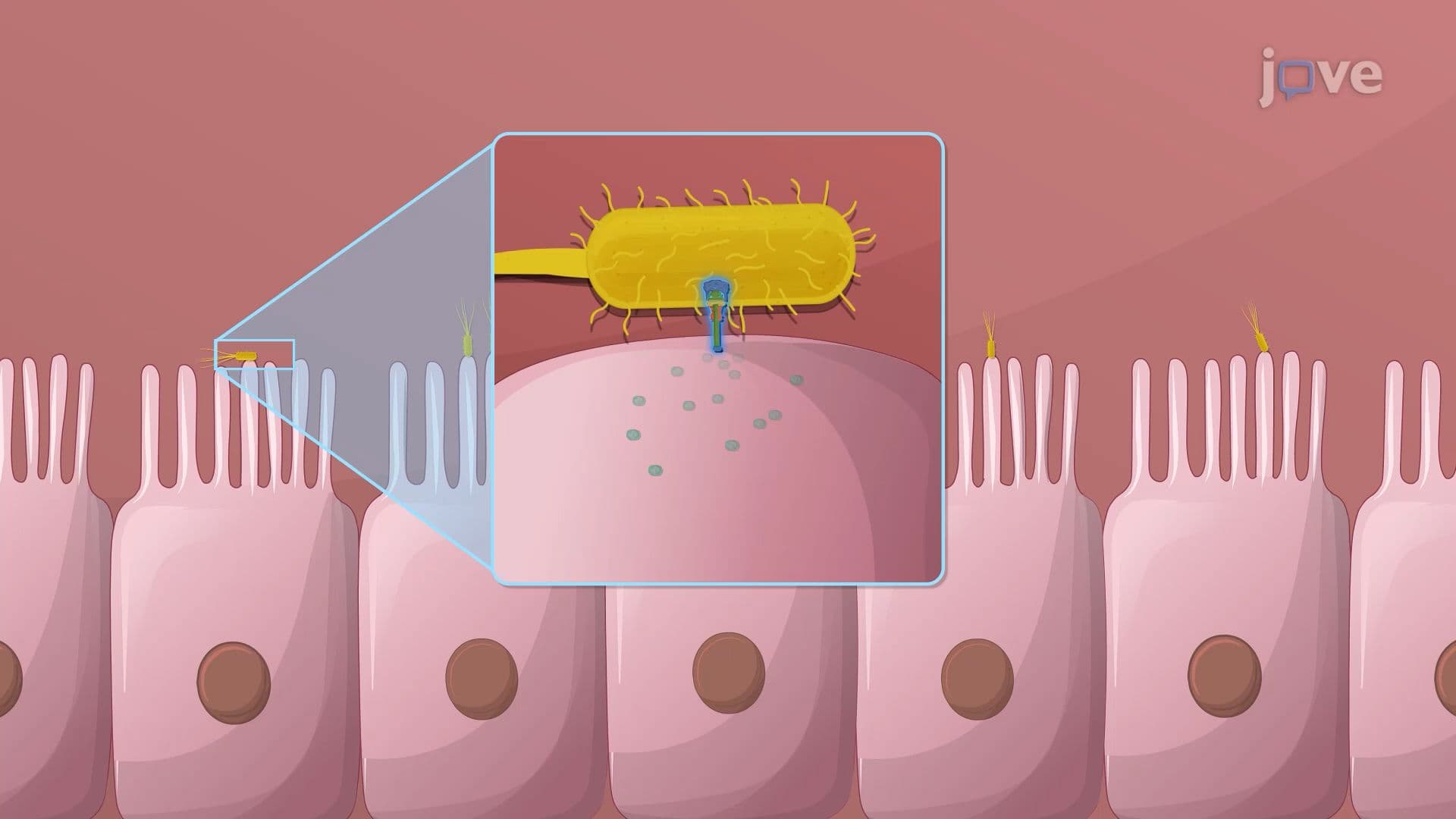
When contaminated food is consumed, the preformed toxin must first survive the gut environment before it can cause harm. The heavy chain facilitates the toxin's passage across intestinal epithelial cells via transcytosis, a process in which the toxin is packaged into vesicles on one side of the cell and released on the other, allowing it to enter the bloodstream without destroying the cells it crosses. Once in circulation, the toxin homes in on peripheral nerve endings, specifically the cholinergic neurons at neuromuscular junctions. This bloodstream-to-nerve pathway is a favorite topic in college microbiology midterms and MCAT biochemistry sections because it demonstrates how bacterial toxins exploit normal receptor-mediated transport systems.
At the nerve terminal, the heavy chain binds to receptors on the presynaptic membrane, triggering endocytosis, the nerve cell essentially swallows the toxin. Inside the resulting endosome, the low pH environment causes acidification, which cleaves the disulfide bond and liberates the light chain into the cytosol. The light chain is a zinc-dependent metalloprotease, an enzyme that cuts proteins, and its targets are SNARE proteins (such as SNAP-25, synaptobrevin, and syntaxin). SNARE proteins are the molecular "docking clamps" that enable synaptic vesicles to fuse with the presynaptic membrane and release acetylcholine into the synapse. Without functional SNARE proteins, vesicles cannot fuse, acetylcholine is not released, and the muscle receives no signal to contract. The clinical result is descending flaccid paralysis, weakness that begins at the head and moves downward, which can progress to respiratory failure if the diaphragm is affected.
Beyond its role as a life-threatening illness, botulism explained at the molecular level has real-world medical applications. Purified botulinum toxin, marketed as Botox, is used therapeutically in the US to treat conditions like cervical dystonia, chronic migraines, and excessive sweating, and cosmetically to reduce facial wrinkles, all by exploiting the same SNARE-blocking mechanism. Understanding this dual nature helps students connect basic science to clinical medicine, a skill directly tested on the MCAT and USMLE Step 1.
Related Micro-courses