Loading video…

 15 Concepts
 1.8K views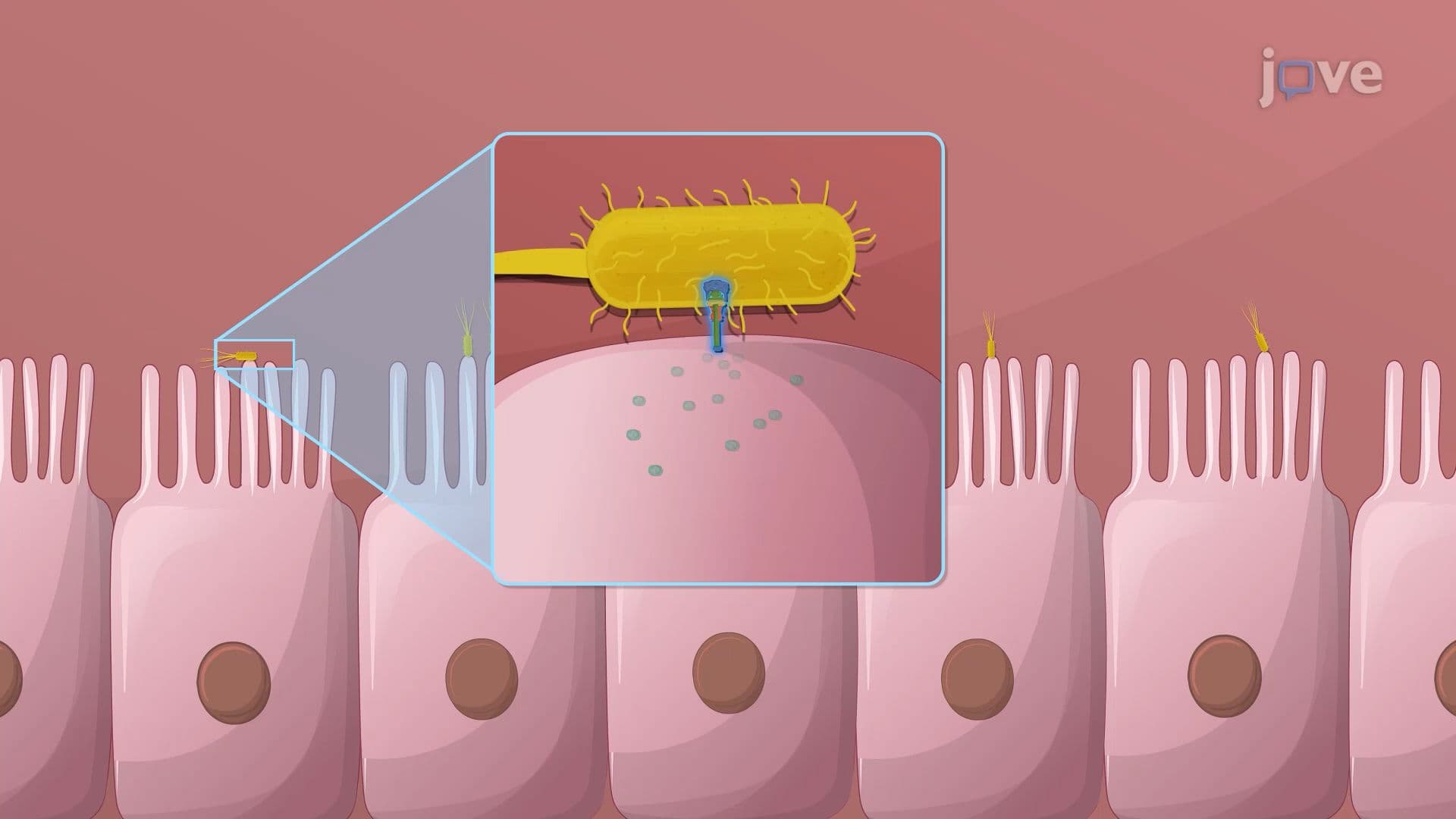

Video Summary: What Is Bacterial Gastroenteritis
Every year, millions of Americans get sick from contaminated food, and bacterial gastroenteritis is often the culprit. This gut infection causes diarrhea, vomiting, and abdominal cramps when pathogenic bacteria invade the stomach and intestines through undercooked meat, raw produce, or unsafe water. A notorious US outbreak example: E. coli contamination in romaine lettuce affected dozens of states in 2018. Watch the full video on JoVE Coach to master this concept with expert-led visuals and step-by-step explanations.
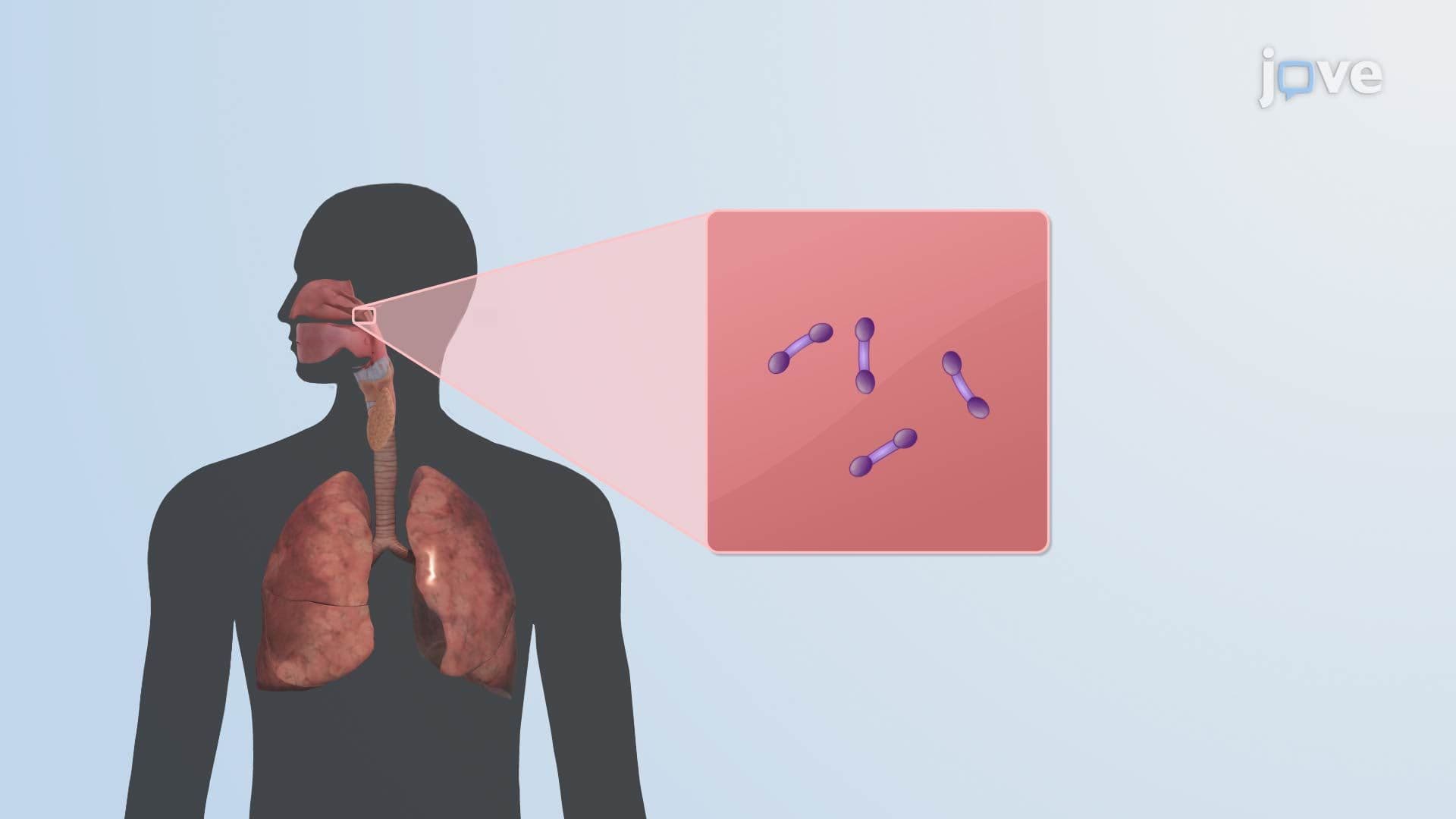
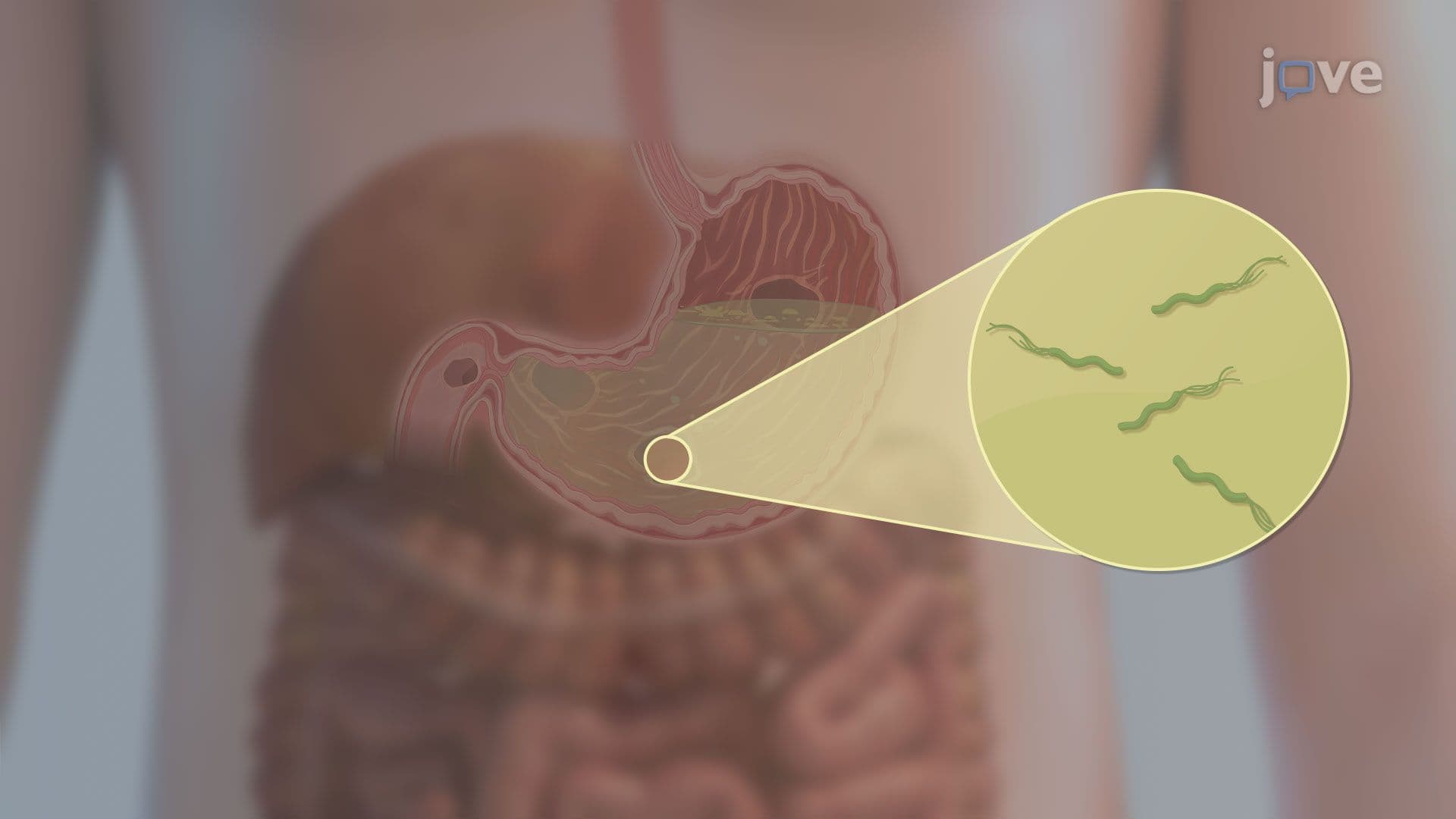
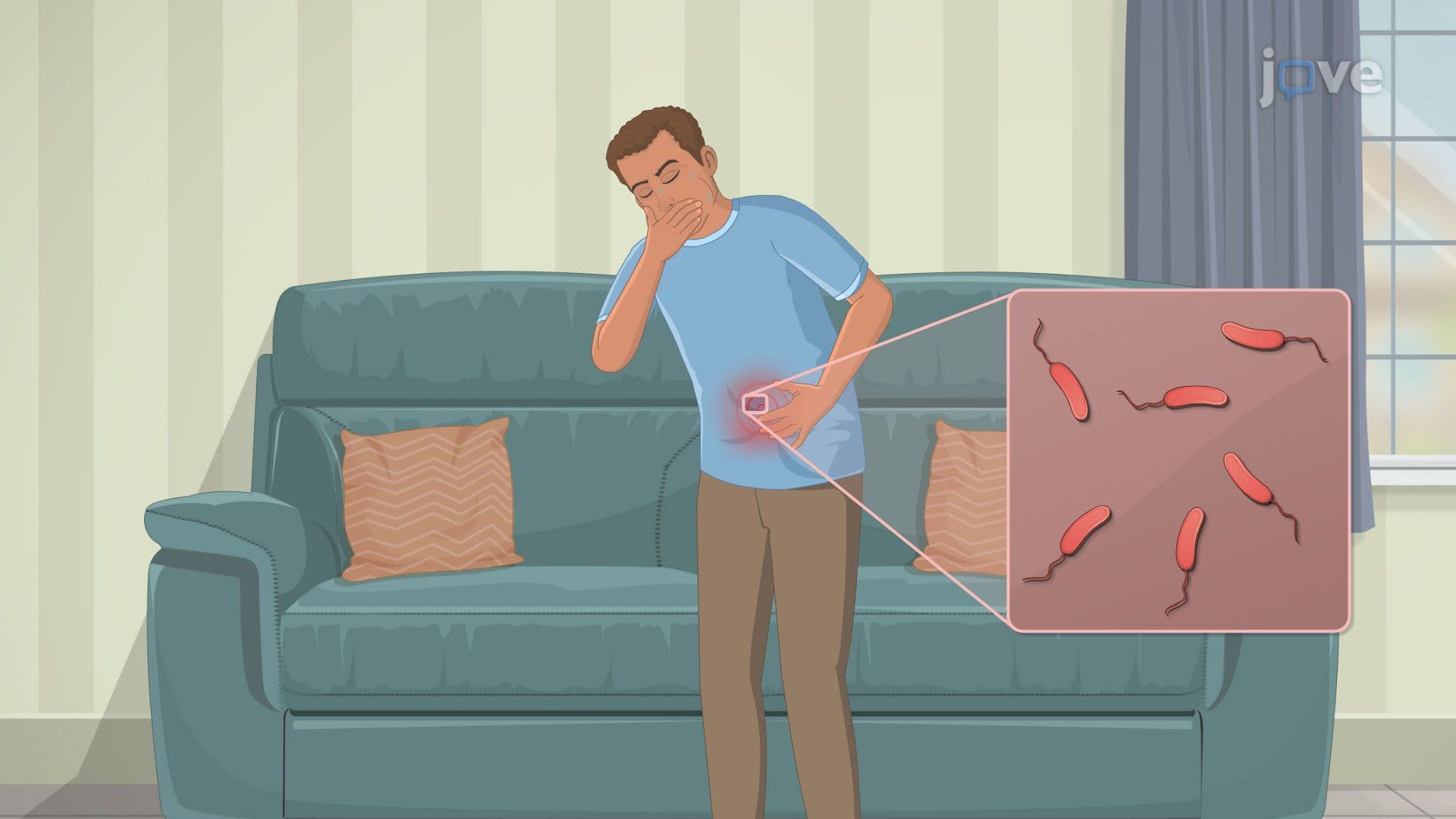
Bacterial gastroenteritis is an inflammation of the stomach and intestines triggered by pathogenic bacteria. It is one of the most common infectious conditions in the United States, responsible for tens of millions of illnesses annually according to the CDC. The condition arises when harmful bacteria enter the gastrointestinal (GI) tract, typically through contaminated food or water, and begin disrupting normal gut function. Symptoms range from mild stomach discomfort to severe bloody diarrhea, depending on which bacteria are involved and what virulence mechanisms they deploy.
The most frequent route of infection is ingestion of contaminated food or water. High-risk foods include undercooked ground beef, unpasteurized dairy products, raw vegetables, and shellfish. Common bacterial pathogens involved include *Salmonella*, *Campylobacter*, *Listeria*, and various strains of *Escherichia coli* (E. coli). In the US, Salmonella alone causes an estimated 1.35 million infections per year. Importantly, different pathogens are associated with different food sources, *Campylobacter*, for instance, is frequently linked to raw or undercooked poultry, making it a major concern in food safety discussions on the AP Environmental Science and AP Biology curricula.
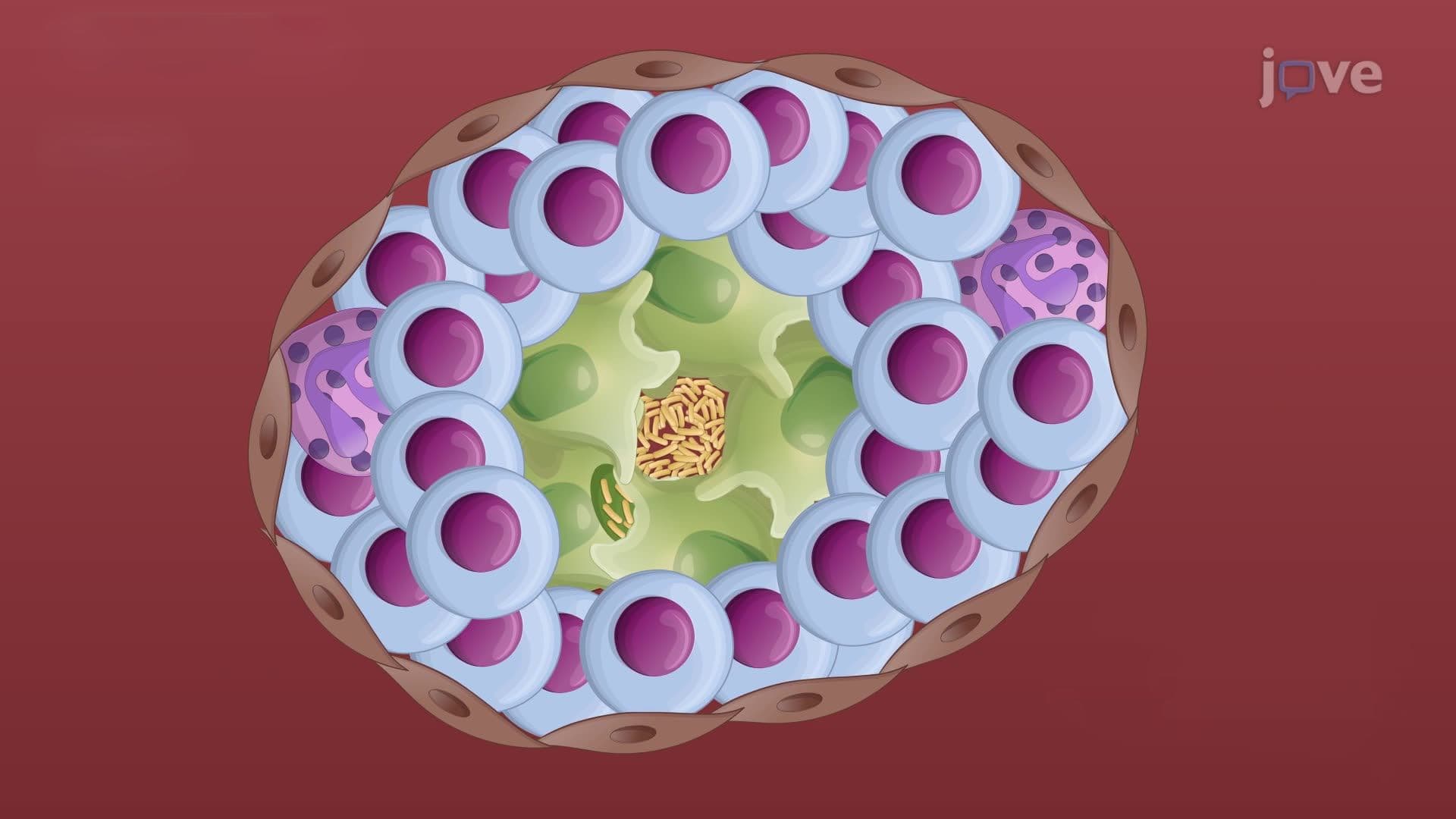
Understanding virulence factors is essential for anyone studying microbiology or preparing for exams like the MCAT or USMLE Step 1. Enterohemorrhagic E. coli (EHEC), such as the O157:H7 strain behind major US outbreaks, produces Shiga toxins that penetrate intestinal epithelial cells and shut down protein synthesis by inactivating ribosomes. This triggers cell death and damages the blood vessels lining the intestinal wall, producing the defining symptom of bloody diarrhea. In severe cases, Shiga toxin enters systemic circulation and causes hemolytic uremic syndrome (HUS), a life-threatening kidney complication seen most often in children.
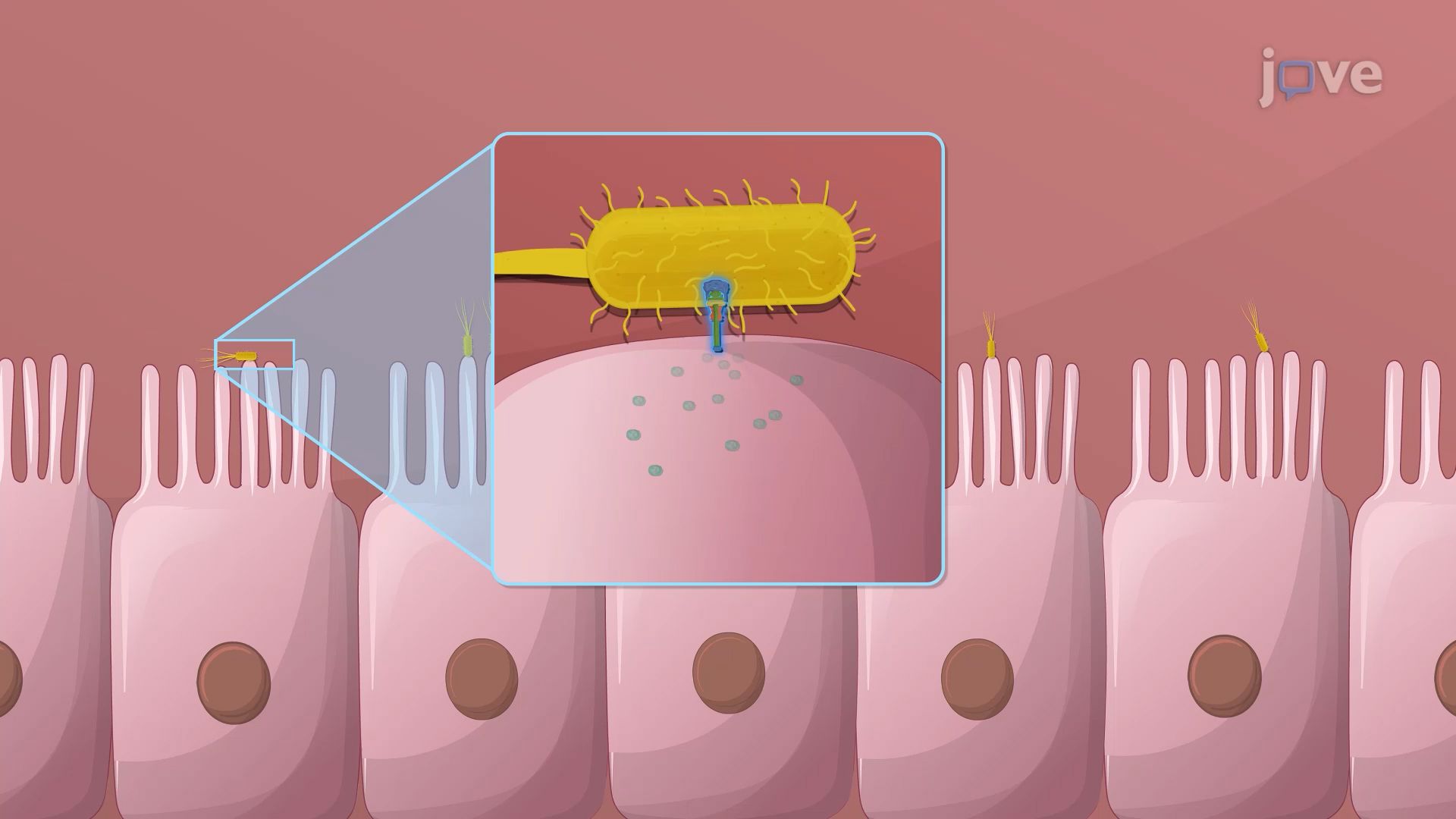
Enteropathogenic E. coli (EPEC) takes a completely different approach. Rather than producing toxins, EPEC uses a type III secretion system, essentially a molecular syringe, to inject effector proteins directly into host intestinal cells. These proteins hijack the host cell's actin cytoskeleton, forcing it to reorganize and form a raised structure called a pedestal that anchors the bacterium. This process physically destroys the microvilli (tiny finger-like projections that maximize nutrient absorption), resulting in watery diarrhea and malabsorption.
Bacterial gastroenteritis pathogens span both Gram-negative bacteria (like E. coli, Salmonella, and Campylobacter) and Gram-positive bacteria (like Listeria monocytogenes and Staphylococcus aureus). This distinction matters clinically because Gram-negative bacteria carry lipopolysaccharide (LPS) in their outer membrane, which triggers stronger systemic inflammatory responses. On AP Biology and college microbiology exams, students are often asked to connect bacterial cell wall structure to disease outcomes and antibiotic susceptibility. Treatment of bacterial gastroenteritis typically involves supportive care, hydration and electrolyte replacement, though antibiotics may be prescribed in severe or high-risk cases.
Related Micro-courses