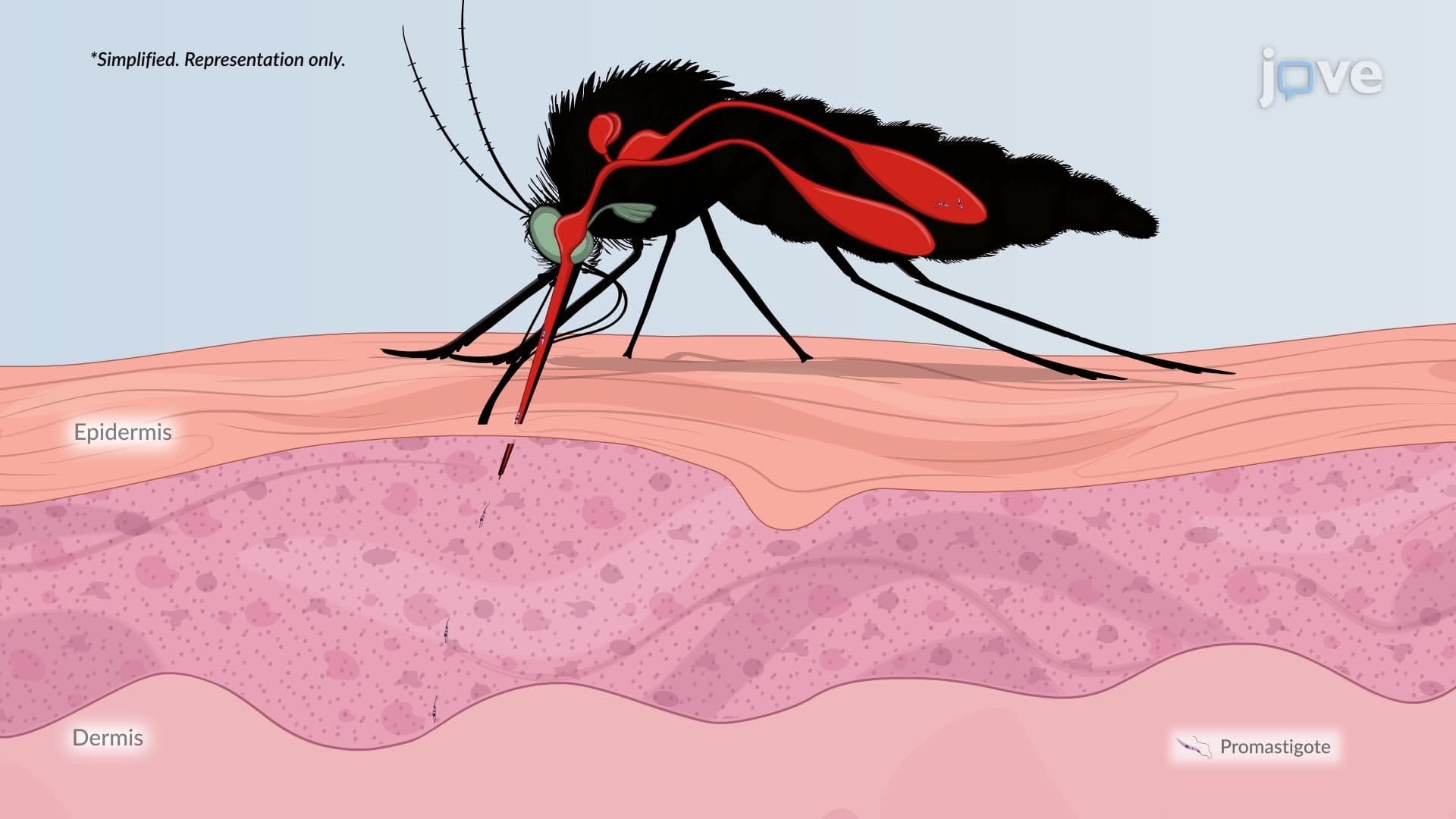
Loading video…

 15 Concepts
 1.8K views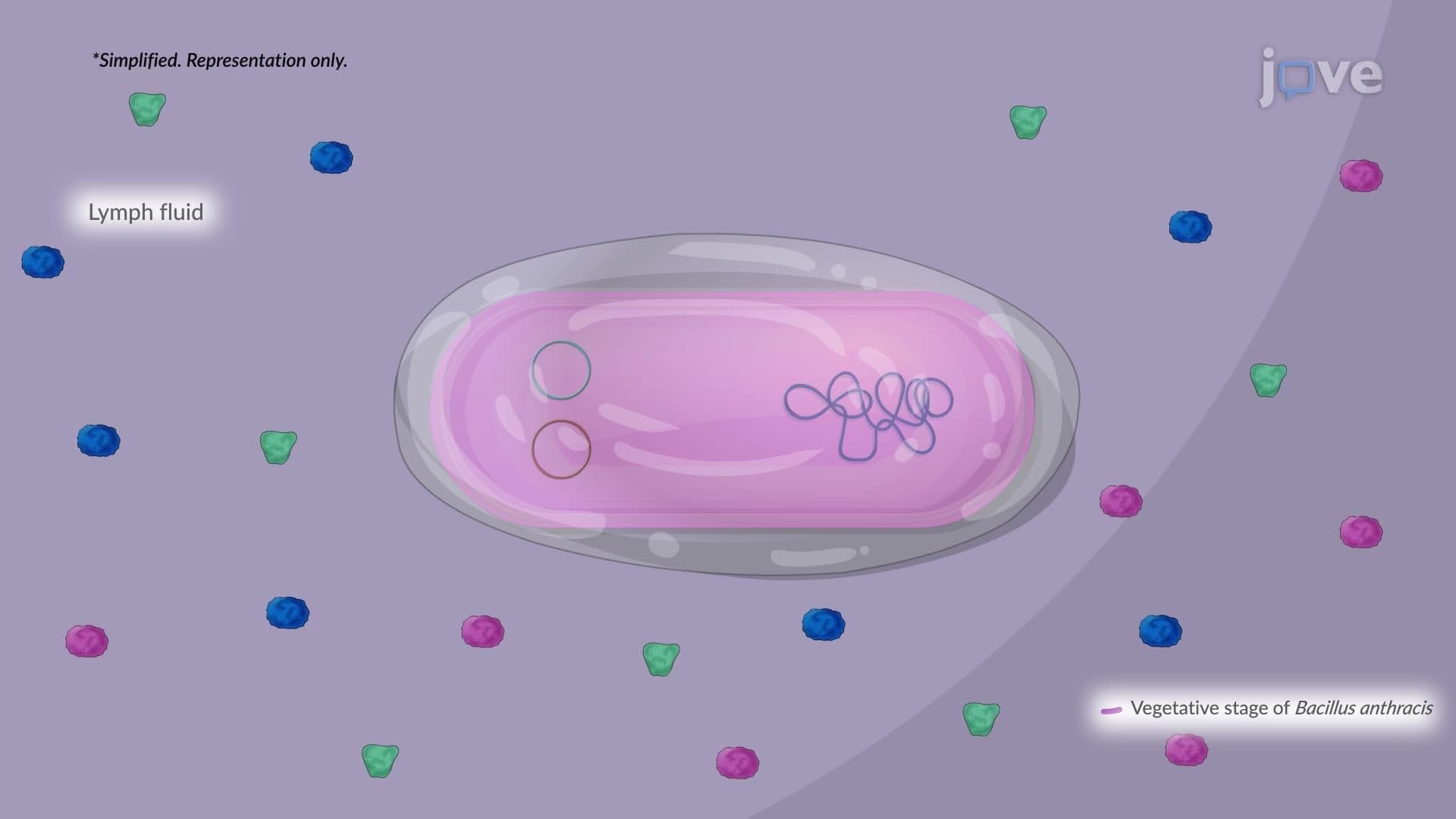

Video Summary: What Is Inhalation Anthrax
Did you know a single breath could deliver a potentially fatal bacterial infection? Inhalation anthrax occurs when *Bacillus anthracis* spores are inhaled and hijack the body's own immune cells to spread. Following the 2001 anthrax letter attacks in the US, this pathogen became a critical public health concern. Understanding what is inhalation anthrax helps students grasp how bacterial virulence factors cause systemic collapse. Watch the full video on JoVE Coach to master this concept with expert-led visuals and step-by-step explanations.
Inhalation anthrax is the most severe form of anthrax infection and one of the most studied examples of bacterial pathogenesis in microbiology courses across the US. It is caused by *Bacillus anthracis*, a Gram-positive, spore-forming, rod-shaped bacterium. Unlike many common bacterial pathogens that cause localized infections, *B. anthracis* uses a sophisticated two-plasmid system to overcome host immunity and drive systemic, often fatal disease. Understanding this mechanism is essential not only for AP Biology and college microbiology students but also for anyone preparing for the MCAT or USMLE.
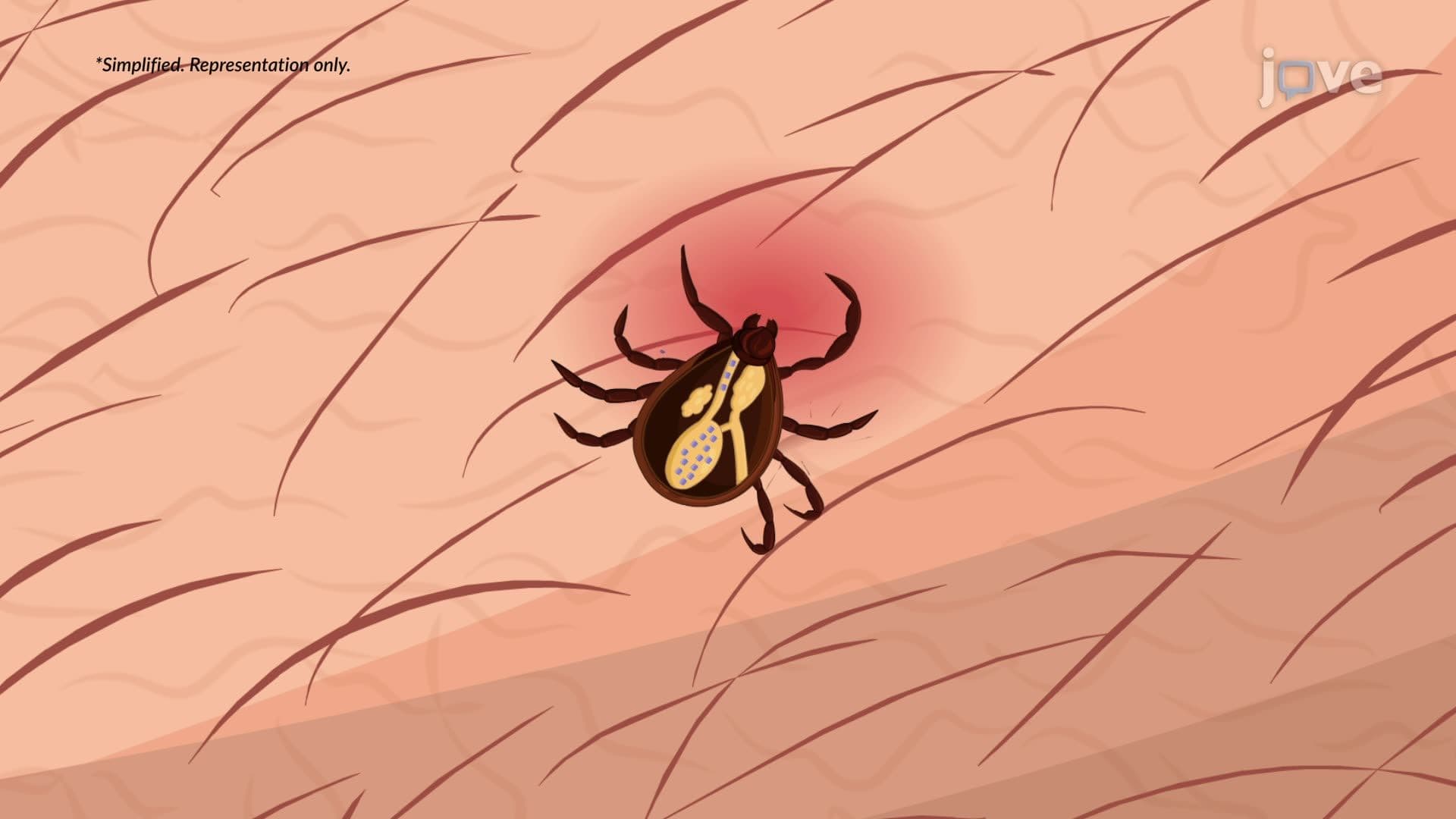
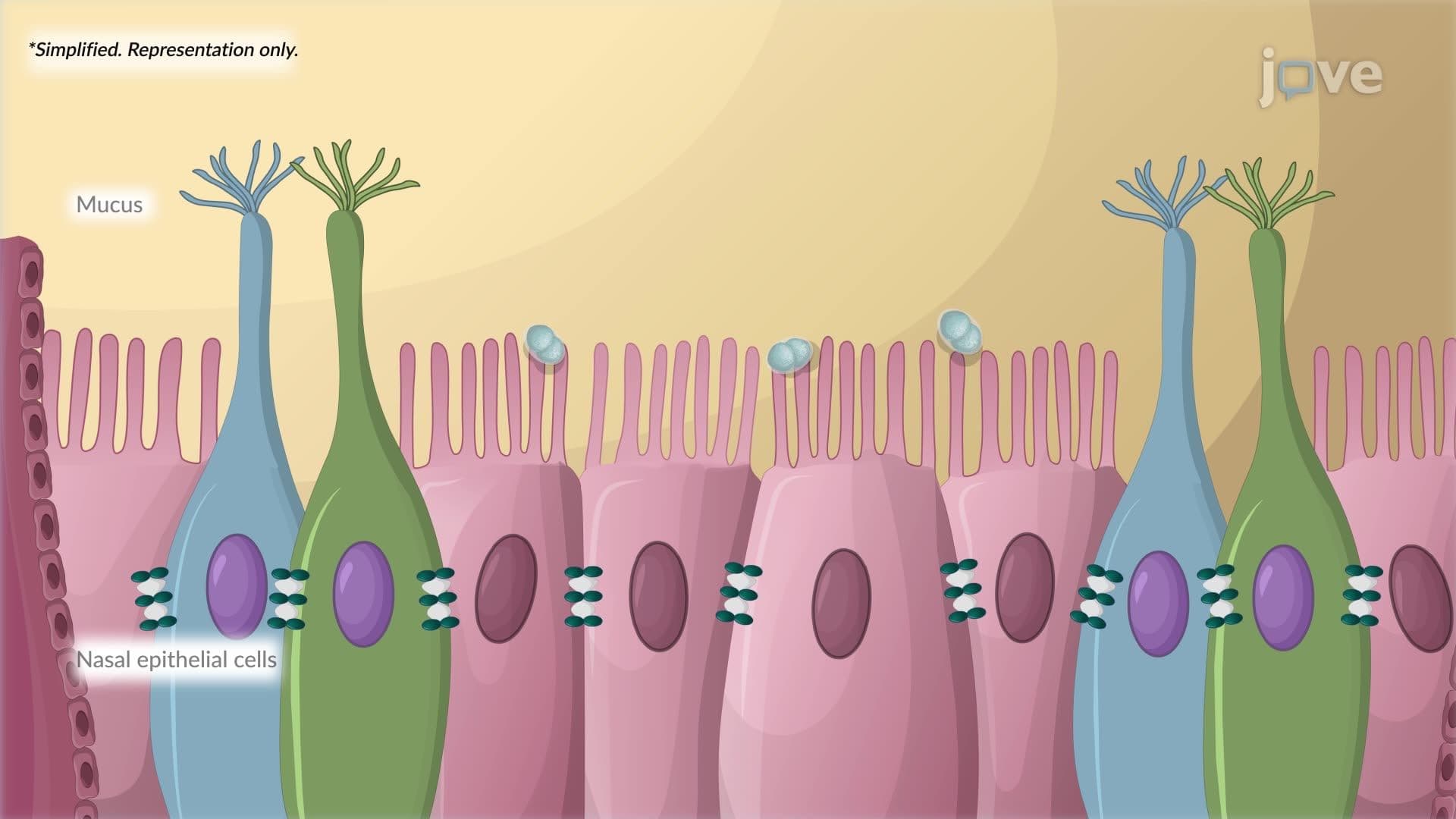
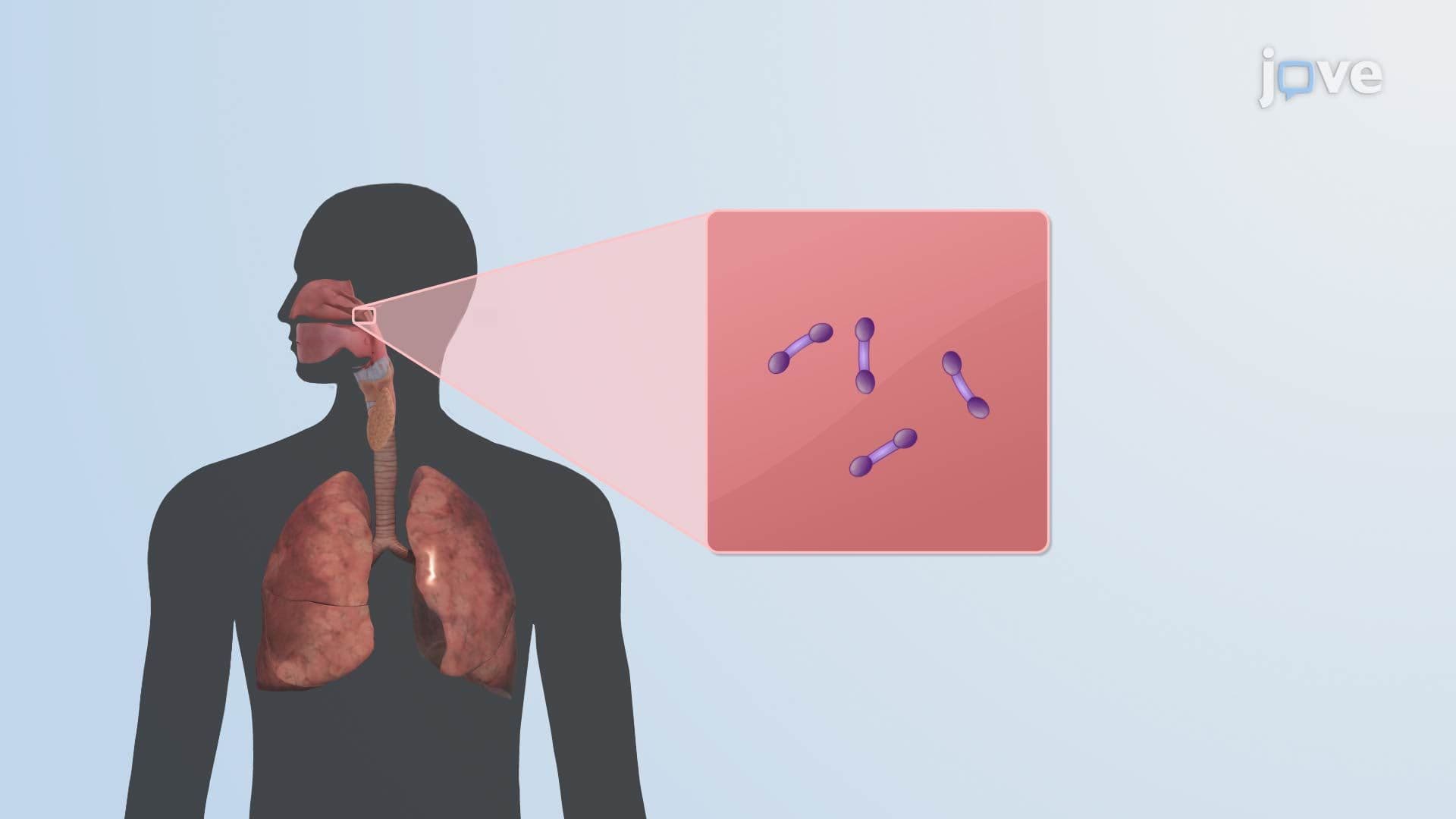
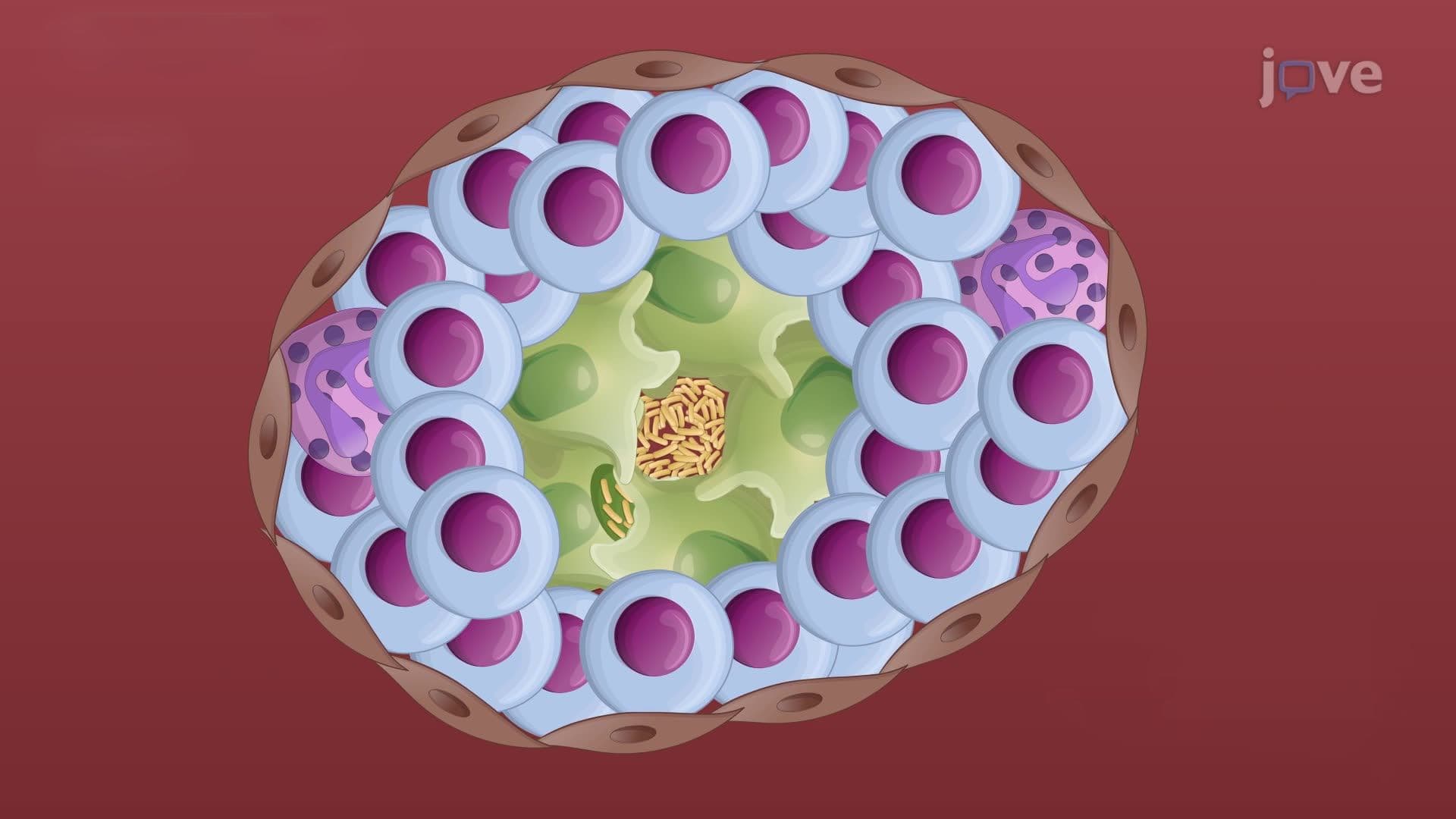
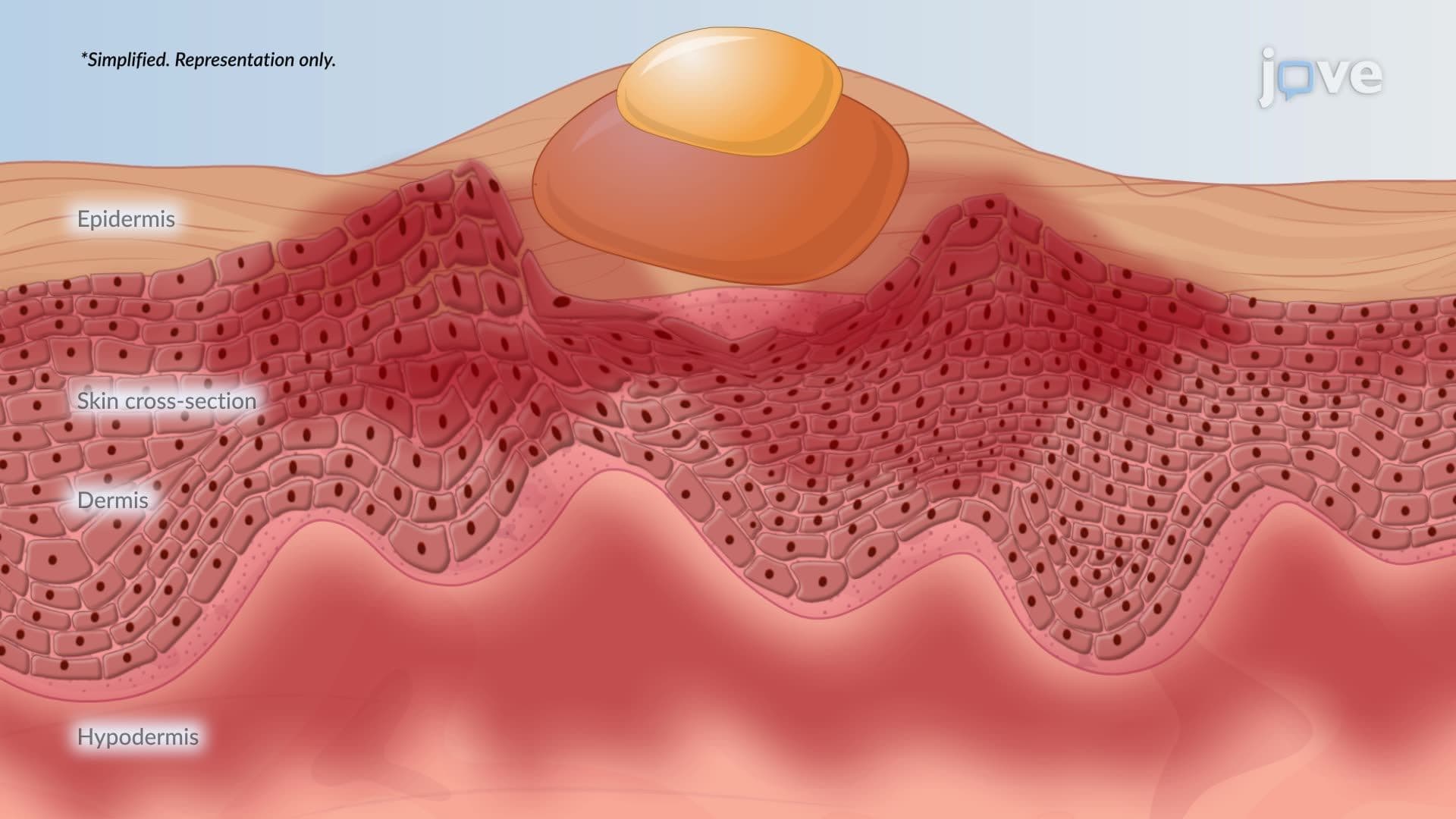
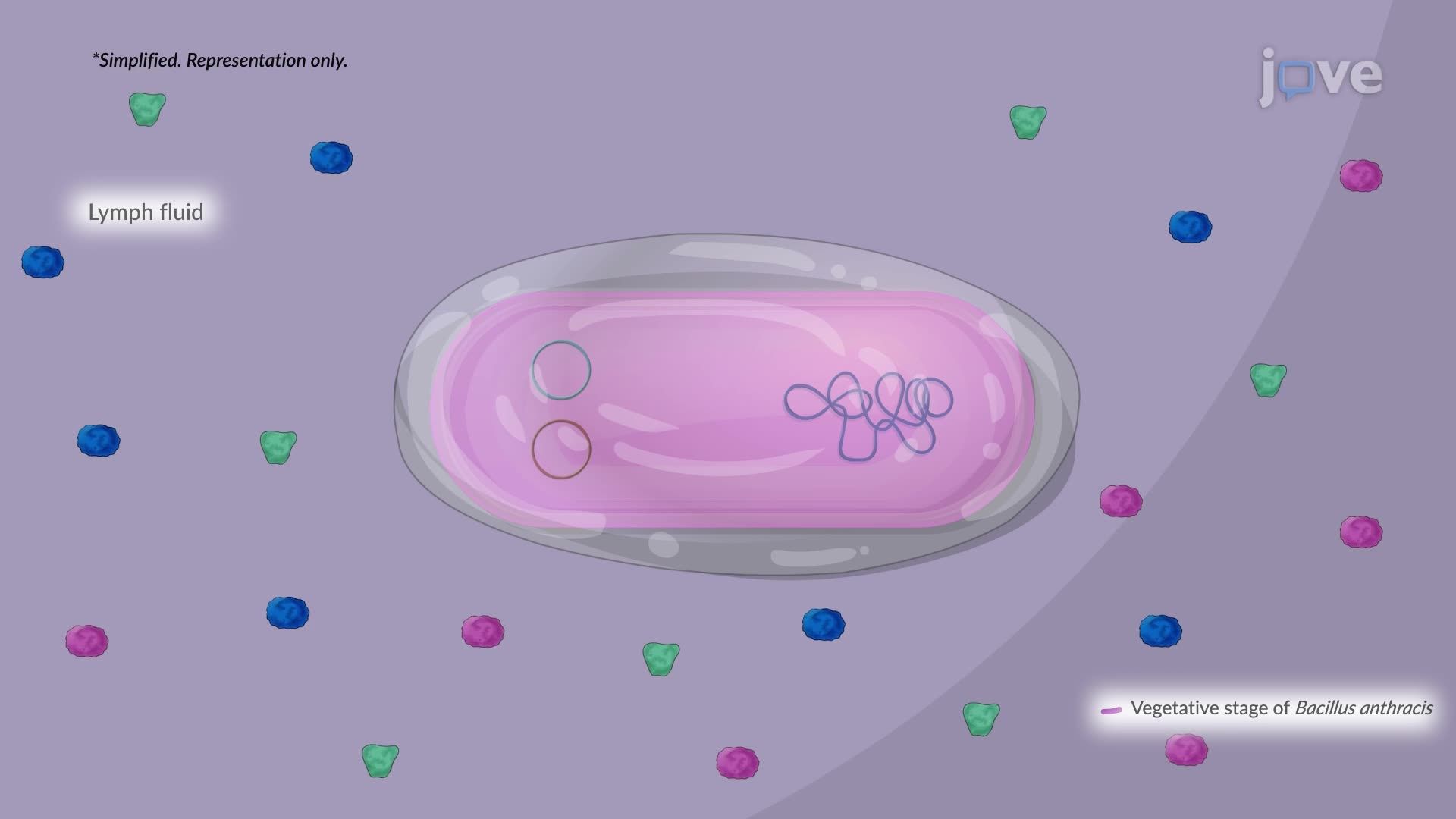
*Bacillus anthracis* can infect the body through three routes: the skin (cutaneous), the digestive tract (gastrointestinal), and the lungs (inhalation). In inhalation anthrax, airborne spores, typically between 1 and 5 micrometers in diameter, bypass the upper respiratory defenses and settle deep within the alveoli of the lungs. Here, alveolar macrophages, which are the lungs' first line of immune defense, engulf the spores through phagocytosis. Rather than being destroyed, the spores survive inside the macrophages and are transported to the mediastinal lymph nodes. Once there, they germinate into active, vegetative bacteria, killing the macrophages in the process. This "Trojan horse" mechanism is a classic example of how bacterial virulence factors subvert the immune system.
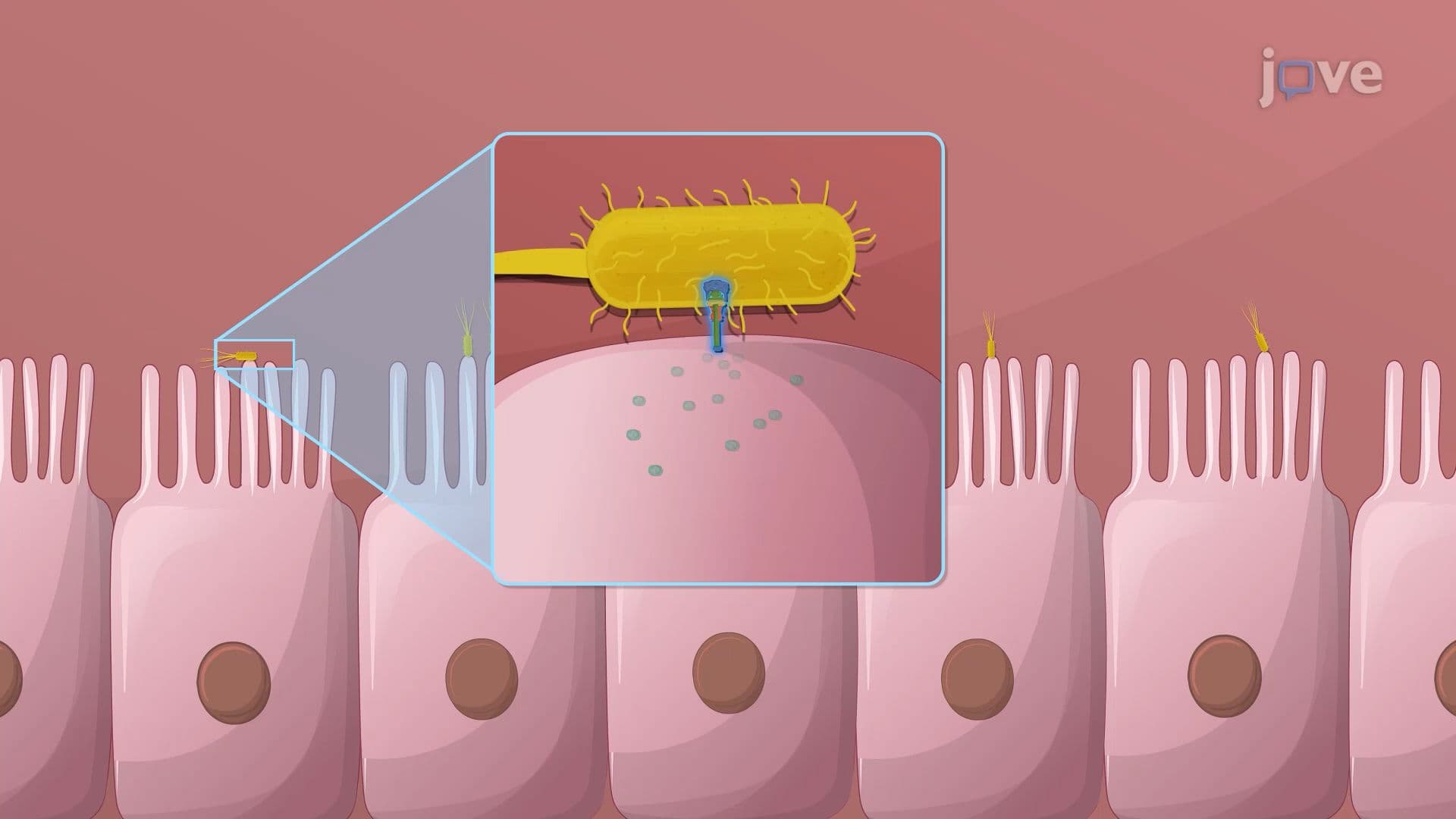
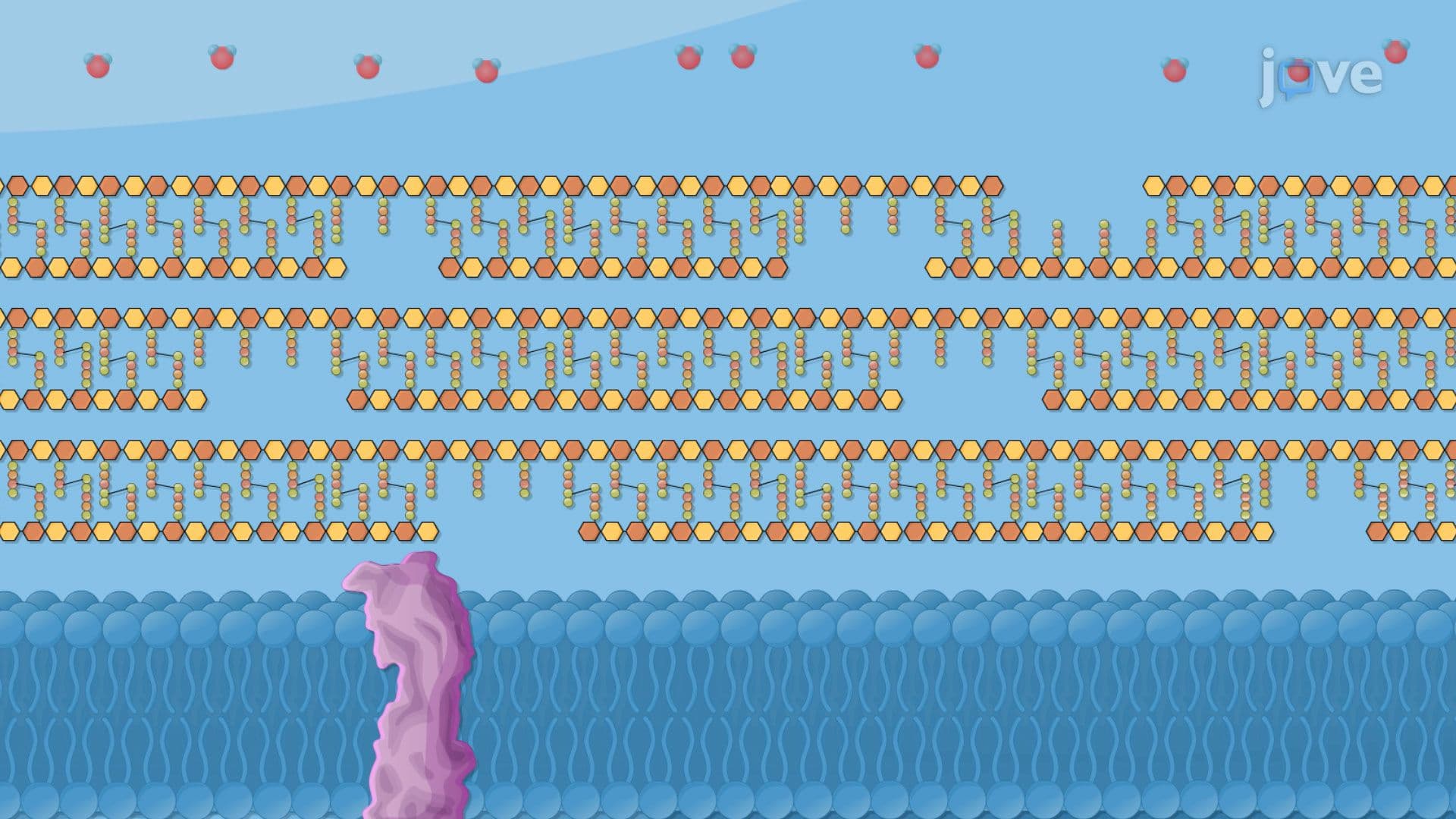
What makes *B. anthracis* particularly dangerous among common bacterial pathogens is the presence of two virulence plasmids. The first, pXO2, encodes the synthesis of a poly-D-glutamic acid capsule. This capsule coats the bacterial surface and physically blocks phagocytosis, allowing the bacteria to survive and multiply freely in the lymphatic system and bloodstream. The second plasmid, pXO1, encodes the anthrax exotoxin, one of the most well-characterized bacterial toxins in microbiology. This toxin is composed of three proteins that work together as a binary toxin system: Protective Antigen (PA), Edema Factor (EF), and Lethal Factor (LF). PA acts as the delivery vehicle, binding to host cell receptors and forming a membrane pore through which EF and LF are translocated into the cell's cytoplasm. EF is an adenylate cyclase that causes a massive increase in cAMP, leading to fluid accumulation and tissue edema. LF is a metalloprotease that disrupts critical cell signaling pathways, ultimately triggering cell death.
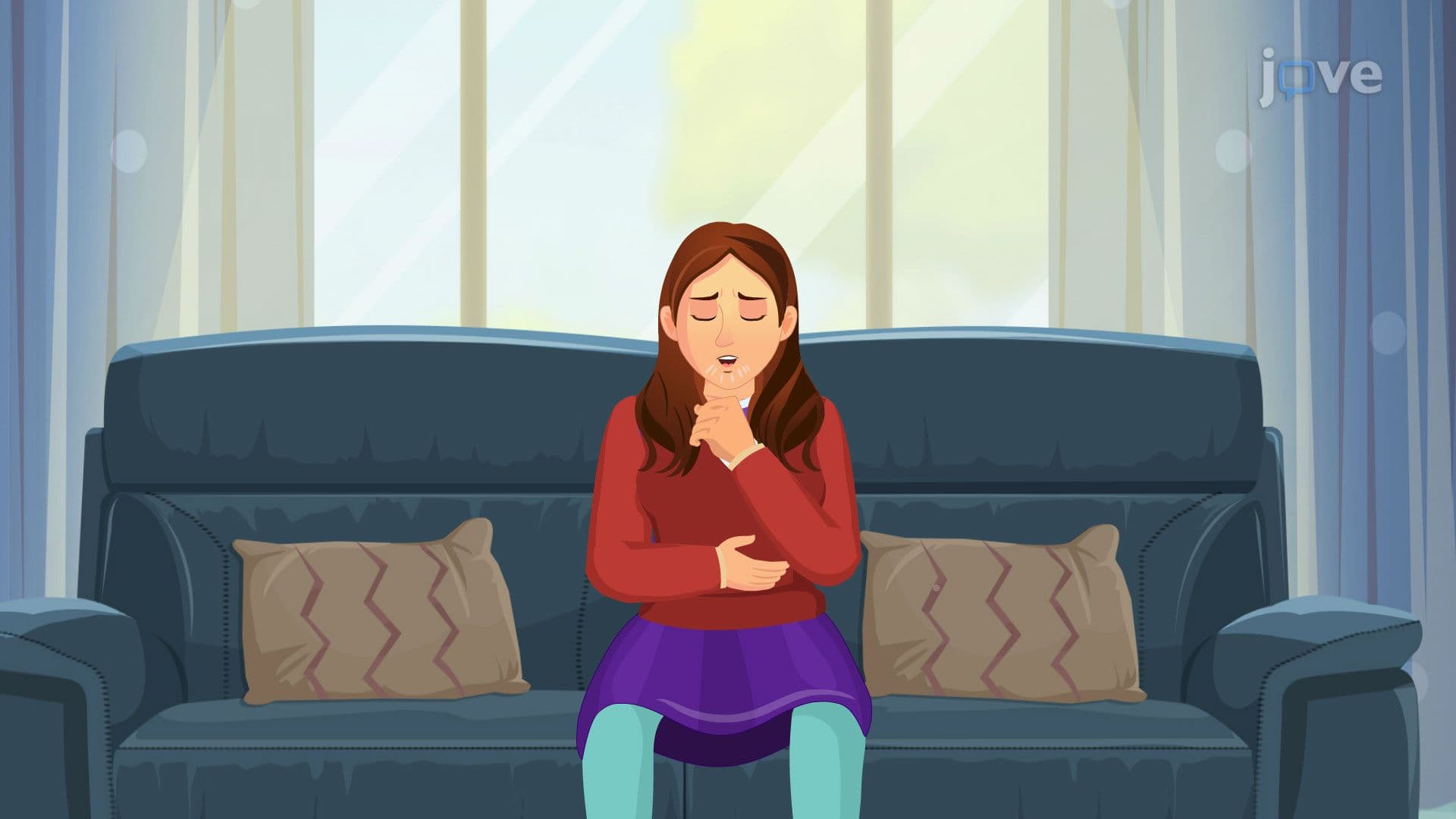
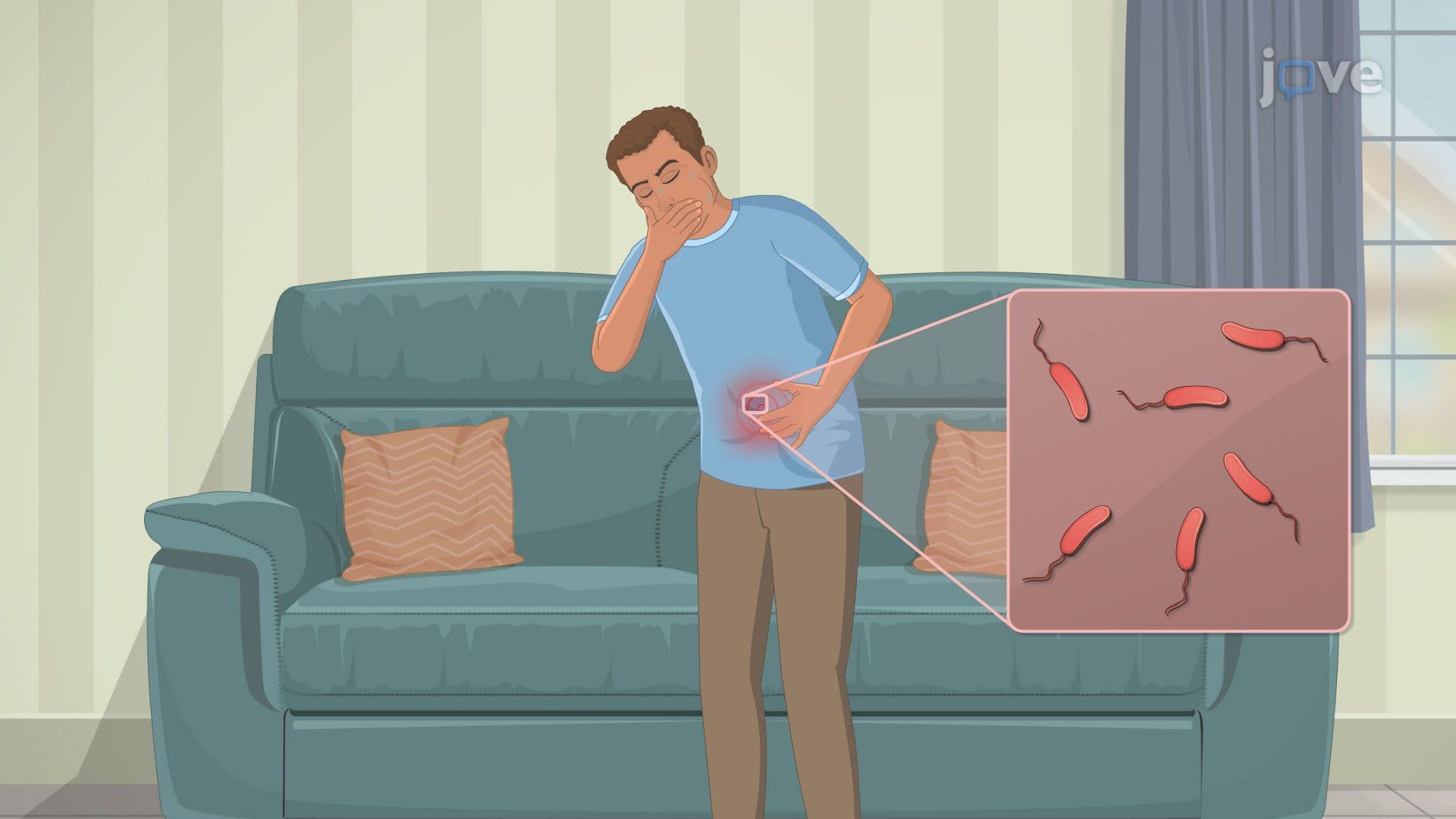
As the infection progresses, EF and LF spill into the bloodstream, causing widespread vascular leakage, systemic inflammatory response, and ultimately multiple organ failure. This progression explains why inhalation anthrax carries such a high mortality rate, sometimes exceeding 80% if treatment is delayed. Symptoms typically begin with flu-like signs (fever, fatigue, mild chest discomfort) before rapidly deteriorating into respiratory failure and septic shock. During the 2001 bioterrorism attacks in the United States, 11 confirmed inhalation anthrax cases were reported, with 5 fatalities, underscoring the critical importance of early antibiotic treatment with agents such as ciprofloxacin or doxycycline.
Inhalation anthrax is a model organism for studying virulence factors, bacterial toxins, and modes of transmission, all high-yield topics on the MCAT, AP Biology exam, and college-level microbiology midterms. Students are frequently asked to distinguish Gram-positive vs. Gram-negative infections, identify the role of specific toxin components, and explain how bacterial infections are diagnosed through blood cultures, PCR, or serological testing. Mastering inhalation anthrax gives students a powerful framework for understanding broader concepts in infectious disease and host-pathogen interactions.
Related Micro-courses