Loading video…

 15 Concepts
 1.8K views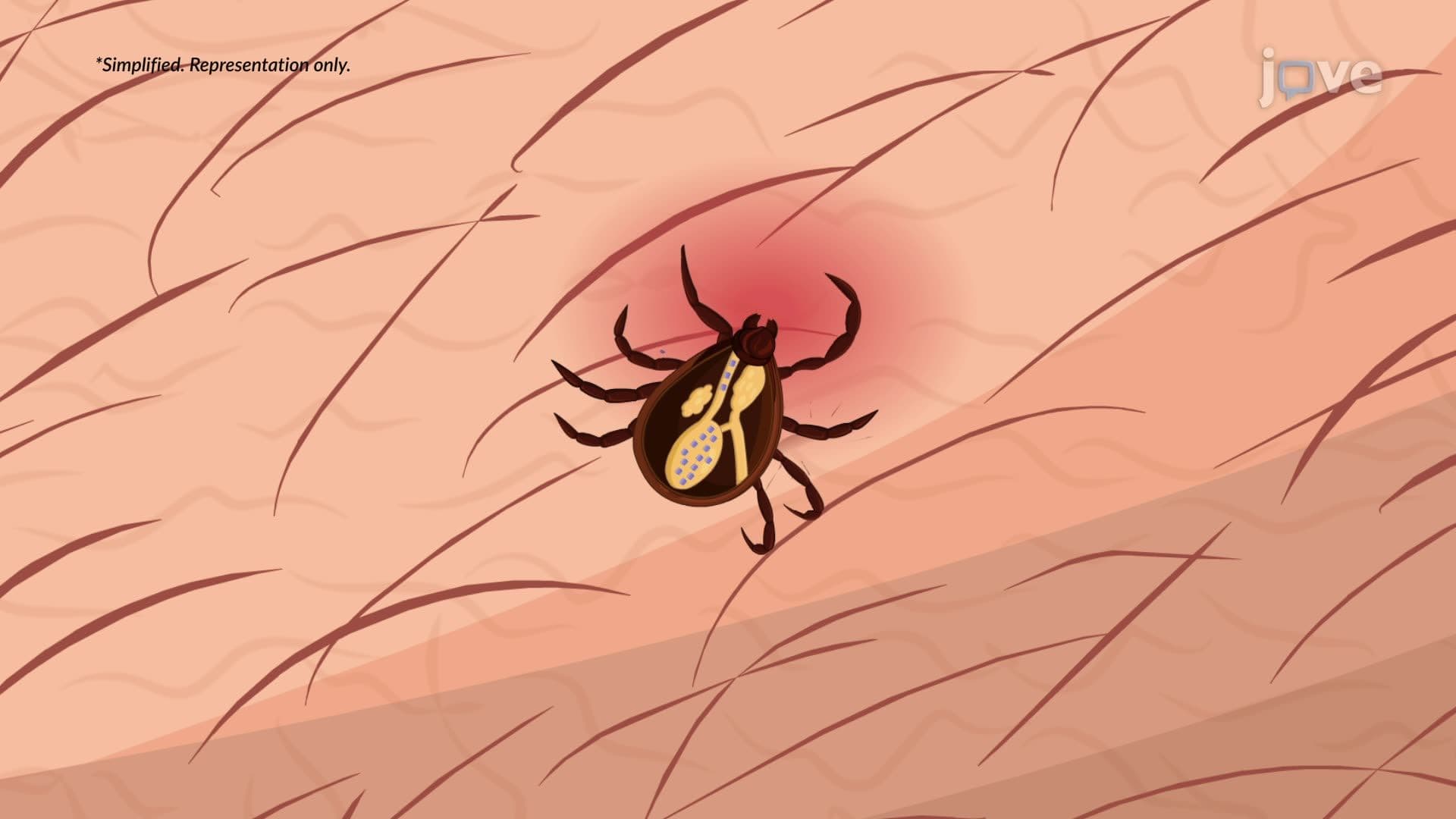

Video Summary: What Is Rocky Mountain Spotted Fever
A tiny tick bite can trigger a life-threatening illness within days, that's the alarming reality of Rocky Mountain Spotted Fever. This tick-borne disease, caused by the bacterium *Rickettsia rickettsii*, attacks blood vessel walls and can lead to multiorgan failure if untreated. Each year, thousands of cases are reported across the US, especially in the Southeast. Watch the full video on JoVE Coach to master this concept with expert-led visuals and step-by-step explanations.
Rocky Mountain Spotted Fever (RMSF) is one of the most severe and potentially fatal infectious diseases in the United States. Despite its name, it is most commonly reported in the South Atlantic states, particularly North Carolina and Oklahoma, rather than the Rocky Mountain region. It is caused by *Rickettsia rickettsii*, a gram-negative, coccobacillary bacterium that cannot survive outside a host cell, making it an obligate intracellular pathogen. Understanding RMSF is essential for AP Biology students, pre-med undergraduates, and anyone preparing for exams like the MCAT or USMLE, as it beautifully illustrates core concepts of bacterial pathogenicity, virulence factors, and host-pathogen interactions.
*Rickettsia rickettsii* stands out among common bacterial pathogens because of its obligate intracellular nature, it must live inside host cells to replicate. It is gram-negative, meaning its cell wall contains an outer membrane with lipopolysaccharide (LPS), which plays a role in triggering immune responses. This contrasts with gram-positive bacteria, which have a thicker peptidoglycan layer but lack the outer membrane. On exams, students are often asked to compare gram-positive vs. gram-negative infections, and RMSF is a high-yield example of gram-negative pathology. The bacterium's ability to manipulate host cell machinery, particularly by hijacking actin filaments to spread between cells, is a classic example of a bacterial virulence factor that AP and college microbiology courses frequently test.
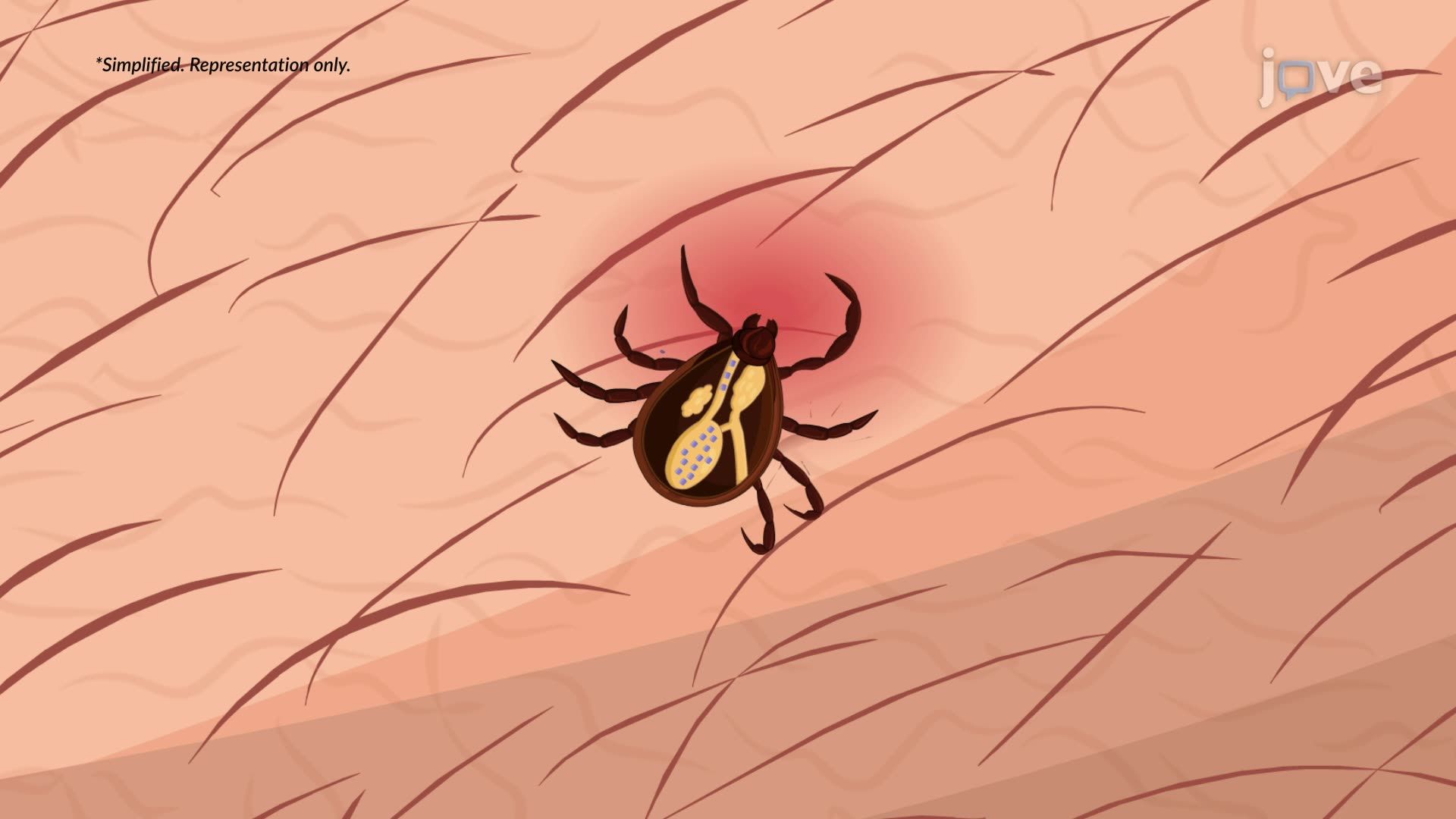
Transmission occurs through the bite of infected hard-shell ticks, primarily *Dermacentor variabilis* (the American dog tick) and *Dermacentor andersoni* (the Rocky Mountain wood tick). Once inside the bloodstream, the bacterium binds to surface proteins on vascular endothelial cells, the cells lining blood vessels, and enters them by exploiting normal cellular uptake pathways. After escaping the phagosome (the compartment cells use to destroy pathogens), *R. rickettsii* replicates freely in the cytoplasm. It then uses the host cell's own actin filaments to propel itself into neighboring cells, spreading the infection while evading immune detection. This mechanism is a textbook example of intracellular pathogen survival and is commonly featured in college-level immunology and microbiology courses.
RMSF follows a predictable but dangerous progression. Within 2 to 14 days of infection, patients develop high fever, severe headache, muscle aches, and nausea, symptoms that can easily be mistaken for the flu. The defining feature is a rash that begins as flat red spots (maculopapular) on the wrists and ankles before spreading inward toward the trunk. As the disease advances, the rash may become petechial, appearing as pinpoint red or purple spots caused by bleeding under the skin, a sign of significant vascular damage. The underlying mechanism involves bacterial damage to endothelial cells, which increases vascular permeability and allows plasma and leukocytes to leak out of blood vessels. This leads to edema, reduced tissue perfusion, and dangerous drops in blood pressure (hypotension). Without prompt antibiotic treatment, typically doxycycline, multiorgan failure and death can follow. In the US, RMSF has a fatality rate that can exceed 20% if treatment is delayed, underscoring why rapid clinical diagnosis is critical.
For students in AP Biology, college microbiology, or health sciences programs, RMSF is a high-yield topic that connects multiple foundational concepts: gram-negative bacterial structure, intracellular pathogen mechanisms, virulence factors, vascular physiology, and immune evasion. On the MCAT, questions about bacterial toxins, modes of transmission, and how bacterial infections are diagnosed frequently draw on examples like RMSF. On the USMLE Step 1, the rash pattern and tick vector are classic identification clues. Mastering this one disease gives students a framework for understanding dozens of related microbial pathogens.
Related Micro-courses