Loading video…

 15 Concepts
 1.8K views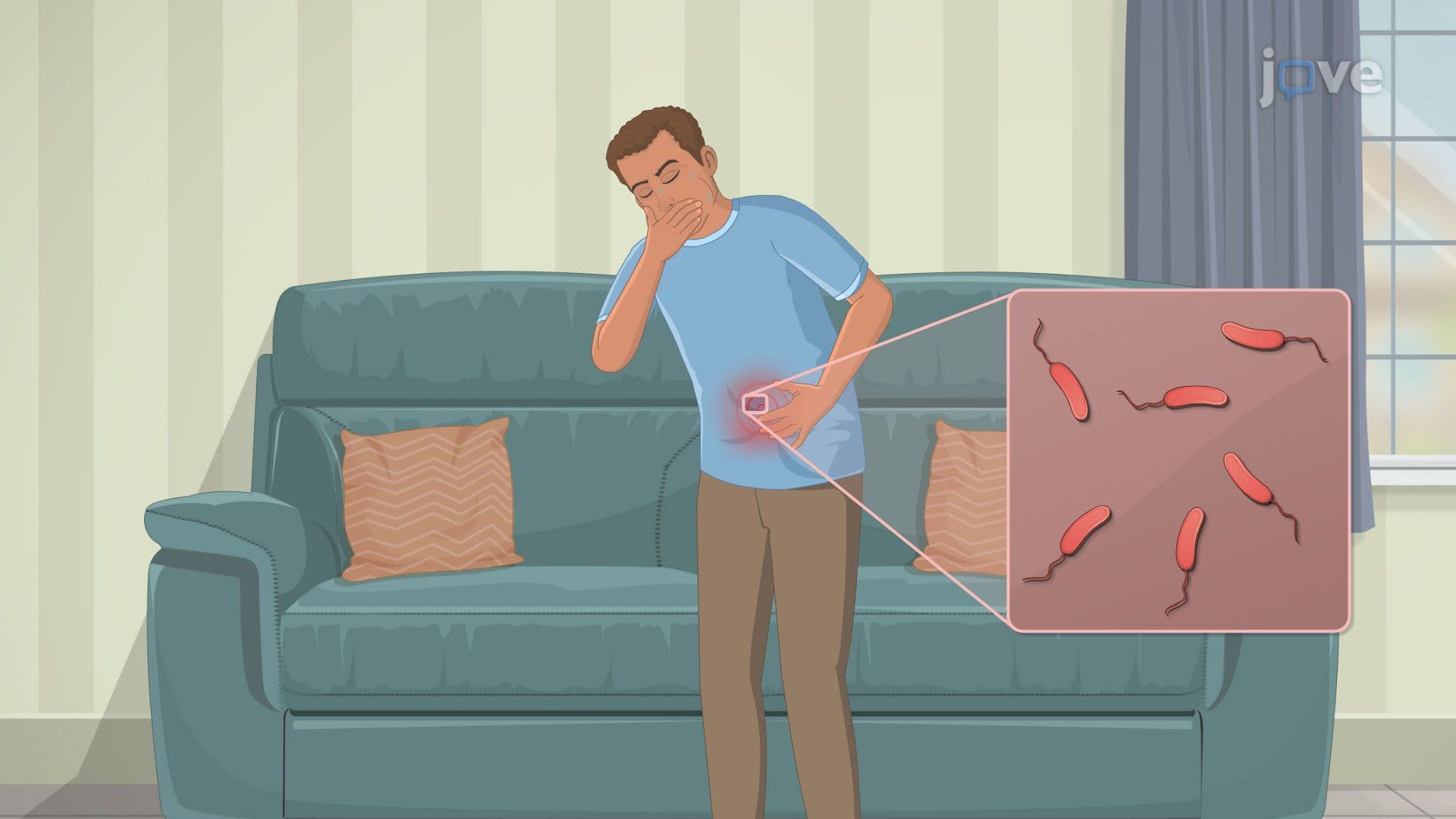

Video Summary: What Is Cholera
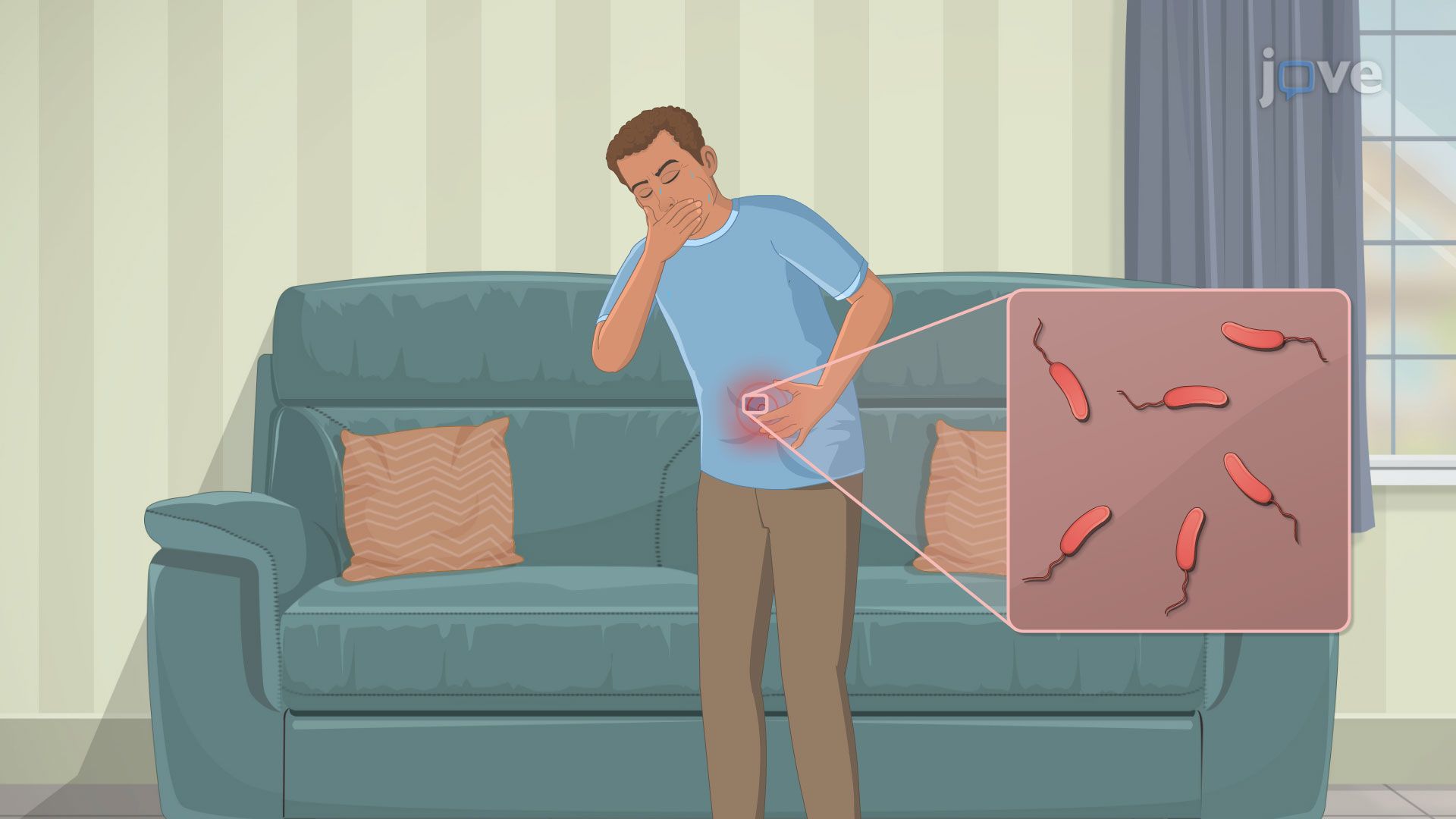
Every year, cholera kills tens of thousands of people worldwide, yet it's entirely preventable. Cholera, a severe gastrointestinal disease caused by *Vibrio cholerae*, hijacks your intestinal cells using a powerful bacterial toxin, triggering life-threatening water loss. During the 1800s, cholera outbreaks swept through American cities like New York and Chicago before modern sanitation systems were built. Watch the full video on JoVE Coach to master this concept with expert-led visuals and step-by-step explanations.
Cholera is a severe, potentially fatal gastrointestinal illness caused by the bacterium *Vibrio cholerae*. It spreads primarily through the consumption of water or food contaminated with fecal matter, a direct consequence of inadequate sanitation infrastructure. Although cholera is rare in the United States today thanks to modern water treatment systems, it remains a major public health threat in parts of Africa, Asia, and Haiti, where outbreaks regularly follow natural disasters and displacement. Understanding cholera is essential not just for global health literacy, but for students preparing for AP Biology, introductory college microbiology, and health science programs.
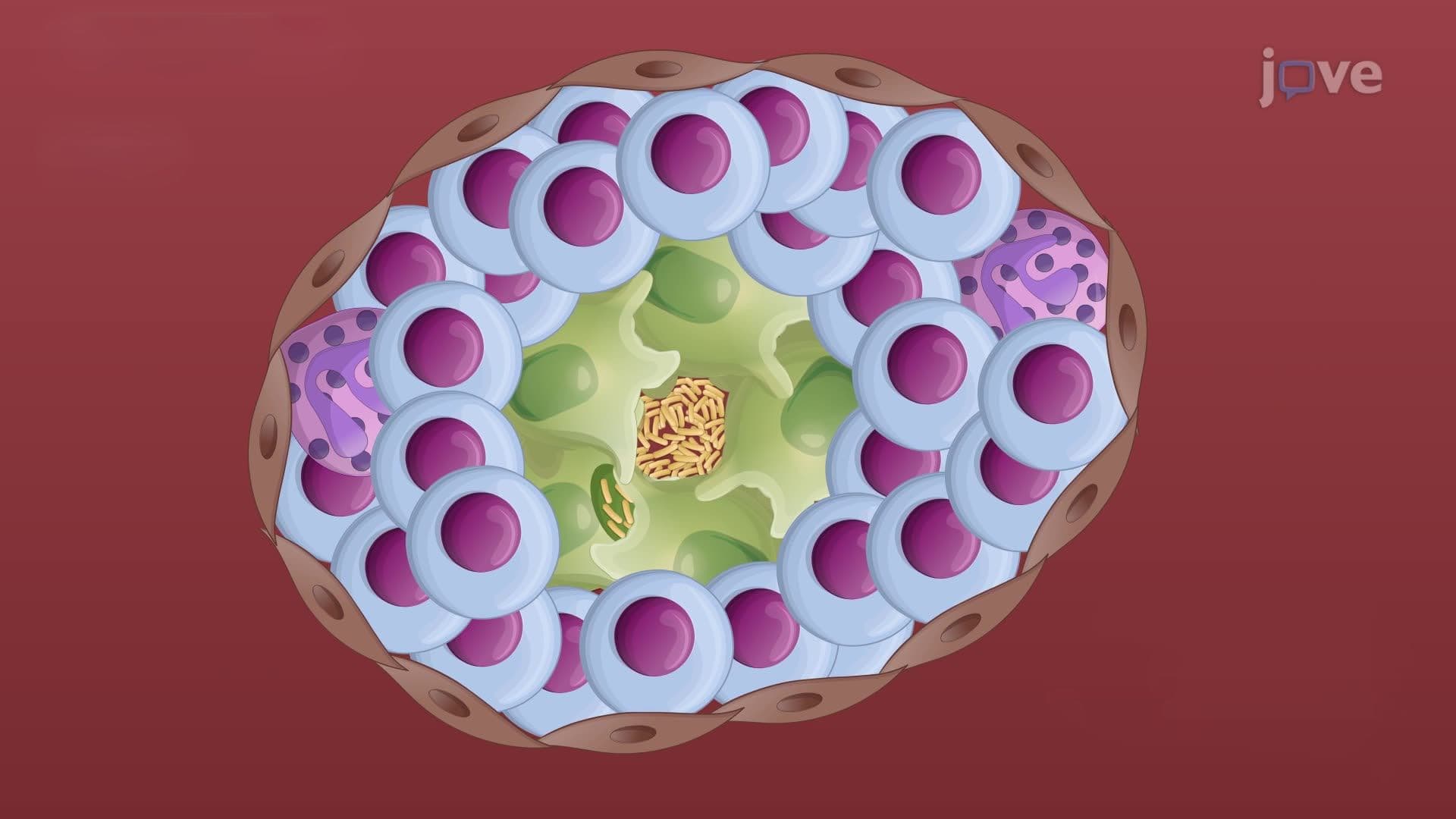
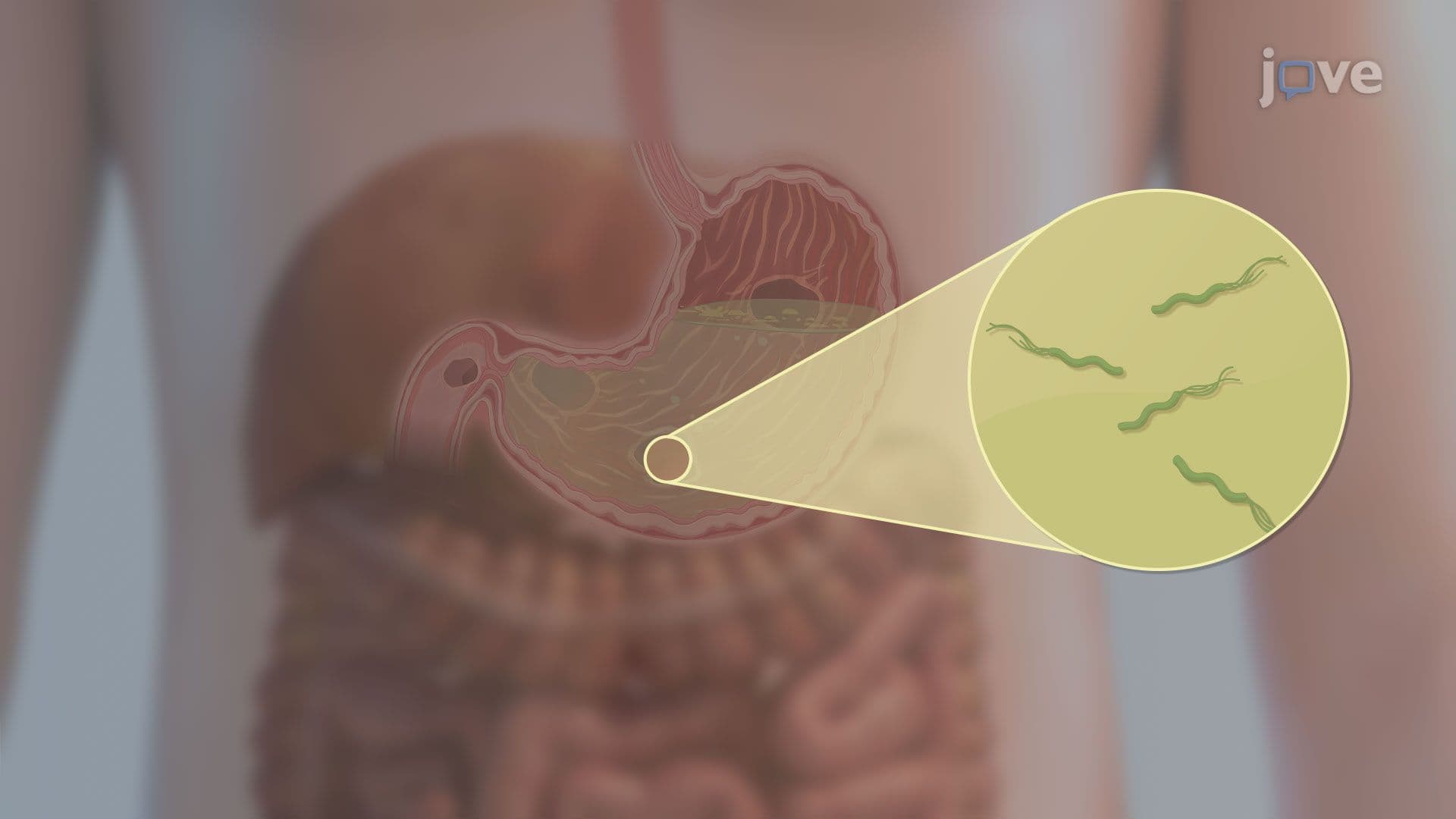
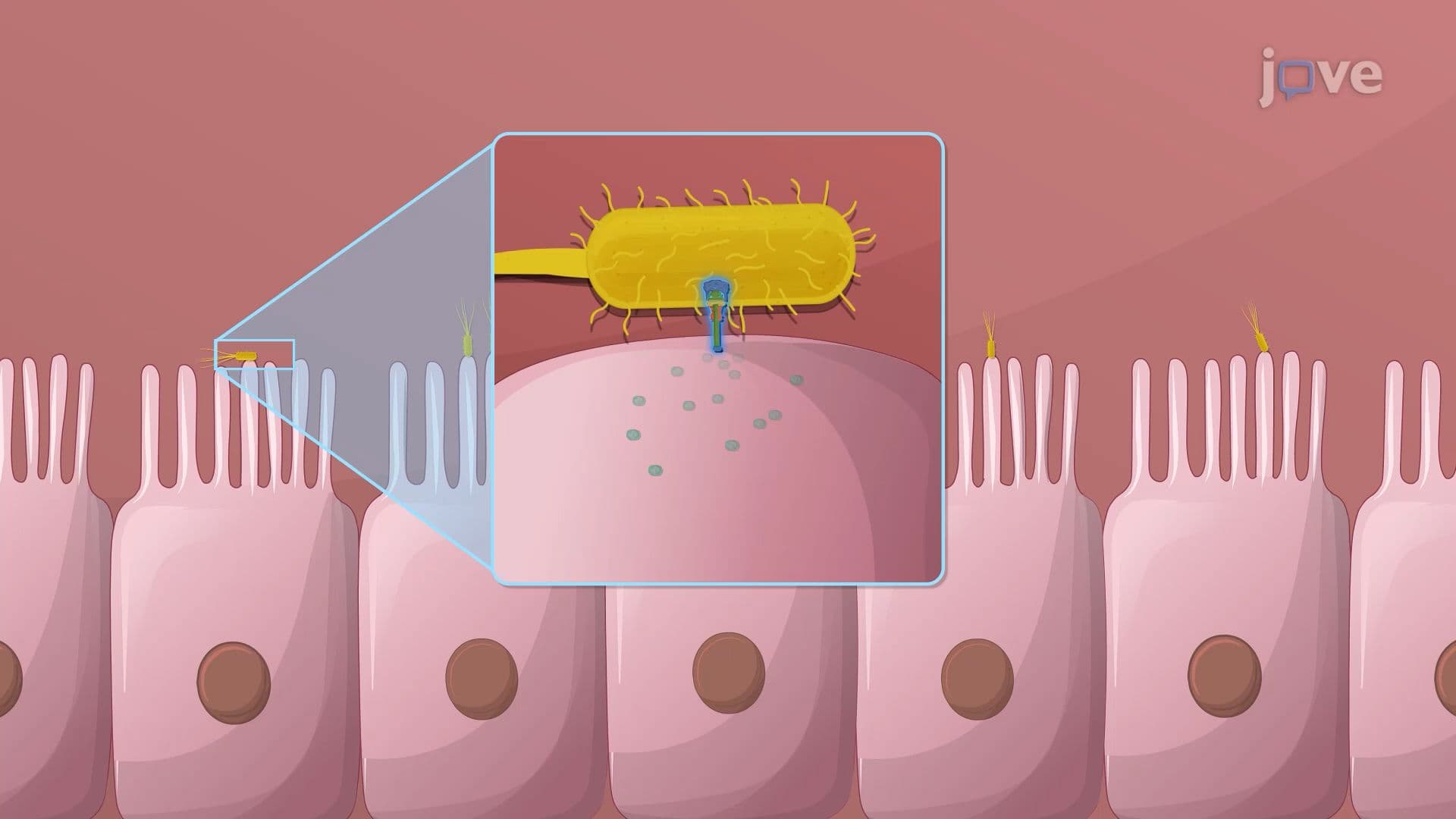
Once *Vibrio cholerae* is ingested, it colonizes the small intestine by adhering to the epithelial lining. The bacterium then secretes cholera toxin, one of the most well-studied bacterial toxins in microbiology. This toxin is an AB5 toxin, it consists of one A subunit and five B subunits arranged around it. The five B subunits bind with high specificity to GM1 ganglioside receptors on intestinal epithelial cells. This binding is the gateway: once attached, the entire toxin complex is pulled into the cell through endocytosis. Inside, the A subunit is cleaved into two fragments, A1 and A2, each with a distinct function in disrupting normal cellular activity.
The A1 fragment is where the real damage occurs. It catalyzes a process called ADP-ribosylation, using nicotinamide adenine dinucleotide (NAD+) as a donor molecule to chemically modify the Gs protein, a regulatory protein that normally stimulates adenylate cyclase only temporarily. By ADP-ribosylating the Gs protein, the A1 fragment locks it permanently in its active form. This forces adenylate cyclase to continuously convert ATP into cyclic AMP (cAMP). Normally, cAMP acts as a second messenger for brief, controlled signaling. Here, cAMP accumulates to extreme levels, overstimulating ion channels in the intestinal lining. The result is a massive outflow of chloride and bicarbonate ions into the intestinal lumen. Because water follows solutes, a fundamental principle of osmosis, water floods out of the epithelial cells and into the gut. This produces the hallmark symptom of cholera: profuse, watery diarrhea sometimes described as "rice-water stools," which can cause a patient to lose liters of fluid per hour.
The primary danger of cholera is not the infection itself but the rapid dehydration and electrolyte imbalance it causes. Without treatment, severe cholera can be fatal within hours. In the United States, if a cholera case were suspected, most commonly in travelers returning from endemic regions, diagnosis would involve stool culture to confirm *Vibrio cholerae* and testing for the characteristic toxin. Treatment centers on aggressive oral rehydration therapy (ORT), a simple but life-saving combination of water, salts, and glucose developed in part through research at US institutions. Antibiotics such as doxycycline or azithromycin are sometimes used to shorten illness duration, though they are secondary to fluid replacement. On exams like the MCAT and AP Biology, cholera is frequently used as a model case to test understanding of G protein-coupled receptor signaling, osmosis, and bacterial pathogenesis, making it one of the most high-yield examples in microbiology education.
Related Micro-courses