Loading concepts…


11 Concepts
13 Concepts
26 Concepts
13 Concepts
6 Concepts
31 Concepts
37 Concepts
10 Concepts
7 Concepts
22 Concepts
11 Concepts
11 Concepts
22 Concepts
16 Concepts
11 Concepts
15 Concepts
14 Concepts
12 Concepts
9 Concepts
 12 Concepts
 2.3K Views
 Popular topics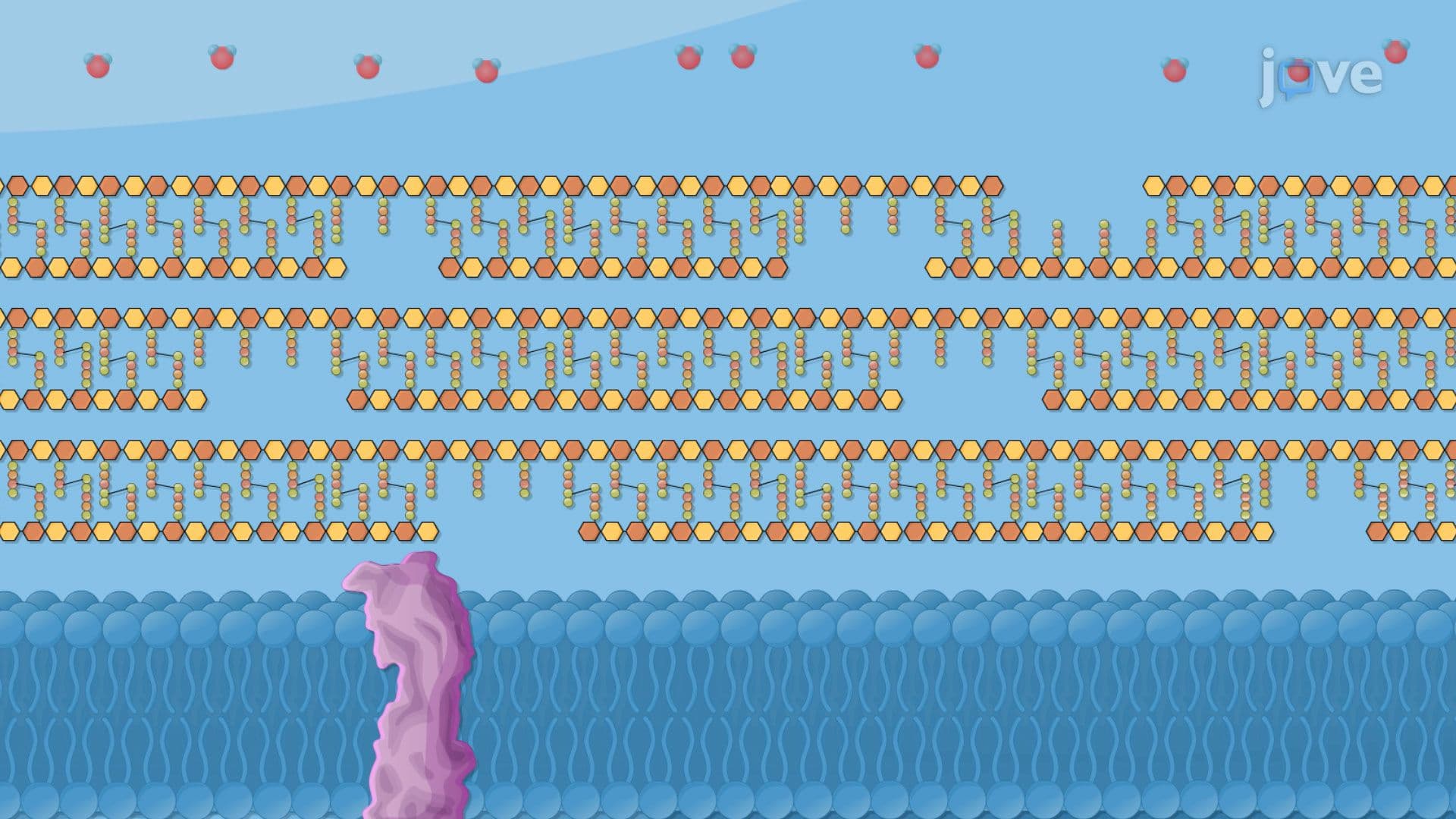


Antimicrobial agents are a cornerstone of modern medicine, encompassing antibiotics, antivirals, antifungals, antiprotozoals, and anthelmintics. This micro-course, supported by JoVE Coach, explores how these drugs work at the molecular level, from disrupting bacterial cell walls and ribosomal function to halting viral replication and combating drug-resistant pathogens like MRSA, preparing students for US clinical and academic settings.
1. Inhibition of Bacterial Cell Wall Synthesis Beta-lactam antibiotics, including penicillin and methicillin, disrupt the construction of peptidoglycan, the structural polymer that gives bacterial cell walls their strength. These drugs contain a beta-lactam ring that mimics D-alanyl-D-alanine, the natural substrate for penicillin-binding proteins (PBPs). When the beta-lactam ring binds PBPs, it permanently blocks cross-linking of glycan chains, leaving the cell wall structurally incomplete. The bacterium becomes vulnerable to osmotic pressure and lyses. Gram-positive bacteria, which have thick peptidoglycan layers, are especially susceptible. This is why beta-lactams remain among the most widely prescribed antibiotics in US hospitals and outpatient clinics.
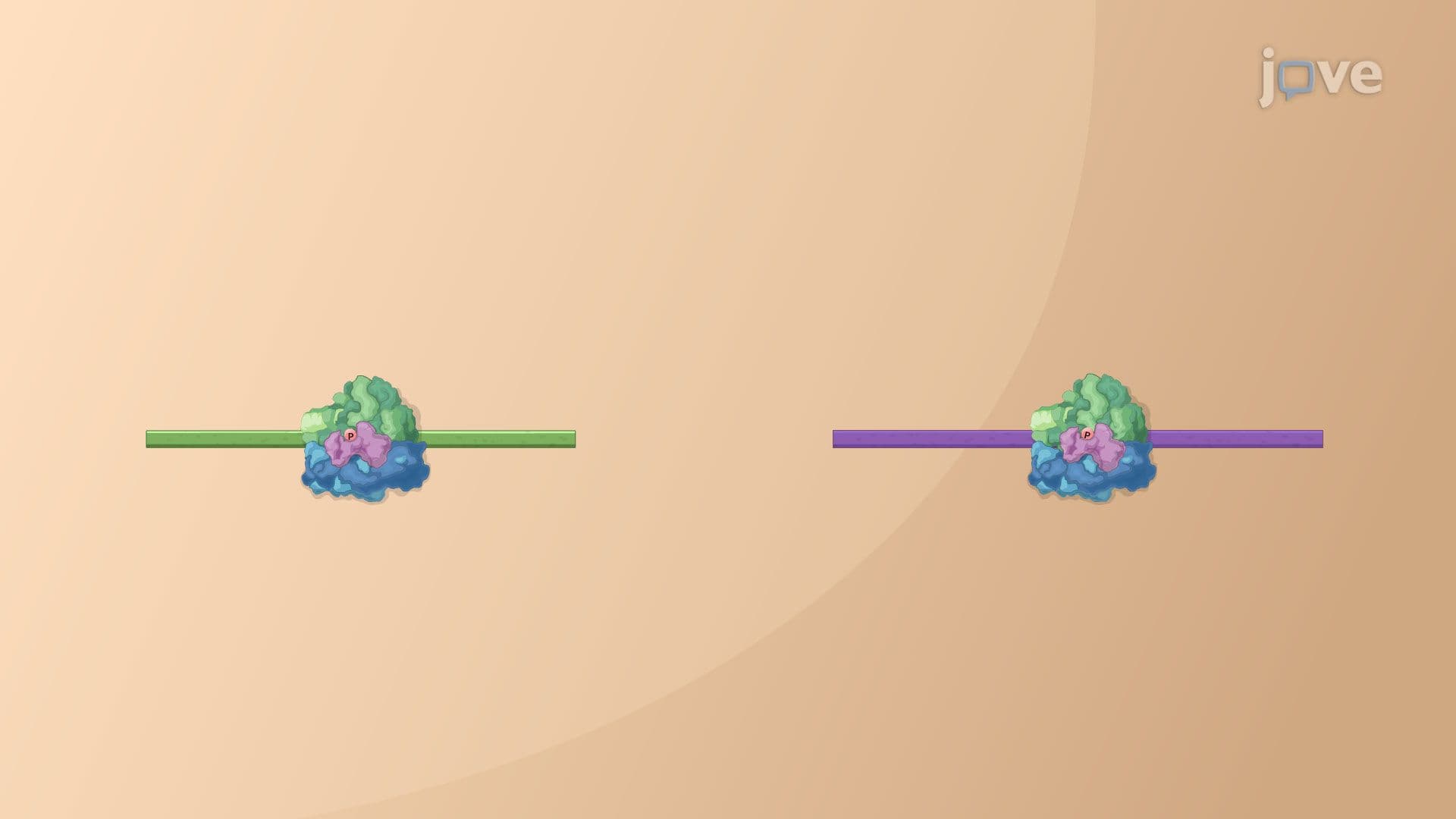
2. Inhibition of Bacterial Protein Synthesis Aminoglycoside antibiotics like streptomycin target the 30S subunit of the bacterial ribosome, a structure distinct from human ribosomes, making selective targeting possible. Binding causes a conformational change that misaligns mRNA and initiator tRNA, preventing formation of the functional 70S initiation complex. During elongation, streptomycin causes codon misreading, producing defective proteins that disrupt membrane integrity and accelerate cell death. This bactericidal mechanism distinguishes aminoglycosides from bacteriostatic protein synthesis inhibitors. They are used clinically in the US to treat serious gram-negative infections such as those caused by *Pseudomonas aeruginosa* and *Mycobacterium tuberculosis*.
3. Inhibition of Bacterial DNA Synthesis Fluoroquinolones are synthetic, broad-spectrum antibiotics that block two enzymes critical to DNA replication: DNA gyrase and topoisomerase IV. DNA gyrase relieves tension in the chromosome during replication by cutting, passing, and resealing DNA strands. Topoisomerase IV separates the two daughter chromosomes after replication. Fluoroquinolones trap both enzymes in their DNA-cleaved state, causing an accumulation of double-stranded DNA breaks that are lethal to the bacterium. In gram-negative organisms, DNA gyrase is the primary target; in gram-positive bacteria, it is topoisomerase IV. Drugs like ciprofloxacin, a widely used fluoroquinolone in the US, treat urinary tract infections, pneumonia, and skin infections.
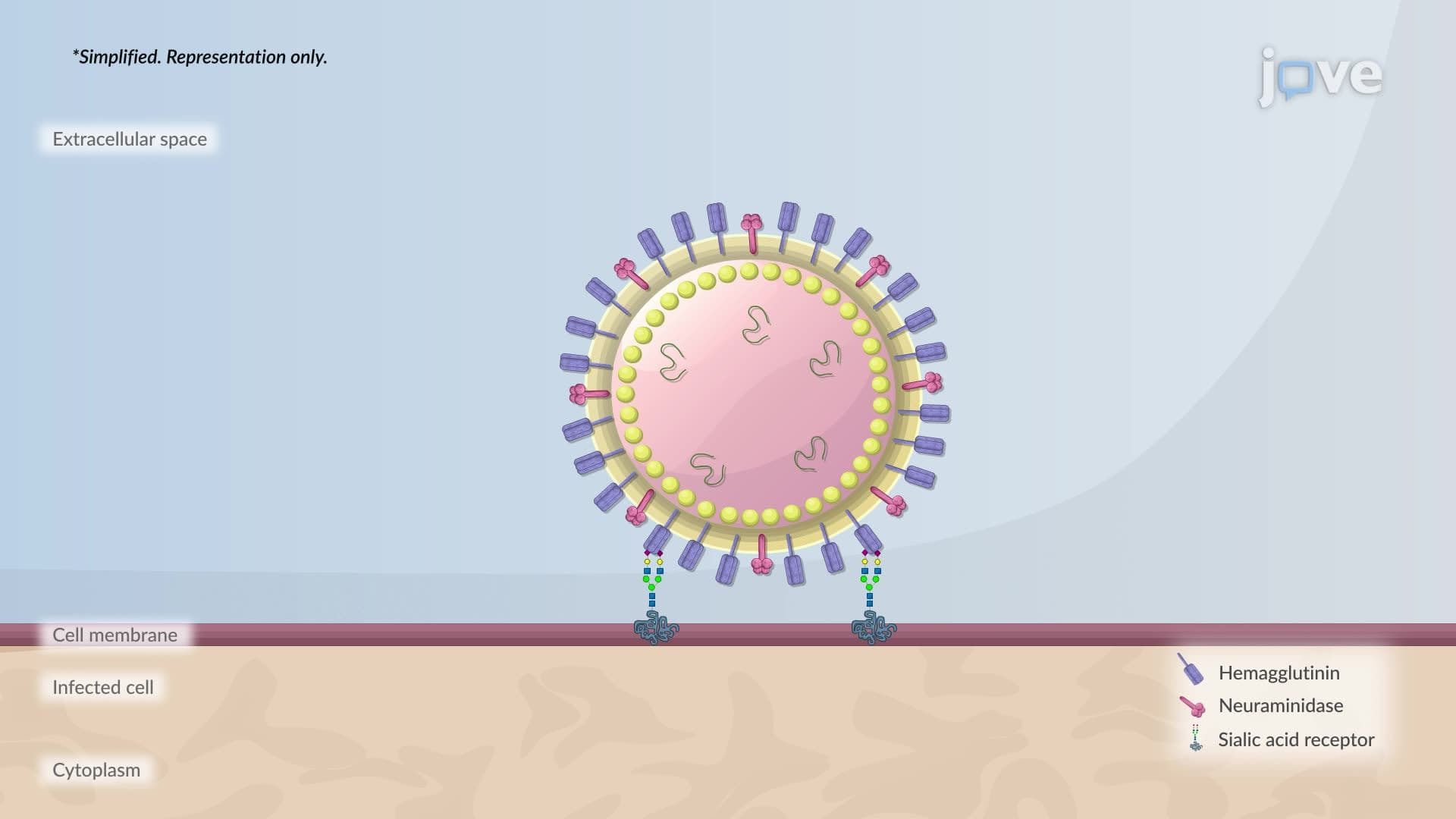
4. Antiviral Mechanisms, Inhibiting Viral Protein Synthesis and Release Interferons are proteins naturally produced by virus-infected cells that alert neighboring cells to activate antiviral defenses. Pegylated interferons, used clinically in the US to treat hepatitis B and C, bind cell surface receptors and trigger expression of interferon-stimulated genes. Key antiviral proteins produced, including protein kinase R, oligoadenylate synthetase, and RNase L, become activated in the presence of viral double-stranded RNA. These proteins collectively block mRNA translation and degrade viral RNA, suppressing viral replication. Separately, neuraminidase inhibitors like oseltamivir (Tamiflu), a household name in US flu season treatments, prevent influenza virions from detaching from host cells, halting viral spread.
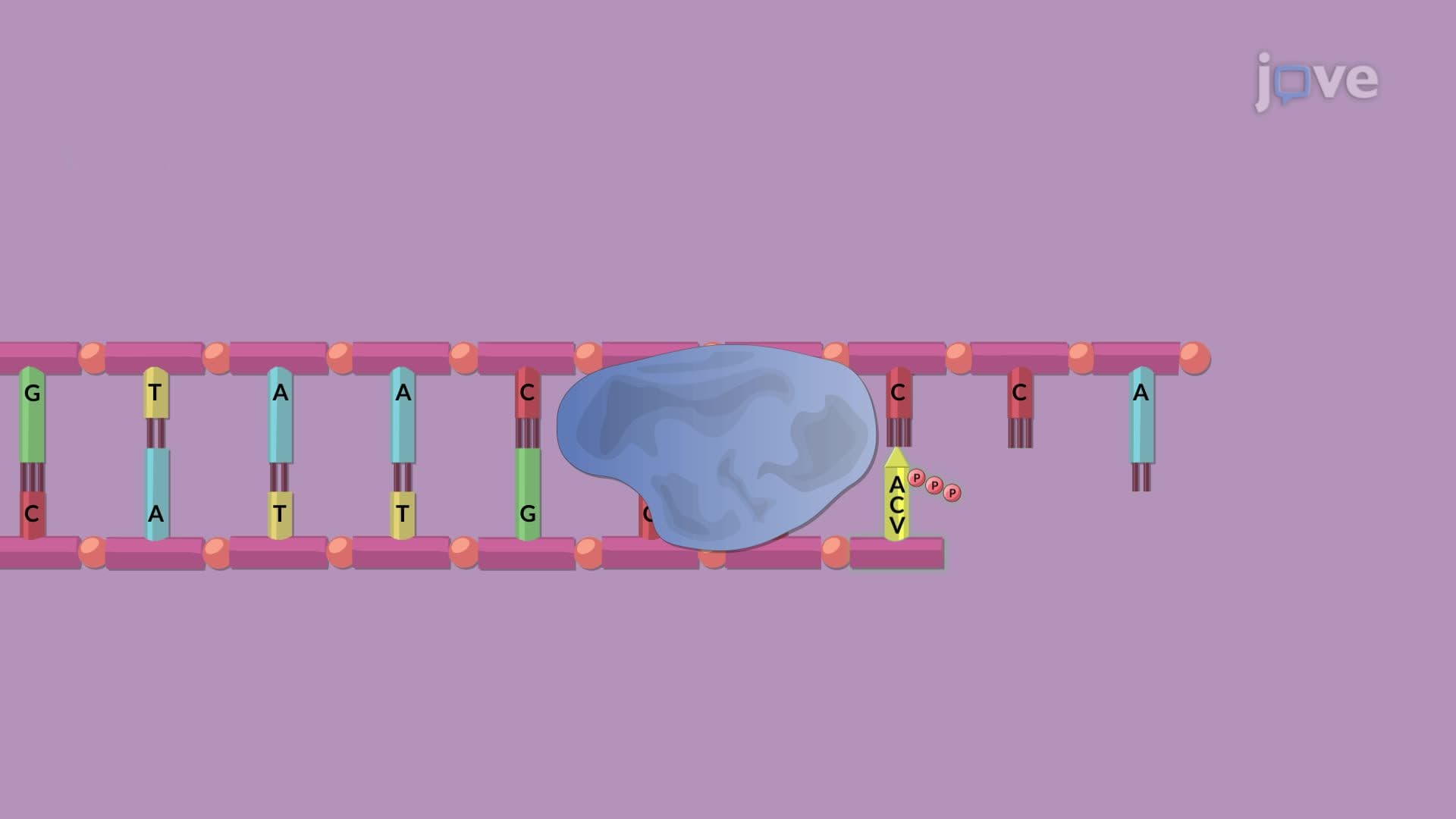
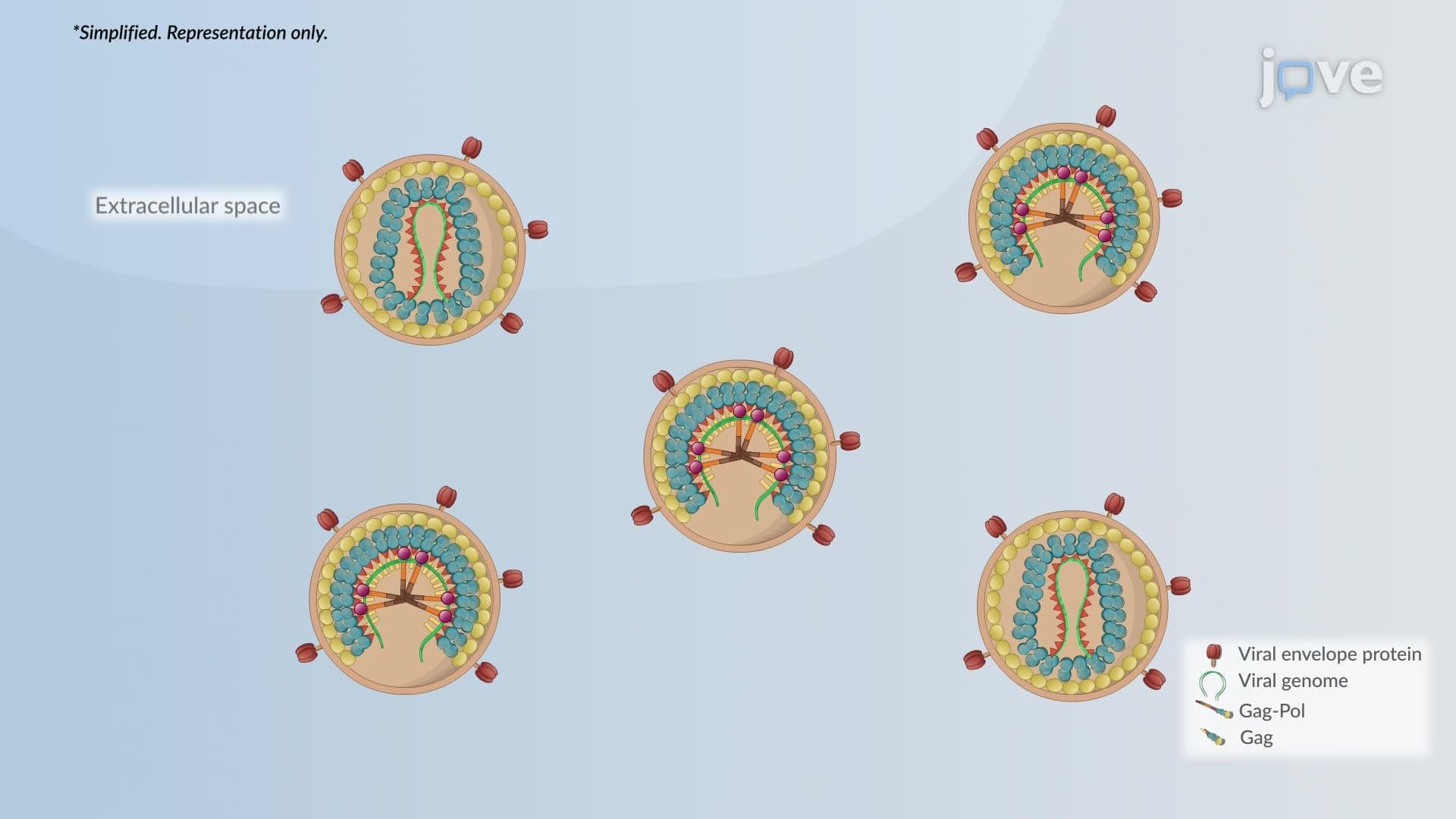
5. Antiviral Nucleoside Analogs and Protease Inhibitors Antiviral nucleoside analogs are chemical mimics of the building blocks of DNA or RNA. Acyclovir, a guanosine analog approved by the FDA and widely prescribed in the US for herpes simplex and varicella-zoster infections, is selectively activated by viral thymidine kinase. The active form, acyclovir triphosphate, competes with natural deoxyguanosine triphosphate and gets incorporated into viral DNA. Because it lacks a 3′-hydroxyl group, no further nucleotides can be added, DNA synthesis terminates prematurely. HIV protease inhibitors work differently: they block the viral protease enzyme from cleaving polyprotein chains (Gag and Gag-Pol) into functional proteins, leaving HIV virions immature and noninfectious, a strategy central to US antiretroviral therapy protocols.
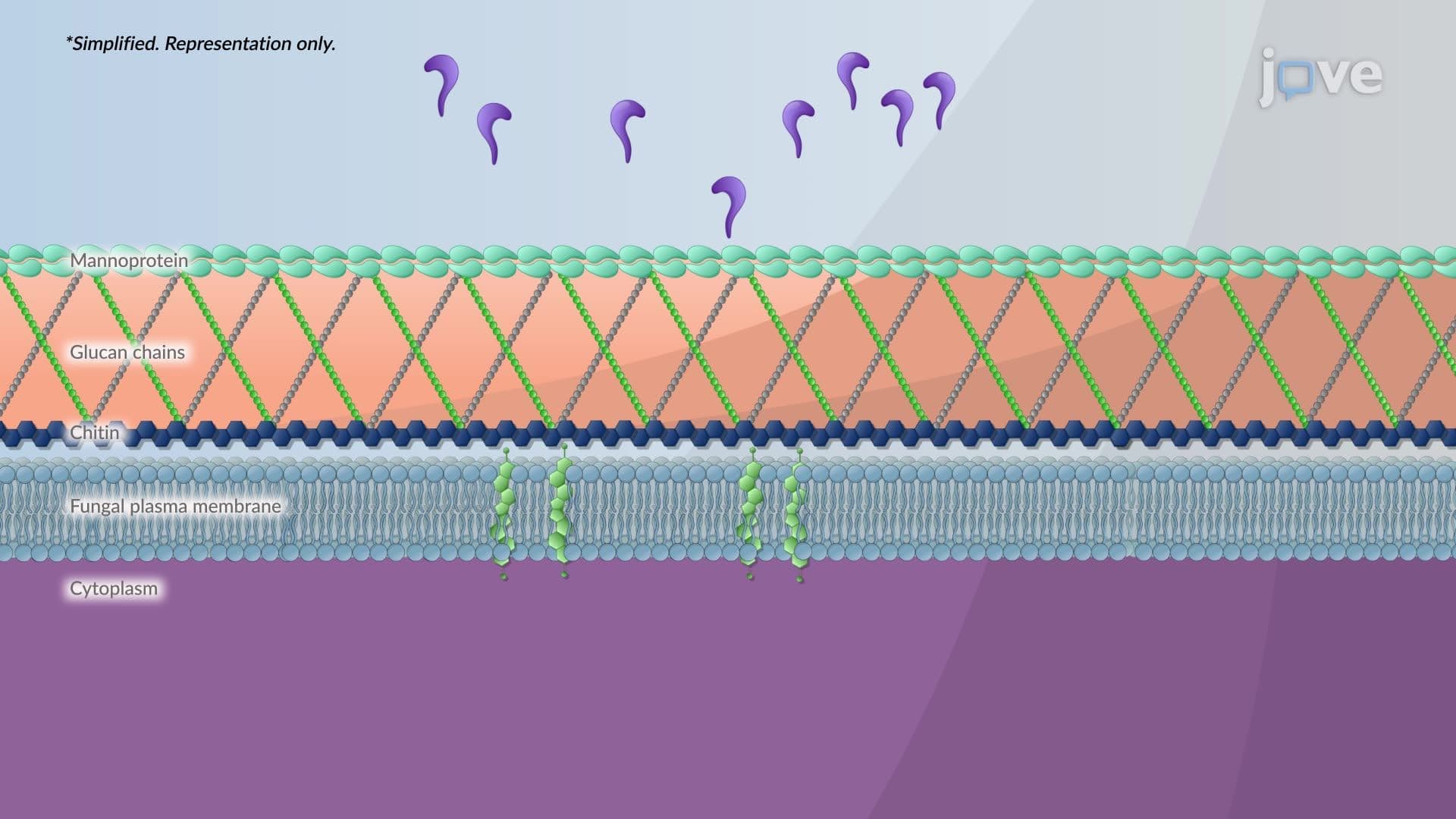
6. Antifungal Agents Fungal infections pose a serious risk to immunocompromised patients in US hospitals, including those undergoing chemotherapy or organ transplants. Amphotericin B remains one of the most potent antifungal agents available. It targets ergosterol, a sterol found in fungal cell membranes but absent from human cell membranes, making selective toxicity possible. Amphotericin B molecules embed into the fungal membrane and assemble into pore-like channels that allow uncontrolled leakage of potassium ions, causing osmotic collapse and fungal cell death. In an alternate mechanism, the drug sequesters ergosterol at the membrane surface, structurally destabilizing the membrane. Its use is reserved for serious, systemic fungal infections due to its potential for kidney toxicity.
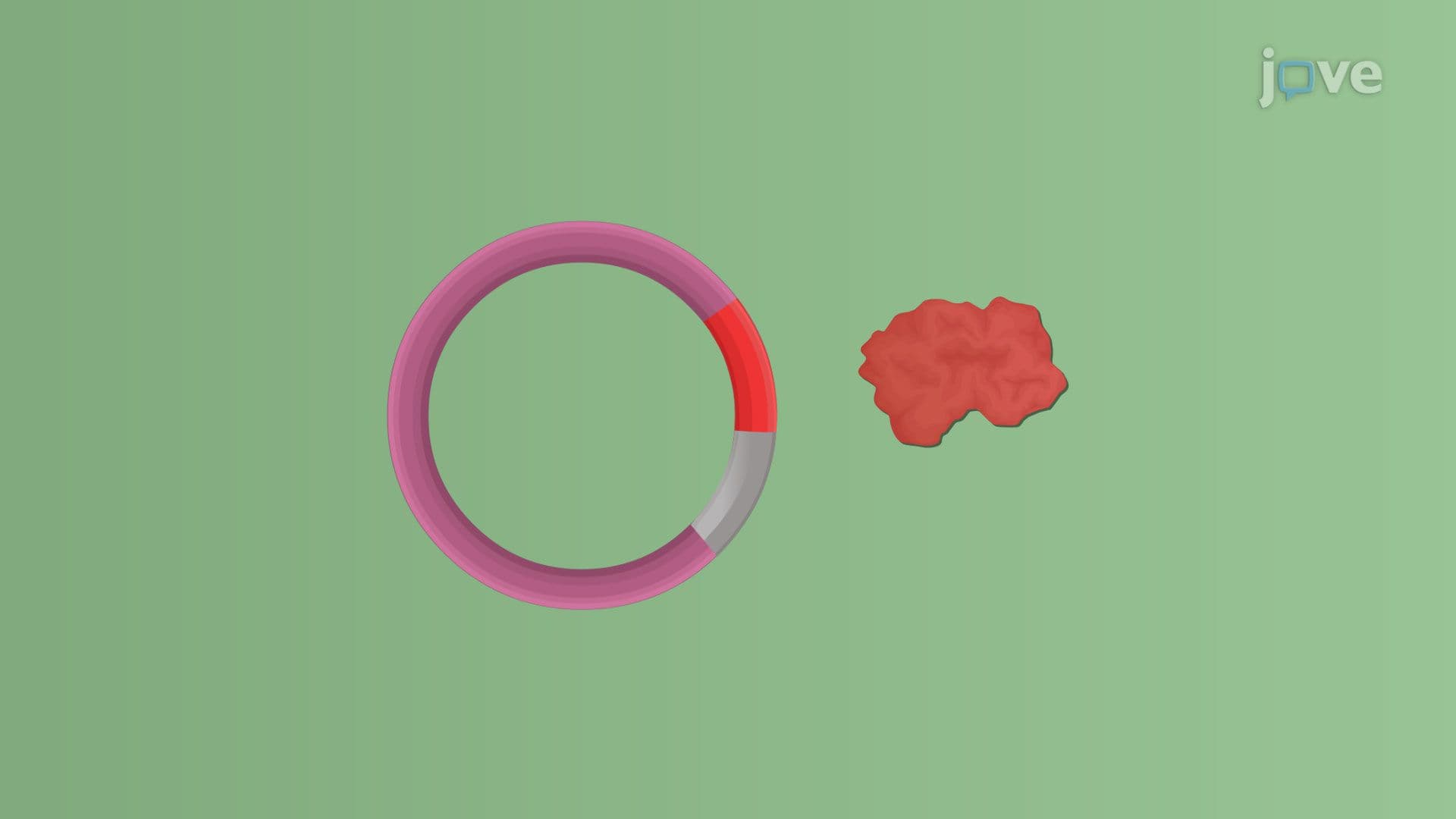
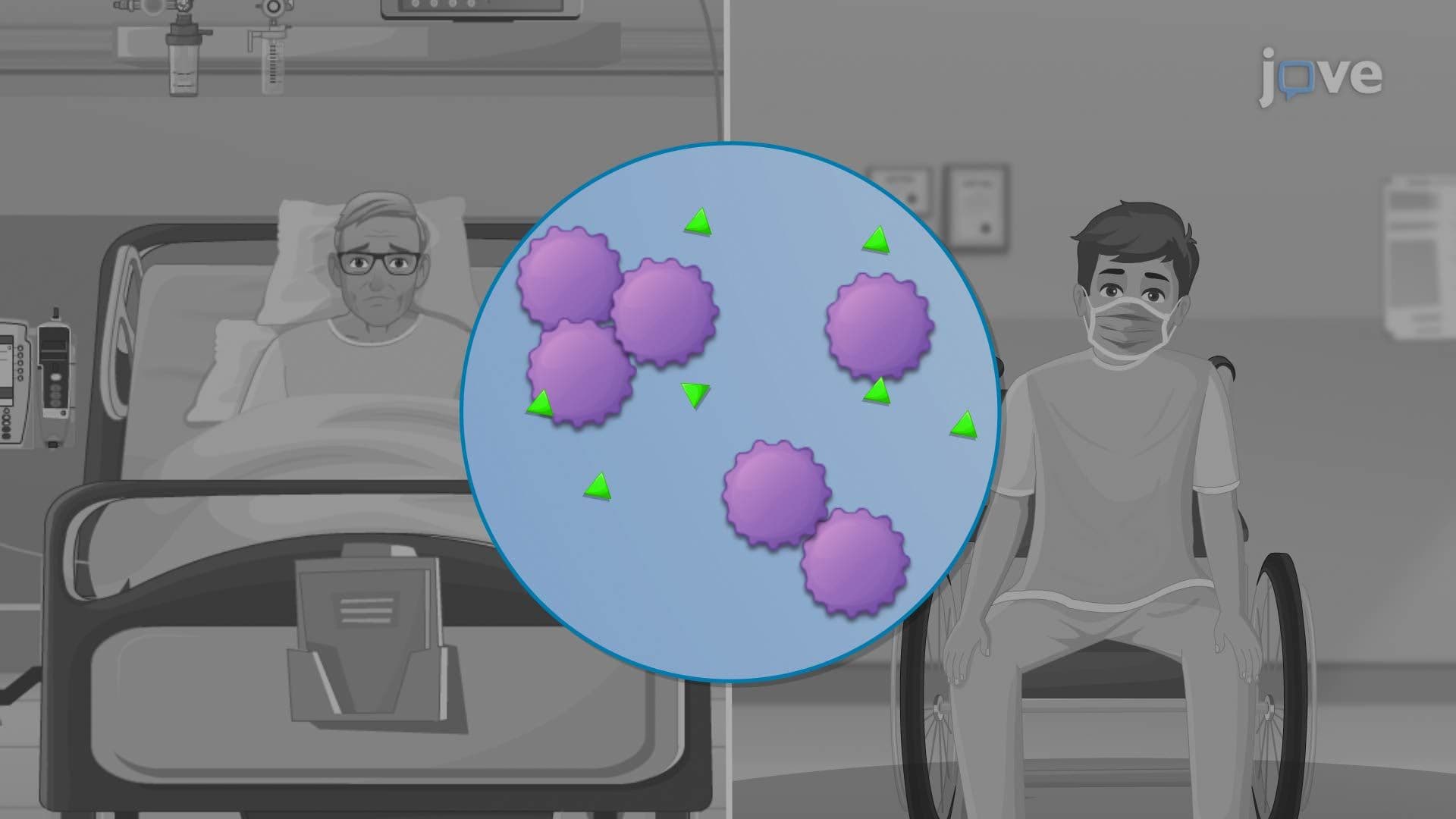
7. Antibiotic Resistance, MRSA Mechanisms and Clinical Impact Methicillin-resistant *Staphylococcus aureus* (MRSA) is one of the most clinically significant drug-resistant pathogens in the US, responsible for tens of thousands of hospitalizations and deaths annually. MRSA resistance is driven by the mecA gene, which encodes an altered penicillin-binding protein called PBP2a. Unlike normal PBPs, PBP2a has a very low binding affinity for beta-lactam antibiotics, allowing cell wall synthesis to continue despite drug exposure. In many strains, the regulatory genes that normally control mecA expression are nonfunctional, leading to continuous PBP2a production. MRSA can express heterogeneous resistance (only some cells are resistant) or homogeneous resistance (entire population is resistant), complicating treatment strategies.
8. Combating Resistance, Alternative Strategies Because standard antibiotics often fail against resistant pathogens like MRSA, researchers and clinicians in the US are exploring alternative strategies. Phytochemicals, bioactive compounds derived from plants, have shown antimicrobial activity against MRSA in laboratory settings. Bacteriophage therapy uses viruses that specifically infect and lyse MRSA cells without harming human tissue. Nanoparticles, particularly those releasing heavy metal ions like silver and zinc, disrupt bacterial membranes and interfere with essential cellular functions. Probiotic strains can secrete antimicrobial compounds that suppress MRSA growth. These approaches are being researched through NIH-funded clinical trials and represent the frontier of infectious disease management in the US.
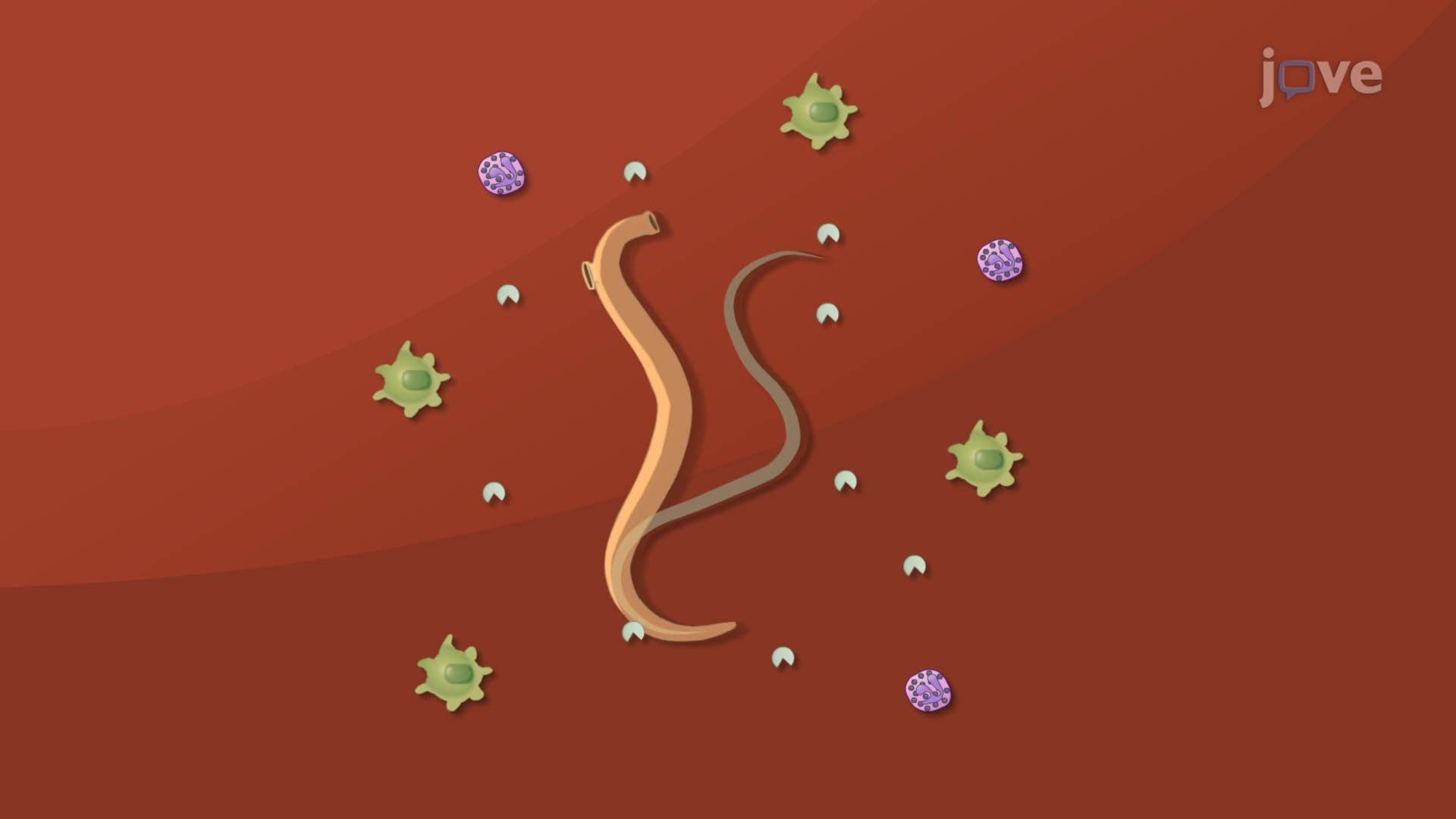
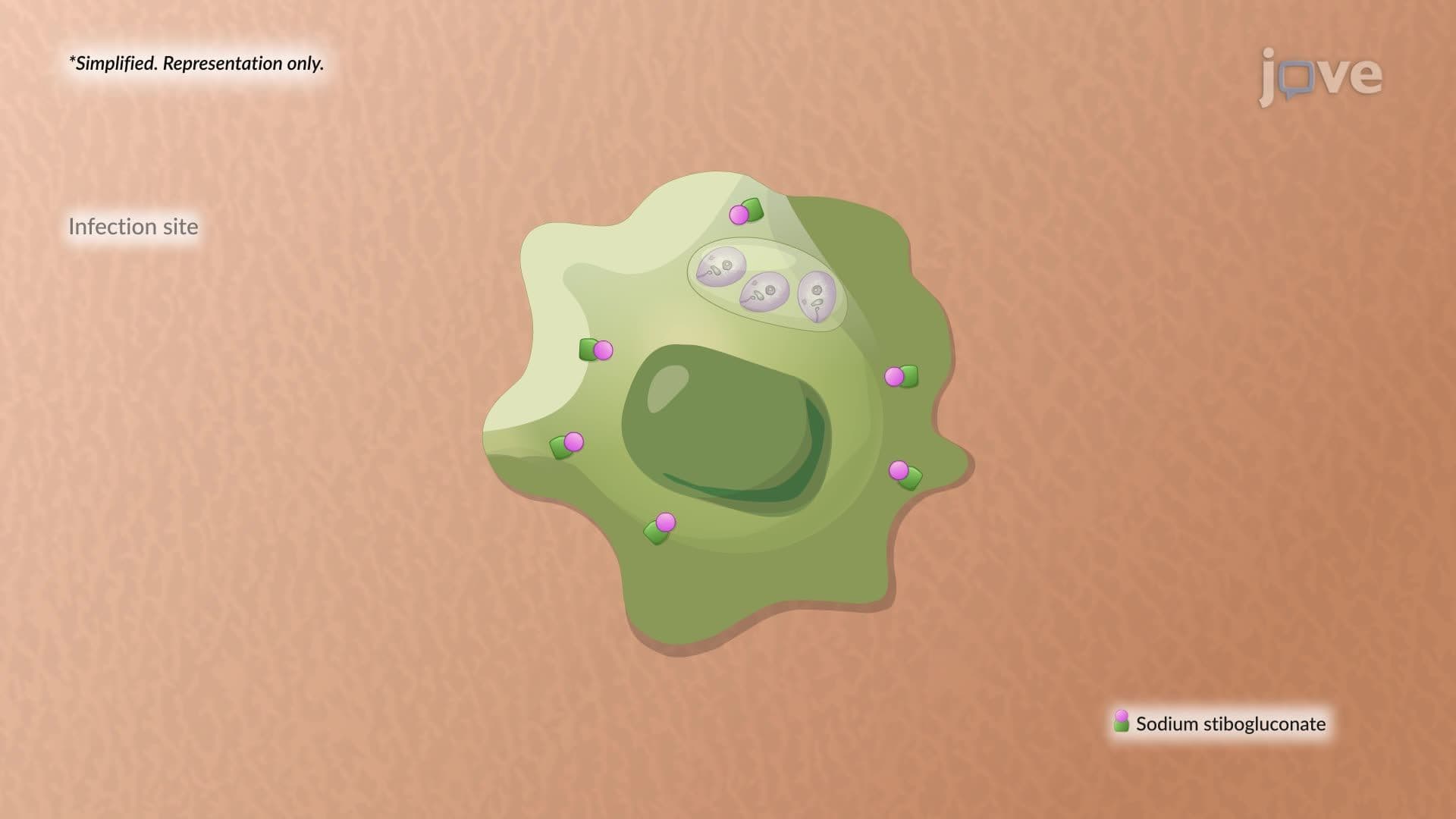
9. Antiprotozoal and Anthelmintic Agents Parasitic infections, though more prevalent globally, also affect US populations, particularly travelers and immunocompromised individuals. Sodium stibogluconate (SSG) treats leishmaniasis by entering macrophages, where *Leishmania* parasites reside, and converting to an active trivalent antimony form. This form blocks trypanothione reductase, disrupts redox balance, and promotes toxic reactive oxygen species accumulation, killing the parasite. Anthelmintic drugs like praziquantel eliminate parasitic worms (helminths) by triggering a calcium influx that causes sustained muscle contraction and paralysis. The resulting damage to the parasite's protective tegument exposes internal antigens to the host immune system, enhancing immune-mediated clearance, a dual pharmacological and immunological attack.