Loading video…

 12 Concepts
 2.3K views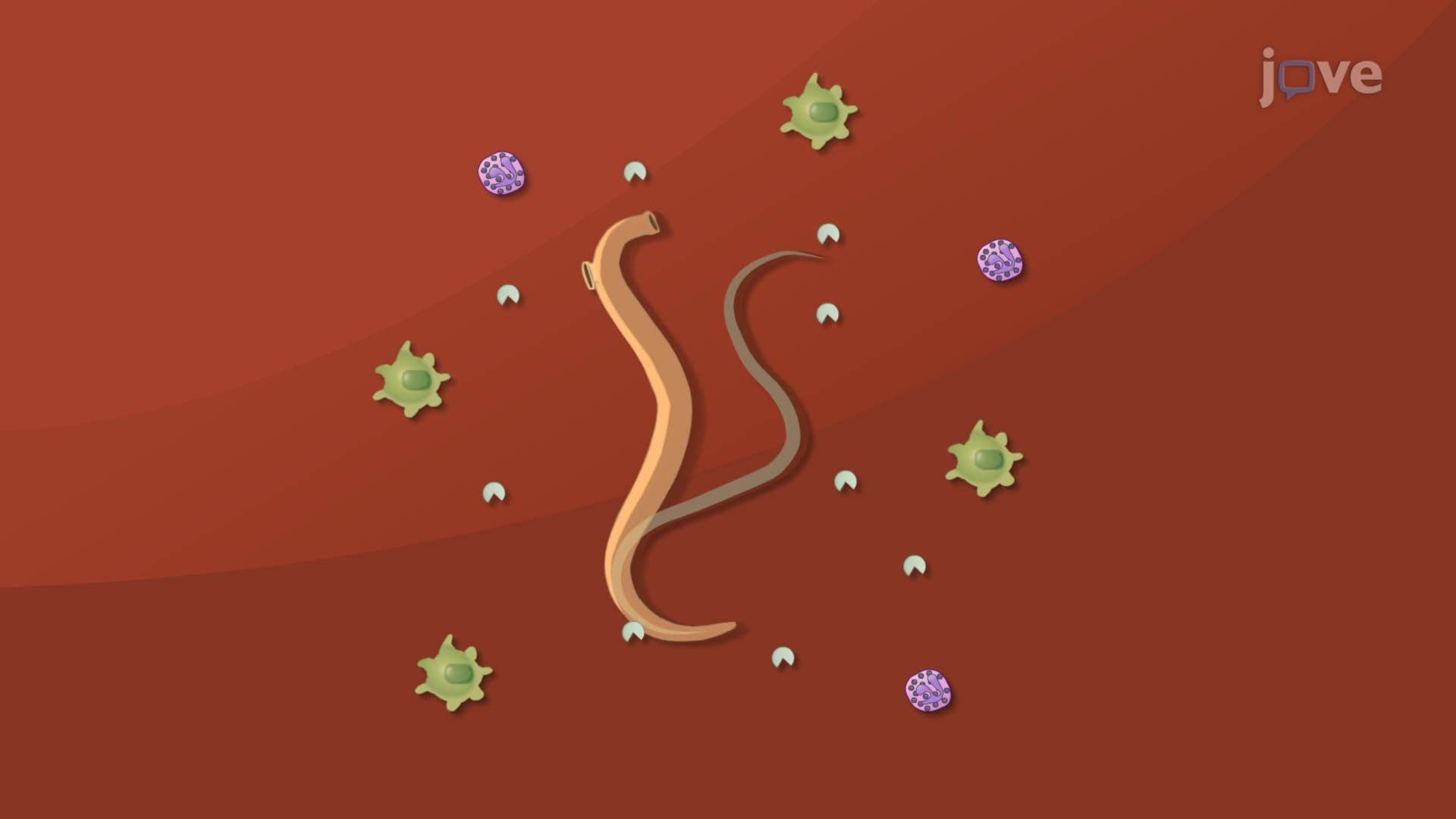

Video Summary: What are Anthelminthic Agents
Did you know that parasitic worms infect over a billion people worldwide, including vulnerable communities across the US? Anthelminthic agents are specialized drugs designed to eliminate these dangerous parasitic helminths from the body. One powerful example, praziquantel, works by flooding worm cells with calcium, causing paralysis and exposing the parasite to immune attack. Watch the full video on JoVE Coach to master this concept with expert-led visuals and step-by-step explanations.
Anthelminthic agents are a critical class of antimicrobial drugs specifically engineered to combat parasitic helminths, a group that includes tapeworms, roundworms, and flukes. Unlike antibiotics that target bacteria, or antifungal agents that combat fungal infections, anthelminthic drugs must contend with organisms that are biologically complex, multicellular, and often well-defended. Understanding how these drugs work is essential for students in AP Biology, college microbiology, and anyone preparing for professional exams like the MCAT or USMLE.
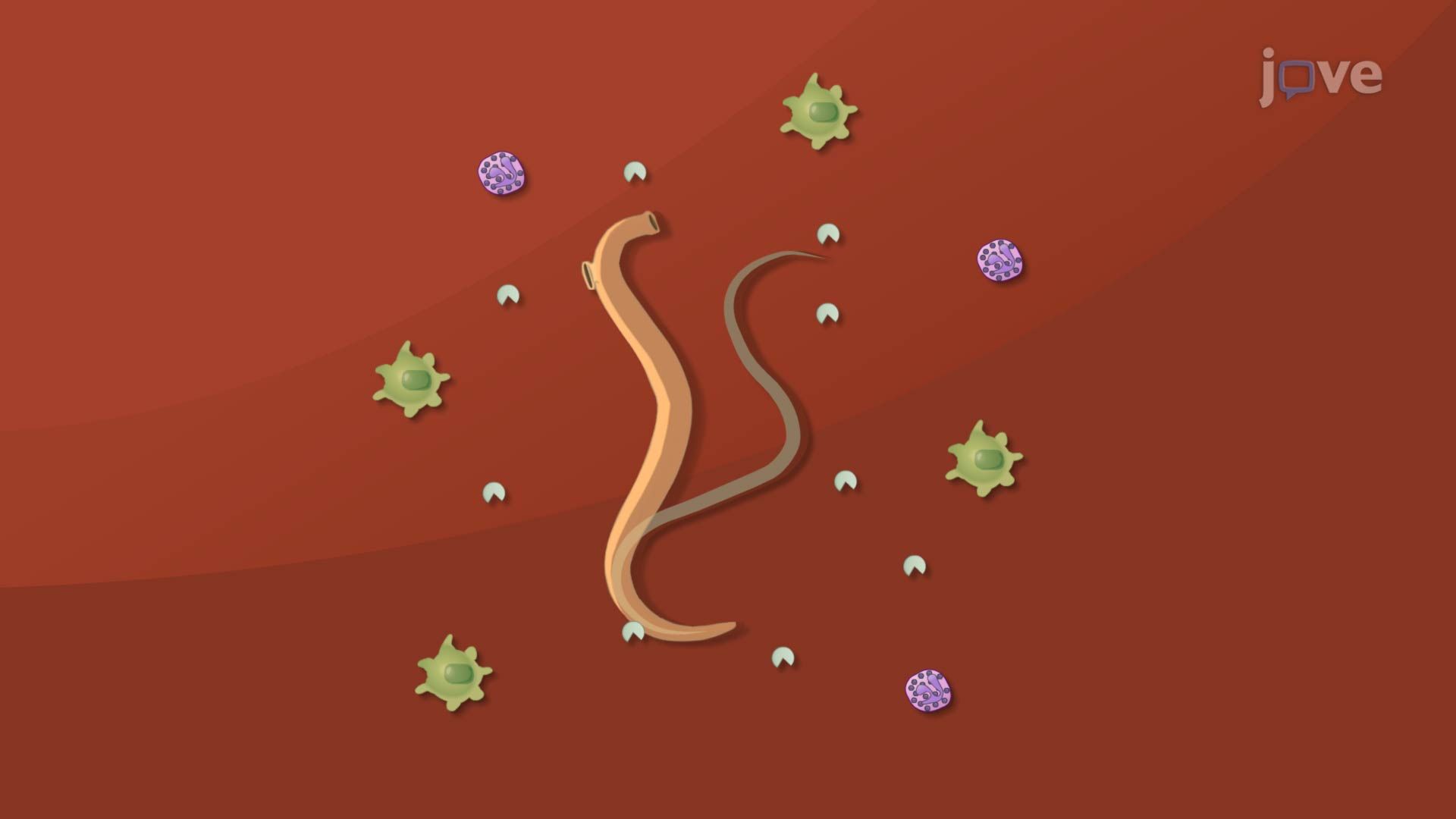
The central question, how do antimicrobial drugs work against helminths, comes down to targeting structures unique to the parasite. One of the most studied drug classes is pyrazinoisoquinolines, represented by praziquantel, which is approved by the FDA and widely used in the US to treat schistosomiasis and tapeworm infections. Praziquantel selectively targets the parasite's tegument, a protective outer cellular layer that functions like a biological shield. The drug forces calcium ion channels in tegumental cells to open rapidly, flooding the cells with calcium. This triggers sustained, uncontrolled muscle contraction, effectively locking the worm in a paralyzed state. Think of it like cramping a muscle so severely that it can no longer function.
What makes praziquantel especially effective is not just direct paralysis, it is the downstream immune consequence. Once the tegument is disrupted, the worm's inner surface antigens, normally hidden from host defenses, become exposed. The host immune system, including antibodies and other immune modulators, can now recognize and attack these previously concealed targets. This creates a powerful synergy: the drug weakens the parasite's defenses while the immune system delivers the final clearance. This concept of drug-immune cooperation is a high-yield topic in college immunology and pharmacology courses.
Like all antimicrobial drugs, anthelminthic agents raise important questions about spectrum and resistance. Most anthelminthic drugs are relatively narrow in scope, targeting specific parasite types rather than functioning as broad-spectrum agents. This is intentional, broader activity risks toxicity to host cells that share biological features with the parasite. Antimicrobial resistance in helminths is an emerging concern, particularly in veterinary medicine and in regions where mass drug administration programs are widespread. While resistance to praziquantel remains limited in human medicine, monitoring is ongoing, a key issue students may encounter in public health and pharmacology coursework.
For students preparing for the MCAT, USMLE Step 1, or college pharmacology midterms, anthelminthic agents often appear in questions testing mechanism-based reasoning. A classic question format asks students to trace the sequence: drug administration → ion channel activation → muscle contraction → tegument disruption → immune exposure → parasite clearance. In clinical practice, US physicians prescribe praziquantel for patients diagnosed with neurocysticercosis, a tapeworm infection of the brain that affects immigrant communities in states like California and Texas. Connecting this real-world application to the cellular mechanism is exactly the kind of integrated thinking that top-scoring exam answers demonstrate.
Related Micro-courses