Loading video…

 12 Concepts
 2.3K views

Video Summary: Inhibitors of Viral Protein Synthesis Explained
Your own cells can become antiviral factories, and that's exactly what makes understanding inhibitors of viral protein synthesis so fascinating. When a virus invades, the body deploys interferons to shut down viral protein production before replication spirals out of control. Think of how flu treatments work in US hospitals every winter, this mechanism is central to that response. Watch the full video on JoVE Coach to master this concept with expert-led visuals and step-by-step explanations.
When a virus hijacks your cells, it doesn't just replicate, it commandeers your cellular machinery to manufacture its own proteins. Inhibitors of viral protein synthesis are molecules, both natural and synthetic, that interrupt this process. Understanding how they work is foundational to virology, pharmacology, and even public health policy in the United States.
Interferons are proteins naturally produced by infected cells. Rather than attacking viruses directly, they send warning signals to neighboring healthy cells, essentially preparing them for an incoming threat. Once interferons bind to surface receptors on healthy host cells, they activate a set of genes known as interferon-stimulated genes (ISGs). These genes encode antiviral proteins that remain inactive until a virus is actually detected, an elegant, energy-efficient design.
Pegylated interferons represent an important advancement in antiviral therapy. By chemically attaching polyethylene glycol (PEG) to a recombinant interferon molecule, pharmaceutical scientists in the US have extended the drug's half-life in the bloodstream, reducing how often patients need injections. Pegylated interferons like Pegasys (peginterferon alfa-2a) were widely used in US clinics for treating Hepatitis C before newer direct-acting antivirals became the standard of care.
Once viral double-stranded RNA (dsRNA) is detected inside a cell, a molecular signature that normal healthy cells don't produce, three dormant antiviral proteins snap into action:
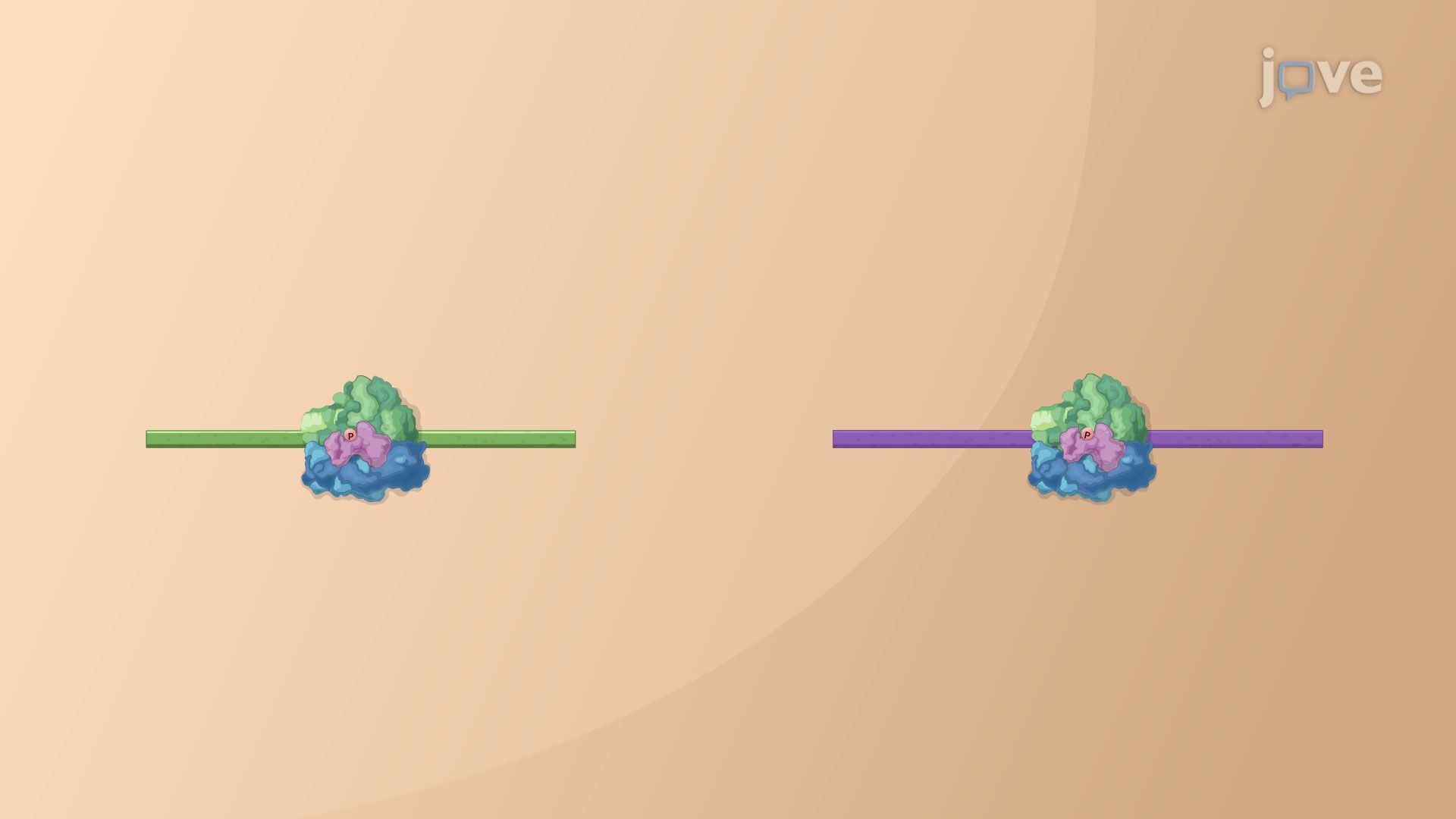
1. Protein Kinase R (PKR): PKR phosphorylates eukaryotic translation initiation factor 2 (eIF2). When eIF2 is phosphorylated, it can no longer initiate the translation of mRNA into protein, effectively freezing the cell's protein-manufacturing assembly line for both viral and host mRNA.
2. Oligoadenylate Synthetase (OAS): OAS synthesizes short chains of adenylate molecules (2-5A oligoadenylates), which act as molecular messengers to activate the next player.
3. RNase L: Activated by 2-5A molecules from OAS, RNase L degrades both viral and host mRNA indiscriminately. While this sounds destructive, the end result, cell death (apoptosis), actually prevents the virus from completing its replication cycle and spreading to nearby tissue.
This chain reaction is a key example of how antimicrobial drugs and natural defense mechanisms share the same strategic goal: stopping replication before it overwhelms the host.
This topic appears in AP Biology when students study immune responses and gene expression, and it's heavily tested on the MCAT in the biochemistry and molecular biology sections. College students in microbiology, immunology, or pharmacology courses at US universities frequently encounter these mechanisms on midterms and finals.
Understanding inhibitors of viral protein synthesis also provides critical context for broader discussions about how do antimicrobial drugs work, what distinguishes antiviral agents from antibiotics, and why antimicrobial resistance is such a pressing issue. Unlike broad spectrum antibiotics or narrow spectrum antibiotics, which target bacterial structures absent in human cells, antiviral strategies must work around the challenge that viruses exploit host cell machinery. This makes selectivity extraordinarily difficult, which is why natural interferon pathways, despite their side effects, remain scientifically significant.
In the US, research into these pathways continues at institutions like the NIH and CDC, particularly in the context of emerging viral threats such as influenza, SARS-CoV-2, and hemorrhagic fever viruses.
Related Micro-courses